Where to Stay in Le Havre: Best Neighborhoods, Hotels, and What to Expect
Le Havre has more accommodation variety than most visitors expect, from design-forward hotels in the UNESCO-listed Perret quarter to seafront options steps from the beach. This guide breaks down where to stay in Le Havre by neighborhood, budget, and what you're here to do.
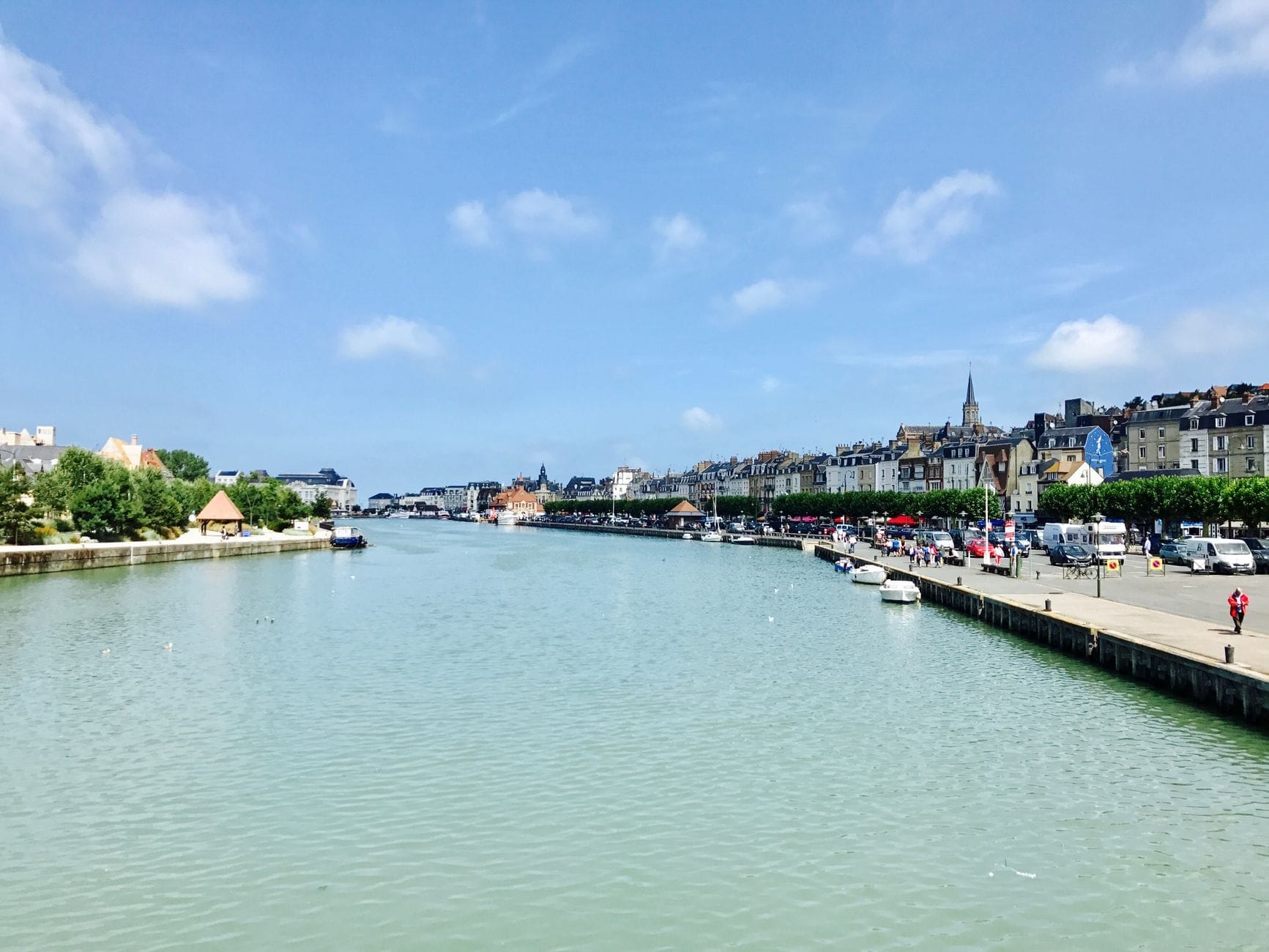
Plan and book this trip
Tools from our partner Travelpayouts help you compare flights and hotels. If you book through them, we may earn a commission at no extra cost to you.
Flights
Hotels map
TL;DR
- The UNESCO-listed Centre-ville Perret quarter is the best all-round base: walkable, atmospheric, and close to the beach and major sights.
- The area around Le Havre SNCF station is ideal for rail travelers arriving from Paris (around 2h30 by train) or those taking day trips.
- Le Havre hotels range from around €76 per night at budget-friendly options to €148+ at the Hilton Garden Inn; see the best time to visit Le Havre for seasonal pricing patterns.
- Beach-adjacent hotels near Boulevard Albert 1er are worth the premium in summer but feel exposed and wind-swept outside June to August.
- Le Havre is not just a port transit stop — the city's cultural scene and architecture make a two-night stay genuinely worthwhile for most visitors.
Understanding Le Havre Before You Book
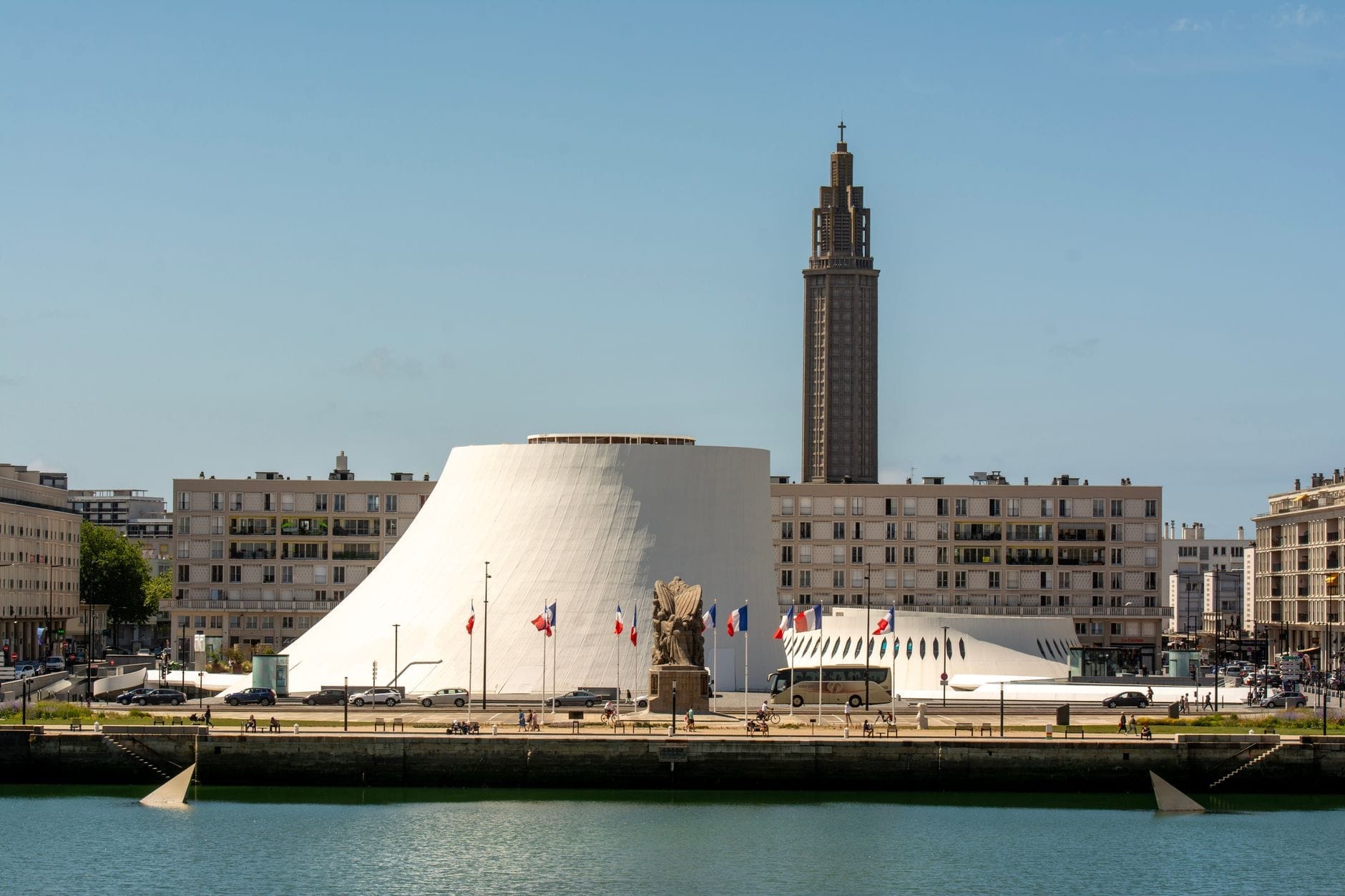
Le Havre is a compact city of around 166,000–167,000 people on the Normandy coast, about 195–200 km northwest of Paris. It sits at the mouth of the Seine estuary on the English Channel, which shapes both its character and its weather. What makes it distinctive is the UNESCO-listed city centre, designed from scratch by architect Auguste Perret after Allied bombing destroyed most of the city in 1944. The result is a rare, coherent modernist grid that now functions as both a living city and an open-air architecture museum.
For travelers booking hotels in Le Havre, that urban layout matters. The city centre is tight, well-organized, and very walkable. Most of the cultural attractions, restaurants, and transit connections cluster within a 20-minute walk of each other. That means where you sleep directly affects your daily experience, rather than being an afterthought. The three zones that account for the majority of visitor stays are the Perret city centre, the area around the SNCF train station, and the seafront along Boulevard Albert 1er.
ℹ️ Good to know
Le Havre is in the CET/CEST timezone (UTC+1 in winter, UTC+2 in summer). The currency is the Euro (EUR). France's country dialing code is +33. Tap water is safe to drink. Emergency services: dial 112 (EU-wide), or 15 (medical), 17 (police), 18 (fire) in France.
The Best Areas to Stay in Le Havre
The Centre-ville Perret quarter is the strongest choice for most visitors. Hotels here place you among the broad avenues, concrete-and-glass civic buildings, and cultural landmarks of Perret's reconstruction. You can walk to the Église Saint-Joseph, the Musée d'Art Moderne André Malraux (MuMa), and the beach in under 15 minutes. The Oscar Hôtel is the best-known mid-range option here, with rates from around €76 per night.
The station area is a second distinct zone worth considering. NOMAD Hôtel Le Havre sits at the foot of the SNCF and bus stations, which makes it particularly practical for arrivals from Paris Saint-Lazare (approximately 2h00 by train) or travelers planning day trips from Le Havre to Étretat, Honfleur, or Rouen. The station is also the hub for regional Nomad Car coach services and the LiA tramway network. Rates start around €86 per night.
The seafront zone along Boulevard Albert 1er and Plage du Havre attracts travelers who prioritize the Channel views and beach access. The Hilton Garden Inn Le Havre Centre sits on the waterfront with rates from around €148 per night, and Hôtel Lilybloom positions itself a few steps from the sea. These are the right choices in summer, but the seafront can feel raw and windswept from October through April. The English Channel does not deliver Mediterranean conditions, and Le Havre's oceanic climate means even summer days can be cooler and windier than expected.
- Centre-ville Perret Best for sightseeing, architecture walks, and access to MuMa and the beach. Oscar Hôtel from ~€76/night. UNESCO World Heritage surroundings.
- SNCF Station area Best for rail travelers, day-trippers, and cruise passengers arriving by coach transfer. NOMAD Hôtel from ~€86/night. Direct access to Paris trains and regional buses.
- Seafront / Boulevard Albert 1er Best in summer for beach access and Channel views. Hilton Garden Inn from ~€148/night, Hôtel Lilybloom a few steps from the sea. Can feel exposed in off-season.
- Marina / Bassin du Commerce zone Good central option for a waterfront feel without being fully beach-facing. Mix of chain and independent hotels. Walkable to cultural venues and the covered market.
Budget Ranges and What to Expect
Le Havre's hotel market skews practical rather than luxury. The city has around 500–520 accommodation options listed on major booking platforms, with prices starting from around €60–61 per night at the budget end. That breadth is useful, but the genuine choice narrows once you factor in quality and location. There are relatively few boutique hotels compared to cities like Rouen or Caen, though the design-focused options in the Perret quarter are growing.
- Budget (€60–€90/night) Functional chain hotels and independent options near the station and city centre. Oscar Hôtel (~€76) offers solid value in the Perret quarter.
- Mid-range (€90–€130/night) NOMAD Hôtel Le Havre (~€86), Hôtel La Petite Rade (~€122), and Vent d'Ouest (~€127) represent the strongest mid-range tier with distinct personalities.
- Upper-mid / Premium (€130–€150+/night) Hilton Garden Inn Le Havre Centre (~€148) and Hôtel Spa du Pasino (~€120) for facilities like spas and waterfront locations. Best Western Plus Le Havre Centre Gare sits in this tier too.
💡 Local tip
Rates in Le Havre spike during the annual Un Été au Havre art festival (typically June through September) and around major port arrival dates. Book at least 4–6 weeks ahead if visiting in peak summer. Outside July and August, last-minute deals are common and the city is notably quieter.
Seasonal Considerations for Booking
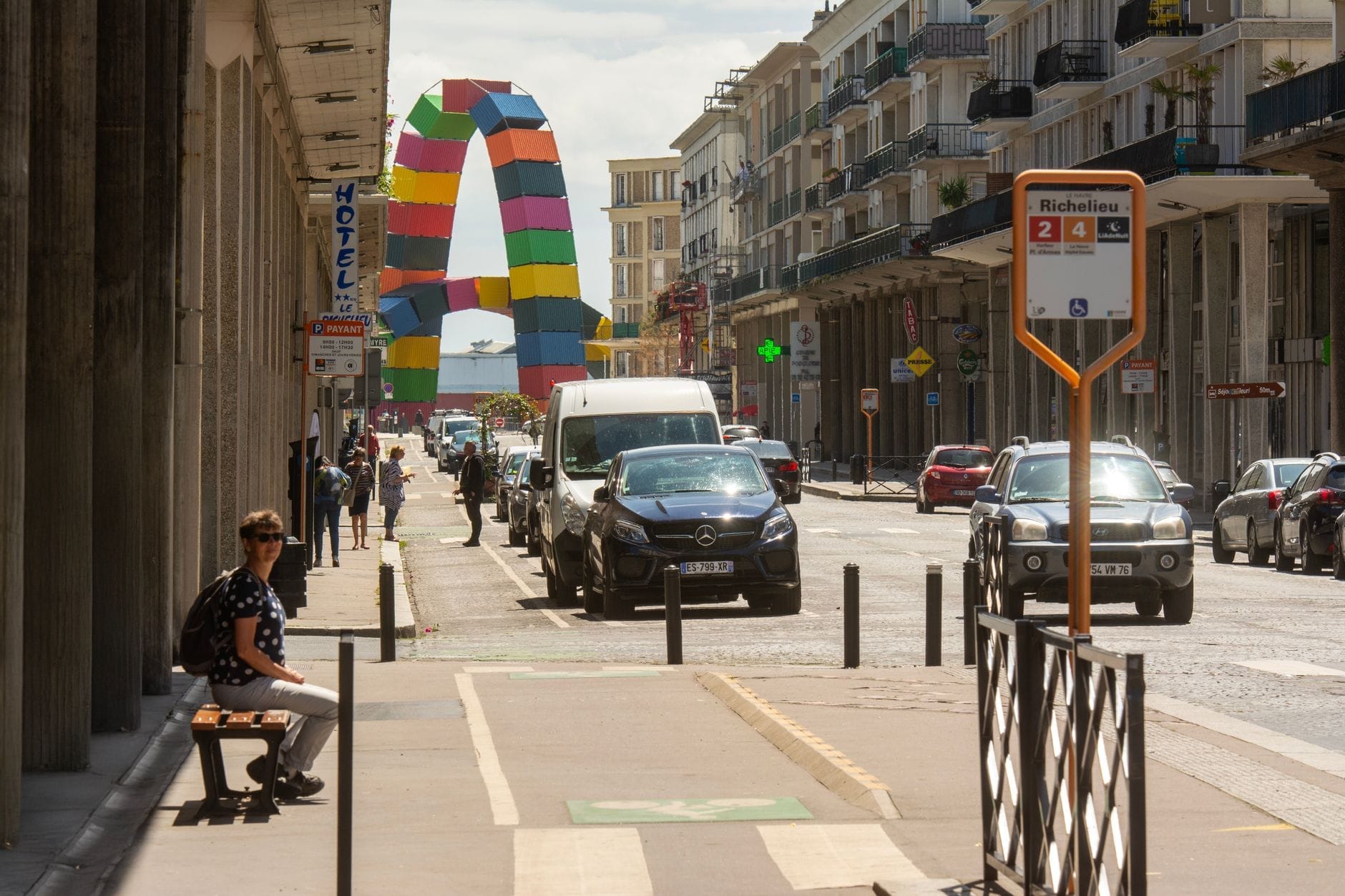
Le Havre's oceanic climate means the accommodation experience shifts noticeably across seasons. Le Havre in summer is when the city comes alive: the beach fills with local families, the waterfront promenade is active, and the Un Été au Havre festival brings monumental outdoor art installations across the city centre. For this season, seafront and city-centre hotels are worth paying a premium for.
Spring (March through May) offers mild temperatures, lower prices, and fewer crowds. This is a good season for architecture tourism and museum visits, where you can spend time at MuMa or walk the Perret grid without the summer foot traffic. The Impressionist connection to this coastline is strongest in spring light, and Sainte-Adresse, just north of Le Havre, is worth an afternoon visit for its clifftop views and the famous painting locations.
Autumn and winter are honest seasons here: grey, frequently wet, and windy from the Channel. The city does not try to be something it is not out of season. If you're visiting for the architecture, the World War II history, or the port spectacle, these quieter months are fine and significantly cheaper. The station-area hotels make more sense in off-season, since you'll likely be using trains for day trips rather than sitting on the beach.
Practical Tips for Staying in Le Havre
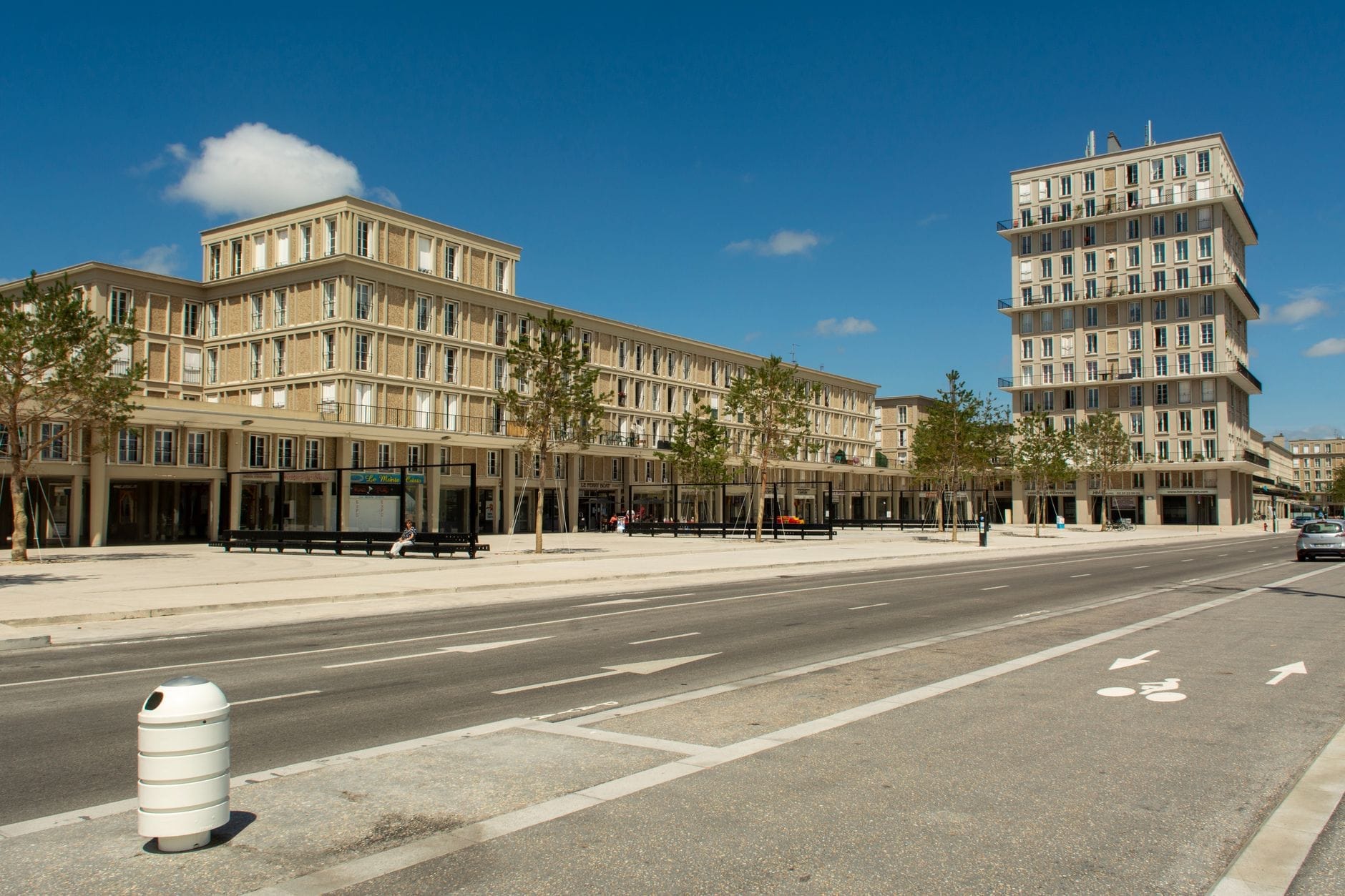
Le Havre is easy to navigate once you understand the grid. The Perret city centre follows a logical axis running roughly from the SNCF station down to the seafront. Walking from the station to the beach takes around 20–25 minutes on foot. The LiA tramway and bus network covers the wider city and suburbs, including the hillside neighbourhood of Sainte-Adresse to the northwest. Cycling is also a realistic option: the city has dedicated cycle lanes and sits on the Vélomaritime and Seine à Vélo long-distance cycling routes.
For cruise passengers arriving at the port, the Le Havre cruise port is located south/southwest of the city centre, roughly 2–2.5 km from most hotels. Taxis, private transfers, and coach shuttles connect the terminal to the city. If your ship docks for a day, a city-centre hotel is unnecessary, but if you're pre- or post-cruise, the station area or Perret quarter both allow an easy taxi or tram connection to the port.
⚠️ What to skip
The port and industrial waterfront area is not a place to base yourself as a leisure traveler. While the scale of the container port is impressive to see, the immediate surroundings offer no practical hotels, restaurants, or walkable sightseeing. Stay in the city centre and visit the port as a half-day excursion.
If you're spending more than one night and want to explore beyond the city itself, consider that Le Havre functions well as a base for the Seine-Maritime coast. The village of Étretat with its famous chalk cliffs is around 30 km away, and Honfleur is about 30 km via the Pont de Normandie bridge. A two-day Le Havre itinerary is a realistic minimum to do the city justice without feeling rushed.
✨ Pro tip
Ask hotels in the Perret quarter specifically about rooms facing the main avenues rather than interior courtyards. The architectural streetscape is a significant part of what makes staying in this district worthwhile, and not all rooms deliver that view. It's worth confirming at booking.
What Le Havre's Hotel Scene Does Well (and Where It Falls Short)
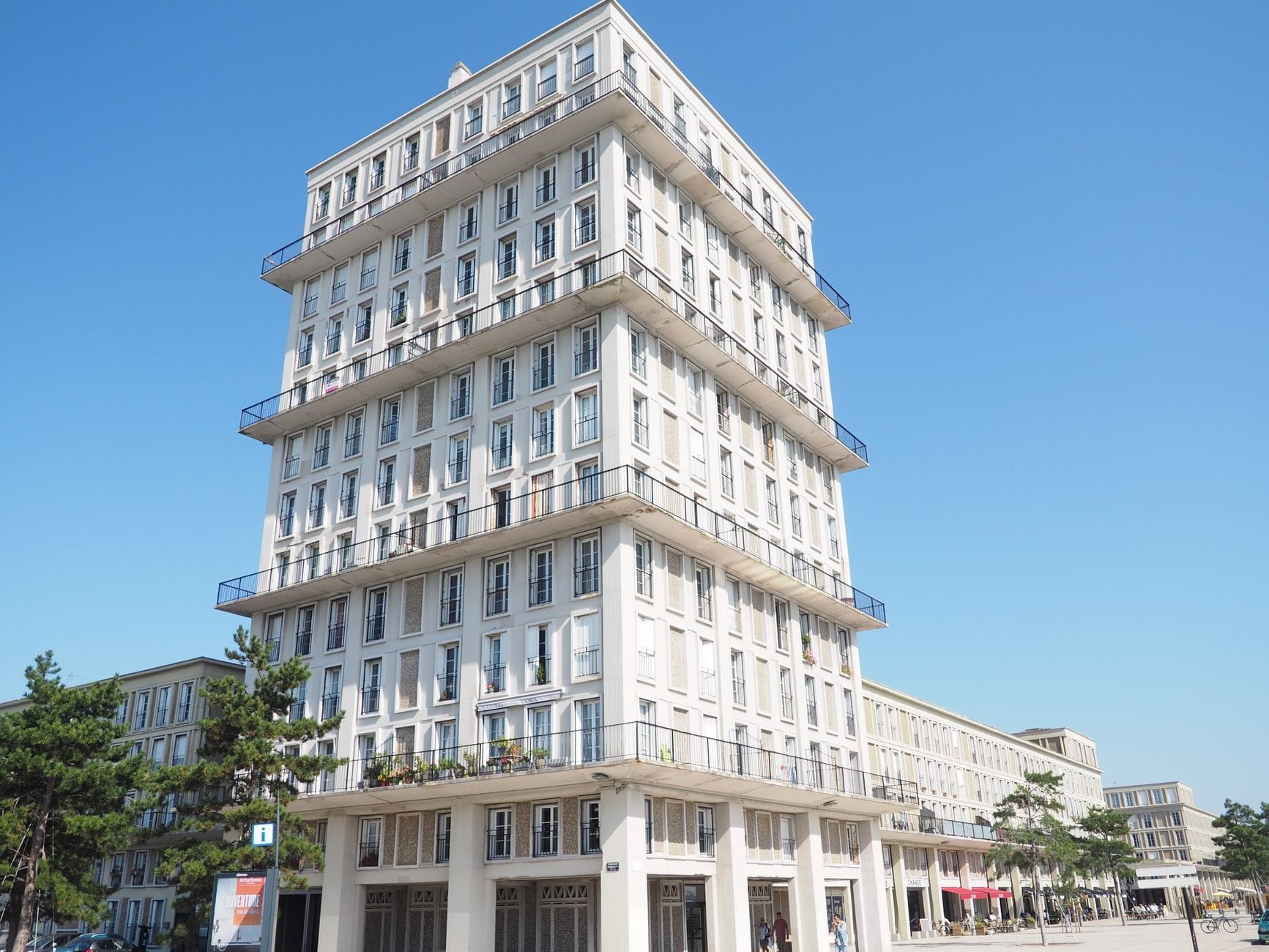
Le Havre's accommodation has improved noticeably over the past decade, partly driven by its UNESCO recognition and cruise tourism. The city now offers a range that rewards staying overnight rather than treating it as a pass-through. The Perret architecture quarter in particular gives the city a unique identity that few other French cities can match. If you're interested in modernist design, urban planning, or the intersection of Perret architecture and Le Havre's rebuilding, staying in the city centre is almost part of the experience itself.
Where Le Havre falls short is in the luxury boutique tier. If you are accustomed to the kind of small, design-led hotels found in Paris's Marais or Marseille's centre, Le Havre's options are more functional than experiential at the top end. The Hilton Garden Inn delivers reliable international-chain comfort but without much local character. Vent d'Ouest and Hôtel La Petite Rade are frequently cited as the best options for travelers who want something with more personality at mid-range prices. Neither is a Condé Nast contender, but both are competently run and well-located.
FAQ
What is the best area to stay in Le Havre?
The Centre-ville Perret quarter is the best all-round base for most travelers. It puts you within walking distance of the main museums, the beach, and the SNCF station, and you're sleeping in the heart of the UNESCO-listed reconstruction area. The station zone is better if rail connections are your priority.
How much do hotels in Le Havre cost per night?
Le Havre hotels range from around €61–76 per night at budget options to €148+ for waterfront and premium properties. Mid-range stays typically cost €85–130 per night. Prices are higher in July and August during the Un Été au Havre festival season.
Is Le Havre worth staying overnight or just a day trip from Paris?
Le Havre is worth one or two nights. The UNESCO Perret architecture, the MuMa art museum, the seafront, and the nearby Sainte-Adresse cliffs all reward more than a few hours. Paris is about 2h00 by direct train from Le Havre SNCF station, so a day trip is feasible but rushed.
Where should cruise passengers staying overnight in Le Havre book?
The Perret city centre or SNCF station area are both practical for cruise passengers. The port terminal is roughly 3–5 km from most hotels, with taxi and shuttle connections. Avoid booking accommodation in the port industrial zone itself — there are no visitor-facing hotels there.
When is the cheapest time to stay in Le Havre?
Autumn and winter (October through March) offer the lowest hotel rates in Le Havre, often significantly below summer prices. The city is quieter and the weather is more challenging, but it's a perfectly viable time to visit for architecture, museums, and day trips along the Normandy coast.