Le Havre in Summer: Beaches, Festivals & Events (Complete Guide)
Le Havre transforms in summer, with a city-wide contemporary art season, an urban pebble beach on the English Channel, action sports events, and free outdoor installations across its UNESCO-listed centre. This guide covers everything from the Un Été au Havre festival to getting there from Paris or the UK.
Tickets & tours
Live prices and dates from our booking partner. If you book, we may earn a commission at no extra cost to you.
TL;DR
- Un Été au Havre (A Summer in Le Havre) runs late June to late September each year, filling the city's public spaces with free contemporary art installations and ticketed museum exhibitions.
- Le Havre's beach is an urban pebble beach with a seafront promenade, free to access and directly served by the LiA tram network. For more on the area, see the Seafront and Beach neighbourhood guide.
- Summer crowds are real but manageable: the city is large enough that popular sites like Église Saint-Joseph rarely feel overwhelmed even in August.
- Most outdoor festival events are free. Budget travellers can spend a full weekend here without paying for a single ticket.
- Getting here from Paris takes around 2 hours 30 minutes by train from Paris Saint-Lazare, with fares starting from around €16 on SNCF. The UK is reachable via Brittany Ferries from Portsmouth. Check the best time to visit Le Havre for a full seasonal breakdown.
Why Summer Is Le Havre's Peak Season
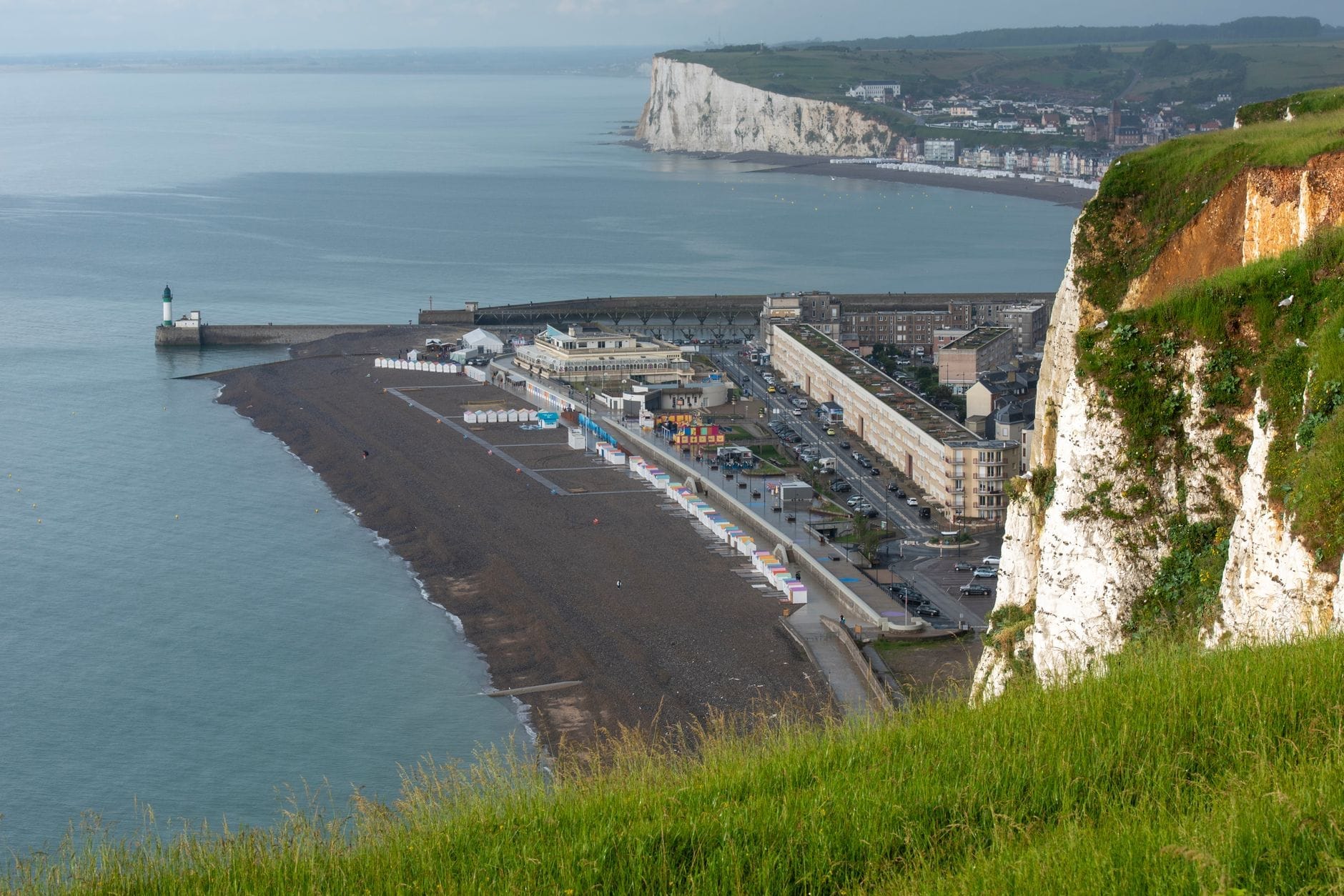
Le Havre sits on the English Channel coast at the mouth of the Seine estuary in Normandy, and its oceanic climate means summer is genuinely the warmest and driest part of the year — though cooler and windier than the Mediterranean coast. Temperatures in June to August typically sit in the mid-to-high teens Celsius, sometimes reaching the low 20s on good days. It rarely bakes. That makes outdoor activities, long walks along the seafront promenade, and evening festival events genuinely pleasant rather than exhausting.
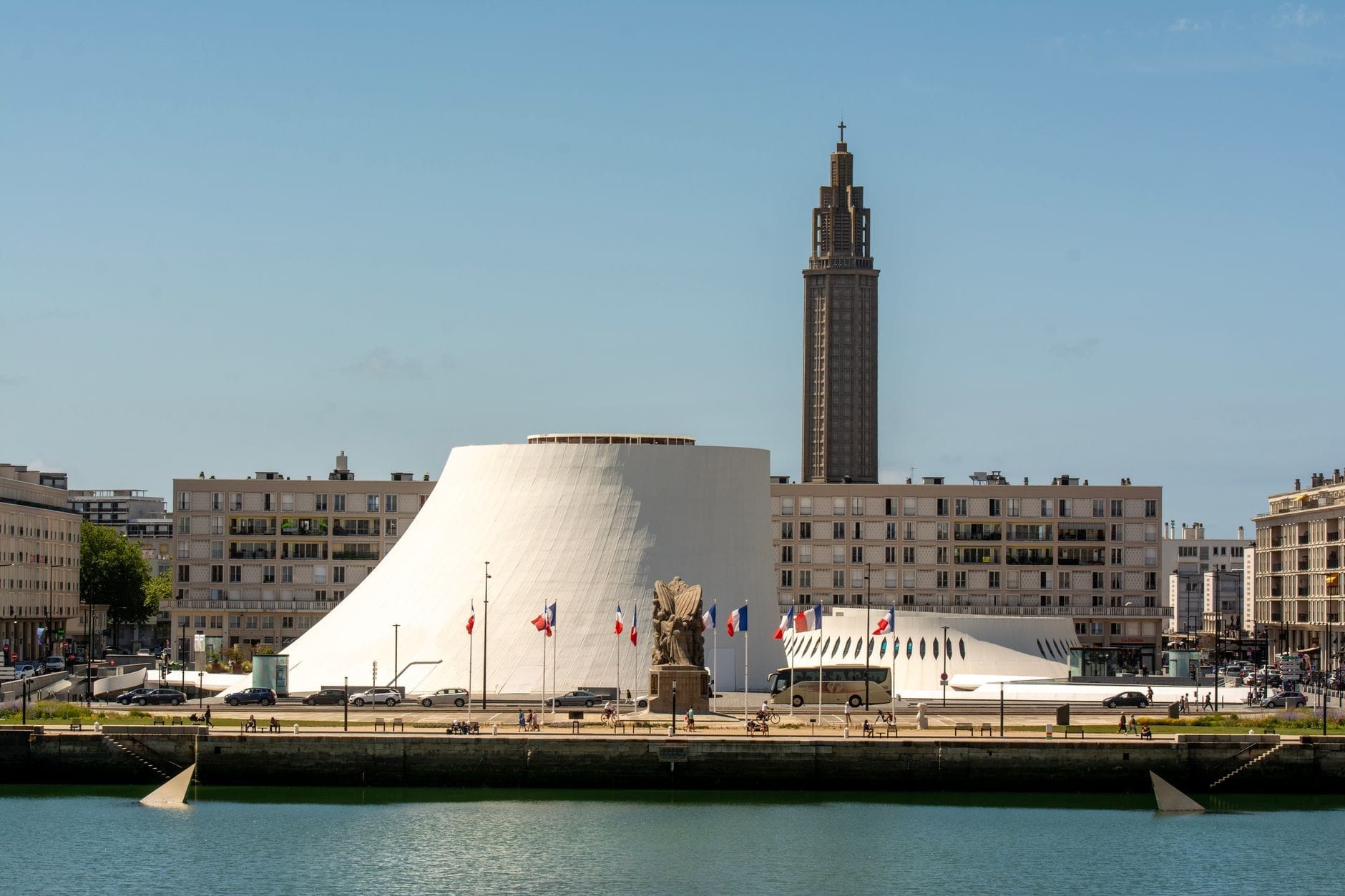
What sets Le Havre apart from other French coastal cities in summer is the combination of a serious contemporary art programme with accessible beach leisure — and a UNESCO-listed architectural backdrop to frame all of it. The city's rebuilt centre, designed by Auguste Perret after WWII bombing and recognised as a World Heritage Site in 2005, looks particularly striking in summer light. If you want to understand the architecture better before you visit, the guide to Perret's architecture in Le Havre provides solid context.
ℹ️ Good to know
Le Havre is on Central European Summer Time (CEST, UTC+2) during summer months, which means long daylight hours — useful for evening outdoor events and late-light photography of the seafront and Perret buildings.
Un Été au Havre: The City's Defining Summer Event
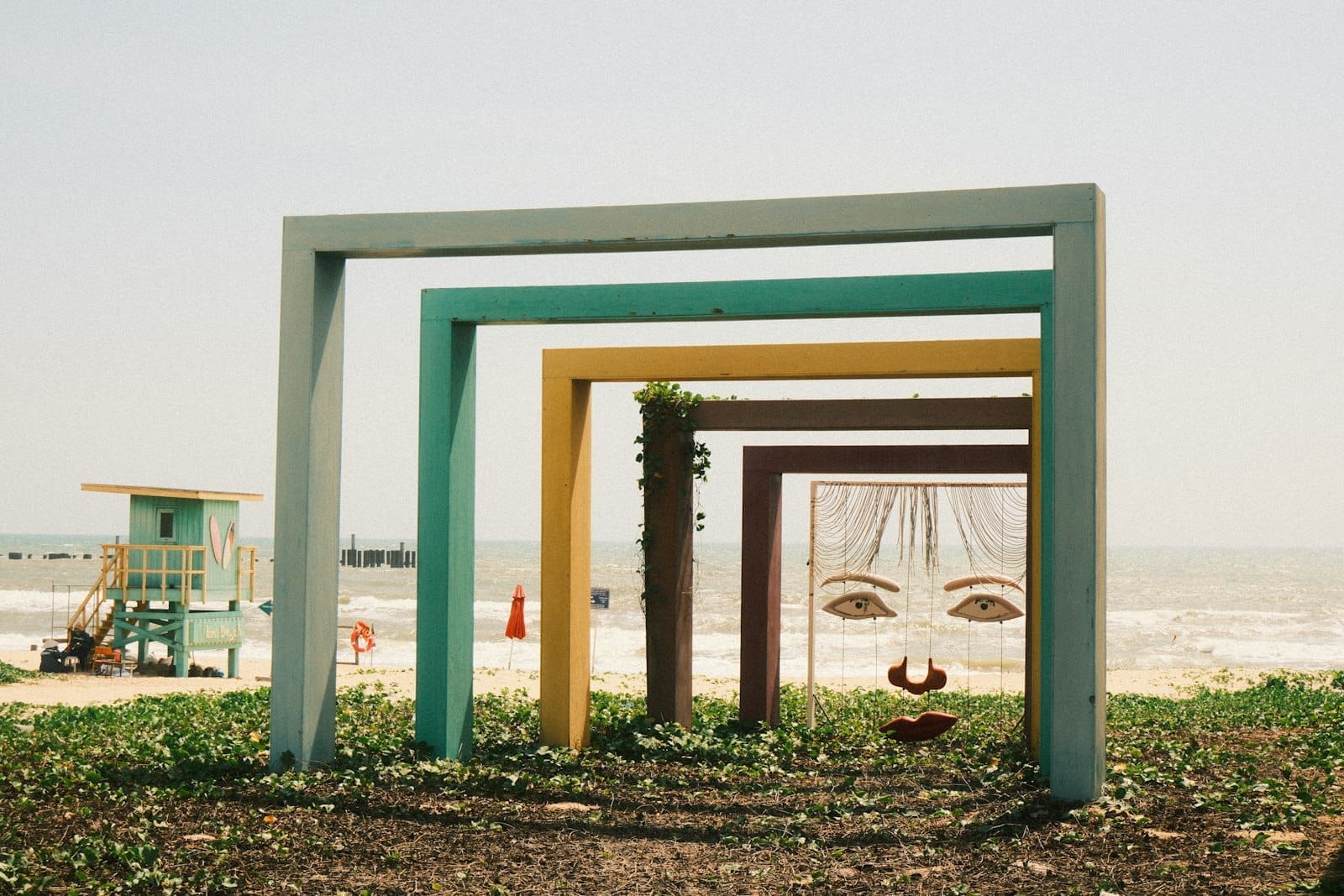
Un Été au Havre (A Summer in Le Havre) is the city's flagship cultural event, running each year from late June to late September. In 2026, the dates are 27 June to 20 September. The format is a city-wide contemporary art season: large-scale installations appear in public squares, on the seafront, in parks, and integrated into the Perret architectural grid. Artists of international standing are commissioned each year, and the works are deliberately site-specific rather than generic art-fair fare.
The main information point for the festival is La Maison de l'Été, located at 125 rue Victor Hugo. This is where you pick up maps, join guided tours, and find family workshops — genuinely useful if you have children or want a structured introduction rather than wandering independently. The official programme, interactive maps, and practical information are published at uneteauhavre.fr before the season opens.
A common misconception is that Un Été au Havre is primarily a paid cultural event. In practice, all outdoor installations in public space are free. Some museum-hosted exhibitions within the festival programme carry an entry charge, and specific ticketed events (concerts, workshops) exist, but the core outdoor experience costs nothing. For visitors on a tight budget, this is one of the better deals in French cultural tourism.
✨ Pro tip
Pick up the official Un Été au Havre map from La Maison de l'Été (125 rue Victor Hugo) on arrival rather than relying on a phone signal in areas with poor coverage near the port. The printed map includes installation locations and opening times for any ticketed elements.
Major Summer Exhibitions and Cultural Highlights
Beyond the street installations, summer in Le Havre aligns with the Normandy Impressionist Festival, a region-wide event that runs in even-numbered years and brings major exhibition programming to local institutions. In 2026, the Musée d'Art Moderne André Malraux (MuMa) is hosting 'Water Lilies' by Ai Weiwei from 5 June to 27 September 2026, running alongside and slightly beyond the Un Été au Havre season. MuMa already holds one of France's most significant collections of Impressionist work, so this is an unusually strong double draw.
Le Portique, the city's contemporary art centre, is scheduled to show 'The Story of Fixity' by Noémie Goudal from 27 June to 27 September 2026 as part of the same Impressionist Festival programme. These exhibitions are ticketed separately from the outdoor installations and are worth including in advance planning if contemporary or Impressionist art is a priority. Check each venue's website for current admission prices, as these change annually.
For visitors interested in Le Havre's connection to Impressionism specifically, the city and nearby Sainte-Adresse have strong historical ties to the movement — Claude Monet painted the Seine estuary and the cliffs here. The Le Havre Impressionist art trail is worth combining with summer exhibition visits for a fuller picture.
Beaches and Seafront: What to Actually Expect
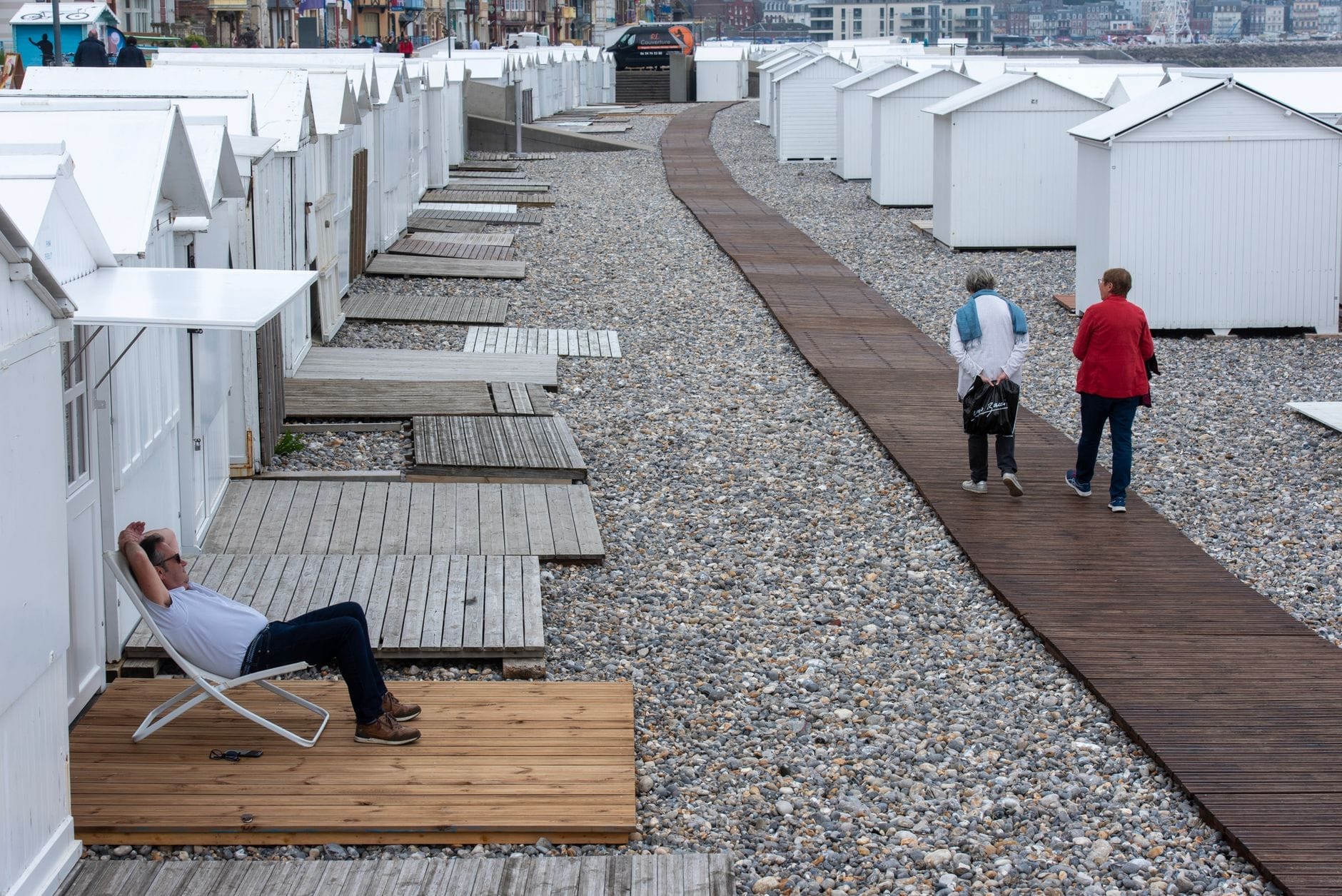
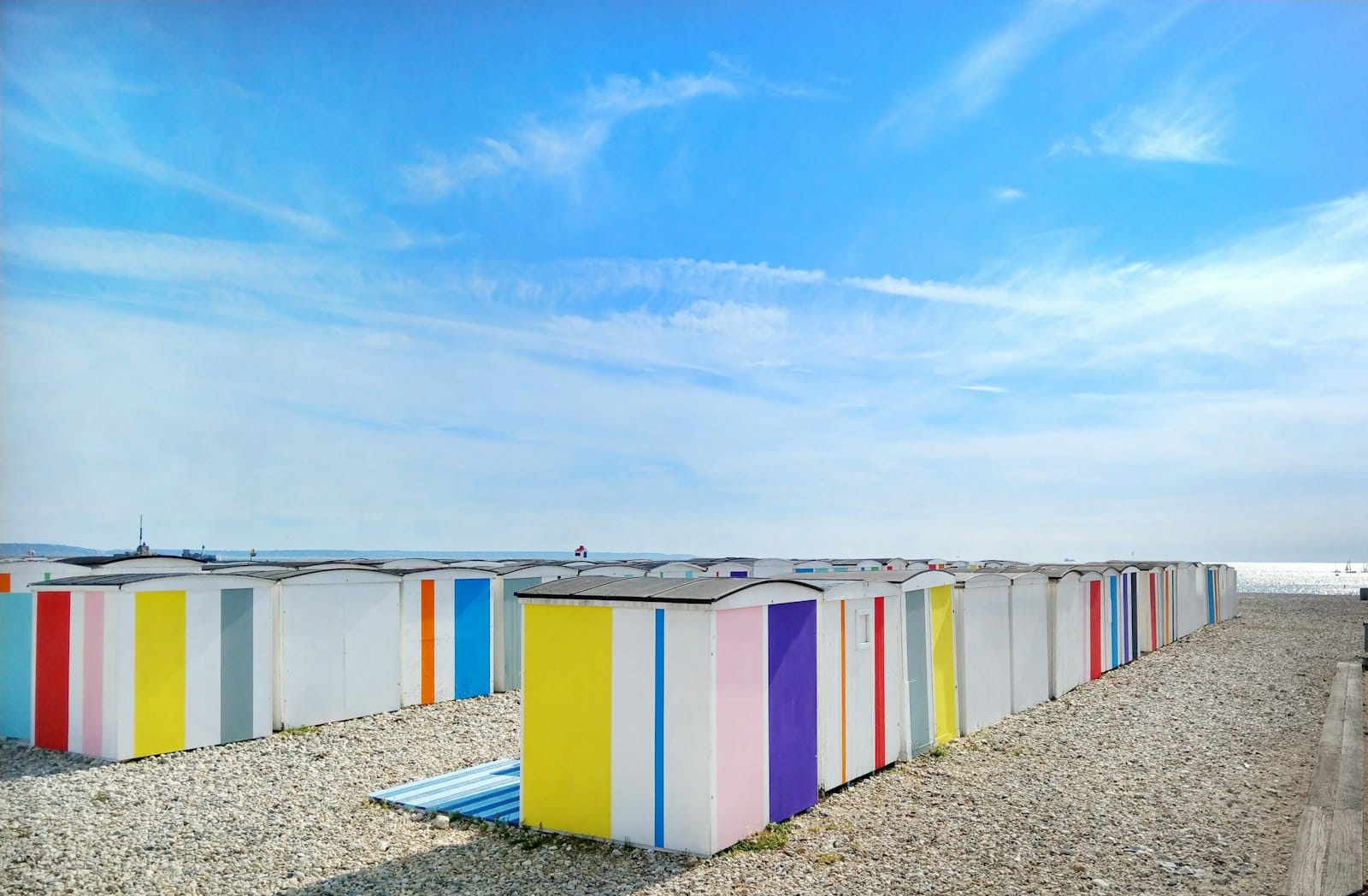
Le Havre's main beach is a pebble beach, not sand. That distinction matters for packing decisions: beach shoes or sandals with grip are genuinely useful here. The Plage du Havre runs along Boulevard Albert 1er and is integrated into the urban fabric — you walk off a tram and you are effectively on the seafront. There are no long beach transfers or paid parking queues to navigate.
The beach is free to use. Private operators lease sections of the seafront for paid services including sun loungers, beach volleyball facilities, and food and drink kiosks, but the public beach itself carries no charge. In July and August the city runs a programme of supervised sports and well-being activities along the seafront, often free or low-cost, including water sports introductions and beach fitness sessions. Check with the tourism office or the city's summer programme for the current year's schedule.
A short tram or bus ride (or a pleasant 30-40 minute walk along the coast) brings you to Sainte-Adresse, a quieter residential headland neighbourhood with its own beach and elevated viewpoints over the Seine estuary and the port. The Impressionist viewpoints at Sainte-Adresse are particularly atmospheric on clear summer evenings when the light falls across the water. It feels noticeably less commercial than the main Le Havre seafront and is a good option for escaping the summer crowds.
⚠️ What to skip
The English Channel at Le Havre is cold even in summer — typically 16–18°C at peak season. Expect significant tidal variation too. The beach is not ideal for families expecting calm, warm Mediterranean conditions. It is better suited to seafront walks, sports, and atmosphere than extended swimming.
Other Summer Events Worth Planning Around
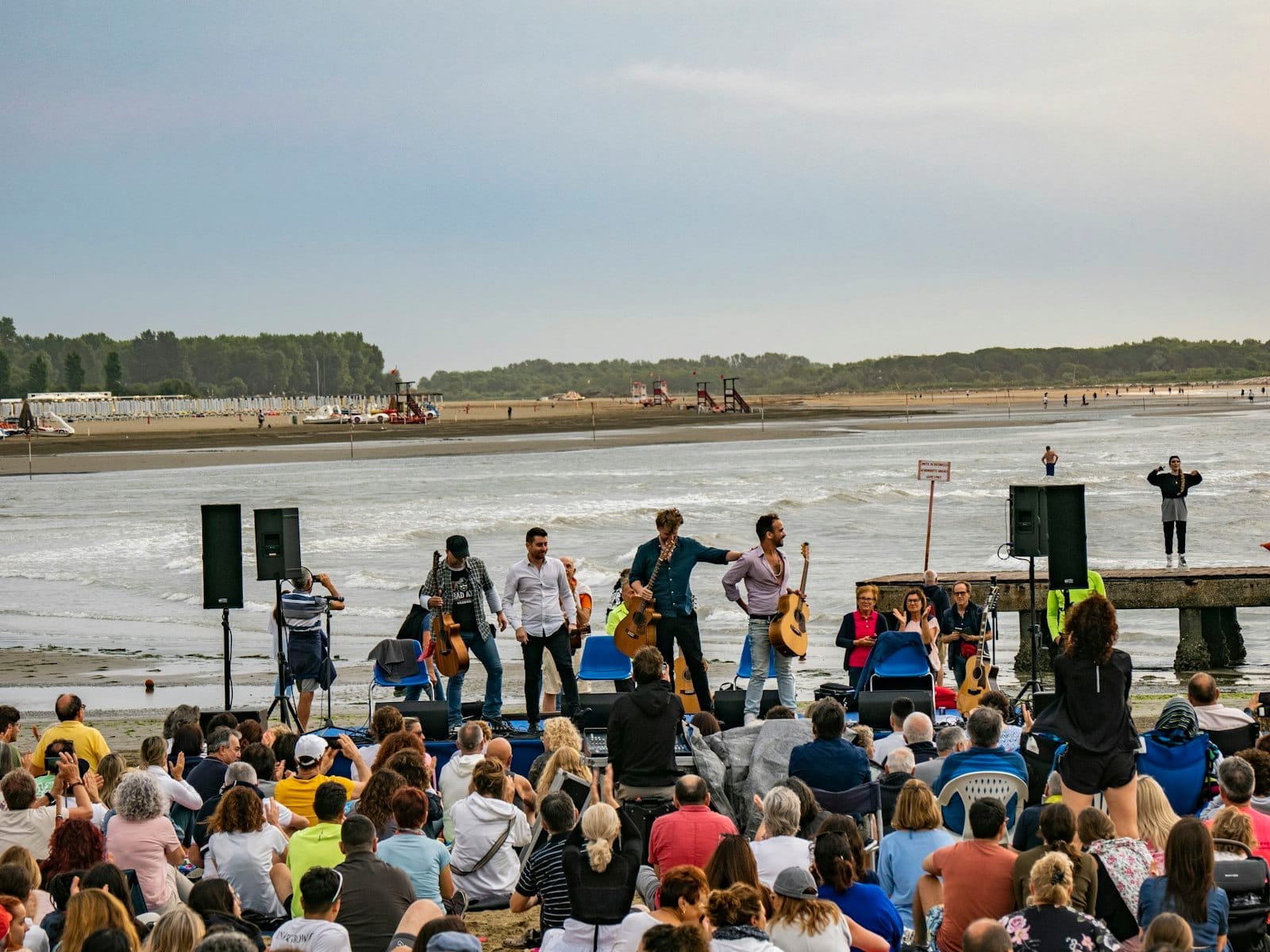
Un Été au Havre dominates the cultural calendar but it is not the only summer programme. Two other recurring events are worth knowing about when planning dates.
- FISE Xperience (Sliding Weekend) An annual action sports event held on the Le Havre seafront, usually in August, featuring boardsports, urban sports demonstrations, and competitions. Free to watch. Part of the international FISE Xperience tour. Draws a younger crowd and creates a noticeably different atmosphere along the promenade on event days — worth knowing about if you want to avoid the crowds, or specifically seek them out.
- Nuits Suspendues A summer concert series mixing rock, folk, jazz, cumbia, and classical music. The format and venue can vary year to year; check the Le Havre Étretat Tourisme website (lehavre-etretat-tourisme.com) for current dates and ticketing. Some editions have been held in striking outdoor or architectural settings around the city.
- City Sports Programme (July–August) The municipality runs a structured programme of free or low-cost supervised sports and leisure activities through July and August, accessible to visitors as well as residents. Activities have historically included sailing introductions, beach volleyball, fitness sessions, and similar. Details are published by the city and the campus/tourism network each season.
Getting to Le Havre in Summer: Practical Logistics
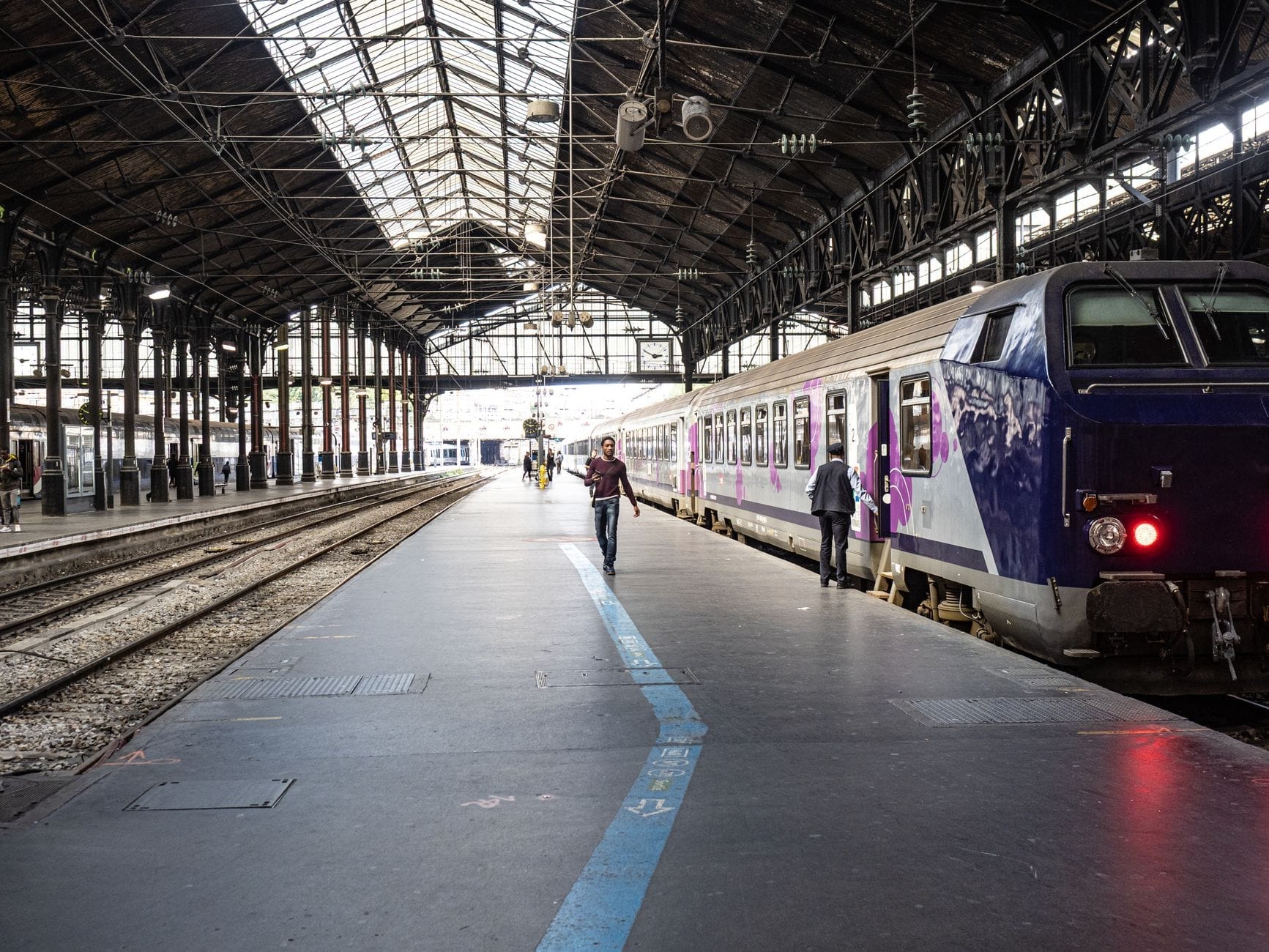
Most international visitors arrive via Paris. The train from Paris Saint-Lazare to Le Havre takes around 2 hours 30 minutes via Rouen and runs frequently throughout the day. SNCF advance fares start from around €16 per person, with reduced prices for children under 12 and free travel for children under 4 on a parent's lap (conditions apply). Book through SNCF Connect. In summer, trains are popular on Friday evenings and Sunday afternoons — early booking makes a real difference to cost and seat availability.
From the UK, Brittany Ferries operates a Portsmouth to Le Havre route. Crossing times vary by service and season; check the Brittany Ferries website directly for current schedules and pricing. Arriving by ferry gives you the unusual experience of sailing directly into one of France's major working ports, which is striking in itself. The port is well-connected to the city centre by tram and bus via the LiA network.
- Train: Paris Saint-Lazare to Le Havre, around 2h30, from approx. €16 — book on SNCF Connect
- Ferry: Portsmouth to Le Havre with Brittany Ferries — verify current schedules and fares before booking
- Within the city: LiA tram and bus network covers the centre, seafront, and suburbs; the tram is the fastest option between the train station and the beach
- Cycling: Le Havre is crossed by the Vélomaritime and Seine à Vélo long-distance cycle routes — useful context if arriving or departing by bike
- Driving: Le Havre is approximately 200 km from Paris; road journey around 2h30 depending on traffic and route
If you are planning to combine Le Havre with wider Normandy exploration, the day trips from Le Havre guide covers practical options including Étretat, Honfleur, and Rouen. The Nomad Car regional coach network connects Le Havre with these destinations via routes 111, 122, 123, and 509, though schedules should be verified with the operator before travel.
Practical Tips for Visiting Le Havre in Summer
Le Havre in summer is more accessible and affordable than many comparable French coastal destinations. A few ground-level observations help set realistic expectations.
- Book accommodation early for July–August Le Havre has a limited hotel stock relative to a city of its size. The Un Été au Havre festival, the Ai Weiwei exhibition at MuMa, and general summer demand mean mid-range and well-located hotels fill up, especially for weekend stays. Two to three months' advance booking is sensible for peak summer.
- Layer up for evenings The Channel wind can make evenings genuinely cool even in August. A light jacket is not optional if you plan to be at outdoor evening events on the seafront or in open squares.
- France operates on Euro (EUR) Card payments are widely accepted in Le Havre, but some market stalls and smaller venues still prefer cash. Tipping is discretionary — a service charge is typically included in restaurant bills.
- Language French is the working language of the city. In tourism contexts, English is reasonably widespread, but learning a few basic phrases goes a long way, particularly outside central hotels and major attractions.
- Emergency numbers The European emergency number 112 works across France. National numbers: 15 (medical), 17 (police), 18 (fire). France country code is +33.
If you are travelling with children, Le Havre in summer is a solid choice. The free outdoor festival installations, beach access, and city sports programme offer significant variety without high costs. The guide to Le Havre with kids covers family-specific logistics and the best child-friendly attractions across the city.
💡 Local tip
If you want to see as much as possible in a short trip, the structured 2-day itinerary in the Le Havre 2-day guide combines the key summer attractions — seafront, Perret architecture, MuMa, and festival installations — into a logical walking sequence that avoids backtracking.
FAQ
When does Un Été au Havre (A Summer in Le Havre) take place?
Un Été au Havre runs from late June to late September each year. In 2026, the dates are 27 June to 20 September. The programme is published in advance at uneteauhavre.fr, and the event headquarters at La Maison de l'Été (125 rue Victor Hugo) provides maps, guided tours, and family workshop bookings during the season.
Is Le Havre's beach sandy or pebbly?
Le Havre's main beach (Plage du Havre) is a pebble beach. It is free to access and served directly by the city's tram network. Beach shoes or grip sandals are recommended. The water temperature in summer typically sits around 16–18°C — cold by Mediterranean standards. Sainte-Adresse, a short distance along the coast, has its own quieter beach and elevated viewpoints.
Are summer events in Le Havre free?
Most outdoor events and installations for Un Été au Havre are free of charge. Some museum-hosted exhibitions within the festival programme, such as the Ai Weiwei show at MuMa, carry entry fees. Specific concerts and workshops may also be ticketed. The FISE Xperience action sports event on the seafront is free to watch. The city sports programme in July–August is typically free or low-cost.
How do I get from Paris to Le Havre in summer?
The most practical option is the train from Paris Saint-Lazare to Le Havre, taking around 2 hours 30 minutes via Rouen. Advance fares on SNCF Connect start from approximately €16. In July and August, trains are busy on Friday evenings and Sunday afternoons, so booking early reduces both cost and stress. Driving takes a similar time (around 200 km) but summer traffic near Paris can extend journey times.
Is Le Havre worth visiting in summer compared to other Normandy destinations?
Yes, for specific reasons. Le Havre offers a genuinely distinctive combination of UNESCO-listed modernist architecture, a serious free contemporary art festival, and coastal access that other Normandy cities cannot match. It is not a traditional resort and does not try to be — if you want sandy beaches and traditional Norman aesthetics, Deauville or Étretat are better fits. But if contemporary art, architectural history, and an authentic working city appeal to you, summer in Le Havre is hard to beat at its price point.
Tickets & tours
Live prices and dates from our booking partner. If you book, we may earn a commission at no extra cost to you.
Planning a trip? Discover personalized activities with the Nomado app.