Le Havre's Impressionist Heritage: Art Trail & Painting Locations
Le Havre is where Impressionism got its name. In 1872, Claude Monet painted 'Impression, Sunrise' from the harbor quays here, launching one of art history's most consequential movements. This guide covers every key painting location, the MuMa art museum, coastal trail logistics, and what most visitors get wrong about the city's artistic legacy.
Plan and book this trip
Tools from our partner Travelpayouts help you compare flights and hotels. If you book through them, we may earn a commission at no extra cost to you.
Flights
Hotels map
TL;DR
- Le Havre is where Monet painted 'Impression, Sunrise' on the harbor quays in 1872, the canvas that gave Impressionism its name.
- MuMa (Musée d'Art Moderne André Malraux) holds France's second largest Impressionist collection, with works by Boudin, Monet, Renoir, and Dufy. See our guide to the Musée d'Art Moderne André Malraux for visiting details.
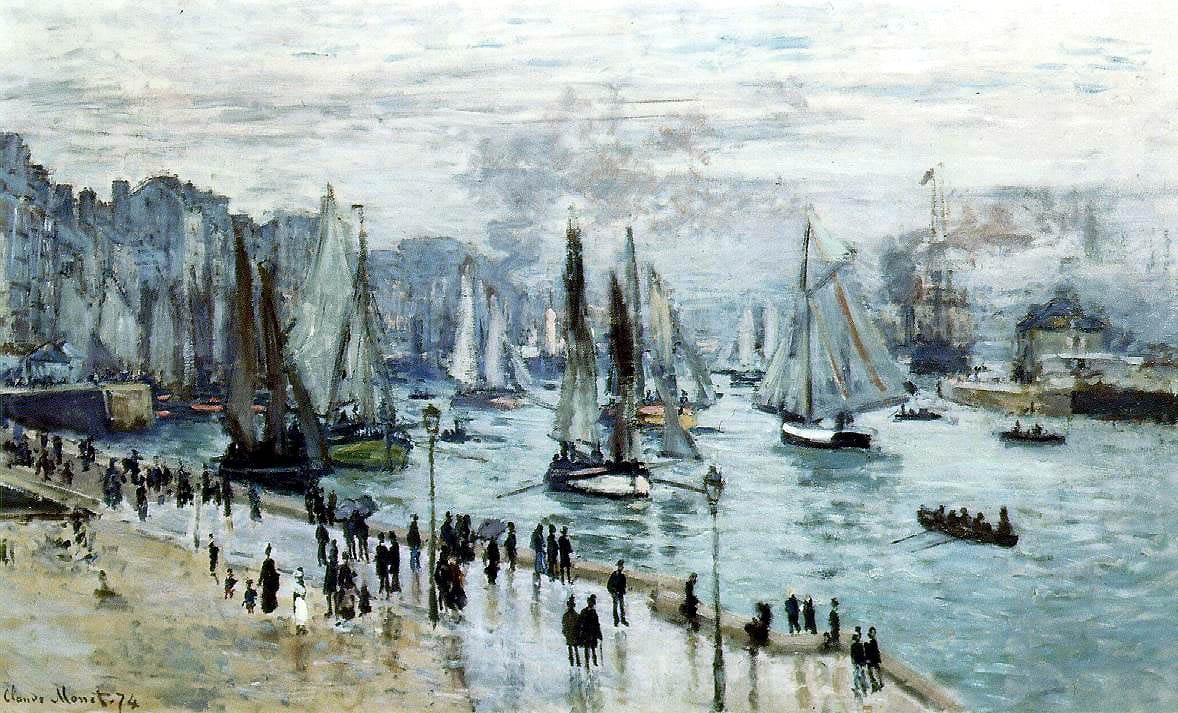
- The original 'Impression, Sunrise' canvas is in Paris at the Musée Marmottan Monet, not in Le Havre — but the actual harbor view that inspired it is here.
- Key painting locations include Cap de la Hève, Sainte-Adresse beach, the port entrance, and the seawalls — all reachable on foot or by tram.
- Visit the harbor quays at sunrise for the closest approximation of Monet's original vantage point. The best time to visit Le Havre for the art trail is May through September.
Why Le Havre Matters to the History of Modern Art
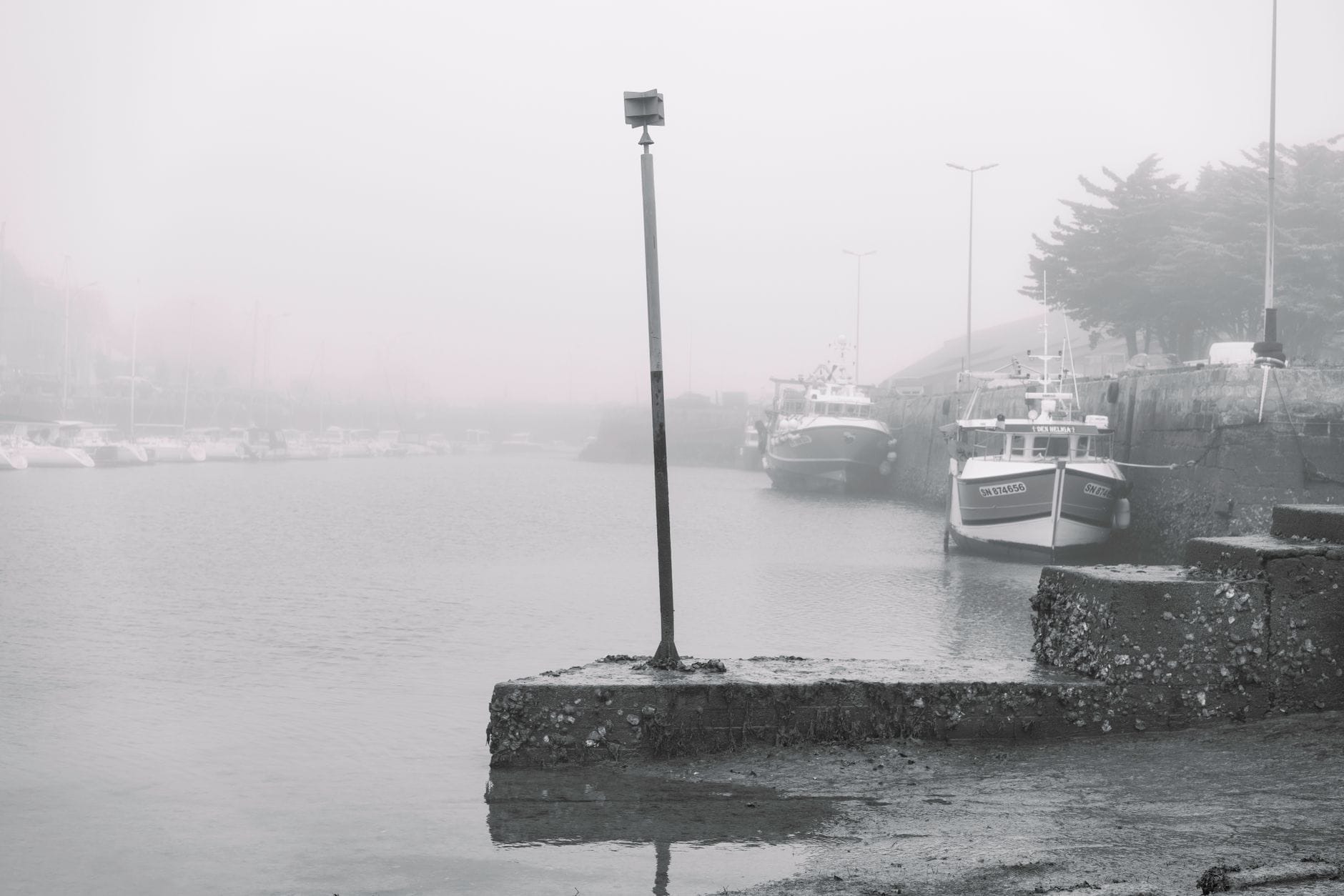
Most people arrive in Le Havre expecting a gritty port city and leave surprised by its art credentials. The connection runs deeper than a single famous painting. Monet grew up in Le Havre, and the harbor's particular light — the way morning mist diffuses over the water, the industrial cranes softened by haze, the orange-red sun reflecting in the Seine estuary — shaped his entire approach to painting atmosphere over precision. When he exhibited 'Impression, Sunrise' in Paris in 1874, a hostile critic used the word 'impressionist' as an insult. The movement's name stuck, and it came directly from this painting of Le Havre's harbor.
Monet was not alone here. Eugène Boudin, who mentored the young Monet, painted the beaches of Le Havre and Normandy obsessively throughout the 1860s and 1870s. Gustave Courbet, Camille Pissarro, Alfred Sisley, Berthe Morisot, and Paul Signac all worked along the Alabaster Coast, which stretches from Le Havre north through Étretat and Fécamp. The result is that the entire coastal region functions as an open-air reference library for 19th-century French painting. For anyone serious about understanding what Le Havre offers, the Impressionist trail is as important as the UNESCO-listed Perret architecture.
ℹ️ Good to know
Common misconception: 'Impression, Sunrise' is not on display in Le Havre. The original canvas lives at the Musée Marmottan Monet in Paris. What Le Havre offers is something arguably more compelling: the actual harbor view that Monet painted, the museum with one of France's most important Impressionist collections, and marked locations where these works were created.
MuMa: The André Malraux Museum of Modern Art
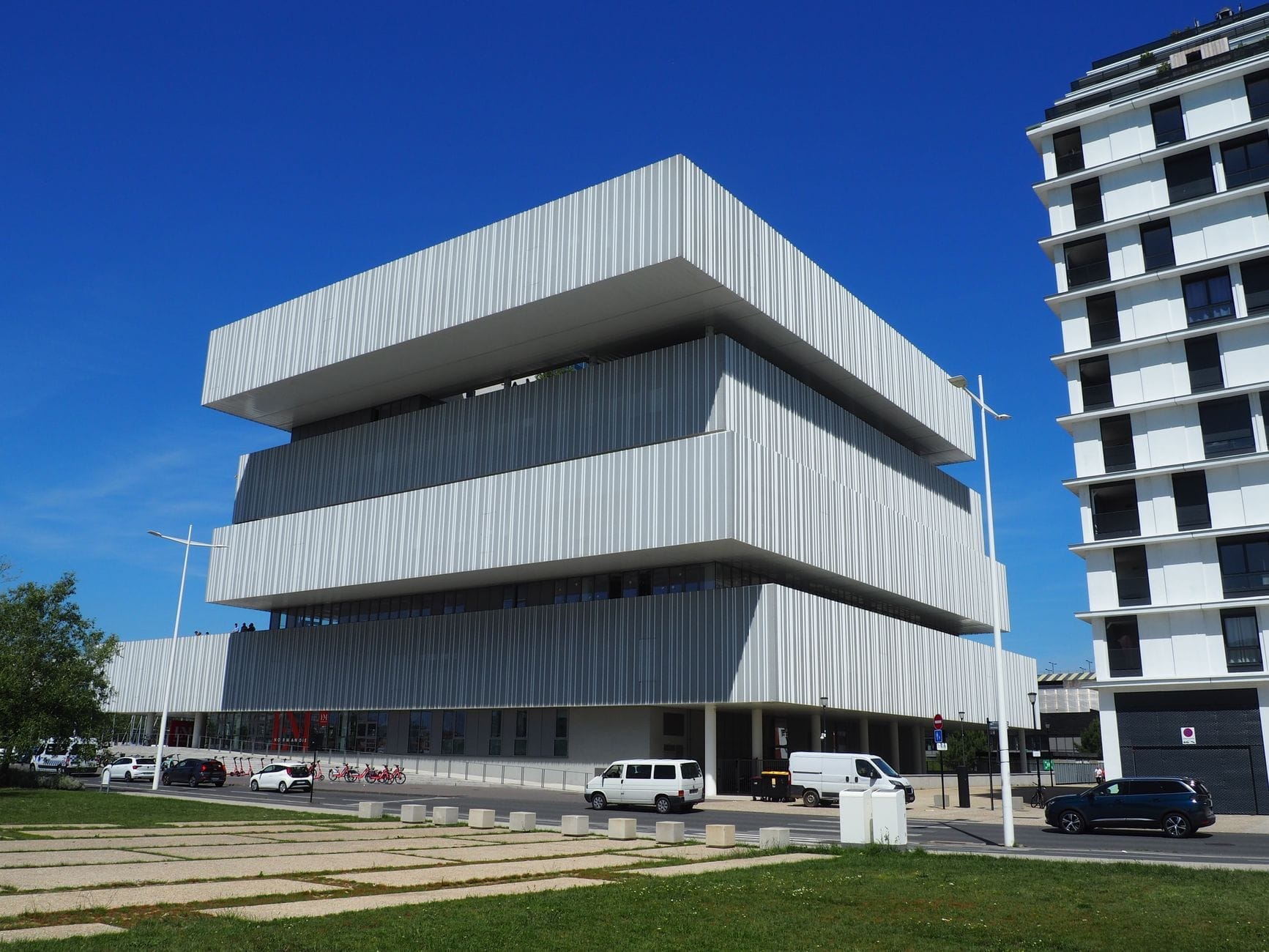
MuMa (Musée d'Art Moderne André Malraux) is the anchor of any Impressionist visit to Le Havre. Its Impressionist and Fauvist holdings form the second most important Impressionist collection in France after the Musée d'Orsay in Paris. The collection covers Boudin (with particular depth — the museum holds several hundred of his works), Monet, Renoir, Degas, Sisley, Pissarro, Courbet, and Raoul Dufy, who was born in Le Havre and whose colorful, expressionist take on Normandy's coast deserves more attention than it typically receives.
The building itself is worth noting. Designed by Guy Lagneau and inaugurated in 1961, it sits right on the seafront — deliberately positioned so natural light enters the galleries from the north, mimicking the studio conditions that Impressionist painters sought. On clear days, you can look out from certain gallery windows directly onto the same harbor panorama that appears in paintings on the walls inside. That kind of spatial dialogue between artwork and location is rare, and it makes MuMa genuinely different from seeing Impressionist work in a Paris institution.
- Collection highlights Eugène Boudin's beach scenes of Trouville and Normandy, Monet seascapes, Raoul Dufy's Le Havre and Normandy paintings, Sisley landscapes, and a strong Fauvist section
- Location Boulevard Clemenceau, directly on the seafront promenade — walkable from the city centre in about 10 minutes
- Visiting tip Check MuMa's official website (muma-lehavre.fr) for current opening hours, ticket prices, and temporary exhibition schedules before visiting, as these change seasonally
- Crowd patterns Weekday mornings are quietest; summer Saturdays draw larger crowds, particularly when cruise ships are docked in the port
✨ Pro tip
If you're visiting during the summer Un Été au Havre festival, MuMa often coordinates special programming with the city's outdoor art installations. The festival runs annually from June through September, with monumental contemporary works placed around the city — a sharp contrast to the 19th-century paintings inside the museum, but worth experiencing together.
Key Painting Locations on the Impressionist Trail
The Le Havre Étretat Tourism office has installed interpretation panels at the specific spots where major Impressionist works were painted. This is genuinely useful: the panels show the original painting alongside the current view, letting you see exactly what has changed and what hasn't. Several of these locations are within easy walking distance of each other; others require a tram ride or a short drive north along the coast.
- The harbor entrance and seawalls The most historically important spot. Monet painted 'Impression, Sunrise' from a viewpoint looking over the inner harbor toward the mist-softened port cranes. Arrive before 7am in summer to experience something close to the original light conditions. The modern port infrastructure has changed the skyline, but the quality of morning light over water is unchanged.
- Cap de la Hève The northern headland above Le Havre, where Monet painted 'La Pointe de la Hève' in the 1860s. The chalk cliffs drop sharply to the beach below, and the views south toward Le Havre and north toward Étretat are exceptional. Reach it by tram to the end of the line, then a 15-20 minute uphill walk.
- Sainte-Adresse beach and terrace The seaside suburb north of Le Havre where Monet painted 'Terrace at Sainte-Adresse' (1867), now at the Metropolitan Museum of Art in New York. The terrace and gardens above the beach are still recognizable. The painting location is marked, and the surrounding area is pleasant to walk.
- Port of Le Havre night view Monet also painted the port by night, capturing gas lamps reflected on dark water. The working port has expanded dramatically since the 19th century, but the evening light over the Bassin du Commerce area offers a contemporary version of the same atmospheric quality.
For the Sainte-Adresse locations specifically, the Impressionist viewpoints at Sainte-Adresse are well-signposted and can be combined with a walk along the Sainte-Adresse beach for a half-day excursion from the city centre. The suburb has a quieter, residential character that makes it easier to understand why painters retreated here from the noisier harbor.
Planning the Trail: Routes, Timing, and Logistics
A focused Impressionist itinerary in Le Havre requires at least a full day, ideally two. Start at MuMa first thing in the morning to orient yourself with the paintings, then spend the afternoon at the outdoor locations while the light is good. The Le Havre walking tour covers the city centre efficiently and can be adapted to include the seafront promenade and harbor approach. If you have two days, dedicate one to Le Havre proper and a second to Sainte-Adresse and Cap de la Hève.
The GR21 coastal trail connects Le Havre's Cap de la Hève northward to Étretat and beyond along the Alabaster Coast. Walking the full section from Le Havre to Étretat takes roughly 6–7 hours one way — serious hiking, with significant elevation changes on the chalk cliff sections. Most visitors take the Nomad Car coach to Étretat and walk sections rather than tackling the full route. Étretat itself was painted by Monet extensively in the 1880s, and the arch and needle rock formations are still immediately recognizable from his canvases. See our day trips from Le Havre guide for practical transport details to Étretat and the wider Alabaster Coast.
💡 Local tip
Normandy Tourism recommends visiting the harbor quays very early in the morning to experience the light that inspired Monet's sunrise painting. In practice, this means arriving at the port entrance before 7am in summer. The light lasts less than an hour and changes quickly once the sun clears the horizon. Bring a camera and, if you paint, a sketchbook — you won't be the first.
Getting between painting locations is straightforward. The LiA tram network runs along the seafront and up to Sainte-Adresse. Cap de la Hève is reachable by tram to the Sainte-Adresse terminus followed by a walk uphill. The harbor itself is central and walkable from most accommodation in the city. If you're arriving by cruise ship, the Le Havre cruise port guide explains how to reach the key sites efficiently on a shore excursion day.
Seasonal Considerations for the Art Trail
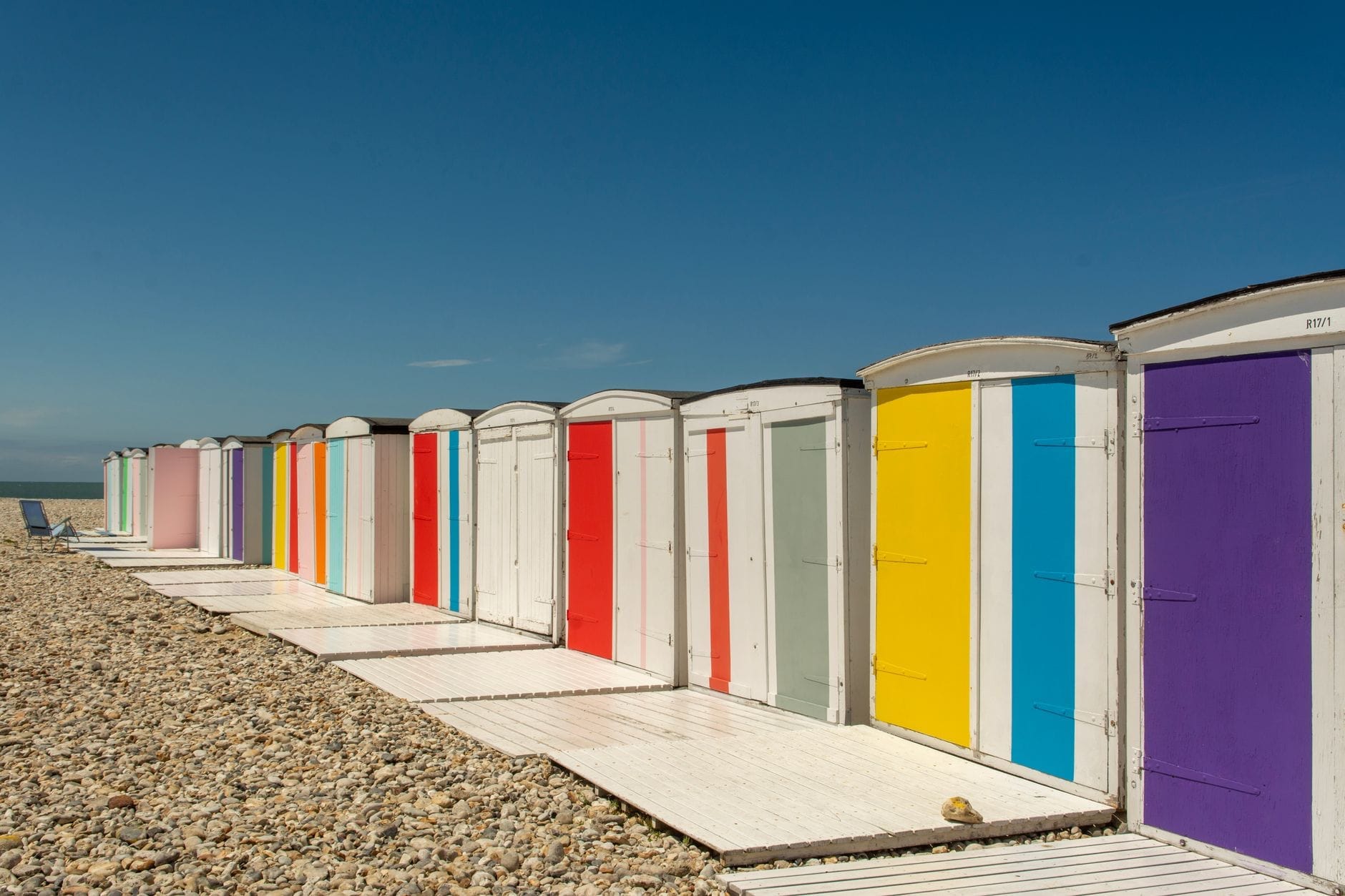
The Impressionist trail works in any season, but the experience differs significantly. Summer (June through August) offers the warmest weather, longest daylight hours, and the best conditions for walking the coastal sections. This is also when Le Havre is at its most active culturally: the annual Un Été au Havre festival brings contemporary art installations into the public spaces of the city, creating an interesting counterpoint to the 19th-century painting locations nearby. Read more about Le Havre in summer for festival dates and planning advice.
Spring and autumn are arguably better for MuMa visits, with fewer crowds and — particularly in autumn — dramatic skies over the Channel that make the outdoor painting locations feel closest to what the Impressionists were actually chasing. The Normandy coast in October, with its low, shifting light and occasional storms, produces exactly the atmospheric conditions that Monet described trying to capture. Winter is workable but brings short days, stronger winds on the clifftops, and some reduced opening hours at smaller sites.
Extending the Trail: Beyond Le Havre
The broader Impressionist corridor along the Normandy coast extends well beyond Le Havre. Honfleur, roughly 40km to the south across the Seine (via the Pont de Normandie bridge), was where Boudin based himself for much of his career and where he first encouraged the young Monet to paint outdoors. Giverny, Monet's garden home from 1883 onward, is about 90km southeast and operates as a museum-garden. Dieppe, to the north, was painted by Pissarro. Each of these destinations adds context to what you see in Le Havre's harbor paintings.
For visitors with more time, the Normandy Tourism Impressionist itineraries link Le Havre with Deauville, Honfleur, and the Alabaster Coast in multi-day road trips. These routes are well-signposted with dedicated Impressionist trail markers. If you're planning a longer Normandy visit that includes both art and WWII history, see our guide to Le Havre's World War II history — the contrast between the city's Impressionist roots and its near-total destruction and modernist reconstruction by Auguste Perret is itself a compelling narrative.
FAQ
Is the original 'Impression, Sunrise' painting in Le Havre?
No. The original canvas by Claude Monet is housed at the Musée Marmottan Monet in Paris. Le Havre offers the actual harbor location where Monet painted it in 1872, plus MuMa's major Impressionist collection — but not this specific work. It's worth being clear about this before visiting.
How long does the Le Havre Impressionist trail take?
A minimum of a full day for the core sites: MuMa, the harbor entrance, and the seafront. Add a half-day if you want to reach Sainte-Adresse and Cap de la Hève properly. Extending to Étretat makes for a full second day. Allow two days if you want to do the trail without rushing.
What is MuMa Le Havre's Impressionist collection like compared to Paris museums?
MuMa holds one of France's most important Impressionist collections, particularly strong on Eugène Boudin (with several hundred works) and Raoul Dufy. The difference from Paris is the building's seafront location — natural north light fills the galleries, and the harbor views outside echo the paintings inside. It is a smaller institution than the Orsay but offers a more focused and immersive experience for Impressionism specifically.
Can I do the Impressionist art trail as a day trip from Paris?
Technically yes — Le Havre is roughly 2 hours 15 minutes from Paris Saint-Lazare by direct train. But a day trip is tight if you want to see both MuMa and the outdoor painting locations. An overnight stay is strongly recommended, especially if you want to catch the harbor at sunrise, which is the most important single experience on the trail.
Are there guided Impressionist tours in Le Havre?
Le Havre Étretat Tourism organizes themed walking tours with a focus on the Impressionist heritage, including guided visits to the marked painting panels around the harbor, beach, and Cap de la Hève. MuMa also offers guided visits to its permanent collection. Check with the local tourism office for current schedules and whether tours operate in English.