Best Time to Visit Le Havre: A Season-by-Season Breakdown
Le Havre has an oceanic climate that keeps things cool and changeable year-round. This guide cuts through the vague advice to tell you exactly when to go, what to expect each season, and who should consider visiting in winter instead of summer.
Plan and book this trip
Tools from our partner Travelpayouts help you compare flights and hotels. If you book through them, we may earn a commission at no extra cost to you.
Flights
Hotels map
TL;DR
- Mid-May to mid-September is the best time to visit Le Havre for the warmest, driest weather and the most outdoor activity.
- Summer rarely gets hot — expect highs around 20-25°C, with the occasional peak near 30°C. Pack a light jacket even in July.
- The summer art festival Un Été au Havre transforms the city with large-scale installations and is the single best cultural reason to visit in peak season.
- Winter visits (November to February) are quieter and cheaper, but expect cold, wet, and windy days — best suited for museum-focused itineraries.
- Le Havre is not a Mediterranean beach destination. Its maritime climate means rain is possible in any month, and summer warmth is modest compared to southern France.
Understanding Le Havre's Climate Before You Book
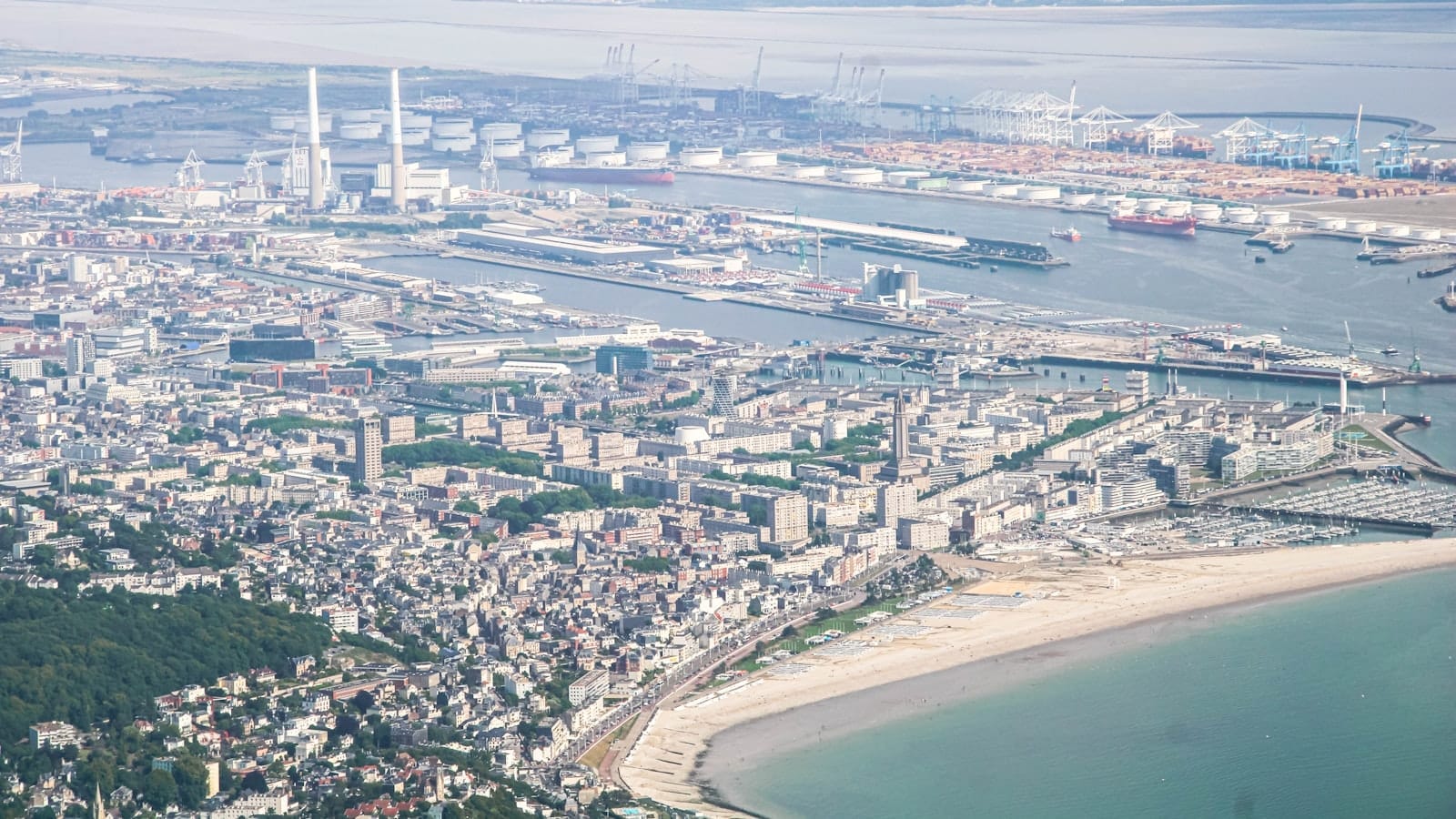
Le Havre sits on the English Channel coast at the mouth of the Seine estuary in Normandy. That geography defines everything about its weather. The city has a classic oceanic climate: mild winters that rarely freeze, cool summers that never truly bake, and rain spread fairly evenly across the calendar. There is no dry season. Unlike southern French cities, Le Havre does not have months where you can reliably count on wall-to-wall sunshine.
The practical implication: you visit Le Havre for its UNESCO-listed architecture, its Impressionist art connections, its port-city energy, and increasingly its contemporary art scene. You do not visit primarily for guaranteed beach weather. When you set expectations around that, any season becomes manageable.
⚠️ What to skip
Le Havre is consistently windier than inland French cities, especially along the seafront and promenade. On overcast days the wind-chill makes temperatures feel 3-5°C colder than the thermometer reads. Factor this in when packing, even in summer.
Summer (June to August): The Clear Peak Season
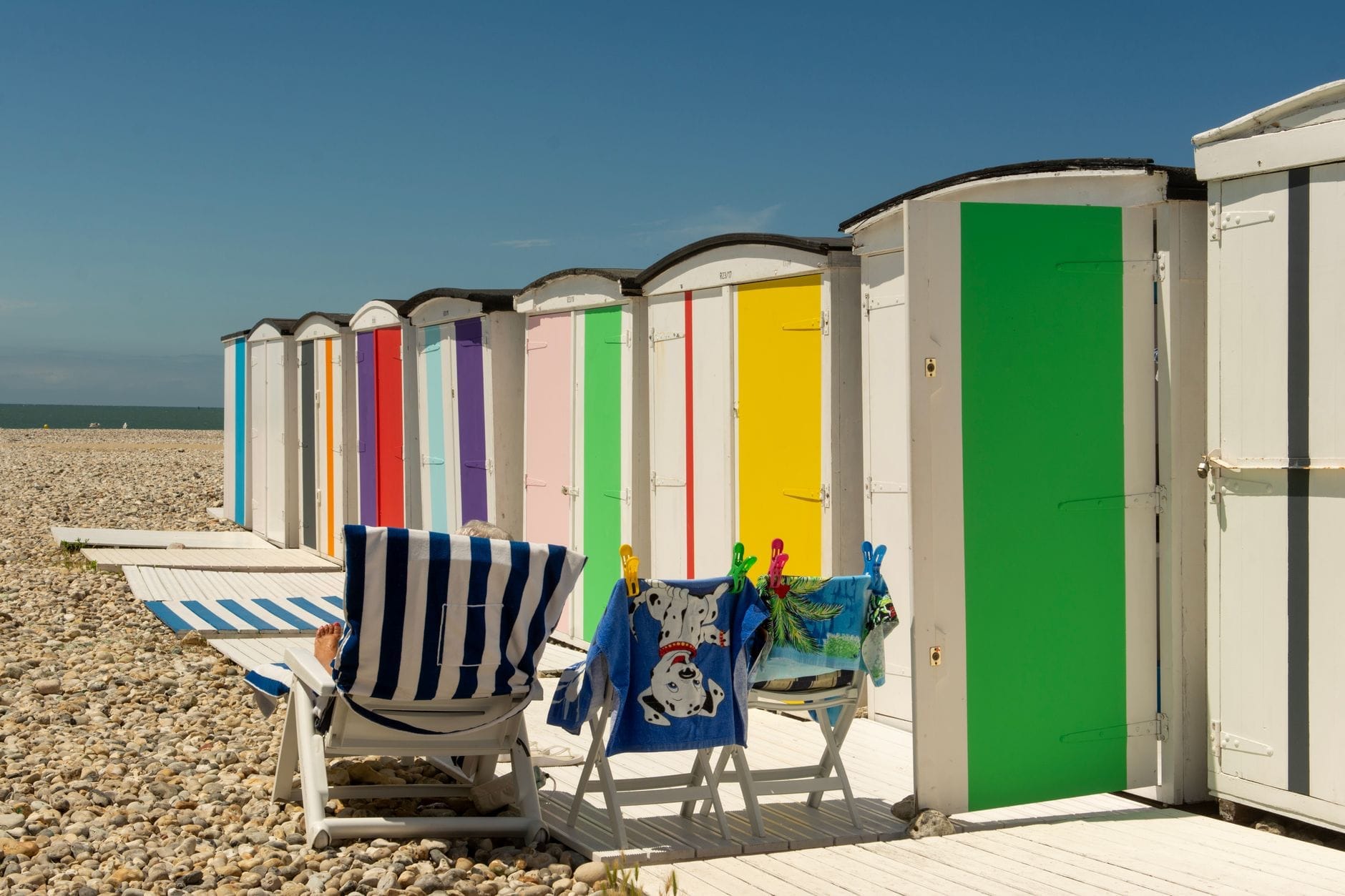
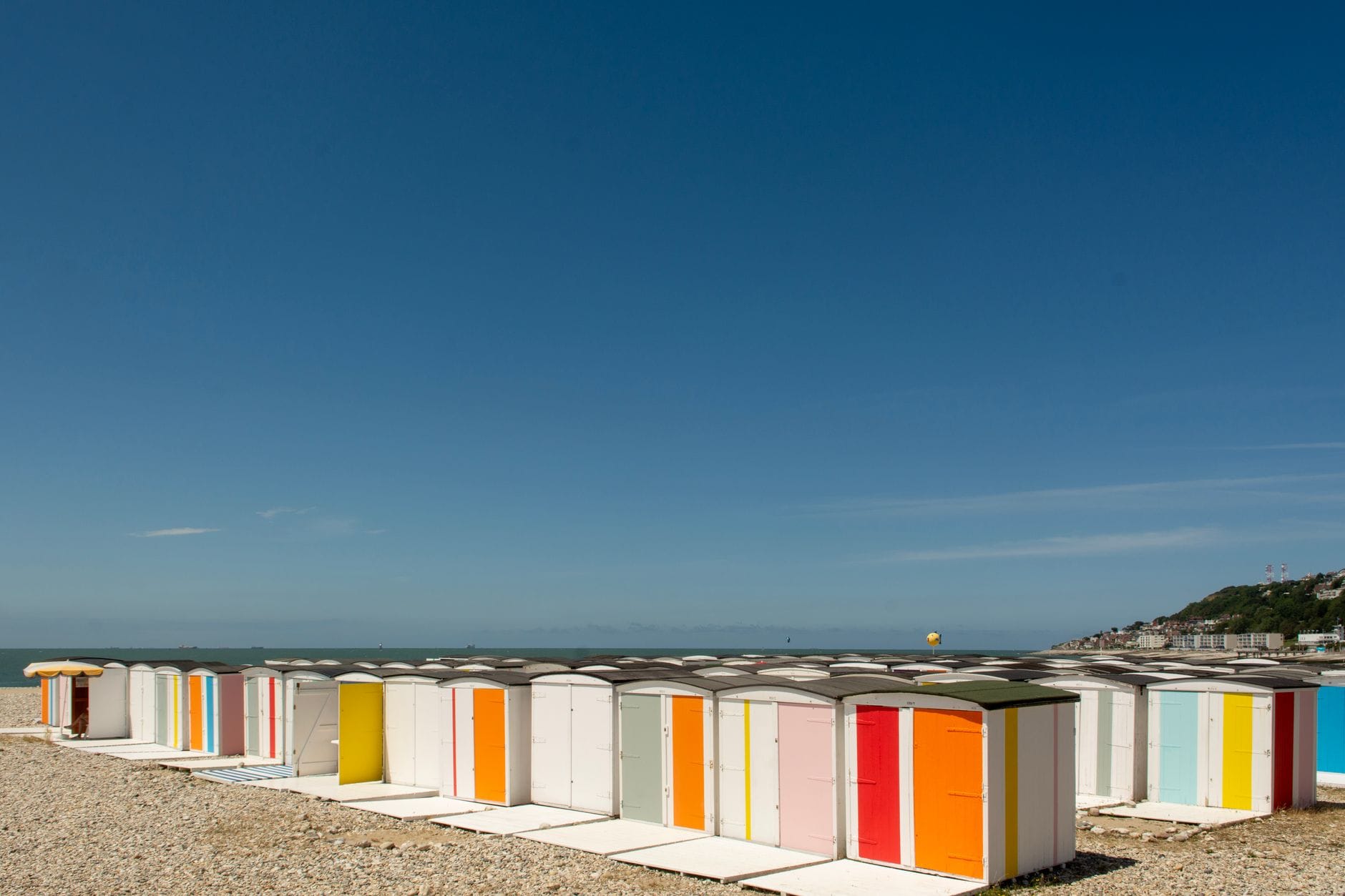
June through August is the most popular and most rewarding time to visit Le Havre. Average daytime temperatures sit between roughly 18-23°C, with occasional peaks above 30°C during heatwaves. Rain frequency drops compared to other months, though showers can still appear without warning. Evenings cool noticeably, so a sweatshirt or light jacket is genuinely useful even in late July. The Plage du Havre and the long seafront promenade are at their best — walkable, lively, and rewarding.
The biggest draw is Un Été au Havre (A Summer in Le Havre), an annual public art festival that installs monumental sculptures and site-specific works across the city. The festival typically runs from late May or early June through September. It has become one of the more distinctive urban art events in northern France, turning the Perret-designed streets and public squares into an open-air gallery. Check the festival's official schedule each year, as programming changes annually.
July and August bring higher visitor numbers, particularly from French domestic tourists, cruise passengers arriving at the port, and day-trippers from Paris (roughly 2.5 hours by train from Paris Saint-Lazare). The nearby clifftop suburb of Sainte-Adresse gets noticeably busy on sunny weekends, as locals and visitors converge on its elevated viewpoints and seafront café terraces. If you want the Impressionist viewpoints without the crowds, visit on a weekday morning.
✨ Pro tip
Book accommodation at least 6-8 weeks ahead for July and August, especially if you want to stay in or near the UNESCO centre. The city is not overrun like the Côte d'Azur, but decent mid-range hotels do fill up during festival weekends.
Spring (March to May): The Underrated Window
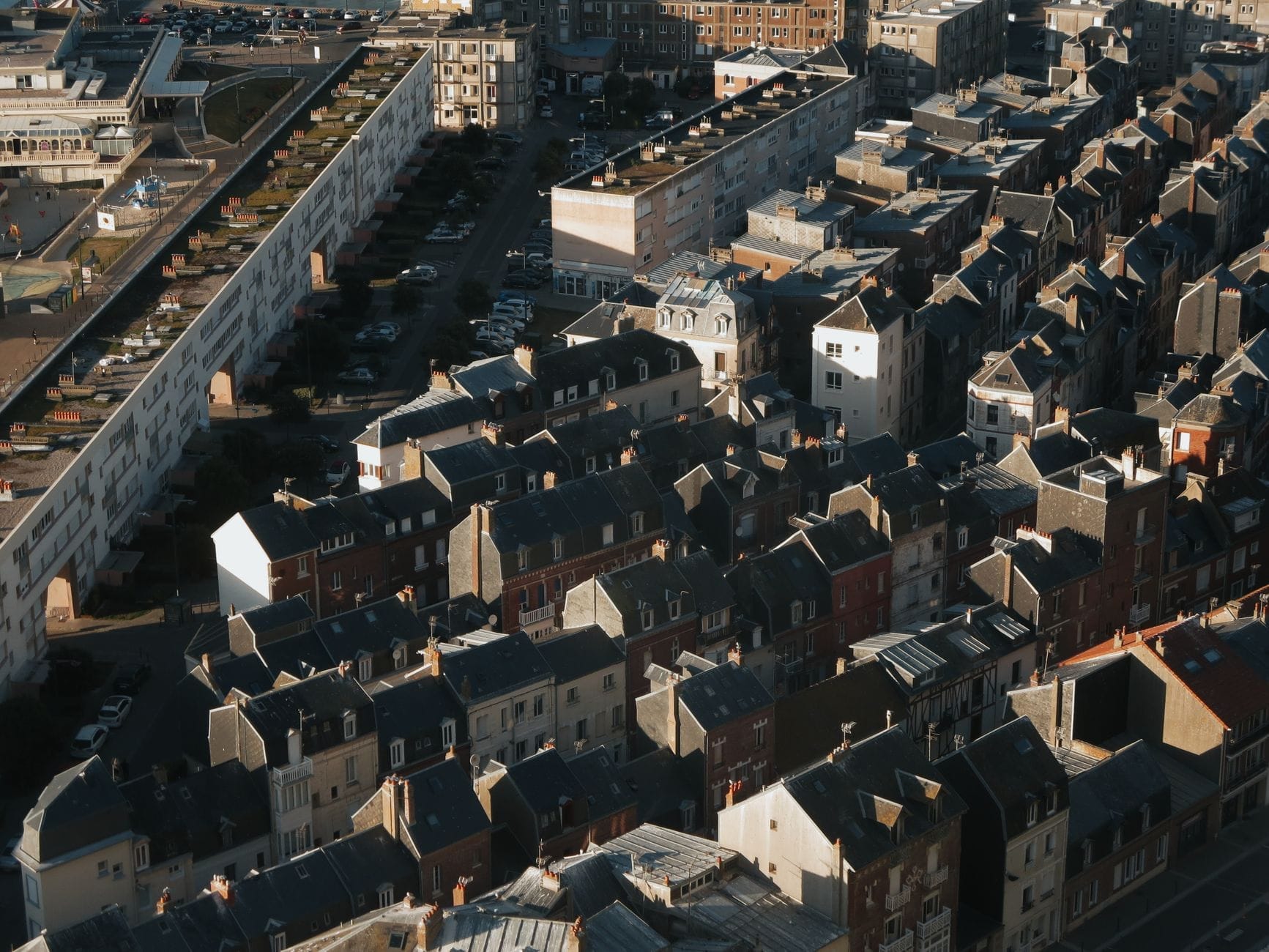
Spring is Le Havre at its most unpredictable but also, for the right traveller, its most appealing off-peak period. March remains cool and unsettled on the coast — temperatures hover between 6-12°C and Atlantic fronts bring frequent rain. By April the city begins to open up: temperatures climb into the low-to-mid teens, daylight extends noticeably, and the Jardins Suspendus start to come into their own as one of the most atmospheric places in the city.
May is arguably the sweet spot for visitors who want mild weather, thin crowds, and reasonable prices. Daytime temperatures reach 15-18°C, the Les Jardins Suspendus (the hanging gardens inside a converted 19th-century fort) are in full bloom, and the city has not yet shifted into summer mode. Hotel rates are lower than peak season, and the main sights — the Musée d'Art Moderne André Malraux (MuMa) and the Église Saint-Joseph — are comfortably visitable without queues.
Autumn (September to November): Fading Light, Lower Prices
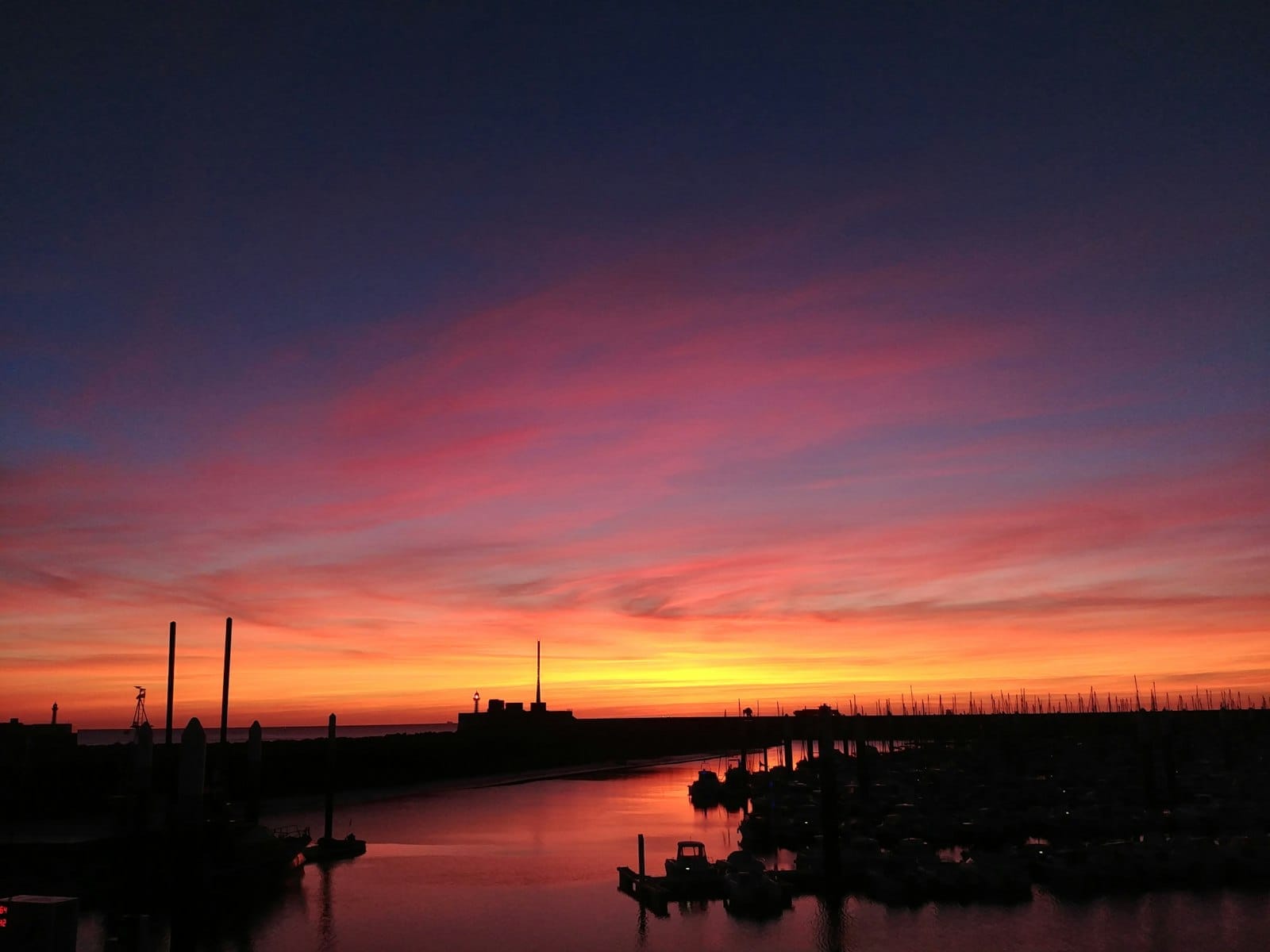
Early September still carries some summer energy — Un Été au Havre typically runs until mid-September, the sea retains enough warmth for determined swimmers, and the light along the Seine estuary takes on the golden quality that drew Monet and Boudin to this coastline in the first place. For photography and architecture appreciation, September is actually one of the better months.
By October, temperatures drop into the 10-15°C range and rainfall increases. The city empties of tourists, which is either a plus or a minus depending on what you're after. If your priority is the Perret architecture or the World War II history of the city, autumn is perfectly viable. The museums are quieter, locals reclaim the cafés, and the port industrial landscape looks dramatically moody under grey skies. November is the least appealing month: short days, sustained rain, and limited outdoor reward. Unless you have a specific reason to go, skip it.
Winter (December to February): For the Intentional Visitor
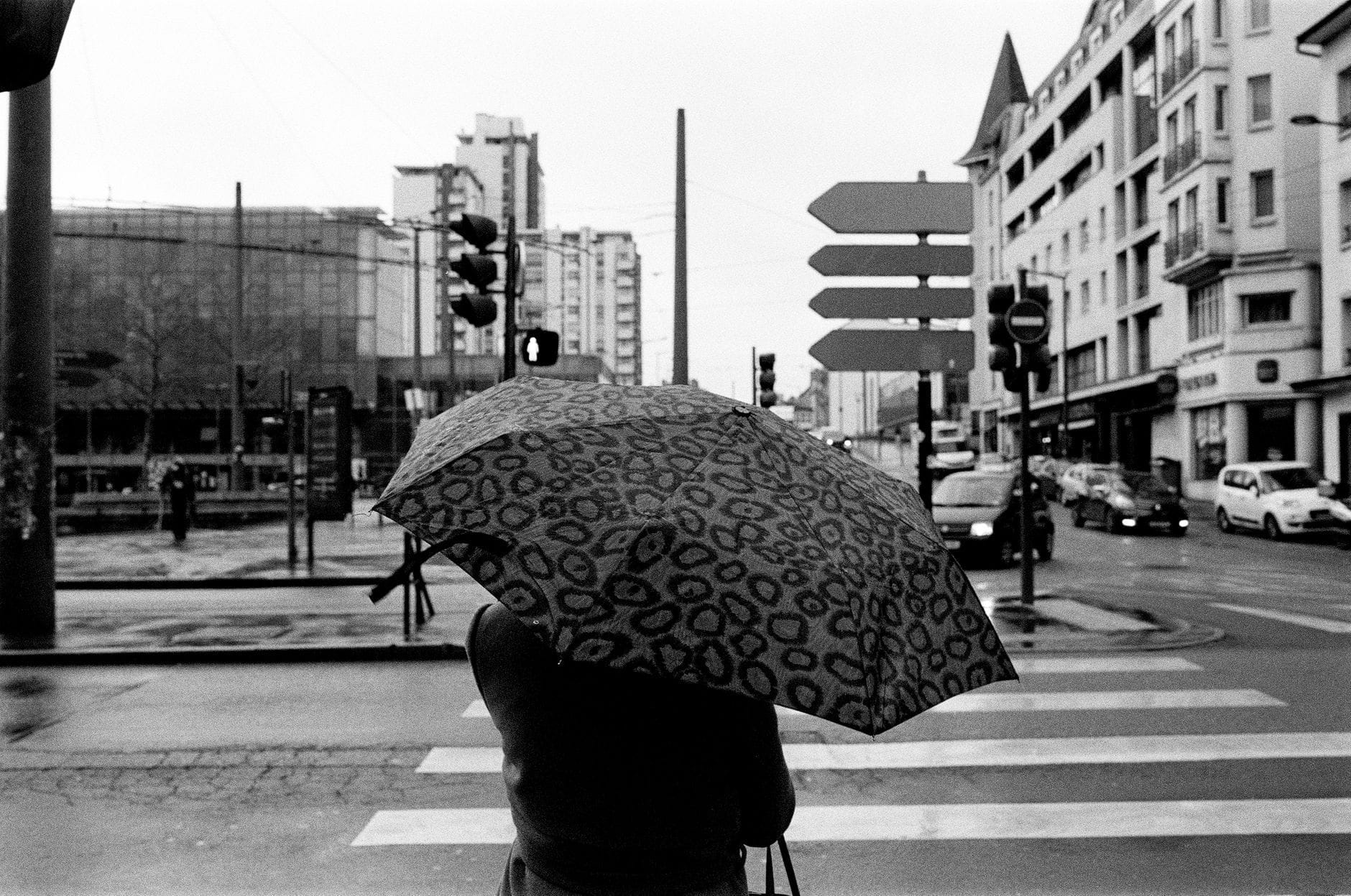
Winter visits to Le Havre are not a typical choice, but they are not pointless either. Typical temperatures range from lows around 3-4°C to daytime highs around 8-9°C, conditions are wet and often windy, and the beach is firmly closed for leisure use. What you get instead: a city at its most authentic, accommodation priced meaningfully lower than summer, and the interior attractions fully available without competition.
The MuMa holds one of the world's largest collections of Impressionist paintings outside Paris, and on a quiet January Tuesday you might have entire rooms to yourself. The Maison du Patrimoine (Atelier Perret) and the Perret Show Flat are similarly uncrowded. December brings Christmas markets and seasonal decorations to the city centre, adding some atmosphere to the short grey days. For travellers focused on architecture and art over outdoor activity, a long weekend in winter can be genuinely rewarding.
💡 Local tip
If you visit in winter, base yourself close to the UNESCO centre so that you can move between indoor attractions easily on foot. The tram network (operated by LiA) also covers the main visitor zones and is useful on wet days.
Quick Comparison: What Each Season Actually Offers
- June to August (Peak Season) Best weather, long daylight hours, Un Été au Havre festival, active seafront and beach. Higher prices and more visitors. Pack a jacket for evenings.
- May and early September (Shoulder Season) Good balance of reasonable weather, lower prices, and thinner crowds. May is excellent for gardens and architecture; September catches the tail of summer events.
- March, April, October (Off-Shoulder) Unpredictable weather but functional for museum and architecture trips. Lower costs, authentic city feel. Be prepared for rain on any given day.
- November to February (Low Season) Cold, wet, and quiet. Best for budget travellers focused on indoor sights. Not suitable for beach, outdoor activities, or families with young children.
Practical Tips for Timing Your Visit
- Confirm Un Été au Havre dates directly with the official tourism office (lehavretourisme.com) before booking — the festival window shifts slightly each year.
- French public holidays (especially around Ascension in May and Bastille Day on 14 July) can bring domestic visitors in from nearby cities; book ahead if your trip overlaps these dates.
- The Portsmouth to Le Havre ferry, still operated by Brittany Ferries in 2026, makes the city accessible from the UK without flying — a practical option for autumn or spring breaks when summer flight prices are not a factor. Check schedules before travel; service changes are possible later in the year.
- From Paris Saint-Lazare, trains to Le Havre run regularly and take approximately 2 hours 15 minutes to 2 hours 30 minutes. Check SNCF for current timetables and advance pricing.
- Even in summer, Le Havre is not suited to a purely beach-and-sun holiday. Pair it with day trips to Étretat, Honfleur, or Fécamp for a more rounded Normandy itinerary.
For visitors trying to plan a fuller Normandy trip around Le Havre, the day trips from Le Havre guide covers the best options by distance and travel time. If you are still deciding whether the city merits a dedicated visit at all, the honest assessment in Is Le Havre Worth Visiting lays out the case clearly.
FAQ
What is the best month to visit Le Havre?
June and July offer the best combination of mild weather, long days, and cultural events including the Un Été au Havre art festival. May is a close second for travellers who prefer fewer crowds and slightly lower accommodation prices.
Does Le Havre get hot in summer?
Rarely. Typical summer highs sit between 20-25°C. The occasional heatwave can push temperatures to 30-31°C, but these are not the norm. The coastal wind makes it feel cooler than inland Normandy even on warm days. This is not a Mediterranean climate.
Is it worth visiting Le Havre in winter?
It can be, for the right visitor. The Musée d'Art Moderne André Malraux (MuMa) and the Perret architecture sites are fully operational year-round. Accommodation is cheaper, crowds are minimal, and the city feels authentic. The trade-off is cold, wet, and windy conditions — plan around indoor attractions rather than outdoor exploration.
How rainy is Le Havre?
Fairly rainy by Western European standards, with no true dry season. Autumn and winter are the wettest periods. Summer sees the lowest rainfall frequency, but showers remain possible in any month. Always pack a waterproof layer regardless of when you travel.
When does the Un Été au Havre festival take place?
The festival generally runs from late May or early June through mid-September, though exact dates shift each year. Check the official Le Havre tourism website (lehavretourisme.com) or the festival's own communications for the current year's schedule before booking.