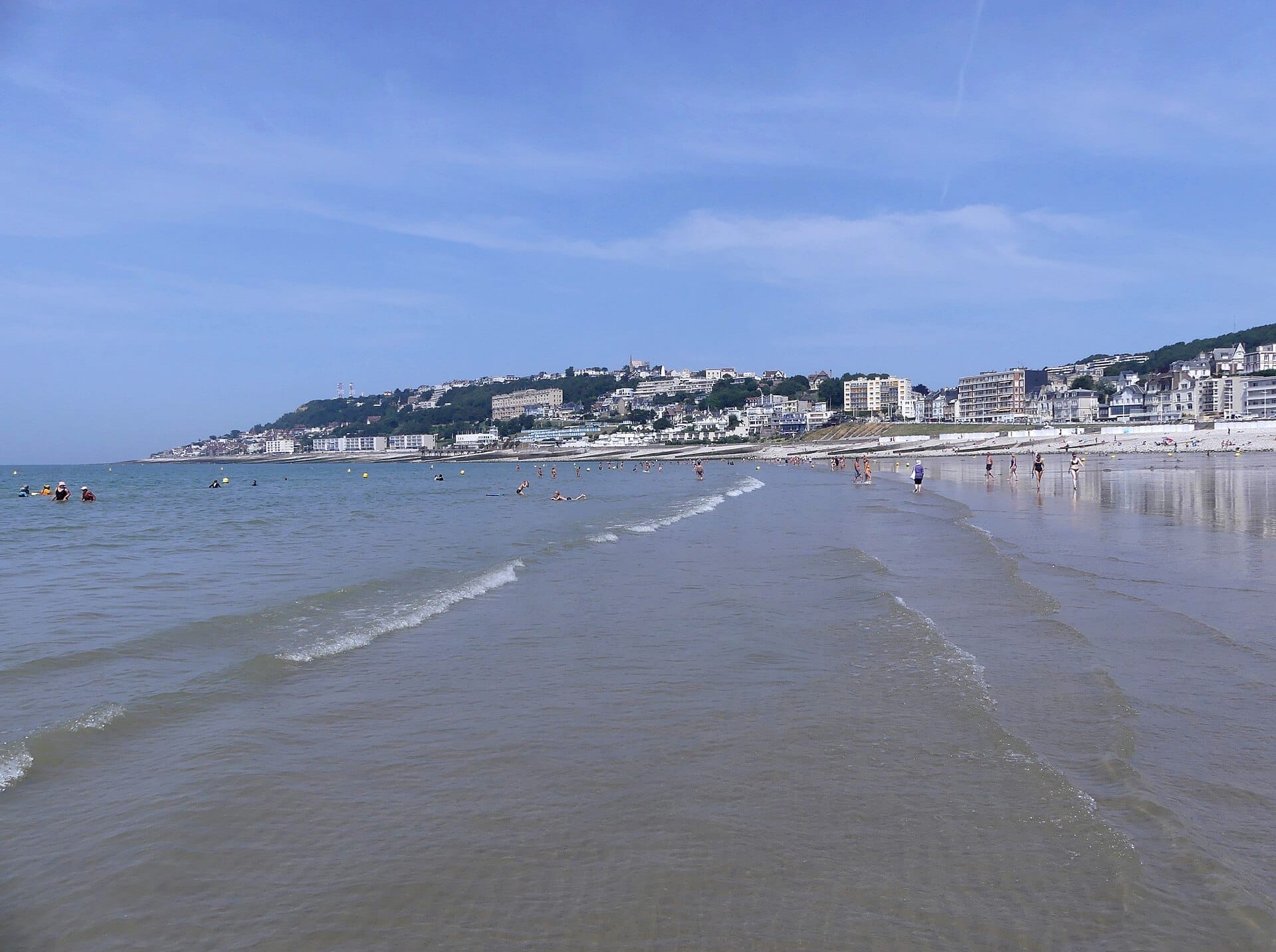
Perched on the Pays de Caux plateau about 2.6 kilometres northwest of Le Havre city centre, Sainte-Adresse is a composed seaside suburb where chalk cliffs meet the English Channel and the pace drops noticeably from the port city below. Once a fishing village and briefly a wartime capital for the Belgian government in exile, it draws visitors with its coastal promenade, Impressionist art history, and wide-open views across the Seine estuary.
Sainte-Adresse is Le Havre's quieter, elevated neighbour on the English Channel coast: a former fishing village with Gallo-Roman roots that became a fashionable seaside resort, attracted Monet and Corot, and briefly served as a wartime seat of government. Today it functions as a residential suburb with serious coastal credentials, where the white chalk cliffs and sea-wall promenade offer a clear contrast to the Perret modernism of the city centre below.
Orientation
Sainte-Adresse occupies the northwestern edge of the Le Havre urban area, sitting roughly 2.6 kilometres from Le Havre city centre along the D147 and D940 roads. It is a commune in its own right within the arrondissement of Le Havre, but for practical purposes it functions as a contiguous suburb, with no visible break in the urban fabric as you travel northwest from the city's seafront.
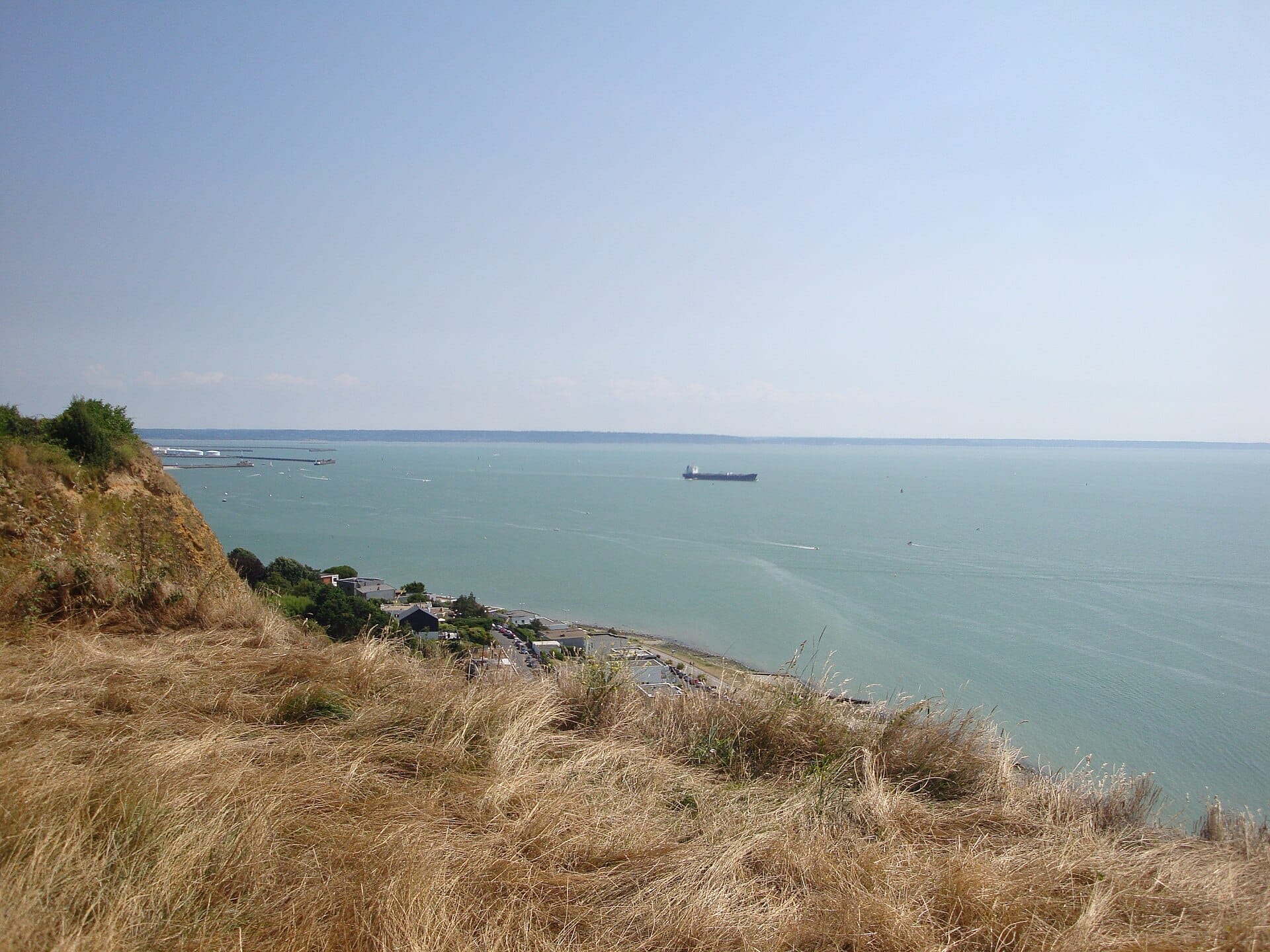
The commune rises onto the Pays de Caux plateau, which gives the area its characteristic chalk-cliff topography. To the west is the English Channel. To the south and east, the land slopes back down toward Le Havre's port and beach. The northern reaches of Sainte-Adresse climb toward Cap de la Hève, the headland that marks the point where the Seine estuary opens into the open sea. This elevated position is central to understanding why the area looks and feels so different from the flat, grid-planned city centre a short distance away.
If you are planning a broader visit to Le Havre, Sainte-Adresse works naturally as a half-day extension from the city's seafront and beach area. The two share a connected coastal strip, and walking between them along the promenade is straightforward.
Character & Atmosphere
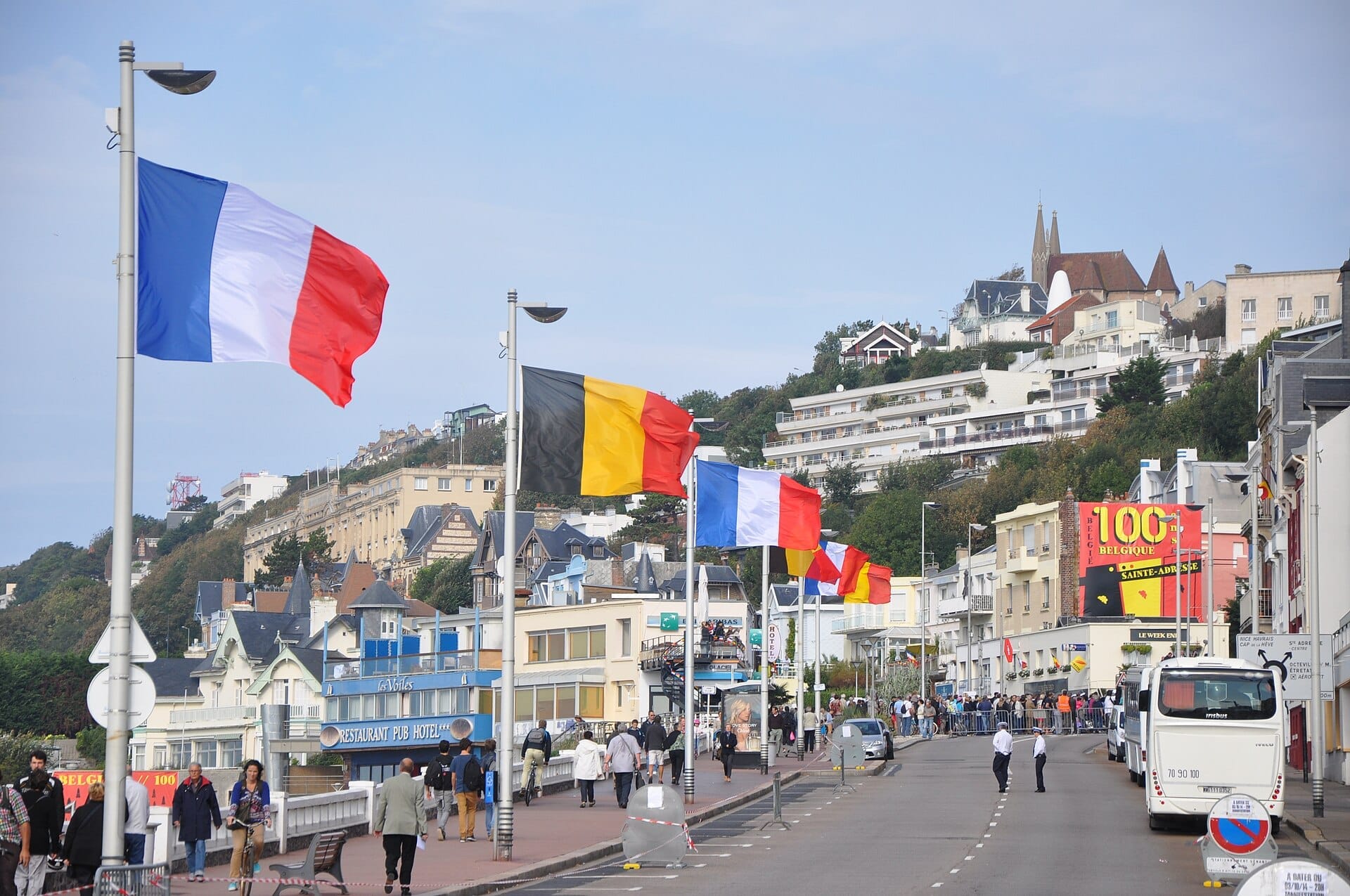
The first thing you notice arriving in Sainte-Adresse, particularly if you have come on foot along the seafront from Le Havre, is the relative quiet. The industrial energy of the port, the tram lines, the broad Perret boulevards: all of that falls away. The streets become narrower and more residential. Gardens appear behind low walls. The architecture shifts from postwar concrete to older Norman townhouses and Belle Époque villas, some of them with decorative façades that belong to another era entirely.
In the mornings, particularly on weekdays, Sainte-Adresse has the rhythm of a prosperous suburb going about its business. Bakeries and small shops open early. Dog walkers take the sea-wall path. The light on the Channel at this hour, particularly in spring and early summer, has the cool clarity that made Impressionist painters return here repeatedly: the water shifts between grey, green, and a flat silver depending on the cloud cover rolling in from the northwest.
By afternoon, especially in summer, the pace picks up along the seafront. Families claim space on the beach below the promenade. Visitors make their way up to the Cap de la Hève viewpoints. The sea wall itself becomes a social space: people leaning on the railing looking out at the container ships moving along the estuary lanes, occasionally a Channel ferry visible on the horizon. After dark, Sainte-Adresse is quiet in the way that residential suburbs are quiet. There are restaurants and a handful of bars, but this is not a nightlife destination. The streets empty out relatively early, and that is not a flaw so much as a feature of what the place is.
ℹ️ Good to know
Sainte-Adresse was known as Saint-Denis-Chef-de-Caux before its renaming and has evidence of Gallo-Roman settlement, making it significantly older than Le Havre itself, which was only founded in 1517.
What to See & Do
The main draw in Sainte-Adresse is the coastal landscape itself, particularly the sea-wall promenade and the approach to Cap de la Hève. The headland is described by local tourism as a balcony over the estuary, and that is accurate: standing at the cape on a clear day, you can trace the Seine valley opening inland to the east and watch the shipping lanes that make Le Havre one of the busiest ports in Europe.
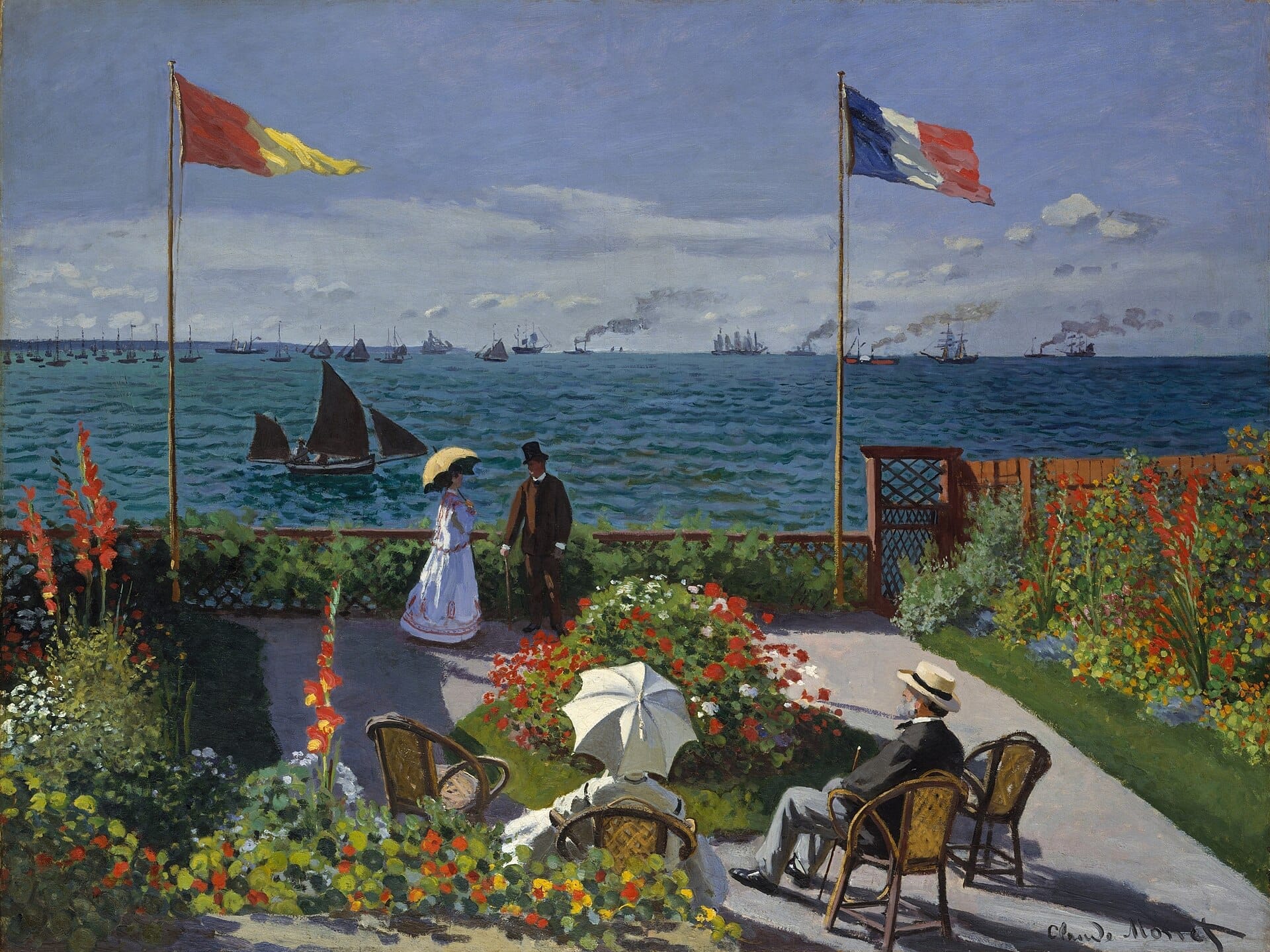
The Cap de la Hève headland has a public artwork by French sculptor Fabien Mérelle installed along the sea wall, which gives the walk an unexpected contemporary dimension. The scale of the chalk cliffs here, dropping sharply to the sea below, also explains why this stretch of coast caught the attention of Corot and Monet. Monet's paintings of Sainte-Adresse, including his famous 1867 terrace scene and multiple cliff studies, were made here, and the light and colour he was working with are still recognisable if you stand in roughly the right spots.
For visitors interested in the Impressionist connections to this coast, Sainte-Adresse is a key stop. The broader Le Havre Impressionist art trail extends through the area, linking it with viewpoints and sites painted by artists who worked in and around Le Havre during the nineteenth century.
Within the commune itself, two specific landmarks reward attention. The Pain de Sucre mausoleum is a distinctive memorial built by the widow of General Charles Lefebvre-Desnouettes, a Napoleonic cavalry commander, using funds she brought from her family connection to the Bonaparte circle. It sits in the hillside landscape above the shore. Separately, the Villa Sarah Bernhardt, designed by architect Georges de Borker, retains its original façade frescos bearing the actress's initials. Neither is a major tourist attraction in the conventional sense, but both give the neighbourhood a density of historical association that rewards slow, attentive walking. For more on the Impressionist viewpoints in Sainte-Adresse, dedicated information is available for visitors who want to follow the painted landscapes directly.
Cap de la Hève headland: clifftop views over the Seine estuary and English Channel
Sea-wall promenade: coastal walk connecting to the Le Havre beach to the south
Sainte-Adresse beach (Plage de Sainte-Adresse): shingle and sand below the promenade
Pain de Sucre mausoleum: Napoleonic-era memorial on the hillside
Villa Sarah Bernhardt: Belle Époque villa with original decorative façade
Monet painting locations: the cliffs and terrace gardens associated with his 1867 Sainte-Adresse series
If your time in the region is limited, a two-day Le Havre itinerary can incorporate Sainte-Adresse as a morning walk before returning to the city centre for the afternoon.
Eating & Drinking
The food scene in Sainte-Adresse is small-scale and neighbourhood-oriented. There are restaurants along the seafront road and in the village centre, with the emphasis on classic French cooking and fresh seafood, which makes sense given the location on the Channel coast. Mussels, sole, and other local fish appear regularly on menus, and the proximity to the sea means the produce quality is generally reliable.
Prices in Sainte-Adresse tend to reflect the area's residential, relatively affluent character. This is not the place to look for budget options or international cuisine. A lunch menu at a seafront restaurant will typically cost in the mid-range for France. The advantage is that the crowds are lighter than in Le Havre's city-centre dining spots, and on a good day eating lunch with a direct view of the Channel is a straightforward pleasure.
There are also bakeries and small cafés in the village itself, suitable for a morning coffee before heading to the coastal path. For a wider range of options including international food and lower price points, Le Havre city centre is a short bus ride or a 30-minute walk south along the seafront.
💡 Local tip
If you are walking the coastal path from Le Havre's beach northward to Cap de la Hève, consider timing your arrival in Sainte-Adresse around lunch and eating at one of the seafront restaurants before the final stretch to the cape. The walk back takes roughly the same time, and having a full meal mid-route makes the logistics easier.
Getting There & Around
The simplest way to reach Sainte-Adresse from Le Havre city centre is by bus on the LiA network, which operates the urban and suburban transport across the Le Havre agglomeration. Services run from the Porte Océane area in Le Havre to Saint-Denis in Sainte-Adresse roughly every 20 to 30 minutes during the day, with a journey time of around seven minutes and a standard fare of approximately two euros. Check current timetables with LiA directly, as schedules can vary by season and day of week.
Walking is a genuinely good option. The distance between Le Havre city centre and Sainte-Adresse is roughly 2.6 kilometres, taking about 30 minutes at a comfortable pace. The coastal route along the promenade is flat, well-maintained, and passes the Plage du Havre and the seafront promenade before entering Sainte-Adresse's section of coast. This is the most rewarding route on a clear day.
Cycling is also practical. Le Havre has a network of cycle paths, and the Vélomaritime long-distance route passes through the area. Rental bikes from the city can be taken along the coastal path without significant difficulty. Driving is straightforward via the D147 and D940, with parking available near the seafront, though spaces fill up quickly on summer weekends and public holidays.
Sainte-Adresse is not served by the Le Havre tramway, which operates within the city centre and toward the train station. If you are arriving in Le Havre by rail from Paris Saint-Lazare (approximately two hours) or Rouen (approximately 45 minutes), take the tram or bus to the seafront area first, then continue to Sainte-Adresse by bus or on foot. The Le Havre cruise port guide has relevant logistics information for visitors arriving by sea.
⚠️ What to skip
The cliff paths at Cap de la Hève require some care, particularly in wet conditions. The chalk rock can be slippery, and the cliff edges are unfenced in places. Stay on marked paths and observe any safety signs, especially if visiting with children.
Historical Background
Understanding why Sainte-Adresse feels the way it does requires knowing a little of its history. The commune's origins predate Le Havre by many centuries: the site was originally called Saint-Denis-Chef-de-Caux, and archaeological evidence of Gallo-Roman settlement has been found here. While Le Havre was founded in 1517 as a purpose-built port city by Francis I, Sainte-Adresse had already been inhabited for well over a thousand years.
The nineteenth century transformed the area into a fashionable seaside resort within reach of both Le Havre's growing bourgeoisie and Paris by rail. The Belle Époque villas, the promenades, the association with artists: all of this belongs to that period of expansion. Corot painted the cliffs here. Monet, who grew up in Normandy and spent significant time in Le Havre and Sainte-Adresse, produced some of his most recognisable early work in the area, including his 1867 painting of the terrace at Sainte-Adresse with the Channel in the background.
The most unusual chapter in Sainte-Adresse's history came during World War One. When Germany invaded Belgium in 1914, the Belgian government fled and eventually established its government in exile here, making this small seaside commune a temporary wartime capital for an entire nation. That episode lasted until 1918 and left a mark on the commune's sense of its own significance. For visitors interested in the broader wartime history of this coastline, the Le Havre World War II history guide covers the later conflict, when the city itself suffered devastating bombing.
Where to Stay
Accommodation in Sainte-Adresse is limited in volume but includes seafront hotels and smaller guesthouses catering primarily to visitors who want a quieter base than Le Havre city centre. Staying here makes most sense for travellers whose priority is coastal walking, the Impressionist landscape, or simply a calmer environment. The bus connection to Le Havre is frequent enough that you are not isolated from the city's main attractions, including the MuMa modern art museum and the UNESCO-listed Perret architecture of the city centre.
For the widest range of accommodation options across the wider city, including the practical considerations of staying near the train station, the port, or the beach, the detailed where to stay in Le Havre guide covers the trade-offs across all of the main areas. Sainte-Adresse suits independent travellers, couples, and those returning to Le Havre for a longer visit rather than first-timers who want to cover the main urban sights efficiently.
If you are considering Sainte-Adresse as a base for a summer visit, book early. The number of available rooms is small, and the area's seasonal appeal means it fills up in July and August, particularly on weekends when Parisians make the two-and-a-half-hour trip from the capital.
ℹ️ Good to know
Sainte-Adresse hosted the Belgian government in exile from 1914 to 1918, during which it was sometimes referred to as 'Le Havre de Grâce' in official Belgian correspondence. A plaque in the commune commemorates this period.
Who Should Visit — and Who Should Skip It
Sainte-Adresse is not a neighbourhood that offers a concentrated set of major indoor attractions. If your visit to Le Havre is focused on the UNESCO Perret architecture, the MuMa collection, or the Bassin du Commerce, Sainte-Adresse is a pleasant extension but not essential to those goals. The value here is in the coastal landscape, the pace, and the historical and artistic associations, which reward visitors willing to move slowly and look carefully.
For families with children, the beach at Sainte-Adresse and the accessible sections of the sea wall path work well. The Le Havre with kids guide includes the broader seafront area and can help with planning a day that combines beach time with the cultural sites in the city centre.
For travellers visiting in summer, Sainte-Adresse pairs naturally with the wider coastal programme that Le Havre runs during the warmer months. The Le Havre in summer guide covers the seasonal events and outdoor activities across the city and its coastal suburbs, including this area.
TL;DR
Sainte-Adresse is a composed, residential seaside suburb 2.6 kilometres northwest of Le Havre city centre, best reached by bus in seven minutes or on foot along the coastal promenade in about 30 minutes.
The main draws are the Cap de la Hève headland with its estuary views, the sea-wall promenade, the Impressionist painting locations associated with Monet and Corot, and a scattering of Belle Époque architectural curiosities including the Villa Sarah Bernhardt.
The area served as the Belgian government in exile during World War One — an unusual historical footnote that gives the commune an outsized place in European history relative to its modest size.
Best suited to: coastal walkers, art and history enthusiasts, travellers looking for a quieter base than the city centre, and anyone wanting an afternoon contrast to Le Havre's modernist urban fabric.
Not ideal for: travellers on a tight schedule focused purely on the UNESCO city centre, budget travellers needing a wide range of affordable restaurants, or anyone expecting nightlife or a lively evening scene.
Le Havre rewards the traveler who looks past the port cranes. This two-day itinerary moves through the UNESCO-listed Perret city centre, France's second-largest Impressionist collection, a shingle beach 500 metres from downtown, and one of Normandy's most dramatic coastlines — all without wasting a morning on the wrong museum on its closing day.
Le Havre has an oceanic climate that keeps things cool and changeable year-round. This guide cuts through the vague advice to tell you exactly when to go, what to expect each season, and who should consider visiting in winter instead of summer.
Le Havre sits at the heart of one of France's richest travel regions. Whether you're docked on a cruise or basing yourself in the city, these are the most rewarding day trips within reach, with honest breakdowns of transport, costs, and what to expect on the ground.
Le Havre divides opinion. Some dismiss it as an industrial port stop; others leave genuinely impressed by its UNESCO-listed architecture, world-class Impressionist museum, and dramatic seafront. This guide gives you the full picture so you can decide for yourself.
Le Havre is one of northern France's most significant cruise ports, serving as the gateway to Normandy, Paris, and a UNESCO-listed city centre that most passengers overlook entirely. This guide covers terminal logistics, honest excursion options, transport costs, and how to make the most of your time ashore.
Le Havre is where Impressionism got its name. In 1872, Claude Monet painted 'Impression, Sunrise' from the harbor quays here, launching one of art history's most consequential movements. This guide covers every key painting location, the MuMa art museum, coastal trail logistics, and what most visitors get wrong about the city's artistic legacy.
Le Havre transforms in summer, with a city-wide contemporary art season, an urban pebble beach on the English Channel, action sports events, and free outdoor installations across its UNESCO-listed centre. This guide covers everything from the Un Été au Havre festival to getting there from Paris or the UK.
Le Havre rewards walkers like few other French cities. Its UNESCO-listed city centre is a coherent open-air museum of post-war modernist architecture, compact enough to cover in a half-day on foot. This guide gives you everything you need to plan your own route, from key stops and timing to costs and seasonal tips.
Le Havre is a strong family destination. From a long pebble beach accessible by tram to a UNESCO-listed city centre full of surprising museums, this Normandy port city offers genuinely varied days out for children of all ages. This guide covers the best activities, honest seasonal advice, and practical logistics so you can plan without guesswork.
In September 1944, Allied bombing reduced Le Havre's city centre to rubble. What followed was one of the most ambitious urban reconstruction projects in postwar Europe, led by architect Auguste Perret and completed by 1964. This guide covers the history, the key sites, and how to explore it all on the ground.
Le Havre's rebuilt city centre is one of Europe's most coherent examples of postwar modernist urbanism. This guide walks you through the key Auguste Perret sites across 133 hectares of UNESCO-listed streets, with practical advice on access, booking, and what to actually look for.
Le Havre is more than a port of call. This guide covers the city's UNESCO-listed architecture, world-class Impressionist museum, urban beach, summer festivals, and the best day trips from Normandy's most underrated city.
Le Havre has more accommodation variety than most visitors expect, from design-forward hotels in the UNESCO-listed Perret quarter to seafront options steps from the beach. This guide breaks down where to stay in Le Havre by neighborhood, budget, and what you're here to do.