Le Havre with Kids: The Complete Family Activity Guide
Le Havre is a strong family destination. From a long pebble beach accessible by tram to a UNESCO-listed city centre full of surprising museums, this Normandy port city offers genuinely varied days out for children of all ages. This guide covers the best activities, honest seasonal advice, and practical logistics so you can plan without guesswork.
Plan and book this trip
Tools from our partner Travelpayouts help you compare flights and hotels. If you book through them, we may earn a commission at no extra cost to you.
Flights
Hotels map
TL;DR
- Le Havre has a real beach, green parks, an architect-designed aquatic centre, and several family-friendly museums, many within easy reach of the city centre by tram.
- Summer (June–August) unlocks the full offer: watersports on Plage du Havre, pedal boats and tree-climbing in Montgeon Forest, and the city's major outdoor art festival. Winter has solid indoor fallbacks.
- Train from Paris takes around 2 hours; children aged 4–11 get 50% off SNCF fares, and under-4s travel free on laps.
- Many of the best activities (beach, Forêt de Montgeon, Les Jardins Suspendus) are free or very low cost.
- The idea that Le Havre is just an industrial port with nothing for families is wrong. Normandy Tourism actively promotes it as a family city break, and there is more to do here than most visitors expect.
Why Le Havre Works for Families (And One Thing to Know First)
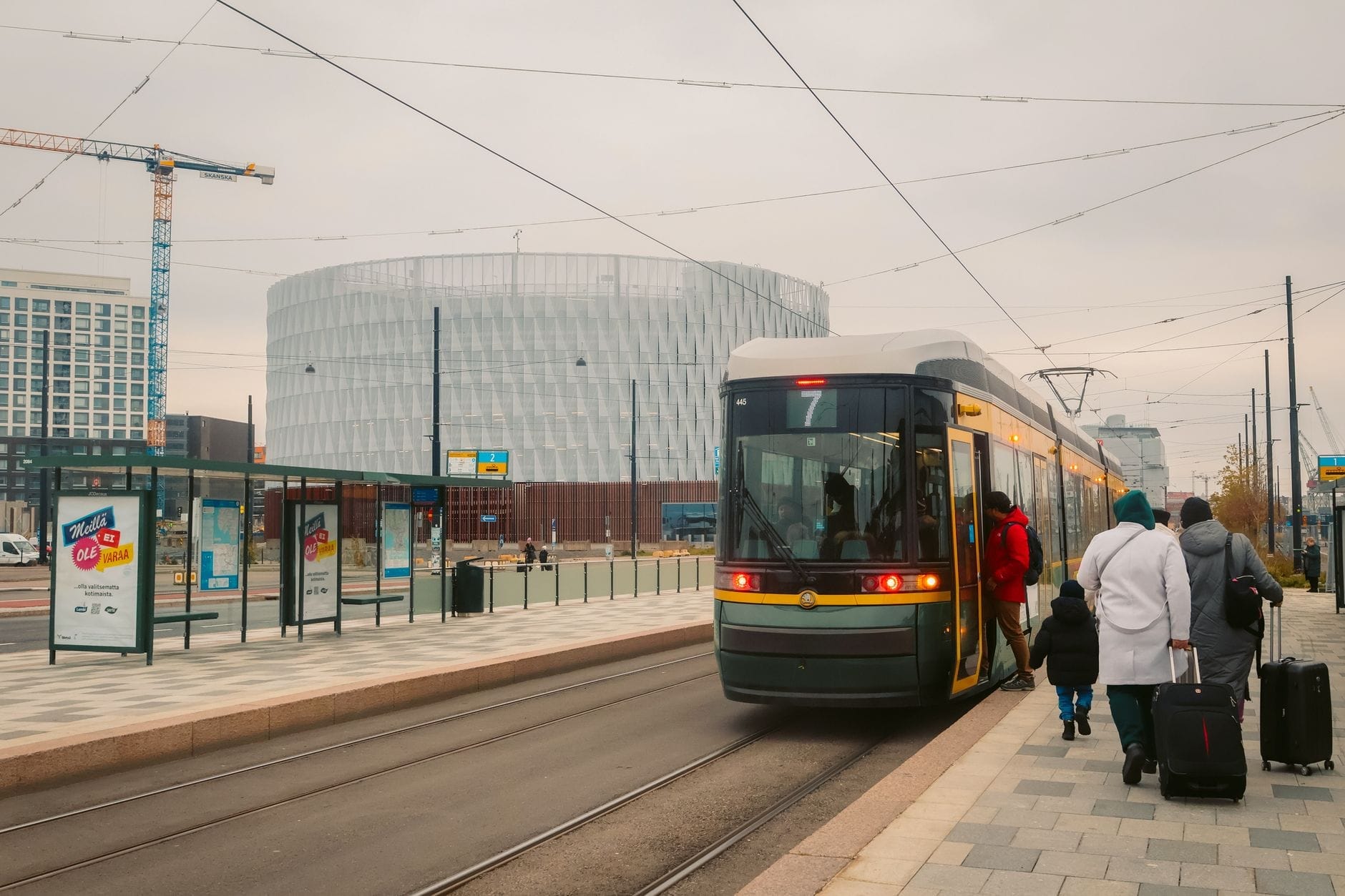
Le Havre has a reputation built on its port, its modernist architecture, and its wartime history, none of which immediately scream 'school holiday destination'. But the city's practical infrastructure for families is genuinely good: a tram network that reaches the beach, large parks within the urban area, a purpose-built aquatic complex, and a cluster of museums that offer something for different ages and interests. The city centre rebuilt by architect Auguste Perret after World War II bombing is now a UNESCO World Heritage Site, which adds an unexpected layer of interest even for older children who are beginning to grasp history.
The one thing to calibrate: this is not a beach resort in the Mediterranean sense. Le Havre sits on the English Channel coast, so the weather is oceanic, often breezy, and unpredictable outside of the summer months. Peak family season runs from late June to late August. Come outside that window and some outdoor activities disappear, but the city doesn't shut down. If you want to understand how the calendar shapes the experience, our seasonal breakdown goes into the detail.
💡 Local tip
Le Havre's tram network (operated by LiA) connects the city centre directly to the beach and several key attractions. Buy a day pass for families rather than single tickets if you plan to move around. Always check current fares and routes on the LiA website before travelling, as timetables are subject to change.
The Beach, the Seafront, and Outdoor Waterfront Activities
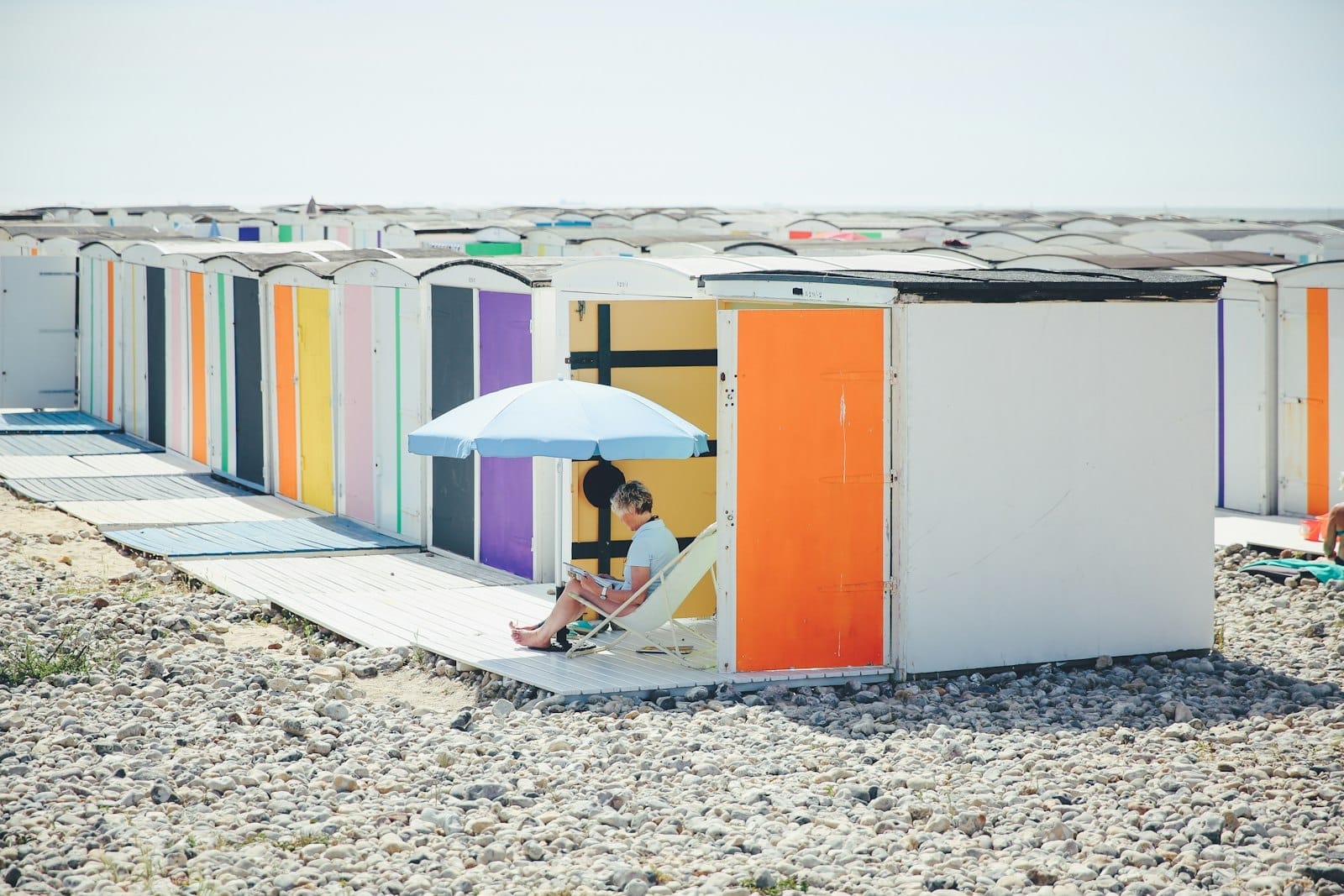
The Plage du Havre is the most democratic of the city's assets: it's free, wide, accessible by tram from the city centre, and fronted by a long promenade with playgrounds. The beach is pebbly, so bring shoes children can wade in comfortably. In summer, seasonal watersports operators set up equipment rentals and lessons, and the promenade gets genuinely animated in the evenings. Outside of July and August, the beach is still walkable but the water is cold and the facilities are stripped back.
The nearby cliff village of Sainte-Adresse, just a few kilometres up the coast, is worth combining with a beach visit. It has calmer shoreline access and famous Impressionist associations, and the views back over the bay are striking. The Impressionist viewpoints at Sainte-Adresse are easy to explain to older children with a little context about Monet and the paintings he made here in the 1860s.
Port boat trips are a category of activity that tends to delight children who are otherwise museum-resistant. Seeing container ships, cranes, and the scale of one of France's largest ports from a small boat is genuinely impressive. Family boat tours operate on the Seine estuary and around the docks; check current departure times and booking through the Le Havre Étretat Tourisme office or major activity booking platforms, as schedules vary seasonally.
Forêt de Montgeon and Les Jardins Suspendus: The Green Options
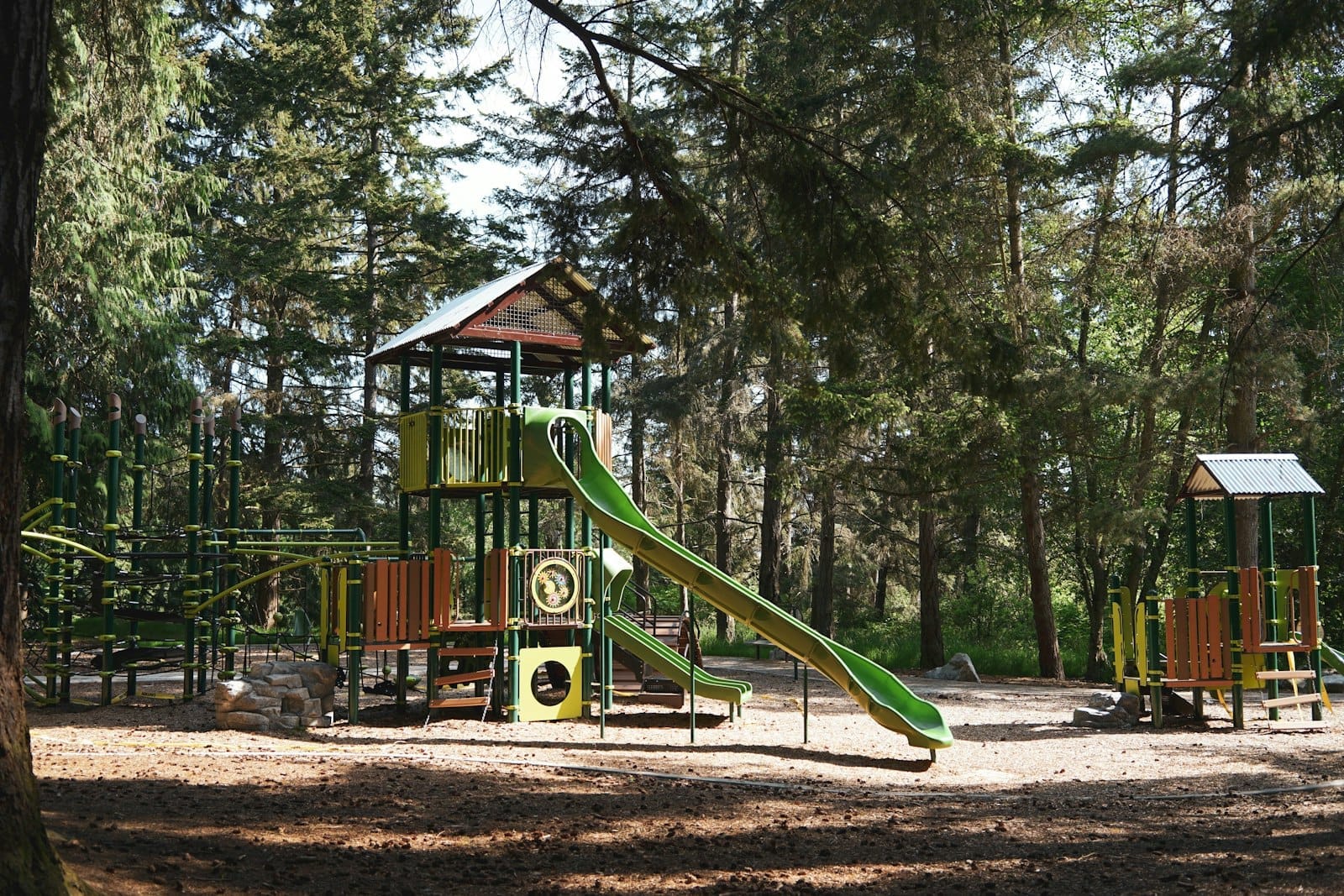
The Forêt de Montgeon is Le Havre's largest green space, a proper urban forest on the plateau above the city. For families it functions as a full half-day: there are wooden adventure playgrounds, pétanque courts, lakes with pedal boats (available in summer), and in the warmer months an accrobranche (tree-climbing assault course) operation sets up in the forest. Entry to the forest itself is free; individual activities like accrobranche and pedal boats are ticketed separately, with prices typically in the range of a few euros per person.
Les Jardins Suspendus (the Hanging Gardens) sit above the city inside a converted 19th-century fort and are one of Le Havre's more unusual spaces. The gardens hold plant collections from five continents in a series of greenhouses and open terraces, with wide views over the city and port. It's quieter than Montgeon and works better for families with younger children or those who prefer to walk at a relaxed pace. Typical opening hours vary seasonally, but hours shift with the time of year. Always check the current schedule on the official Ville du Havre website before visiting. See the full listing for Les Jardins Suspendus for more details.
✨ Pro tip
Combine Les Jardins Suspendus with the nearby Sainte-Adresse clifftop walk in a single morning outing. Both are on the same elevated plateau above the city, and the views from the cliff edge above Cap de la Hève give children a clear sense of the English Channel geography. Bring snacks; food options up on the plateau are limited.
Museums Worth Taking Children To (And One to Skip)
The MuMa (Musée d'art moderne André Malraux) is Le Havre's flagship art museum and one of the major fine art collections outside Paris. It holds an exceptional Impressionist collection including works by Boudin, Monet, Pissarro, and Raoul Dufy. For children, the museum is not wall-to-wall interactive screens, so be realistic: it works best with children aged 8 and up who have some introduction to art. The museum regularly offers dedicated workshops and creative activities for families, typically on weekends and during French school holidays. Check the MuMa website (muma-lehavre.fr) for current programming and admission prices before visiting.
The Musée d'Histoire Naturelle (Natural History Museum) is often underrated in family guides to Le Havre. The collections include zoological specimens, geology, and regional natural history, and the format is accessible to younger children in a way that modern art museums are not. It is located in a historic building in the city centre, and admission is free or reduced depending on age. The Natural History Museum is a solid rainy-day choice for families with kids under 10.
- MuMa (Musée André Malraux) Best for ages 8+. Major Impressionist and modern art collection. Check for family workshops during school holidays. Confirm hours and prices at muma-lehavre.fr.
- Musée d'Histoire Naturelle Best for ages 5–12. Zoological and geological collections in an accessible format. Free or reduced admission for children.
- Maison de l'Armateur A restored 18th-century shipowner's house with period interiors, interesting for older children curious about maritime history and how wealthy Havrais lived before the war.
- Perret Show Flat (Appartement-Témoin Perret) A preserved 1950s flat in the UNESCO district, worth a quick visit for older teens interested in architecture or design history. Not aimed at young children.
⚠️ What to skip
Eglise Saint-Joseph, Le Havre's famous modernist church with its 107-metre lantern tower and stained-glass interior, is architecturally stunning but very much a functioning church rather than an interactive space. Children who need to stay quiet and still may find a long visit difficult. A short walk-through to see the light effects is worthwhile; a lengthy guided tour is better reserved for older visitors.
Indoor Activities for Bad Weather Days
Normandy's weather makes a reliable indoor fallback essential for any family trip, and Le Havre has two particularly good options that are designed for active children rather than passive sightseeing.
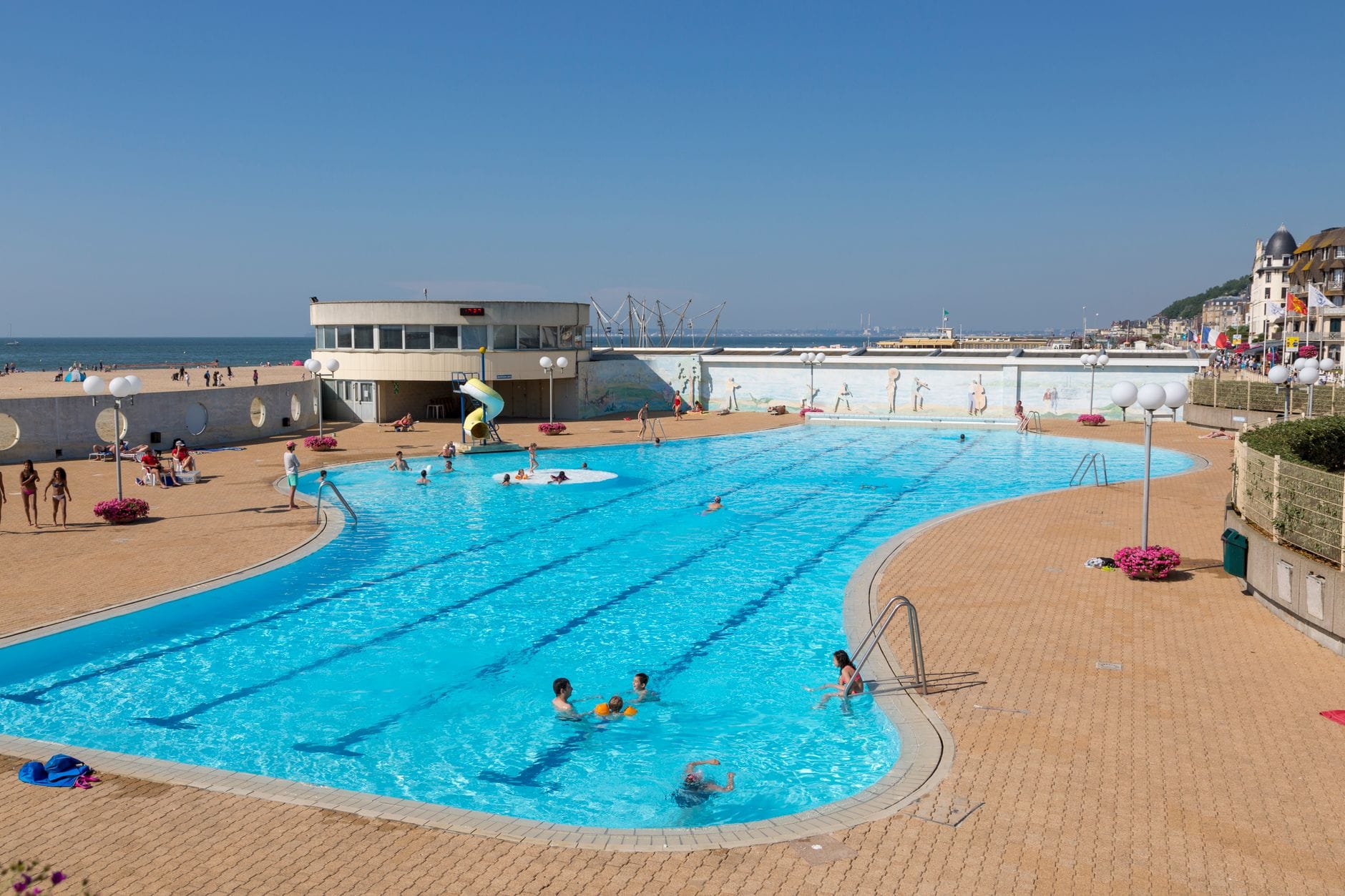
Les Bains des Docks is an aquatic centre designed by Jean Nouvel, which in architectural terms makes it one of the more interesting public pools in France. For families, the practical value is more relevant: it has pools and areas suited to different age groups. It operates year-round with standard opening hours, though lanes can be busy on weekday mornings with school groups. Afternoons and weekends in the school holidays are the most family-appropriate slots, though also the busiest. Confirm current pricing and session availability on the Ville du Havre website.
Gulli Parc is an indoor adventure park with climbing walls, slides, and activity zones aimed at children roughly aged 2–12. It's unapologetically a children's play centre rather than a cultural attraction, but on a grey November morning when the kids need to burn energy and the beach is not appealing, it does exactly what it promises. Check the Gulli Parc website (gulliparc.com) for current session prices and booking requirements.
Practical Logistics: Getting There, Getting Around, and Saving Money
Le Havre is well connected to Paris by train. Direct services from Paris Saint-Lazare take approximately 2 hours 8 minutes to 2 hours 30 minutes depending on the service. SNCF offers significant discounts for families: children aged 4–11 typically receive 50% off adult fares, and children under 4 travel free on a parent's lap (with an optional paid seat reservation available). Book via SNCF Connect for the best fares, particularly in advance for summer travel.
Within the city, the LiA tram and bus network is the easiest way to move between the city centre, the beach, and major parks. The tramway is straightforward to use and connects the central area with the seafront along Boulevard Albert 1er. For families staying in the city centre, many attractions including the seafront and beach and the UNESCO Perret district are also walkable. If you are arriving by cruise ship, the port is close to the city centre; the cruise port guide covers the logistics in detail.
- Book train tickets in advance via SNCF Connect, especially for July and August, when family carriages fill quickly.
- The beach, Forêt de Montgeon, and Les Jardins Suspendus are all free to access, which keeps the daily budget manageable.
- French school holiday periods (les vacances scolaires) mean some attractions are busier and some add dedicated family programming. Check the French national school calendar when planning.
- The summer festival Un Été au Havre brings large-scale art installations across the city, which children often find more engaging than traditional gallery visits. Dates vary yearly; check the official tourism site for the current year's programme.
- Restaurants displaying the 'Bienvenue en Famille' (Family Welcome) label have confirmed child menus and facilities. Ask the tourist office for a current list.
- Emergency number in France: 112 (European standard). Medical emergencies: 15. Police: 17.
If you have more than a day and want a broader itinerary structure, the 2-day Le Havre itinerary maps out a logical sequence that works well with children. For day trips with older kids who can manage a fuller day out, the day trips from Le Havre guide covers Étretat's famous cliffs, Honfleur, and Rouen, all of which have strong visual impact for younger visitors.
FAQ
Is Le Havre beach good for families with young children?
Yes, with some caveats. Plage du Havre is a broad beach with playground areas along the promenade and is easily reached by tram. The shoreline is a mix of sand and pebbles, so water shoes are useful. Watersports and beach activities are primarily available in July and August. The water is cool even in summer by Mediterranean standards, but the beach itself is spacious and rarely dangerously crowded.
What is there to do in Le Havre with kids on a rainy day?
Les Bains des Docks (the aquatic centre) is the best all-weather option for active children. Gulli Parc is an indoor adventure play centre suited to younger kids. MuMa (the modern art museum) and the Natural History Museum are both good choices for older children, and MuMa runs family workshops during school holidays. Even a visit to the UNESCO Perret district and the interior of Eglise Saint-Joseph provides shelter and visual interest.
Are there free things to do in Le Havre with kids?
Several of the best family activities are free. The beach and seafront promenade, Forêt de Montgeon (park access, not activities within it), Les Jardins Suspendus, and walking the UNESCO city centre all cost nothing. The Natural History Museum has free or reduced entry for children. Paid activities like accrobranche, pedal boats, and the aquatic centre are reasonably priced by French standards.
How do I get to Le Havre with children from Paris?
The most practical route is the direct train from Paris Saint-Lazare, taking around 2 hours 8 minutes on the faster services. Children aged 4–11 get 50% off adult fares on SNCF, and under-4s travel free on a parent's lap. Book through SNCF Connect. By car, Le Havre is approximately 200 kilometres from Paris via the A13/A29 motorway, taking around 2 to 2.5 hours depending on traffic and tolls.
Is Le Havre worth visiting with kids, or should we go to Honfleur or Étretat instead?
Le Havre is a better base than Honfleur or Étretat for a multi-day family trip because it has a full range of infrastructure: a beach, parks, pools, museums, and practical accommodation options. Honfleur is charming but small, and Étretat is primarily a viewpoint and cliff walk without much for young children to do once the views have been absorbed. The sensible approach is to base yourself in Le Havre and take a day trip to Étretat or Honfleur, rather than trying to do the reverse.