Le Havre Cruise Port: Complete Shore Excursion Guide
Le Havre is one of northern France's most significant cruise ports, serving as the gateway to Normandy, Paris, and a UNESCO-listed city centre that most passengers overlook entirely. This guide covers terminal logistics, honest excursion options, transport costs, and how to make the most of your time ashore.
Tickets & tours
Live prices and dates from our booking partner. If you book, we may earn a commission at no extra cost to you.
TL;DR
- The Le Havre cruise terminal (Terminal Croisières, Quai Roger Meunier) is about 2-2.5 km from the city centre and train station, walkable or reachable by shuttle.
- Paris is roughly 215 km away, around 2h45-3h by road or 2h30 by train: tight for a day trip but doable with planning. See our day trips from Le Havre guide for logistics.
- Le Havre city itself has a UNESCO World Heritage city centre, a strong modern art museum, and a walkable seafront worth 3-4 hours on its own.
- Single bus/tram tickets cost around €1.80; cruise line shuttles charge a small additional fee and vary by operator.
- Skip the Paris day trip if your ship docks late or departs before 19:00 — the timing genuinely does not work without rushing.
The Port of Le Havre: What Cruise Passengers Actually Arrive To
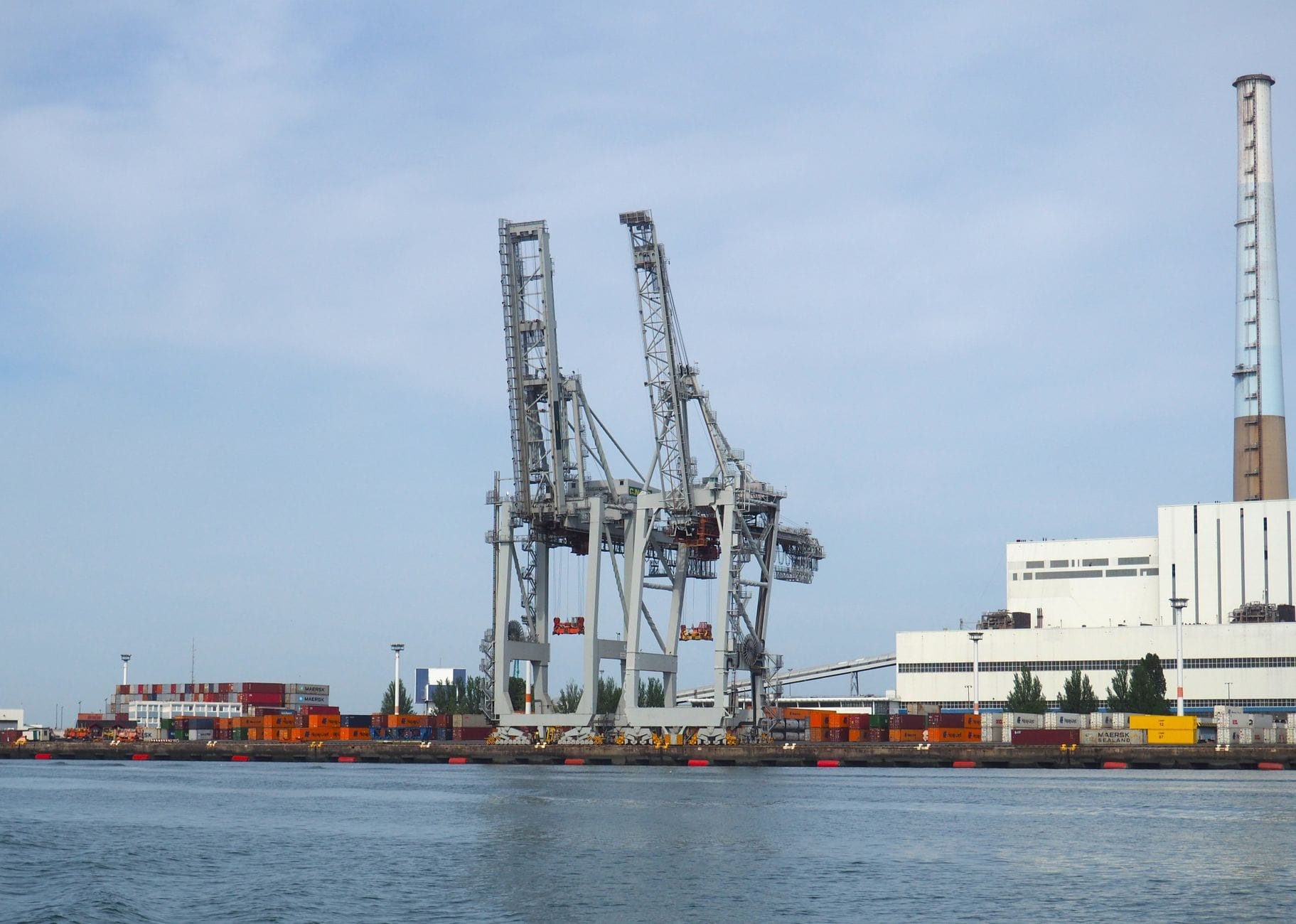
Le Havre port is France's largest container port and one of the busiest commercial seaports in northern Europe. The cruise terminal, however, is a separate, well-organised facility purpose-built for passenger ships. The Terminal Croisières sits at Pointe de Floride on Quai Roger Meunier, with four main berths capable of handling the largest vessels currently sailing. HAROPA PORT, the authority managing the Seine estuary's ports, runs the facility, and the reception contact for cruise operations is contact@lehavrecroisieres.com (+33 2 35 22 88 66).
The terminal has tourist information desks, multilingual maps, baggage services, car and bike rental points, free Wi-Fi, a small shop, and restrooms. It is not a sprawling mega-terminal — the facilities are functional rather than impressive, but they cover what you need. From the terminal gate to Le Havre's city hall and the heart of the UNESCO district is around 2-2.5 km, which takes about 25-30 minutes on foot along relatively flat ground. Most cruise lines also operate a paid shuttle into the city centre for passengers who prefer not to walk.
⚠️ What to skip
The port area between the terminal and the city centre is industrial and not particularly scenic on foot. If you are short on time or energy, take the shuttle or a taxi rather than walking — the city itself is where your time is better spent.
Getting From the Terminal Into the City and Beyond
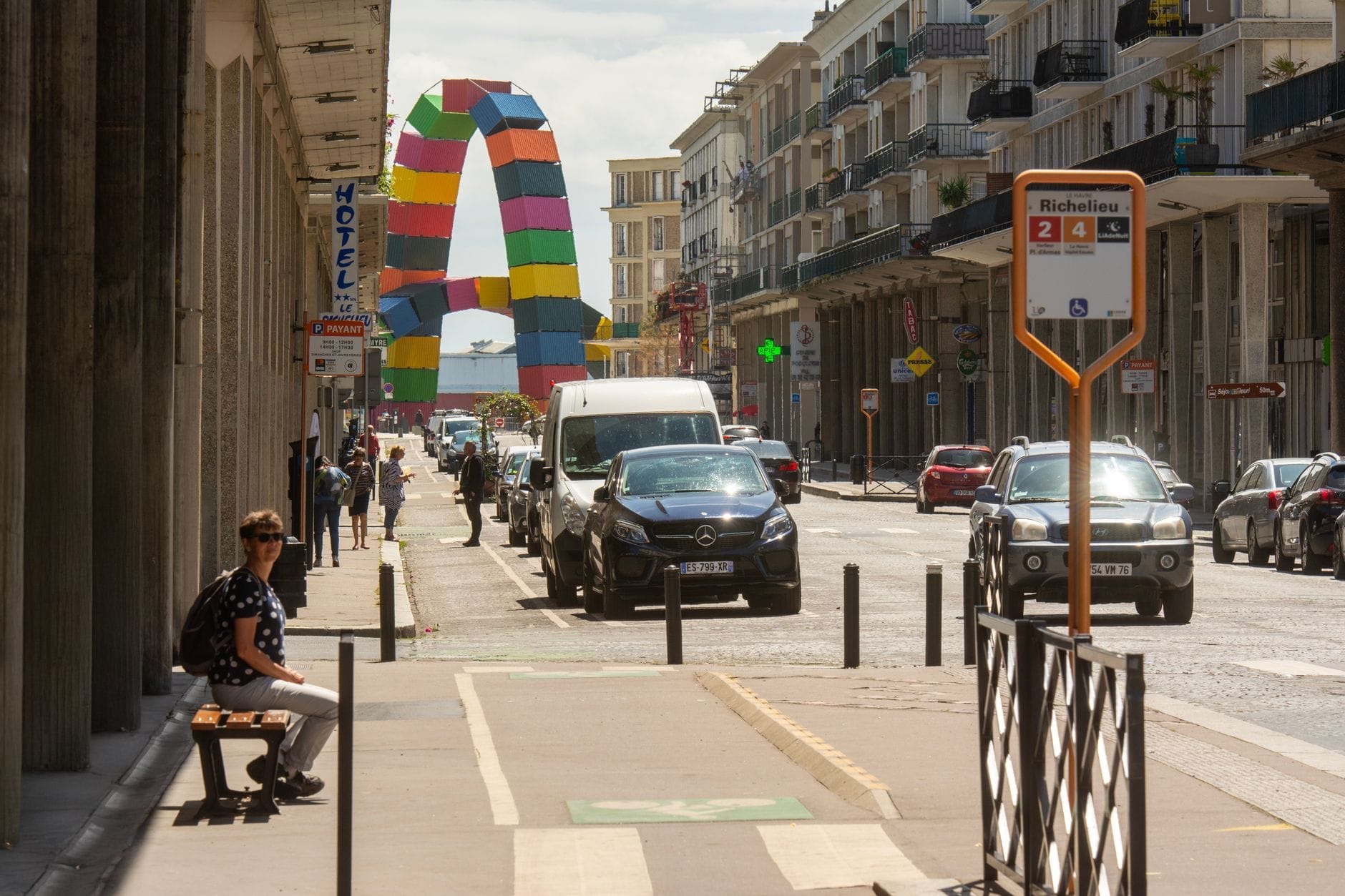
Local public transport in Le Havre is operated by LiA (Le Havre Agglomération). A standard single ticket costs around €2 and covers both buses and trams. The tram network is modern and connects the seafront, city centre, and train station with reasonable frequency. From the train station (Gare du Havre), you have onward rail connections to Paris Saint-Lazare in approximately 2h30, and to Rouen in around 45 minutes.
- On foot 2-2.5 km from the terminal to the city centre — flat, around 25-30 minutes. Manageable in good weather.
- Cruise line shuttle Most operators run a shuttle to the city centre for a small fee that varies by line and season. Check your ship's daily programme the evening before arrival.
- Taxi or private transfer Available at the terminal. A taxi to central Le Havre takes under 10 minutes. For Paris, a private transfer runs to around €300-400 each way — only worth it for groups splitting the cost.
- Local bus/tram Around €1.80 per single journey. Useful for getting between the station, seafront, and city centre once you are already ashore.
- Train to Paris From Gare du Havre to Paris Saint-Lazare: approximately 2h30. Book in advance via SNCF for the best fares. Verify current timetables before your cruise.
- Driving to Paris Approximately 215 km via the A13/A131 motorways, typically 2h45-3h depending on traffic. Tolls apply.
💡 Local tip
If you plan to take the train to Paris independently, buy your tickets through SNCF before departure. The journey is sold as 'Le Havre – Paris Saint-Lazare' and trains depart from Gare du Havre, not from the port. Budget time to get to the station first.
The Paris Day Trip: An Honest Assessment
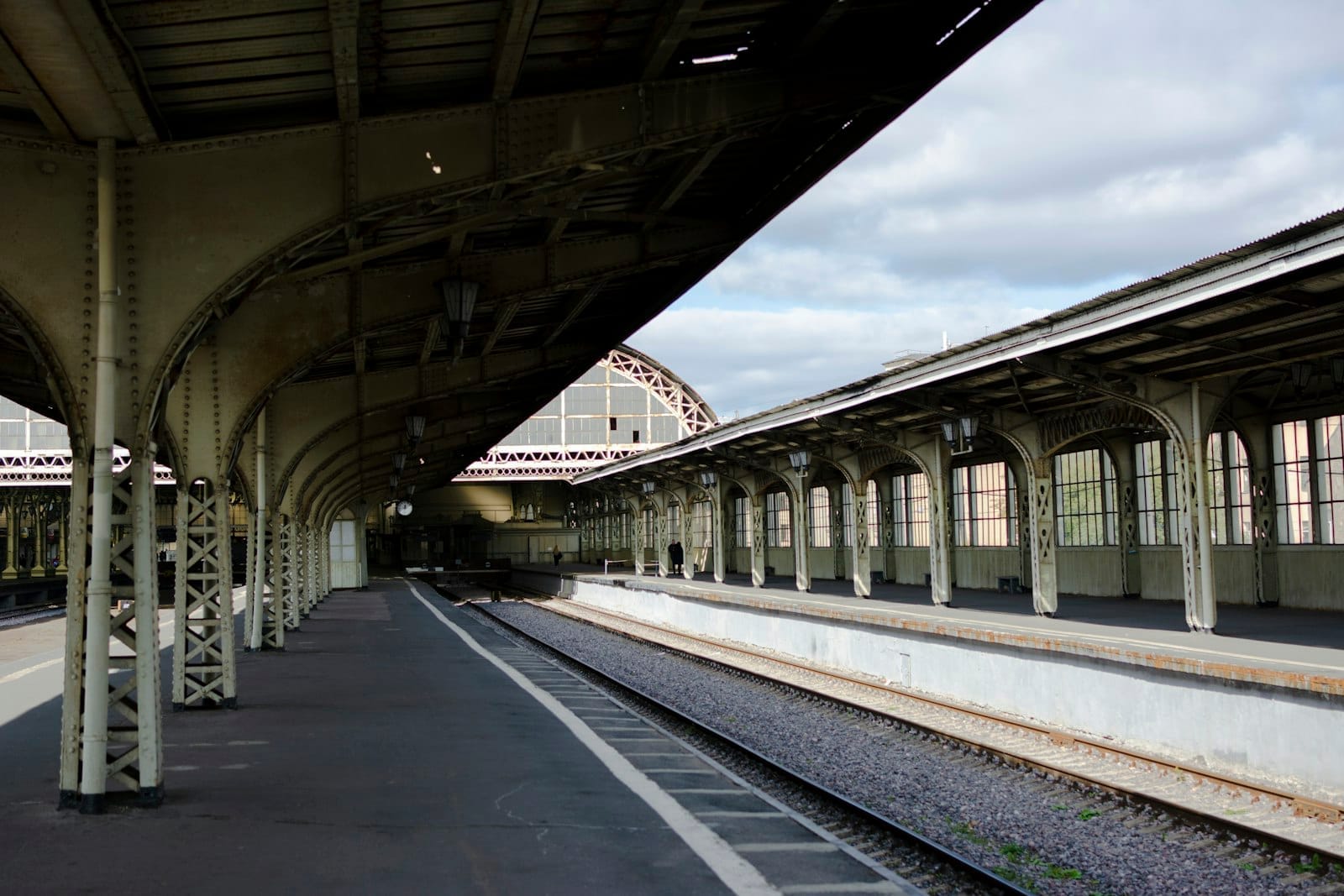
Paris is marketed heavily in connection with the Le Havre cruise port, and for good reason: it is the most famous city in France and less than 220 km away. However, the logistics deserve scrutiny before you commit your shore day to it. The round trip by train takes approximately 5 hours in total. Add two to three hours minimum in Paris to see anything meaningful, and you are already at an 8-hour day — before accounting for getting to and from Gare du Havre on each end.
For ships that dock early (07:00-08:00) and depart late (19:00 or later), a Paris day trip is feasible but leaves little margin for delays or leisurely exploration. For ships docking at 09:00 or departing before 18:00, it becomes genuinely stressful. Missing the ship is not a theoretical risk — trains run late, strikes happen in France, and Paris rush-hour traffic is unpredictable. If Paris is your primary goal, book a cruise line-organised excursion rather than going independently: the ship will wait for its own tours, but not for you.
✨ Pro tip
Rouen is a far more practical alternative to Paris for a half-day excursion. It is only about 45 minutes by train, has a spectacular Gothic cathedral, medieval old town, and strong Joan of Arc history — and you will be back at the ship with hours to spare.
Le Havre Shore Excursions: What to Do With Your Day
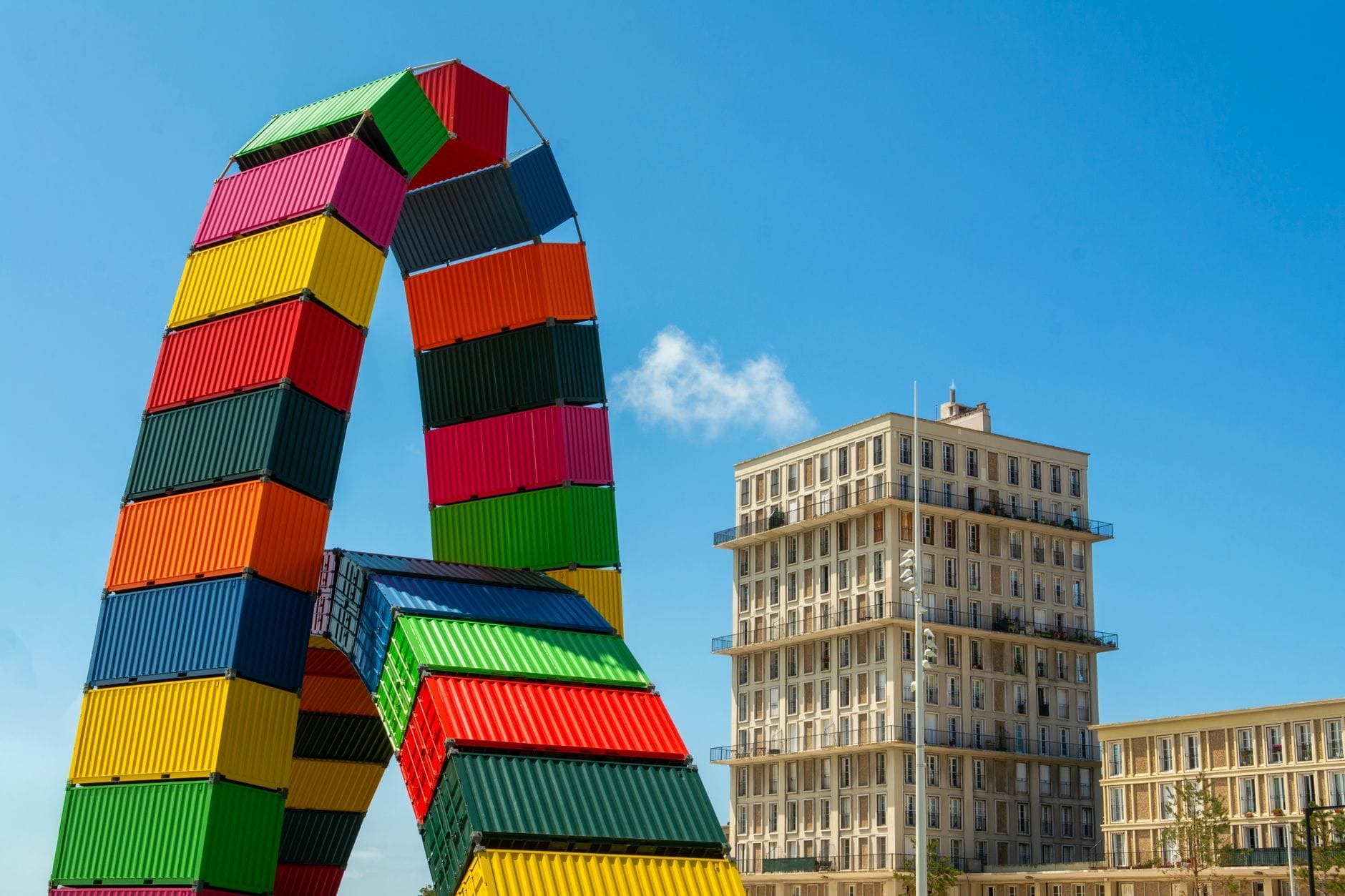
Most cruise passengers board a coach for Paris or Normandy's D-Day beaches and miss Le Havre entirely. That is a reasonable choice — but the city has genuine merit that rewards those who stay. The UNESCO-listed city centre, rebuilt by architect Auguste Perret after World War II bombing, is one of the most coherent examples of post-war modernist urbanism in the world, recognised by UNESCO since 2005. The Église Saint-Joseph is the centrepiece: a 107-metre concrete tower whose interior is flooded with coloured light from 12,768 pieces of glass. It is extraordinary and takes about 20-30 minutes to visit.
The Musée d'Art Moderne André Malraux (MuMa) holds the second largest collection of Impressionist paintings in France after the Musée d'Orsay in Paris, with significant works by Monet, Boudin, Pissarro, and Sisley. Opening hours and admission prices change, so verify directly with the museum before your cruise. For architecture, the Perret Show Flat offers a rare look inside a restored Perret-era apartment, giving context to how the reconstruction was lived in as well as admired.
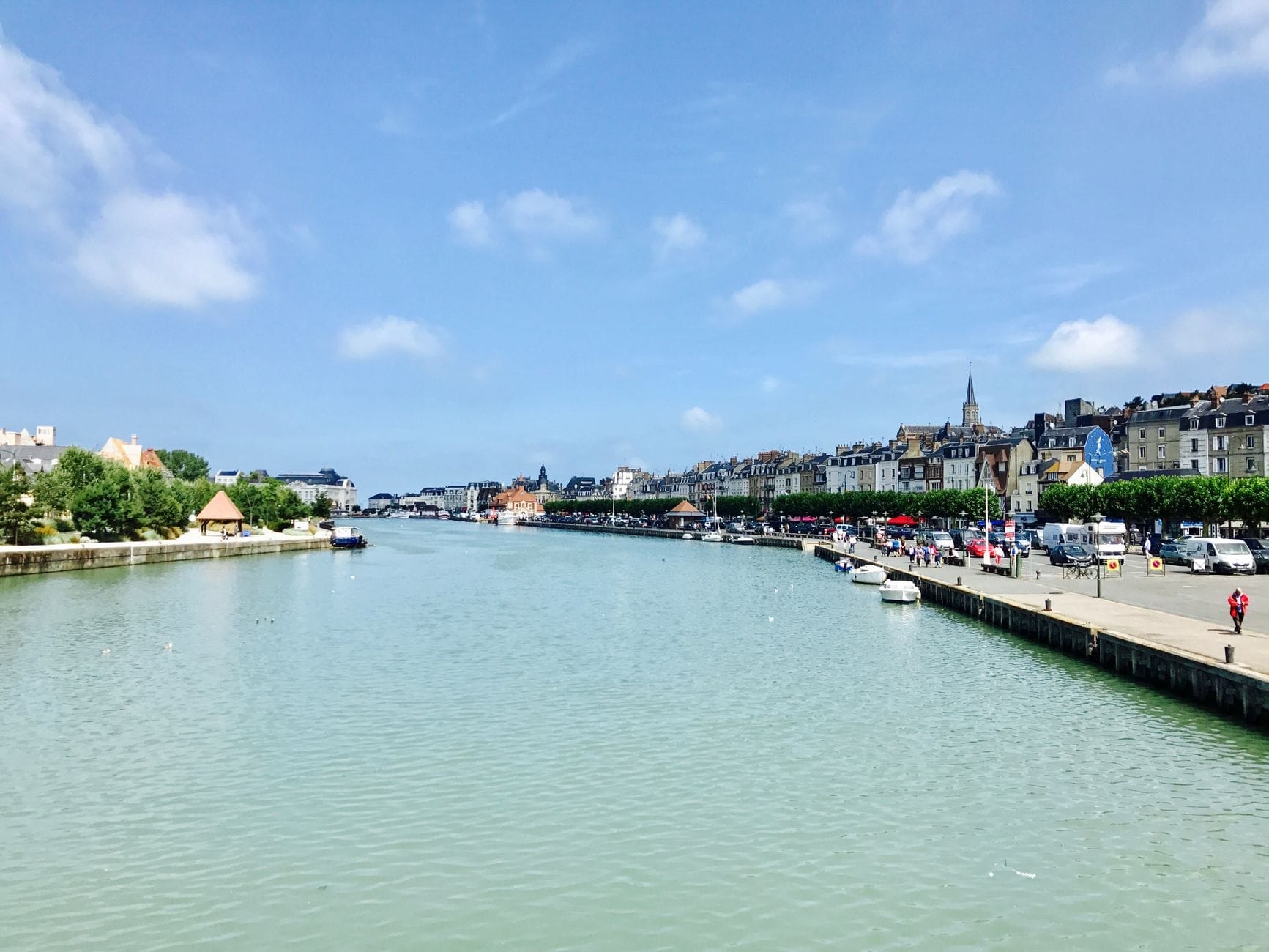
Beyond the city, the clifftop suburb of Sainte-Adresse sits about 3-4 km northwest and was the subject of several Monet paintings. The Impressionist viewpoints at Sainte-Adresse are a short taxi or bus ride away and offer sweeping views across the Seine estuary. For a full overview of how to structure your time, the Le Havre walking tour guide maps a logical route between the key sites.
- Stay in Le Havre (3-5 hours) Église Saint-Joseph, MuMa, the Perret UNESCO district, seafront promenade, and lunch at Les Halles Centrales market. Relaxed and rewarding.
- Étretat (45 min by road) The famous white chalk cliffs and arches. Genuinely dramatic scenery. Crowded in summer but worth it. Easiest by organised tour or taxi.
- Honfleur (30-40 min by road) Picturesque harbour town with a strong art history. A favourite for good reason. Regional Nomad Car coaches also connect Le Havre to Honfleur.
- D-Day Beaches (1.5-2 hours by road) Omaha Beach, the American Cemetery, Bayeux — deeply significant sites. A full day is ideal; a half-day feels rushed. Best done by organised excursion.
- Rouen (45 min by train) Cathedral city with medieval streets, Joan of Arc history, and excellent food markets. The best independent half-day option after Le Havre itself.
- Paris (2h30 by train, 2h45-3h by road) Possible but tight. Only attempt independently if your ship docks before 08:00 and departs after 19:00. Otherwise book through your cruise line.
Seasonal Timing and Crowd Patterns at the Port
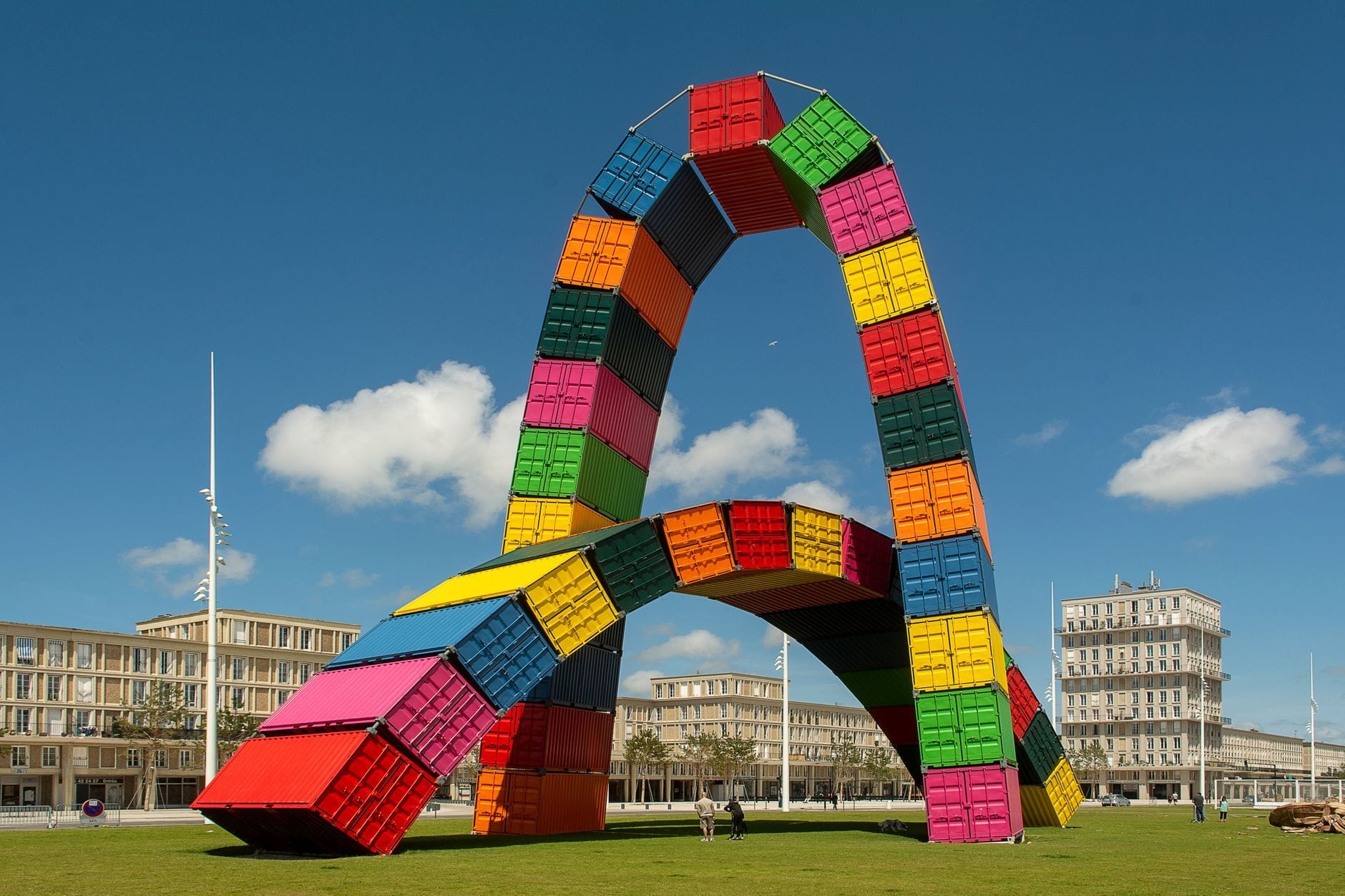
Le Havre's cruise season runs primarily from April through October, with the highest concentration of calls in June, July, and August. Summer brings the warmest weather (highs around 20-22°C), the most daylight hours, and the annual Un Été au Havre art festival, which fills the city with large-scale public installations and makes the city centre genuinely lively. For the best time to visit Le Havre, June and September offer the best balance of weather, crowds, and availability.
On days when multiple large ships are in port simultaneously, the popular destinations (Étretat, Honfleur) can feel genuinely crowded. Étretat in particular has a small village centre that struggles to absorb coachloads of cruise passengers during peak summer days. If your ship is one of several in port, consider prioritising Le Havre itself or Rouen, where the infrastructure better handles visitor numbers. Winter calls are rare and the weather is cool and grey (around 4-8°C), but the city is peaceful and the museums are uncrowded.
Practical Essentials for Cruise Passengers
France uses the Euro (€). Credit and debit cards are widely accepted in most restaurants, museums, and larger shops. Smaller markets, some bakeries, and rural spots may prefer cash, so carry €20-50 for incidentals. Tap water in French cities is safe to drink. Emergency services: dial 112 (general European emergency), 15 (medical), 17 (police), or 18 (fire). France's country code is +33. Electricity runs at 230V/50Hz with Type C and E plugs — bring an adapter if your ship's outlets do not match.
Many shops in Le Havre close between approximately 13:00-15:00 for lunch, and some smaller businesses close on Sundays and Mondays. The Les Docks shopping complex maintains different opening hours and is open on Sundays, making it a useful option if your ship arrives on a weekend. Tipping in France is discretionary: a service charge is typically included in restaurant bills, but rounding up or leaving a euro or two is appreciated for good service.
ℹ️ Good to know
Le Havre does not have a functioning large international airport. Travelers connecting by air use Paris Charles de Gaulle (CDG) or Paris Orly (ORY), then travel onward by train (approximately 2h30 from Paris Saint-Lazare) or by road (approximately 2h30-2h45). Le Havre also has a regular ferry connection with Portsmouth, UK, operated by Brittany Ferries — useful for passengers positioning to join their cruise.
For passengers spending more than a few hours in the city, or those considering an overnight before embarkation, the where to stay in Le Havre guide covers neighbourhood options across different budgets. The area around the UNESCO city centre is the most convenient base for sightseeing on foot. The seafront and beach area offers sea views and a more relaxed atmosphere, a short tram ride from the station and cruise terminal.
FAQ
How far is the Le Havre cruise port from the city centre?
The cruise terminal at Pointe de Floride (Quai Roger Meunier) is approximately 2-2.5 km from Le Havre city centre and the main train station. It is walkable in about 25-30 minutes on flat ground, or a short taxi/shuttle ride. Most cruise lines operate a paid shuttle service — check your ship's programme for details and pricing.
Can I do a Paris day trip from Le Havre as a shore excursion?
Yes, but with real caveats. Paris is roughly 215 km away — about 2h30 by train from Gare du Havre, or 2h45-3h by road. A round trip plus a few hours in Paris requires at least 8-9 hours total. This only works comfortably if your ship docks by 07:00-08:00 and departs at 19:00 or later. If your timing is tighter, book through your cruise line so the ship waits for you, or choose a closer destination like Rouen (45 min by train) or Étretat (45 min by road).
Is Le Havre worth visiting on its own, or should I head straight to Paris or Normandy?
Le Havre is genuinely worth 3-5 hours of your shore day. The UNESCO-listed city centre designed by Auguste Perret is architecturally significant and unlike anywhere else in France. The Église Saint-Joseph, MuMa (Impressionist art museum), and the seafront promenade make for a satisfying half-day. It is not a postcard-pretty town, but it has real depth for curious visitors.
What shore excursions are available from Le Havre cruise port?
The main excursion options are: Le Havre city (walkable from the terminal), Étretat chalk cliffs (45 min by road), Honfleur harbour town (30-40 min by road), Rouen cathedral city (45 min by train), the D-Day beaches in Normandy (1.5-2 hours by road), and Paris (2h30 by train or 2h45+ by road). Cruise lines offer organised tours to most of these; independent options via public transport are practical for Rouen and Le Havre itself, less so for Étretat and the D-Day beaches.
What facilities are at the Le Havre cruise terminal?
The Terminal Croisières at Pointe de Floride has tourist information desks, multilingual maps, baggage services, customs facilities, car and bicycle rental points, free Wi-Fi, a small shop, and restrooms. It is a functional facility rather than a luxury one. The terminal can be contacted at contact@lehavrecroisieres.com or +33 2 35 22 88 66.
Tickets & tours
Live prices and dates from our booking partner. If you book, we may earn a commission at no extra cost to you.
Planning a trip? Discover personalized activities with the Nomado app.