Best Day Trips from Le Havre: Honfleur, Étretat, Rouen & Beyond
Le Havre sits at the heart of one of France's richest travel regions. Whether you're docked on a cruise or basing yourself in the city, these are the most rewarding day trips within reach, with honest breakdowns of transport, costs, and what to expect on the ground.
Tickets & tours
Live prices and dates from our booking partner. If you book, we may earn a commission at no extra cost to you.
TL;DR
- Honfleur is the easiest half-day from Le Havre: about 25 km away, served by direct buses on Nomad Car line 111 with no reservation needed.
- Étretat's chalk cliffs are the most visually dramatic option and combine well with Honfleur for a full coastal day.
- Rouen is the best independent rail day trip: 45 minutes by TER train, a full Gothic city at low cost. See our things to do in Le Havre guide if you want to compare it against staying local.
- Paris and Mont-Saint-Michel are genuinely long days (10-12 hours) and work best as organized tours from the cruise port.
- D-Day beach tours average €160-€210 per person on group excursions; private tours start around €190 and offer more flexibility.
How to Think About Day Trips from Le Havre
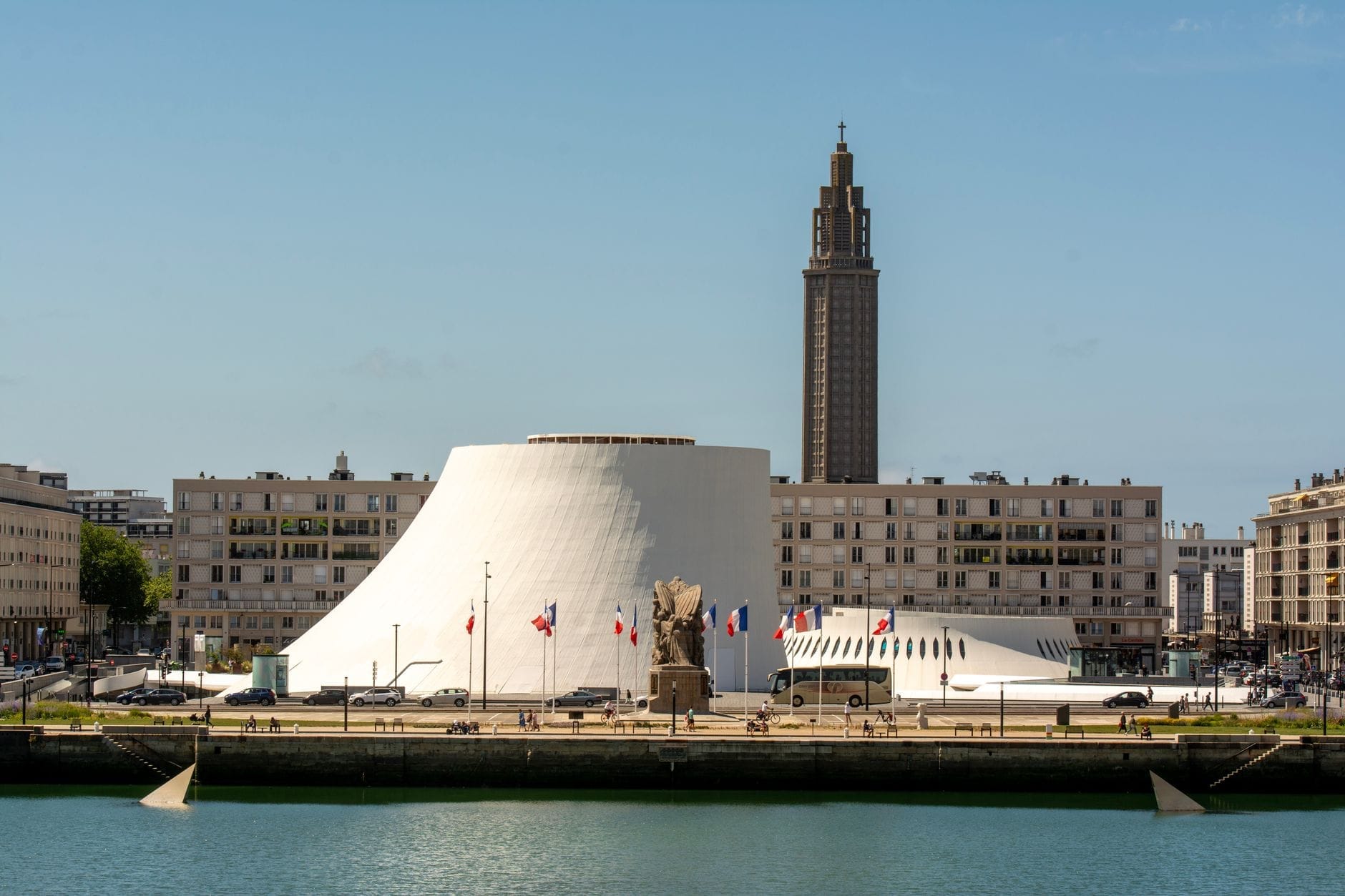
Le Havre's position on the Seine estuary puts it within reach of a genuinely varied set of destinations. Within 30 km you have one of Normandy's most atmospheric harbor towns. Within 90 km you have a major Gothic cathedral city. Within 230 km you have Paris. The question is not whether day trips are possible but which ones are worth the time. If you are arriving on a cruise ship with a fixed window of 8-10 hours, that changes the calculus considerably compared to a visitor staying overnight in Le Havre with a full day to spend.
One persistent myth is that Le Havre is purely a jumping-off point for Paris or the D-Day beaches. Those are excellent excursions, but the Normandy coast itself, Rouen's medieval core, and the Alabaster Coast cliffs at Étretat are all more practical and often more rewarding for travelers who do not want to spend half their trip in a coach.
ℹ️ Good to know
Cruise passengers: most Le Havre shore excursions depart from the cruise terminal and include return transport, so you do not need a car. Independent travelers based in the city have more flexibility but need to plan transport connections, especially for less-served destinations like Mont-Saint-Michel.
Honfleur: The Classic Half-Day (25-30 km)
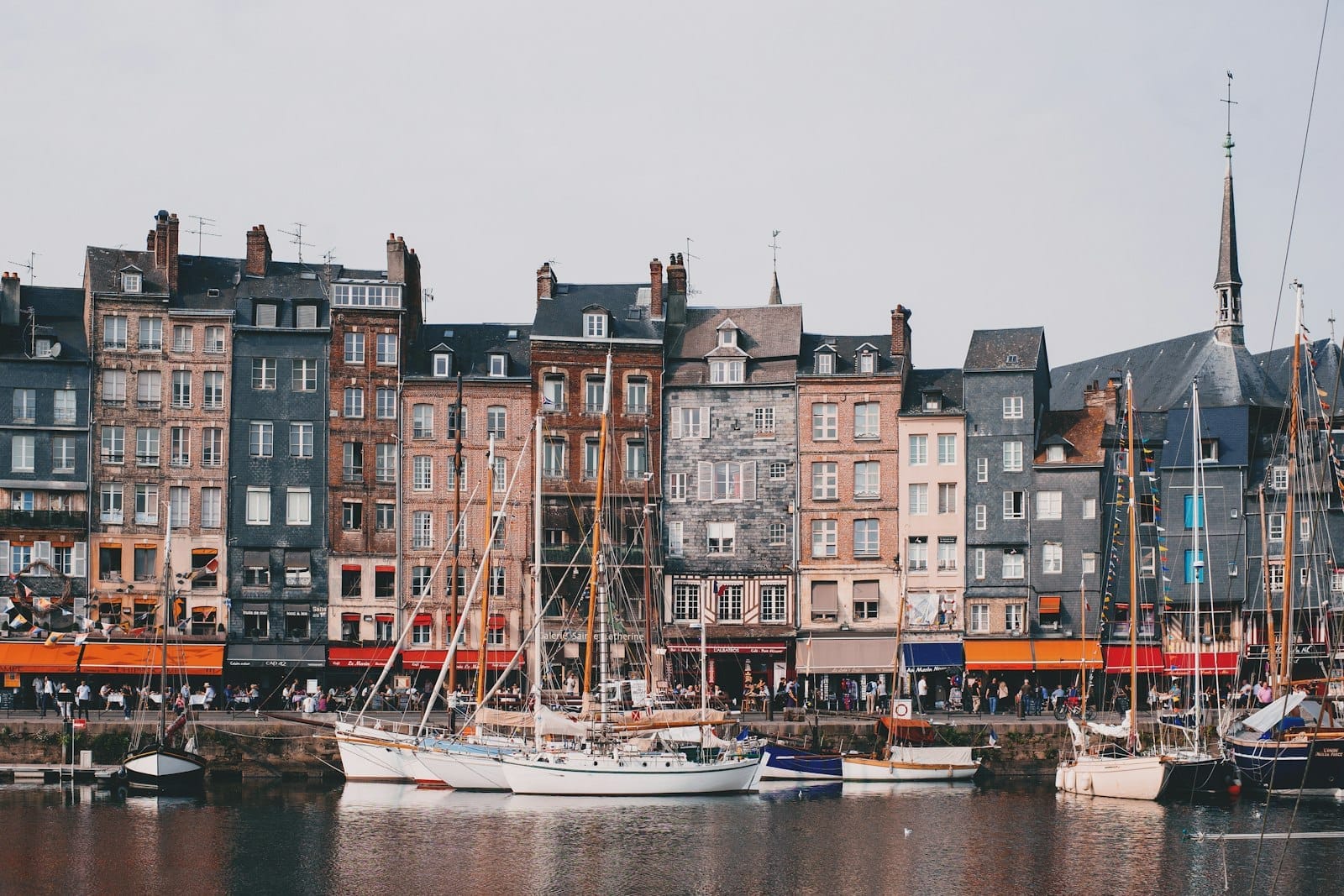
Honfleur is the default first day trip from Le Havre, and it earns that reputation. The old harbor, the Vieux Bassin, is genuinely one of the most photogenic corners of Normandy, ringed by tall slate-fronted houses that have barely changed since the 17th century. It takes about 90 minutes to walk the waterfront, explore the covered market at Les Halles, and visit the Église Sainte-Catherine, a 15th-century church built almost entirely from timber by shipwrights who ran out of stonemasons after the Hundred Years War. Two hours is enough for a highlights pass; four hours lets you eat properly and wander the back streets.
Getting there independently is straightforward. Nomad Car line 111 (part of the regional Normandy network) runs multiple times daily from Le Havre city centre and requires no advance reservation. Tickets are purchased onboard or at the bus stop machine. Journey time is roughly 30-45 minutes depending on the service. There is no need to book a paid excursion for Honfleur unless you want a guide included. One practical note: Honfleur’s main food shops and small markets keep typical French trading hours with a lunchtime closure, so a morning arrival works better if browsing local produce is part of your plan.
💡 Local tip
Honfleur in summer (July-August) fills up fast, especially on weekends. Arrive before 10:30 to walk the Vieux Bassin without crowds. Parking is a nightmare in August if you are driving; the bus is the better choice for that reason alone.
Étretat: Alabaster Coast Cliffs (about 30 km North)
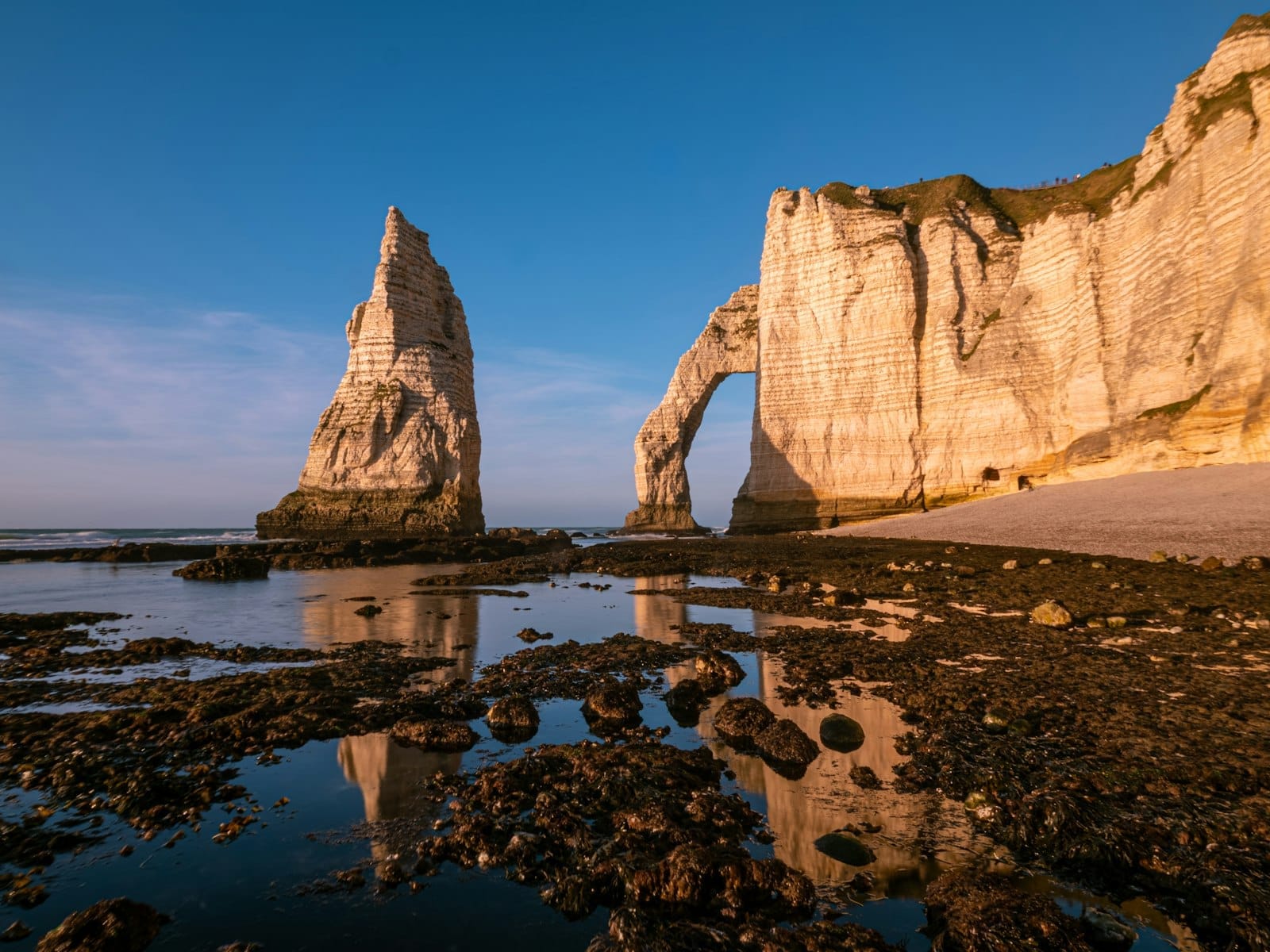
The chalk arch formations at Étretat are one of Normandy's most recognizable landscapes, familiar from Monet's paintings and Arsène Lupin novels. The Falaise d'Aval arch and the needle rock visible from the clifftop path to the west of the beach take about 30-40 minutes to reach on foot from the village centre. The view from the top is the reason people come. The beach below is pebble, not sand, and the village itself is small and tourist-oriented, so plan to spend the bulk of your time on the cliffs rather than in the cafes. You can combine Étretat with Honfleur in a single full day if you drive or take a private tour, though it requires good timing. The Le Havre Impressionist Art Trail extends naturally to Étretat, which was a favorite site for Monet, Courbet, and Delacroix.
Public bus service to Étretat exists but is less frequent than to Honfleur, so check schedules before you go. The Nomad Car network covers the route; verify current timetables via the official Normandy transport sites before traveling. Driving takes about 35-40 minutes from central Le Havre. Organized half-day tours to Étretat are available through the usual booking platforms and make sense if you are arriving by cruise and want a guaranteed return time. Winter visits are possible and less crowded, but the clifftop paths can be slippery and the wind off the Channel is significant.
Rouen: The Best Independent Rail Day Trip (90 km)
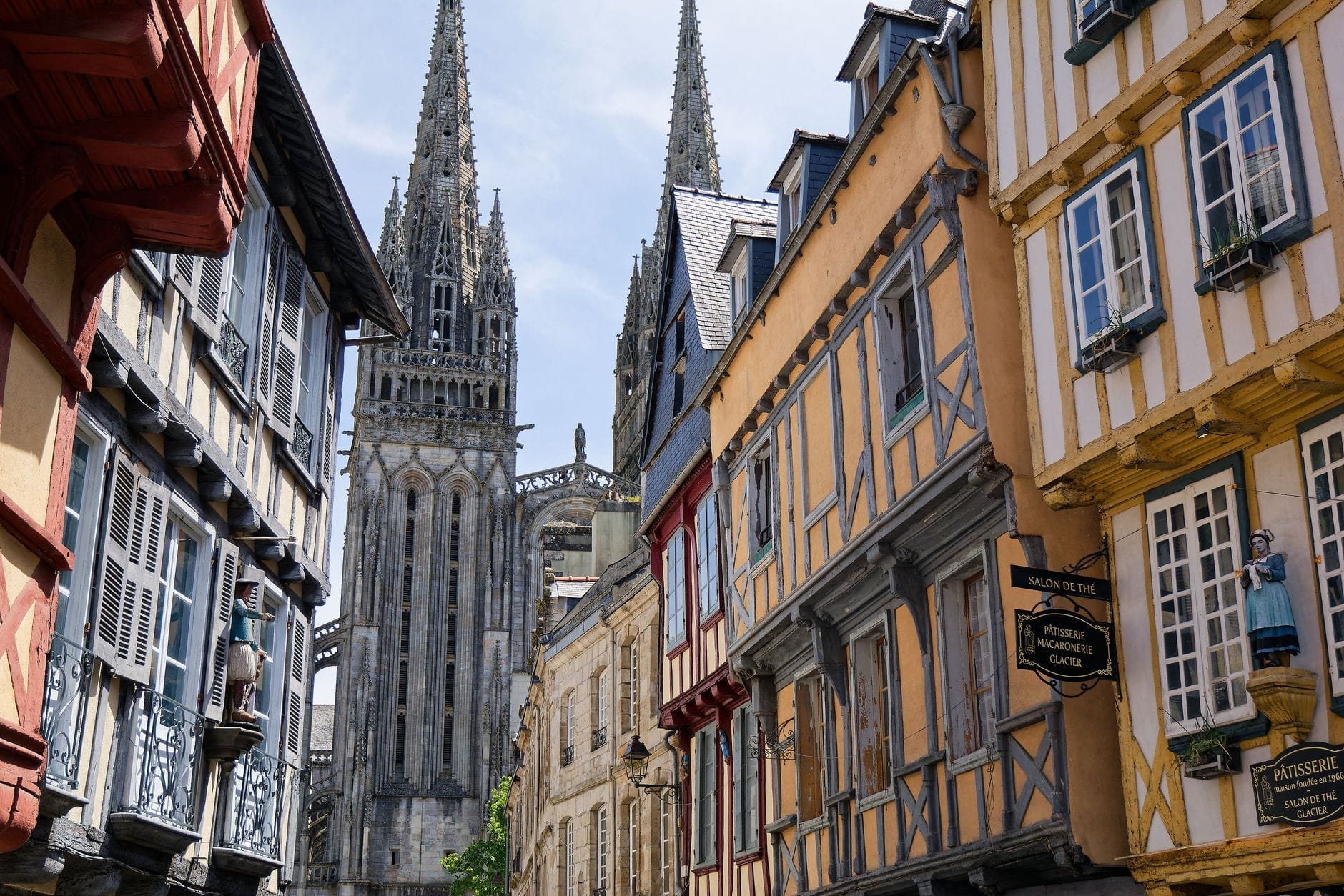
Rouen is the most rewarding day trip if you are traveling independently and want real urban depth rather than a postcard village. The TER regional train from Le Havre to Rouen Rive-Droite runs multiple times daily and takes approximately 60-75 minutes. Tickets are available through SNCF Connect and are relatively inexpensive compared to organized excursions. No reservation is required on most regional services, but booking ahead is sensible in summer.
Rouen repays a full day easily. The Gothic cathedral, which Monet painted obsessively from a rented room across the square, is one of the great ecclesiastical buildings in France. The Gros Horloge, a Renaissance astronomical clock spanning the rue du Gros Horloge, is a practical landmark for orienting yourself. The Place du Vieux Marché marks where Joan of Arc was burned at the stake in 1431 and is now partly occupied by a striking 1970s church designed to evoke the flames. The old town's half-timbered streets are extensive and walkable. Budget 5-6 hours on the ground to do justice to the main sights and eat a proper meal.
✨ Pro tip
Rouen's museums (Fine Arts, Ceramics, Ironwork) are clustered near the cathedral. Most close on Tuesdays. Check in advance if any of these are on your list.
D-Day Beaches, Paris & Mont-Saint-Michel: The Long Days
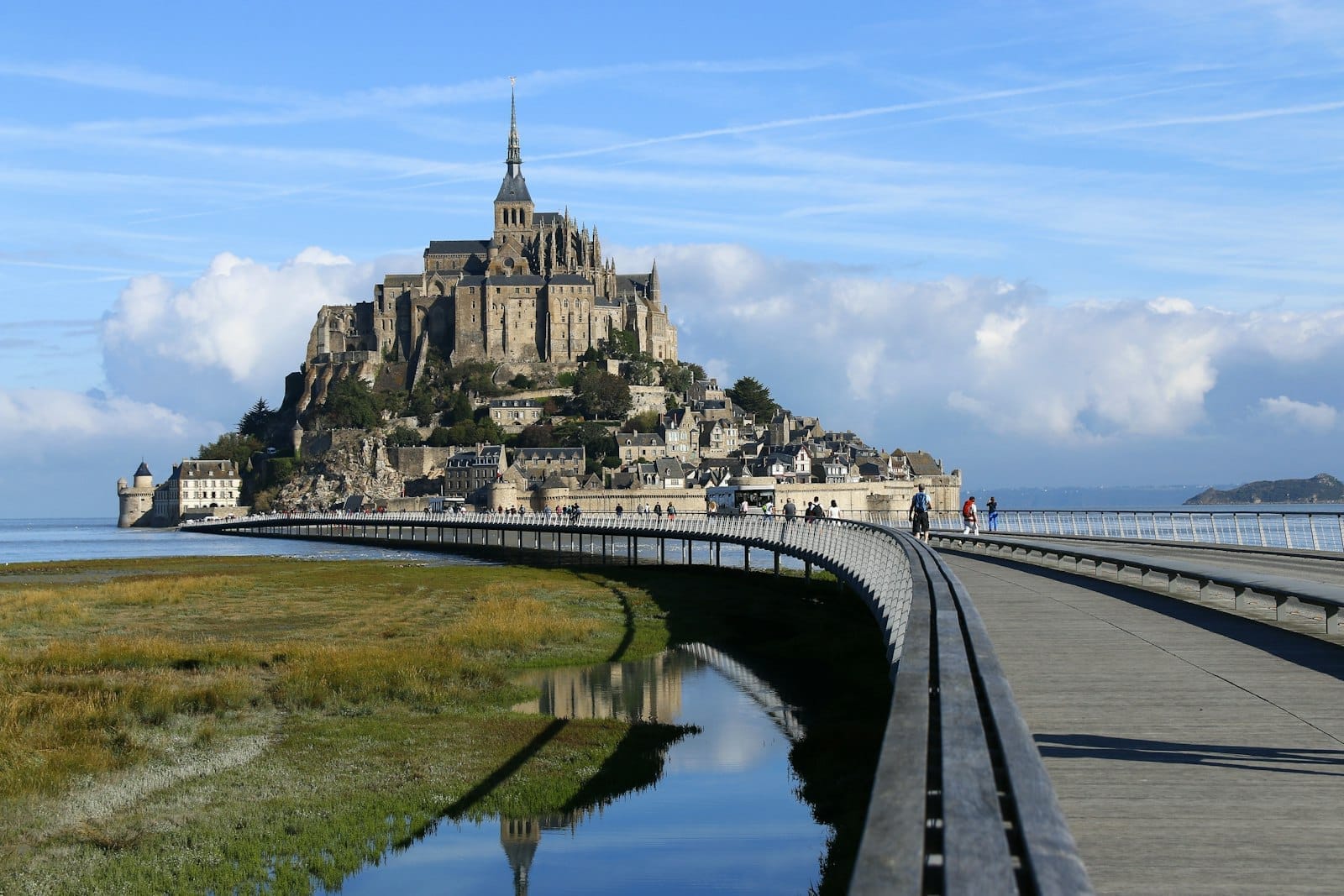
These three destinations are genuinely long days and work best as organized tours, particularly from the cruise port. They all involve 90 minutes or more of travel each way, which means you are committed to a 10-12 hour excursion with little flexibility. That is not a reason to skip them, but it is worth knowing before you book. See our Le Havre cruise port guide for more on logistics specific to ship passengers.
- Normandy D-Day Beaches Omaha Beach, the American Cemetery at Colleville-sur-Mer, Pointe du Hoc, and the British/Canadian sectors at Gold, Juno, and Sword are all reachable in a long day from Le Havre. Group tours average €160-€210 per adult with lunch included. Private tours start around €190 per person and allow you to control the pace and which sites you prioritize. Allow at least 6 hours on the ground for a meaningful visit; the beaches are spread across roughly 80 km of coastline.
- Paris Organized coach excursions from Le Havre cruise port offer 4-5 hours in Paris with optional Seine river cruise. It is enough to see the Eiffel Tower area and one major sight, but Paris rewards slower travel. Independent access is via the SNCF train from Le Havre to Paris Saint-Lazare, approximately 2 hours 15 minutes to 2 hours 30 minutes. Train tickets vary considerably by booking date and class.
- Mont-Saint-Michel Located roughly 200 km from Le Havre, Mont-Saint-Michel requires a full day by any transport mode. Organized tours typically run 10-12 hours door to door. The tidal island itself is extraordinary, but the day is exhausting and the site is heavily visited in summer. Best timed outside July-August if you have a choice.
For the D-Day beaches specifically, the historical weight of the sites justifies the effort. Le Havre's own WWII history provides useful context before you go: the city itself was 80% destroyed in Allied bombing raids in 1944, rebuilt by architect Auguste Perret in a modernist concrete grid now recognized as a UNESCO World Heritage Site. Understanding that reconstruction makes the D-Day beaches land differently.
Practical Transport Guide: Getting to Each Destination
The right transport mode depends heavily on where you are starting from and how much flexibility you need. Cruise passengers are generally best served by pre-booked organized excursions that guarantee port return times. Independent travelers spending two days in Le Havre have the luxury of choosing cheaper independent options for closer destinations like Honfleur and Rouen.
- Honfleur: Nomad Car line 111 from Le Havre centre, no reservation needed, approx. 30-45 min. Alternatively, a taxi or private transfer takes 20-25 minutes.
- Étretat: Nomad Car bus (check current timetables — services are less frequent than to Honfleur). Driving is 35-40 minutes. Consider a half-day organized tour for cruise passengers.
- Rouen: TER regional train from Gare du Havre to Rouen Rive-Droite, approximately 60-75 minutes. Book via SNCF Connect. Multiple daily departures.
- D-Day beaches: Organized tour or car rental (roughly 1.5-2 hours driving west via the A13/N13). No practical public transport option for covering multiple sites in a day.
- Paris: SNCF intercity train from Gare du Havre to Paris Saint-Lazare, approx. 2h05-2h20. Or organized coach excursion from cruise terminal.
- Mont-Saint-Michel: Organized full-day tour only for cruise/day visitors. Independent travel by car is around 2.5 hours each way.
- BlaBlaCar (French ridesharing platform) is an option for budget-conscious independent travelers covering medium distances like Le Havre to Rouen or Caen.
⚠️ What to skip
Transport timetables, fares, and bus routes change seasonally and year to year. Always verify current schedules on SNCF Connect (for trains), the Nomad Car regional website (for buses in Calvados), or Bus Verts du Calvados before traveling. Do not rely on schedules published in third-party guides as a primary source.
Seasonal Timing: When Each Trip Works Best
Le Havre has an oceanic climate: mild, frequently overcast, and damp in winter, warmest in July and August but rarely hot. This shapes day trip planning more than most visitors expect. The annual summer season in Le Havre runs from mid-June through August and is when crowds peak at Étretat and Honfleur in particular.
Honfleur and Étretat are genuinely pleasant from late April through October. The cliffside paths at Étretat can be slippery and exposed from November through March, though winter visits are quieter and the light on the chalk faces is often spectacular. Rouen is a year-round destination: the cathedral and old town are largely indoor or sheltered experiences, and the city has an excellent museum scene. D-Day beach visits are emotionally powerful in any season, though early spring and late autumn avoid the peak summer coach crowds at Omaha and the American Cemetery. Paris, similarly, is viable year-round but August sees heavy tourist volumes. Mont-Saint-Michel is best visited outside July and August if you have any flexibility.
If you are planning around the best time to visit Le Havre more broadly, note that the city's annual summer art festival, Un Été au Havre, runs through the warmer months and adds a reason to spend more time in the city itself rather than always heading out.
FAQ
What is the easiest day trip from Le Havre without a car?
Honfleur is the easiest option. Nomad Car line 111 runs multiple times daily from Le Havre city centre, requires no advance booking, and takes around 30-45 minutes. Rouen by TER train (about 60-75 minutes from Gare du Havre) is the best choice for a full city day trip using public transport.
How much do organized day trips from Le Havre cruise port cost?
Group excursions to destinations like Honfleur, Deauville, or the D-Day beaches typically range from €160 to €210 per adult, depending on inclusions such as lunch and entry fees. Private tours start around €190 per person. Paris full-day excursions can run higher. Independent transport (bus and train) costs significantly less for those not on a cruise.
Can you visit the D-Day beaches and be back at Le Havre port in time?
Yes, but it requires a full day. Most organized D-Day excursions from Le Havre are structured around cruise ship schedules and run approximately 10-11 hours. Confirm re-boarding times with your cruise line before booking any excursion, and build in a buffer of at least 60-90 minutes before ship departure.
Is Paris worth doing as a day trip from Le Havre?
Honestly, only if you have already seen Paris and want a specific revisit. The train journey is about 2 hours 15 minutes each way, leaving roughly 4-5 hours in the city. For first-time visitors, that is not enough time to do Paris justice. Rouen offers a comparably rich historic experience with far less travel time.
Do you need to book Honfleur buses in advance?
No. Buses to Honfleur do not require advance reservations. Tickets are bought onboard or at the stop. This is one of the genuinely easy independent connections in the region on Nomad Car line 111, contrary to assumptions about rural French bus systems being difficult to use.
Tickets & tours
Live prices and dates from our booking partner. If you book, we may earn a commission at no extra cost to you.
Planning a trip? Discover personalized activities with the Nomado app.