Is Le Havre Worth Visiting? An Honest Assessment
Le Havre divides opinion. Some dismiss it as an industrial port stop; others leave genuinely impressed by its UNESCO-listed architecture, world-class Impressionist museum, and dramatic seafront. This guide gives you the full picture so you can decide for yourself.
Tickets & tours
Live prices and dates from our booking partner. If you book, we may earn a commission at no extra cost to you.
TL;DR
- Yes, Le Havre is worth visiting, but it rewards a specific type of traveler: one who appreciates modernist architecture, serious art museums, and working-city atmosphere over quaint cobblestones.
- The city centre, rebuilt by architect Auguste Perret after WWII, has been a UNESCO World Heritage Site since 2005 and is unlike anything else in France.
- The Musée d'art moderne André Malraux (MuMa) holds the largest Impressionist collection outside Paris, with admission around €7 and free entry on the first Saturday of each month.
- One full day covers the core city sights comfortably; two days lets you add day trips to Étretat (about 30 minutes away) or Sainte-Adresse.
- If you are arriving by cruise ship, check our Le Havre cruise port guide before planning your day ashore.
The Case For Le Havre: What Most Visitors Get Wrong
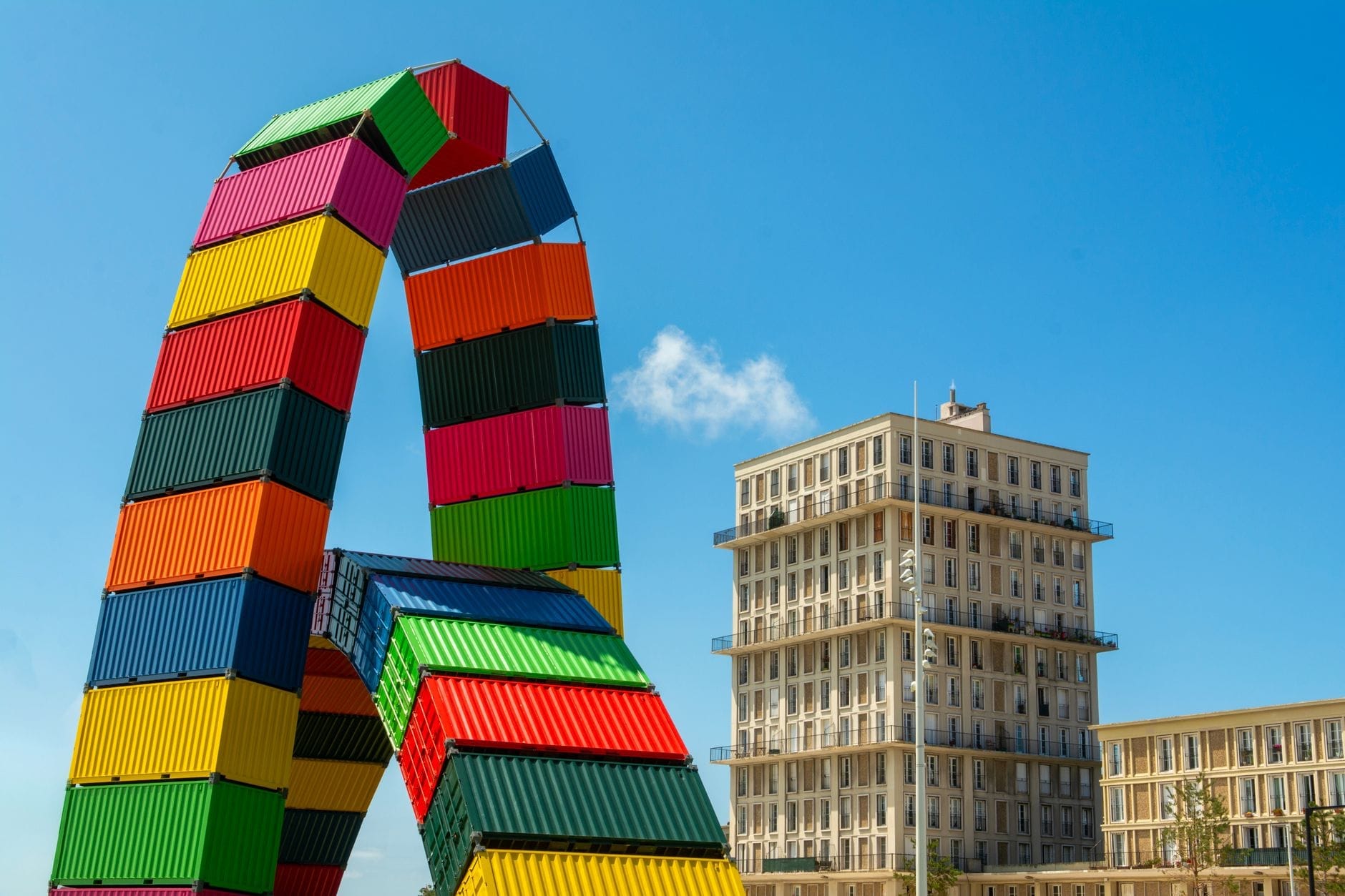
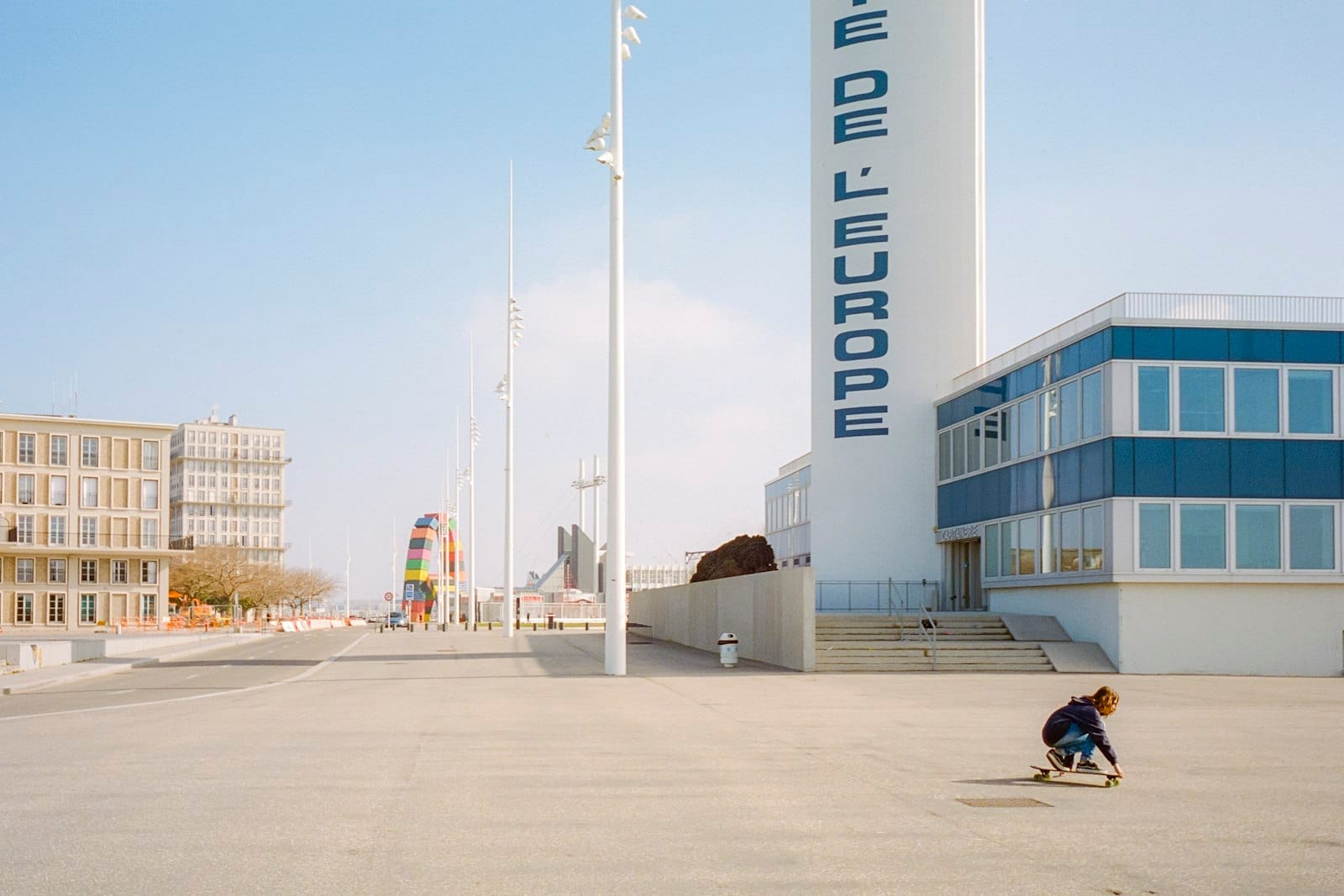
Le Havre has an image problem. Mention it to many travelers and they picture container cranes, grey skies, and a transit stop best skipped in favour of Honfleur or Rouen. That reputation is understandable but increasingly outdated. The city that was heavily bombed and largely rebuilt from scratch after World War II is now one of the most architecturally coherent urban environments in northern France.
The 150-hectare city centre designed by Auguste Perret is the reason UNESCO granted World Heritage status in 2005. Perret worked with a modular concrete construction system that produced an unusually consistent grid of streets, civic buildings, and housing blocks. The result does not look like the rest of Normandy at all, and that is precisely the point. If you want to understand Perret's architectural vision, Le Havre is the only place on earth where you can experience it at urban scale.
Beyond architecture, the MuMa holds an extraordinary collection of Monet, Boudin, Renoir, Pissarro, and Sisley canvases, built up partly because so many Impressionist painters worked on the Normandy coast. The collection's quality would be unremarkable if it were in Paris; in a post-industrial port city, it consistently surprises first-time visitors.
💡 Local tip
MuMa opens Tuesday to Friday, 11:00–18:00, and Saturday to Sunday, 11:00–19:00. Admission is around €7, but entry is free for visitors under 26 and on the first Saturday of every month. Budget at least 90 minutes inside — the permanent collection alone fills three floors.
What Le Havre Actually Looks and Feels Like
Le Havre sits at the mouth of the Seine estuary on the English Channel coast, about 200 km northwest of Paris. With around 166,000–167,000 residents in the commune, it is the largest city in Normandy. It is also France's largest container port, and that industrial identity is visible and unavoidable. The port occupies a huge swathe of the western waterfront, and freight traffic is part of the city's daily rhythm.
The climate is oceanic and genuinely unpredictable. Summers are the warmest and driest months, but 'warm' on the Channel coast means roughly 20–22°C on a good day, often with a stiff sea breeze. Autumn and winter bring persistent grey and rain. For most leisure visits, June to August is the practical window, when the city beach is usable, gardens are in full colour, and the annual Un Été au Havre arts festival brings large-scale public installations into the streets.
The city centre is flat and walkable. The Perret grid makes navigation easy: streets are wide, signage is clear, and the main cultural landmarks sit within about 20 minutes of each other on foot. There is also a modern tramway network (operated by LiA) and an extensive bus system if you need to reach the seafront, the hilltop gardens, or the Sainte-Adresse neighbourhood to the northwest.
ℹ️ Good to know
Getting to Le Havre is straightforward from Paris. Trains from Paris Saint-Lazare run regularly and take around 2 hours to 2 hours 15 minutes. By road it is approximately the same duration. Brittany Ferries also operates a Portsmouth to Le Havre route, making it a natural first stop for travellers crossing from the UK.
The Highlights Worth Planning Around
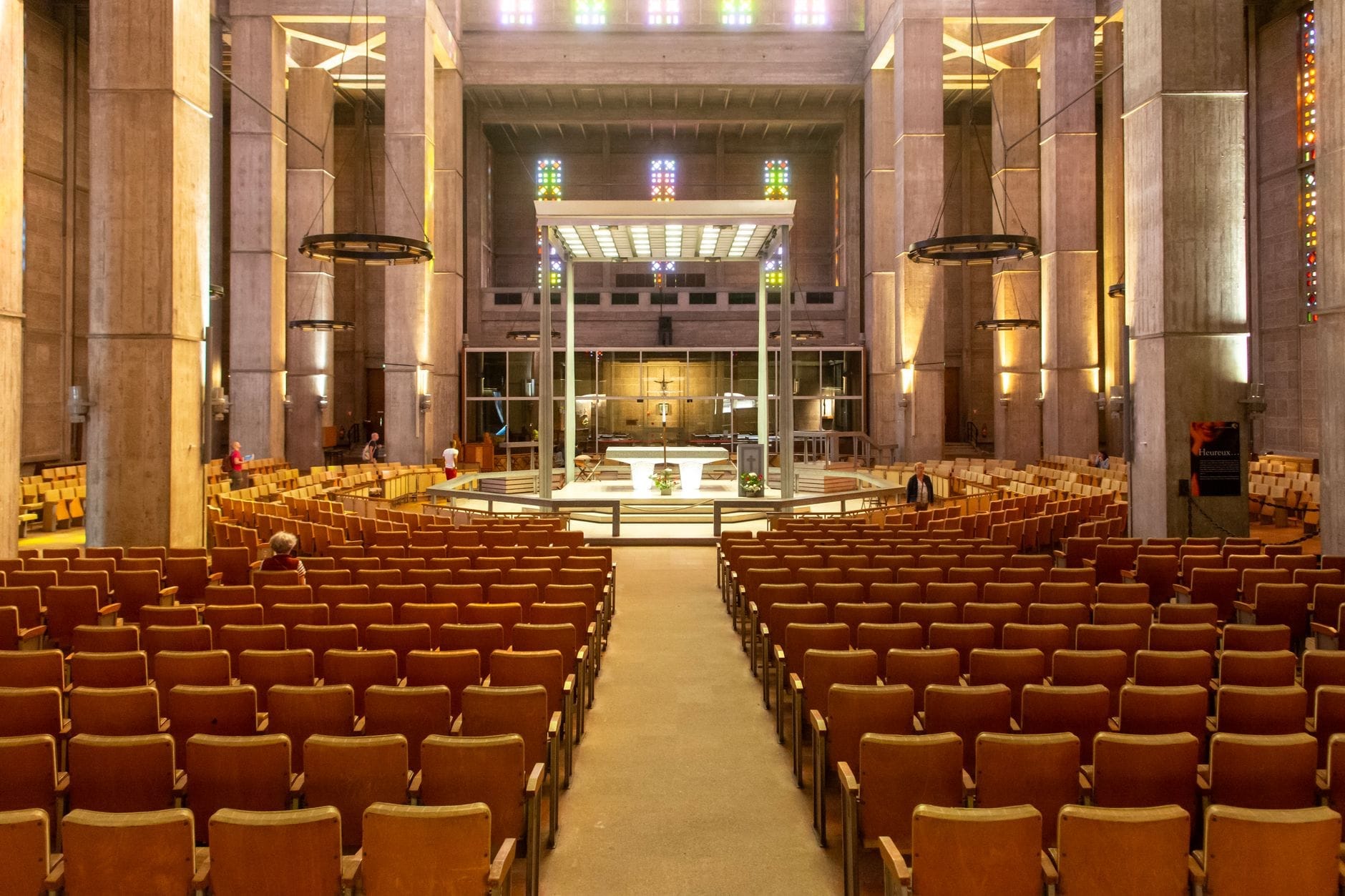
The single most impressive building in Le Havre is Église Saint-Joseph, Perret's concrete church completed in 1957. The 107-metre tower is visible from across the city, and the interior is extraordinary: over 12,700 pieces of coloured glass create a light effect that shifts through the day. Go in the morning when the sun is low and the colours are at their most intense.
For the full Perret experience, the Perret show flat and the Maison du Patrimoine offer guided context on how the reconstruction was planned and executed. These are short visits of 30–45 minutes each, but they dramatically change how you read the rest of the city.
- MuMa (Musée d'art moderne André Malraux) The definitive reason to come to Le Havre if you care about painting. The largest Impressionist collection outside Paris, plus a strong Norman school of early modernism. Allow 90 minutes minimum.
- Église Saint-Joseph Perret's masterwork. The stained-glass tower interior is one of the most visually arresting spaces in Normandy. Free to enter; open most mornings.
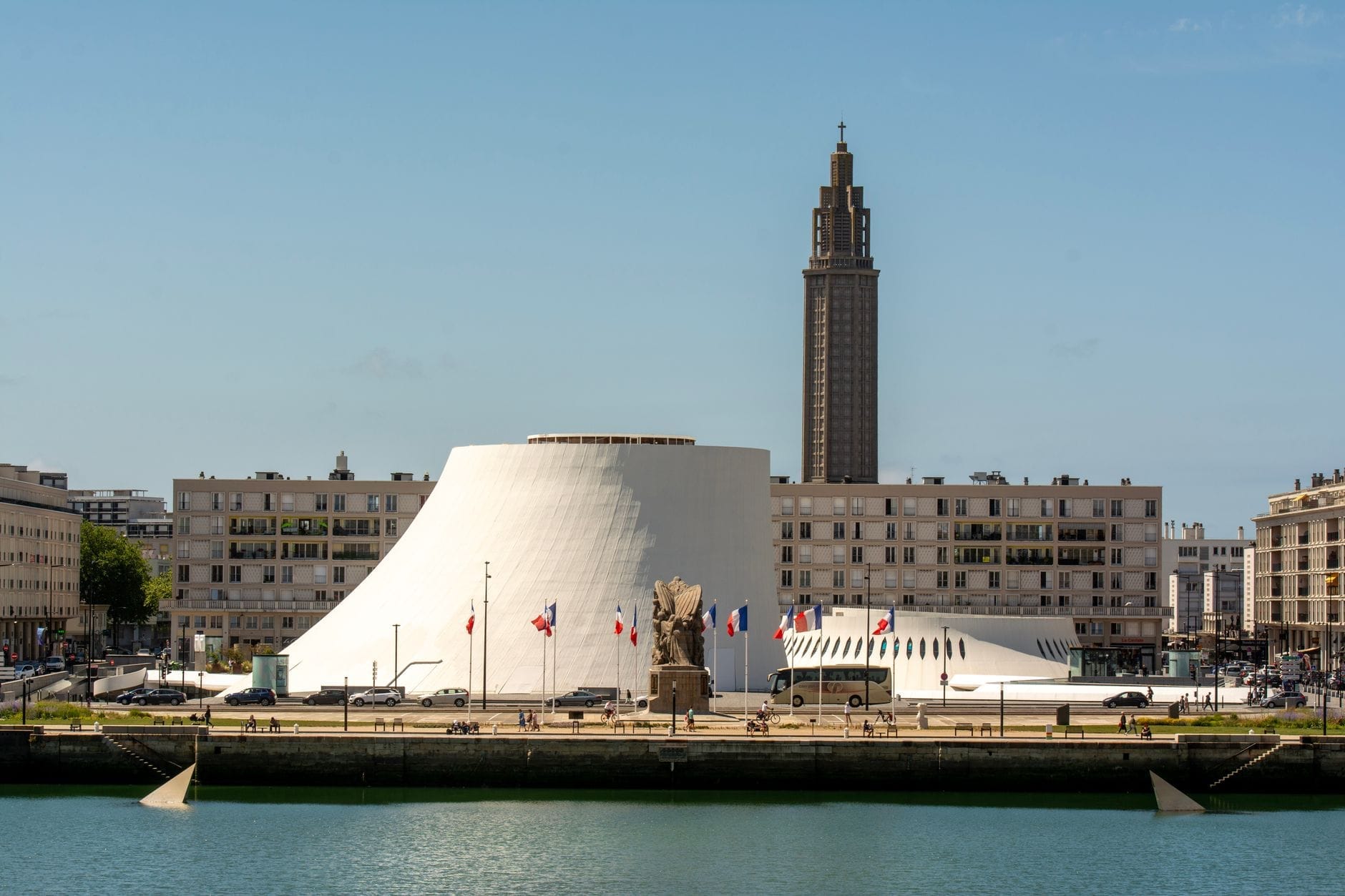
- Le Volcan Oscar Niemeyer's distinctive white concrete cultural centre, designed in 1982. The roofline looks like a volcanic crater — intentionally so. Hosts theatre, dance, and music year-round.
- Seafront promenade and city beach A long, flat promenade runs along Boulevard Albert 1er. The beach is pebbly and shingle, with sand patches at low tide; in summer it is a working leisure beach with a real local crowd, not a tourist zone.
- Jardins Suspendus (Hanging Gardens) A former 19th-century fort converted into elevated gardens with panoramic views over the Seine estuary and the port. Best in spring and early summer when the plantings are at peak.
- Sainte-Adresse The hilltop suburb northwest of the city centre offers the same views that attracted Monet and other Impressionists. The chapel of Notre-Dame des Flots and the seafront below are peaceful and photogenic.
Honest Drawbacks: What Le Havre Is Not
Le Havre is not Honfleur, which sits just across the estuary and offers the old harbour, timber-framed buildings, and gallery scene that many people associate with a 'classic Normandy' visit. If what you want from Normandy is charm, flowers overhanging a medieval quay, and crêperies, then Honfleur is the better choice and Le Havre will disappoint.
The port dominates the western side of the city and the industrial infrastructure is large and visible. Le Havre has no illusions about being a working city, and that atmosphere is part of its identity. Some visitors find this authentic and refreshing; others find it bleak. There are also parts of the city centre where Perret's concrete grid, under grey skies, can feel severe rather than impressive. Context and good weather help considerably.
Restaurant quality varies more than in comparable tourist cities. There are excellent seafood options near the port and solid French brasseries around the city centre, but Le Havre does not have the density of high-quality dining that you would find in Rouen or Caen. Budget for around €15–25 for a solid two-course lunch; dinner at a better restaurant runs €30–50 per person without wine.
⚠️ What to skip
Cruise passengers with only 6–7 hours in port should prioritise: Saint-Joseph church (30 min), MuMa (90 min), and a walk along the promenade. Trying to add Étretat on a tight ship schedule is stressful and risks a late return. Read the dedicated cruise port guide before you plan your day ashore.
How Long to Stay and How to Structure Your Visit
One full day covers the core city sights without rushing: Saint-Joseph in the morning, MuMa before or after lunch, then the promenade and Sainte-Adresse in the afternoon. This is a realistic and satisfying itinerary. For a structured route, the Le Havre walking tour guide links the main Perret-era landmarks in logical sequence.
Two days opens up more options. The second day can be used for the Jardins Suspendus, the Forêt de Montgeon (a surprisingly large urban forest with walking trails), and a half-day excursion to Étretat. The famous chalk cliffs at Étretat are about 30 minutes by car or coach and are one of the most photographed natural sites in France. Day trips from Le Havre covers this and other options including Honfleur, Fécamp, and Rouen.
- Arriving by train: Le Havre station sits at the eastern edge of the city centre, about 15–20 minutes' walk from most major sights. No transfer needed if you are comfortable walking.
- Summer (June–August) is the best time to visit: warmest weather, beach usable, Un Été au Havre festival, longer opening hours at many sites.
- Winter visits are quiet and cheap but weather is persistently grey and wet; stick to the indoor museums and the church if visiting off-season.
- The LiA tramway connects the station to the seafront and to Graville in the east; a single ticket costs around €1.70 and covers both tram and bus.
- Parking is straightforward by French city standards; there are large surface lots near the seafront and paid underground parking near the Hôtel de Ville.
Who Le Havre Is For (and Who Should Go Elsewhere)
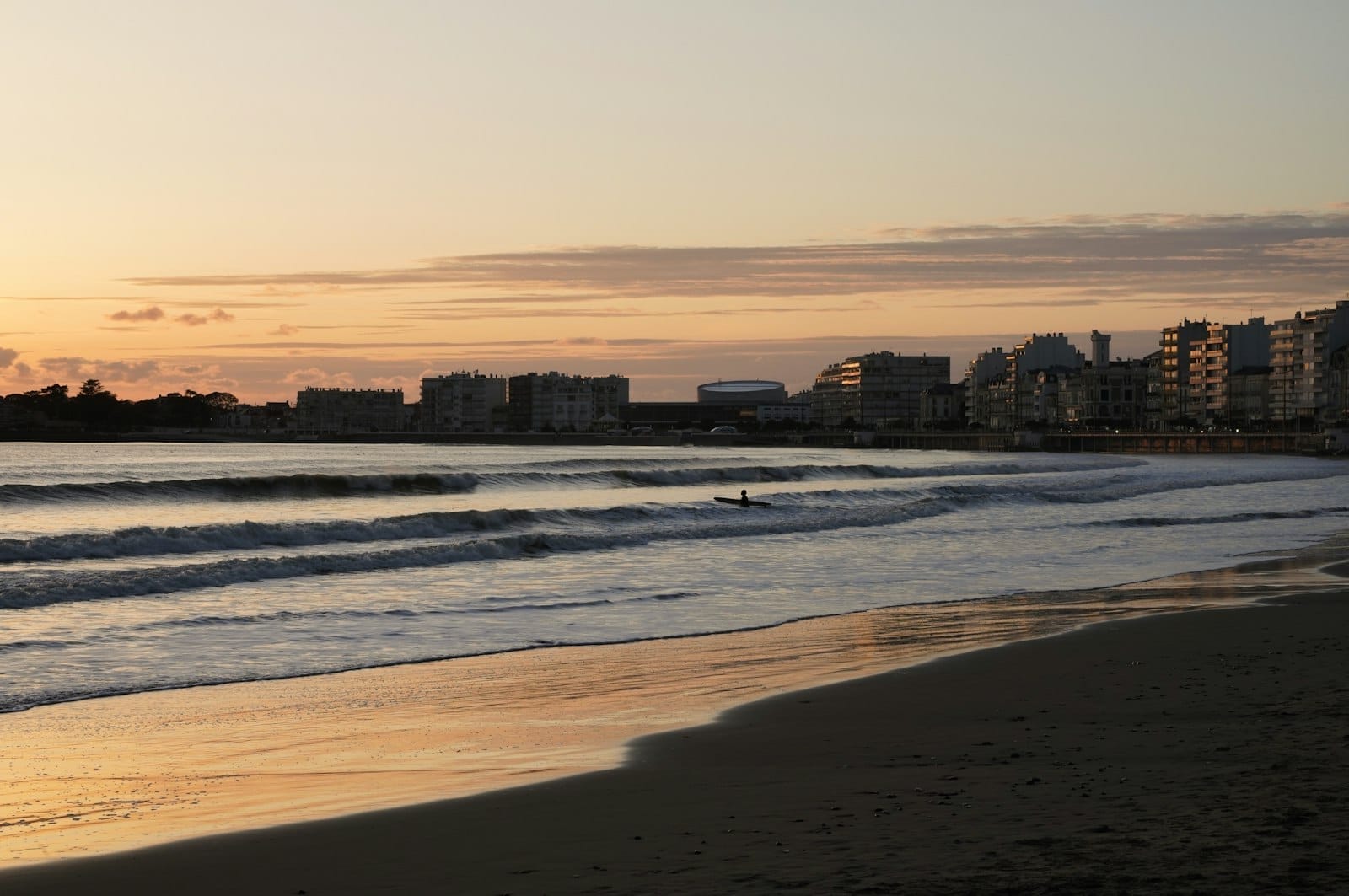
Le Havre works well for: architecture and design enthusiasts, art museum visitors (especially those with an interest in Impressionism), travellers arriving by ferry or cruise who want a full day rather than an hour on the dock, and anyone combining Normandy with a broader itinerary who wants something different from the region's more obvious stops. Families with children who enjoy outdoor space and beaches will also find enough to fill a day, particularly in summer. The dedicated guide to Le Havre with kids covers the best family-friendly options in detail.
Le Havre works less well for: travellers who prioritise medieval or 'old France' aesthetics, those on very short stops with limited time to get into the city, and anyone who finds industrial port environments uncomfortable. If you fall into the latter category, Honfleur is 30 minutes away and delivers a completely different experience. For a broader look at how Le Havre fits into a Normandy trip, the things to do in Le Havre guide gives a fuller picture of the city's range.
FAQ
Is Le Havre worth visiting for just one day?
Yes. One day is enough to see the main highlights: Église Saint-Joseph, MuMa, the Perret city centre, and the seafront promenade. You will not feel you have run out of things to see, nor that you wasted a day. Two days allows you to add Étretat or Sainte-Adresse without rushing.
Is Le Havre safe for tourists?
Le Havre is a large working city and, like any port city, has areas that are less polished than a typical tourist town. The city centre and seafront areas frequented by visitors are generally safe during the day. Standard urban precautions apply at night, particularly around transit areas.
Is Le Havre better than Honfleur?
They offer fundamentally different experiences. Honfleur has the picturesque old harbour, medieval streets, and a very developed tourist infrastructure. Le Havre has UNESCO modernist architecture, a world-class art museum, and a more authentic urban atmosphere. Ideally, visit both — they are about 30 minutes apart by road.
What is the best time of year to visit Le Havre?
June to August is the most rewarding window. The weather is warmest (typically 18–22°C), the beach is usable, gardens are at their best, and the Un Été au Havre arts festival brings the city to life. Spring (April–May) is a reasonable alternative with fewer crowds. Winter is grey and wet and best avoided unless you are specifically coming for the indoor museums.
Do I need to speak French to visit Le Havre?
Basic French phrases are helpful and appreciated, as in most French cities outside Paris. In tourism-facing contexts such as museums and hotels, English is generally understood. Street-level navigation is easy thanks to clear signage. Le Havre's port status means it has handled international visitors for centuries — communication is rarely a serious obstacle.
Tickets & tours
Live prices and dates from our booking partner. If you book, we may earn a commission at no extra cost to you.
Planning a trip? Discover personalized activities with the Nomado app.