Things to Do in Hanoi: A Complete Guide to the Capital
Hanoi rewards travelers who go beyond the obvious. This guide covers the city's top experiences across history, food, culture, and day trips — with honest assessments, practical details, and local context that most guides skip.
Tickets & tours
Live prices and dates from our booking partner. If you book, we may earn a commission at no extra cost to you.
TL;DR
- The Old Quarter is the city's beating heart — but arrive before 9am or after 8pm to experience it without tour groups clogging every alley.
- Hanoi's best months are October, November, and March: mild temperatures, low humidity, and fewer rain delays.
- History runs deep here: plan at least half a day across Hoa Lo Prison, the Temple of Literature, and the Imperial Citadel.
- Street food is genuinely excellent and safe — pho, bun cha, and banh mi cost under 60,000 VND (around $2.50) at local spots.
- Hanoi is a strong base for regional trips: Ha Long Bay and Ninh Binh are both doable as day trips or overnights.
Understanding Hanoi Before You Arrive
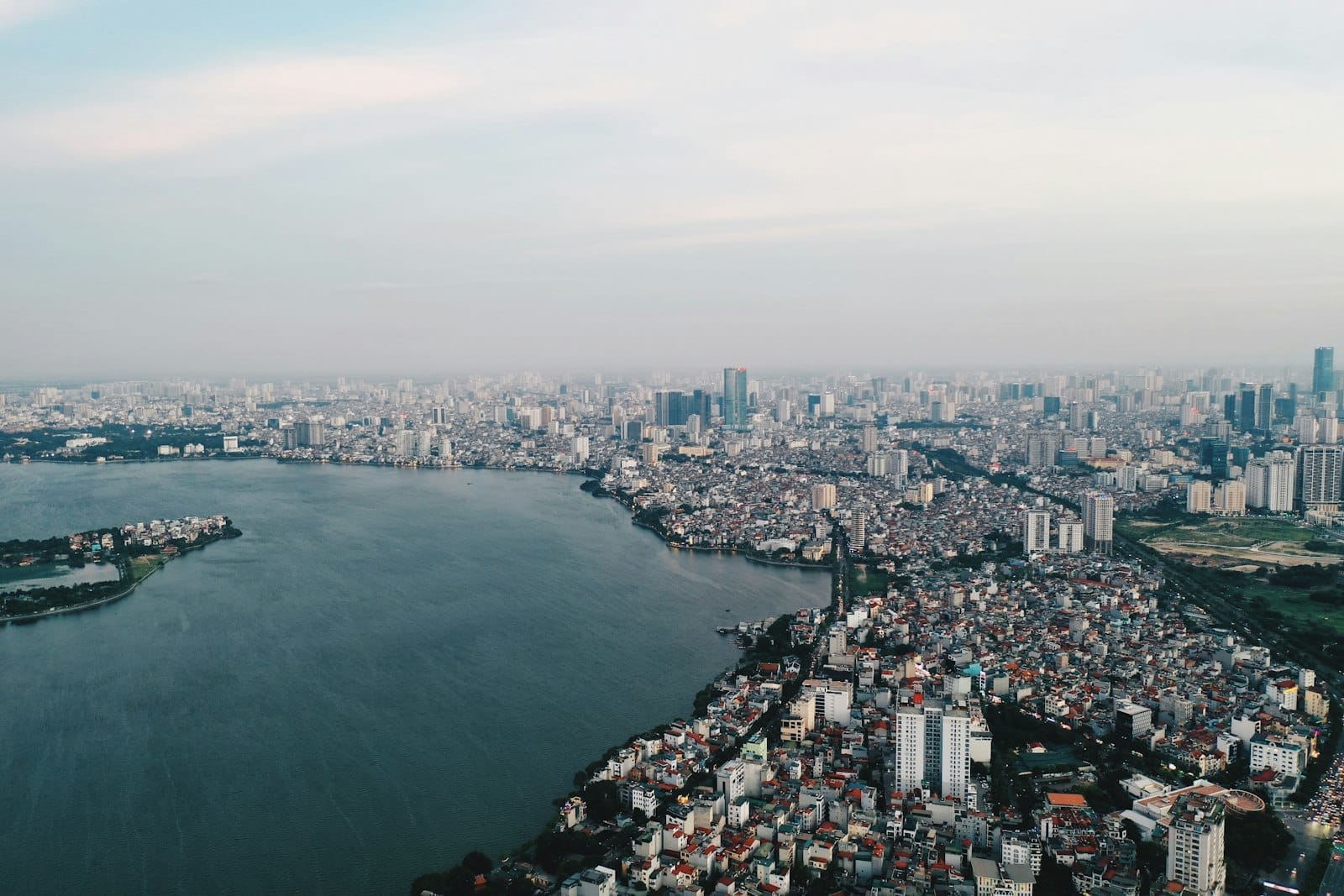
Hanoi (officially Ha Noi) is Vietnam's capital and one of Southeast Asia's oldest cities, situated on the western bank of the Red River about 145 km inland from the South China Sea. It has been continuously inhabited for over a thousand years, serving as the political center of the region through French colonial rule, Japanese occupation, and decades of reunification. That layered history is visible everywhere — in the architecture, the street grid, the temples, and the food.
The city operates on Indochina Time (ICT), UTC+7, and uses the Vietnamese Dong (VND) as its currency. English is spoken in most tourist areas, though learning a few phrases in Vietnamese earns immediate goodwill. Tap water is not drinkable; buy bottled water from convenience stores like Circle K or WinMart, which are widespread. The tourist hotline for enquiries and complaints is +84 941 336 677.
ℹ️ Good to know
Noi Bai International Airport (airport code: HAN) sits about 30 km north of the city center. The journey into town takes 45-75 minutes depending on traffic. Grab (the dominant ride-hailing app in Vietnam) is the most transparent option for pricing, with fares typically running 300,000-400,000 VND to the Old Quarter. Avoid unmarked taxis outside the arrivals hall.
The Old Quarter and Hoan Kiem Lake Area
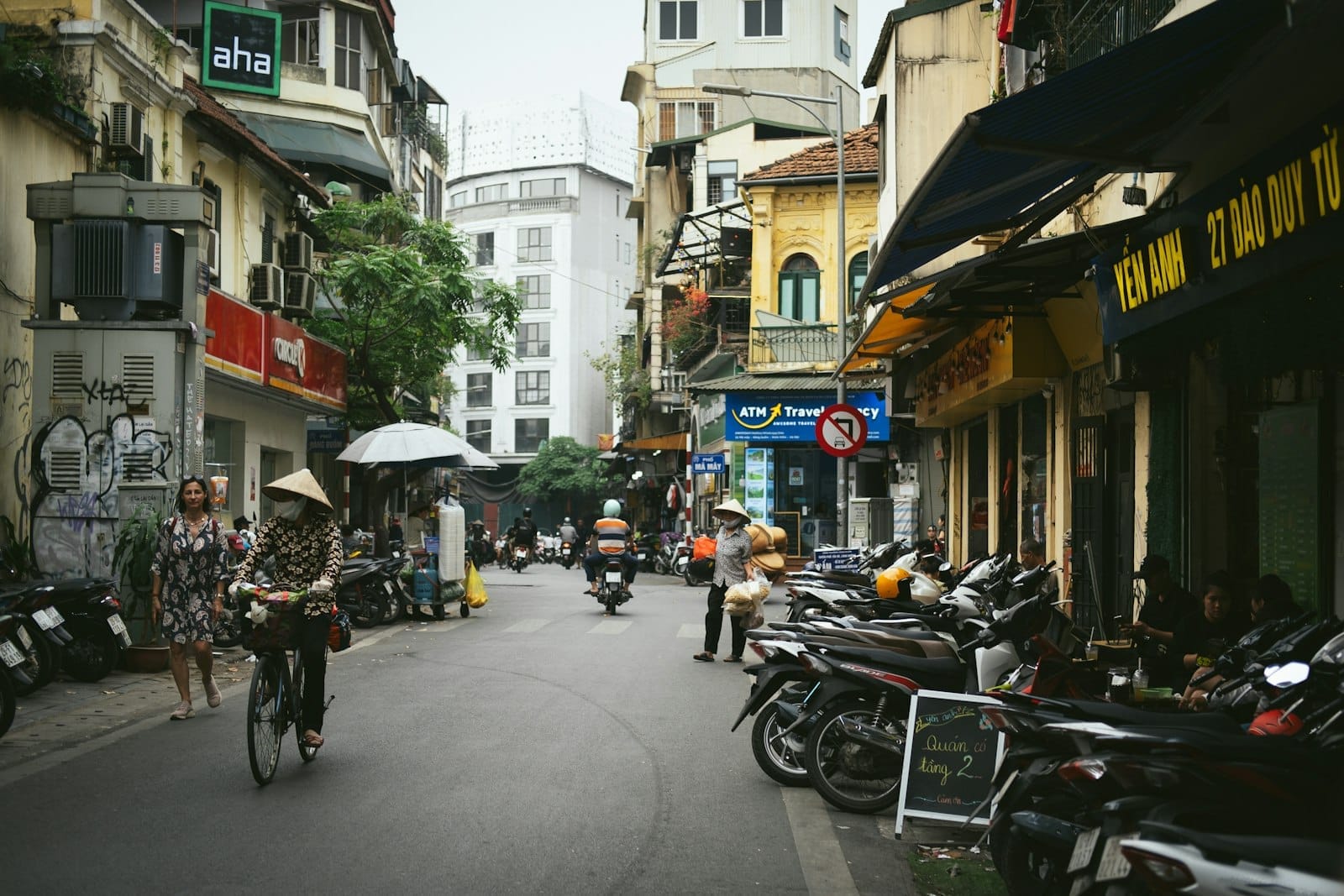
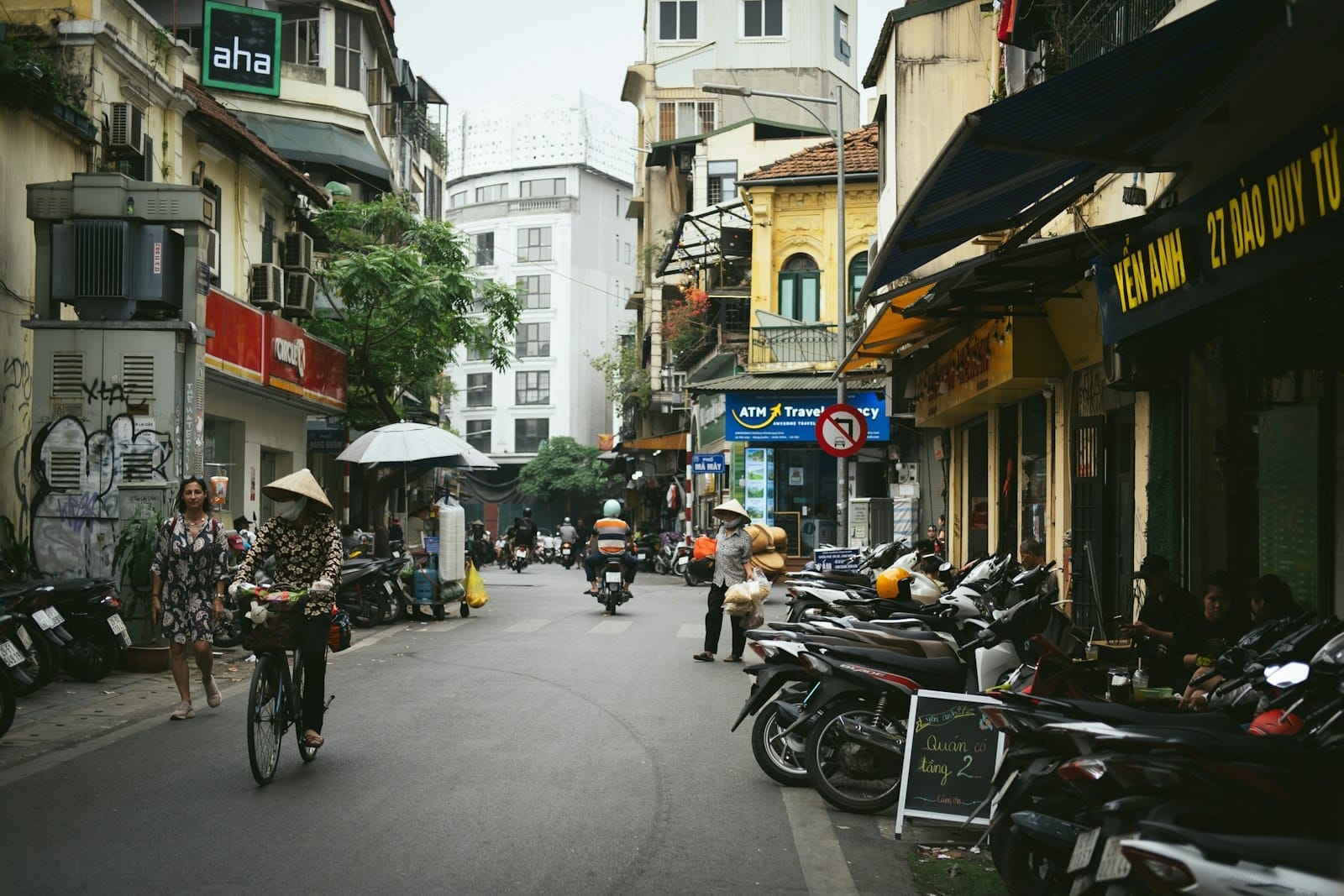
The Old Quarter is where most first-time visitors spend the majority of their time, and for good reason. The street layout dates to the 14th century, with narrow lanes originally organized by trade guild: Hang Bac (Silver Street), Hang Gai (Silk Street), Hang Ma (Paper Street). The colonial facades layered over older Vietnamese shophouses create a streetscape unlike anywhere else in Asia. Walk slowly, look up, and resist the urge to spend all your time inside air-conditioned cafes.
At the southern edge of the Old Quarter, Hoan Kiem Lake anchors the city both geographically and culturally. Locals use it as an outdoor living room: early mornings bring tai chi practitioners and walkers, evenings fill with families and food vendors. The small island in the lake holds Ngoc Son Temple, accessible via the iconic red Huc Bridge. Entry costs 30,000 VND and takes about 20-30 minutes — it is compact but genuinely lovely.
On Friday, Saturday, and Sunday evenings, the streets immediately surrounding Hoan Kiem close to traffic for the Hanoi Old Quarter Night Market. It runs from Dong Xuan Market south toward the lake and gets packed by 7pm. Quality varies widely: stick to food stalls and local handicrafts, and skip the counterfeit goods unless you enjoy the sport of bargaining.
⚠️ What to skip
Train Street — the narrow lane where trains pass within arm's reach of cafe tables — has been subject to periodic closures by city authorities. Access and hours change frequently. Check recent traveler reports before making it a priority, as it may not be accessible during your visit.
History and Culture: The Sites That Reward Serious Attention
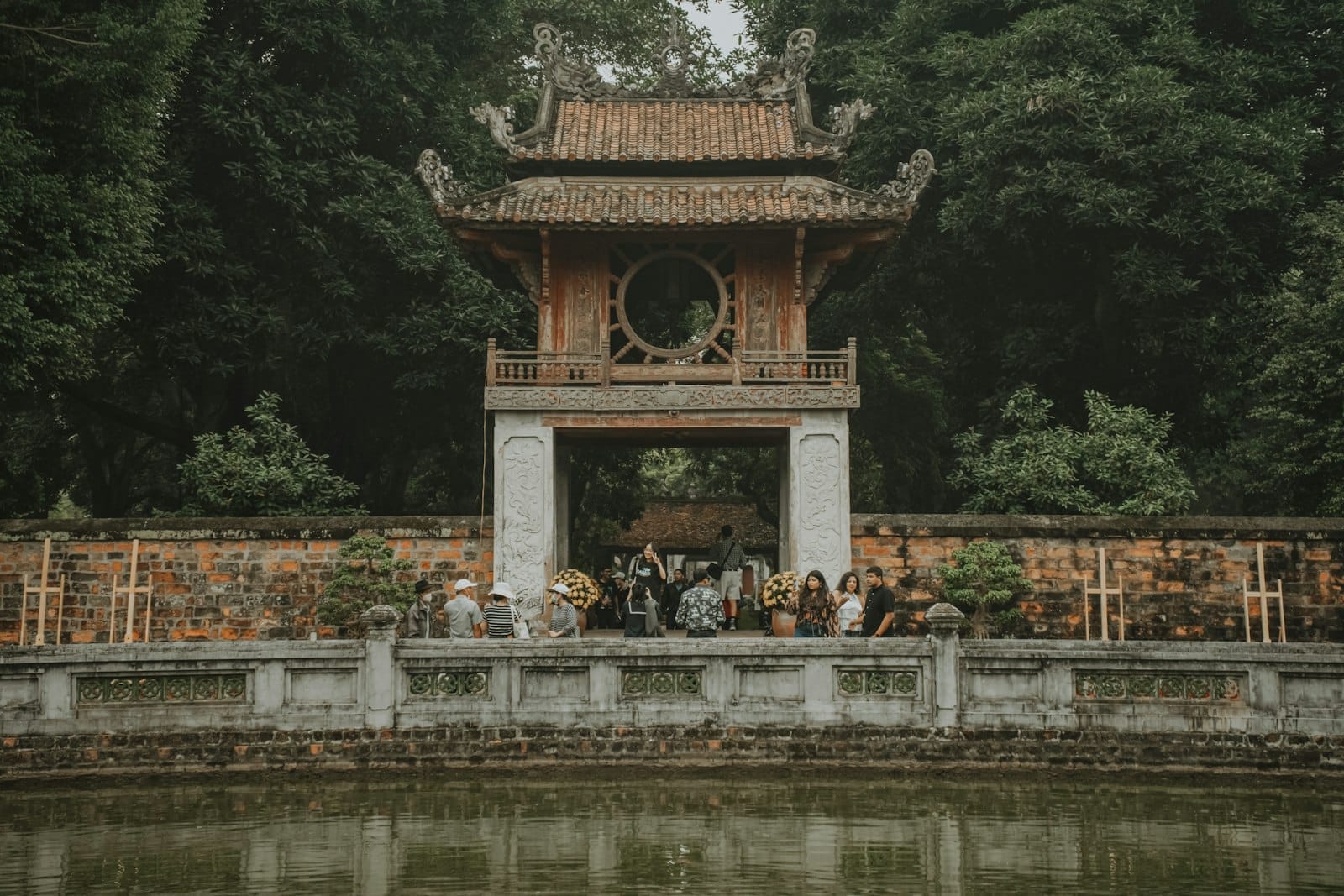
Hanoi has a denser concentration of significant historical sites than almost any other Southeast Asian city. The challenge is not finding them — it is allocating enough time. Most travelers underestimate how much depth is available at each site and try to see too many in a single day.
- Temple of Literature (Van Mieu) Vietnam's first national university, founded in 1070, dedicated to Confucius. The complex spans five courtyards and contains 82 stone stelae listing doctoral graduates from 1442-1779. Open daily; entry around 30,000 VND. Allow 60-90 minutes.
- Imperial Citadel of Thang Long A UNESCO World Heritage Site covering 18 centuries of Vietnamese royal history. The excavated archaeological zone beneath the surface is particularly impressive. Budget 2-3 hours to do it justice.
- Hoa Lo Prison Built by the French in 1896 and later used to hold American prisoners of war (including John McCain). The museum presents both narratives and doesn't sanitize either. One of the most thought-provoking sites in Hanoi. Entry around 30,000 VND.
- Vietnam Museum of Ethnology The best museum in the city, full stop. It documents 54 ethnic groups across Vietnam with exceptional curation. Located about 8 km from the Old Quarter in the Cau Giay district; worth the trip. Allow 2-3 hours.
- Ho Chi Minh Mausoleum Complex The mausoleum, Ho Chi Minh Museum, stilt house, and One Pillar Pagoda occupy the same precinct in Ba Dinh district. The mausoleum is open mornings only, Tuesday-Thursday and Saturday-Sunday; it is closed on Mondays and Fridays, and for several months each year for maintenance. Check current schedules before visiting.
The Ba Dinh district, where the mausoleum and citadel are located, is about 3 km west of the Old Quarter. It is walkable in good weather, or a short Grab ride. Combine the Ho Chi Minh Mausoleum, the One Pillar Pagoda, and the Imperial Citadel of Thang Long into a single morning for an efficient half-day of history.
💡 Local tip
At the Ho Chi Minh Mausoleum, dress modestly: shoulders and knees must be covered. Photography inside the mausoleum chamber is prohibited. Arrive before 10am to avoid long queues, especially on weekends and national holidays.
Food and Drink: What to Eat and Where
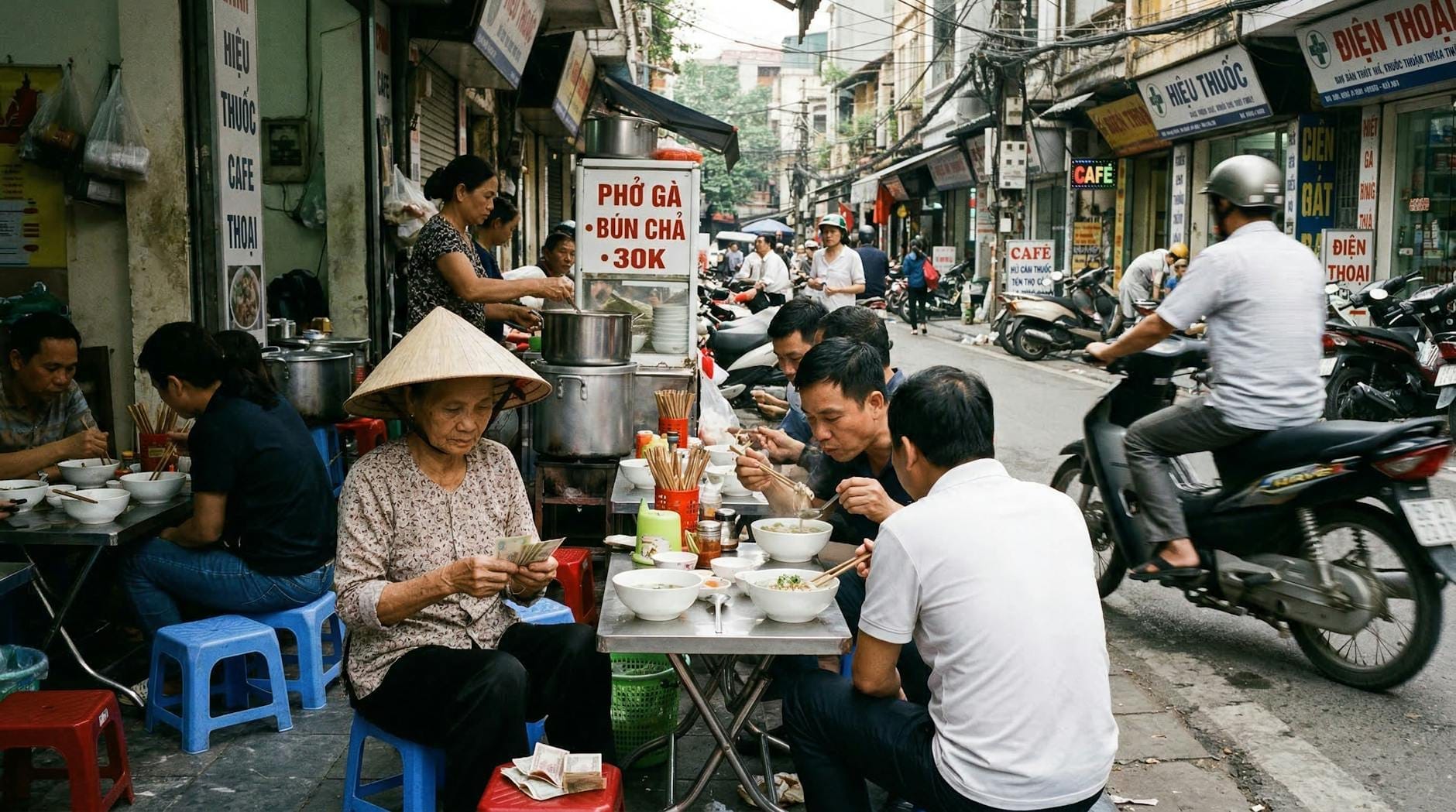
Hanoi has a distinct food culture that differs meaningfully from southern Vietnamese cooking. The flavors are less sweet, broths are cleaner, and herb use is more restrained. The city's most iconic dishes are worth seeking out from local specialists rather than tourist-facing restaurants that have smoothed out all the interesting edges.
- Pho bo (beef noodle soup): Hanoi-style pho uses a clear, lightly spiced broth. Local shops typically open for breakfast and again for dinner, selling out quickly. Expect to pay 40,000-70,000 VND at a decent local spot.
- Bun cha: Grilled pork patties and belly served with vermicelli noodles in a dipping broth. A lunchtime staple. The best versions come from small street-side grills where the smoke hits you before you see the place.
- Cha ca: A Hanoi specialty of turmeric-marinated fish pan-fried at the table with dill and green onion. Pricier than street food (around 150,000-250,000 VND per person) but worth trying once.
- Banh mi: Hanoi's version tends toward fewer fillings than the southern style, but the bread is excellent. A solid banh mi from a good cart costs 20,000-35,000 VND.
- Egg coffee (ca phe trung): Espresso topped with a whipped egg yolk and condensed milk foam. A Hanoi invention, rich and almost dessert-like. Giang Cafe near the Old Quarter claims to be the original.
For a broader orientation to Hanoi's dining scene, the where to eat in Hanoi guide breaks down neighborhoods, price points, and specific recommendations by dish type. The Dong Xuan Market in the northern Old Quarter is the city's largest covered market and a good place to graze on cheap local snacks during the day.
West Lake, the French Quarter, and Beyond the Center
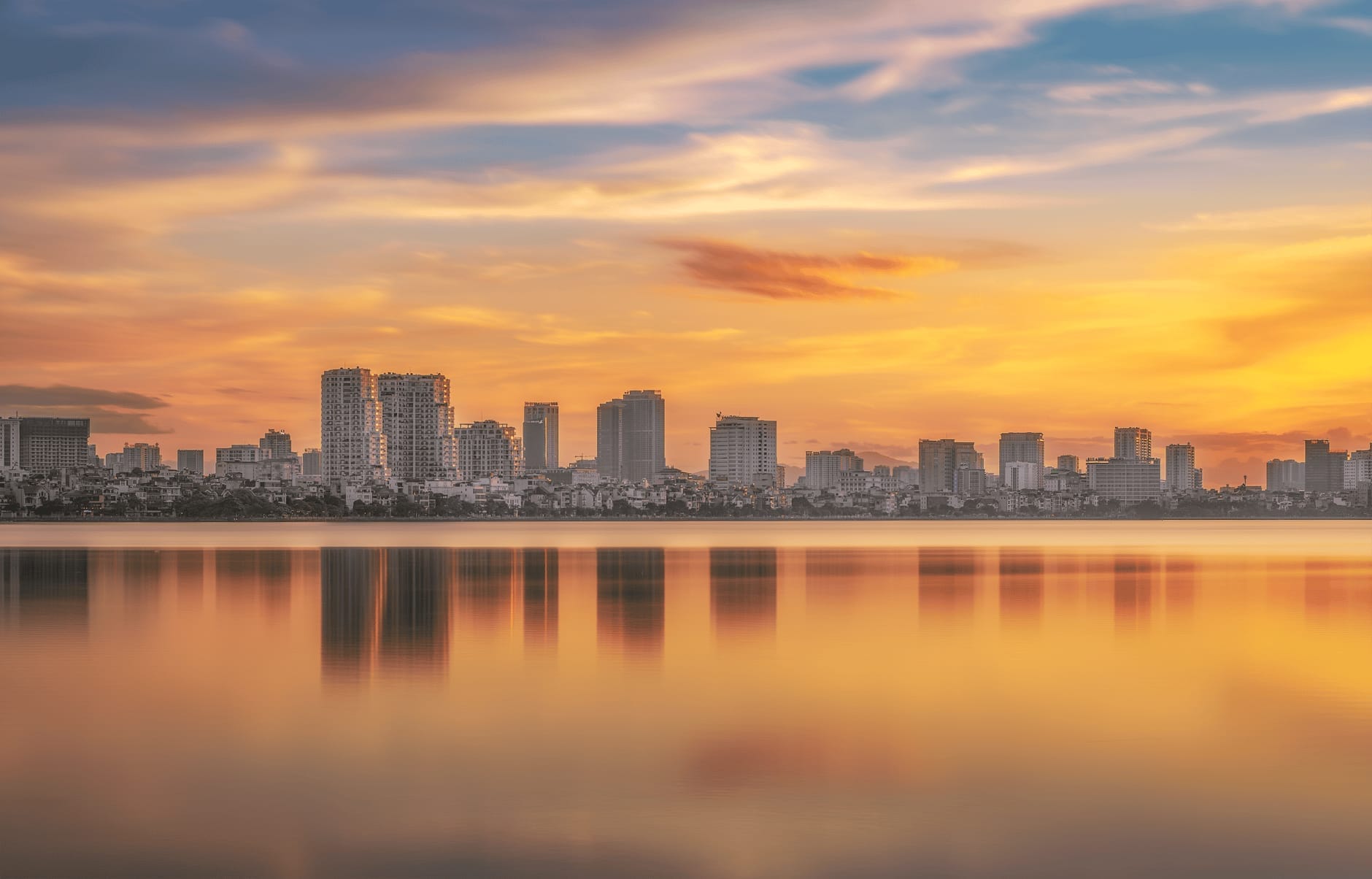
Many visitors stay anchored in the Old Quarter and miss what lies just a few kilometers away. West Lake (Tay Ho) is Hanoi's largest lake and the surrounding Tay Ho district has developed into the city's most cosmopolitan neighborhood: good coffee shops, international restaurants, and a noticeably slower pace than central Hanoi. The Tran Quoc Pagoda on the lake's eastern shore is one of Vietnam's oldest Buddhist temples, dating to the 6th century. It photographs beautifully in late afternoon light.
The French Quarter south of Hoan Kiem Lake contains some of Hanoi's most architecturally impressive streets: wide boulevards, yellow-painted colonial buildings, and the grand Hanoi Opera House (built 1901-1911, modeled on the Paris Opera). Performances run regularly; check the schedule on the official website and book ahead for anything on weekends. The Vietnam Fine Arts Museum is also in this district and is frequently overlooked by visitors focused on the Old Quarter.
For a cultural performance that goes beyond sightseeing, the Thang Long Water Puppet Theatre on the northern shore of Hoan Kiem Lake stages traditional water puppet shows multiple times daily. It is unashamedly touristy, but the art form itself — puppets operated by artists submerged to the waist in a pool — is unique to northern Vietnam and genuinely worth seeing once. Book tickets in advance, especially during peak season (November to April).
Day Trips: Getting Out of the City

Hanoi's position in northern Vietnam makes it an ideal base for regional exploration. The two most popular day trips are Ha Long Bay (roughly 170 km east) and Ninh Binh (about 95 km south), and both justify at least one night away if your schedule allows. For a detailed breakdown of logistics, timing, and what to expect, the Ninh Binh from Hanoi guide and the Ha Long Bay from Hanoi guide cover both options thoroughly.
- Ninh Binh (95 km south) Often called 'Ha Long Bay on land' for its karst limestone peaks rising from rice paddies and rivers. The Trang An Landscape Complex is a UNESCO World Heritage Site. Tam Coc is the most visited section; arrive before 8am to beat tour groups on the boat rides. A full day trip is feasible; an overnight lets you explore at a better pace.
- Ha Long Bay (170 km east) The bay's 1,600+ limestone islands and islets make it one of Vietnam's signature landscapes. A one-day trip is logistically rushed; two days on an overnight cruise gives you time to actually enjoy it. Choose a mid-range cruise operator over the cheapest options — the quality gap is significant.
- Bat Trang Ceramic Village (13 km southeast) A working pottery village that has produced ceramics for 500+ years. You can try throwing your own pot and buy genuine local work. Accessible by public bus (route 47) or Grab. Best visited on a weekday morning when it is less crowded.
- Perfume Pagoda (60 km southwest) A pilgrimage complex set into limestone cliffs, accessed by rowing boat and then cable car or steep hike. Beautiful landscape but extremely crowded during the Perfume Pagoda Festival (January to March). Quieter visits are possible outside the festival window.
✨ Pro tip
If you have only one night to spend outside Hanoi, choose Ninh Binh over Ha Long Bay. The landscape is comparable, the crowds are smaller, and the logistics are simpler — no 3-hour bus ride each way. Save Ha Long Bay for a proper 2-night cruise if your itinerary allows it.
Planning Your Time: Practical Logistics
Three days gives you a solid overview of central Hanoi. Five days lets you add West Lake, a day trip, and the Vietnam Museum of Ethnology without feeling rushed. For a full suggested schedule, the Hanoi itinerary guide maps out day-by-day options for 3, 5, and 7-day stays. On the question of timing, the best time to visit Hanoi is broadly October-November and March-April: temperatures stay in the low-to-mid 20s Celsius, rainfall is low, and the city does not have the oppressive humidity of the summer months.
Getting around the center is manageable on foot for short distances, but Hanoi traffic is serious and crossing major roads requires confidence or patience. Grab is reliable and inexpensive for anything more than a 10-minute walk. Public buses are extremely cheap (7,000-9,000 VND per journey) but routes can be confusing without Vietnamese. Cyclos (three-wheeled bicycle taxis) are available in the Old Quarter and fine for a short scenic ride, but agree on the price firmly before you get in.
FAQ
How many days do you need in Hanoi?
Three days cover the core highlights: the Old Quarter, Hoan Kiem Lake, the main historical sites, and some decent meals. Five days allow you to go deeper — add West Lake, the Vietnam Museum of Ethnology, and a day trip to Ninh Binh or Ha Long Bay without feeling rushed. If Hanoi is a gateway to northern Vietnam, two days is the realistic minimum before heading onward.
Is Hanoi safe for tourists?
Hanoi is generally safe for visitors. Petty theft (bag snatching, phone grabs from motorbikes) is the most common risk in crowded areas like the Old Quarter at night. Keep bags on your inside shoulder away from the road, avoid displaying expensive equipment unnecessarily, and use ATMs inside banks rather than standalone street machines. The tourist hotline for complaints and assistance is +84 941 336 677.
What is the best area to stay in Hanoi?
The Old Quarter is the most convenient base for first-time visitors: you are within walking distance of Hoan Kiem Lake, most historical sites, and the best street food. It is also noisy, especially on weekend nights when the pedestrian zone fills up. The Tay Ho (West Lake) area offers a quieter, more residential feel with good restaurants and cafes, but you will rely on Grab more often. For a full breakdown, see the where to stay in Hanoi guide.
What should I wear when visiting temples in Hanoi?
Cover your shoulders and knees at all temple and pagoda sites — this applies to all genders. Lightweight linen or cotton works well in the warm months. Many sites sell or loan simple wrap skirts at the entrance if you arrive underdressed. At the Ho Chi Minh Mausoleum, the dress code is strictly enforced and photography inside the chamber is not permitted.
Can I visit Ha Long Bay as a day trip from Hanoi?
Technically yes, but it is not recommended. The return journey from Hanoi to Ha Long Bay takes roughly 3-3.5 hours each way by bus or car, leaving you only 4-5 hours on the water. An overnight cruise of at least two days gives you a genuinely different experience: time on the bay in the evening, kayaking in the morning, and far less time spent in transit. Budget 2-3 days for Ha Long Bay if it is a priority.
Tickets & tours
Live prices and dates from our booking partner. If you book, we may earn a commission at no extra cost to you.
Planning a trip? Discover personalized activities with the Nomado app.