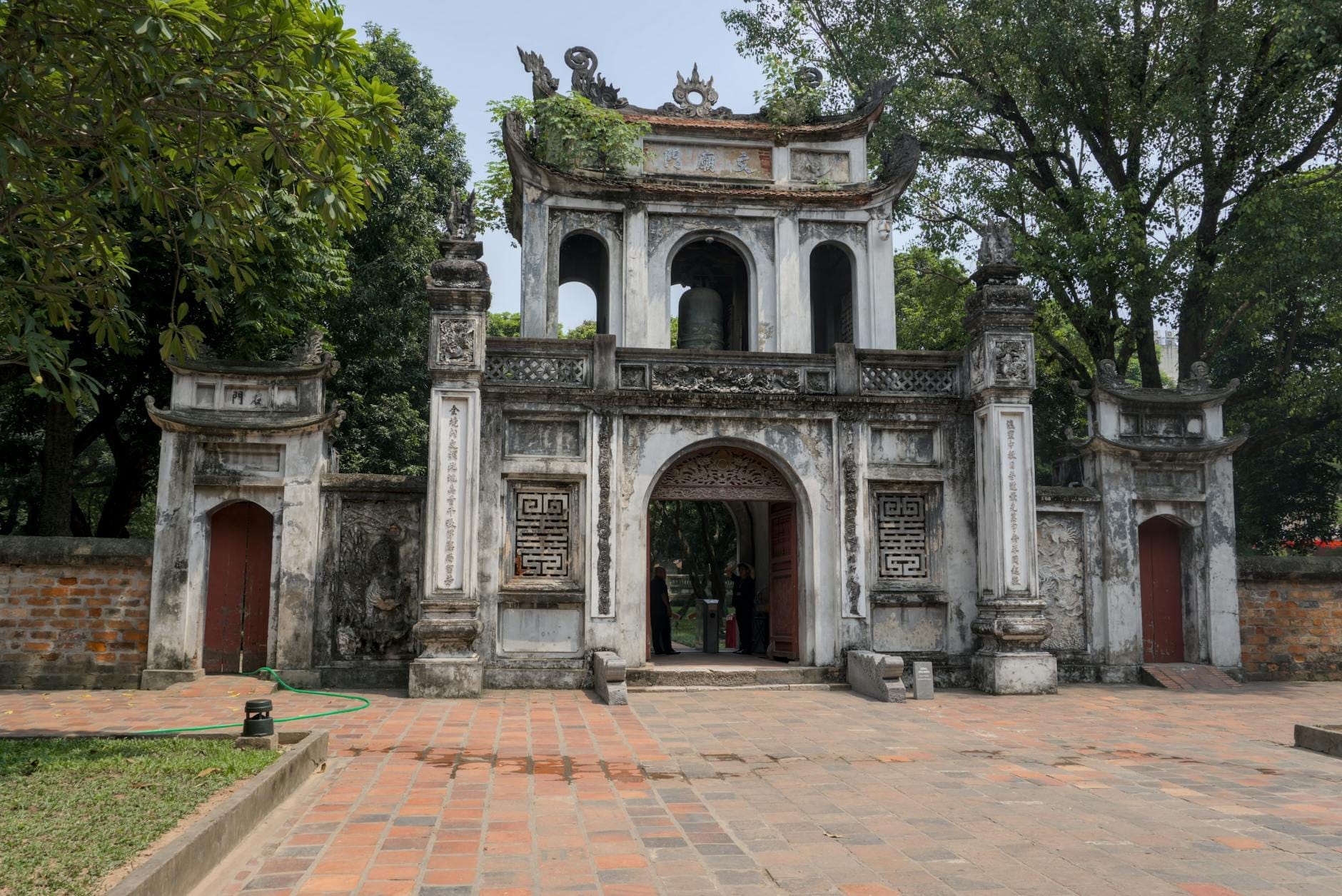
Ba Đình is the seat of Vietnamese government and the district where the country's most significant monuments stand. Wide, tree-lined boulevards connect presidential palaces, pagodas, and museums in a neighborhood that feels deliberately ceremonial. It rewards slow, curious exploration rather than a quick tick-list visit.
Ba Đình is where Vietnam's political history solidified into stone and concrete. It is the district of grand squares, towering monuments, and centuries-old pagodas, yet its quieter residential streets and lakeside paths give it a contemplative quality that contrasts sharply with the chaos of the Old Quarter a kilometer to the east.
Orientation
Ba Đình district sits to the west and northwest of Hoan Kiem Lake, occupying the administrative and ceremonial core of Hanoi. Its eastern boundary brushes against the Old Quarter and the French Quarter, while to the west it stretches toward the Red River dikes. To the north, the district approaches West Lake (Tay Ho), and its southern edge meets Dong Da district along the major artery of Giang Vo street.
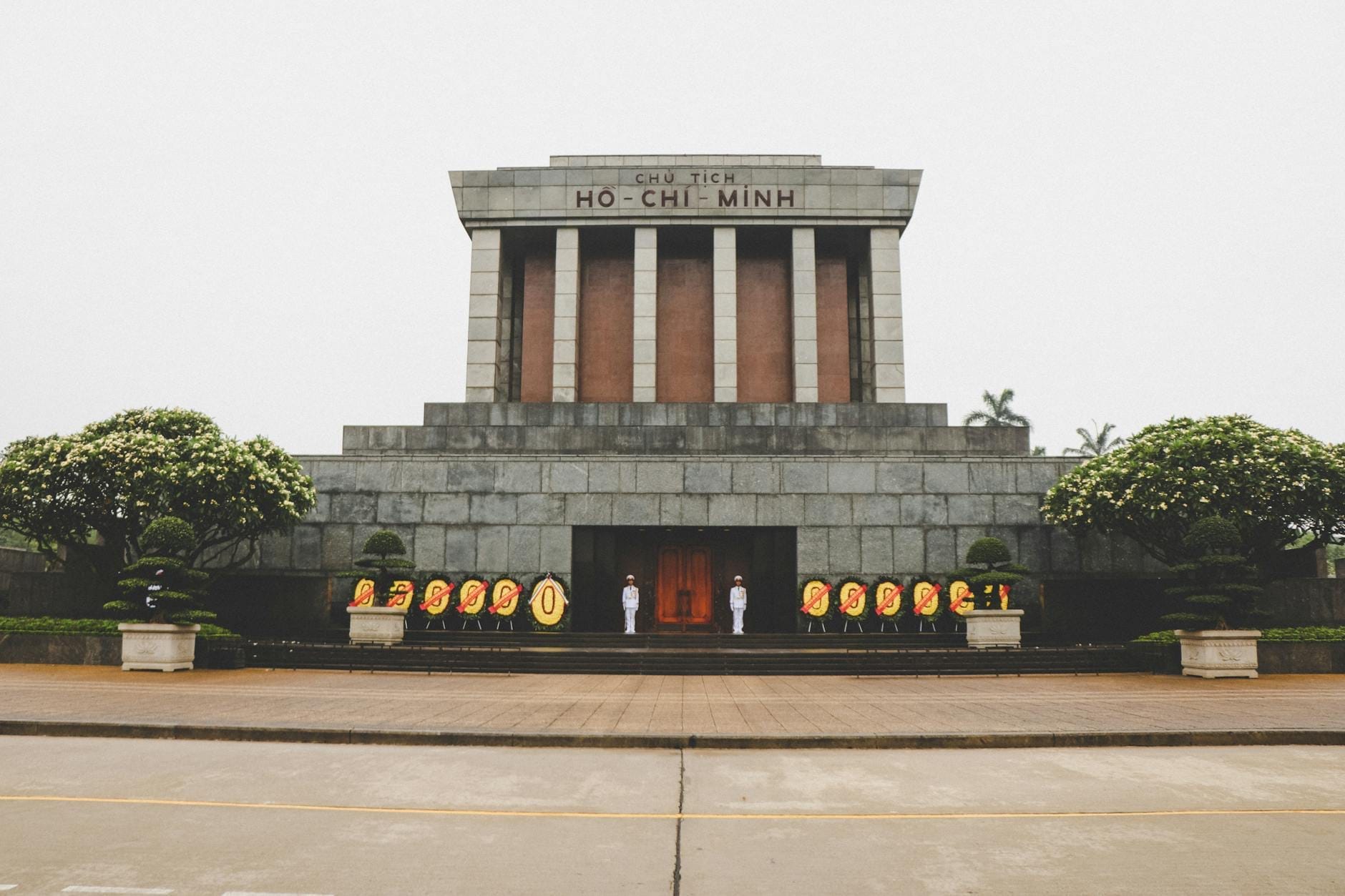
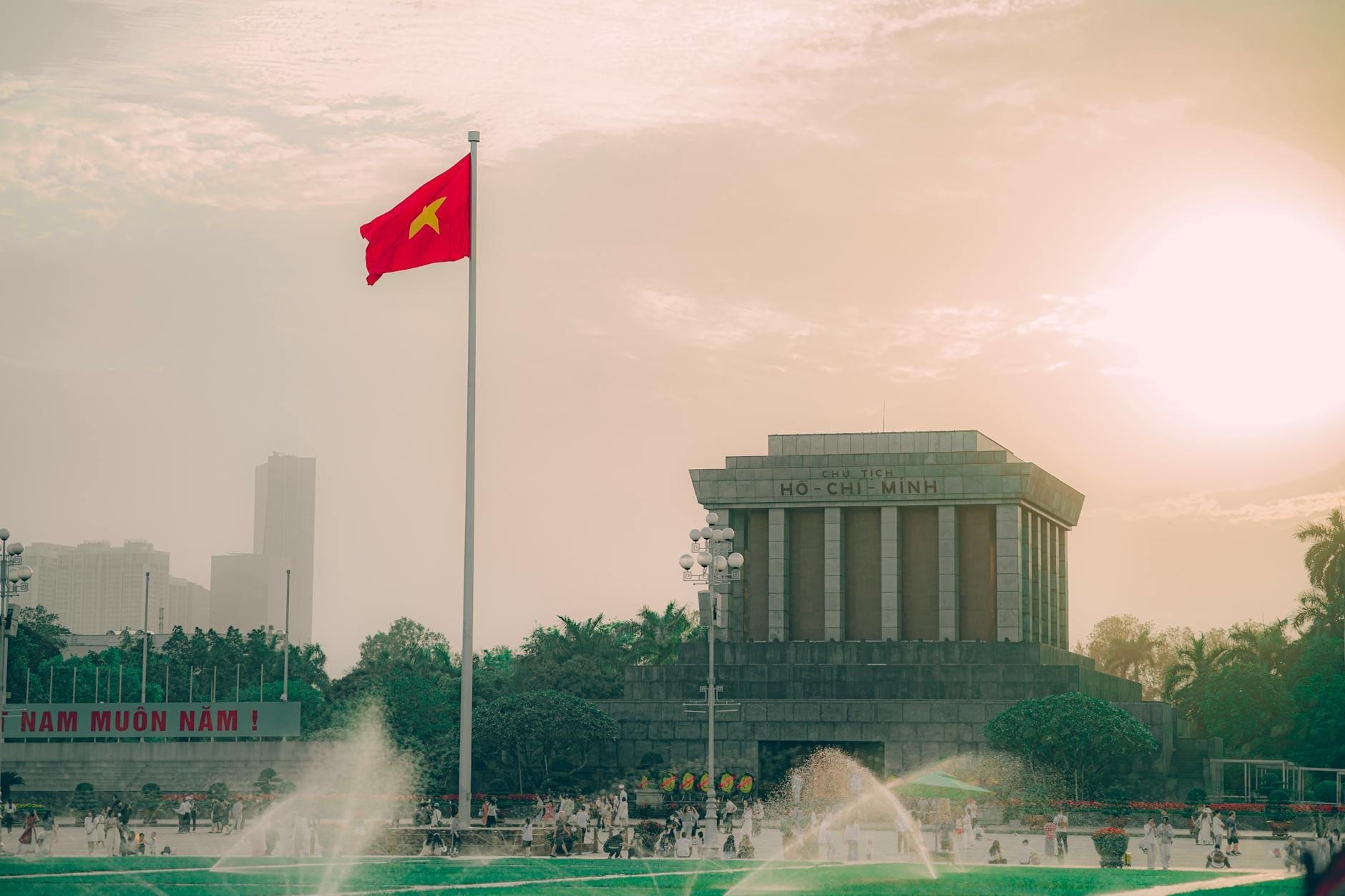
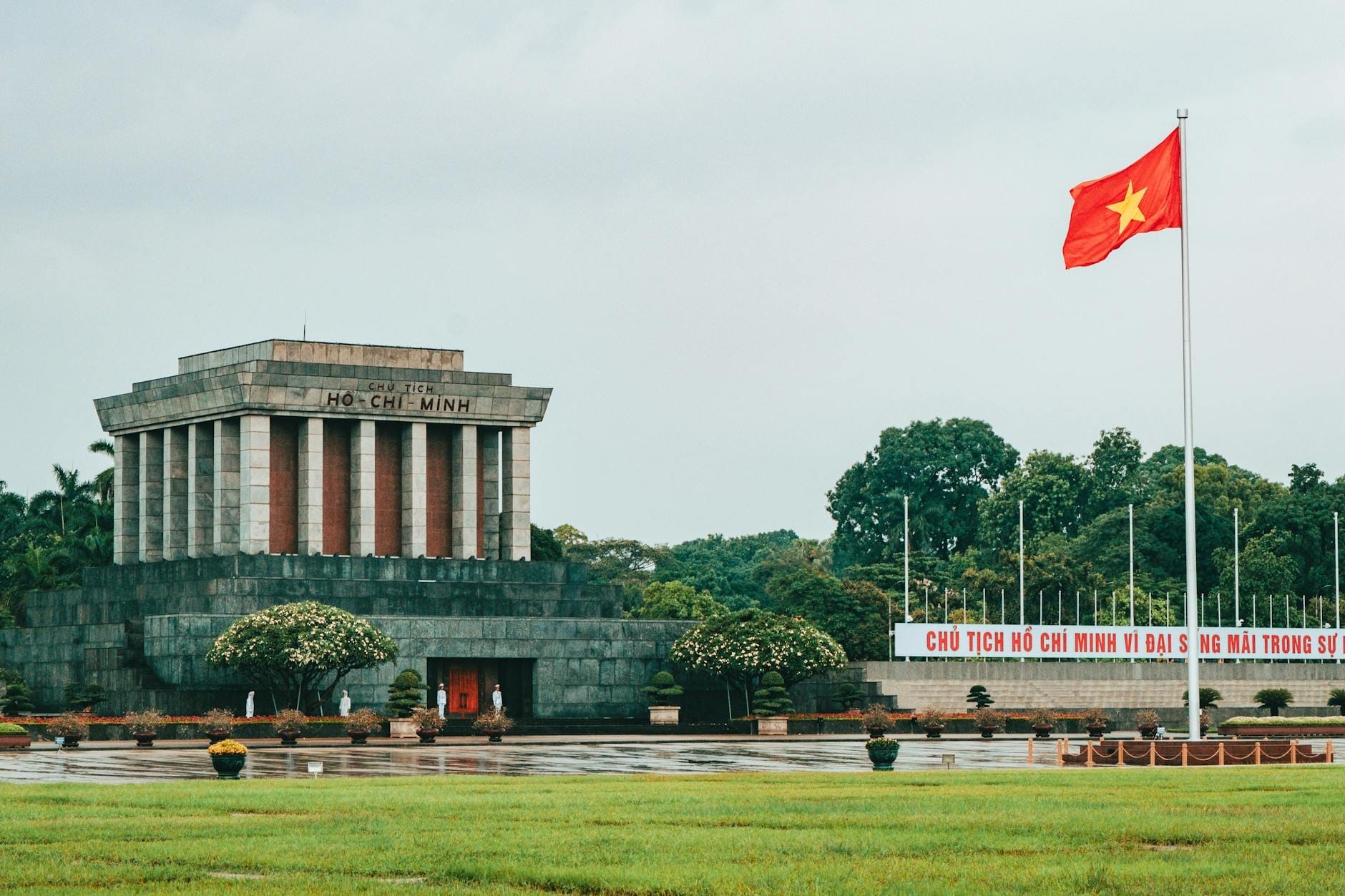
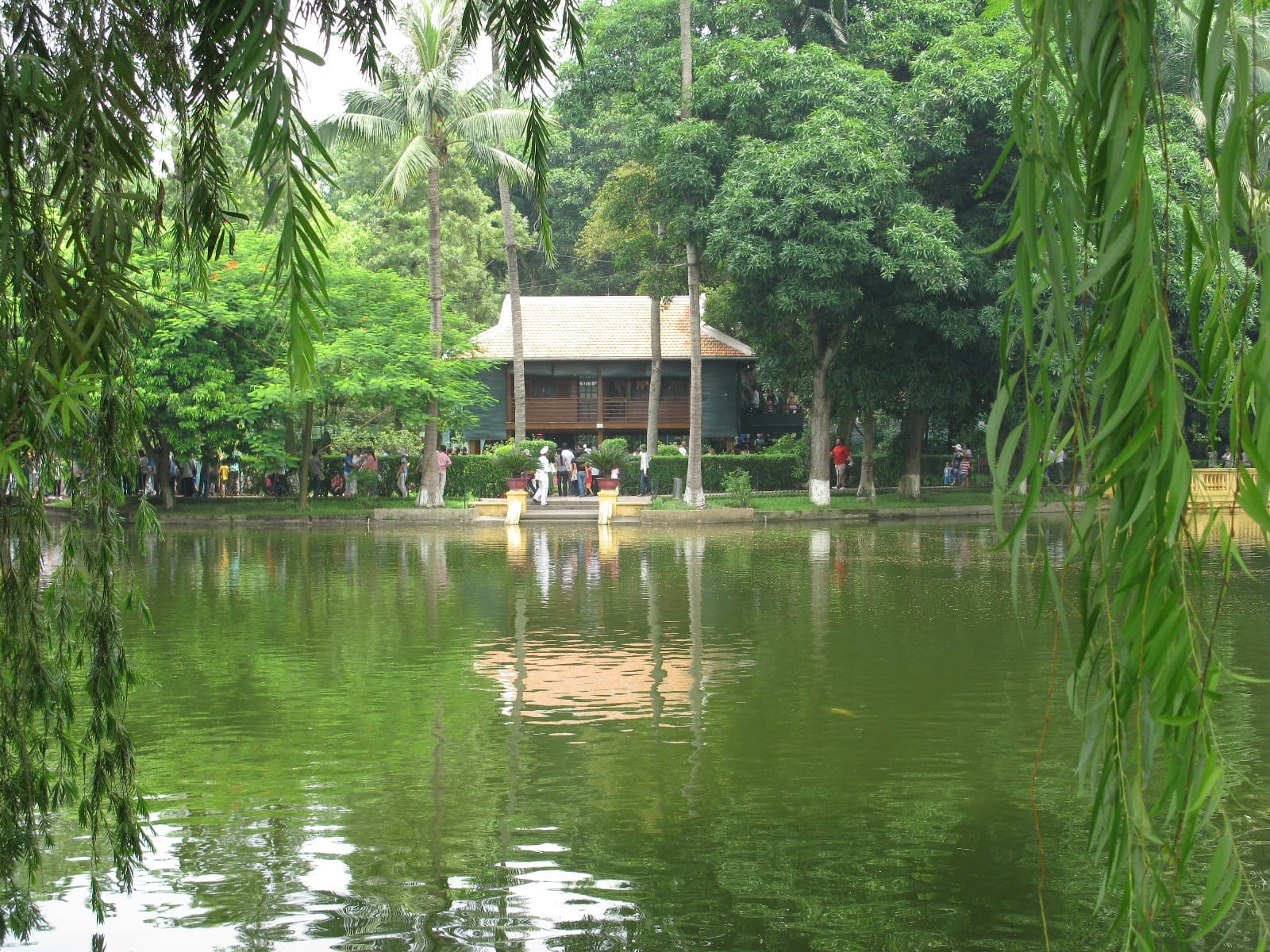
The geographic and symbolic anchor of Ba Đình is Ba Đình Square, the large open plaza on Hung Vuong street where Ho Chi Minh declared Vietnamese independence in 1945. The Ho Chi Minh Mausoleum stands on the western side of the square, flanked by the Presidential Palace compound and the Ho Chi Minh Stilt House. From the square, Dien Bien Phu street runs southeast toward the French Quarter, while Hoang Hoa Tham street heads north through a leafy residential neighborhood popular with Hanoi's diplomatic community.
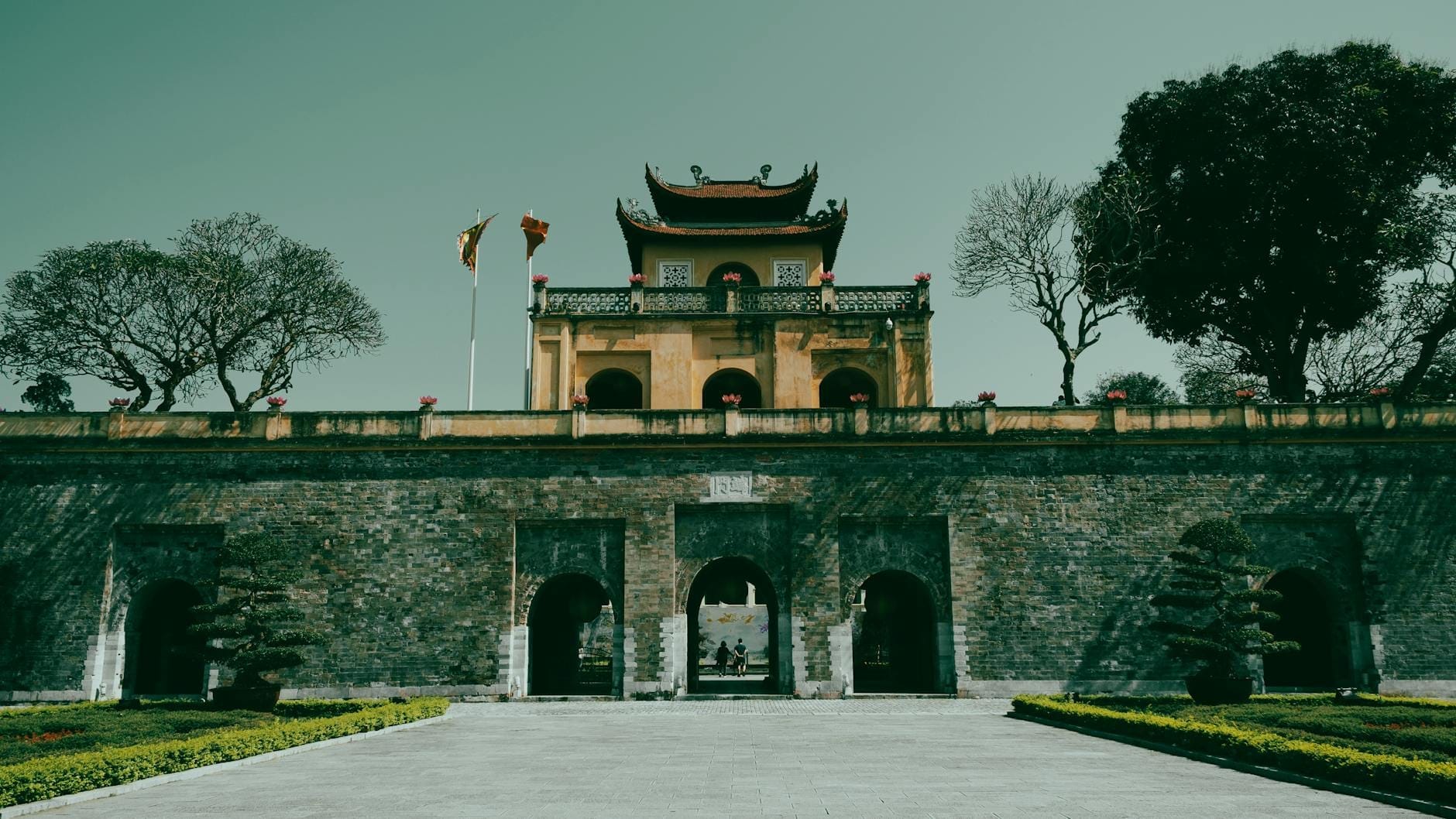
The Imperial Citadel of Thang Long anchors the southeastern quarter of Ba Đình, accessible from Hoang Dieu street. From the Citadel, it is about a fifteen-minute walk east to the edge of the Old Quarter. Understanding Ba Đình means understanding its scale: this is a district of wide, European-influenced boulevards, not the narrow lanes of the trading quarter. Blocks are large, distances between landmarks are real, and shaded walking paths make foot travel manageable in cooler months.
Character & Atmosphere
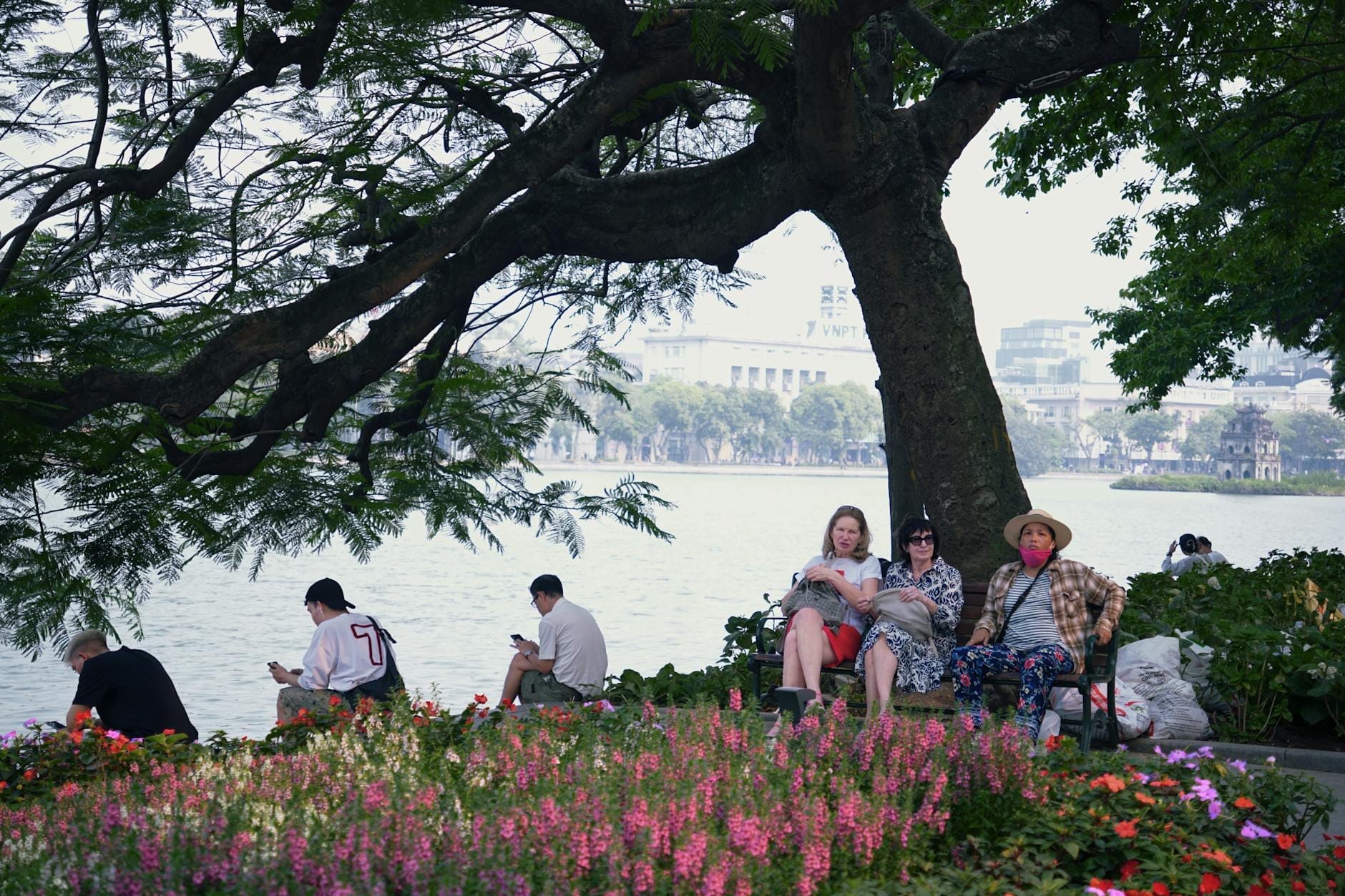
Ba Đình operates on a slower rhythm than the rest of central Hanoi. Early mornings around Truc Bach Lake and the streets near the botanical garden fill with Hanoians doing tai chi, jogging, or walking dogs along shaded paths. The air carries birdsong and the occasional scent of street-side coffee carts. By 7am, the government buildings are staffed and official vehicles move purposefully down Hung Vuong street.
The midday heat pushes most visitors off the monuments and into the museums. Afternoons carry a particular stillness around Ba Đình Square, where the broad, sun-bleached expanse feels both reverent and slightly austere. Security guards are present and attentive, and the atmosphere is genuinely ceremonial rather than theatrical. This is not a neighborhood that invites spontaneous wandering with a beer in hand.
After dusk, Ba Đình shifts toward residential life. The streets near Doi Can and Nguyen Thai Hoc fill with local restaurants and small eateries catering to civil servants and university students from the nearby Fine Arts complex. The area around Truc Bach Lake becomes popular with couples and groups of young Hanoians, with small cafes and local food stalls setting up along the waterfront.
ℹ️ Good to know
Ba Đình is less a tourist neighborhood than a civic one. Expect wide roads, serious monuments, and relatively few souvenir shops. The trade-off is authenticity: the daily life here belongs to Hanoi's government workers, students, and long-established families, not tour groups.
What to See & Do
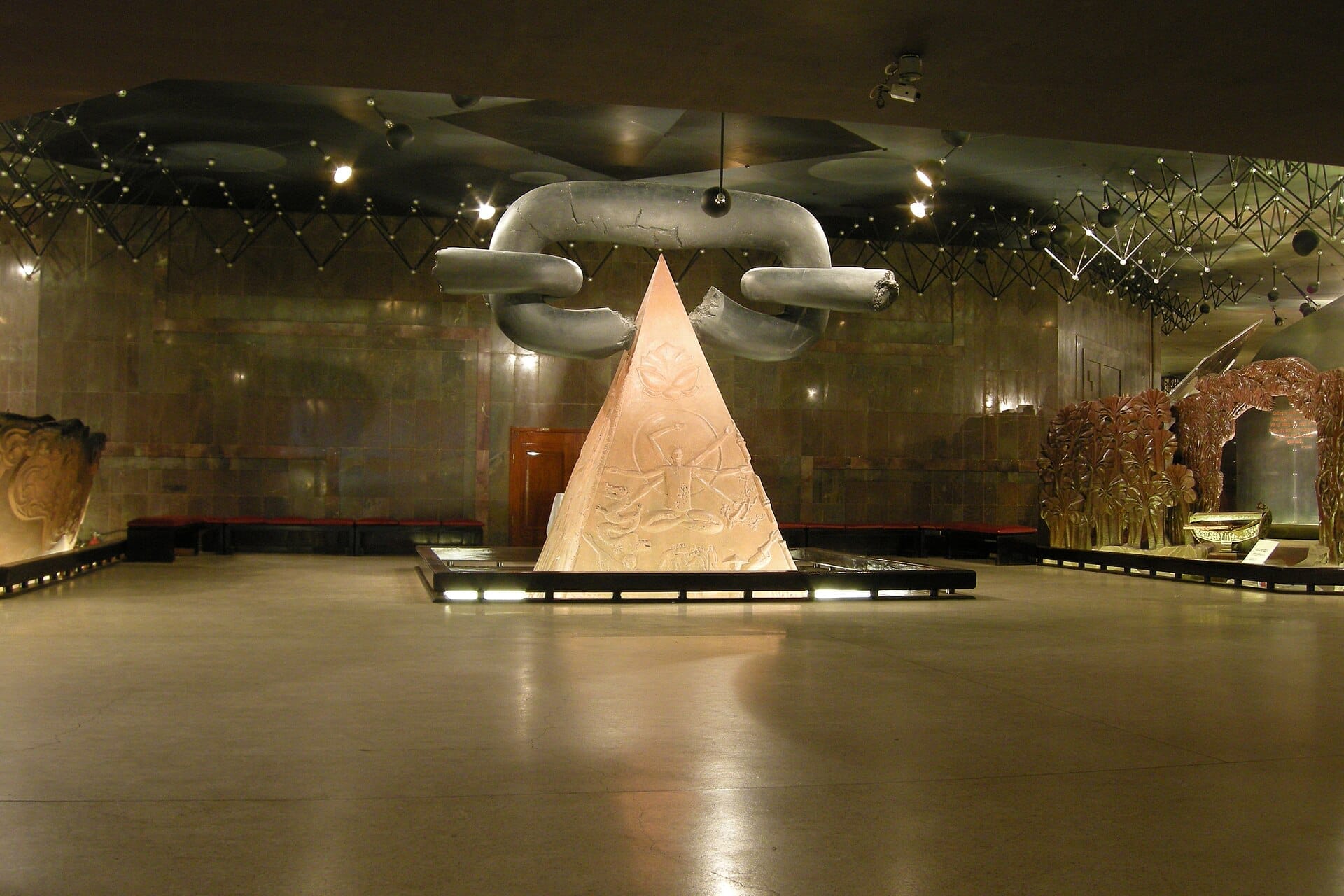
The mausoleum complex demands at least a half-day. The Ho Chi Minh Mausoleum is open most mornings (typically Tuesday through Thursday and weekends, with the complex closing for several months each year for maintenance, so confirm dates before visiting). Queues form early, dress codes are enforced, silence is required, and photography inside is prohibited. The compound also includes the simple stilt house where Ho Chi Minh lived during his presidency, and the Ho Chi Minh Museum, a large modernist building on the southwestern edge of the square with exhibits on his life and the independence movement.
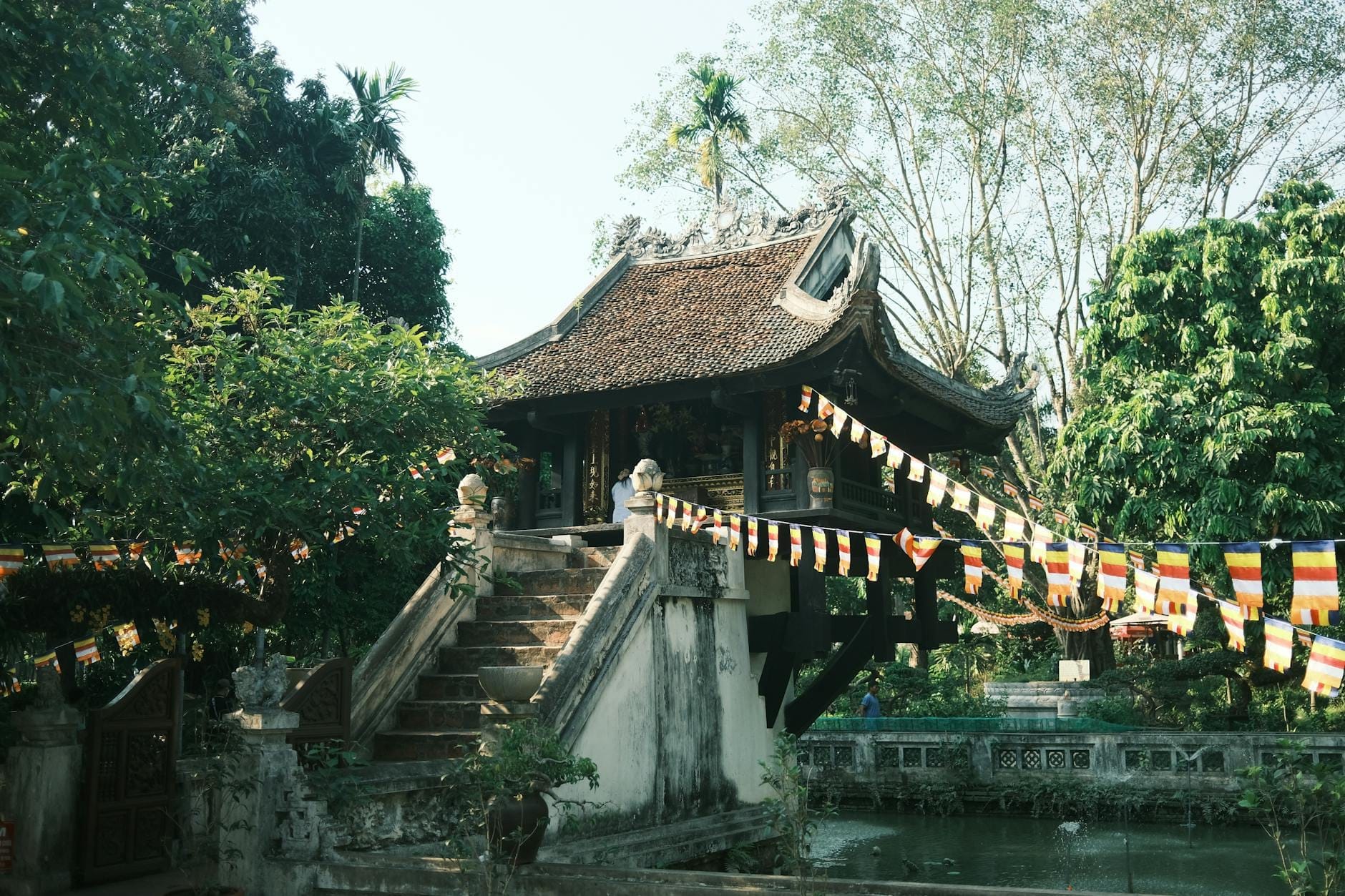
Immediately south of the Mausoleum complex sits the One Pillar Pagoda, a compact but architecturally distinctive structure built on a single stone pillar above a lotus pond. It dates to the 11th century Ly dynasty. The current structure is a post-war reconstruction, but the site itself holds deep religious significance and is worth the ten-minute detour from the Mausoleum.
Further south on Hoang Dieu street, the Imperial Citadel of Thang Long is a UNESCO World Heritage Site and one of Hanoi's most substantive historical sites. The grounds preserve remnants of royal palaces and military structures spanning over a millennium, from the 6th century through the 20th. Allow two hours minimum. The archaeological dig area within the complex gives a genuine sense of the layers of civilization beneath modern Hanoi.
Ba Dinh Square: the ceremonial center of Vietnamese national identity, open year-round
Ho Chi Minh Mausoleum: visits require conservative dress, queue early on peak days
One Pillar Pagoda: a five-minute walk from the Mausoleum, free entry
Imperial Citadel of Thang Long: UNESCO site, allow two to three hours
Quan Thanh Temple: a Taoist temple on the southern shore of West Lake, dating to the 11th century
Vietnam Museum of Ethnology: highly regarded museum in the southwest of Ba Đình, excellent for understanding Vietnamese minority cultures
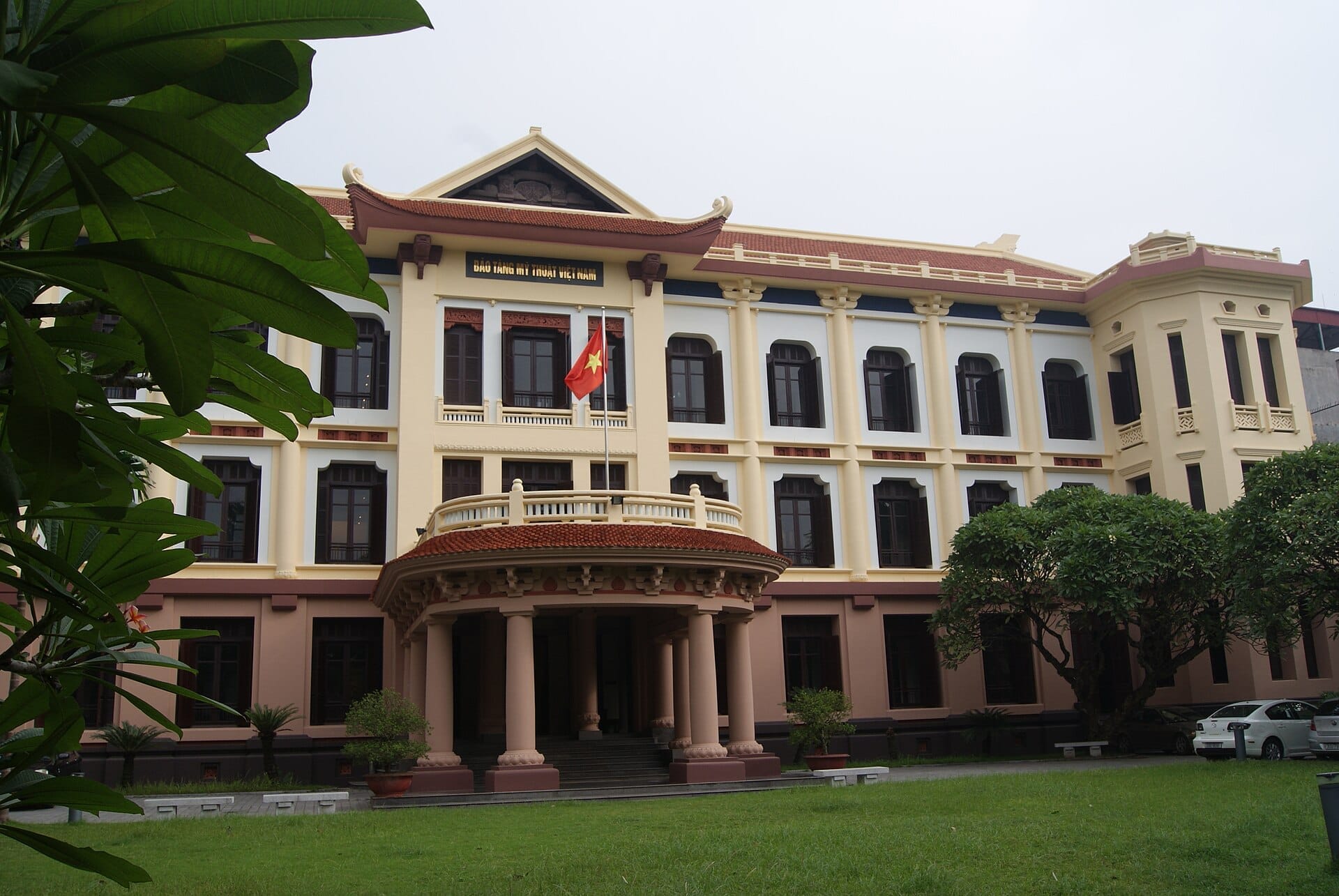
Vietnam Fine Arts Museum on Nguyen Thai Hoc street: strong collection of lacquerware, silk paintings, and sculpture
Near the West Lake border, Quan Thanh Temple is worth a short stop for the atmospheric courtyard and the large bronze statue of the temple's deity. It sits directly on Thanh Nien road, the narrow causeway that separates Truc Bach Lake from West Lake, making it easy to combine with a lakeside walk.
⚠️ What to skip
The Ho Chi Minh Mausoleum closes for 2-3 months each year, usually September to November, for scheduled maintenance. Always verify opening dates on the official Hanoi tourism portal before planning your visit around the mausoleum.
Eating & Drinking
Ba Đình is not where you come for Hanoi's most celebrated restaurants, but the local food scene is solid and often better value than comparable spots in the Old Quarter. The streets around Doi Can market, particularly along Doi Can street and its side alleys, have clusters of pho shops, bun cha stalls, and banh mi carts that operate from early morning through late afternoon. Prices here are firmly local-market rates.
The area around Nguyen Thai Hoc and Giang Vo streets has a broader mix of casual restaurants targeting the nearby university and government crowd. You will find com binh dan (everyday rice plate) restaurants alongside small cafes serving ca phe trung (egg coffee), which originated in Hanoi and is found across the city but available here in quieter settings than the tourist-focused cafes in Hoan Kiem.
For evening options, the streets skirting Truc Bach Lake have lakeside cafes and local eateries popular with Vietnamese families and young couples. The atmosphere is low-key and genuinely local. If you are looking for international restaurants or Hanoi's more sophisticated dining scene, the French Quarter and the area around Hoan Kiem are better destinations.
💡 Local tip
The area immediately around Ba Đình Square and the Mausoleum has very few food options. Eat before arriving for a morning visit, or walk ten minutes southeast toward the Nguyen Thai Hoc street corridor for a broader choice of local cafes and rice shops.
Getting There & Around
Ba Đình is straightforward to reach from central Hanoi. From Hoan Kiem Lake, Dien Bien Phu street runs directly west into the heart of Ba Đình in roughly fifteen minutes on foot or five minutes by taxi. The city's bus network serves the district well: multiple routes stop along Hung Vuong street, Dien Bien Phu, and Doi Can. For general guidance on navigating Hanoi's public transport, see the getting around Hanoi guide.
Grab (the dominant ride-hailing app in Vietnam) is the most practical option for first-time visitors. Fares from the Old Quarter to Ba Đình Square run about 30,000 to 50,000 VND by motorbike taxi (GrabBike) or 60,000 to 80,000 VND by car, depending on time of day. Taxi meters are standard and reliable from established companies.
Once inside Ba Đình, the principal challenge is distance. The monuments are spread across a large area, and the midday heat makes walking between all of them uncomfortable from May through September. A good strategy is to hire a Grab car for the morning monument circuit and walk the shorter distances between the Mausoleum, One Pillar Pagoda, and the Citadel at your own pace. Bicycles are available for rent in the Old Quarter and are a reasonable option for navigating the wide boulevards of Ba Đình in cooler weather.
Noi Bai International Airport is approximately 45 kilometers to the north. Airport buses (route 86 from the airport) pass through the northern edge of the city, and taxis or Grab rides from the airport to Ba Đình typically take 45 to 60 minutes depending on traffic.
Where to Stay
Ba Đình is not Hanoi's primary accommodation hub, but it offers a quieter alternative to the saturated hotel markets of the Old Quarter and Hoan Kiem. Travelers who prioritize space, calm mornings, and proximity to the historical monuments over nightlife and restaurant density will find it a comfortable base. For a broader overview of accommodation across central Hanoi, the where to stay in Hanoi guide covers options across all major districts.
The best areas to stay within Ba Đình are the streets around Truc Bach Lake and the residential zone between Hoang Hoa Tham and Doi Can streets. These give easy walking access to the monuments while sitting in genuinely local neighborhoods with morning markets and street food within a short walk. Hotels here range from mid-range guesthouses to a small number of boutique properties.
Families, older travelers, and those making the government monuments the focus of their itinerary are the best fit for staying in Ba Đình. Solo backpackers and those seeking a social scene centered on bars and night markets will be better served by the Old Quarter. For those interested in West Lake's quieter vibe, the neighborhoods closer to Tay Ho district along Thanh Nien road serve as an easy middle ground between Ba Đình's civic gravity and the lake's residential calm.
Day Trips and Wider Context
Ba Đình's position in Hanoi makes it a practical base for exploring not just the city but the broader northern Vietnam region. The day trips from Hanoi guide covers destinations like Ninh Binh and Ha Long Bay, both reachable in a few hours. The ancient capital of Hoa Lu and the karst landscapes of Trang An are popular choices for travelers who want historical depth alongside natural scenery.
Within the city, Ba Đình connects naturally to the Old Quarter to the east and the West Lake and Tay Ho district to the north. A well-planned day can start at the Mausoleum complex in the early morning, move through the Citadel before lunch, and end with a lakeside afternoon at West Lake, covering three distinct neighborhood characters in a single circuit.
TL;DR
Ba Đình is Hanoi's political and historical core, home to the Ho Chi Minh Mausoleum, the Imperial Citadel of Thang Long, and Ba Đình Square.
The district is best suited to travelers focused on Vietnamese history, architecture, and national monuments rather than nightlife or street food culture.
Mornings are the best time to visit: cooler temperatures, open mausoleums, and fewer tour groups at the Citadel.
Getting around requires planning because the main sights are spread across a large area; combine walking with Grab rides for efficiency.
Staying in Ba Đình offers genuine quiet and local neighborhood character, making it a good fit for independent travelers, families, and those who find the Old Quarter too intense.
Hanoi's climate is more complex than most Southeast Asian cities, with four distinct seasons that genuinely change the experience. This guide breaks down the weather, crowds, and what to expect each month so you can plan a trip that matches your priorities.
Hanoi is an exceptional base for exploring northern Vietnam. Within a few hours you can reach UNESCO World Heritage sites, ancient capitals, sacred pilgrimage caves, and centuries-old craft villages. This guide covers the best day trips from Hanoi, with honest advice on what to prioritize.
Hanoi's streets are chaotic, fast-moving, and genuinely fun to navigate once you understand the rules. This guide breaks down every transport option — from airport transfers to Old Quarter cyclos — with honest pricing, practical advice, and clear recommendations for different budgets and itineraries.
Ha Long Bay is the most iconic day trip and overnight excursion from Hanoi, but the sheer number of cruise options makes planning overwhelming. This guide cuts through the noise with practical advice on getting there, choosing the right cruise tier, what to budget, and when to go.
From the colonial lanes of the Old Quarter to the solemn monuments of Ba Dinh, Hanoi rewards travelers who plan carefully. This itinerary guide breaks down exactly how to spend 2, 3, or 5 days in the city, covering the essential sights, underrated neighborhoods, and the day trips worth taking.
The Old Quarter is the beating heart of Hanoi, a dense grid of streets dating to the 14th century where silk sellers, pho vendors, and ancient temples coexist with craft workshops and rooftop bars. This guide gives you the practical depth to explore it properly.
Ninh Bình is the most rewarding escape from Hanoi for travelers who want karst scenery, ancient history, and boat rides through rice paddies without flying anywhere. This guide covers transport options, the best sites to prioritize, where to stay overnight, and honest advice on how long you actually need.
Hanoi rewards travelers who go beyond the obvious. This guide covers the city's top experiences across history, food, culture, and day trips — with honest assessments, practical details, and local context that most guides skip.
Hanoi's food scene is one of the most distinctive in Southeast Asia, built on centuries of culinary tradition and a firm belief that the best meals come from small, specialized stalls. This guide breaks down where to eat in Hanoi by neighborhood, dish type, and budget so you spend less time guessing and more time eating.
Choosing where to stay in Hanoi shapes your entire trip. This guide breaks down every major neighborhood by character, convenience, and cost, so you can book with confidence rather than luck.