Hanoi Itinerary: How to Spend 2, 3 & 5 Days in Vietnam's Capital
From the colonial lanes of the Old Quarter to the solemn monuments of Ba Dinh, Hanoi rewards travelers who plan carefully. This itinerary guide breaks down exactly how to spend 2, 3, or 5 days in the city, covering the essential sights, underrated neighborhoods, and the day trips worth taking.
Tickets & tours
Live prices and dates from our booking partner. If you book, we may earn a commission at no extra cost to you.
TL;DR
- Two days is enough to cover the Old Quarter, Hoan Kiem Lake, and the Ba Dinh monuments — see the Old Quarter guide for a street-by-street breakdown.
- Three days lets you add the Vietnam Museum of Ethnology and a half-day at West Lake, which most short-stay tourists miss entirely.
- Five days opens up serious day trips: Ninh Binh and Ha Long Bay are both reachable and worth the early starts.
- October through April is the most comfortable time to sightsee; May to September brings heat and heavy rains that slow you down.
- Skip the Tourist Train in the Old Quarter — it hits traffic and shows you nothing you couldn't walk in 20 minutes.
Before You Arrive: Logistics That Affect Your Itinerary

Noi Bai International Airport (IATA: HAN) sits about 30 km north of central Hanoi. Getting into the city takes anywhere from 40 minutes in light traffic to 90 minutes during morning and evening rush hours. Grab is the most reliable option for predictable pricing — expect to pay around 300,000 to 400,000 VND for a car to the Old Quarter. The public bus (route 86) costs roughly 35,000 VND and drops you near Hoan Kiem Lake, but adds significant time if you have large luggage.
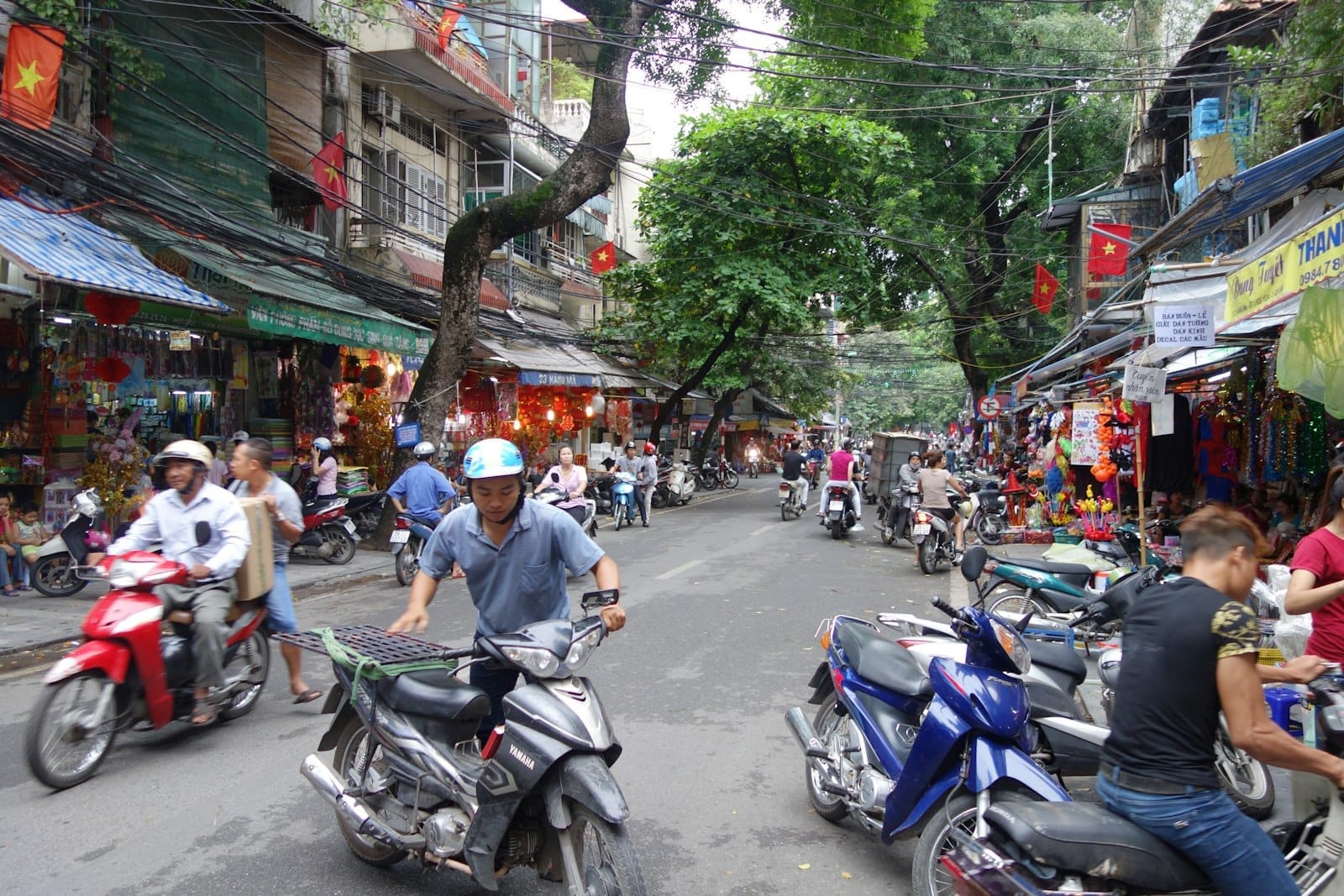
Where you stay shapes how much ground you cover each day. The Old Quarter puts you within walking distance of Hoan Kiem Lake and most historic sites, but the streets are narrow, noisy until late, and chaotic if you are sensitive to sensory overload. The French Quarter is quieter and more upscale, with better restaurant options and easier taxi access. For a full breakdown of neighborhoods and hotel picks, the where to stay in Hanoi guide covers both budget and mid-range options district by district.
💡 Local tip
Book Ba Dinh sights early in the morning. The Ho Chi Minh Mausoleum typically opens from 7:30am to 10:30am Tuesdays-Thursdays and Saturdays-Sundays (closed Mondays and Fridays, and during a maintenance period each year). Queues grow quickly after 9am. Check the official schedule before you go, as seasonal closures vary.
2-Day Hanoi Itinerary: The Essential City
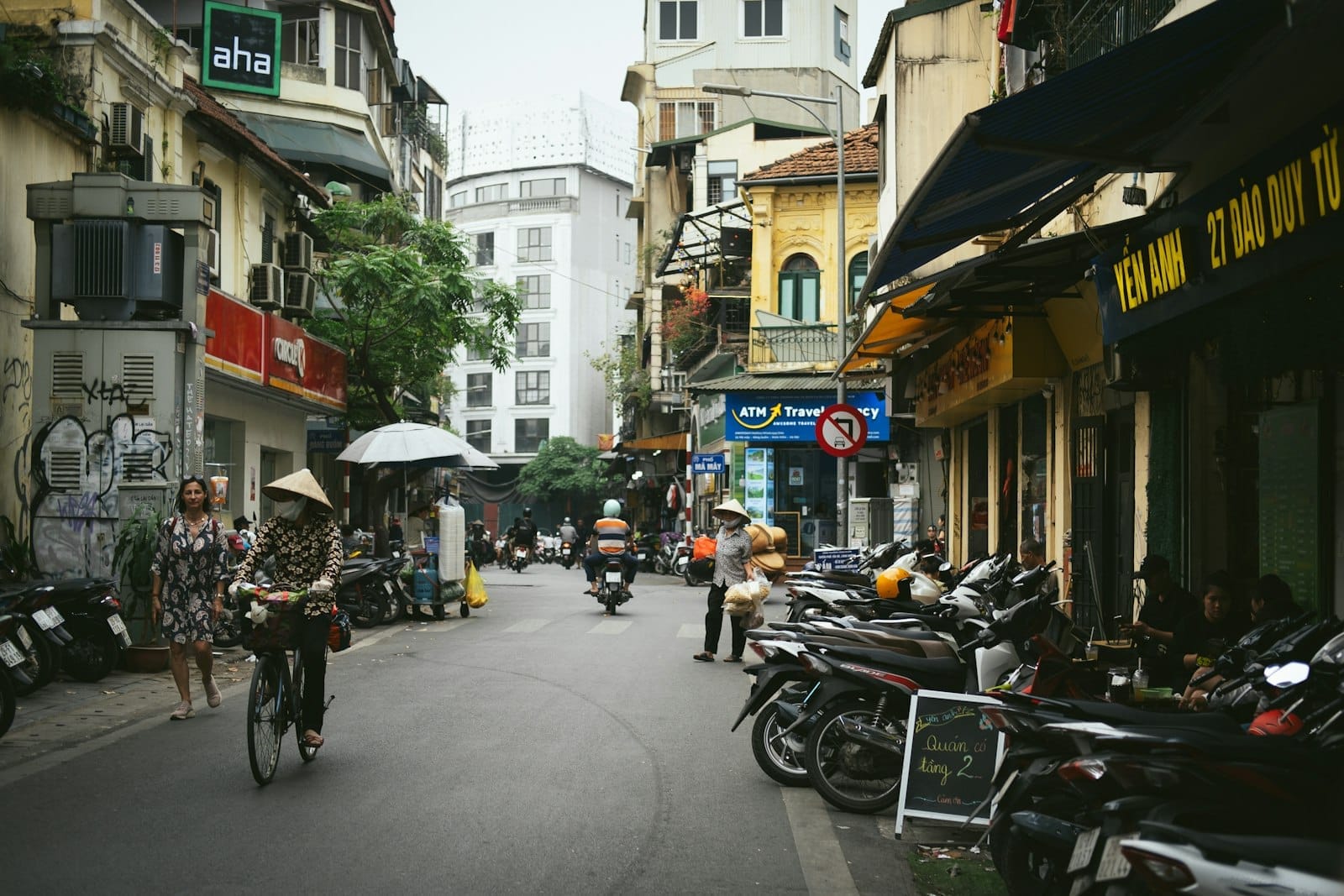
Two days forces prioritization. Focus on the two districts that define Hanoi's character: the Old Quarter in Hoan Kiem and the political monuments of Ba Dinh. Do not try to cram in West Lake or the Museum of Ethnology — you will rush everything and enjoy nothing.
- Day 1 Morning: Hoan Kiem Lake and the Old Quarter Start at Hoan Kiem Lake before 8am when local residents are doing tai chi and the air is still cool. Walk the full perimeter (about 1.8 km), then cross the red bridge to Ngoc Son Temple. Spend the rest of the morning weaving through the 36 guild streets — Hang Gai for silk, Hang Ma for paper goods, Hang Bac for silver. Stop for banh mi from a street cart — typically 25,000–35,000 VND for a freshly made sandwich.
- Day 1 Afternoon: Hoa Lo Prison and the Opera House Hoa Lo Prison (the 'Hanoi Hilton') is one of the most sobering and substantive museums in Southeast Asia. Allow 90 minutes. Afterward, walk south to Saint Joseph's Cathedral and the Opera House in the French Quarter. Neither requires entry fees to appreciate from outside.
- Day 1 Evening: Night Market and Street Food The Hanoi Old Quarter Night Market runs Friday through Sunday on Hang Dao Street. On other nights, eat along Ta Hien Street — the stretch known as 'Beer Corner'. Bia hoi (fresh draft beer) costs around 10,000 to 20,000 VND per glass.
- Day 2 Morning: Ba Dinh District Monuments Start with the Ho Chi Minh Mausoleum, then walk to the Ho Chi Minh Stilt House and the One Pillar Pagoda — all within a short walk of each other. The Temple of Literature is 10 minutes by Grab and worth the 30,000 VND entry fee for the quiet courtyards alone.
- Day 2 Afternoon: Water Puppets and Dong Xuan Market The Thang Long Water Puppet Theatre runs shows most afternoons, tickets around 100,000 VND. It is touristy by design, but the craft itself is genuinely old and worth seeing once. Finish at Dong Xuan Market before heading back for your last dinner.
⚠️ What to skip
Dress modestly for temple and mausoleum visits: shoulders and knees covered. At the Ho Chi Minh Mausoleum, hats must be removed and photography inside the chamber is strictly prohibited. Security is serious — do not test it.
3-Day Hanoi Itinerary: Going Deeper
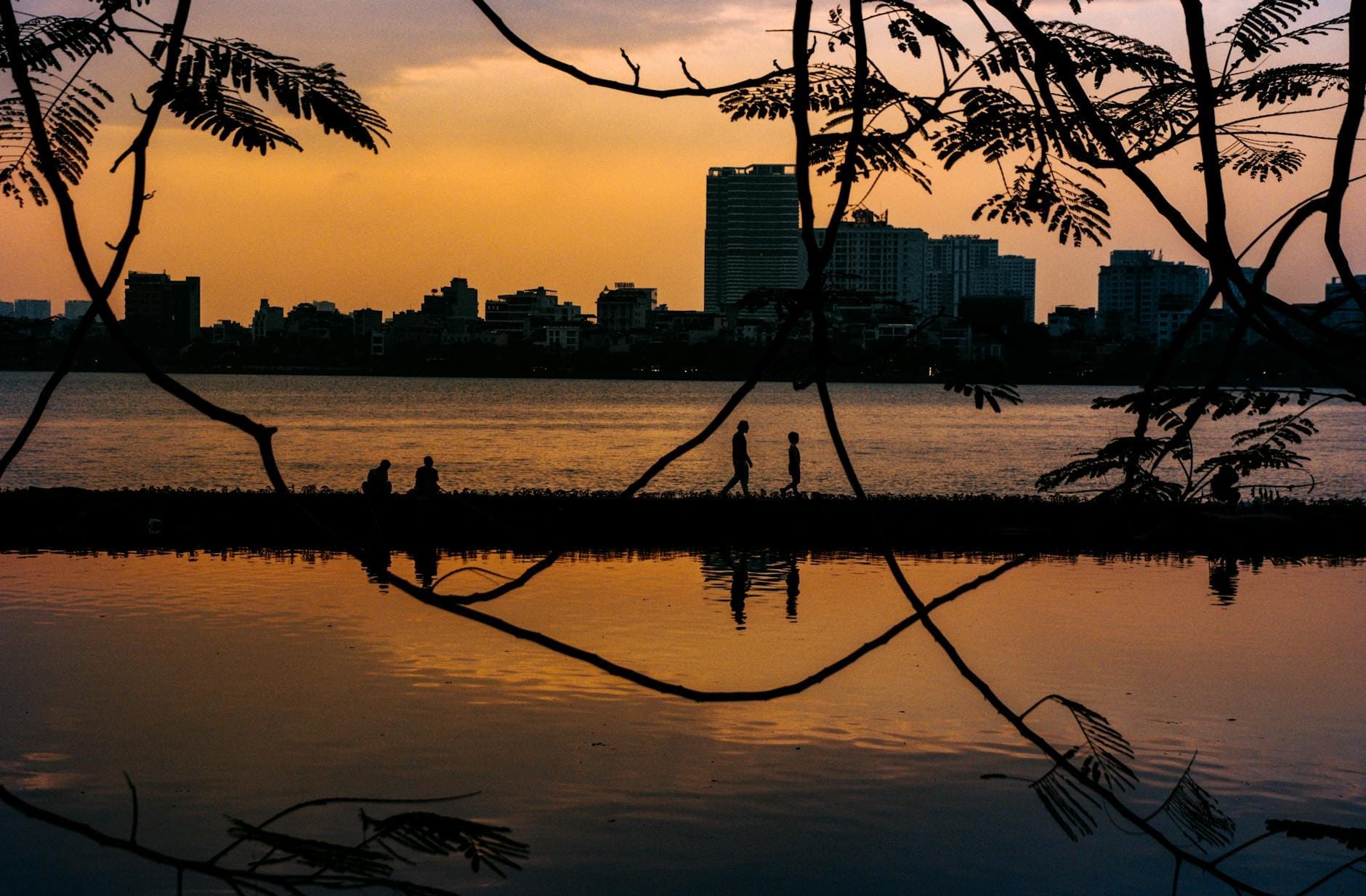
With a third day, you can move beyond the headline sites and get a fuller picture of what makes Hanoi interesting. The two additions that matter most are the Vietnam Museum of Ethnology and the West Lake area. Both are frequently skipped on short trips, which is exactly why they are worth prioritizing.
The Vietnam Museum of Ethnology in the Cau Giay district is one of the best ethnographic museums in Southeast Asia, covering all 54 of Vietnam's recognized ethnic groups with bilingual exhibits and outdoor reconstructed structures. Budget two hours minimum. Admission is around 50,000 VND. It is about 7 km west of the Old Quarter — take Grab rather than attempting a cyclo. After the museum, head to West Lake for the late afternoon. The 5 km lakeside path is excellent for walking, and Tran Quoc Pagoda on a small island near the eastern shore is one of the oldest Buddhist pagodas in Vietnam.
Use your third evening to eat well rather than sightsee. The Tay Ho neighborhood around West Lake has some of Hanoi's most serious restaurants, from Vietnamese seafood spots to well-regarded international kitchens. Prices here run higher than the Old Quarter (mains from 150,000 to 350,000 VND), but the quality and atmosphere are a significant step up.
✨ Pro tip
If you are visiting on a weekend, walk across Long Bien Bridge early Saturday or Sunday morning. The 1902 French-colonial railway bridge has pedestrian sections and offers some of the best views over the Red River and the city skyline. It is rarely mentioned in standard itineraries and costs nothing.
5-Day Hanoi Itinerary: City Plus Day Trips

Five days in Hanoi is ideally spent as three days in the city followed by two days of day trips. By day four, most travelers have covered the major urban sites and are ready to get out. The two most rewarding day trips from Hanoi are Ninh Binh to the south and Ha Long Bay to the east.
Ninh Binh from Hanoi is about 95 km south and reachable in around two hours by bus or car. The landscape around Tam Coc, Trang An, and the ancient capital of Hoa Lu is spectacular in a way that Ha Long Bay visitors often overlook. Book a boat through Trang An Grottoes (a UNESCO World Heritage Site) — expect to pay around 200,000 VND per person. The Mua Cave viewpoint, a short but steep climb of about 500 steps, gives an unmatched panoramic view of the karst valleys below.
Ha Long Bay from Hanoi requires an overnight to do it justice. The drive from Hanoi is around 3.5 to 4 hours each way, making a genuine day trip exhausting and unsatisfying. Most quality overnight cruises depart in the late morning and return the following afternoon, giving you a full day on the water. Budget 1,500,000 to 4,000,000 VND depending on the cruise standard. Avoid the cheapest one-day boat tours — the boats are crowded, the food is poor, and you spend more time traveling than on the bay itself.
- Days 1-2: Old Quarter, Hoan Kiem, Ba Dinh monuments, Hoa Lo Prison, water puppets
- Day 3: Vietnam Museum of Ethnology, West Lake, Tran Quoc Pagoda, Long Bien Bridge
- Day 4: Full-day trip to Ninh Binh (Tam Coc, Trang An, Hoa Lu, Mua Cave)
- Day 5: Overnight Ha Long Bay cruise departure (or Bat Trang Ceramic Village for a lower-key half-day)
- Optional: Perfume Pagoda for a half-day river and cave experience, best in February-March
Practical Hanoi Itinerary Tips
Getting around Hanoi between sights is simple with Grab, which shows upfront pricing in VND and works reliably across the city. Metered taxis (Mai Linh and Taxi Group are the most legitimate) are fine but require more negotiation awareness. Avoid unmarked taxis without meters, particularly around the train station and airport arrivals.
Hanoi's street food is genuinely excellent and does not require hunting. The where to eat in Hanoi guide covers the best pho, bun cha, and banh cuon spots by neighborhood. Broadly: eat pho at breakfast (it is a morning dish here, not dinner), bun cha at lunch, and explore grilled skewers and fresh spring rolls in the evening. A full meal from a street stall costs 40,000 to 80,000 VND. Sit-down restaurant meals in the Old Quarter run 100,000 to 250,000 VND per person.
Tap water is not safe to drink. Use bottled water (5,000 to 10,000 VND for 500ml from convenience stores) or carry a filter bottle. The heat and humidity between May and September will dehydrate you faster than you expect, especially when walking. Pack light clothing, a small umbrella for afternoon downpours, and sunscreen if visiting in the warmer months.
- Currency: Vietnamese Dong (VND). Cash is essential for street food, markets, and temples. Most hotels and mid-range restaurants accept cards.
- Language: Vietnamese is the official language. English is commonly spoken in tourist areas, hotels, and restaurants around the Old Quarter.
- SIM cards: Buy at the airport (Viettel, Mobifone, Vinaphone) for around 150,000 to 200,000 VND with generous data allowances.
- Electricity: 220V, Type A/C plugs. Most modern hotels accommodate international adapters.
- Tourist hotline: 1800 1515 for complaints or travel enquiries.
When to Visit: Timing Your Itinerary
Hanoi has a tropical monsoon climate with four loosely defined seasons. October through December offers the most consistently pleasant sightseeing conditions: temperatures around 20-25°C, low humidity, and clear skies. February and March can be grey and drizzly (a local phenomenon called 'drizzling rain' or mua phun), which some find atmospheric and others find depressing. April through June warms up and the city's trees bloom in May. July through September is genuinely hot and humid with frequent heavy afternoon rains. For more detail on seasonal conditions, the best time to visit Hanoi guide breaks down each month honestly.
Vietnamese public holidays affect your itinerary significantly. During Tet (Lunar New Year, usually late January to mid-February), many restaurants, shops, and smaller museums close for days or weeks. The city empties of locals but fills with domestic tourists. Prices rise sharply during this period and many guesthouses require minimum stays. If you are visiting during Tet, book accommodation months in advance and accept that the city runs at a different pace.
FAQ
How many days do you need in Hanoi?
Three days is the practical minimum to cover the Old Quarter, Ba Dinh monuments, and one additional district like West Lake without feeling rushed. Two days is feasible if you focus tightly on Hoan Kiem and Ba Dinh. Five days makes sense if you plan to combine the city with a day trip to Ninh Binh or an overnight cruise to Ha Long Bay.
Is Hanoi worth visiting or should I go straight to Ho Chi Minh City?
They are very different cities and both worth visiting. Hanoi is older, slower-paced, and more traditionally Vietnamese in character. The food culture, French colonial architecture, and political history sites are distinct to the north. If you only have one stop in Vietnam, Hanoi is the stronger choice for history and culture; Ho Chi Minh City wins on energy, nightlife, and modernity.
What is the best area to stay for a short itinerary?
The Old Quarter is the most convenient base for a 2-3 day itinerary, keeping you walking distance from Hoan Kiem Lake and the main historic sites. It is noisy, especially at night, so pack earplugs or book a room away from Ta Hien Street. The French Quarter offers quieter streets and better mid-range hotels, with easy Grab access to everything else.
Can you do Ha Long Bay as a day trip from Hanoi?
Technically yes, but it is not recommended. The return journey is around 7-8 hours of driving for just a few hours on the water. An overnight cruise on Ha Long Bay gives you a sunset, a night on the water, and a morning among the karst islands — a completely different and far superior experience. Budget at least one night if possible.
How do I get around Hanoi between sights?
Grab is the easiest and most transparent option for cross-city travel. Most rides within the central districts cost 40,000 to 100,000 VND. Walking works well within the Old Quarter and around Hoan Kiem Lake. The city bus network is cheap but difficult to navigate without Vietnamese. Cyclos exist for Old Quarter tours but agree on a price before you get in.
Tickets & tours
Live prices and dates from our booking partner. If you book, we may earn a commission at no extra cost to you.
Planning a trip? Discover personalized activities with the Nomado app.