Where to Eat in Hanoi: The Complete Street Food & Restaurant Guide
Hanoi's food scene is one of the most distinctive in Southeast Asia, built on centuries of culinary tradition and a firm belief that the best meals come from small, specialized stalls. This guide breaks down where to eat in Hanoi by neighborhood, dish type, and budget so you spend less time guessing and more time eating.
Tickets & tours
Live prices and dates from our booking partner. If you book, we may earn a commission at no extra cost to you.
TL;DR
- The Old Quarter is the epicenter of street food, but the best neighborhood spots are scattered across Hoan Kiem, Ba Dinh, and West Lake districts.
- Hanoi cuisine is hyper-specialized: single-dish restaurants often outperform multi-menu restaurants. Follow our Old Quarter guide to find the streets dedicated to specific foods.
- Budget meals at street stalls run 30,000–60,000 VND (around $1–$2.50 USD). Mid-range restaurants cost 150,000–400,000 VND per person.
- Breakfast is taken seriously here: pho, bun cha, and banh mi are morning staples, not just daytime snacks.
- Timing matters: many street stalls sell out by 10am or close by 2pm. Check the best time to visit Hanoi for seasonal food notes.
How Hanoi's Food Culture Actually Works
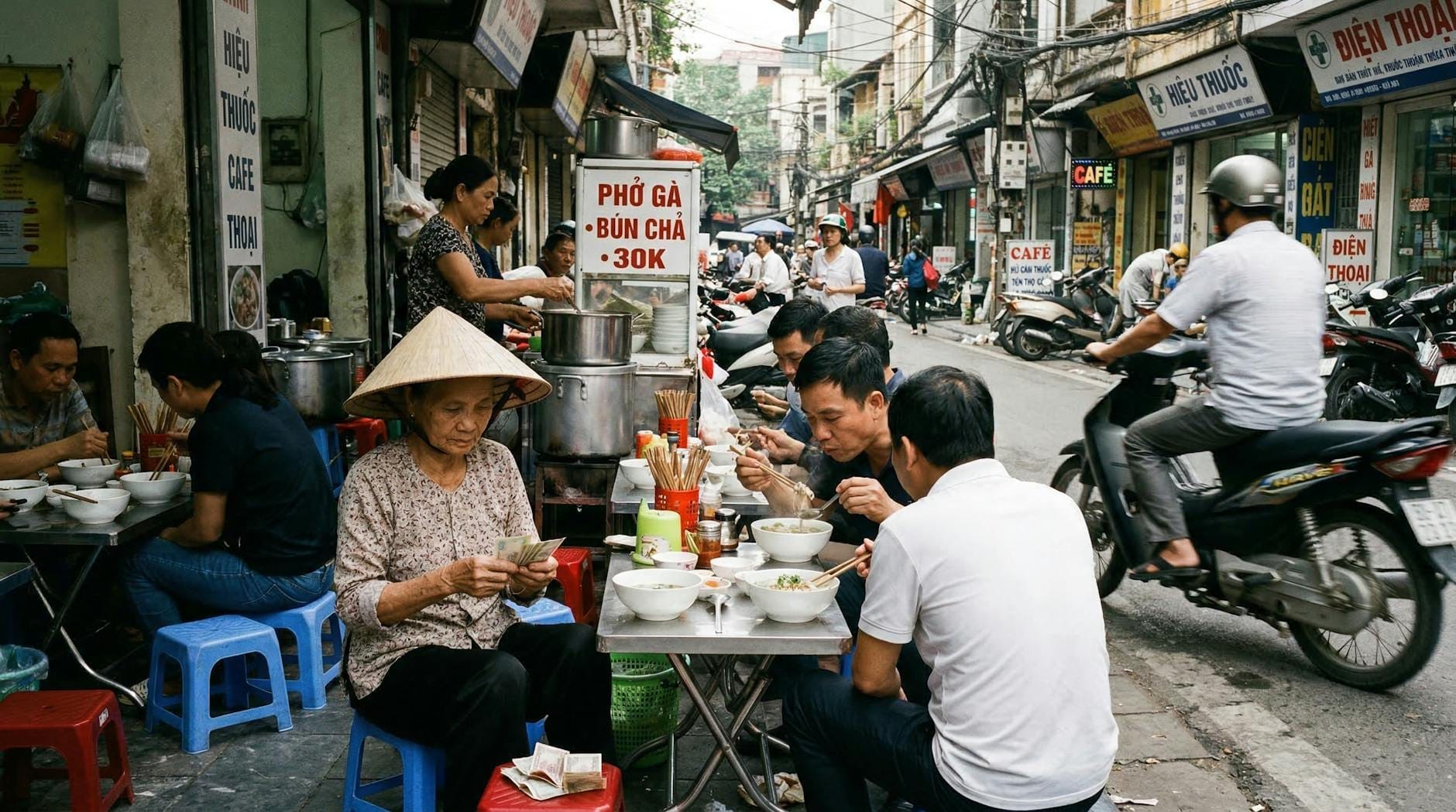
Hanoi operates on a principle that most cities have abandoned: one place, one dish, done perfectly. You will find a stall that has been making nothing but bun rieu cua (crab noodle soup) for 40 years, served from 6am until the pot runs dry, then closed for the day. This specialization is not a tourist angle — it is the actual culture. Walking into one of these places and ordering something off-menu will get you a confused stare, not a substitution.
Meals are eaten early by international standards. Breakfast runs from around 6am to 9am. Lunch peaks between 11:30am and 1pm. Dinner starts at 6pm and most street stalls are quiet by 9pm, though beer corners (bia hoi spots) continue later. If you arrive at a popular pho shop at 10am expecting a full bowl, you may find nothing left.
💡 Local tip
Learn to order by pointing at what other diners are eating. Many specialist stalls have no written menu, or the menu is in Vietnamese only. Pointing works everywhere and is not considered rude.
The currency is Vietnamese Dong (VND). At current exchange rates, 25,000 VND is around $1 USD. A solid street breakfast costs 40,000–60,000 VND. Paying with large notes (500,000 VND) at tiny stalls creates problems, so carry small bills. The Old Quarter has ATMs on most major streets if you need to break larger denominations.
The Essential Dishes and Where to Find Them
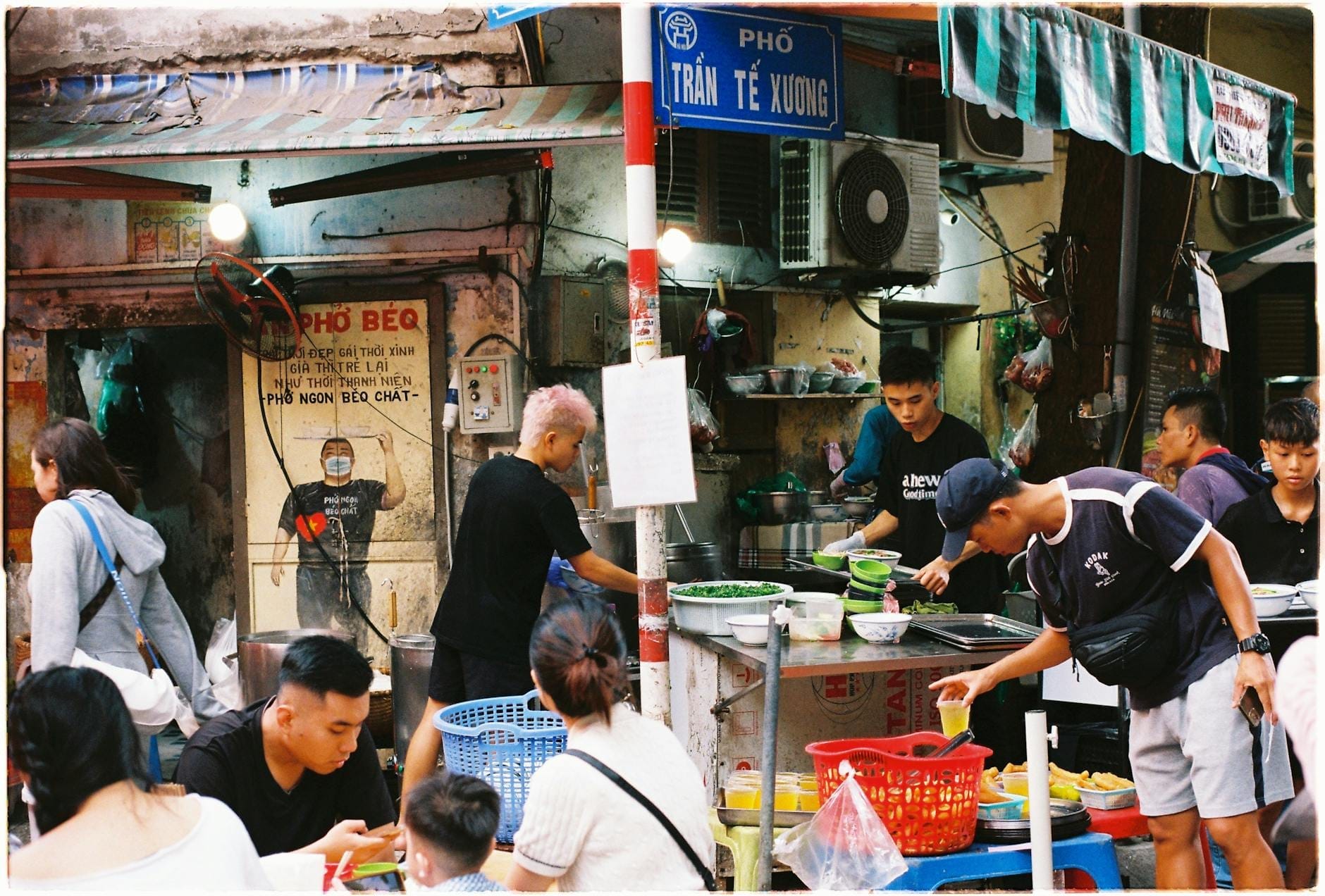
Pho bo (beef noodle soup) is the dish Hanoi is famous for internationally, but locals will tell you that Hanoi-style pho is distinct from southern Vietnamese versions: clearer broth, fewer toppings, no bean sprouts, and a more restrained sweetness. The streets around Hang Gai and the northern edge of the Old Quarter have several well-regarded pho shops that have operated for decades. Look for queues of motorbikes parked outside at 7am.
Bun cha is Hanoi's lunch staple: grilled pork patties and sliced pork belly served in a light broth with rice vermicelli noodles and a plate of fresh herbs. It is charcoal-grilled on the sidewalk and the smoke alone will direct you to the right stalls on Hang Manh and Le Van Huu streets. Bun cha is firmly a lunch dish — stalls that specialize in it rarely open for dinner.
- Pho Bo (Beef Noodle Soup) Best found in dedicated pho shops, open early morning. Hanoi style: clear, light broth, minimal garnish. Expect to pay 50,000–80,000 VND.
- Bun Cha (Grilled Pork Noodles) A lunch-only institution. Charcoal grilled at the stall entrance. Served with herbs and dipping broth. Around 45,000–70,000 VND.
- Banh Mi (Vietnamese Baguette) Hanoi-style banh mi tends to be lighter on fillings than southern versions. Great for breakfast on the go. 15,000–35,000 VND.
- Bun Rieu Cua (Crab Noodle Soup) Tomato-based broth with crab paste, tofu, and rice noodles. Look for it on Pho Hue street and around the Old Quarter market area.
- Cha Ca La Vong (Turmeric Fish) A Hanoi original: sizzling turmeric-marinated fish served with dill and rice noodles. The dedicated restaurant street on Cha Ca lane is the obvious choice, but prices are tourist-facing (around 200,000 VND+).
- Egg Coffee (Ca Phe Trung) Hanoi's most photographed drink: egg yolk whipped with condensed milk over strong coffee. Served hot or cold. Giang Cafe on Nguyen Huu Huan is widely credited with inventing it.
⚠️ What to skip
Cha Ca La Vong on Cha Ca street is historic but has become expensive and inconsistent for the quality. Several family-run restaurants a few blocks away in the Old Quarter serve comparable versions at half the price. Ask your hotel for current recommendations rather than relying on a fixed address.
Where to Eat by Neighborhood
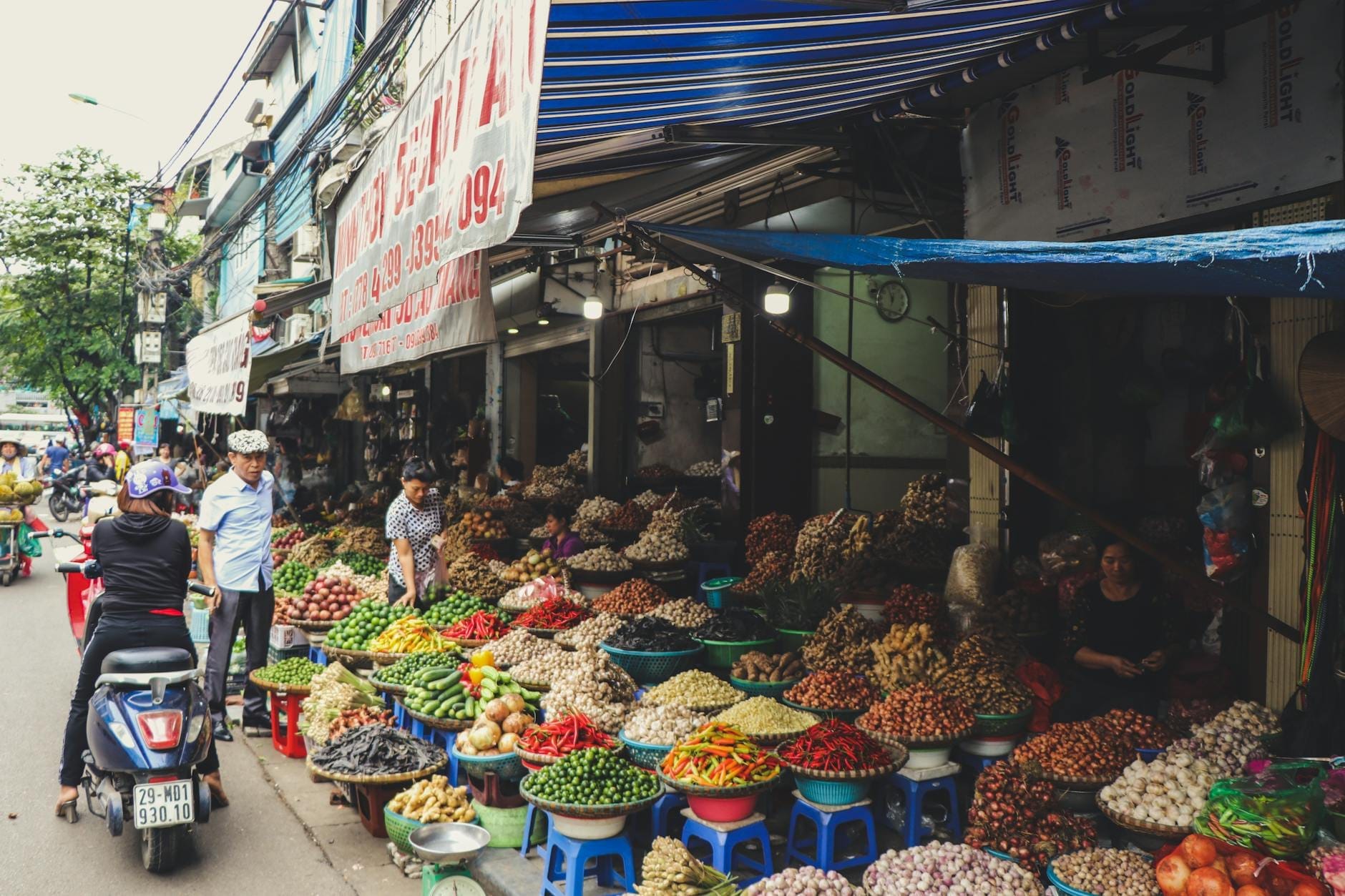
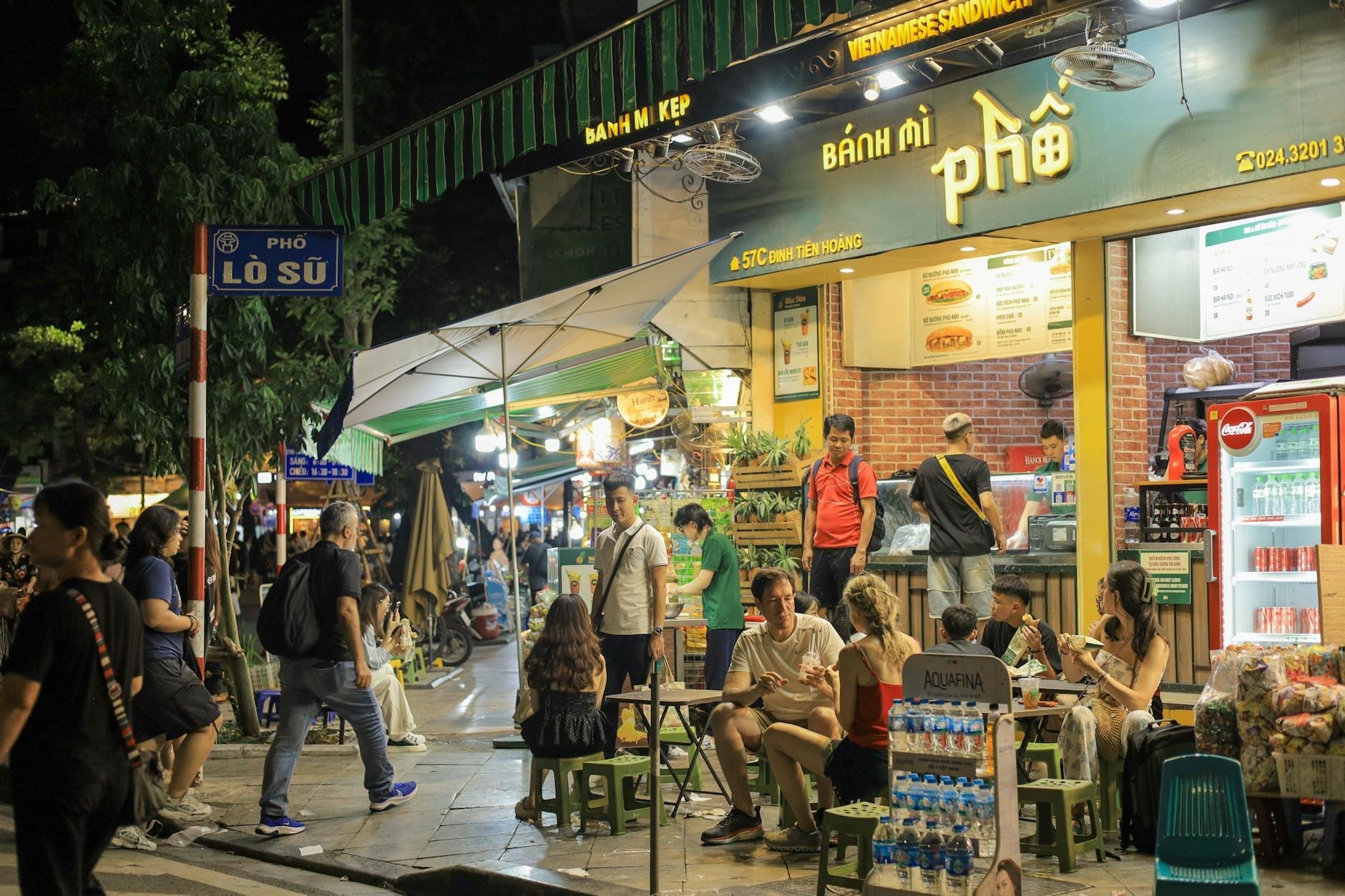
The Dong Xuan Market area in the northern Old Quarter is the most concentrated zone for cheap, authentic eating. The streets surrounding the market, particularly Hang Chieu and Bat Dan, have dozens of stalls specializing in single dishes. It is crowded, noisy, and plastic-stool seating. If that environment is not appealing to you, the quality elsewhere in the city remains excellent without the sensory intensity.
The Hoan Kiem area, particularly the streets south of Hoan Kiem Lake, offers a mix of street food and mid-range restaurants. This is where you find well-run Vietnamese restaurants catering to both locals and tourists, with English-language menus and service that is more relaxed. Prices are 20–40% higher than the Old Quarter stalls, but the sitting-down experience is noticeably more comfortable.
West Lake (Tay Ho) is where Hanoi's expat community and wealthier locals eat. The West Lake area has a concentration of upscale Vietnamese restaurants, international cuisine, and lakeside cafes. If you are spending a full week in Hanoi, make at least one evening meal here for the change of pace. Prices at good restaurants range from 300,000–700,000 VND per person with drinks.
Ba Dinh district, near the political monuments, is underrated for eating. The local restaurants here cater to government workers and residents rather than tourists, which keeps prices low and quality honest. The streets around Lieu Giai and Kim Ma have strong options for pho and bun bo Nam Bo (dry beef noodle salad) that rarely appear in tourist itineraries.
Street Food Safety and Practical Etiquette
Street food safety in Hanoi is better than its reputation suggests, but a few practices reduce risk. Eat at stalls with high turnover: if food is being cooked and sold constantly, it is not sitting out. Avoid pre-cut fruit in warm weather unless it is being cut fresh in front of you. Tap water is not safe to drink, so stick to bottled water or hot tea, which is usually provided free at stalls.
Seating at street stalls means small plastic stools at low tables on the pavement. This is not a quirk for tourists — it is the standard. Sitting down signals you are ready to order. At busy spots, a server will approach immediately. At quieter stalls, catch someone's eye. Tipping is not expected at street stalls, though leaving small change is appreciated. At sit-down restaurants, 10% is a reasonable tip if service was good.
✨ Pro tip
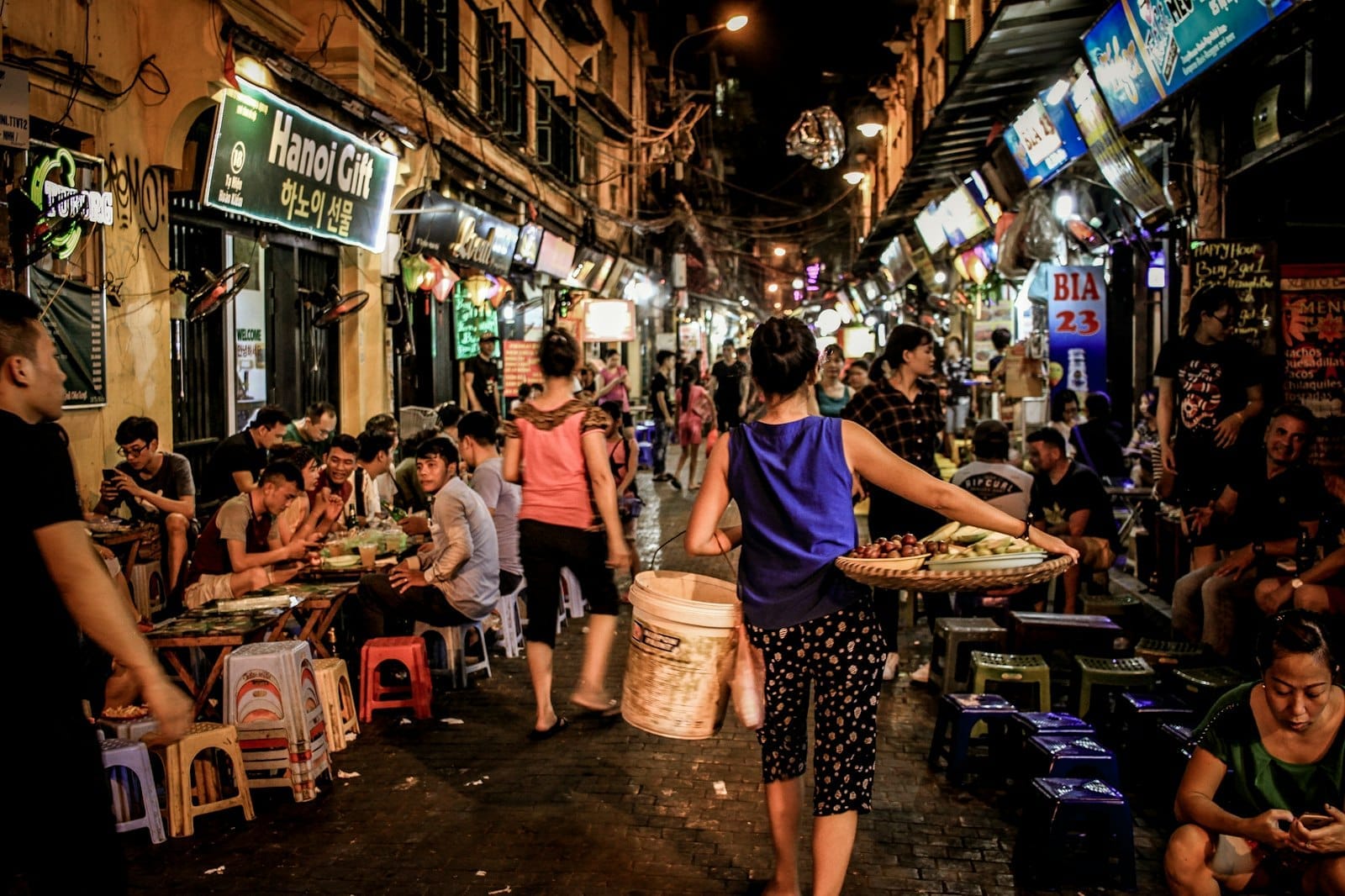
The street food night market on Hang Dao and Hang Duong in the Old Quarter runs Friday through Sunday evenings and is worth visiting for the atmosphere, but the food quality is inconsistent. Use it as a supplement to dedicated stall eating, not as your primary food experience.
The Old Quarter Night Market is lively and photogenic, but many stalls serve simplified versions of dishes aimed at tourists. The real night eating scene happens on the residential streets just off the market corridors, where locals eat grilled meats, hot pot, and seafood from 7pm onwards.
Budget Guide: How Much to Spend on Food in Hanoi
Hanoi is one of the most affordable food cities in Southeast Asia if you eat where locals eat. A full day of eating, from street breakfast through to dinner at a local restaurant, can cost under 200,000 VND (around $8 USD) without trying. Upgrading to proper sit-down restaurants for one or two meals brings a daily food budget to around 400,000–600,000 VND ($16–$24 USD), which is still remarkably low by any international standard.
- Street stall breakfast (pho or banh mi + tea): 40,000–70,000 VND
- Mid-morning egg coffee at a cafe: 25,000–45,000 VND
- Street lunch (bun cha or bun rieu): 45,000–80,000 VND
- Local restaurant dinner with two dishes and rice: 150,000–300,000 VND
- Upscale Vietnamese restaurant dinner (West Lake area): 350,000–700,000 VND per person
- Bia hoi (draft beer at a street corner): 7,000–15,000 VND per glass
ℹ️ Good to know
Bia hoi corners — open-air spots serving cheap draft beer brewed daily — are a genuine Hanoi institution. The most famous concentration is at the corner of Luong Ngoc Quyen and Ta Hien streets in the Old Quarter. Arrive after 5pm. Beer is poured fresh and prices are among the lowest in the world for draught.
Food Tours and Guided Eating Experiences
A guided street food tour is worth considering for the first day or two in Hanoi, particularly if you are not comfortable navigating narrow alleys alone or do not read Vietnamese. Good guides know which stalls are clean, which have been operating for generations, and can explain the cultural context behind dishes in ways that make the food more meaningful. Tours typically run 3–4 hours, cover 6–8 dishes, and cost $25–$55 USD per person.
For those who prefer self-guided exploration, the streets around Hang Be market (just east of Hoan Kiem Lake) are navigable without a guide and have a good concentration of authentic stalls. Combine a morning food walk with a visit to Ngoc Son Temple on the lake for a practical half-day itinerary. Check our Hanoi itinerary guide for full day-by-day breakdowns.
FAQ
What is the most famous food to eat in Hanoi?
Pho bo (beef noodle soup) is what Hanoi is internationally known for, but locals argue that bun cha and cha ca la vong (turmeric fish with dill) are equally representative of the city's culinary identity. Egg coffee is the signature drink experience unique to Hanoi.
Is street food in Hanoi safe to eat?
Generally yes, with some care. Stick to stalls with high turnover, avoid pre-cut fruit in warm weather, and drink only bottled water or hot tea. Many travelers eat street food throughout their trip without issue. Your stomach may need a day or two to adjust to new bacteria regardless of cleanliness.
Where is the best place to eat pho in Hanoi?
The streets around Bat Dan, Hang Gai, and the northern Old Quarter have well-established pho shops open from around 6am. Look for plastic-stool spots with queues of locals on motorbikes. Pho 10 Ly Quoc Su is frequently cited as a reliable option for first-timers and is easy to find near Hoan Kiem.
How much does a meal cost in Hanoi?
Street stall meals cost 40,000–80,000 VND (roughly $1.50–$3 USD). A full dinner at a mid-range local restaurant runs 150,000–350,000 VND per person. Upscale restaurants in the West Lake area can reach 500,000–800,000 VND per person with drinks.
What neighborhoods have the best food in Hanoi?
The Old Quarter has the highest concentration of street food. The Hoan Kiem area offers good mid-range restaurants with easier navigation. West Lake is the destination for upscale Vietnamese dining and international cuisine. Ba Dinh is underrated for local, tourist-free eating near the political monuments.
Tickets & tours
Live prices and dates from our booking partner. If you book, we may earn a commission at no extra cost to you.
Planning a trip? Discover personalized activities with the Nomado app.