Best Time to Visit Hanoi: A Month-by-Month Guide
Hanoi's climate is more complex than most Southeast Asian cities, with four distinct seasons that genuinely change the experience. This guide breaks down the weather, crowds, and what to expect each month so you can plan a trip that matches your priorities.
Tickets & tours
Live prices and dates from our booking partner. If you book, we may earn a commission at no extra cost to you.
TL;DR
- The best months overall are October and November: clear skies, manageable humidity, and thinner crowds than peak season.
- Spring (March to April) is the second-best window, with warm but not oppressive temperatures before the rainy season arrives.
- July and August are the hottest, most humid months with frequent downpours — fine for budget travelers, harder for sightseeing.
- January and February can feel genuinely cold and drizzly — pack layers if you visit during Tet (Lunar New Year), when much of the city shuts down.
- For day trips from Hanoi like Ha Long Bay or Ninh Binh, autumn (September to November) offers the most reliable conditions.
Understanding Hanoi's Climate
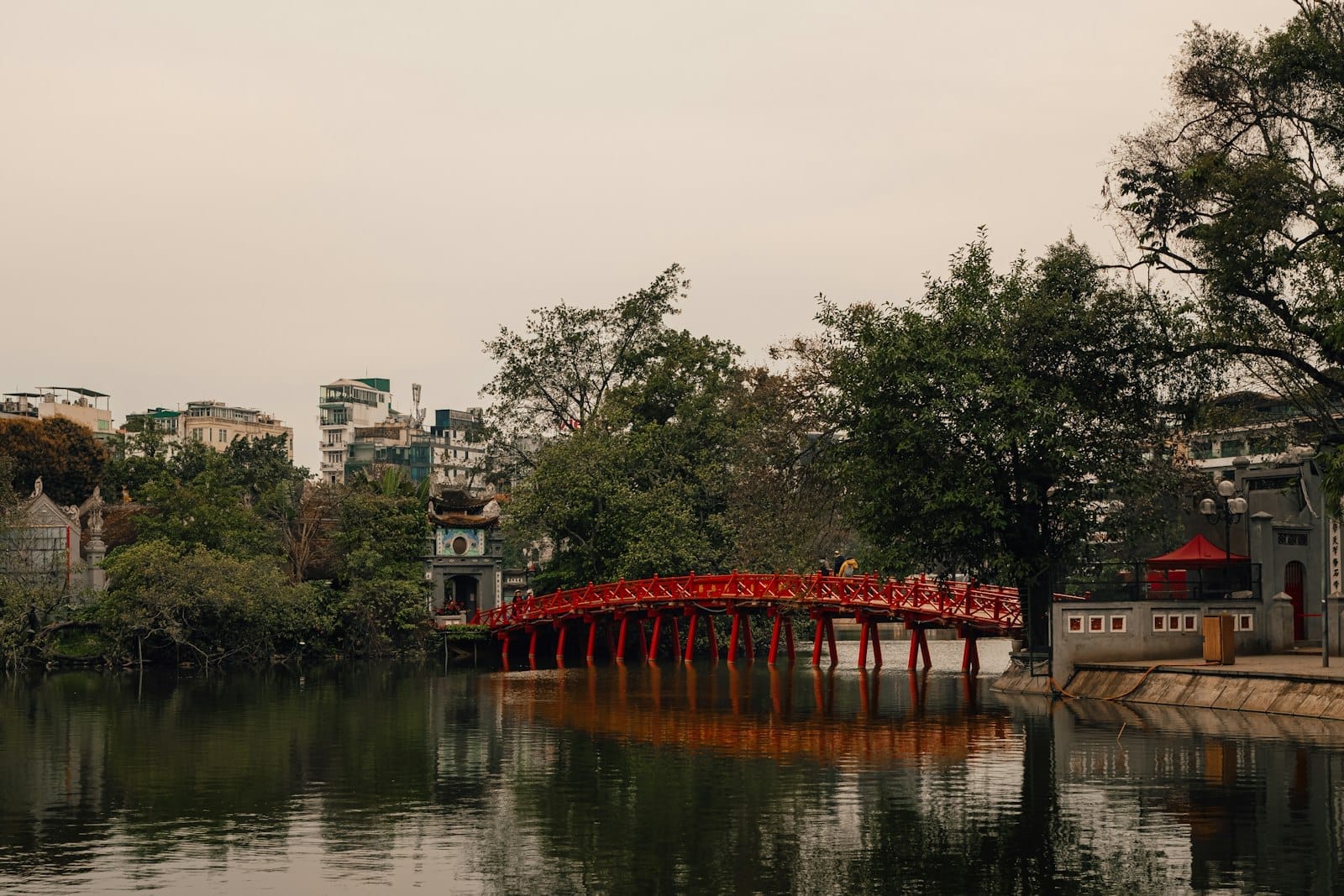
Hanoi sits in northern Vietnam at roughly 100 km inland from the South China Sea, and unlike the south's more predictable wet-dry split, it experiences something closer to four real seasons. The climate is classified as tropical monsoon, but that label undersells the winter chill. December through February can see temperatures dip to 10-15°C on cold fronts, with persistent drizzle that locals call 'crachin' — a fine mist that soaks through light clothing without you noticing.
Summer (May through September) brings genuine heat and humidity, with temperatures regularly pushing 35-38°C and afternoon thunderstorms that can flood low-lying streets in the Old Quarter. The rainy season peaks in July and August. Autumn (October and November) and spring (March and April) are the transition windows where the city is at its most photogenic and comfortable for walking.
ℹ️ Good to know
Hanoi operates on Indochina Time (ICT), UTC+7. There is no daylight saving adjustment, so the offset from Western time zones stays consistent year-round.
Month-by-Month Breakdown
- January & February Cool to cold (15-20°C average), often overcast with light drizzle. Tet (Lunar New Year) falls here, usually late January or early February. Hotels book out months ahead, prices spike, and many local restaurants and shops close for up to a week. Atmospheric if you want to experience the festival, logistically challenging for casual tourism.
- March & April Temperatures climb to 20-28°C, humidity is still bearable, and the city's trees begin to bloom. April in particular sees the flame trees (hoa ban) come into color. Crowds are modest, prices are reasonable. One of the two best windows to visit.
- May & June The rainy season begins but starts gently. May averages around 30°C with warm evenings that are good for street food and outdoor dining. June gets noticeably wetter. Good value for hotels and a solid choice if you do not mind occasional downpours.
- July & August Peak heat and peak rain. Temperatures hover at 33-38°C with high humidity. Afternoon storms can be intense. Outdoor sightseeing gets uncomfortable by midday. Budget accommodations fill with domestic tourists. The lowest season for international visitors, so deals are available — but you earn them.
- September Rain tapers off toward the end of the month. Still warm (around 30°C) but the light starts to improve. A transitional month: cheaper than October, with most of the upside beginning to appear.
- October & November The clear consensus sweet spot. Temperatures settle at 22-28°C, skies are often blue, and the air is drier. Crowds are higher than shoulder season but the experience justifies it. Book hotels 4-6 weeks out. Ideal for walking the Old Quarter, visiting lakes, and doing day trips.
- December Cooling rapidly through the month, finishing around 15-17°C. Dry and often sunny in early December, making it underrated. The week between Christmas and New Year sees an uptick in Western tourists. Comfortable for sightseeing, though evenings require a jacket.
Best Time for Sightseeing in Hanoi
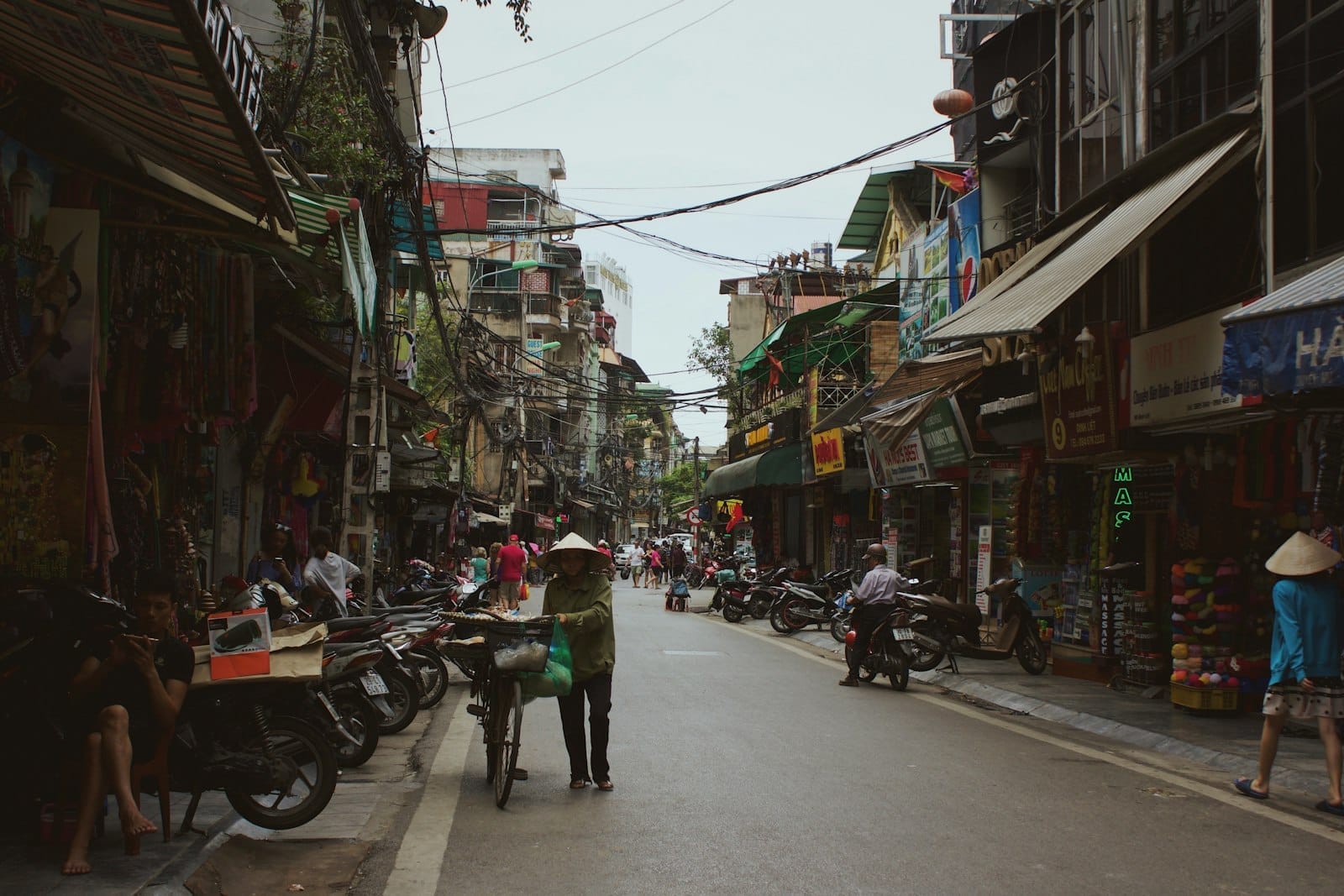
For walking-heavy sightseeing around Hoan Kiem Lake, the Old Quarter, and outdoor monuments, October and November are the clear pick. The light is crisp, the temperature rewards a long walk, and the evening streets are lively without being oppressive. March and April come close, though the humidity builds faster through the day.
Major cultural sites like the Temple of Literature and the Ho Chi Minh Mausoleum can be visited year-round, but note that the Mausoleum is open mornings only (Tuesday-Thursday and Saturday-Sunday), closed on Mondays and Fridays, and closes for maintenance typically from late September to early January each year. Verify current closure dates before planning a specific visit around it.
⚠️ What to skip
The Ho Chi Minh Mausoleum closes annually for maintenance, usually from late September to early January. If this is a priority on your itinerary, check current dates with your accommodation or official Hanoi tourism sources before you book flights.
For those interested in the French Quarter architecture or lake-side neighborhoods around West Lake, any month outside the July-August rain peak works reasonably well. Early mornings are universally the best time of day at the lakes — locals gather for exercise from around 5:30am before the heat builds.
Best Time for Day Trips
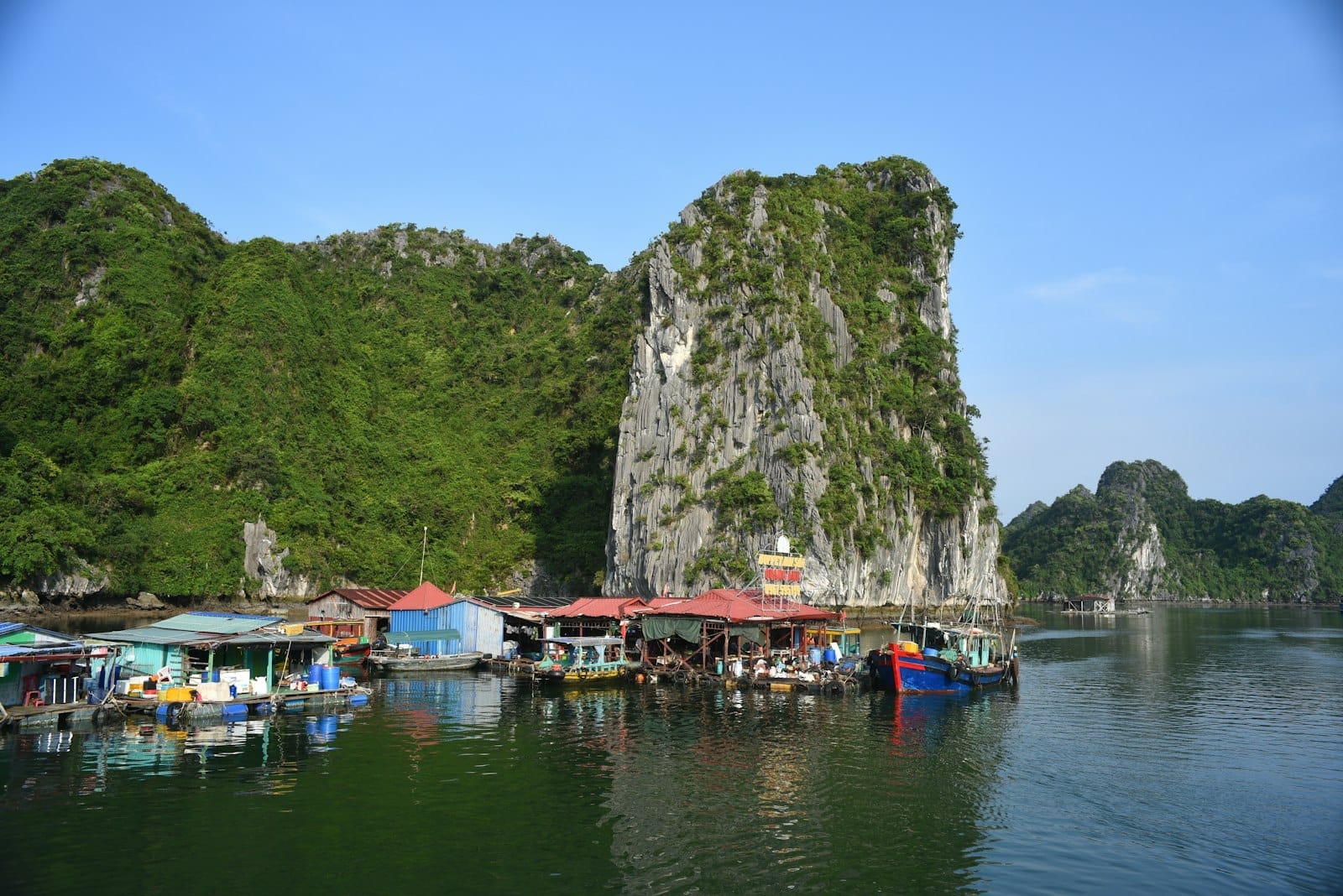
If day trips or overnight excursions are central to your trip, the timing calculus changes slightly. Ha Long Bay from Hanoi is best visited October through December or March through April. The bay sits on the coast and gets its own weather patterns: summer months bring high humidity and occasional typhoon risk, while winter can mean cold fog that closes in on the limestone karsts — visually moody but limiting for kayaking and swimming.
Ninh Binh from Hanoi is arguably even more seasonal. The rice paddies at Tam Coc and Trang An are at their best either in May and June (bright green planting season) or September and October (golden harvest). Visiting during peak summer heat means the boat rides through the caves at Trang An are still worthwhile, but the walk between sites becomes exhausting by midday.
Crowds, Costs, and Practical Considerations
Hanoi's tourism peaks are October-November and March-April, with a secondary spike around Tet and Western Christmas-New Year. Budget travelers will find the best rates in July-August and January (outside of Tet week itself). Mid-range hotels in the Old Quarter that run around 600,000-900,000 VND in shoulder season can jump 30-50% during October and early November. Book earlier than you think you need to.
Domestic tourism from Vietnamese cities, particularly Ho Chi Minh City, creates its own surges around national holidays: Liberation Day (April 30), International Workers Day (May 1), and National Day (September 2). These long weekends drive up demand for accommodation and make the Old Quarter noticeably more crowded than on surrounding dates.
✨ Pro tip
If you are visiting during Tet, book accommodation at least 3 months ahead and stock up on food supplies before the holiday begins. Many family-run restaurants and street stalls close completely for 5-7 days. Major hotels stay open, but costs reflect the demand. The upside: the Old Quarter streets at dawn on Tet morning are genuinely unlike anything else in Southeast Asia.
- October-November: Best weather, higher prices, book 4-6 weeks ahead minimum
- March-April: Excellent second choice, warm mornings, lower prices than autumn peak
- December: Underrated, cool and dry, modest crowds except Christmas-New Year week
- May-June: Warm and increasingly wet, good value, manageable for experienced travelers
- July-August: Hot, wet, cheapest rates, suits budget-focused or monsoon-embracing travelers
- January-February (Tet): Festive but logistically demanding — plan everything in advance
What to Pack by Season
Hanoi is one of the few cities in Southeast Asia where packing decisions genuinely vary by season. For activities in Hanoi in October through February, bring at least one layer you would not need in Bangkok or Ho Chi Minh City: a light fleece or packable down jacket handles the cold fronts. Temples and pagodas require covered shoulders and knees regardless of season, so a lightweight scarf or shirt doubles as both sun protection and a modesty layer.
For the summer months, the priority shifts to moisture-wicking fabrics, a compact umbrella (not a rain poncho, which traps heat), and comfortable shoes that dry quickly. The Old Quarter streets flood after heavy rain — sandals that can handle a wet crossing are more practical than running shoes that take two days to dry. Drink only bottled water regardless of the season; tap water is not safe for consumption.
💡 Local tip
Hanoi's pharmacies and convenience stores are well-stocked for travel basics. Sunscreen, insect repellent, and rehydration salts are all widely available at reasonable prices, so you do not need to overload your luggage. The local brand Kem chống nắng (sunscreen) costs a fraction of imported equivalents.
FAQ
What is the best month to visit Hanoi?
October and November are the strongest overall choice: temperatures sit at 22-28°C, skies are clear, and the city is at its most walkable. March and April are the best spring alternative, with blooming trees and lower hotel prices than the autumn peak.
Is Hanoi worth visiting in the rainy season?
Yes, with adjusted expectations. July and August bring daily rain and intense heat, but also cheaper hotels and fewer tourists at major sites. If you plan activities around the cooler mornings and afternoons in air-conditioned museums, it is entirely manageable. Budget travelers often find this the most cost-effective window.
How cold does Hanoi get in winter?
Cold fronts between December and February can push temperatures down to 10-15°C, occasionally lower. This surprises visitors expecting consistent Southeast Asian warmth. Pack a jacket and check the forecast before you arrive — the drizzly grey days of January are genuinely cold by regional standards.
Should I visit Hanoi during Tet?
Tet is a remarkable cultural experience, but it requires careful planning. Accommodation must be booked months ahead, prices spike significantly, and many local businesses close for up to a week. The Old Quarter on Tet eve and Tet morning has an atmosphere unlike any other time of year. If this appeals to you, plan meticulously and treat it as an experience rather than a standard sightseeing trip.
When is the best time to do day trips from Hanoi to Ha Long Bay or Ninh Binh?
For Ha Long Bay, October through December and March through April give the best visibility and sea conditions. For Ninh Binh, the rice paddies are most photogenic in May-June (planting) and September-October (harvest). Both destinations are doable year-round but summer heat and coastal typhoon risk make careful timing worthwhile.
Tickets & tours
Live prices and dates from our booking partner. If you book, we may earn a commission at no extra cost to you.
Planning a trip? Discover personalized activities with the Nomado app.