Things to Do in Bali: 20 Best Attractions and Activities
From ancient sea temples and volcano sunrise treks to hidden beaches and Nusa Penida's dramatic cliffs, this guide covers 20 of the best things to do in Bali with a deep dive on each, honest opinions and planning advice.
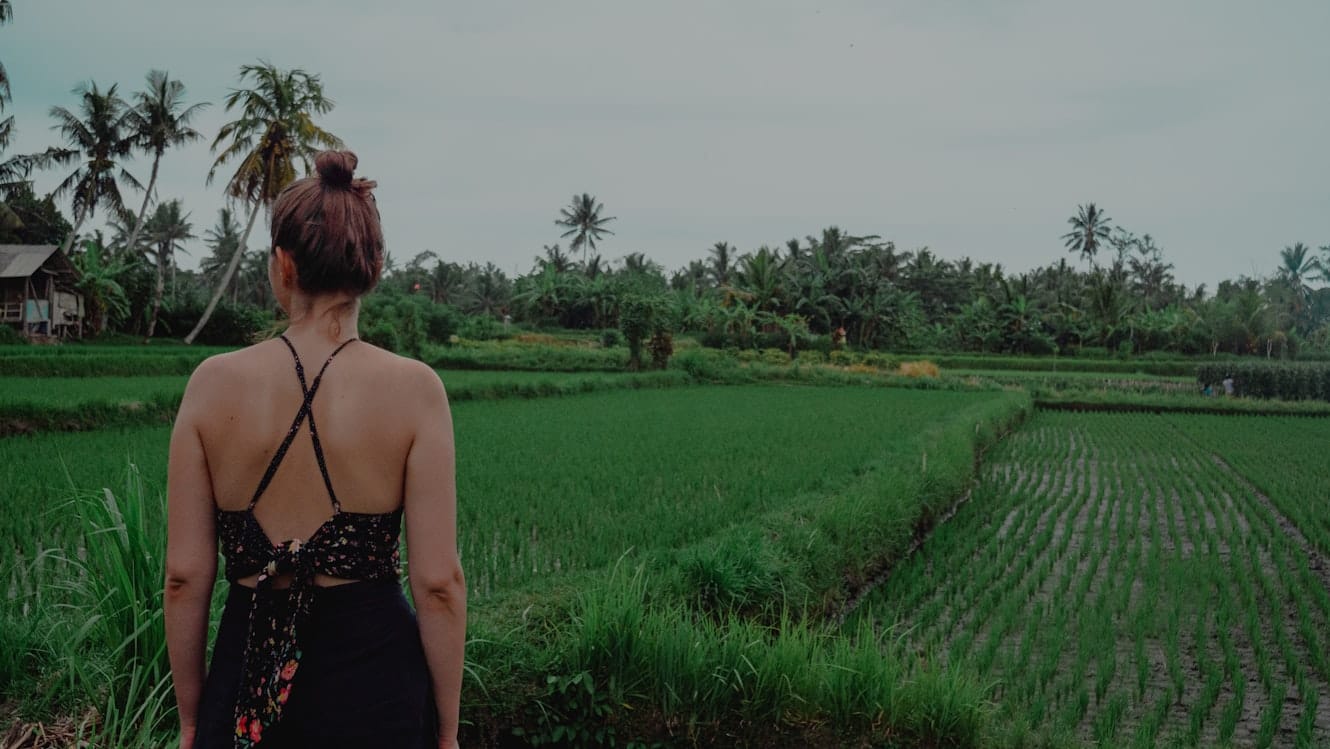
Tickets & tours
Live prices and dates from our booking partner. If you book, we may earn a commission at no extra cost to you.
Temples and Cultural Experiences
Bali's spiritual identity is inseparable from its landscape. The island has over 10,000 temples, from small roadside shrines to dramatic sea temples rising above the Indian Ocean. Some are worth visiting for the setting alone; others are best experienced while rituals are actively unfolding inside. Many come alive in the late afternoon, when the crowds thin and the light turns everything golden.
The temples below are among the most memorable places to experience in Bali.
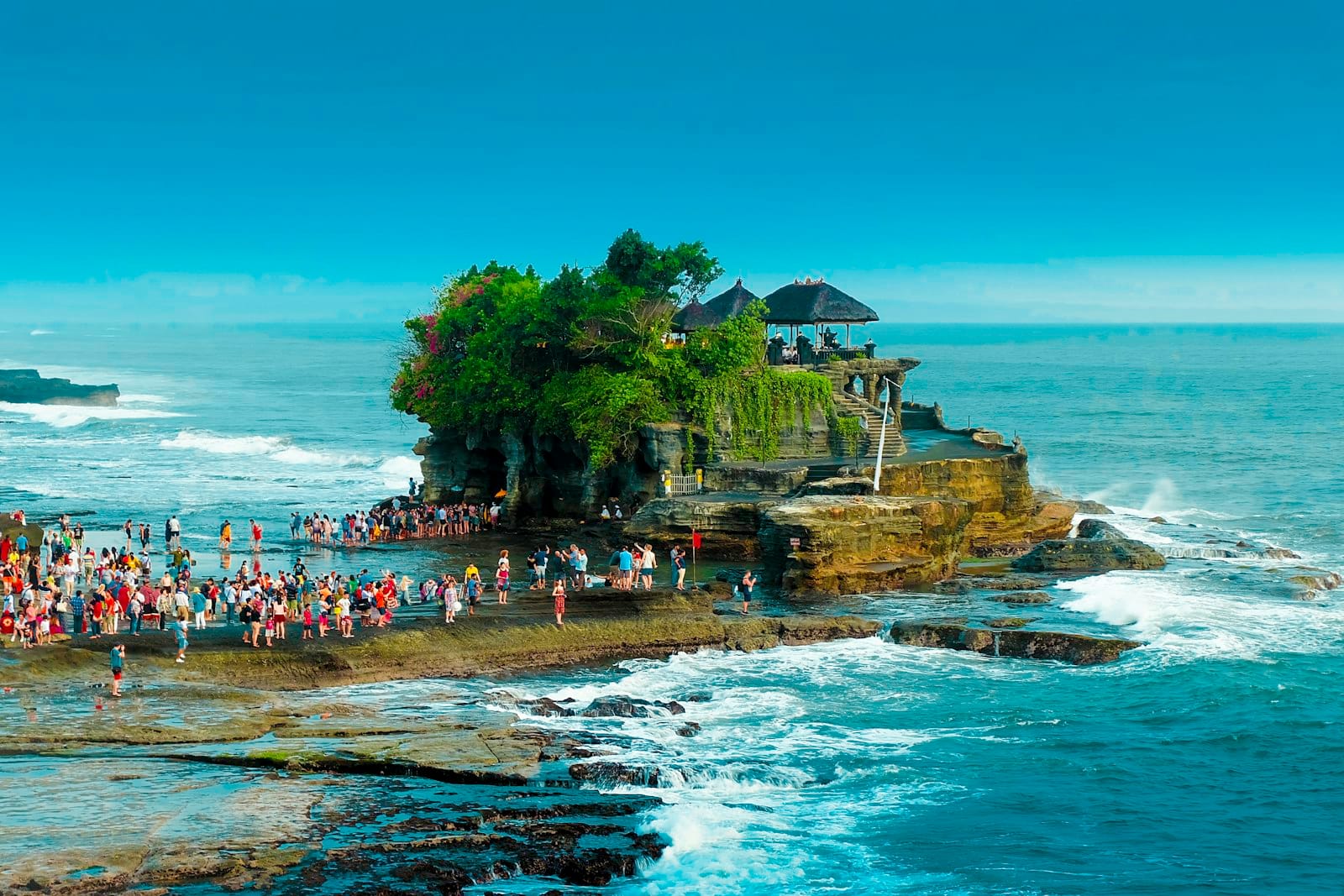
1. Visit Tanah Lot Temple at sunset
Probably Bali’s most iconic temple. Perched on a rocky outcrop above the surf. It’s undeniably touristy, but at sunset when the crowds thin and the light turns golden the view is spectacular.
Explore1. Visit Tanah Lot Temple at sunset
Probably Bali’s most iconic temple. Perched on a rocky outcrop above the surf. It’s undeniably touristy, but at sunset when the crowds thin and the light turns golden the view is spectacular.
Explore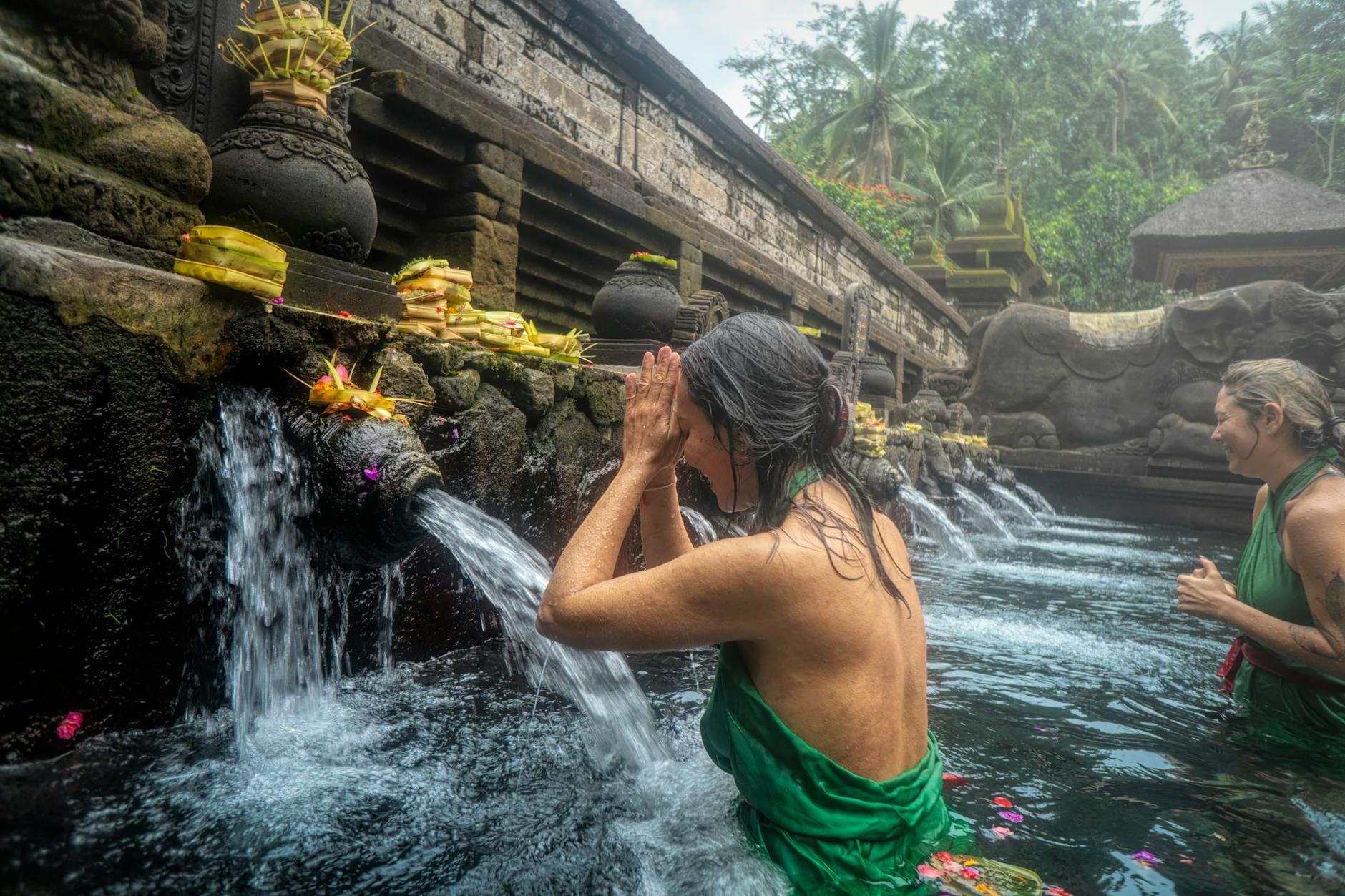
2. Bathe in the sacred springs at Tirta Empul
Tirta Empul in Tampaksiring is famous for its sacred spring-fed pools, where Balinese Hindus perform purification rituals. Visitors can participate respectfully, but arriving early before the tour buses makes the experience far more meaningful.
Explore2. Bathe in the sacred springs at Tirta Empul
Tirta Empul in Tampaksiring is famous for its sacred spring-fed pools, where Balinese Hindus perform purification rituals. Visitors can participate respectfully, but arriving early before the tour buses makes the experience far more meaningful.
Explore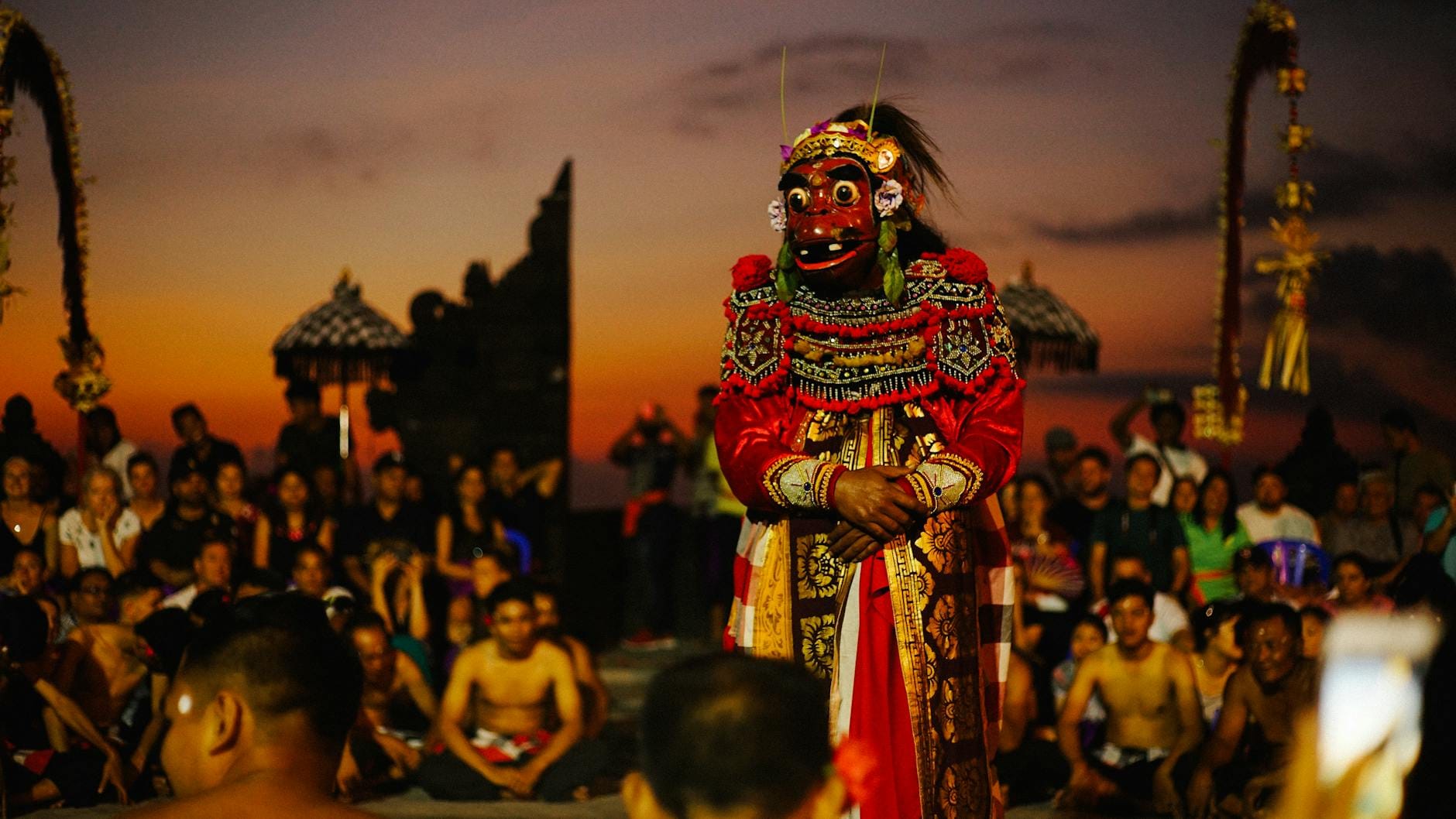
3. Watch the Kecak fire dance at Uluwatu
Set on a dramatic cliff on the Bukit Peninsula, this temple pairs sweeping ocean views with the famous Kecak fire dance performed at sunset. Arrive early if you want a good seat. The amphitheater fills quickly as the sun drops into the Indian Ocean.
Explore3. Watch the Kecak fire dance at Uluwatu
Set on a dramatic cliff on the Bukit Peninsula, this temple pairs sweeping ocean views with the famous Kecak fire dance performed at sunset. Arrive early if you want a good seat. The amphitheater fills quickly as the sun drops into the Indian Ocean.
Explore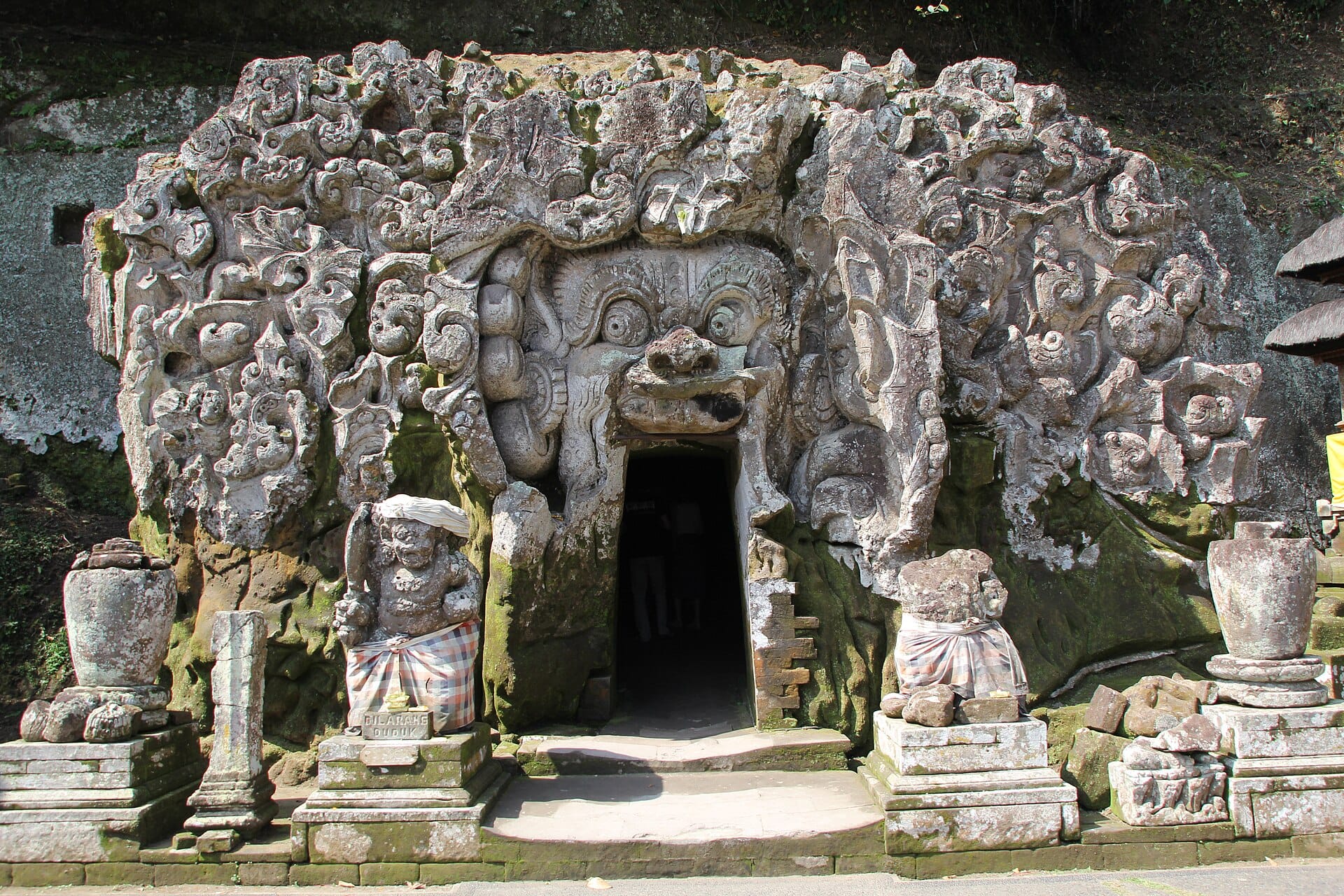
4. Explore Goa Gajah (Elephant Cave)
Just southeast of Ubud, the cave temple is known for its eerie demon-mouth entrance carved directly into the rock. Inside, spring-fed fountains still play a role in Hindu ceremonies. It’s a short stop, but the jungle setting and ancient carvings make it worthwhile.
Explore4. Explore Goa Gajah (Elephant Cave)
Just southeast of Ubud, the cave temple is known for its eerie demon-mouth entrance carved directly into the rock. Inside, spring-fed fountains still play a role in Hindu ceremonies. It’s a short stop, but the jungle setting and ancient carvings make it worthwhile.
Explore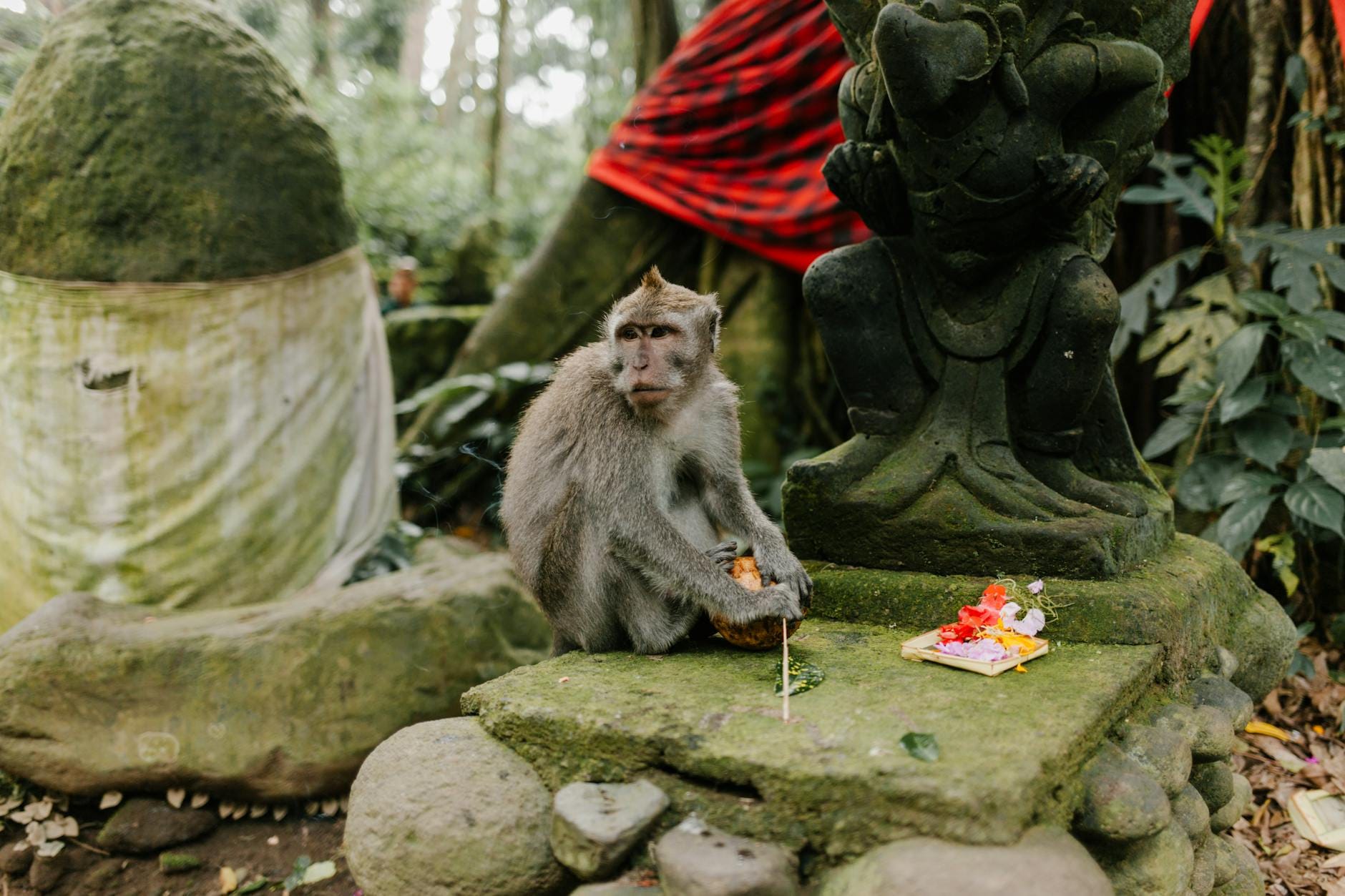
5. Meet the macaques at the Sacred Monkey Forest
More than just a monkey park. The forest contains three Hindu temples dating to the 14th century, and the atmosphere inside, with moss-covered statues and dense canopy, feels genuinely sacred. The monkeys are entertaining but the setting is the real reason to visit.
Explore5. Meet the macaques at the Sacred Monkey Forest
More than just a monkey park. The forest contains three Hindu temples dating to the 14th century, and the atmosphere inside, with moss-covered statues and dense canopy, feels genuinely sacred. The monkeys are entertaining but the setting is the real reason to visit.
Explore⚠️ What to skip
Monkeys at Uluwatu and the Sacred Monkey Forest in Ubud are bold thieves. Remove sunglasses, keep bags zipped, and do not bring food into monkey zones. Phone snatching is common — they've learned to grab and hold devices until you trade them for fruit.
Nature and Adventure
Bali's interior and northern reaches offer a different side of the island: rice terraces carved into hillsides, active volcanoes, jungle rivers, and waterfalls that take real effort to reach. Most of these are a short drive from Ubud, which makes a good base. A few require an early start or a longer journey north, but they tend to reward the effort. The wet season (November to March) brings the most dramatic scenery across almost all of them.
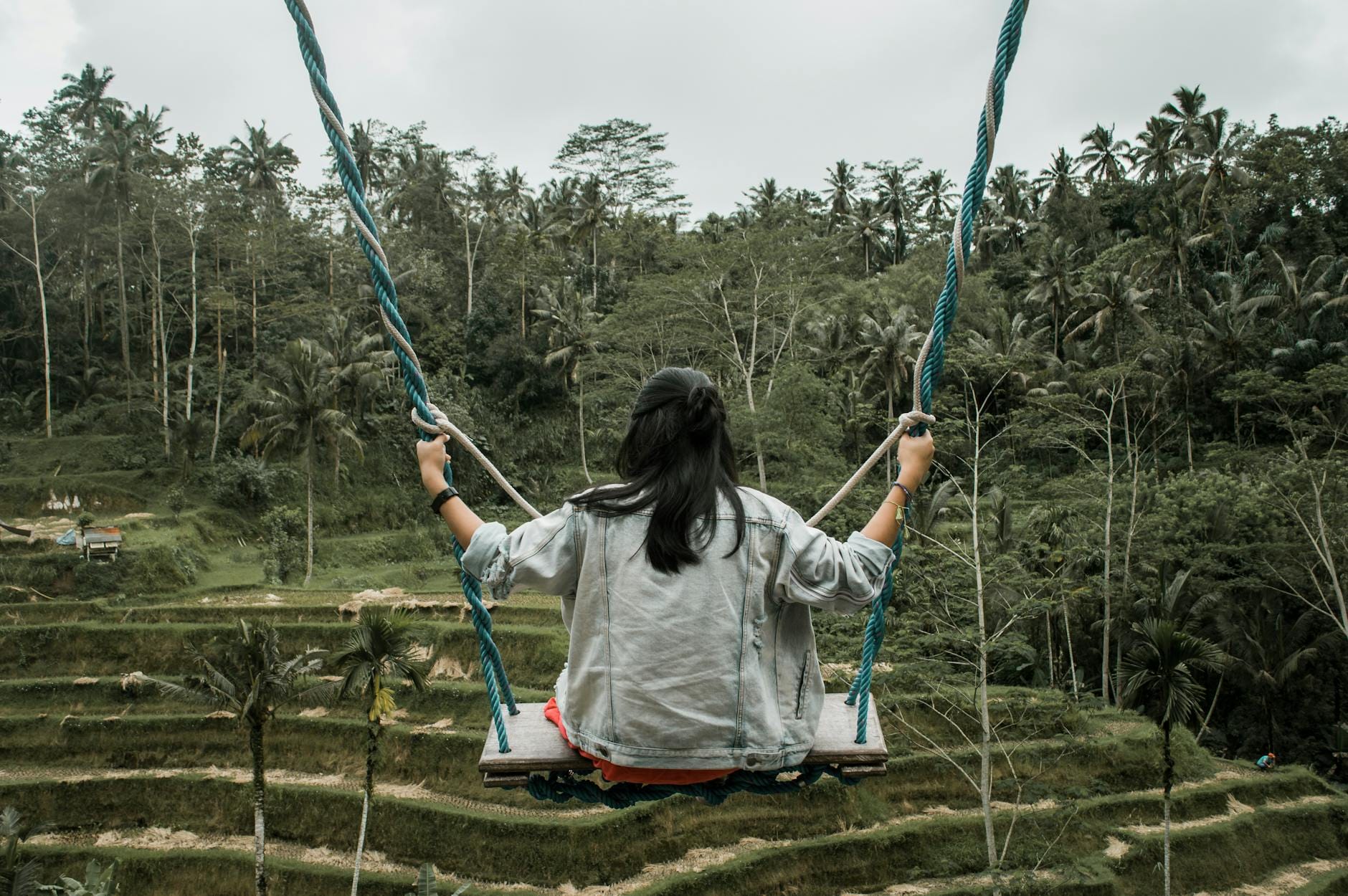
6. Walk through the Tegallalang Rice Terraces
The most photographed landscape in Bali: tiered terraces north of Ubud, often shrouded in morning mist. Get there before 8 AM to avoid the crowds and the swing setups that take over by mid-morning. The subak irrigation system that shaped them is UNESCO-recognized.
Explore6. Walk through the Tegallalang Rice Terraces
The most photographed landscape in Bali: tiered terraces north of Ubud, often shrouded in morning mist. Get there before 8 AM to avoid the crowds and the swing setups that take over by mid-morning. The subak irrigation system that shaped them is UNESCO-recognized.
Explore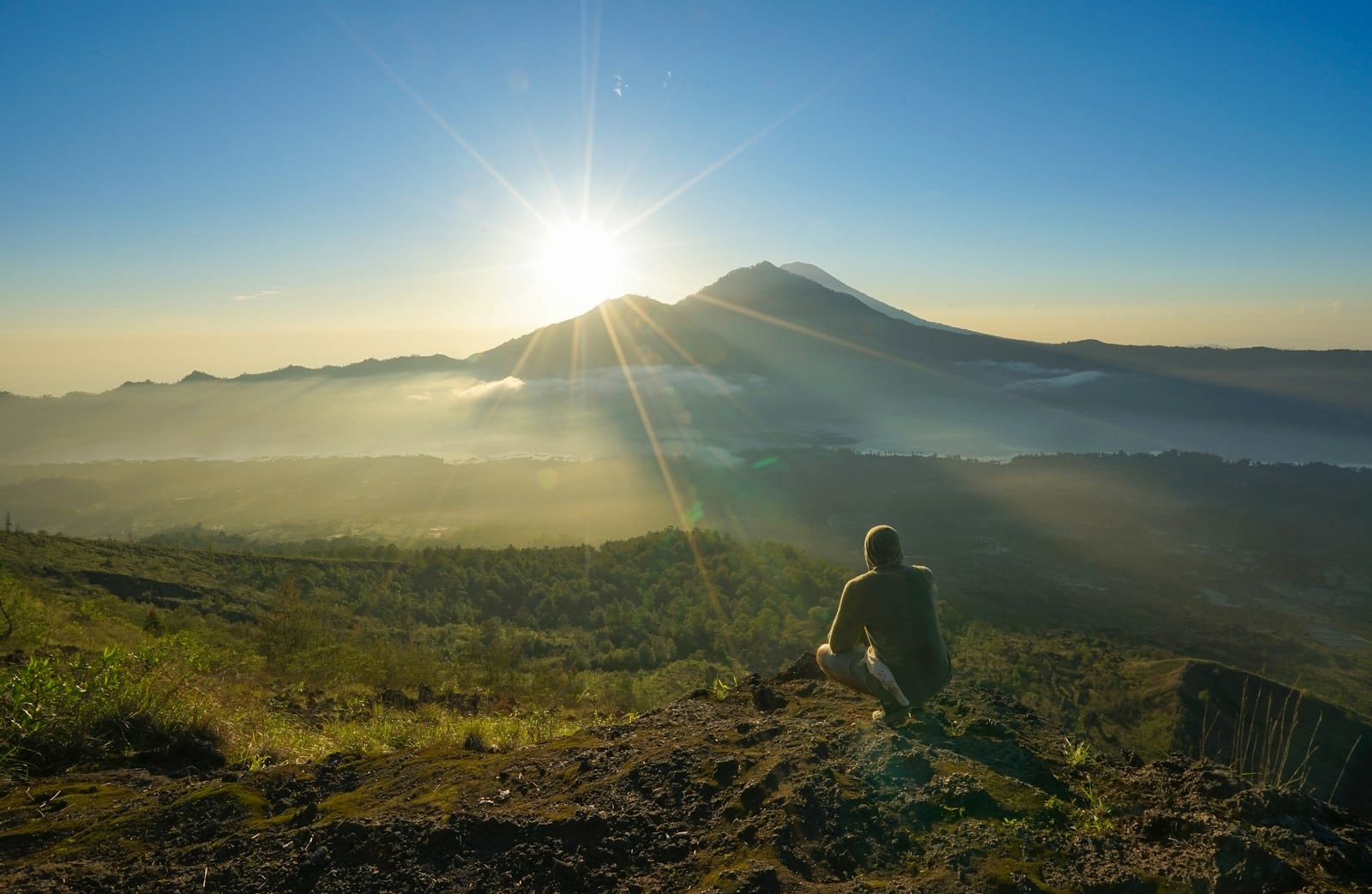
7. Trek Mount Batur for sunrise
The most popular hike on Bali: a 2-hour ascent of a 1,717-meter active volcano with sunrise views over the caldera lake and Mount Agung beyond. The trek is not technical but requires reasonable fitness and a headlamp.
Explore7. Trek Mount Batur for sunrise
The most popular hike on Bali: a 2-hour ascent of a 1,717-meter active volcano with sunrise views over the caldera lake and Mount Agung beyond. The trek is not technical but requires reasonable fitness and a headlamp.
Explore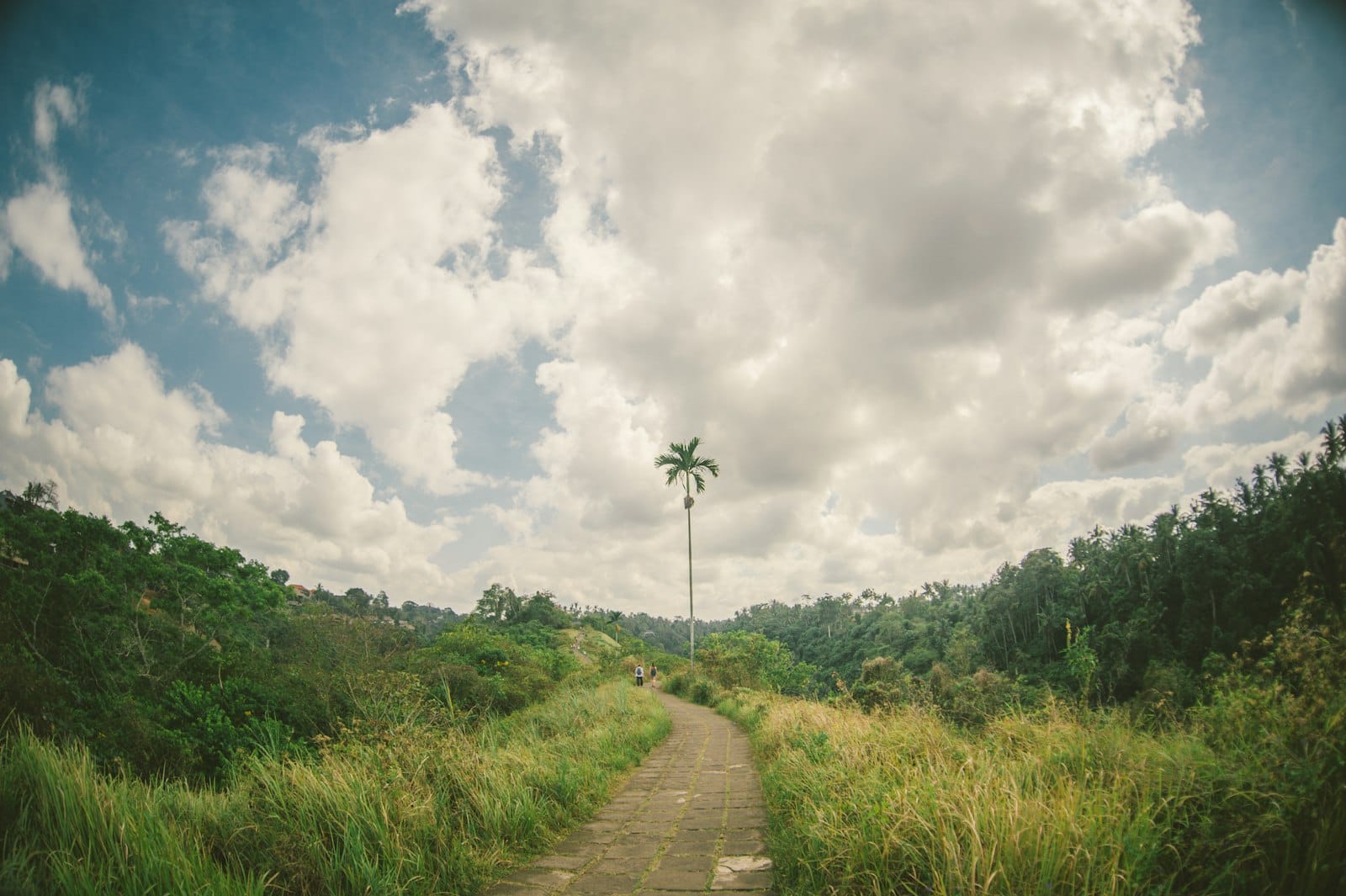
8. Stroll the Campuhan Ridge Walk in Ubud
A free 2-kilometer path along a narrow ridge just ten minutes from Ubud's central market. It feels surprisingly quiet for how close it is to town. Palm trees on both sides, a steady breeze, good light at dawn. Worth an early start.
Explore8. Stroll the Campuhan Ridge Walk in Ubud
A free 2-kilometer path along a narrow ridge just ten minutes from Ubud's central market. It feels surprisingly quiet for how close it is to town. Palm trees on both sides, a steady breeze, good light at dawn. Worth an early start.
Explore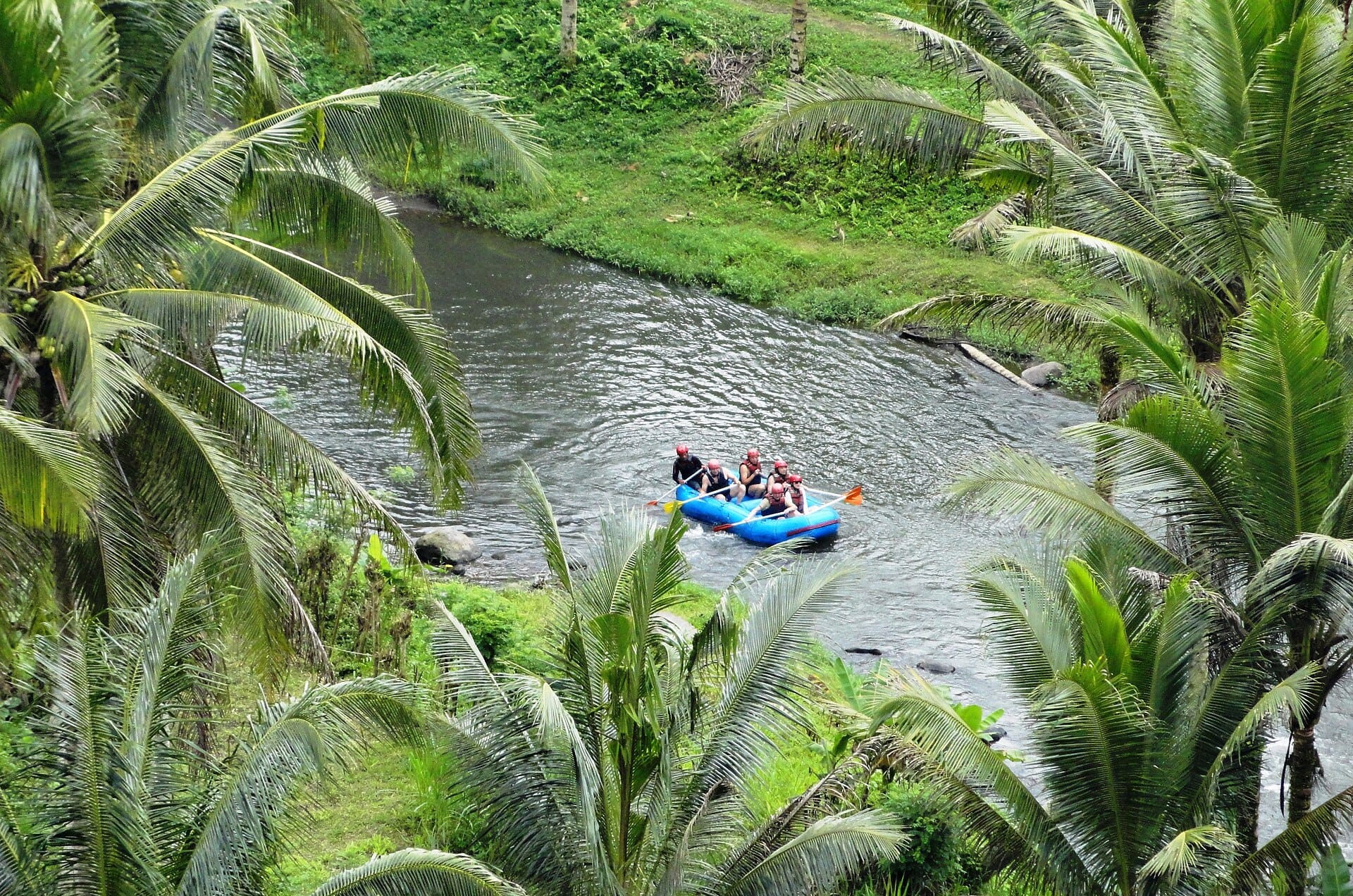
9. Raft the Ayung River
A 2-hour rafting run through jungle gorges near Ubud. See stone carvings into the cliff walls along the route, which adds an unexpected cultural layer to the experience.
Explore9. Raft the Ayung River
A 2-hour rafting run through jungle gorges near Ubud. See stone carvings into the cliff walls along the route, which adds an unexpected cultural layer to the experience.
Explore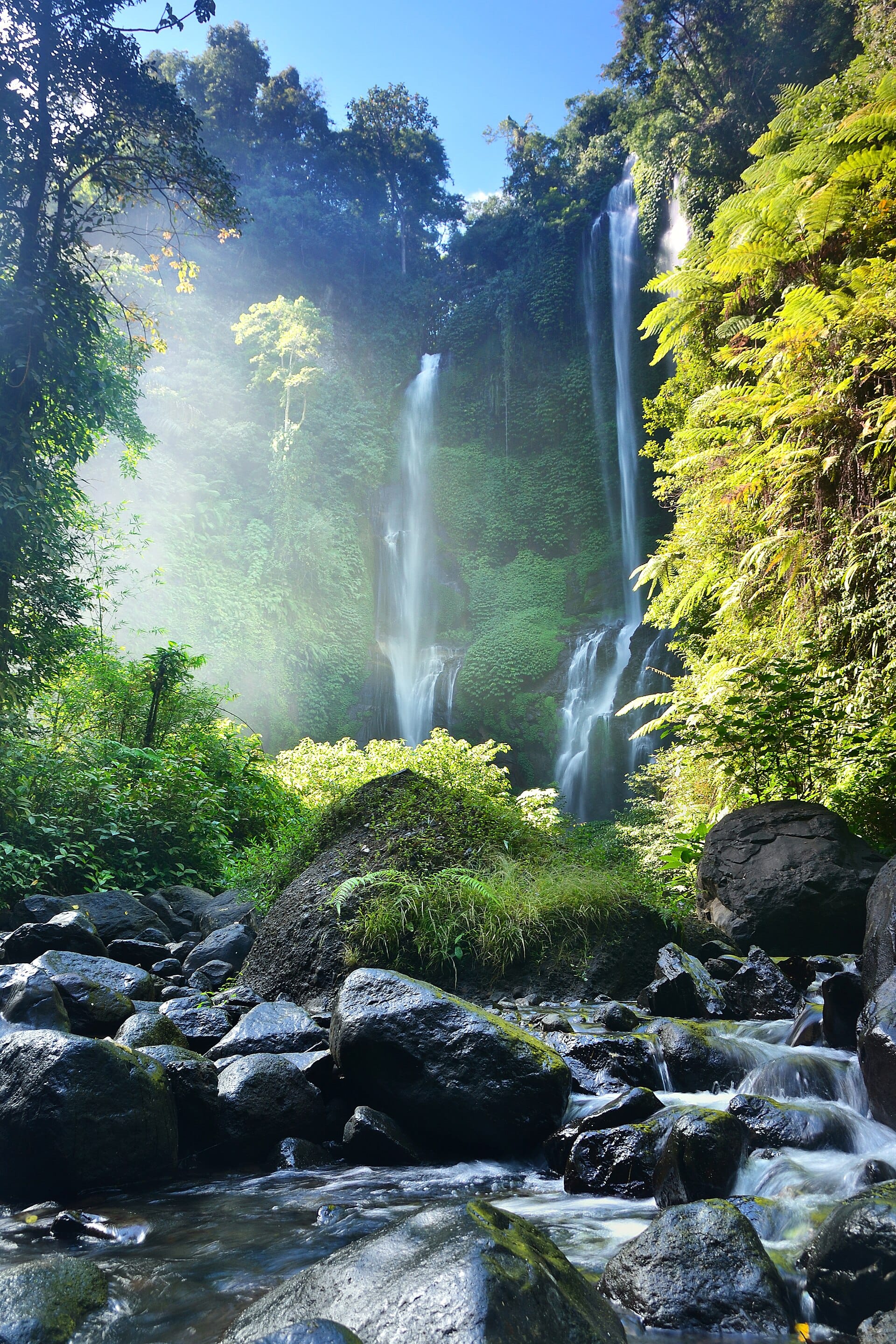
10. Chase waterfalls at Sekumpul
Arguably the most beautiful waterfall in Bali, Sekumpul sits in the north of the island about 2.5 hours from Ubud. The approach involves a steep descent through rice fields and jungle, crossing a shallow river before you reach the twin falls plunging 80 meters into a natural pool. The waterfall is most dramatic during and just after the wet season when water volume peaks.
Explore10. Chase waterfalls at Sekumpul
Arguably the most beautiful waterfall in Bali, Sekumpul sits in the north of the island about 2.5 hours from Ubud. The approach involves a steep descent through rice fields and jungle, crossing a shallow river before you reach the twin falls plunging 80 meters into a natural pool. The waterfall is most dramatic during and just after the wet season when water volume peaks.
Exploreℹ️ Good to know
Waterfalls, rice terraces, and volcano treks are all at their most visually dramatic during and just after the wet season (November to March). Trails can be slippery, but the payoff in scenery is significant.
Beaches and Water Activities
Bali's coastline changes character depending on where you are. The Bukit Peninsula has cliff-framed coves and serious surf. The west coast around Seminyak is social and flat, better for sunsets than swimming. The east coast is quieter, with calm water and some of the best diving in Southeast Asia. Ocean conditions shift significantly between seasons, so it's worth matching your plans to the right coast at the right time.
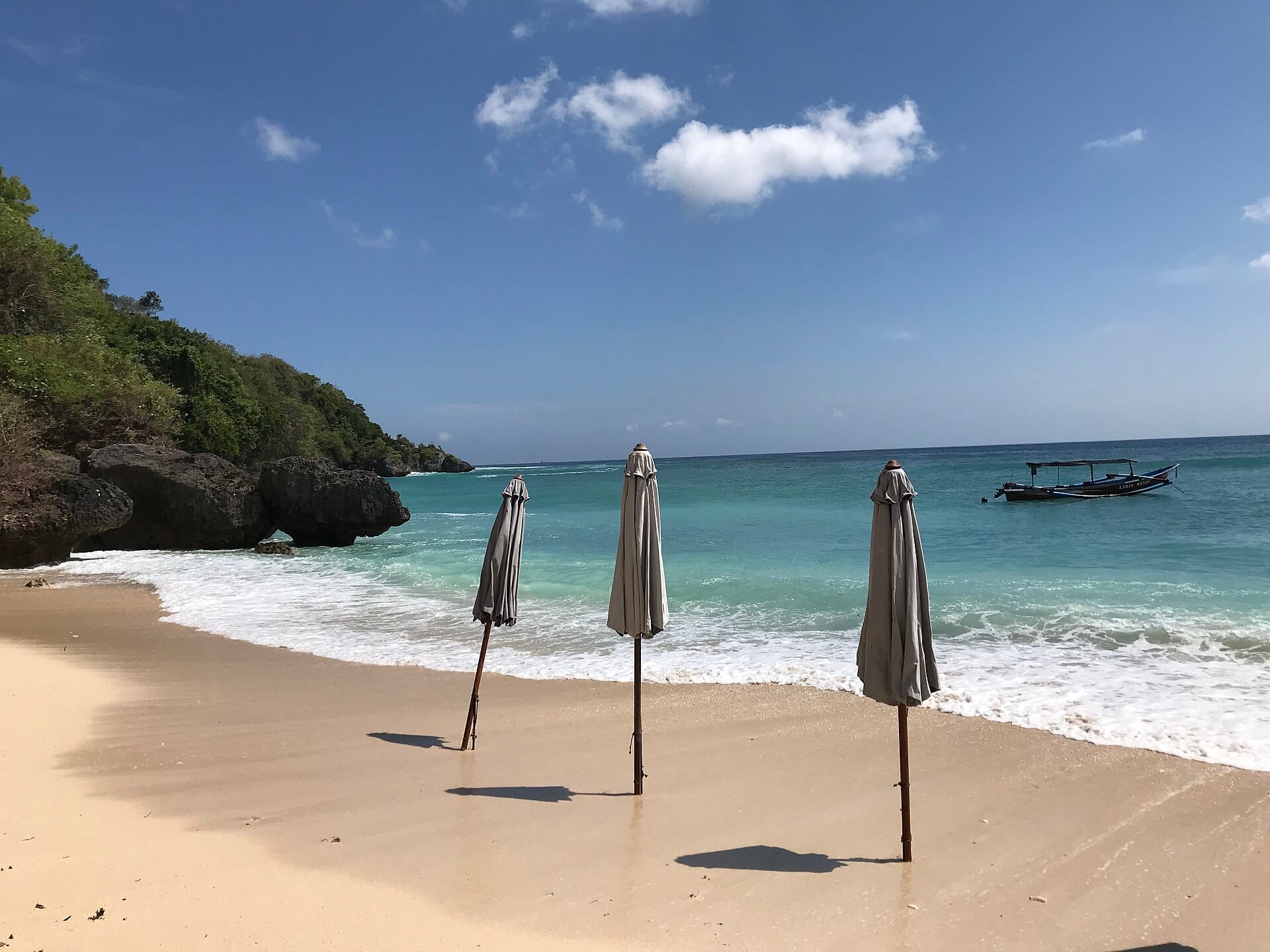
11. Surf or chill at Padang Padang Beach
A small cliff-framed cove on the Bukit Peninsula, reached by squeezing through a narrow gap in the rock. That entrance keeps it feeling tucked away despite its reputation. Experienced surfers head to the outer reef; everyone else swims in the shallows.
Explore11. Surf or chill at Padang Padang Beach
A small cliff-framed cove on the Bukit Peninsula, reached by squeezing through a narrow gap in the rock. That entrance keeps it feeling tucked away despite its reputation. Experienced surfers head to the outer reef; everyone else swims in the shallows.
Explore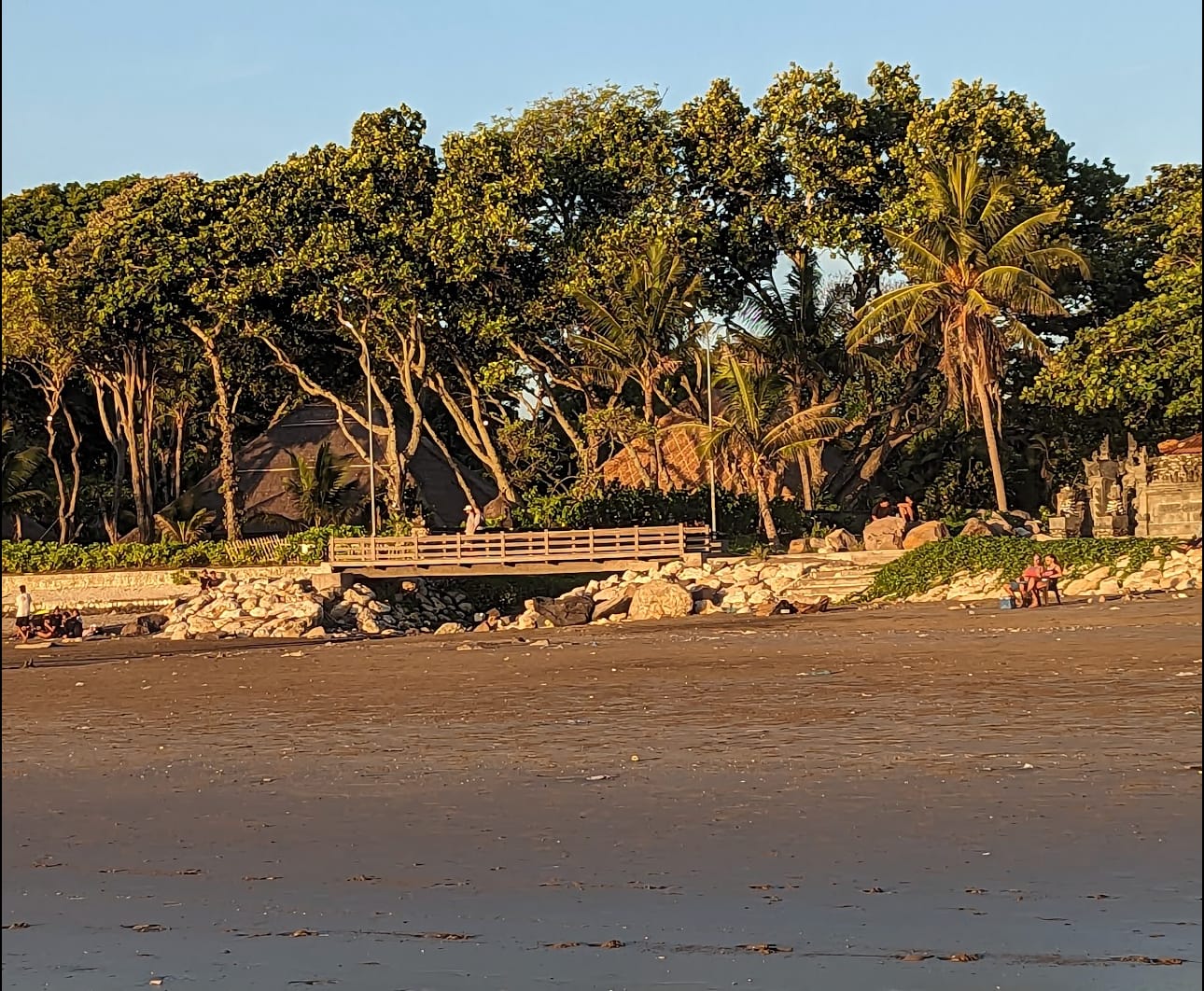
12. Catch the sunset at Seminyak Beach
Broader and cleaner than Kuta, with beach clubs and restaurants running the full length of the strip. Best experienced on foot in the late afternoon, when the light drops and it gets social. Grab a cold Bintang and find a spot where the waves reach your feet.
Explore12. Catch the sunset at Seminyak Beach
Broader and cleaner than Kuta, with beach clubs and restaurants running the full length of the strip. Best experienced on foot in the late afternoon, when the light drops and it gets social. Grab a cold Bintang and find a spot where the waves reach your feet.
Explore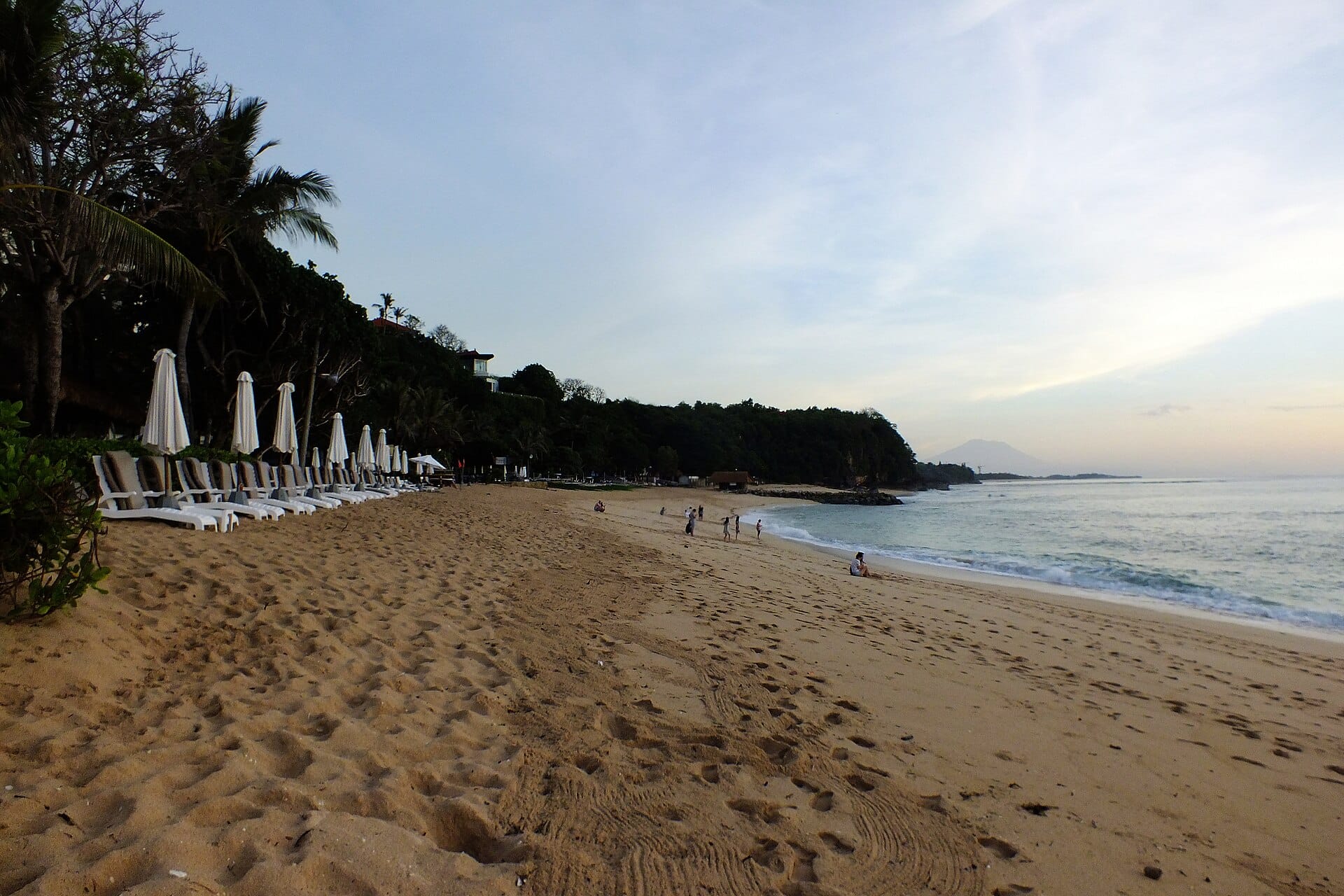
13. Swim in the calm lagoons of Nusa Dua Beach
The calmest swimming on the island. The reef creates sheltered lagoons with almost no surf, and the beach is less crowded than Kuta or Seminyak. Perfect for families or anyone who just wants clear water. Water sports operators at the northern end if you want more action.
Explore13. Swim in the calm lagoons of Nusa Dua Beach
The calmest swimming on the island. The reef creates sheltered lagoons with almost no surf, and the beach is less crowded than Kuta or Seminyak. Perfect for families or anyone who just wants clear water. Water sports operators at the northern end if you want more action.
Explore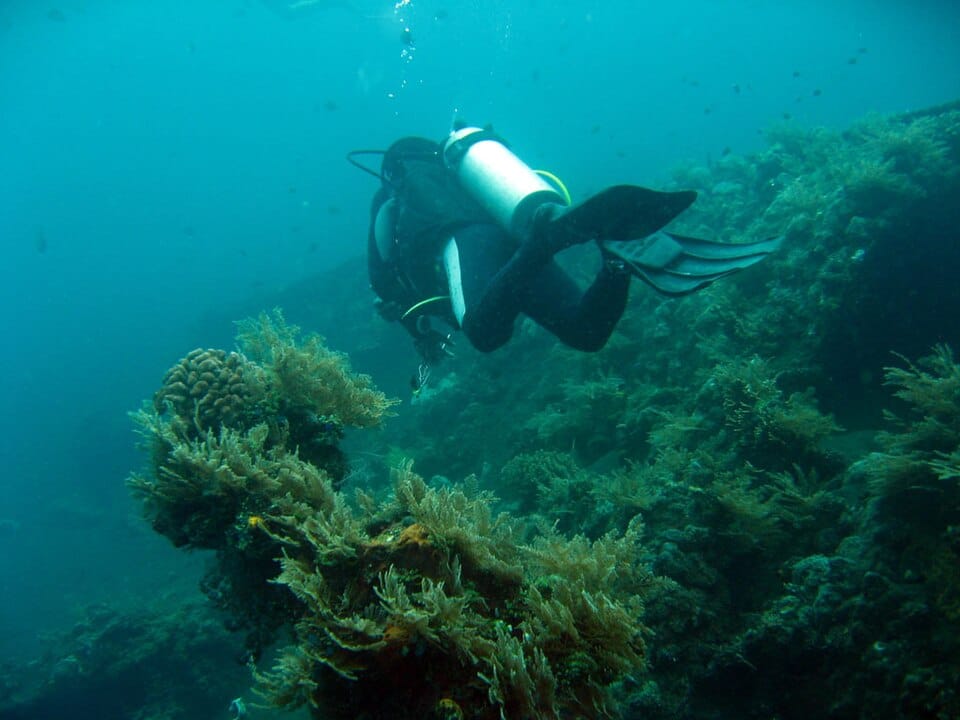
14. Dive the USAT Liberty wreck in Tulamben
The northeast coast is a different Bali entirely. Black sand beaches, calm water, and the USAT Liberty shipwreck sitting in just five meters of water at Tulamben, encrusted with coral. A few kilometers south, Amed has reef snorkeling you can walk straight into from the beach.
Explore14. Dive the USAT Liberty wreck in Tulamben
The northeast coast is a different Bali entirely. Black sand beaches, calm water, and the USAT Liberty shipwreck sitting in just five meters of water at Tulamben, encrusted with coral. A few kilometers south, Amed has reef snorkeling you can walk straight into from the beach.
Exploreℹ️ Good to know
Ocean conditions in Bali change significantly by season. During the wet season (November to March), the west coast beaches like Seminyak and Kuta can have strong rip currents. During the dry season (April to October), the east coast calms down and becomes ideal for snorkeling and diving.
Island Escapes: Nusa Penida
A 45-minute fast boat from Sanur and it feels like a different country. Limestone cliffs dropping to turquoise water, rough roads, and viewpoints that make the journey worthwhile. Nusa Penida island is raw and underdeveloped in a way that still feels rare in Bali. An overnight stay beats a rushed day trip.
Nusa Penida is a 45-minute fast boat from Sanur and feels like a different country. The island is raw, underdeveloped, and spectacularly dramatic — limestone cliffs dropping hundreds of meters to turquoise water, roads that test your nerve, and viewpoints that justify every bump along the way. An overnight stay beats a rushed day trip.
15. Stand at the edge of Kelingking Beach
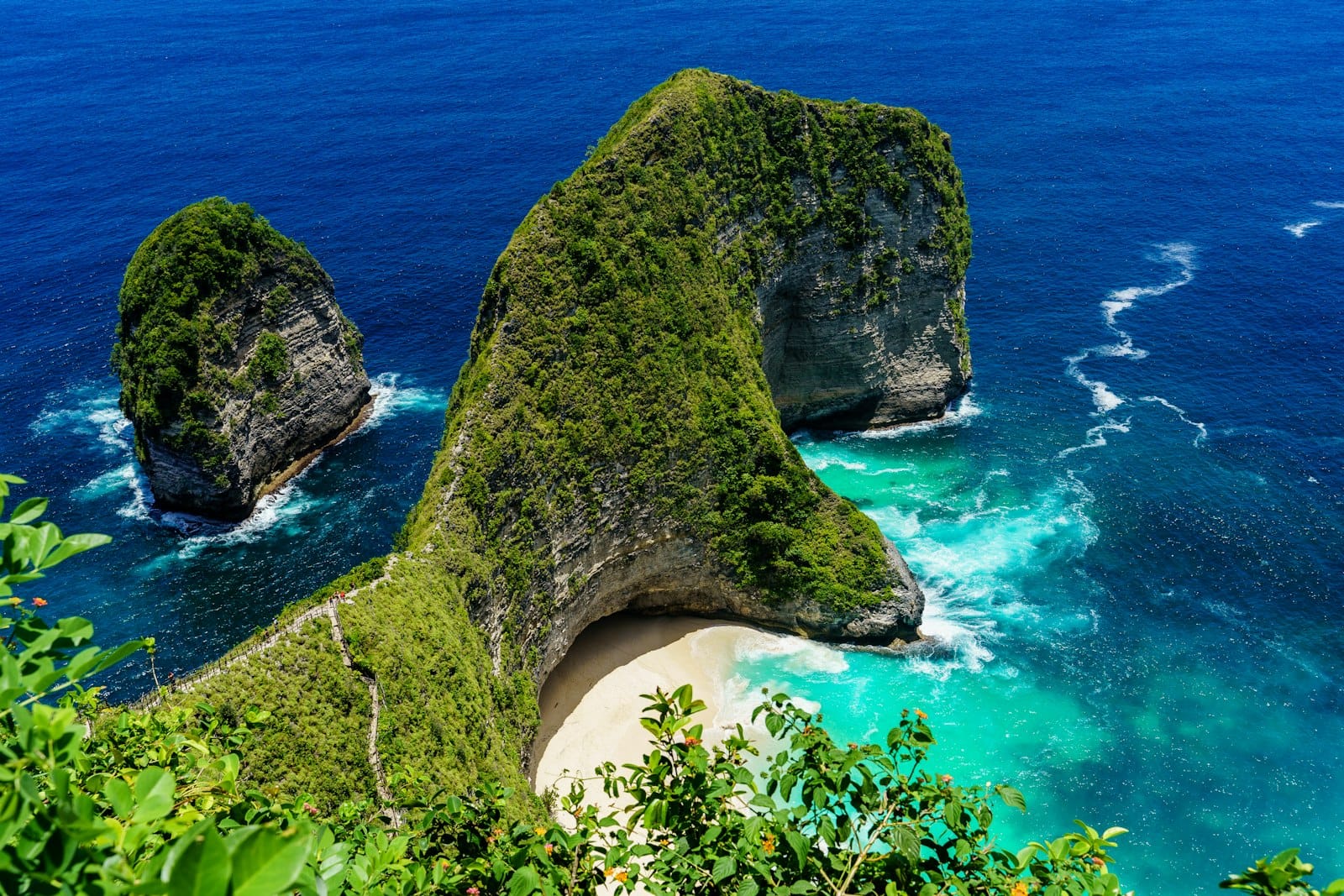
The T-rex-shaped cliff is Nusa Penida's defining image. The viewpoint is a short walk from the parking area and genuinely jaw-dropping. The descent to the beach is steep and unmaintained; fun if you're up for it, fine to skip if you're not.
Explore15. Stand at the edge of Kelingking Beach
The T-rex-shaped cliff is Nusa Penida's defining image. The viewpoint is a short walk from the parking area and genuinely jaw-dropping. The descent to the beach is steep and unmaintained; fun if you're up for it, fine to skip if you're not.
Explore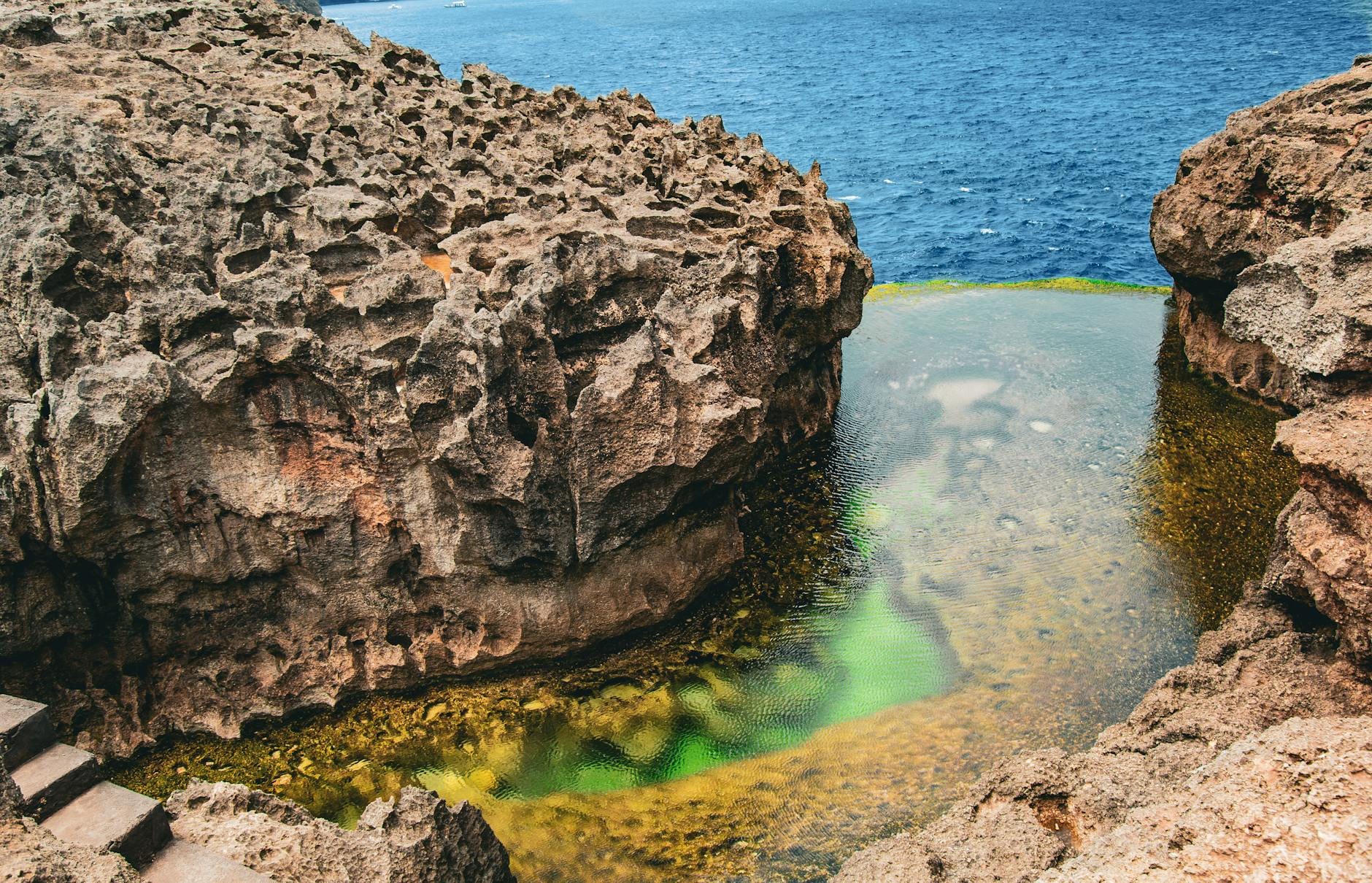
16. Swim at Angel's Billabong and Broken Beach
Two natural formations side by side. Angel's Billabong is a rock-carved infinity pool you can swim in at low tide. Broken Beach next door is a circular cove with a natural stone arch where the ocean rushes through. You can't swim there, but the view from above is worth the stop.
Explore16. Swim at Angel's Billabong and Broken Beach
Two natural formations side by side. Angel's Billabong is a rock-carved infinity pool you can swim in at low tide. Broken Beach next door is a circular cove with a natural stone arch where the ocean rushes through. You can't swim there, but the view from above is worth the stop.
Explore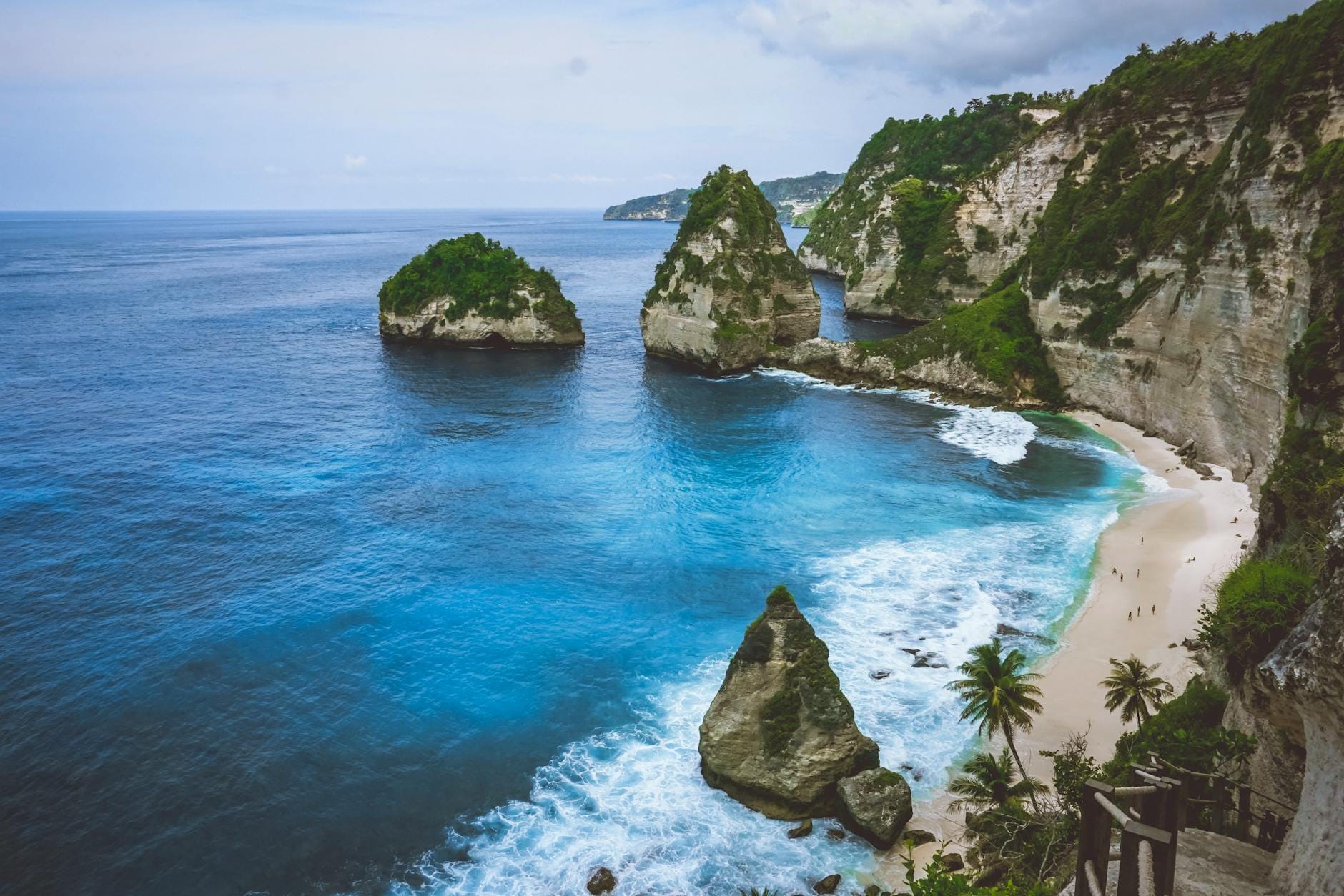
17. Descend the cliffside staircase to Diamond Beach
Reached by a steep staircase carved into the cliff face. At the bottom: white sand, turquoise water, and dramatic limestone all around. Quieter than Kelingking and better for swimming, though currents can be strong. Pair it with nearby Atuh Beach for a full eastern coast morning.
Explore17. Descend the cliffside staircase to Diamond Beach
Reached by a steep staircase carved into the cliff face. At the bottom: white sand, turquoise water, and dramatic limestone all around. Quieter than Kelingking and better for swimming, though currents can be strong. Pair it with nearby Atuh Beach for a full eastern coast morning.
Explore⚠️ What to skip
Nusa Penida's roads are steep, potholed, and often unmaintained. Rent a scooter only if you're an experienced rider comfortable on loose gravel and steep inclines. Most visitors hire a local driver for the full day — expect to pay IDR 300,000–400,000 ($20–27 USD).
Food, Nightlife, and Beach Clubs
Bali's food scene runs the full range, from plastic chairs on the sand to some of Southeast Asia's best beach clubs. Canggu and Seminyak are where most of the action is, but some of the best eating happens in small warungs with no Instagram presence. Worth exploring both ends of the spectrum.
18. Eat grilled seafood on the sand at Jimbaran Bay
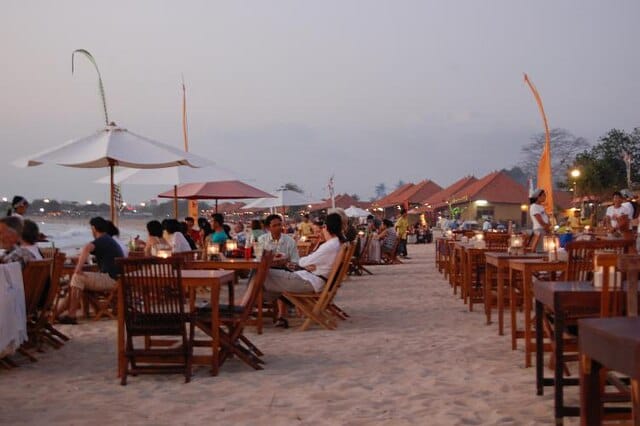
Tables on the sand, grilled fish priced by weight, planes descending over the bay in the background. Pick your fish from the ice display, agree on the price, and it arrives grilled with rice, sambal and vegetables in about 20 minutes. Unpretentious and genuinely good.
Explore18. Eat grilled seafood on the sand at Jimbaran Bay
Tables on the sand, grilled fish priced by weight, planes descending over the bay in the background. Pick your fish from the ice display, agree on the price, and it arrives grilled with rice, sambal and vegetables in about 20 minutes. Unpretentious and genuinely good.
Explore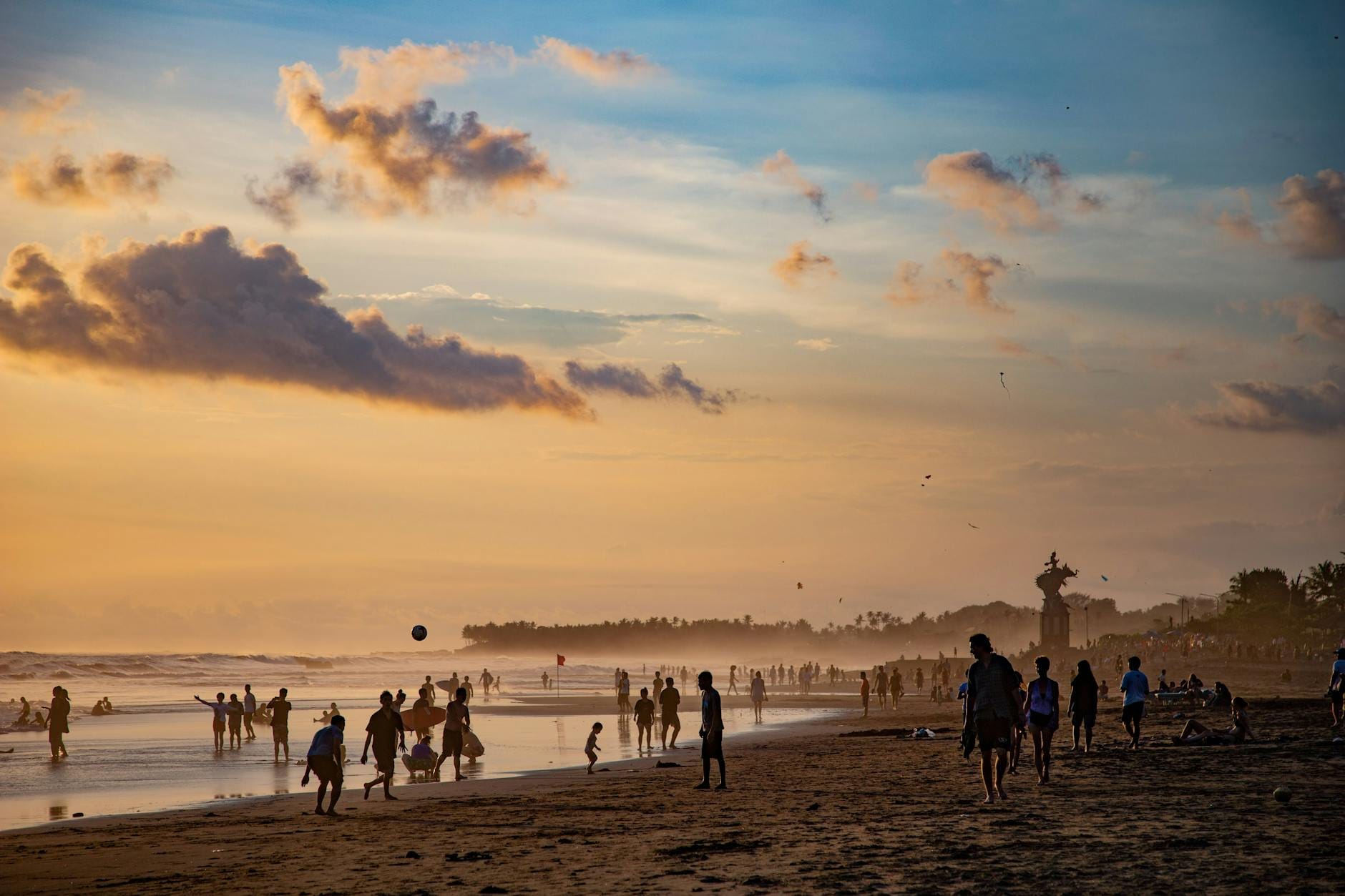
19. Watch the Sunset at Echo Beach
A black-sand stretch on Canggu’s coast known for dramatic sunsets, strong surf, and seafood warungs lining the shore. Arrive late afternoon, grab a cold drink, and watch the sky turn orange over the Indian Ocean.
Explore19. Watch the Sunset at Echo Beach
A black-sand stretch on Canggu’s coast known for dramatic sunsets, strong surf, and seafood warungs lining the shore. Arrive late afternoon, grab a cold drink, and watch the sky turn orange over the Indian Ocean.
Explore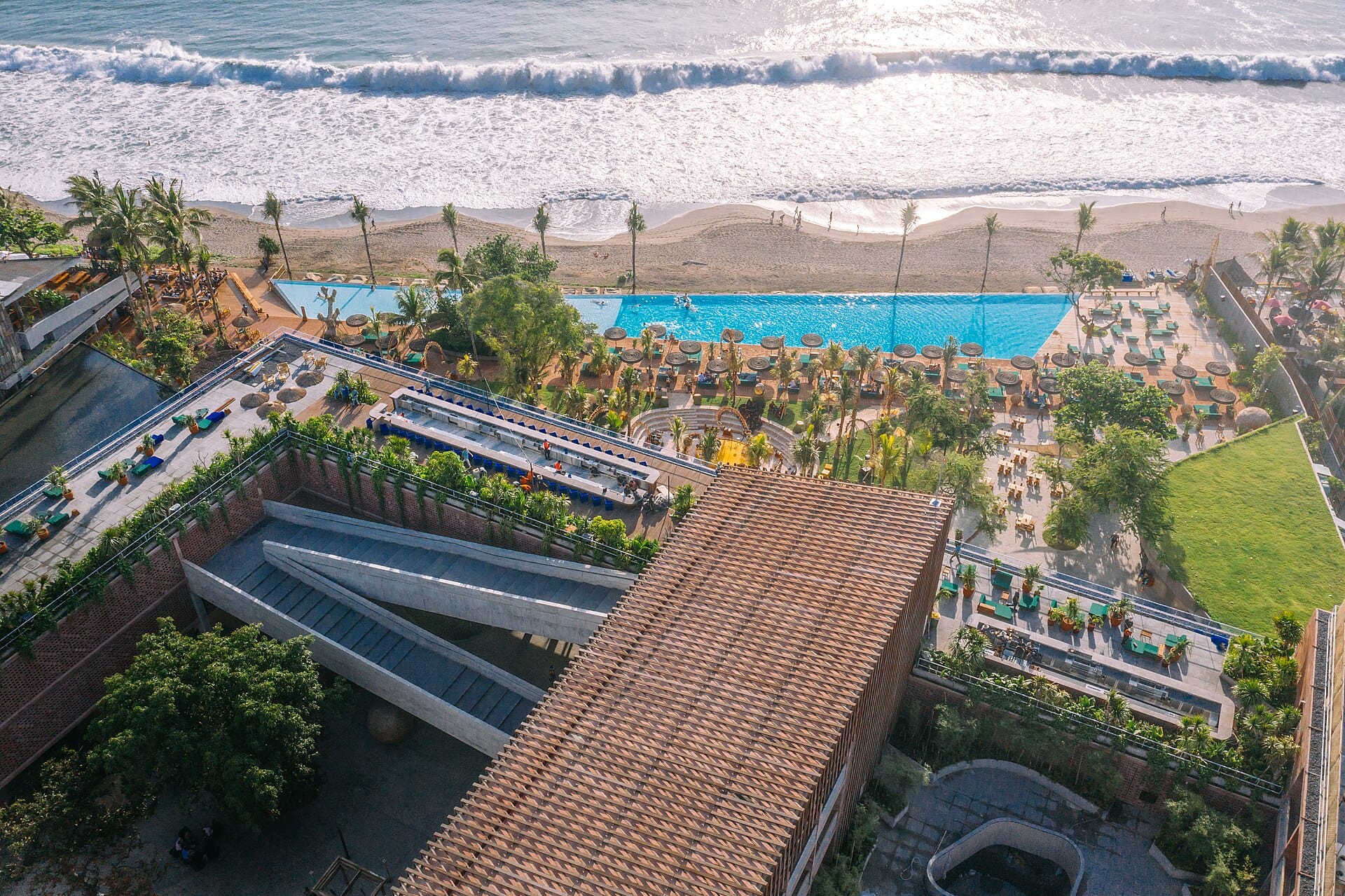
20. Spend an evening at Potato Head Beach Club
Bali does beach clubs better than almost anywhere. Potato Head in Seminyak is the most iconic, architecturally striking and packed by early afternoon on weekends. COMO Beach Club is the more premium option with some of the best sunset views on the island.
Explore20. Spend an evening at Potato Head Beach Club
Bali does beach clubs better than almost anywhere. Potato Head in Seminyak is the most iconic, architecturally striking and packed by early afternoon on weekends. COMO Beach Club is the more premium option with some of the best sunset views on the island.
ExploreGetting Around and Practical Tips
Bali's traffic is a genuine problem, particularly between Kuta, Seminyak, Canggu, and Ubud on weekend afternoons. A journey that should take 30 minutes can stretch to 90 minutes or more. Plan your day so major drives happen before 9 AM or after 7 PM where possible. The bypass roads around Denpasar improve but don't eliminate this.
- Gojek and Grab (ride-hailing apps) are legal and work well in most areas. Set your pickup a block away from major attractions where pick-up bans are sometimes enforced.
- Private drivers for full-day trips cost IDR 400,000–600,000 ($25–40 USD) for 8–10 hours and are worth every rupiah for temple-hopping itineraries.
- Avoid tourist shuttle buses that combine 6 stops into one 'day trip' — you get 30 minutes at each place and a bus full of strangers.
- The dry season (April–October) brings the most reliable weather and the most tourists. July and August are peak season: book accommodation at least 6–8 weeks in advance.
- Tap water is not safe to drink. Carry a refillable bottle with a filter, or use large refill stations (isi ulang) that charge IDR 5,000–10,000 per liter.
💡 Local tip
Download Gojek before you land in Bali. It covers ride-hailing, food delivery, and even massage bookings. Having it set up with a payment method saves significant hassle in the first 48 hours.
FAQ
How many days do you need in Bali to see the highlights?
Seven to ten days is the sweet spot for first-time visitors. This gives you 2–3 days in Ubud, 2–3 days on the southern coast (Seminyak, Canggu, or Uluwatu), and a separate day trip or overnight to Nusa Penida. Less than five days means making uncomfortable trade-offs.
What is the best area to stay in Bali for first-timers?
Seminyak or Canggu work well as a base for the first visit: central enough to day-trip in multiple directions, with a strong range of restaurants, accommodation, and beach access. Ubud is the better choice if culture and nature matter more to you than nightlife and beaches. For a full breakdown of every area, see our where to stay in Bali guide.
Is it safe to ride a scooter in Bali?
Only if you're already comfortable riding a motorbike in high-traffic conditions on the left side of the road. Bali has a very high rate of tourist scooter accidents. Foreign visitors without an Indonesian or international motorcycle license also face fines and insurance complications. For most travelers, Gojek or a private driver is the safer and less stressful option.
What should I wear when visiting Balinese temples?
Shoulders and knees must be covered at all Hindu temples. A sarong and sash (selendang) are typically required for entry. Most temples rent or sell sarongs at the gate for IDR 10,000–20,000 if you don't have one. Avoid wearing black, which is associated with mourning in Balinese culture.
Are the famous Bali swings worth the money?
Mostly no. The swings at locations like Alas Harum or near Tegallalang cost IDR 150,000–350,000 for a 30-second photo opportunity. The prices are high relative to what you get, and the queues during peak hours can be 45 minutes or longer. Skip them unless it's a specific priority, and allocate that time to actual hiking or temple visits instead.
Tickets & tours
Live prices and dates from our booking partner. If you book, we may earn a commission at no extra cost to you.
Planning a trip? Discover personalized activities with the Nomado app.