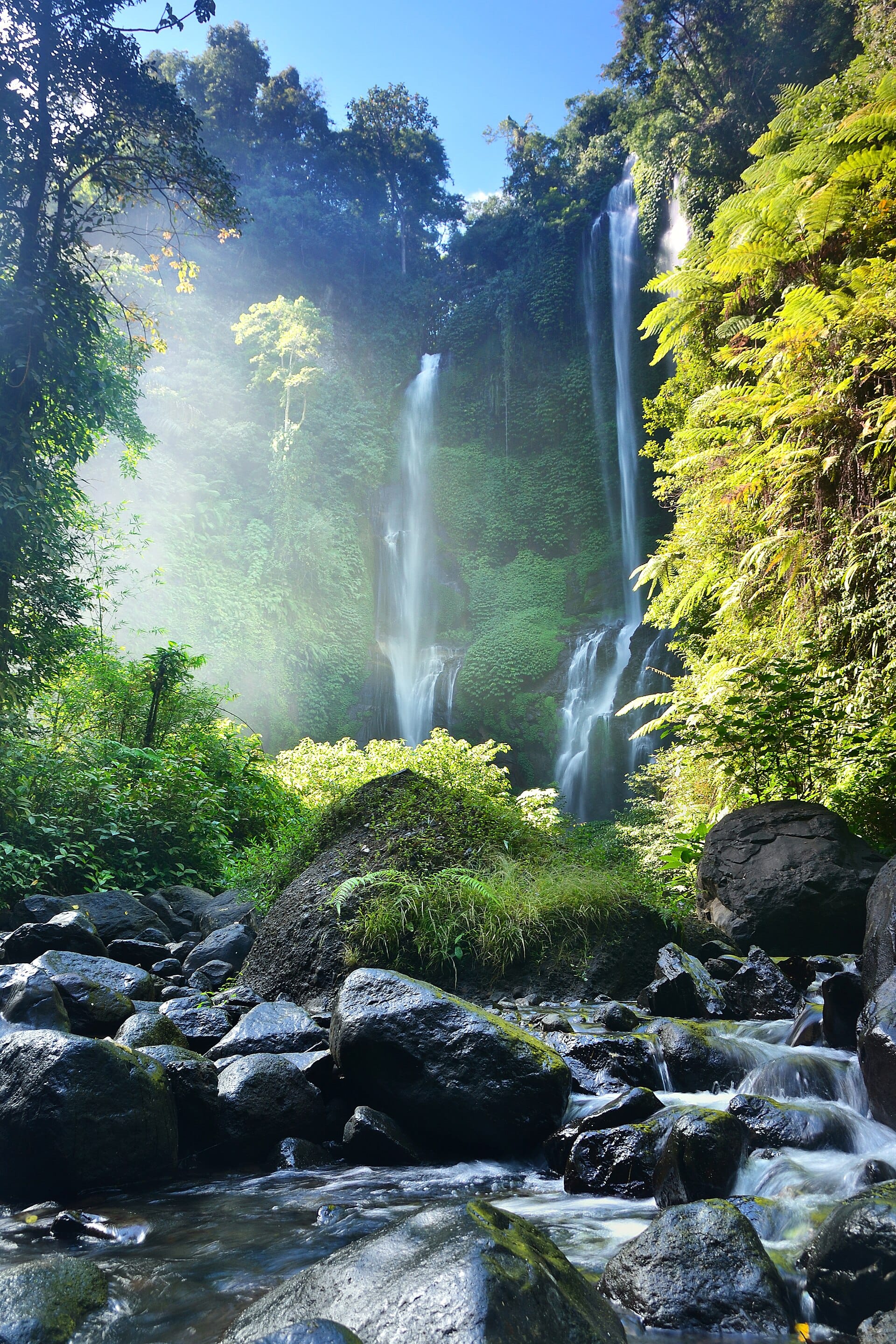
Ubud offers a different side of Bali: inland scenery, traditional culture, and a busy but laid-back town centre. It's a popular base for yoga, day trips to rice terraces and waterfalls, and evening dance performances.
TL;DR
Ubud is the best base for experiencing Balinese art, culture, and temple life, with more substance per square kilometer than anywhere else in Bali
The food scene is excellent at every price point, from market warungs to internationally recognized restaurants
Staying more than two nights rewards the effort: the town opens up once you move beyond the main streets and the day-tripper crowds thin out in the evening
The central streets are genuinely congested and commercialized. The neighborhood's character improves significantly two streets off the main drag
Not suited to travelers who want beach access or nightlife; a 45-minute drive separates Ubud from the nearest beach towns in good traffic
Orientation
Ubud sits roughly in the geographic center of Bali, about 25 kilometers north of Denpasar and 36 kilometers from Ngurah Rai International Airport. The town occupies a series of ridges and river valleys in Bali's highland interior, at an elevation of around 200 to 350 meters. That altitude is enough to lower the temperature several degrees compared to the coast, which you feel immediately after an hour on the road from Kuta or Seminyak.
The town's spine is Jalan Raya Ubud, the main east-west road that passes the royal palace and the central market. Running south from the palace is Jalan Monkey Forest, the busiest commercial strip, lined with restaurants, boutiques, and guesthouses for its full kilometer-long length down to Sacred Monkey Forest Sanctuary. North of Jalan Raya Ubud, the streets climb into quieter residential neighborhoods like Sayan and Penestanan, where the rice paddies begin almost at the back of the guesthouses. To the east, Jalan Hanoman runs parallel to Monkey Forest Road and connects to Padangtegal, a slightly calmer residential zone that borders the monkey forest from another angle.
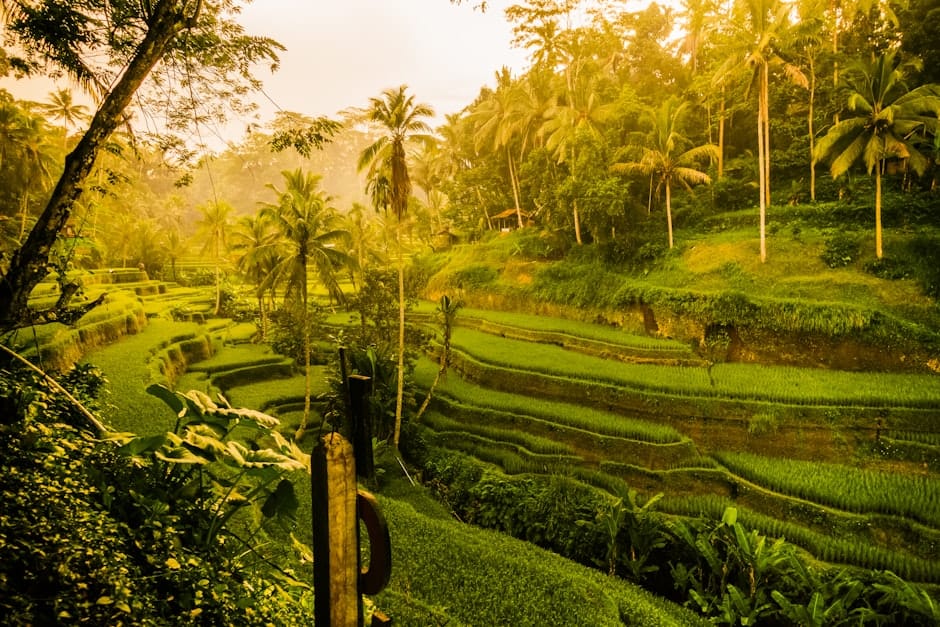
The surrounding villages are effectively extensions of Ubud. Mas, to the south, is a woodcarving center. Celuk, further south still, specializes in silver and gold jewelry. Tegallalang, about 8 kilometers north on the road toward Kintamani, is where the most photographed rice terraces in Bali slope down through layered paddies. Understanding that Ubud is really a cluster of interconnected villages, not a single contained town, helps explain why it feels simultaneously compact and endlessly explorable.
ℹ️ Good to know
Ubud's streets were not designed for the volume of traffic they now handle. Jalan Raya Ubud and Jalan Monkey Forest can become genuinely gridlocked in the late afternoon. If you are renting a scooter or hiring a driver, plan to be back at your accommodation before 4pm or after 7pm.
Character & Atmosphere: What Ubud Feels Like
Ubud operates on a schedule set partly by ceremonies and partly by the rhythms of rice cultivation, even if most visitors never notice. The town wakes early. By 6am, offerings are being placed on temple steps and at the base of frangipani trees, small woven baskets of flowers, incense, and rice that appear on every surface. The air at that hour is cool, carrying woodsmoke and the sweetness of burning incense, and the streets belong entirely to locals going about morning routines.
By 9am the tourist infrastructure is fully operational. Jalan Monkey Forest fills with a mix of international visitors, digital nomads with laptops under their arms, Balinese vendors arranging sarongs and silver rings on display tables, and the occasional domestic tour group. The light through the overhanging trees at midday is green and diffused. Around the market area near the palace, the smell shifts between fresh flowers, fried snacks from the warung stalls inside, and the slightly damp air coming off the market's lower level where produce is sold.
Late afternoon is when Ubud earns its reputation for drama. Clouds build over the inland volcanoes, thunder rolls through the valleys, and short, intense tropical downpours arrive most days between November and March. Even outside the wet season, late afternoon light on the rice paddies turns the terraces gold. After dark, the town quiets faster than you might expect. Most of the day-tripper crowds from the south have left by 6pm, and what remains is a more relaxed, international town: restaurants filling with longer-stay visitors, gamelan music drifting from a temple courtyard, frogs loud in the irrigation channels.
There is a tension in Ubud worth naming honestly. This is one of the most visited cultural destinations in Southeast Asia, and the main streets reflect that. The stretch of Jalan Monkey Forest closest to the palace can feel more like a curated international resort town than a Balinese village, with kombucha bars and yoga studios outnumbering local warungs. Venture two streets in either direction and that changes completely. The real Ubud exists in parallel with the tourist Ubud, and the skill is learning to move between them.
What to See & Do
Ubud Palace, known locally as Puri Saren Agung, anchors the center of town at the intersection of Jalan Raya Ubud and Jalan Suweta. The palace complex is partially open to visitors during the day, but its most compelling use is as a performance venue: traditional Kecak fire dance and Legong dance performances are held in the outer courtyard most evenings, and watching Kecak with the illuminated palace gates as a backdrop is genuinely theatrical. Tickets are available at the entrance and rarely sell out except during major festival periods.
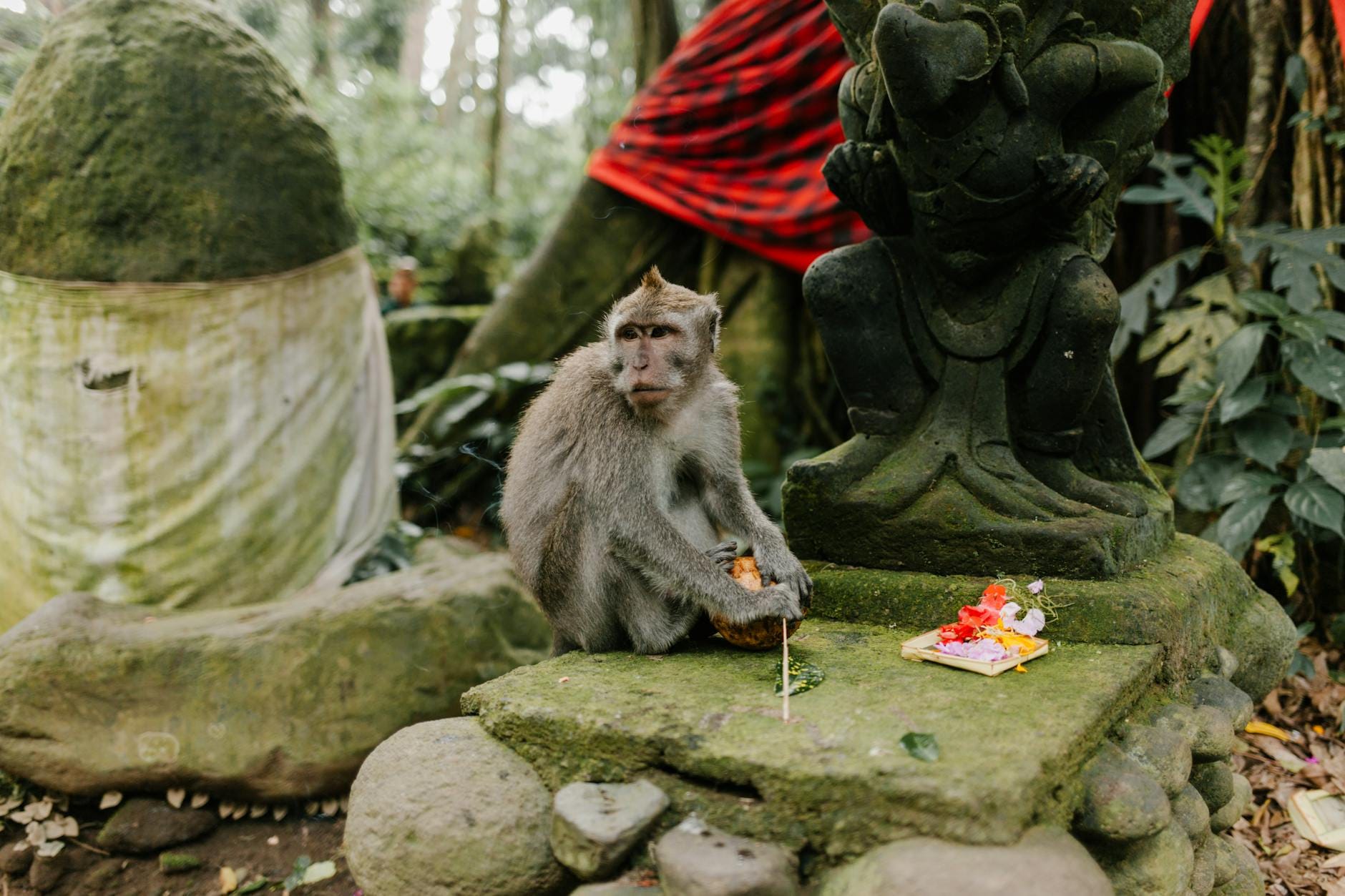
Sacred Monkey Forest Sanctuary at the southern end of Jalan Monkey Forest is a 12-hectare forest reserve containing three Hindu temples, ancient stone carvings, and a colony of several hundred long-tailed macaques. The temples inside, particularly Pura Dalem Agung, are among the older active temple structures accessible to visitors in the Ubud area. The monkeys are bold and will take food if you carry it, so secure bags and remove sunglasses before entering. The forest itself, draped with banyan roots and crossed by a small stream, is worth the entry fee independent of the primates.
The Agung Rai Museum of Art, known as ARMA, and the Neka Art Museum on Jalan Raya Sanggingan are the two institutions that most seriously document Balinese and Indonesian painting. ARMA holds work by I Gusti Nyoman Lempad, whose elongated ink figures defined a particular strain of Ubud-style art, as well as pieces by Walter Spies and Rudolf Bonnet, the Dutch and German artists who settled in Ubud in the 1930s and helped catalyze a modernist Balinese painting movement. These are serious collections, not craft markets with frames.
Ubud Market (Pasar Ubud): the upper level is a crafts market open from early morning; the lower level is a wet market most active before 8am
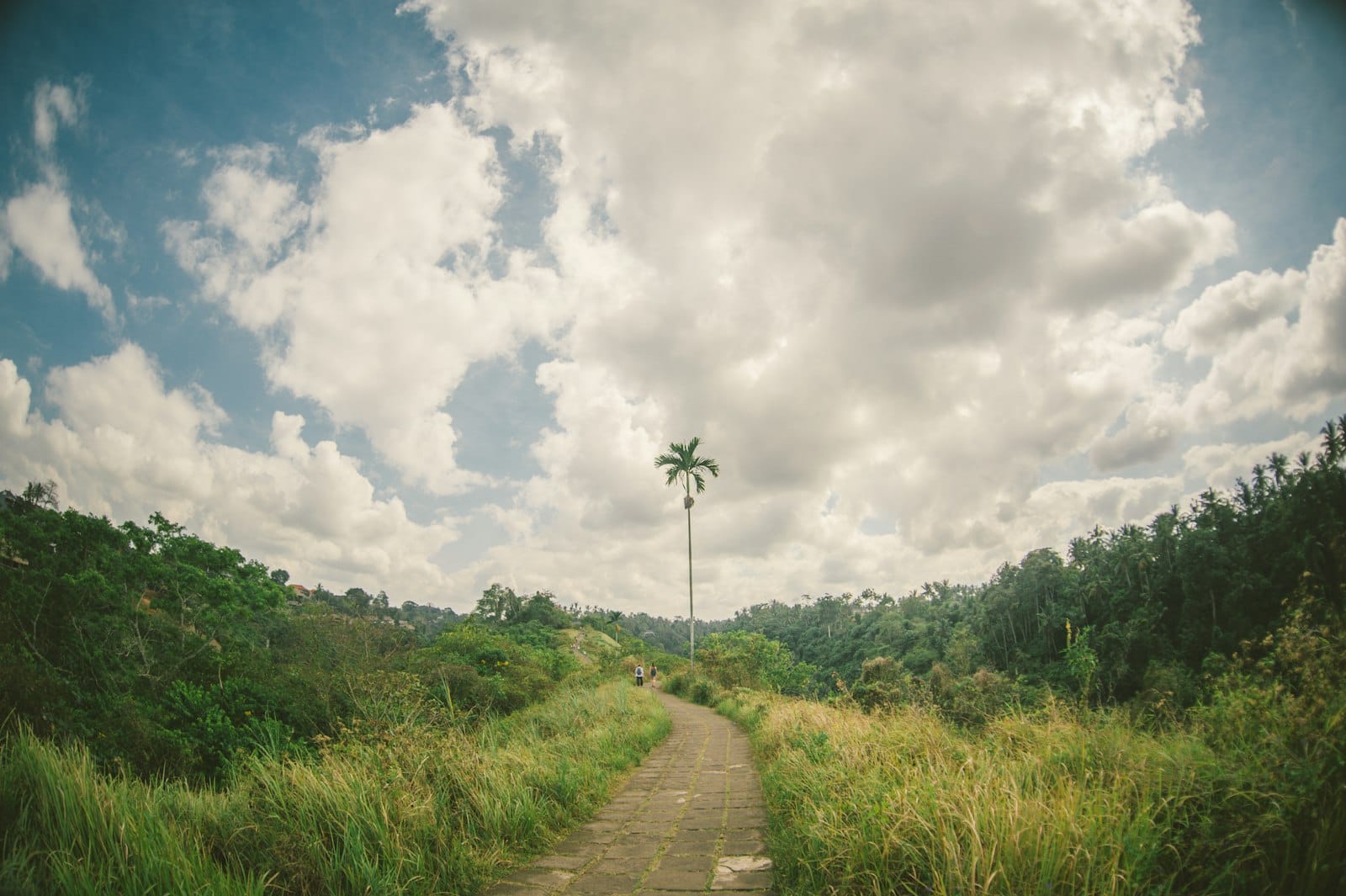
Campuhan Ridge Walk: a 2-kilometer ridge path starting near Pura Gunung Lebah temple, best walked before 8am before heat and crowds arrive
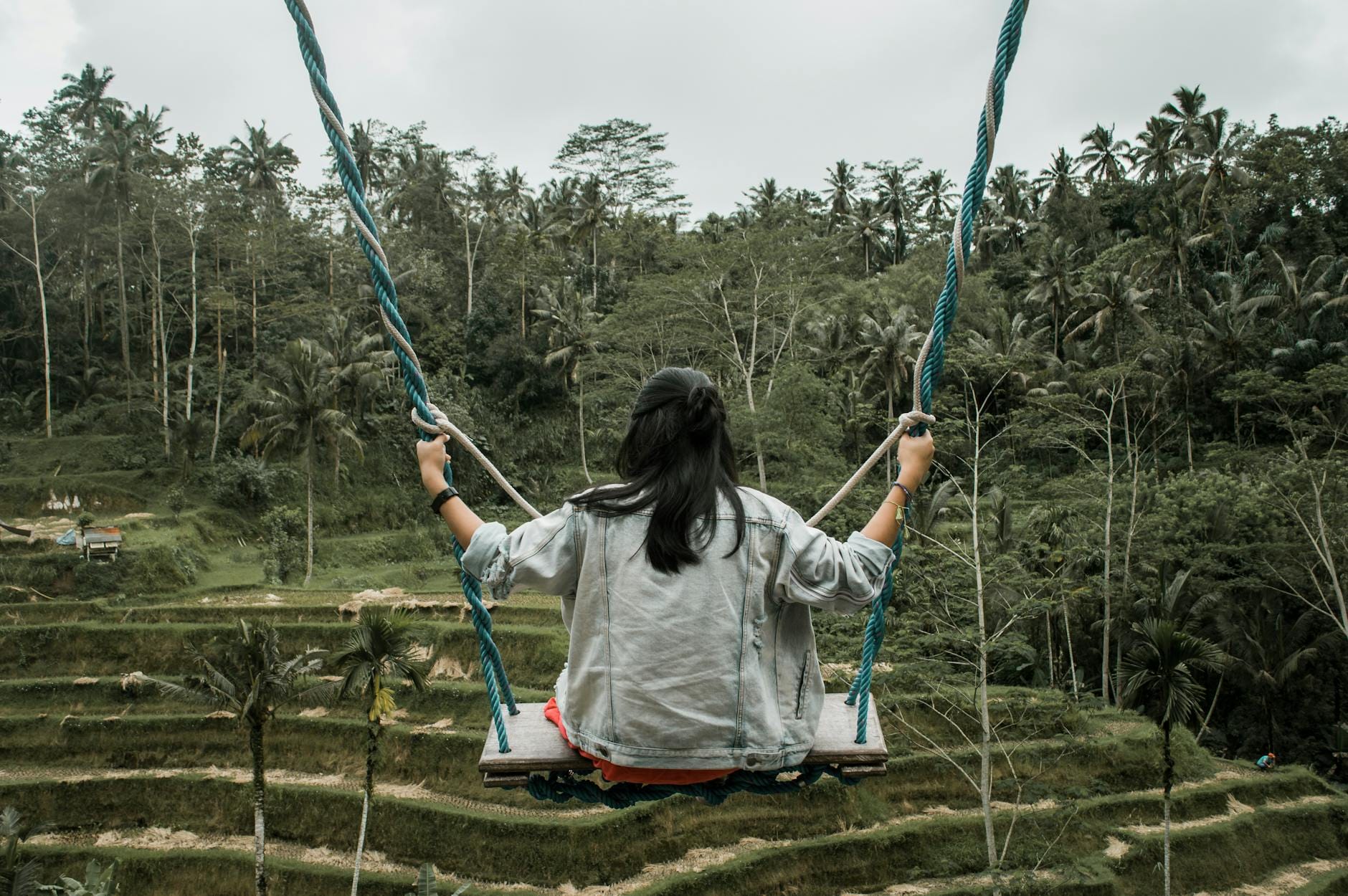
Tegallalang Rice Terraces: 8km north of town, the most dramatic terraced landscape in the Ubud area, with swing operators and cafes along the ridge
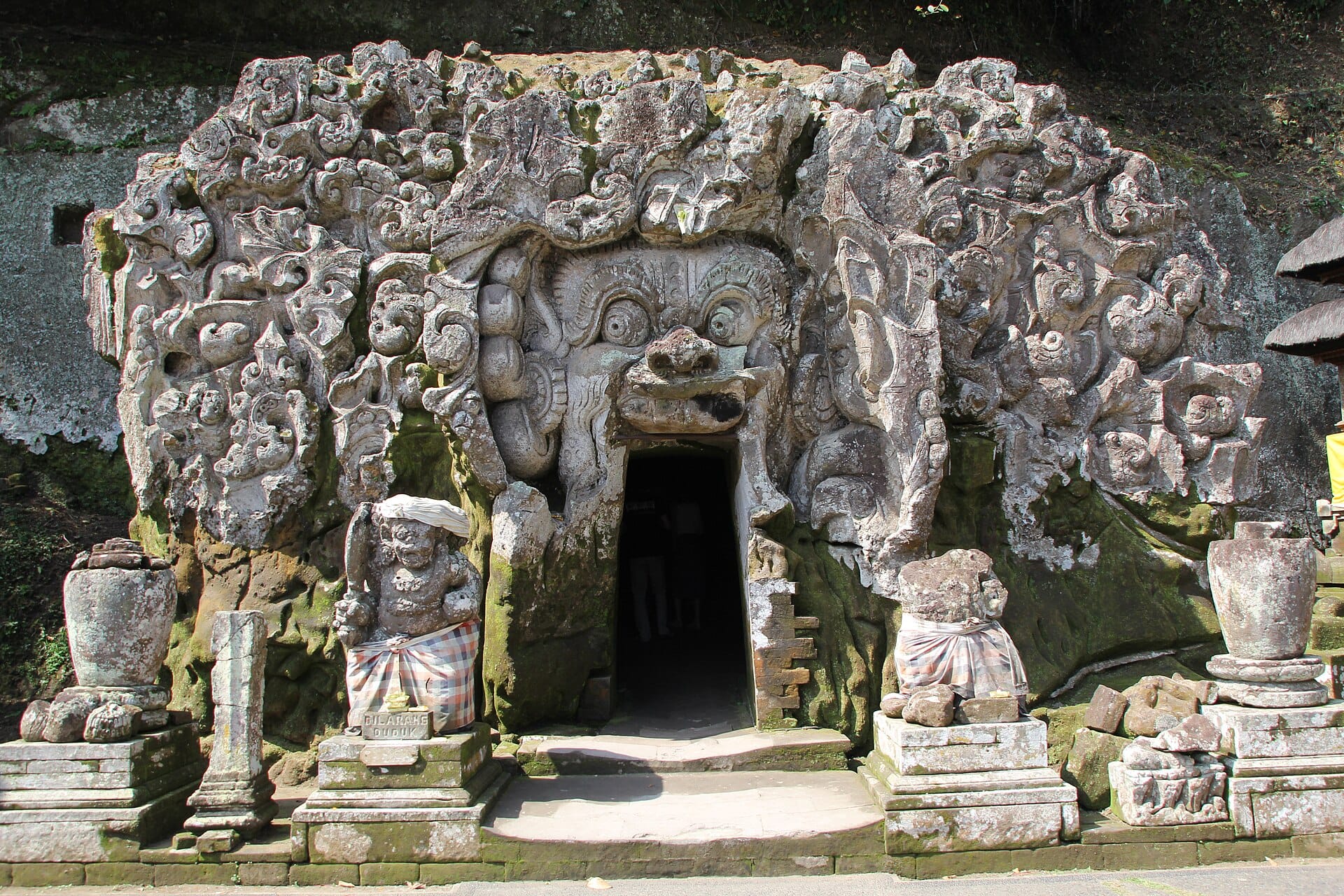
Goa Gajah (Elephant Cave): a 9th-century rock-cut sanctuary 3km east of Ubud on the road toward Gianyar, set in a river valley with bathing fountains
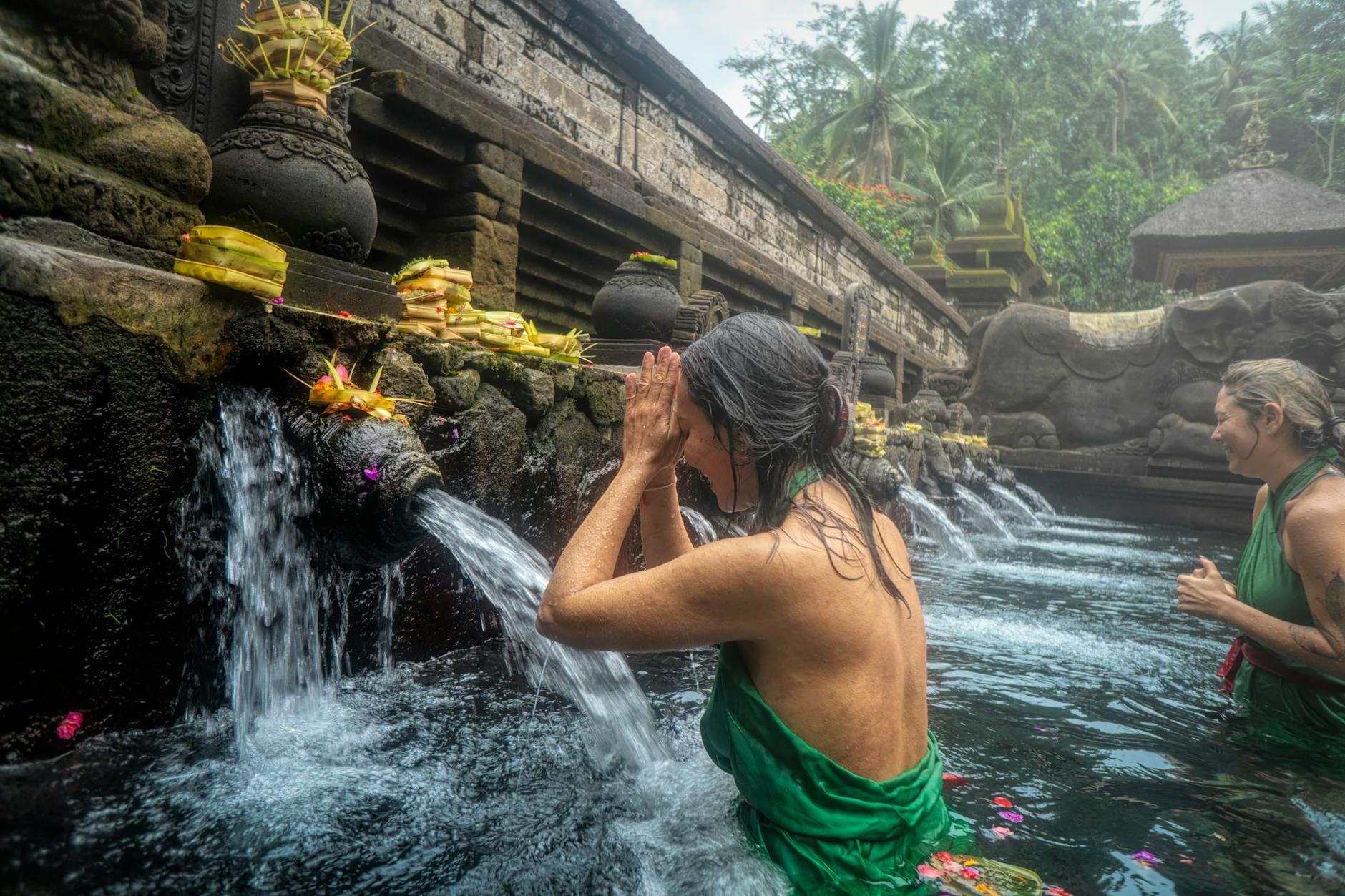
Tirta Empul Temple: 13km north in Tampaksiring, a major water temple with spring-fed purification pools used daily by Balinese worshippers
💡 Local tip
The Campuhan Ridge Walk is best before 8am. By 9:30am it is crowded enough that the contemplative quality disappears. Bring water, there is no shade on the open ridge section.
Eating & Drinking
Ubud has one of the most interesting food scenes in Bali, built on a combination of excellent local Balinese cooking, a long-established organic and vegetarian tradition, and enough international competition to keep standards high. At the budget end, warungs on Jalan Dewi Sita and around the market serve nasi campur, a Balinese plate of mixed rice with small portions of curried vegetables, fried tofu, satay, and sambal, for around 25,000 to 40,000 rupiah. These are honest, filling meals and frequently the best food in town.
The farm-to-table restaurant tradition in Ubud dates back decades, anchored by establishments like Locavore, which earned significant international recognition before it transitioned its format, and Café Wayan, one of the original Western-friendly restaurants from the 1980s. Today the mid-range scene is particularly strong, with restaurants focusing on Balinese-spiced grills, locally grown vegetables, and regional Indonesian dishes from outside Bali. Rice paddies edge up against several restaurant terraces in the Jalan Bisma area west of the center, making for genuinely scenic dining without premium pricing.
Coffee culture in Ubud is well developed. Balinese-grown arabica and robusta from the volcanic slopes around Kintamani and Munduk appear on menus throughout town. Kopi tubruk, the traditional Indonesian method of brewing unfiltered ground coffee directly in the cup, is available at any local warung for a few thousand rupiah. The specialty coffee shops on Jalan Dewi Sita and around Padangtegal cater to the laptop crowd with filter and espresso options.
Bali is not a significant cocktail or bar destination by regional standards, but Ubud has a handful of evening spots. The area around Jalan Raya Ubud and the streets immediately east has several bars with live music some nights. Alcohol is more expensive in Ubud than in the southern beach towns because most of it arrives from Kuta by delivery truck. Bintang beer is available everywhere; local arak-based cocktails are worth trying at least once.
Getting There & Around
Ubud has no public bus service and no metered taxi infrastructure worth relying on. The practical options for arriving from the airport or from Seminyak, Kuta, or Canggu are a pre-booked private driver, a Grab or Gojek ride-hail app booking from Denpasar or a nearby town, or a tourist shuttle bus. The shuttle buses, operated by companies like Perama and Kura-Kura, run fixed routes between Ubud and major tourist centers including Sanur, Padangbai, Lovina, and the Gili Islands connections.
From Ngurah Rai International Airport, the journey to Ubud takes between 1 hour and 2 hours depending on time of day and traffic through Denpasar. The midday and late afternoon routes through the city are reliably congested. A pre-booked transfer costs approximately 250,000 to 350,000 rupiah for a private car, which is significantly cheaper than trying to negotiate on arrival.
Within Ubud, walking covers the central area adequately. From the palace to Sacred Monkey Forest Sanctuary is about 15 minutes on foot south down Jalan Monkey Forest. The Campuhan Ridge Walk trailhead is about 20 minutes west on foot from the palace. For the surrounding villages and rice terrace sites, renting a scooter for around 70,000 to 100,000 rupiah per day gives the most flexibility, though the roads narrow quickly outside town and require comfort on two wheels. Hiring a driver for a half day costs roughly 400,000 to 500,000 rupiah and covers a reasonable loop of outlying sights.
⚠️ What to skip
Grab and Gojek drivers are technically restricted from picking up passengers within central Ubud due to pressure from local transport associations. Book pickups from a side street slightly outside the main zone, or use a locally registered driver recommended by your accommodation. Attempting to get a ride-hail pickup directly in front of the palace or on Jalan Monkey Forest frequently results in cancellations.
Where to Stay
Ubud's accommodation range is unusually wide for a town of its size, running from dormitory guesthouses at 100,000 rupiah per night to private villa compounds with infinity pools and personal butlers at the other extreme. The geography of where you stay matters considerably because the town is hilly and not all areas are walkable to each other in comfortable footwear.
The central area around Jalan Monkey Forest and Jalan Hanoman is the most convenient for first-time visitors, with restaurants, the market, and the palace all within a few minutes walk. It is also the noisiest, with scooters and tour vehicles running until late. Guesthouses here are frequently mid-range family-run properties with decent rooms, small garden courtyards, and included breakfasts.
For a quieter stay with rice paddy views, the neighborhoods of Sayan, Penestanan, and Bisma on the western and northern edges of town offer boutique villas and small hotels that back directly onto terraced farmland. The trade-off is a 10 to 20 minute walk or scooter ride into the center. The Ubud area outside the immediate town, particularly in the Payangan and Kedewatan valleys to the north, has a cluster of high-end resort properties positioned above river gorges, some of the most architecturally dramatic hotels in Bali.
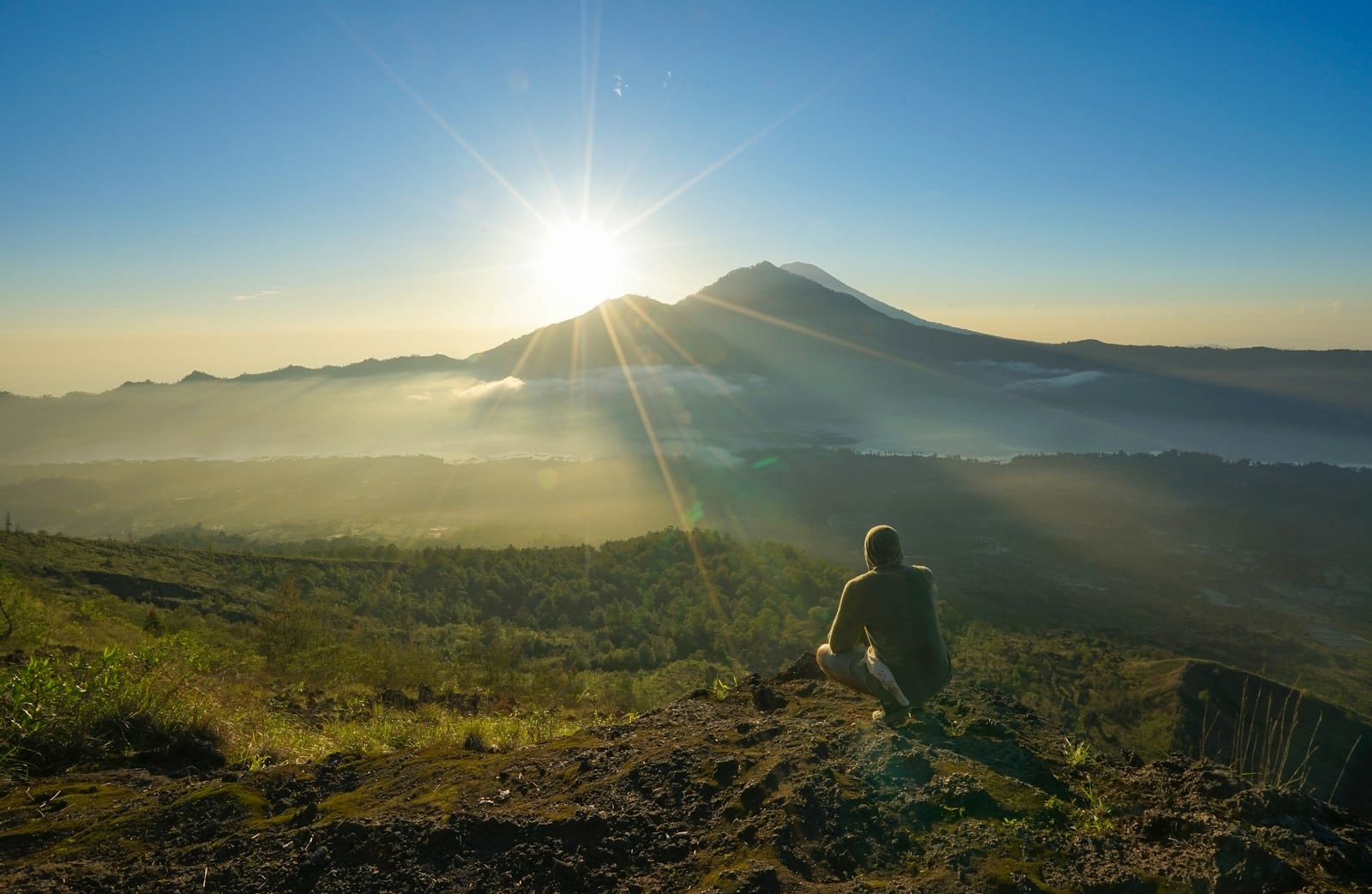
If you are visiting Bali for the first time and planning your overall itinerary, the best months to visit Bali guide covers how Ubud's highland climate and the wet season affect what you can realistically do and see across the island. For activity ideas across regions, pair it with the things to do in Bali guide.
Honest Drawbacks
Ubud is not the quiet spiritual retreat it was sold as in popular culture twenty years ago, and travelers arriving with those expectations sometimes leave disappointed. The central streets on a dry-season weekend have more in common with a popular European hill town than a Balinese village. Traffic is a genuine problem: there is no solution to Jalan Raya Ubud at 5pm on a Saturday, only avoidance.
The tourist infrastructure, while good, creates its own awkwardness. Prices at central restaurants have reached levels that price out local workers entirely, shifting the social geography of who eats where. Some of the wellness and yoga industry that settled here over the past decade operates with cultural framing that sits uncomfortably against the everyday lived religion of the Balinese families whose temple ceremonies happen on the same streets. This is worth being aware of rather than judged for visiting.
Safety at night in the central area is not a serious concern for most travelers. The streets are reasonably well lit and walking after dark on the main roads is fine. The drainage channels on either side of many footpaths are open and uncovered, and walking while looking at a phone at night is how most minor injuries happen. Ubud's main practical hazards are sun exposure, motorbike traffic on narrow roads, and the cost of impromptu medical care at the private clinics that serve the tourist population.
Bali's weather, crowds, and costs vary dramatically throughout the year. This guide breaks down every month so you can choose the right time based on your priorities, not just the travel brochure version.
From ancient sea temples and volcano sunrise treks to hidden beaches and Nusa Penida's dramatic cliffs, this guide covers 20 of the best things to do in Bali with a deep dive on each, honest opinions and planning advice.
Choosing where to stay in Bali can make or break your trip. From the surf-soaked lanes of Canggu to the rice-field serenity of Ubud and the polished resorts of Nusa Dua, this guide cuts through the noise and matches every travel style to the right neighborhood.