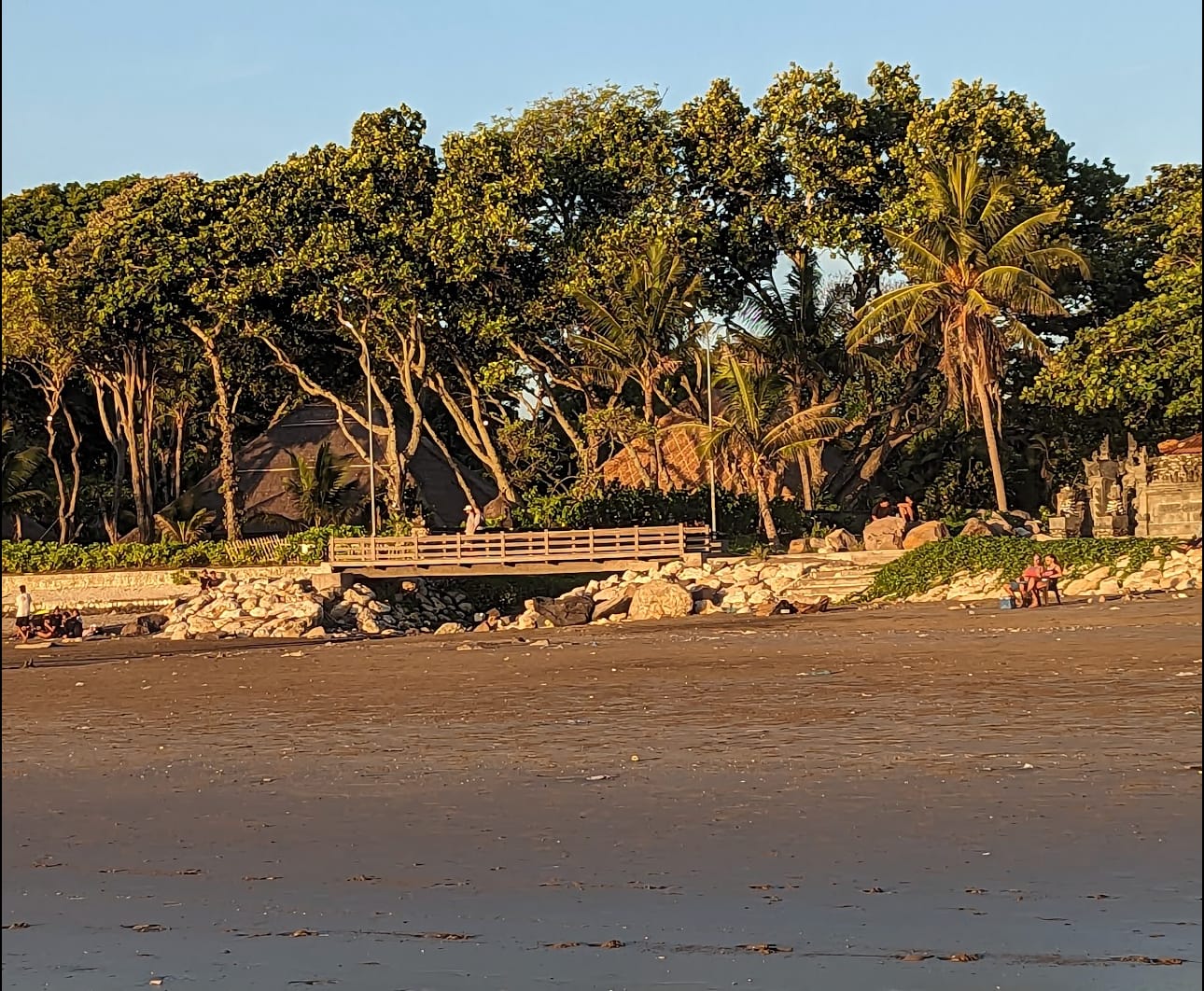
Seminyak sits at the sophisticated end of Bali's southern beach corridor, offering a compelling mix of designer boutiques, acclaimed restaurants, and legendary sunset beach clubs. It trades Kuta's party chaos for a more relaxed, style-conscious atmosphere without losing the energy that makes the coast so appealing.
Seminyak is where Bali's beach scene grows up. The sand is the same Indian Ocean stretch that runs through Kuta to the south, but the mood shifts dramatically: the hawkers thin out, the villas get grander, and the restaurants start earning international attention. It's the neighborhood where long lunches blend into sundowners and nobody seems to be in a hurry.
Orientation
Seminyak occupies a prime strip of Bali's southwestern coastline, in the Badung Regency, roughly 8 kilometers north of Ngurah Rai International Airport and immediately north of Kuta. The neighborhood is bounded loosely by Jalan Dhyana Pura to the north (where it bleeds into the surf-focused Seminyak-Petitenget corridor), the Indian Ocean to the west, and the commercial sprawl of Legian to the south. To the east, rice paddies and residential streets separate it from the inland village of Kerobokan.
The main axis is Jalan Kayu Aya (widely known as Eat Street or Seminyak Square road), which runs roughly north-south parallel to the coast and concentrates most of the neighborhood's restaurants, boutiques, and cafés. Jalan Laksmana is the other central artery, lined with fashion stores, spas, and eateries. These two roads intersect with smaller gang (lanes) that lead west toward the beach, where resort compounds and beach clubs front the ocean directly.
Understanding how Seminyak fits into the broader southern Bali picture helps enormously with trip planning. It sits at the center of a coastal strip that stretches from Kuta in the south to Canggu to the north. Each area has a distinct identity, but they flow into one another along the same beach, which means day-tripping between them is genuinely easy on foot or by scooter.
Character & Atmosphere
Seminyak moves to a slower, more deliberate rhythm than its southern neighbor. Mornings are genuinely peaceful. Before 9am, the side streets carry mostly local traffic: offerings being set out in front of warungs, delivery scooters threading through the lanes, the occasional hotel van ferrying guests to sunrise yoga. The beach is quieter than you'd expect, with joggers and paddle boarders claiming the flat sand before the sun gets serious.
By mid-morning the café terraces fill up, and Jalan Kayu Aya begins its long, unhurried afternoon. The light through this stretch of Bali is remarkable in the hours after noon: harsh and flat until about 3pm, then softening into that golden coastal wash that makes everything look better than it is. The boutiques do their best trade in the late afternoon when temperatures drop enough for comfortable browsing.
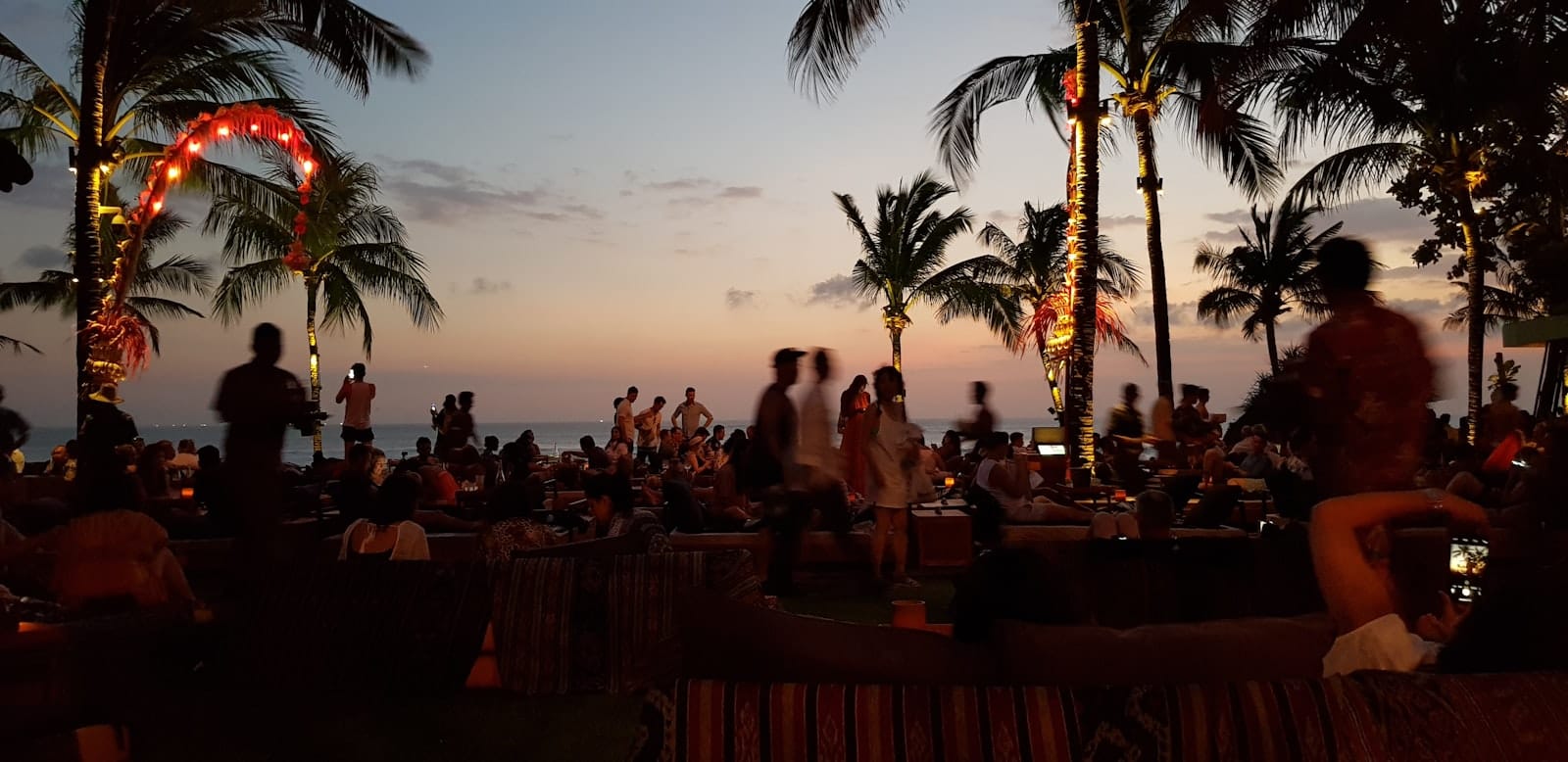
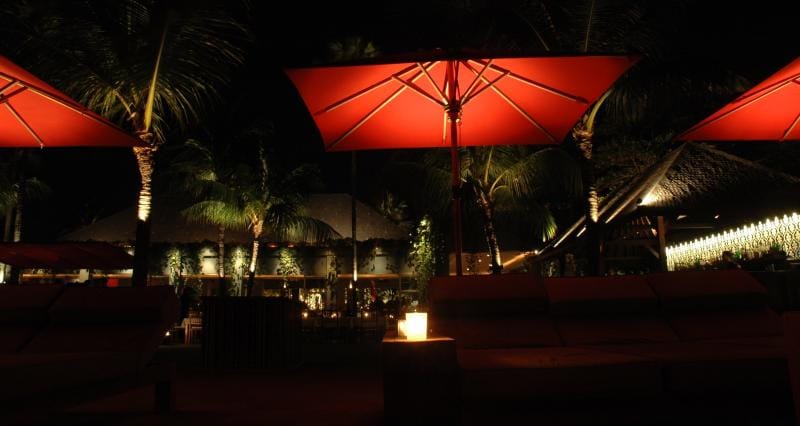
Sunset is the event the whole neighborhood orients toward. From around 5:30pm, Jalan Petitenget and the beach access roads leading west see a steady migration of people clutching cocktails and looking for the best angle on the horizon. The beach clubs along this stretch become serious operations at this hour, with DJs, reserved sunbeds, and minimum spends that can catch visitors off guard. After dark, Seminyak is lively rather than loud: restaurant terraces stay full until 11pm, the bars along Jalan Dhyana Pura (nicknamed Ku De Ta road or 'the strip' by longtime visitors) carry on later, but it rarely tips into the all-night chaos found further south.
ℹ️ Good to know
Seminyak is notably more walkable than Kuta, but the roads have no pavements in many sections. Walk facing traffic, wear sandals that grip, and expect to share the lane with scooters — especially after dark.
The crowd here skews slightly older and more international than Kuta: Australian couples on annual trips, European creative types on longer stays, and a steady stream of honeymooners drawn by the villa rentals. Indonesian domestic tourists are present but less dominant than in Kuta. The overall atmosphere is aspirational without being stuffy, and the Balinese hospitality industry here is practiced enough to make even budget travelers feel well-attended.
What to See & Do
Seminyak is not a sightseeing neighborhood in the conventional sense. There are no major temples or cultural monuments within its immediate boundaries, and that is partly the point: people come here to slow down, not tick boxes. That said, the neighborhood rewards exploration if you're willing to move beyond the obvious beach-and-brunch circuit.
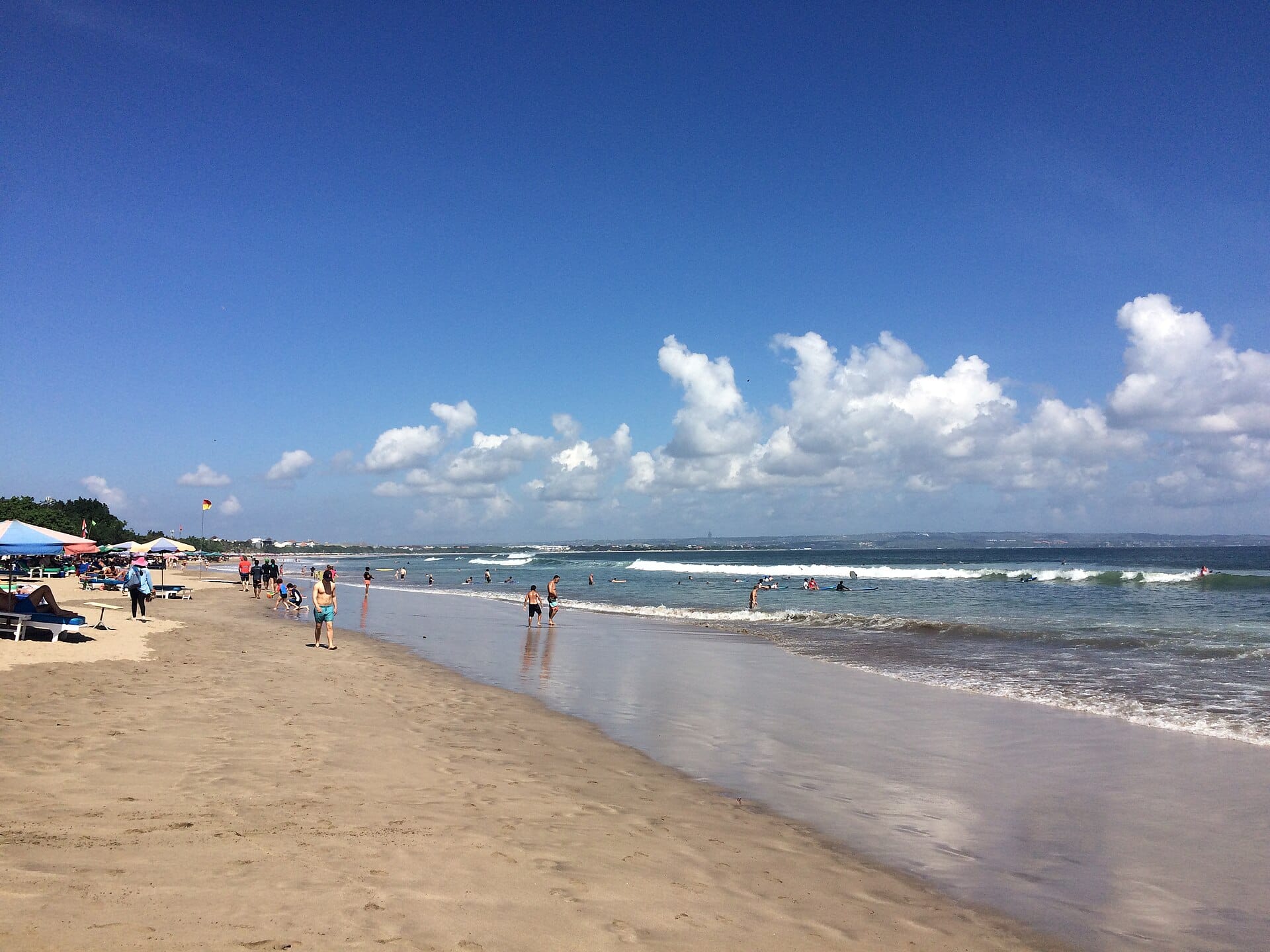
The beach itself is the anchor experience. Seminyak Beach is wider and less crowded than the Kuta stretch, with dramatic surf that makes swimming challenging but sunbathing and surfing extremely rewarding. The beach is public, so you can lay out a sarong anywhere, but the beach clubs have colonized the prime real estate with their sunbed rows. Pura Petitenget, a small sea temple sitting right at the beach's edge near the northern end of the neighborhood, is worth a quiet visit in the early morning before the foot traffic builds. It's an active place of worship, so dress appropriately and time your visit before 9am for the best experience.
Surfing: the beach break at Seminyak suits intermediate surfers better than beginners; surf schools and board rentals operate from the beach daily
Spa treatments: Seminyak has a high density of quality day spas offering Balinese massage, scrubs, and flower baths at prices far below Western equivalents
Boutique shopping: Jalan Laksmana and Jalan Kayu Aya concentrate a mix of international designers, Bali-based fashion labels, and homeware shops
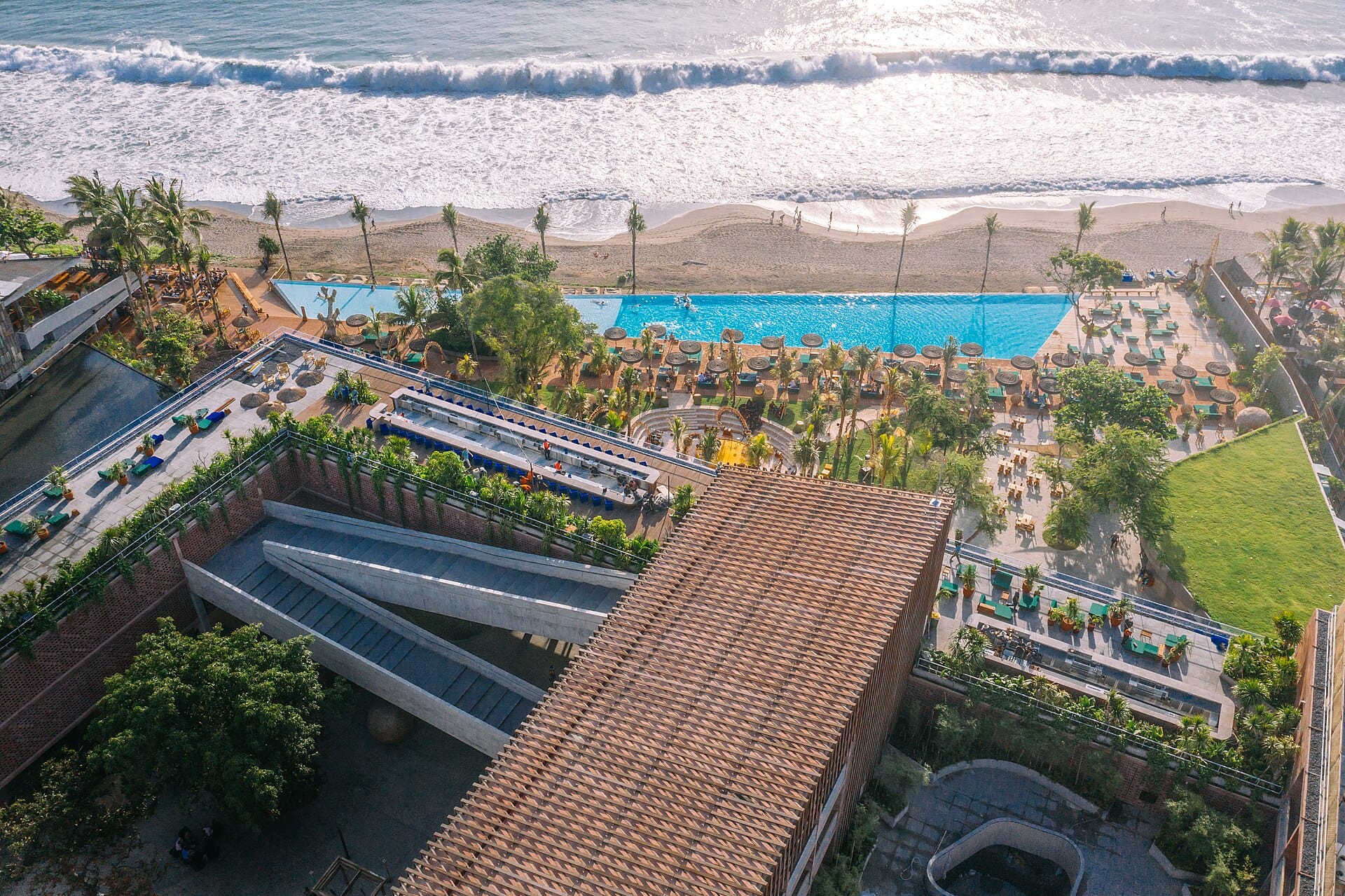
Sunset beach clubs: the northern end of Seminyak beach hosts several large beach clubs where you can book sunbeds, order food, and watch the sun drop below the ocean
Cooking classes: several villas and dedicated cooking schools offer half-day Balinese cooking sessions with market visits included
For cultural depth, Seminyak functions best as a base rather than a destination. Ubud is roughly 1.5 hours northeast by car and makes an excellent full-day excursion for temples, rice terraces, and traditional arts. The island of Nusa Penida is accessible by fast boat from nearby Sanur and offers a completely different side of Bali within half a day's travel.
Eating & Drinking
The food scene in Seminyak is genuinely one of the strongest in Southeast Asia for a coastal resort neighborhood. The concentration of international residents and high-spending visitors has attracted serious restaurant investment, and the result is a stretch of Jalan Kayu Aya and the surrounding lanes where you can eat extremely well across almost every cuisine and price bracket.
For Indonesian food, the warungs on the smaller side streets and along Jalan Raya Seminyak serve reliable nasi campur (rice with small portions of various dishes) and mie goreng from early morning. These are priced for locals, typically under 30,000 IDR, and represent the best value eating in the neighborhood. The morning market scene is quieter than in Ubud, but small food carts appear around 7am near the main intersections selling jaja (traditional Balinese rice cakes) and fresh coconuts.
The mid-range and upscale restaurant tier is where Seminyak truly distinguishes itself. The neighborhood has several restaurants that would compete credibly in any major international city: wood-fired concepts, refined Indonesian tasting menus, serious cocktail programs, and wine lists that go well beyond the usual resort selections. Dinner reservations at the more popular spots are strongly recommended from June through August and again in December, when the neighborhood reaches its highest occupancy.
💡 Local tip
For the best value dining, explore the small gang (lanes) running east from Jalan Laksmana toward Jalan Raya Seminyak. These back streets have family warungs serving full meals for a fraction of the beachfront pricing, often with better Balinese home cooking.
The café culture here runs on cold brew, fresh juices, and elaborate smoothie bowls targeting the wellness crowd. These cafés open from around 7am and are extremely busy with laptop workers from mid-morning onward. The beach club bar scene is a separate category: expect high minimum spends (often USD 30-50 per person), internationally-priced cocktails, and spectacular sunset views in return. It's a particular kind of experience and not essential to enjoying Seminyak, but worth doing once.
Getting There & Around
Ngurah Rai International Airport is approximately 8 kilometers south of central Seminyak, making it one of the closest beach neighborhoods to the airport on the island. A metered taxi or ride-share app (Grab and Gojek both operate here) takes 20-40 minutes depending on traffic, and should cost roughly 80,000-120,000 IDR. Traffic between the airport and Seminyak on the coastal road can back up badly in the late afternoon and on weekend evenings, so allow extra time if flying in or out during those windows.
There is no train or metro service in southern Bali, and Seminyak has no dedicated bus terminal. The Trans Sarbagita public bus service exists in theory but is too infrequent and limited in routing to be practical for most travelers. For getting around locally, scooter rental is by far the most efficient option: rental shops on Jalan Raya Seminyak charge around 60,000-80,000 IDR per day. Ride-share apps are reliable for point-to-point trips. The beach road itself is worth exploring on foot in the cooler morning hours. Canggu is a 20-30 minute scooter ride north along Jalan Petitenget, while Kuta is roughly 15 minutes south.
⚠️ What to skip
Unlicensed taxi drivers ('transport guys') frequently approach tourists outside beach clubs and restaurants offering rides at fixed rates. These rates are almost always higher than Grab or Gojek, and some drivers will try to negotiate aggressively. Use a ride-share app whenever possible for both pricing transparency and safety.
Walking between points within Seminyak is very feasible during the cooler parts of the day. Jalan Kayu Aya to the beach is about a 10-15 minute walk depending on which access lane you take. Walking south from central Seminyak to the Legian boundary takes roughly 20 minutes at a comfortable pace. The main roads lack dedicated pedestrian infrastructure, so stick to the edge of the road and remain alert.
Where to Stay
Seminyak offers one of the widest accommodation ranges in southern Bali, from private villa compounds sleeping two to large five-star resort hotels directly on the beach. The villa rental market is particularly developed here: Jalan Petitenget and the back lanes off Jalan Laksmana are dense with two and four-bedroom private villas with pools, which are excellent value for couples or small groups and often undercut comparable resort room rates.
For location, staying within a few hundred meters of Jalan Kayu Aya puts you within walking distance of most restaurants and the beach access points. The quieter residential sections east of Jalan Raya Seminyak offer cheaper guesthouses and a more local atmosphere, but require a scooter or taxi for most activities. The beach-facing hotels command premium prices and sell out early in peak season; book at least two to three months ahead for July, August, and the Christmas-New Year period.
Travelers who want proximity to Seminyak's style but with a more laid-back, community atmosphere should consider Canggu as an alternative base. It's close enough for regular visits while offering lower prices and a different daily energy. Similarly, Jimbaran to the south offers quieter bay beaches and a more local feel for travelers who only want to dip into Seminyak occasionally.
For practical help choosing where to base yourself across all of southern Bali, the best months to visit Bali guide covers seasonal factors that directly affect which neighborhoods are most liveable at different points in the year.
Is Seminyak Right for You?
Seminyak rewards travelers who appreciate quality eating, a relaxed coastal pace, and some space from the heaviest tourist footprint without completely retreating from convenience. It's not the place for those seeking deep cultural immersion in Balinese life: the neighborhood has been thoroughly shaped by international tourism, and most of its character reflects that. But it does this more gracefully than almost anywhere else on the island.
The main drawbacks are real and worth acknowledging. Traffic on the main roads can be genuinely frustrating, especially during the high season. Prices at restaurants, beach clubs, and spas have risen sharply in recent years and now represent serious expenditure by Southeast Asian standards. The beach itself, while beautiful, has strong surf that makes it unsuitable for casual swimming. And the neighborhood has very little that's genuinely local-feeling in its commercial core: for a more authentic Balinese experience, you need to venture east or north.
TL;DR
Best for: couples, design-conscious travelers, food lovers, and anyone wanting a polished, comfortable beach base in southern Bali
Avoid if: you're on a tight budget, want deep cultural immersion, or need calm swimming beaches (try Nusa Dua instead)
Signature experience: watching the sun set from a beach club on Seminyak Beach with a cocktail in hand
Key streets: Jalan Kayu Aya (restaurants and cafés), Jalan Laksmana (boutiques and spas), Jalan Petitenget (beach clubs and villas)
Peak season congestion in July-August and December-January is significant: book accommodation and restaurant reservations well in advance
Bali's weather, crowds, and costs vary dramatically throughout the year. This guide breaks down every month so you can choose the right time based on your priorities, not just the travel brochure version.
From ancient sea temples and volcano sunrise treks to hidden beaches and Nusa Penida's dramatic cliffs, this guide covers 20 of the best things to do in Bali with a deep dive on each, honest opinions and planning advice.
Choosing where to stay in Bali can make or break your trip. From the surf-soaked lanes of Canggu to the rice-field serenity of Ubud and the polished resorts of Nusa Dua, this guide cuts through the noise and matches every travel style to the right neighborhood.