Canggu sits along Bali's southwest coast, roughly 20 minutes north of Seminyak, and has evolved from a quiet rice-field village into the island's most talked-about destination for surfers, digital nomads, and travelers who want something less packaged than Kuta. It balances beach culture with genuine Balinese village life, though that balance shifts a little more each year.
Canggu is the neighborhood that Seminyak used to be before the luxury hotels arrived: creative, slightly chaotic, and still close enough to actual rice fields that you can hear the frogs at night. It draws surfers, long-stay remote workers, and travelers tired of resort corridors, offering a stretch of black-sand beach, a cafe scene that punches well above its size, and a nightlife strip that has surprised everyone by becoming one of Southeast Asia's most energetic.
Orientation
Canggu sits on Bali's southwestern coast, in the administrative area of Badung Regency, roughly 10 to 12 kilometers north of Kuta and about 5 kilometers north of Seminyak's northern boundary at Batubelig Beach. It is not a tightly defined district but a loose collection of villages: Berawa, Batu Bolong, Echo Beach, and Pererenan are the four you will hear most often, each with its own micro-character.
Batu Bolong is the commercial and social core: Jalan Batu Bolong runs from the rice fields inland all the way to the beach and is lined almost continuously with cafes, surf shops, and warung. Echo Beach, a short walk west, is quieter and more residential but has a strip of seafood restaurants facing the water. Berawa, to the south and slightly inland, is where many of the larger co-working spaces and villas are concentrated. Pererenan, to the north, is where Canggu starts to blur into Cemagi and becomes noticeably more local and less developed.
The main arteries you need to know are Jalan Raya Canggu, which runs roughly east-west through the area, Jalan Batu Bolong, which forms the heart of the action, and Jalan Pantai Berawa, which connects the southern pocket around Finns Beach Club to the broader road network. Traffic on all of these can lock up between 5pm and 7pm, a daily ritual that visitors from every corner of the world have learned to plan around.
ℹ️ Good to know
Canggu has no central landmark or single focal point. First-time visitors often find it disorienting because it sprawls across rice fields and back lanes with no obvious grid. Download an offline map before you arrive and identify which village pocket you are staying in.
Character & Atmosphere
Canggu feels different at different hours, and that variation is part of why people stay longer than they planned. Early mornings belong to surfers and locals: Batu Bolong Beach before 7am has a low tide energy that is quietly spectacular, the black volcanic sand still cool, a handful of people paddling out to the reef break, and roosters audible from the temple compound just inland. The light at that hour is soft and golden, falling across the rice field paths that cut between villas along the back lanes.
By mid-morning the cafes fill up. Canggu has more specialty coffee roasters, acai bowl vendors, and avocado toast operations per square kilometer than almost anywhere in Southeast Asia, which either appeals to you or it does not. The crowd is heavily international: a mix of Australian surfers, European digital nomads on long-stay visas, American content creators, and, increasingly, travelers from across Asia doing a Bali loop. The local Balinese presence is real but quieter, concentrated around the rice fields, the temple ceremonies that happen with regular frequency on the smaller lanes, and the warung that have survived the rent increases.
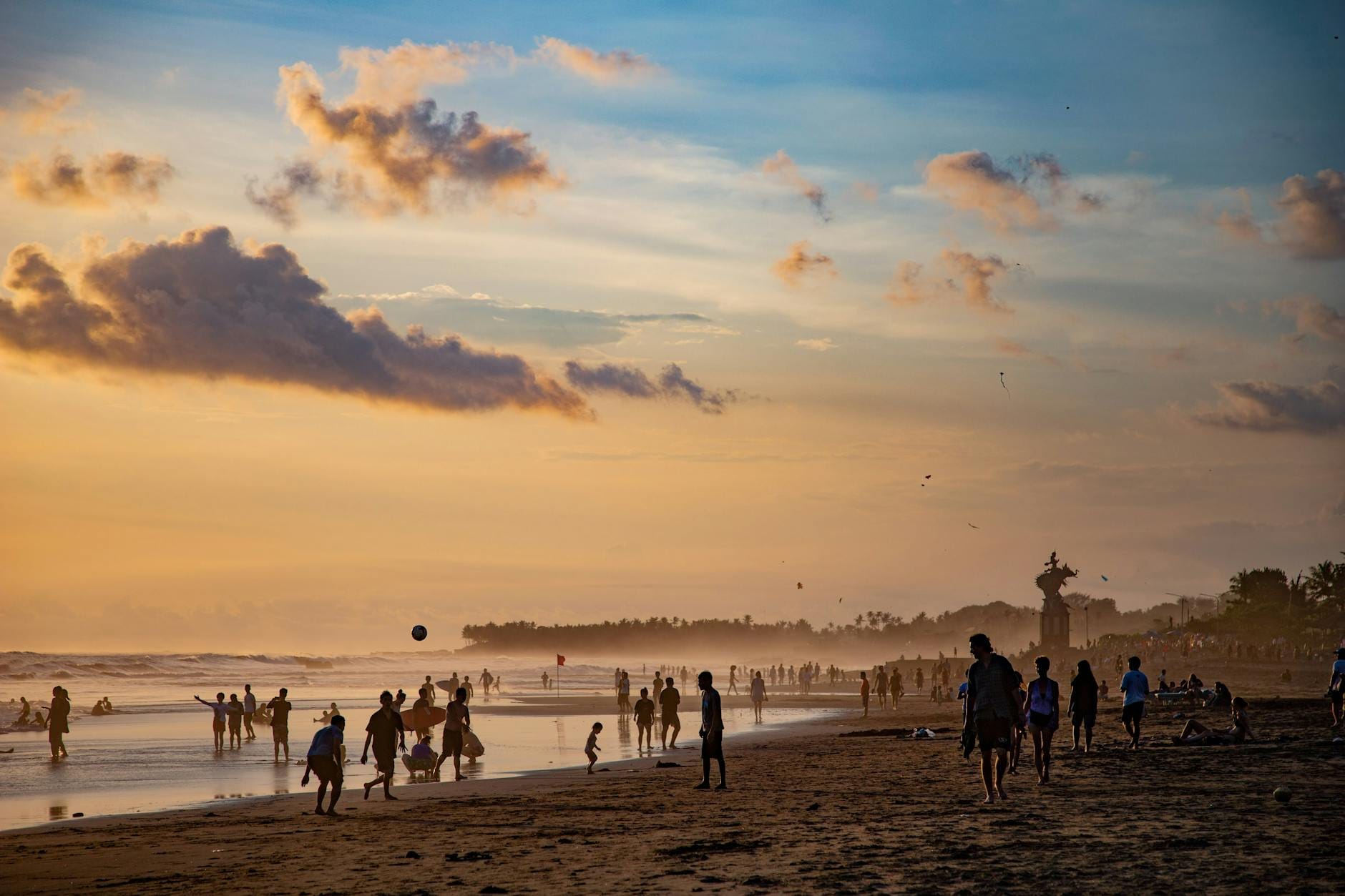
Afternoons get hot and slow. The beach fills up, the cafes do their lunch rush, and then a post-lunch lull descends where even the street cats find shade. Between 4pm and sunset is when Canggu is at its most photogenic and most crowded simultaneously: the light turns amber, the surf is typically good, and the beach bars begin to fill. Echo Beach in particular draws a crowd for its sunset views over the Indian Ocean.
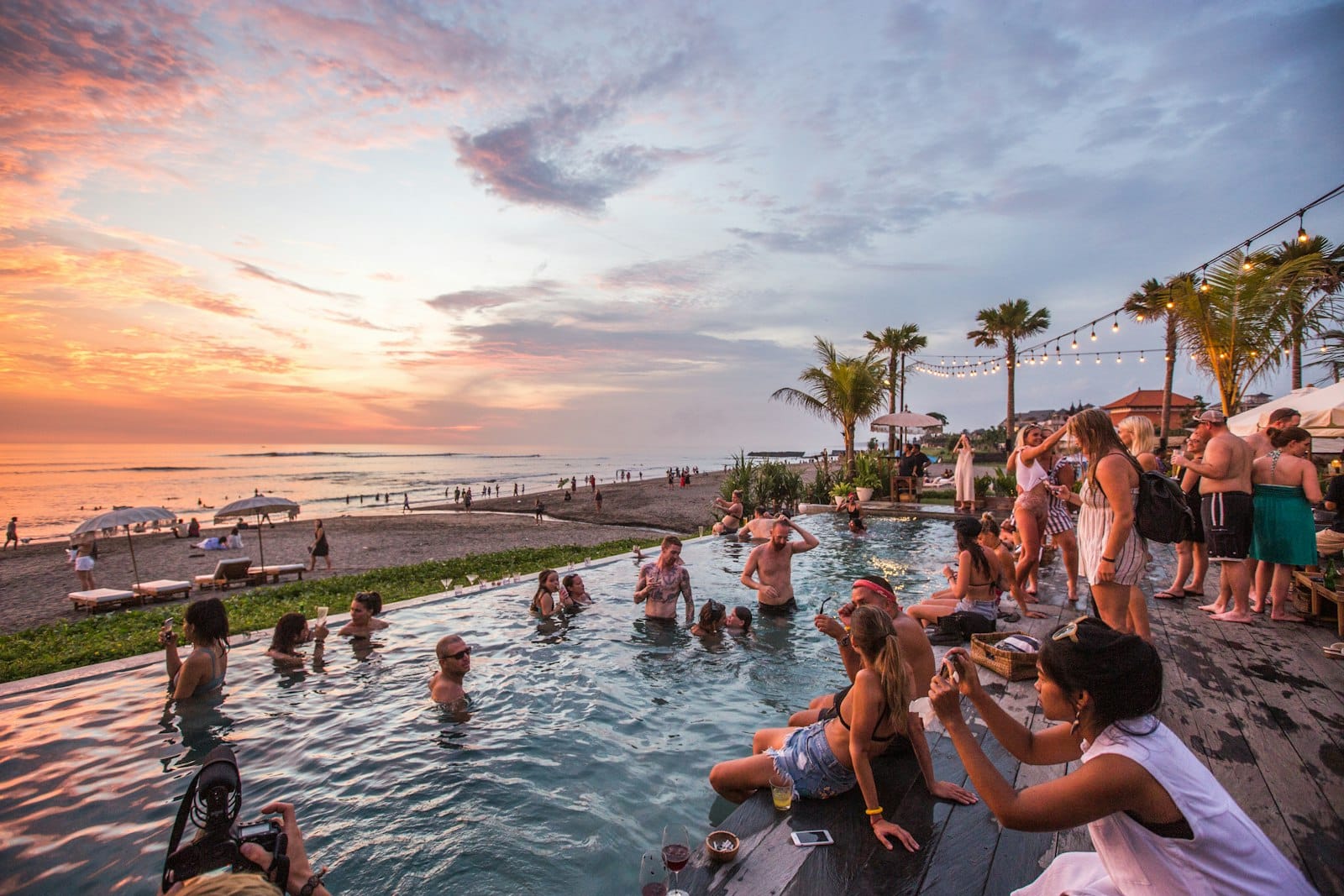
After dark, the Batu Bolong strip and the area around Old Man's bar shifts into something louder. Canggu's nightlife developed fast and now runs surprisingly late, with several venues operating well past midnight. It is not as polished as Seminyak's club scene; it is more a series of bars, beach clubs, and open-air spots where music spills onto the road. If you are looking for quiet evenings, stay in Pererenan or book a villa with rice field views and distance from Jalan Batu Bolong.
⚠️ What to skip
Noise is a genuine issue in the Batu Bolong core. Rooms on or near the main strip can expect music and motorbike traffic until 1am or later. Check accommodation reviews specifically for noise before booking.
What to See & Do
Surfing is the activity that anchors everything in Canggu. Batu Bolong Beach has a beach break that works for intermediate surfers at most tides, while Echo Beach next door has a stronger reef break that attracts more experienced riders. Several surf schools operate on Batu Bolong, and rental boards are available from shops up and down Jalan Batu Bolong. The surf is generally best in the dry season from April to October, with consistent southwest swells producing clean waves in the 1 to 2 meter range on good days.
Walking the rice field paths is underrated and free. The lanes that cut through the paddies between Jalan Batu Bolong and the Berawa area are accessible on foot or by bicycle and give you a sense of what this whole stretch of coast looked like 15 years ago. You will pass small family temples, duck pens, and the occasional villa construction site. Morning is the best time, both for the light and the temperature.
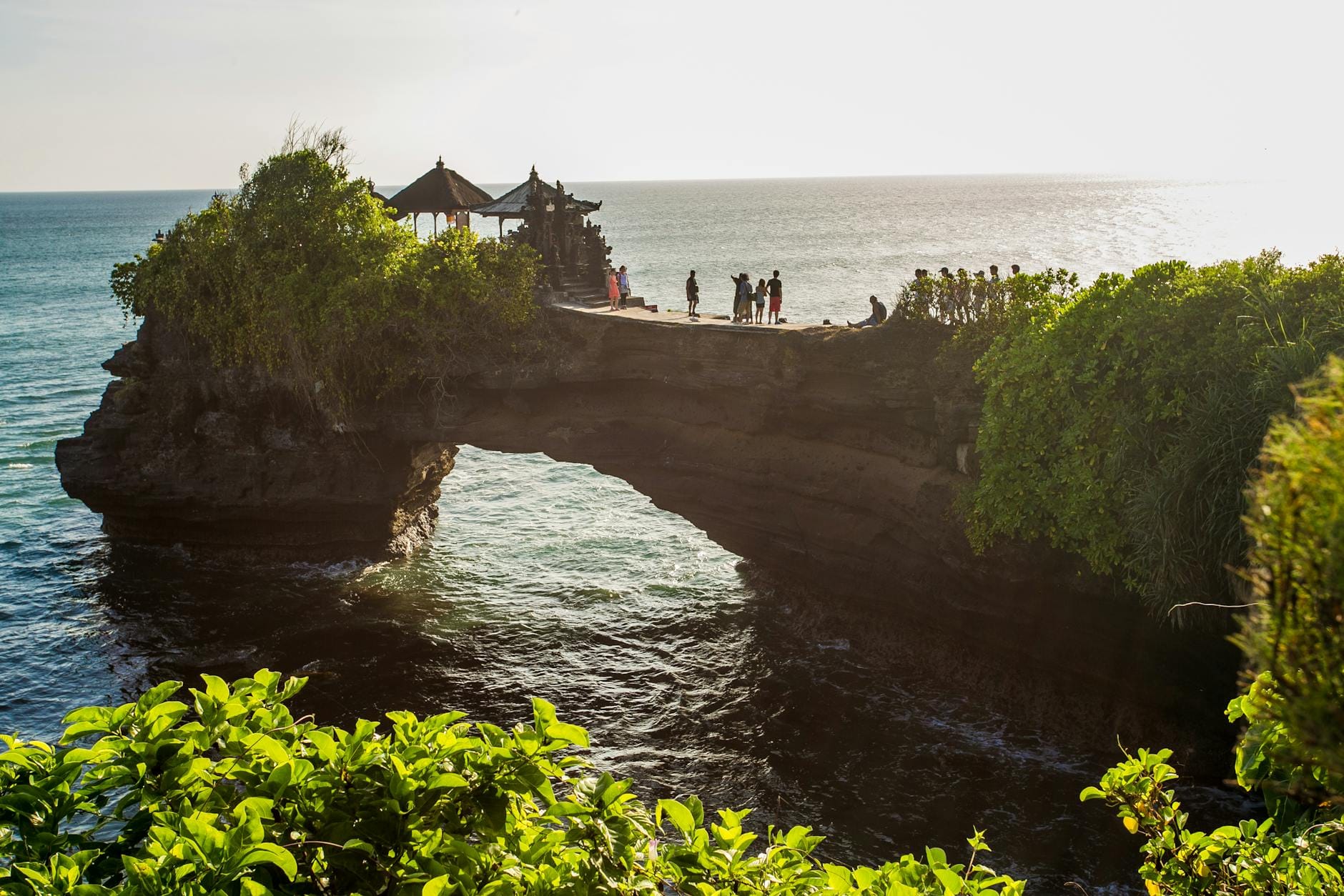
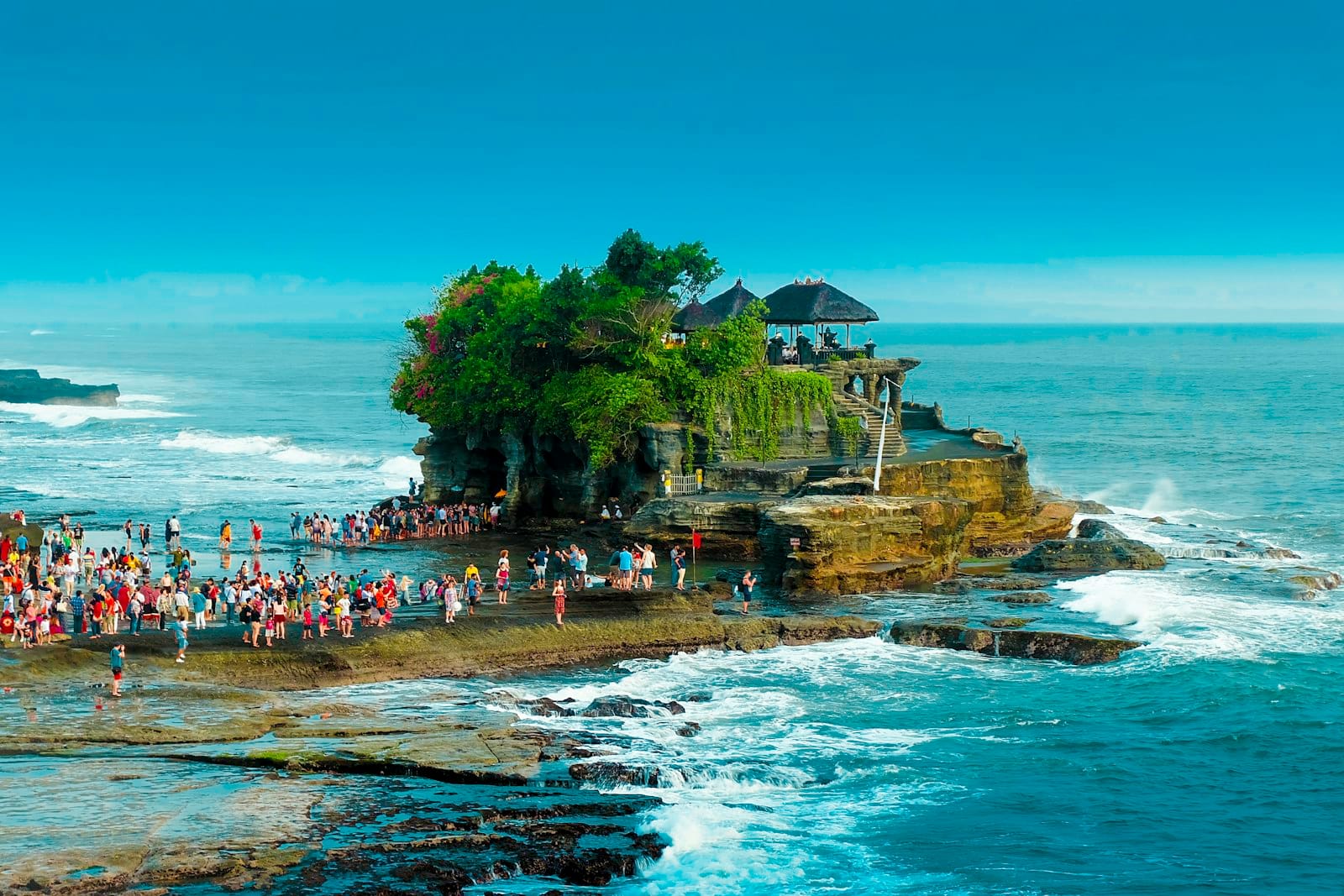
Tanah Lot, one of Bali's most recognized sea temples, sits on a rock formation about 8 kilometers southwest of Canggu along the coast road. It is a 20-minute drive and worth visiting in the late afternoon when the light is best and the tide is coming in. Most visitors combine it with a stop at one of the clifftop restaurants that look back toward the temple.
Surf lessons at Batu Bolong Beach for beginners, or rent a board independently if you already know what you are doing
Walk or cycle the rice field paths between Batu Bolong and Berawa in the morning
Visit Pura Batu Bolong, the small seaside temple at the south end of Batu Bolong Beach
Watch the sunset from Echo Beach with a Bintang and a plate of grilled fish
Browse the weekend market at Pasar Senggol for local snacks, crafts, and street food
Day trip to Tanah Lot temple, about 20 minutes southwest by scooter
Canggu makes a solid base for exploring the rest of Bali. Ubud is roughly an hour inland by scooter or taxi, making it an easy day trip for anyone wanting temples, terraced rice fields, and the island's arts scene. For planning your wider Bali itinerary, the best months to visit Bali guide will help you time the surf and the weather correctly.
Eating & Drinking
The food scene in Canggu is genuinely excellent, which is part of what keeps people here. It spans a wider range than the Instagram-friendly cafe aesthetic suggests: there are outstanding Indonesian warung serving nasi campur and sate for under two dollars, mid-range all-day cafes where a full breakfast and two coffees will run you eight to twelve dollars, and a handful of proper dinner restaurants with thoughtful menus and wine lists.
For local food, the small warung on the back lanes off Jalan Batu Bolong are your best starting point. Look for places where Balinese families are eating, not tourist-facing signage. Nasi goreng, mie goreng, and fresh coconut water are available from early morning from mobile carts around the beach car park area. The fish at Echo Beach restaurants is genuinely good: red snapper and barramundi grilled over coconut husks, ordered by weight, and eaten at plastic tables with your feet in the sand.
Canggu's cafe culture deserves its reputation. The area has attracted serious baristas and roasters, and finding a well-made pour-over or cold brew is not difficult. Many cafes double as co-working spaces with reliable wifi, which explains why they fill up with laptops by 9am. Smoothie bowls, raw desserts, and plant-based menus are ubiquitous, reflecting the demographic that has settled here.
For drinking, Old Man's on Jalan Batu Bolong is the reference point: an open-air bar and venue that has operated for years, draws a mixed crowd, and plays music that escalates through the evening. Beach clubs in the Berawa area offer a more upscale poolside version of the same experience with higher drink prices. Bintang beer, the local lager, costs around 30,000 to 45,000 rupiah at bars, less at warung.
💡 Local tip
If you are watching your budget, eat your main meal at a warung at lunch and save the cafe experience for breakfast or coffee. You can eat extremely well in Canggu for under $5 a day if you stick to local spots, or spend $40 without noticing at the western-facing restaurants.
Getting There & Around
Bali's Ngurah Rai International Airport is about 20 to 25 kilometers south of Canggu. A metered taxi or app-based ride (Grab or Gojek) from the airport takes 40 to 60 minutes depending on traffic and costs roughly 150,000 to 250,000 rupiah. Avoid the unlicensed taxi touts inside the arrivals hall; walk to the official taxi counter or use the app pickup zone outside.
Within Canggu, a scooter is close to essential if you want to move freely. Rentals are available on almost every block for around 60,000 to 80,000 rupiah per day. The roads are manageable once you understand that traffic flows from the left and that the unwritten rules of Balinese traffic are more fluid than any formal road code. If you are not comfortable on a scooter, Grab and Gojek both operate in the area and are reliable for point-to-point trips, though surge pricing applies in the evening rush.
Canggu has no public bus service worth mentioning. The Trans Sarbagita bus covers some of the southern Badung corridor but does not extend into the Canggu villages in a practical way. Walking works well within a single village pocket: Jalan Batu Bolong from rice fields to beach is about 1.5 kilometers and perfectly walkable. Crossing between Echo Beach and Berawa on foot takes 20 to 25 minutes along the beach road.
Seminyak is about 15 to 20 minutes by scooter heading south on Jalan Raya Kerobokan. Kuta and the airport corridor are another 20 minutes beyond that. Ubud, the most common day trip destination, involves heading east on the main road through Kediri and then north, a journey that takes 50 to 75 minutes by scooter and up to 90 minutes by car in daytime traffic.
Where to Stay
Canggu has a wide accommodation range, from guesthouses in the 150,000 to 300,000 rupiah range to private villas with private pools that rent for several hundred dollars a night. The villa rental market is particularly well developed: many travelers, especially groups, find that splitting a two or three bedroom villa with a private pool works out cheaper per person than a hotel room while being significantly more comfortable.
For location, staying on or just off Jalan Batu Bolong puts you close to everything but within earshot of the nightlife. The back lanes between Batu Bolong and Berawa are quieter and still walkable to the beach. Pererenan, on the north end, is the best choice if you want a slower pace, easier access to uncrowded surf at the northern breaks, and a more residential feel with fewer tourists on the street.
Berawa suits travelers who want access to the larger beach clubs and the Berawa Beach area without the noise of the Batu Bolong strip. It is also slightly more convenient for scooter access toward Seminyak and the airport. Budget travelers will find the most guesthouse options concentrated around the southern end of Jalan Batu Bolong and the small lanes feeding off it.
Batu Bolong: best for first-timers and social travelers who want to be in the middle of the action
Pererenan: best for surfers, long-stay visitors, and anyone wanting quiet mornings and local feel
Berawa: best for travelers who want pool and beach club access with easier transit connections
Echo Beach: best for couples or travelers who want a beach-facing dinner scene without the loudest nightlife
Is Canggu Right for You?
Canggu has real strengths: the food and coffee quality are among the best in Bali, the surf is accessible and consistent, and the social energy makes it easy to meet people and stay longer than planned. It has also changed significantly in a short time. The rice fields that once defined the landscape are shrinking as villa construction accelerates. Prices have risen noticeably. In the high season from July to September, the main streets are genuinely crowded and the traffic is frustrating.
Travelers who want quiet village Bali will be disappointed by the Batu Bolong core, though Pererenan and the northern pocket still offer something closer to that. Travelers who want curated luxury will find Seminyak and the Nusa Dua resort corridor more polished. But for anyone who wants a beach neighborhood with real food, good surf, and a social scene that does not require a dress code or a reservation, Canggu remains one of the most compelling places in Southeast Asia to spend a week or two.
TL;DR
Canggu is Bali's most popular neighborhood for surfers, digital nomads, and travelers who want beach life with good coffee and a social scene rather than a packaged resort experience.
The food and cafe scene is exceptional for the price point, ranging from $2 warung meals to thoughtful restaurant dinners, with specialty coffee on almost every block.
A scooter is effectively necessary for getting around comfortably; Grab and Gojek work but traffic between 5pm and 7pm is slow across the whole area.
Stay in Pererenan for quiet and local feel, Batu Bolong for social energy and convenience, Berawa for beach clubs and easier transit access.
Not ideal for travelers seeking luxury polish, authentic village Bali untouched by tourism, or peace and quiet in the evenings. Those priorities are better served by other parts of the island.
Bali's weather, crowds, and costs vary dramatically throughout the year. This guide breaks down every month so you can choose the right time based on your priorities, not just the travel brochure version.
From ancient sea temples and volcano sunrise treks to hidden beaches and Nusa Penida's dramatic cliffs, this guide covers 20 of the best things to do in Bali with a deep dive on each, honest opinions and planning advice.
Choosing where to stay in Bali can make or break your trip. From the surf-soaked lanes of Canggu to the rice-field serenity of Ubud and the polished resorts of Nusa Dua, this guide cuts through the noise and matches every travel style to the right neighborhood.