Where to Stay in Bali: The Right Area for Every Traveler
Choosing where to stay in Bali can make or break your trip. From the surf-soaked lanes of Canggu to the rice-field serenity of Ubud and the polished resorts of Nusa Dua, this guide cuts through the noise and matches every travel style to the right neighborhood.
Plan and book this trip
Tools from our partner Travelpayouts help you compare flights and hotels. If you book through them, we may earn a commission at no extra cost to you.
Flights
Hotels map
TL;DR
- Bali has six distinct base areas, each with a completely different atmosphere, price range, and crowd profile.
- Ubud suits culture-seekers and wellness travelers; Canggu suits digital nomads and surfers; Seminyak suits style-conscious visitors who want good dining and nightlife.
- Nusa Dua is the safest bet for families and luxury resort stays: predictable, polished, and calm.
- Avoid basing yourself in Kuta unless you specifically want party-focused nightlife and the cheapest possible beds. It doesn't represent Bali at its best.
- Before booking, check the best months to visit Bali: your timing will affect pricing and availability across all areas.
How Bali's Areas Actually Differ
Bali is not a small island with interchangeable neighborhoods. It stretches roughly 150 km east to west, and the south, center, and north each have distinct terrain, infrastructure, and traveler populations. Getting between the airport in Denpasar and, say, Ubud takes about 1 to 1.5 hours in normal traffic. Between Ubud and the Uluwatu peninsula, expect the same. Traffic is a genuine constraint here: choosing the wrong base and planning day trips in every direction is an expensive, exhausting mistake most first-timers make.
The south of Bali contains the commercial hub: Kuta, Seminyak, Canggu, and Uluwatu are all within 30 to 60 minutes of Ngurah Rai International Airport. Ubud sits in the central highlands at around 600 meters elevation, noticeably cooler and quieter. The far east (Amed, Candidasa) and far north (Lovina, Singaraja) are a world apart from the tourist south and genuinely suit adventurous independent travelers. Most visitors on a 7 to 14 day trip should pick one primary base and plan secondary trips from there.
Seminyak and Kerobokan: Best for Style, Dining, and Beachside Comfort
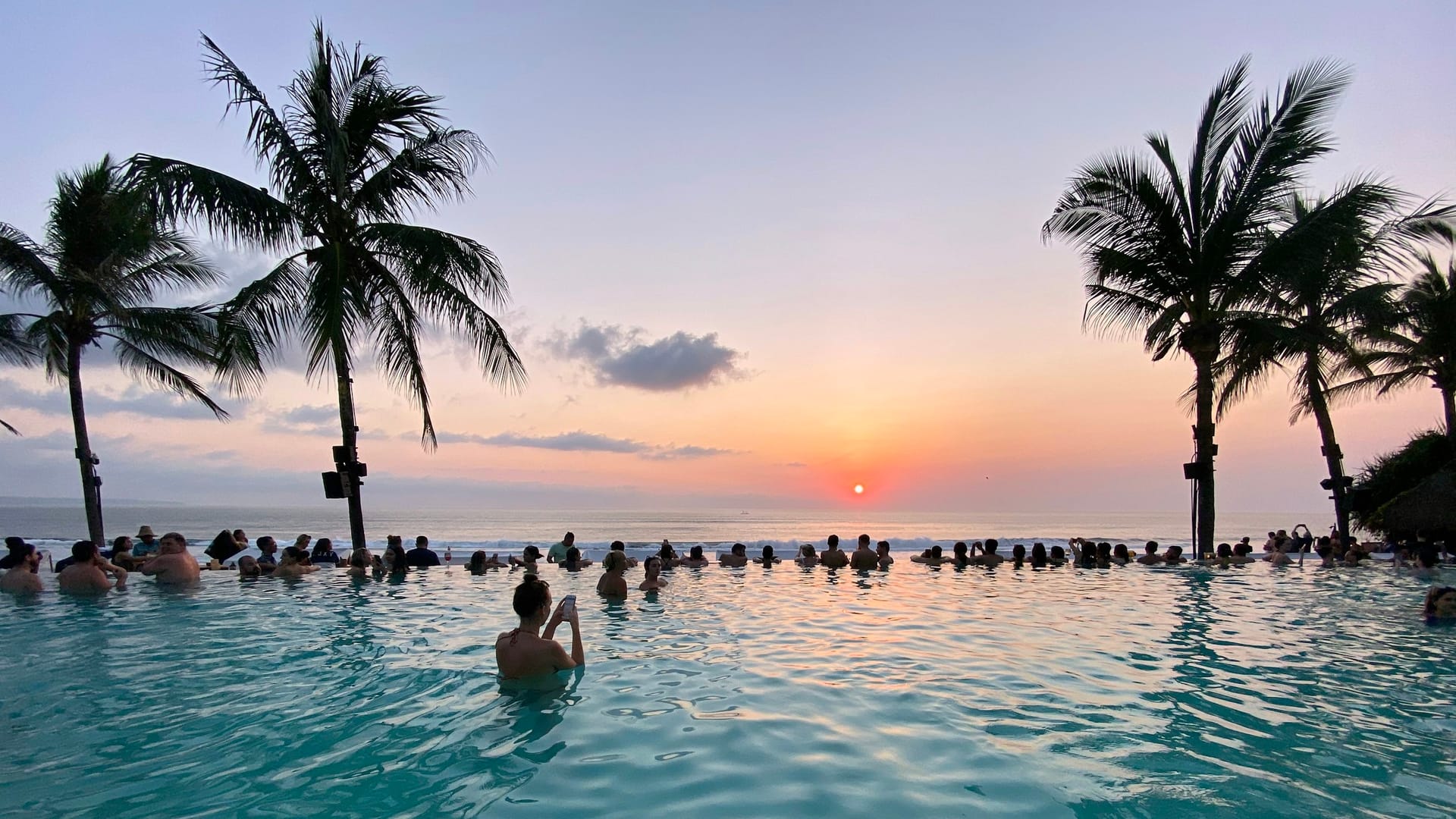
Seminyak is the most well-rounded base for adult travelers who want beach access, quality restaurants, and boutique shopping without the relentless noise of Kuta. The main strips around Jalan Kayu Aya and Jalan Petitenget are lined with independent cafes, contemporary Indonesian restaurants, and some of Bali's best beach clubs. Ku De Ta and Potato Head Beach Club are both within easy walking or scooter distance.
Accommodation here ranges from mid-range private villas (around $80-150 per night for a one-bedroom with a pool) to boutique hotels in the $100-250 range. Kerobokan, just north of Seminyak proper, offers similar quality at slightly lower prices and has a more residential feel. It's a good choice if you want to feel slightly less like you're inside a tourist bubble while still being 10 minutes from the beach by scooter.
💡 Local tip
In Seminyak, rent a scooter (around IDR 80,000-120,000 per day) rather than relying on taxis. The narrow gang (lanes) between villas are only navigable by two wheels, and ride-hailing apps like Gojek or Grab get significantly cheaper trips than metered taxis in this area.
Canggu: Best for Surfers, Nomads, and Long-Stay Travelers
Canggu has absorbed most of Seminyak's young, creative crowd over the past decade. The area around Berawa, Batu Bolong, and Echo Beach has transformed dramatically since 2018, with coworking spaces, specialty coffee shops, and healthy food spots now sitting alongside surf schools and rice paddies. Batu Bolong Beach suits beginner surfers, while Echo Beach has a more consistent break for intermediate riders.
Accommodation in Canggu skews toward guesthouses, private villas, and longer-stay rentals. A decent guesthouse room runs IDR 300,000-600,000 per night (around $18-36), while private pool villas for monthly stays can be negotiated down to $600-1,200 per month. The downside: Canggu's road network is genuinely terrible. Traffic on Jalan Raya Canggu during peak hours (roughly 8-10am and 4-7pm) is some of the worst in southern Bali. It's not the right base if you plan intensive day trips across the island.
⚠️ What to skip
Canggu has developed faster than its infrastructure can support. Power cuts, flooding during rainy season (November to March), and notoriously bad traffic are real issues. If you're visiting for less than 5 days, Seminyak gives you most of the same energy with fewer logistical headaches.
Ubud: Best for Culture, Nature, and Wellness
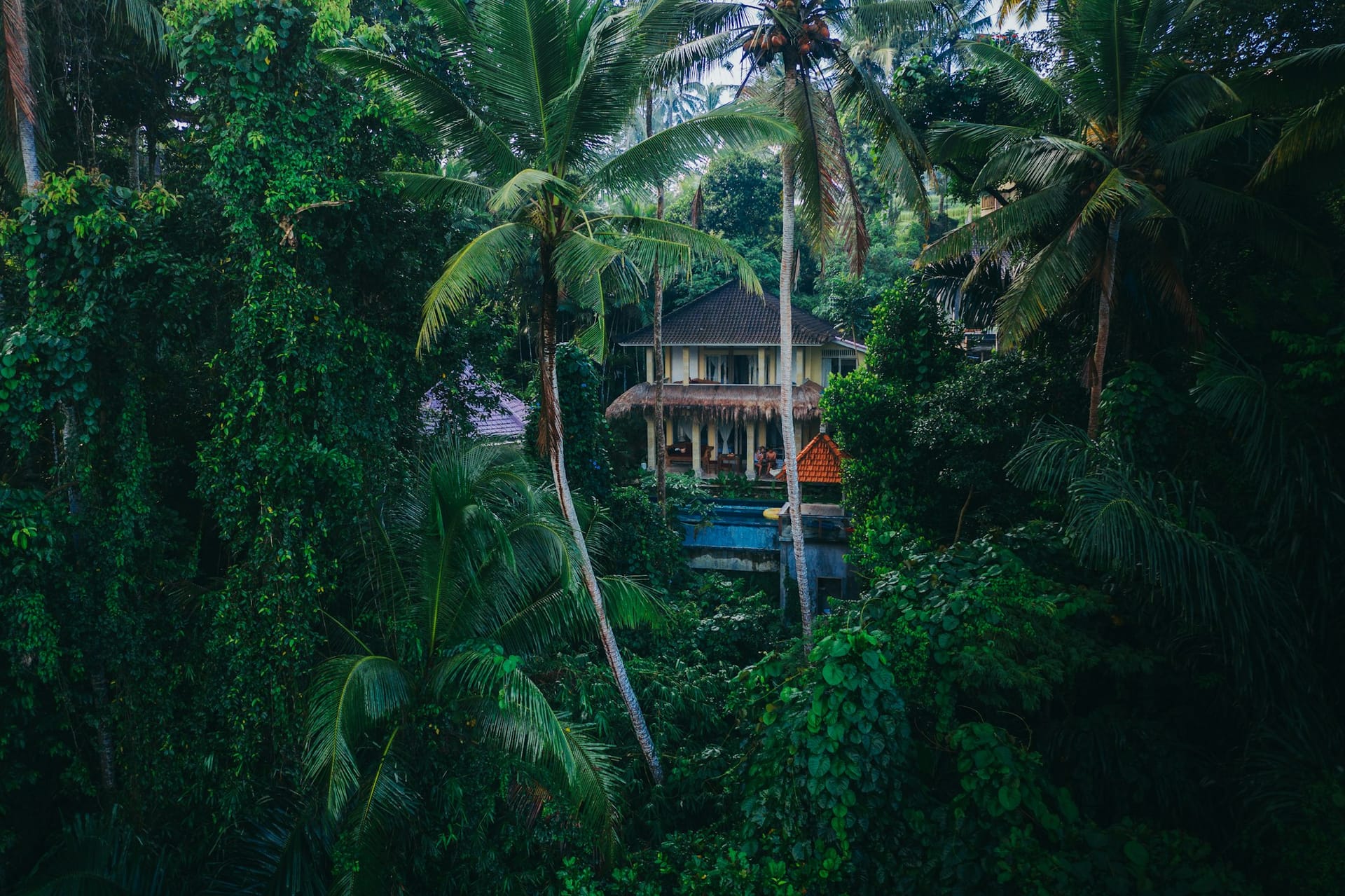
Ubud is Bali's cultural heart and the base of choice for travelers who want something more substantive than beach days. The town sits surrounded by rice terraces, temple complexes, and river gorges. The Sacred Monkey Forest Sanctuary is right in the center of town, the Tegallalang rice terraces are a 20-minute drive north, and the Campuhan Ridge Walk starts at the edge of the town center.
Hotels in Ubud range from no-frills guesthouses for under $20 per night to genuinely world-class jungle resorts charging $500-1,000 per night. The mid-range sweet spot (a rice field view room or small private villa with breakfast included) runs around $50-120. Book well ahead if visiting July, August, or over Christmas/New Year, when occupancy hits near 100% and prices jump 30-50%.
One honest caveat: Ubud's main street, Jalan Raya Ubud, is now extremely commercialized, lined with tourist restaurants and souvenir shops. The real Ubud experience requires staying outside the center (in the Penestanan, Nyuh Kuning, or Sayan areas), where the atmosphere is dramatically calmer. A scooter is essential here. Most of Ubud's best attractions require riding 15-40 minutes from the town center.
Uluwatu and the Bukit Peninsula: Best for Cliff Views and Surf
The Bukit Peninsula, at Bali's southern tip, is a completely different proposition from the rest of the south. The landscape is limestone karst: dramatic cliffs, hidden coves, and some of the island's best surf breaks. Pura Luhur Uluwatu temple sits on a 70-meter cliff edge and is genuinely one of Bali's most impressive sights. The Kecak fire dance performed here at sunset is worth the trip alone.
Staying in Uluwatu or nearby Bingin and Padang Padang suits surfers and travelers who want seclusion over convenience. Infrastructure is minimal: food and supplies require driving to Jimbaran or further. Padang Padang Beach is compact and photogenic but gets crowded fast. Accommodation ranges from cliff-edge budget bungalows at $25-40 to high-end infinity-pool villas at $300+ per night.
Nusa Dua and Jimbaran: Best for Families and Resort Stays
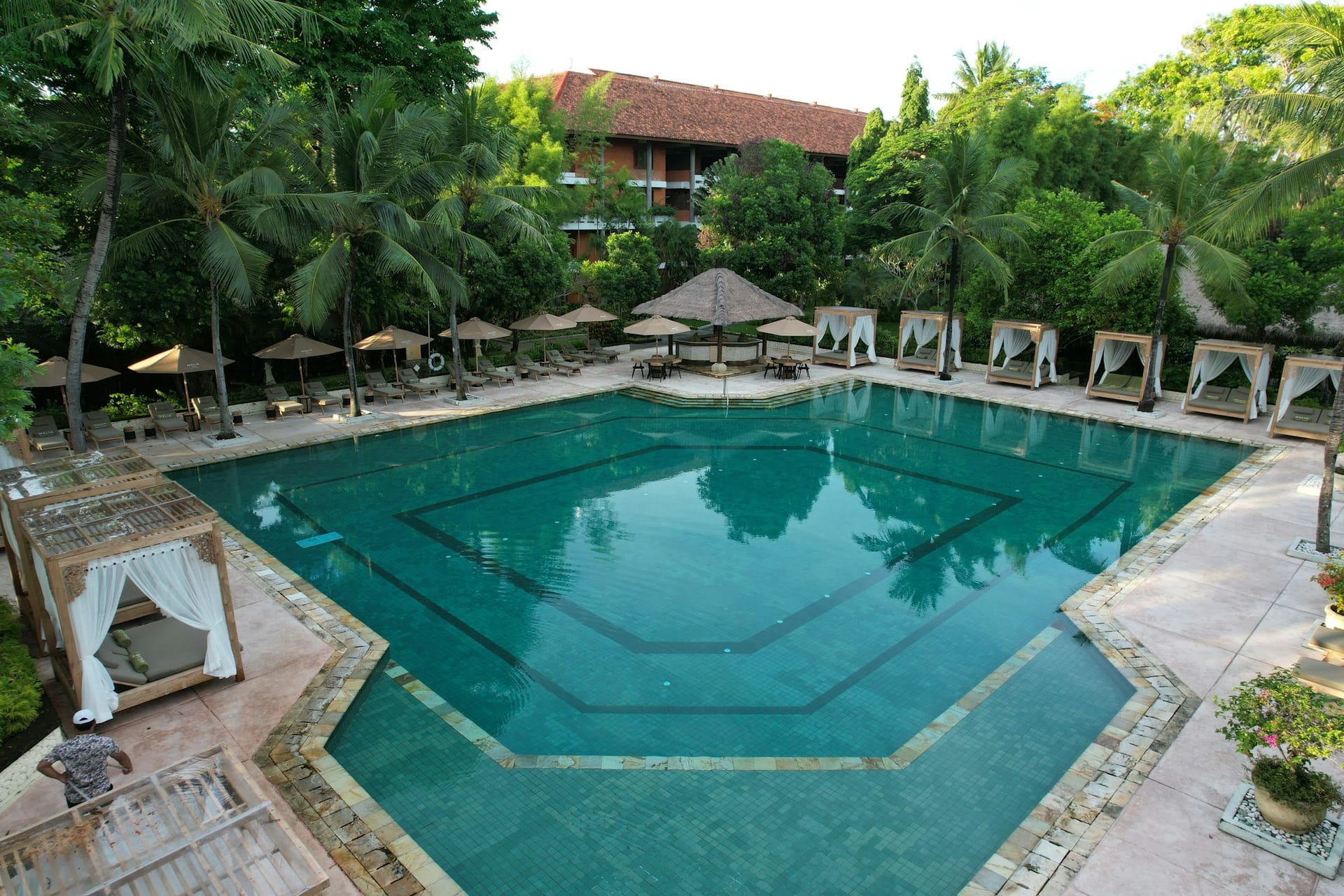
Nusa Dua is Bali's most controlled resort enclave: a gated complex of five-star hotels, manicured beaches, and predictable calm. Nusa Dua suits travelers who prioritize safety, cleanliness, and convenience over authenticity. The Nusa Dua beach has calm, swimmable water year-round and is excellent for young children.
Jimbaran sits just north of Nusa Dua and offers a more authentic feel while still being a calm, family-friendly base. The bay beaches are sheltered and good for swimming, and the Jimbaran seafood dinner along the beach (grilled fresh fish eaten at tables on the sand) is one of Bali's most enjoyable eating experiences. Prices here are reasonable: full seafood grills for two at IDR 200,000-400,000 ($12-25).
Quick Comparison: Bali's Main Areas at a Glance
- Seminyak Best all-rounder for adult couples and solo travelers. Great restaurants, beach clubs, boutique shopping. Mid-range to luxury. 20 min from airport.
- Canggu Best for surfers, long-stay travelers, and the digital nomad crowd. Strong cafe culture, good surf. Budget to mid-range. Traffic is a real issue.
- Ubud Best for culture, wellness retreats, and rice-field scenery. No beach access. Wide price range. Requires a scooter to explore properly.
- Uluwatu / Bukit Best for surfers and cliff-view seekers. Remote feel, limited convenience. Budget bungalows to cliffside luxury villas.
- Nusa Dua Best for families and five-star resort stays. Calm beaches, gated safety. Expensive and somewhat sterile. 30 min from airport.
- Jimbaran Best for families who want calm water and local atmosphere. Good seafood scene. Fewer tourist facilities than Seminyak but more authentic.
- Kuta Best avoided unless budget is the only priority. Loud, chaotic, and dated. Relevant mainly for very cheap accommodation and nightlife.
Practical Advice Before You Book
One of the most common planning mistakes is underestimating how much time you'll spend in transit. Bali has no public rail system and traffic in southern Bali can be severe, especially between 4pm and 8pm. If your itinerary includes Ubud, the Bukit, and the surf beaches of Canggu, consider splitting your accommodation between two bases rather than commuting daily.
- Book villas directly or through established platforms: Airbnb and Booking.com are both reliable in Bali. Direct bookings often get you upgrades or early check-in.
- Avoid the cheapest accommodation in Kuta unless security deposits and local reviews have been checked carefully. Theft from rooms is a reported issue in the lowest-budget properties.
- In Ubud, ask specifically for a rice field view room rather than a garden view: the price difference is often small but the experience is significantly better.
- Seminyak and Canggu villa prices drop 20-30% in the low season (roughly November to February excluding Christmas/New Year).
- For Nusa Penida day trips, staying in Sanur (east Denpasar) is more convenient than Kuta or Seminyak: the fast boat to Nusa Penida departs from Sanur harbor.
✨ Pro tip
If you're visiting Bali for 10+ days, a two-base strategy works well: spend the first half in Ubud for culture and nature, then move to Seminyak or Canggu for beach time and nightlife. The transition between the two takes about 1.5-2 hours by car or private driver (budget around IDR 400,000-500,000 for the transfer).
FAQ
Where should first-time visitors to Bali stay?
Seminyak is the best default choice for first-timers. It's well-located between the airport and Canggu, has excellent food and beach access, a wide range of accommodation, and is easy to navigate. If your priority is culture over beach, go directly to Ubud instead.
Is it worth staying in Ubud if you want beach time?
Ubud has no beach access: the nearest beach is about 40-60 minutes south depending on traffic. Most visitors do a 2-3 day Ubud stay combined with a coastal base, rather than trying to commute daily. It's not worth staying in Ubud exclusively if beach time is your main goal.
What is the best area to stay in Bali for families?
Nusa Dua is the safest and most practical choice for families with young children. The beaches are calm and sheltered, the resort complex is walkable and well-maintained, and facilities like Waterbom Bali water park in Kuta are within 20-30 minutes. Jimbaran is a good second option with a more local feel.
How far in advance should I book accommodation in Bali?
For peak season (July, August, and Christmas/New Year), book 3-6 months in advance, especially in Ubud and Seminyak where the best mid-range properties fill quickly. For shoulder season (April-June, September-October), 4-8 weeks ahead is usually sufficient. Low season (November-February, excluding holidays) allows for last-minute bookings at reduced rates.
Is Kuta still worth considering as a base in Bali?
Kuta made sense 20 years ago as Bali's budget hub, but it has been largely bypassed by better options. Canggu offers a similar surf-and-party vibe with significantly better food and atmosphere. The only real reason to stay in Kuta today is price or proximity to the airport for a very short transit stay.