Campuhan Ridge Walk: Ubud's Most Rewarding Trail
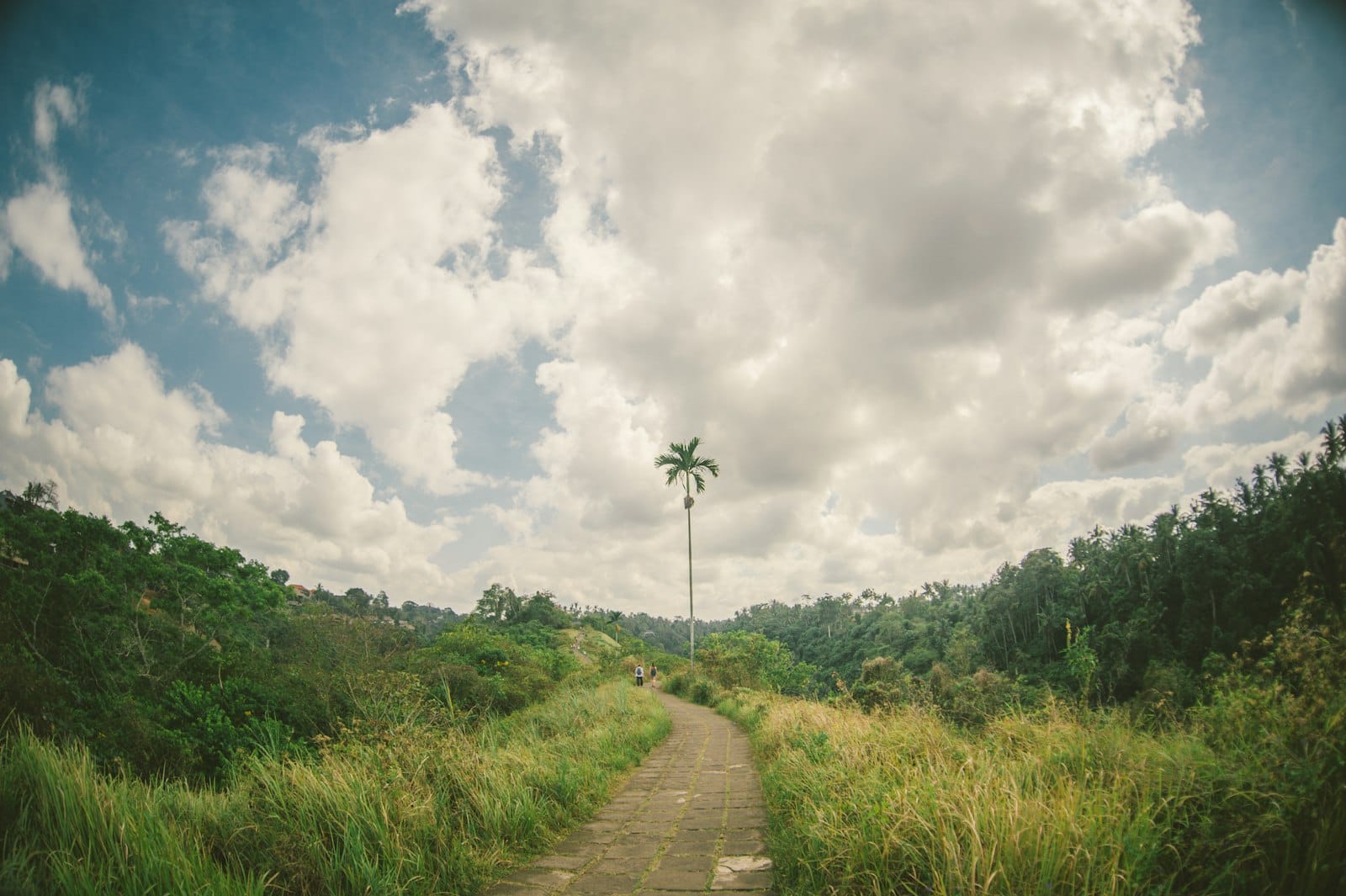
The Campuhan Ridge Walk is a 2-kilometre paved and dirt path tracing a narrow spine above two river valleys, cutting through open grasslands and jungle canopy on the edge of Ubud. It is the closest thing the town has to a proper escape from its own popularity, and it costs nothing to walk.
Quick Facts
- Location
- Campuhan, Ubud, Bali
- Getting There
- 15-min walk west from Ubud Palace along Jalan Raya Campuhan; trailhead near Pura Gunung Lebah temple
- Time Needed
- 1.5 to 2.5 hours return
- Cost
- Free
- Best for
- Sunrise walkers, photographers, and anyone needing distance from Ubud's central crowds
What the Campuhan Ridge Walk Actually Is
The Campuhan Ridge Walk is a narrow elevated trail that follows a ridge between the Wos Barat (west) and Wos Timur (east) rivers just outside central Ubud. The name comes from the Balinese word for 'where two rivers meet', and the confluence below the ridge is considered sacred in local Hindu tradition. Pura Gunung Lebah, a riverside temple at the trail's starting point, has stood at this confluence for centuries and is still an active place of worship.
The trail is not remote wilderness. It is a well-maintained path, paved with concrete for the first stretch before transitioning to compacted dirt and occasional stepping stones through the grass. This is important to know before you arrive: if you are expecting an unspoiled jungle experience, you will need to adjust your expectations. What the trail delivers instead is open sky, wide valley views, cool morning air, and a genuine sense of elevation above the noise of town.
💡 Local tip
The trailhead is most easily found by walking down the steps beside Warwick Ibah Luxury Villas on Jl. Raya Campuhan. A small sign marks the path. If you reach the bridge over the river, you have gone slightly too far.
The Trail From Start to Finish
From the trailhead, the path climbs gently along a concrete walkway flanked by tall grass on both sides, with the land dropping away sharply to the river below on your left. The sound of the rivers carries up clearly in the early morning, particularly when traffic on the main road has not yet started. Within the first ten minutes you are already above the tree line on both sides, with unobstructed views across the valley toward distant rice terraces and, on a clear morning, the volcanic ridgeline beyond.
The grass along the ridge is a distinctive silver-green variety known locally as alang-alang. It shifts from pale gold in dry season to deep green after rain, which means the photographic character of the walk changes significantly month to month. Around the midpoint, the path dips slightly before rising again through a section shaded by overhanging trees, where the air drops noticeably cooler. Butterflies are common here, and you will often hear roosters and temple bells drifting up from the valley below.
The trail eventually reaches a small artist community called Bangkiang Sidem, where several painters have open studios and occasionally sell work directly. You can turn back here or continue further into the village network. Most visitors do a return walk on the same path, which takes between 90 minutes and two and a half hours depending on pace and how much time you spend at viewpoints.
Tickets & tours
Live prices and dates from our booking partner. If you book, we may earn a commission at no extra cost to you.
Bali Glass Bridge experience tickets
From 5 €Instant confirmationFree cancellationDenpasar heritage city walking tour with wellness experience
From 40 €Instant confirmationFree cancellationBali Private Car Rental With Driver
From 29 €Instant confirmationFree cancellationBest of Ubud private day tour
From 16 €Instant confirmationFree cancellation
When to Walk: Time of Day and Season
Arriving before 7:30am is the single most effective thing you can do to improve your experience. At that hour the light is horizontal and golden, the air is cool enough that you will not sweat through your shirt, and the path has only a handful of other walkers. By 9:00am, particularly on weekends and during peak season from July through August, the trail becomes significantly more crowded, and the heat rises fast with no shade on the exposed ridge sections.
Bali's wet season runs roughly from November through March. During this period, afternoon storms are common, but mornings often remain clear and the vegetation is lush and deeply green. The dirt sections of the path can become slippery after rain, so footwear with grip matters more than in the dry months. The dry season (April through October) offers more reliable conditions but the grass turns gold-brown, which has its own photographic appeal.
⚠️ What to skip
Do not start the walk after 10:00am in dry season. The exposed ridge sections receive full sun with no shelter, and the heat between 10am and 2pm is genuinely uncomfortable. Dehydration is a real risk if you are not carrying water.
Historical and Cultural Context
The ridge above Campuhan attracted Western artists long before it attracted tourists. The painter Walter Spies, who was instrumental in introducing Balinese art and culture to Western audiences in the 1930s, lived near this area. His influence helped establish Ubud as a creative centre, drawing subsequent generations of artists and writers. The small studios you pass near the end of the trail are a continuation of that tradition rather than a tourist gimmick.
Pura Gunung Lebah at the trailhead deserves a few minutes of attention before or after your walk. The temple is built on a narrow promontory between the two rivers and is one of Ubud's oldest, its origins traced to the 8th century. If you visit during a ceremony, dress modestly and carry a sarong. Most guesthouses in Ubud will lend you one. Photography inside the temple grounds is possible but ask for a nod of permission first rather than assuming.
Photography on the Ridge
The ridge walk is genuinely photogenic, but the best shots require some patience. The most compelling compositions come from the first 800 metres of trail, where the path curves ahead of you and the valley falls away on both sides. A wide lens captures the full sweep of the grass and sky. A longer focal length compresses the distant rice terraces and makes the volcanic hills appear closer and more dramatic.
At midday the light flattens everything and the grass bleaches out in photographs. The golden hour before 8:00am or the softer light of an overcast morning is when the landscape shows its full depth. Drone photography requires a permit in this area and is subject to Bali's drone regulations, which restrict flying near temples and in many rural zones without prior approval.
Practical Details: Getting There, What to Bring, Accessibility
The trailhead is within walking distance of central Ubud, roughly 15 minutes on foot west along Jl. Raya Campuhan. If you are staying further away, a short ride with a local driver or rideshare app to the Campuhan bridge area gets you there without navigating the narrow pavements. The Tegallalang Rice Terraces are a common pairing for the same morning, though they require transport and are about 20 minutes north of Ubud.
Bring at least 500ml of water per person, more in dry season or if you walk slowly. Sunscreen is essential on the exposed sections. Shoes with a grip sole are strongly recommended for the dirt portions, especially after rain. Sandals are technically manageable in dry conditions but the uneven terrain makes closed footwear a smarter choice.
Accessibility is limited. The concrete entrance section is manageable for most people, but the trail's uneven terrain, changes in elevation, and narrow path width make it unsuitable for wheelchairs or pushchairs. Travellers with limited mobility should assess the first 300 metres and turn back at a comfortable point rather than committing to the full return distance.
ℹ️ Good to know
There are small warungs (local food stalls) near the Bangkiang Sidem end of the trail selling coconut water, cold drinks, and light snacks. Prices are reasonable. Bring cash as card payment is not standard at these stalls.
Is It Worth It, and Who Might Not Enjoy It
For anyone spending more than two nights in Ubud, yes, the walk is worth the early start. It provides a physical and mental break from the temple circuit and café culture that defines central Ubud, and it requires no booking, no ticket, and no guide. It pairs well with a morning visit to the Sacred Monkey Forest Sanctuary later in the day, as the two cover completely different ground and moods.
That said, travellers who are visiting Bali primarily for beach and resort experiences may find the appeal limited. The views are quieter and more pastoral than dramatic. Visitors arriving with expectations shaped by heavily edited Instagram images of mist-covered jungle paths should note that those conditions are the exception rather than the rule. Build an itinerary around what you actually want, not what photographs well for other people.
Travellers visiting Bali for the first time can get oriented with our guide to the best months to visit Bali before deciding when to schedule the walk. Timing your trip to avoid peak months genuinely changes how crowded this trail feels.
Insider Tips
- Walk the trail in reverse from Bangkiang Sidem if you can arrange transport to drop you at the far end. You get the best views on the return leg with the light behind you, and you avoid walking up the concrete slope in the midday heat.
- The small warung closest to the midpoint of the trail serves fresh young coconut at a fair price. It is a good excuse to stop, catch your breath, and watch the grass move in the valley wind.
- If you spot locals making offerings near Pura Gunung Lebah early in the morning, this is a regular part of daily Balinese Hindu practice, not a performance. Step back and give them space rather than photographing from close range.
- The trail is quiet on weekday mornings, significantly busier on weekends and during July, August, and the Christmas-New Year window. If you are visiting during high season, a 6:30am start is not excessive.
- Bring a light long-sleeved layer for the early start. The ridge catches wind from both valleys and the temperature before 7:00am can feel surprisingly cool after air-conditioned accommodation.
Who Is Campuhan Ridge Walk For?
- Early risers who want to experience Ubud beyond its cafes and temples
- Photographers looking for wide landscape shots and natural light
- Couples looking for a quiet morning activity without crowds
- Travellers who want physical activity without committing to a full hiking day
- Anyone interested in the cultural and artistic history of the Campuhan area
Nearby Attractions
Other things to see while in Ubud:
- Sacred Monkey Forest Sanctuary
Home to over 1,200 long-tailed macaques and three Hindu temples dating back centuries, the Sacred Monkey Forest Sanctuary is one of Ubud's most photographed and genuinely surprising attractions. It rewards visitors who respect its rules and punishes those who don't.
- Tegallalang Rice Terraces
Tegallalang Rice Terraces is one of Bali's most photographed landscapes, a sweeping cascade of hand-carved paddies north of Ubud shaped by the ancient subak irrigation system. This guide covers what the terraces actually look like up close, when to visit, what it costs, and whether it lives up to its reputation.
- Tirta Empul Temple
Tirta Empul Temple in Tampaksiring is where Balinese Hindus have bathed in holy spring water for over a thousand years. The ritual bathing pools, ancient shrines, and mountain air make this one of the most spiritually charged sites on the island. Here is what visiting actually looks like.
- Amed
Amed is a string of fishing villages along Bali's remote northeast coast, known for dramatic black-sand beaches, world-class diving on coral reefs and a WWII Japanese shipwreck, and an unhurried atmosphere that feels like a different island entirely. It rewards travelers willing to make the drive.
- Ayung River
The Ayung River is Bali's longest river, carving a deep green gorge through the rainforest just west of Ubud. It draws visitors for white-water rafting, riverside resort walks, and some of the most dramatic jungle scenery on the island.
- Goa Gajah (Elephant Cave)
Carved into a hillside near Ubud around the 11th century, Goa Gajah is one of Bali's most significant Hindu archaeological sites. The cave entrance — a gaping stone mouth surrounded by carved demons and foliage — is instantly recognizable, but the full site extends into terraced gardens, bathing fountains, and jungle ravines that most visitors never reach.
- Mount Batur
Mount Batur is an active 1,717-metre volcano in Bali's highland interior, drawing thousands of hikers each year for its pre-dawn ascent and extraordinary crater-rim sunrise. The two-hour climb rewards visitors with sweeping views over Lake Batur, Mount Agung, and, on clear mornings, the distant silhouette of Mount Rinjani on Lombok.
Planning a trip? Discover personalized activities with the Nomado app.