Nusa Dua occupies the eastern side of Bali's Bukit Peninsula, developed specifically as a self-contained luxury resort zone. It offers calm, swimmable beaches and polished infrastructure, but its insular layout means it feels more like a resort island than a real Balinese neighborhood.
Nusa Dua is Bali's purpose-built luxury corridor: a carefully planned enclave of international five-star resorts, manicured gardens, and some of the island's calmest beaches. It trades the chaos and character of Kuta or Seminyak for order, quiet, and consistent sea conditions, making it a genuinely different kind of Bali experience.
Orientation
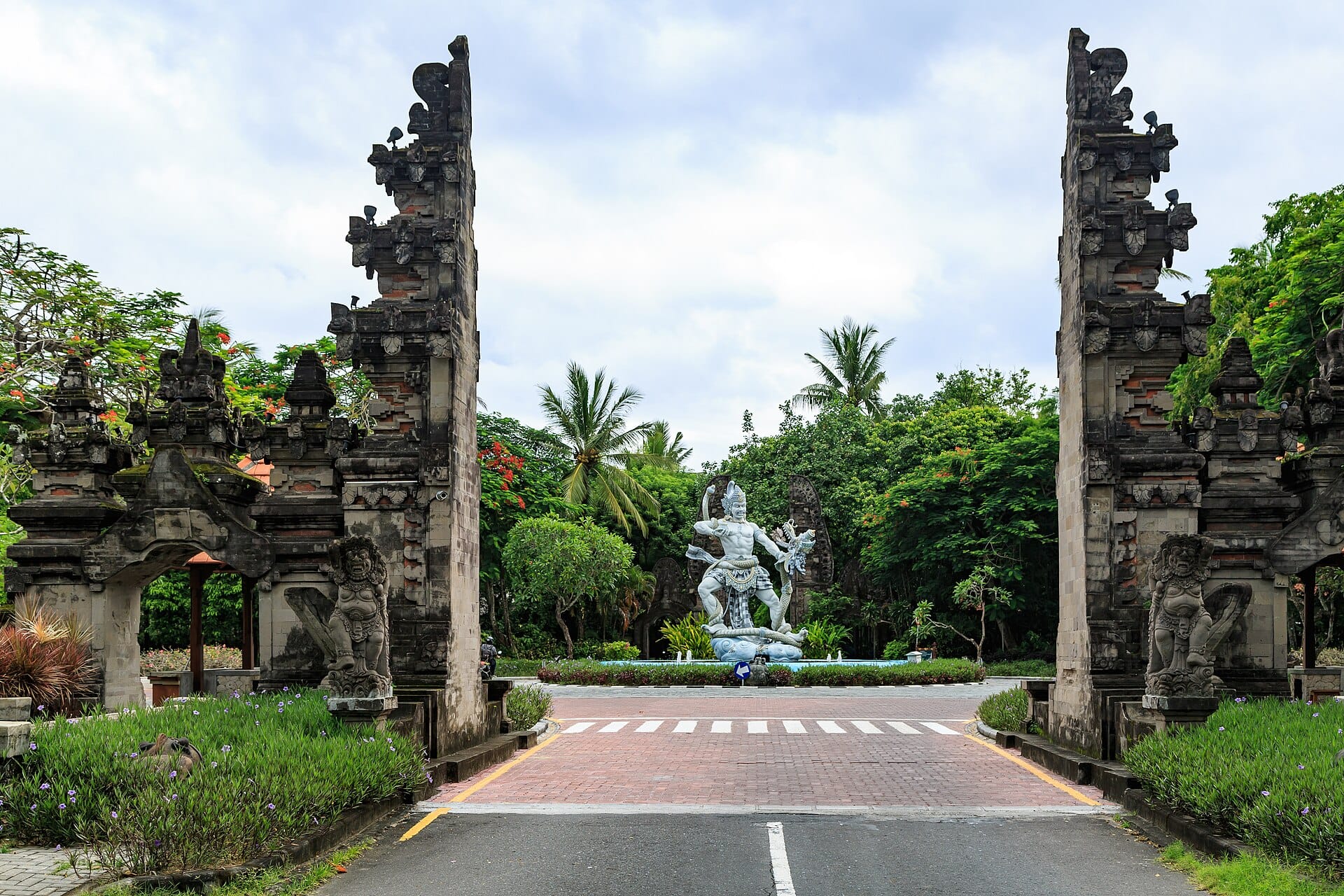
Nusa Dua sits at the southeastern corner of Bali's Bukit Peninsula, roughly 12 kilometers south of Ngurah Rai International Airport and about 20 kilometers from central Kuta. The name refers both to a specific resort complex and, more loosely, to the wider upscale coastal strip that includes Kawasan Pariwisata Nusa Dua, the Indonesian Tourism Development Corporation zone developed in the 1970s and 1980s to attract international hotel brands without exposing them to Bali's unplanned urban sprawl.
The area is bounded roughly by the toll road bypass to the west, mangrove wetlands and Tanjung Benoa to the north, and the Indian Ocean cliffs and shoreline to the east and south. The main artery is Jalan Nusa Dua, which runs north-south and connects the resort zone to the broader road network via the Bali Mandara Toll Road. That toll road, a causeway built over the sea, provides one of the fastest routes to the airport and to Kuta, bypassing the congestion that can make surface roads slow at peak hours.
Nusa Dua's closest neighbors each have a distinct character. Tanjung Benoa to the north is a narrow peninsula known for water sports operators and mid-range hotels. To the west, across the toll road, lies Jimbaran, with its famous seafood warungs and a more local feel. For travelers considering the wider southern Bali region, Jimbaran makes an easy half-day trip and offers a useful contrast to Nusa Dua's resort bubble.
Character & Atmosphere
What strikes most first-time visitors to Nusa Dua is the silence. After the sensory overload of Kuta or the late-night energy of Seminyak, the wide, swept pavements and security checkpoints at resort entrances create an atmosphere closer to a managed theme park than a living neighborhood. That is not entirely a criticism. For families with young children, honeymooners, or anyone who needs a few days of genuine rest, the predictability is the whole point.
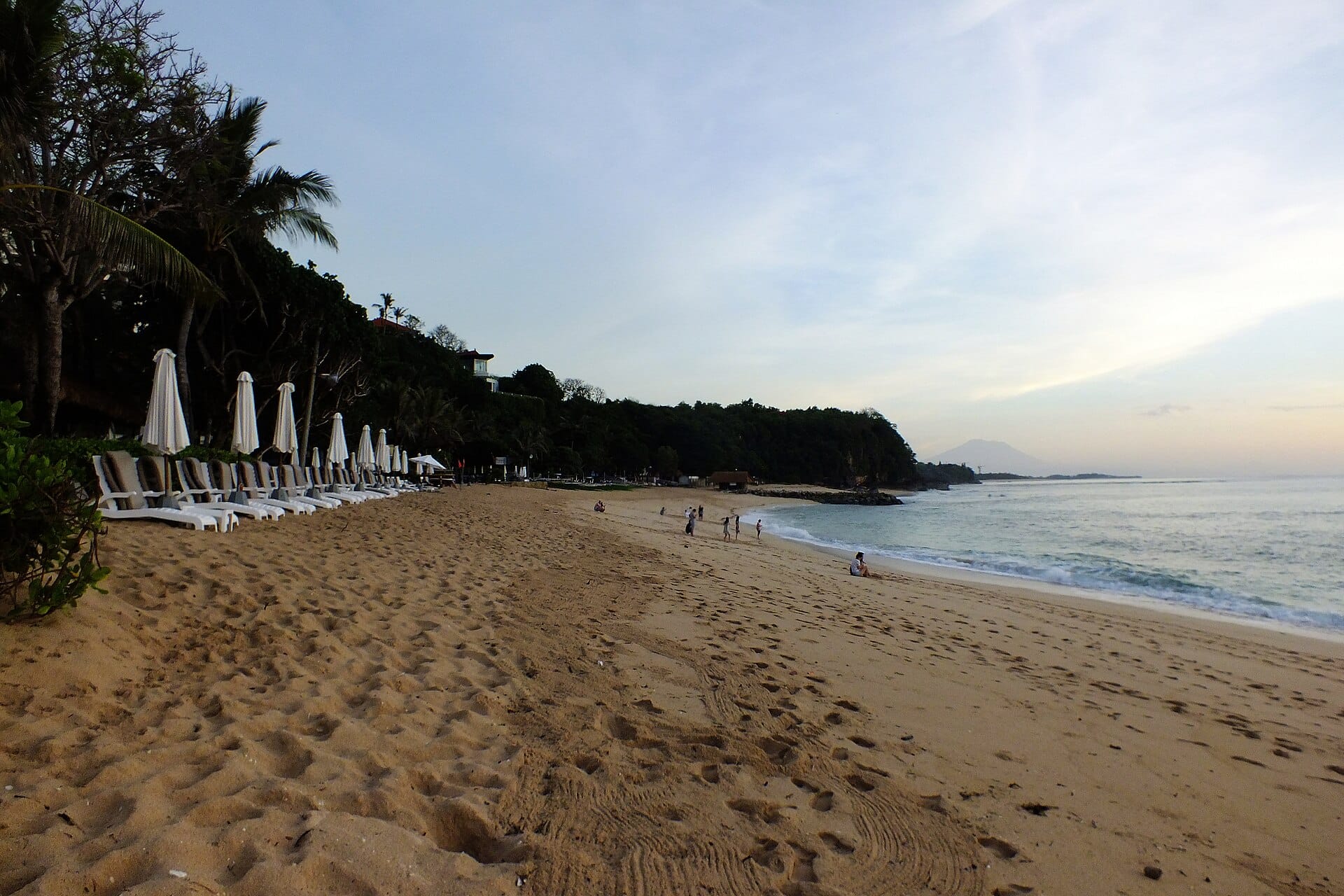
Mornings in Nusa Dua are genuinely peaceful. The beach path that runs along the seafront catches a soft eastern light before 8am, and the water on this side of the peninsula is calm enough for easy swimming most of the year, particularly between April and October. Hotel gardeners are usually out by 6am, and the scent of frangipani and cut grass hangs over the resort entrances. Local staff, many of whom commute in from towns further north, begin arriving around the same time.
By midday the heat is intense, as it is everywhere in southern Bali, and most activity retreats to pool terraces and air-conditioned restaurants. The streets between resorts, never particularly lively, become almost deserted. Late afternoon brings some relief, and the beach path fills again with walkers and joggers from the hotels. After dark, Nusa Dua is quiet compared to almost anywhere else in the south. There are restaurants and bars within the resorts and at the Bali Collection shopping complex, but there is no street nightlife to speak of.
ℹ️ Good to know
Nusa Dua's protected reef creates reliably calm waters on most days, making it one of the few spots in southern Bali genuinely suited to children and weak swimmers. Conditions are best between May and September.
What to See & Do
The honest answer is that Nusa Dua does not have a long independent sightseeing list. The main draw is the beach: a long, north-south stretch of white sand divided into numbered sections accessible between the resort properties. Beach Club Nusa Dua, the public beach access area managed by the BTDC, allows non-hotel guests to use the sand, though sun lounger rental is the default expectation.
The Pasifika Museum, located inside the BTDC resort zone, is one of the area's genuine cultural highlights. It holds a significant collection of Pacific and Asian art, including Balinese paintings from multiple periods and works from across Southeast Asia and the Pacific Islands. Entry fees are modest and the crowds are thin, which makes it a worthwhile hour even for travelers who are not museum regulars.
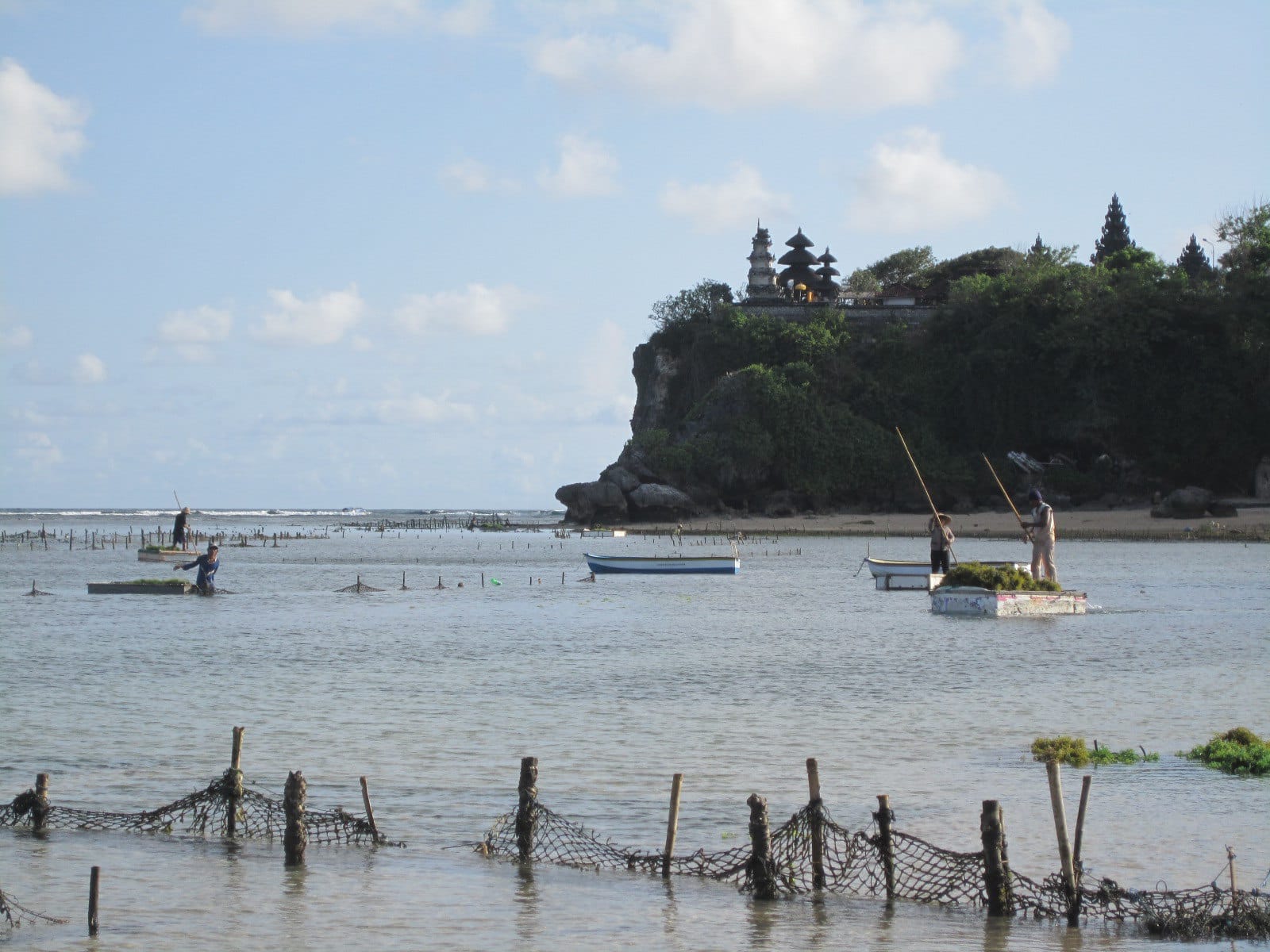
Water sports are available throughout Tanjung Benoa, just to the north, where operators offer parasailing, banana boat rides, and glass-bottom boat trips to Turtle Island. These are packaged, tourist-oriented activities, but they are well-organized and safe. The reef around the peninsula also offers decent snorkeling directly from the beach in places.
Nusa Dua Beach: the main public beach strip with calm, swimmable water and good sand quality
Pasifika Museum: Pacific and Asian art collection inside the BTDC zone, low crowds
Bali Collection: open-air shopping and dining complex with regular cultural performances in the evenings
Tanjung Benoa water sports: parasailing, glass-bottom boats, and banana boat operators to the north
Waterbom Bali: the island's main water park, located slightly north toward Kuta but easily reached from Nusa Dua by taxi
For travelers who want to balance Nusa Dua's calm with real cultural immersion, Ubud is around 60 to 75 minutes away by car and works well as a full-day excursion. The drive through the rice terraces and craft villages of the Gianyar regency is part of the experience.
Eating & Drinking
The food situation in Nusa Dua is functional but limited if you are staying strictly within the resort zone. The international five-star properties all have multiple restaurants, and the quality inside these hotels can be genuinely excellent, particularly for seafood and Indonesian cuisine. Prices inside hotel restaurants are significantly higher than what you would pay anywhere else in Bali, with main courses at formal hotel dining rooms often running two to three times the cost of comparable food in Seminyak or Canggu.
Bali Collection, the retail and dining complex at the center of the BTDC zone, offers more affordable options alongside its mid-range international restaurants. There are Indonesian warungs, pizza spots, and a handful of casual cafes. In the evenings, the complex stages Balinese dance and cultural performances, which gives dining there more atmosphere than a typical mall food court.
For proper street food and local warungs at local prices, you need to venture outside the resort perimeter. The area around Jalan Bypass Ngurah Rai and the residential pockets just west of the toll road have small family-run warungs serving nasi campur, mie goreng, and soto ayam at prices that reflect what local workers actually eat. This requires a short taxi ride and a willingness to navigate a less polished environment, but the quality and value are noticeably better.
💡 Local tip
If you are staying in Nusa Dua and want a memorable dinner without hotel prices, arrange a taxi to Jimbaran's seafood warungs on the beach. The 15-minute ride is worth it, and booking through your hotel's concierge often means a reserved table right at the water's edge.
Getting There & Around
Nusa Dua is one of the easier parts of Bali to reach from the airport. The Bali Mandara Toll Road connects the airport to the resort zone in around 20 to 30 minutes, depending on traffic and where exactly within Nusa Dua you are headed. Metered taxis (Blue Bird is the most reliable) and app-based ride services (Grab, Gojek) operate freely along this route. Expect to pay in the range of IDR 80,000 to 150,000 for the airport transfer, depending on the service and whether the toll is included.
Getting to the rest of southern Bali from Nusa Dua is straightforward by taxi or ride-hailing app, but the distances can add up if you are making multiple trips. Kuta is about 20 to 25 minutes without significant traffic. Seminyak adds another 10 to 15 minutes. There is no reliable local bemo (minibus) service that connects Nusa Dua to these areas, so independent travelers without a scooter are dependent on hired transport.
Within Nusa Dua itself, the resort zone is walkable in the sense that the pavements are wide and even, but the distances between properties and the Bali Collection can be 20 to 30 minutes on foot in full tropical sun. Most hotels offer complimentary shuttle buses within the BTDC zone. Cycling is feasible in the early morning when temperatures are lower, and bicycle rentals are available through most resorts.
⚠️ What to skip
Nusa Dua has limited scooter rental availability compared to Kuta or Canggu, and the road layout outside the resort zone can be confusing for first-time riders. App-based taxis are the more practical option for most visitors.
Where to Stay
Accommodation in Nusa Dua is almost exclusively at the upper end of the market. The BTDC zone was designed around international luxury brands, and the hotel lineup reflects that: properties from Nusa Dua's resort strip include major international brands offering large rooms, multiple pools, private beach access, and the full range of resort amenities. These hotels cater to package travelers, incentive groups, and honeymooners who want a high-service, low-effort holiday.
There are some mid-range options along the fringes, particularly closer to Tanjung Benoa, where smaller hotels and guesthouses offer a more accessible price point while still being within striking distance of the beach. Budget accommodation is essentially absent from Nusa Dua proper. Travelers watching their spending will find far better value in Kuta, Seminyak, or Canggu.
For a full comparison of areas and where to stay across the island, see our where to stay in Bali guide.
The best part of Nusa Dua to stay in, if beach access and calm water are your priority, is the southern cluster of resorts closest to the main beach strip. Families with children tend to do well here given the reef-protected water. Surfers and nightlife seekers will find the area frustrating and should look at Canggu or Kuta instead.
Practical Tips & Honest Assessment
Nusa Dua is one of the most polarizing areas in Bali among independent travelers. Critics point out that its sealed resort world has little to do with actual Balinese life, that prices inside the zone are inflated, and that you could stay here for a week and leave knowing almost nothing about the island beyond your pool. All of that is fair.
The counterargument is that Nusa Dua delivers exactly what it promises: reliable infrastructure, genuinely clean and calm beaches, consistent service standards, and a level of quiet that is hard to find in the more popular southern resort areas. For travelers arriving after a long flight who want somewhere easy to decompress, or for families with young children who need predictable facilities, these qualities are not trivial.
The best time to visit Bali applies broadly to Nusa Dua too: the dry season between May and October brings reliable sunshine and the calmest sea conditions. The wet season from November through March brings short heavy downpours most afternoons, though the mornings are often clear and the beach remains usable.
TL;DR
Nusa Dua is Bali's most polished resort zone: wide beaches, calm seas, and international five-star hotels in a planned, gated environment.
Best suited to: families with young children, honeymooners, package travelers, and anyone who prioritizes beach comfort and consistent service over local character.
Not suited to: budget travelers, solo backpackers, surfers, or anyone wanting street food, nightlife, or genuine neighborhood life.
Getting there is easy via the Bali Mandara Toll Road from the airport, roughly 20 to 30 minutes by taxi or ride-hailing app.
For cultural excursions, Ubud and Jimbaran are both reachable as day trips, and the Pasifika Museum provides some on-site cultural interest.
Bali's weather, crowds, and costs vary dramatically throughout the year. This guide breaks down every month so you can choose the right time based on your priorities, not just the travel brochure version.
From ancient sea temples and volcano sunrise treks to hidden beaches and Nusa Penida's dramatic cliffs, this guide covers 20 of the best things to do in Bali with a deep dive on each, honest opinions and planning advice.
Choosing where to stay in Bali can make or break your trip. From the surf-soaked lanes of Canggu to the rice-field serenity of Ubud and the polished resorts of Nusa Dua, this guide cuts through the noise and matches every travel style to the right neighborhood.