Ho Chi Minh City Itinerary: 2, 3 & 5 Days (The Practical Guide)
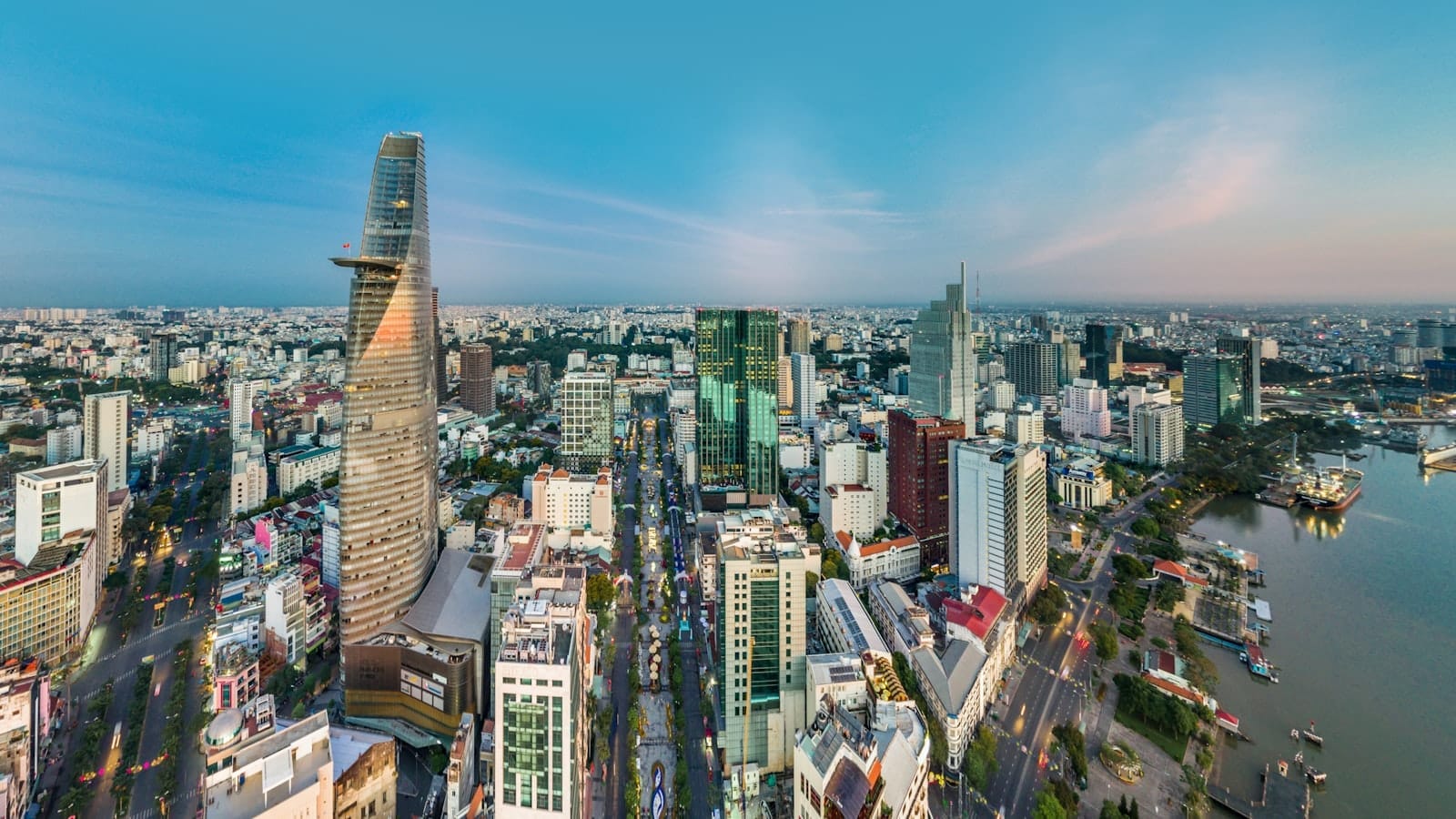
Whether you have a long weekend or nearly a week, this guide breaks down exactly how to spend 2, 3, or 5 days in Ho Chi Minh City. From the war history of District 1 to the Chinese temples of Cholon and the tunnel networks of Cu Chi, every day is mapped out with honest advice on timing, crowds, and what's genuinely worth your time.
Tickets & tours
Live prices and dates from our booking partner. If you book, we may earn a commission at no extra cost to you.
TL;DR
- 2 days is enough for District 1's core landmarks: the War Remnants Museum, Reunification Palace, Ben Thanh Market, and the French colonial quarter.
- Add a third day for the Cu Chi Tunnels — half-day tours feel rushed, so leave early (7-8am) and book in advance.
- 5 days opens up Cholon (the Chinese commercial district), street food deep-dives, and the Mekong Delta.
- Notre Dame Cathedral is under long-term renovations — don't build your itinerary around it.
- Read the best time to visit Ho Chi Minh City before finalizing dates — the rainy season (May to November) affects outdoor plans significantly.
Before You Arrive: What to Know About the City
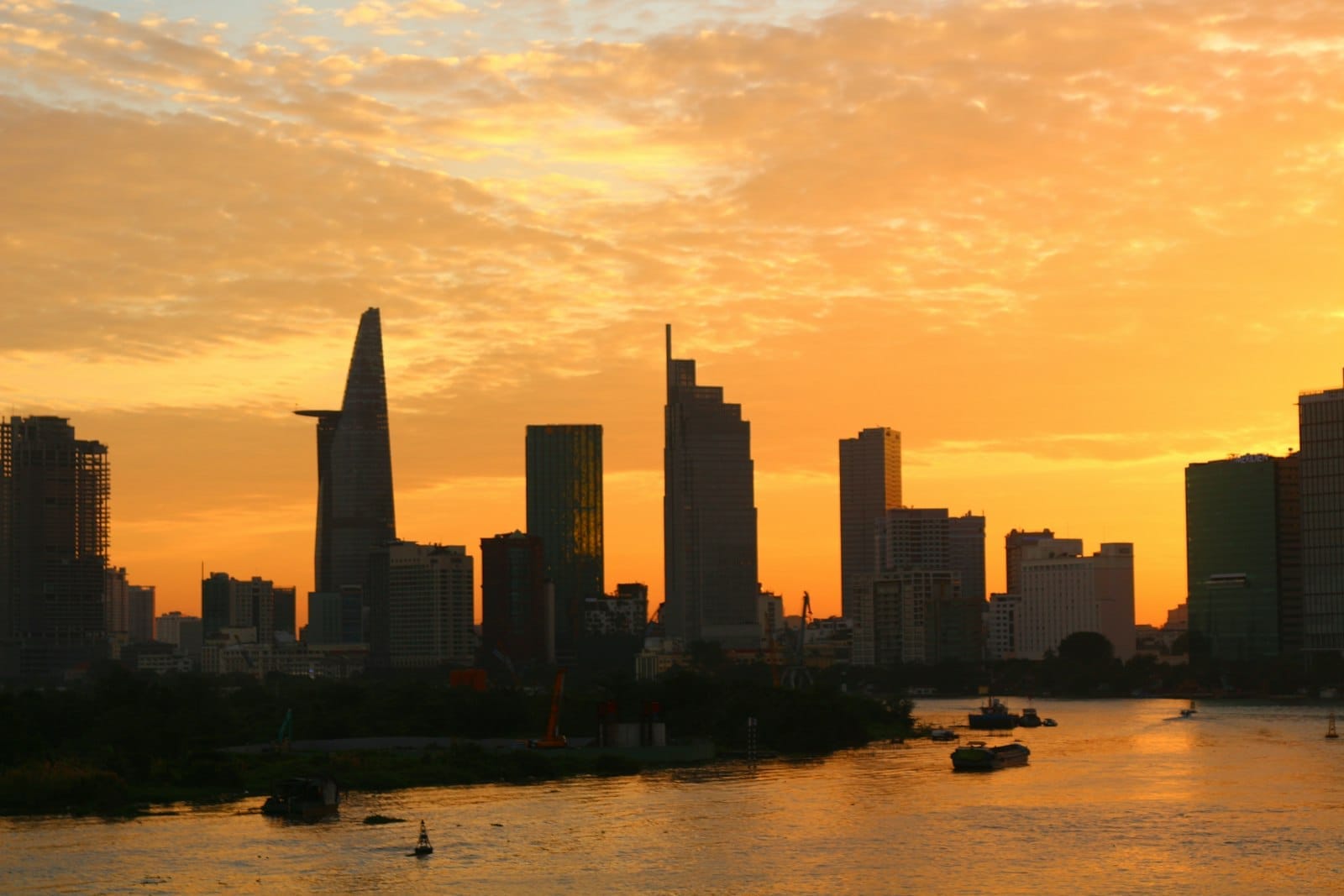
Ho Chi Minh City (officially Thành phố Hồ Chí Minh, still widely called Saigon) is a centrally-controlled municipality in southern Vietnam with a population of around 9.8 million as of 2026. It sits along the Saigon River, roughly 80 km from the South China Sea, and operates on Indochina Time (ICT), UTC+7. Currency is the Vietnamese Dong (VND). Flights arrive at Tan Son Nhut International Airport (SGN), one of the busiest airports in Southeast Asia.
Getting around requires planning. Ride-hailing apps (Grab is the dominant platform) handle most short trips efficiently. The city's metro system is still limited — Metro Line No. 2 construction began in early 2026 — so taxis and motorbike taxis (xe om) remain the practical backbone of city transport. Traffic is dense throughout the day, so factor in extra time for any cross-district journey during rush hours (7-9am and 5-7pm).
💡 Local tip
Download Grab before landing. It works for car rides, motorbike taxis, and food delivery. Fares are fixed upfront in the app, which eliminates negotiation entirely and is far cheaper than hotel-arranged taxis for most trips.
2-Day Ho Chi Minh City Itinerary: District 1 Essentials
Two days in Ho Chi Minh City is enough time to cover the high-priority landmarks concentrated in District 1. Don't try to pack in day trips — save those for a longer stay. The goal here is understanding the city's layered history and getting comfortable navigating the streets.
Start Day 1 at the War Remnants Museum when it opens (around 7:30am) before the tour groups arrive. Allocate 2 hours minimum — the photography exhibits are intense and deserve time. Walk south toward the Reunification Palace, where you can spend another 90 minutes exploring the modernist 1960s architecture, the intact war-era communications rooms, and the grounds where tanks famously entered in April 1975. Grab lunch near the palace before continuing to the French colonial quarter in the afternoon.
The afternoon of Day 1 works well for the Saigon Central Post Office (still a functioning post office, not just a photo stop) and a walk along Nguyen Hue Walking Street toward the People's Committee Building. The area is busiest in the evenings when locals come out to photograph the lit-up facades. End Day 1 with dinner and a walk through Pham Ngu Lao — the backpacker district has cheap food stalls, roof bars, and enough energy to make for a decent first evening without committing to anything.
Day 2 opens early at Ben Thanh Market (7am for the fresh produce and breakfast stalls before tourist density spikes). Spend the morning browsing, then dedicate the afternoon to a more contemplative experience: the Jade Emperor Pagoda in District 3 is one of the city's most atmospheric religious sites — incense-heavy, ornate, and genuinely active as a place of worship rather than a museum piece. Close the day at the Bitexco Financial Tower Skydeck for a city overview at sunset, then dinner on Dong Khoi.
⚠️ What to skip
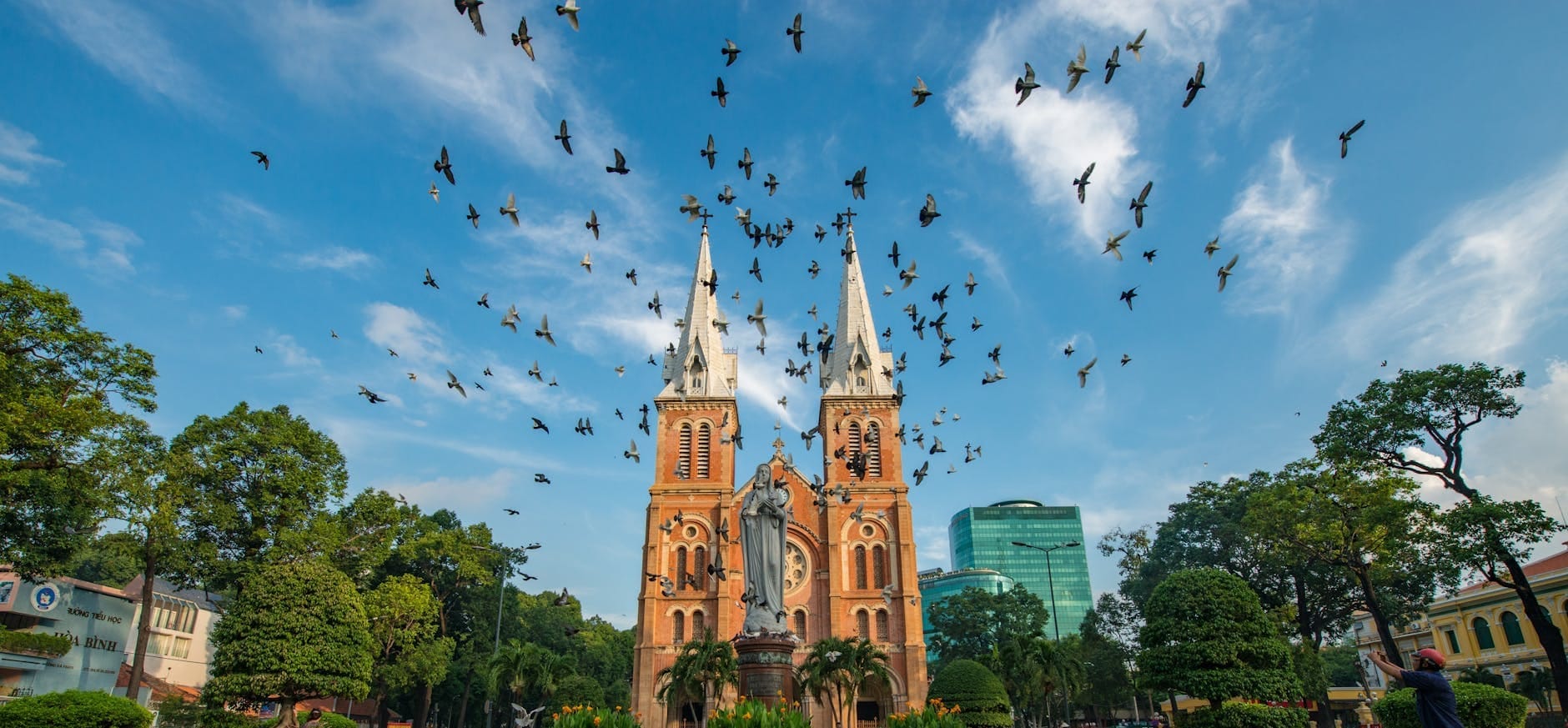
Notre Dame Cathedral (Nhà thờ Đức Bà) has been under renovation for several years and access to the exterior or interior is limited or closed depending on current works. Don't anchor your itinerary around it — walk past if you're nearby, but don't build in dedicated time.
3-Day Ho Chi Minh City Itinerary: Add Cu Chi and Food Culture
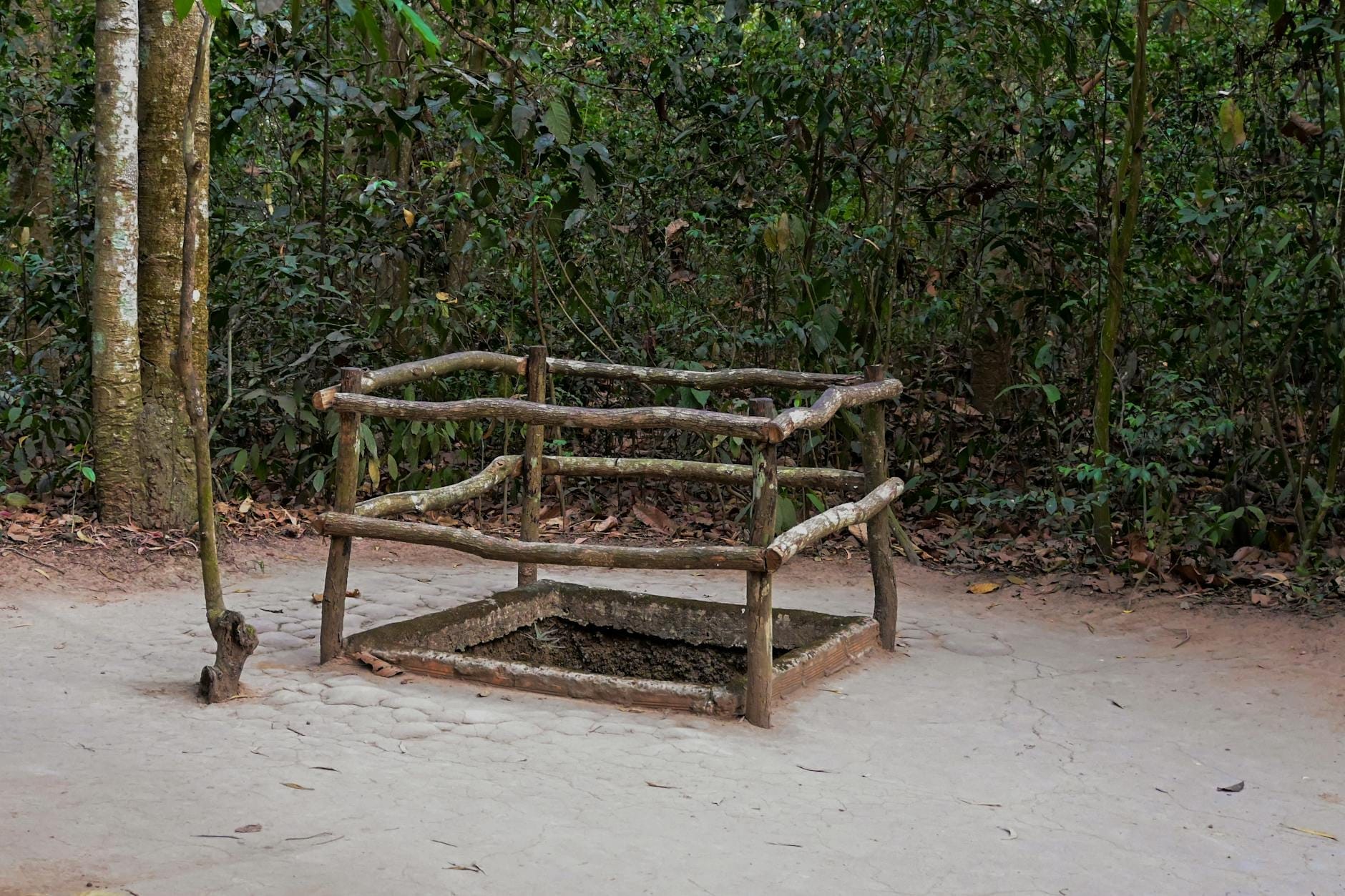
The third day is where most itineraries earn or lose credibility. The standard move is the Cu Chi Tunnels — a 250-km tunnel network built during the Vietnam War, located 45-90 km northwest of the city center depending on which section you visit (Ben Dinh is closer and more tourist-oriented; Ben Duoc is more remote and less crowded). Allow a full half-day minimum. Leave the hotel by 7:30am to avoid both traffic and midday heat underground.
Half-day Cu Chi tours frequently feel rushed because the drive alone takes 1.5 hours each way. A full-day tour solves this problem and typically includes time at both tunnel sections. If you only have half a day, prioritize Ben Duoc for fewer crowds, even though it requires slightly more travel time. Book through a reputable operator rather than grabbing the cheapest street-level option — quality of guides varies dramatically and context matters enormously at this site.
With Days 1 and 2 covering landmarks, use any remaining time on Day 3 for Ho Chi Minh City's street food scene. An evening street food walk in District 1 or District 3 is easy to self-guide: banh mi from a cart, bun bo Hue from a small shop, che (sweet dessert soups) at a street stall. Alternatively, join a guided evening food tour — they cover ground faster and handle the ordering in Vietnamese.
- Day 1 War Remnants Museum (morning) + Reunification Palace + French colonial quarter walking loop (afternoon)
- Day 2 Ben Thanh Market (early morning) + Jade Emperor Pagoda + Bitexco Skydeck at sunset + Dong Khoi dinner
- Day 3 Cu Chi Tunnels full half-day (depart 7:30am) + street food evening tour or self-guided District 3 walk
5-Day Ho Chi Minh City Itinerary: Cholon, the Mekong, and Nightlife
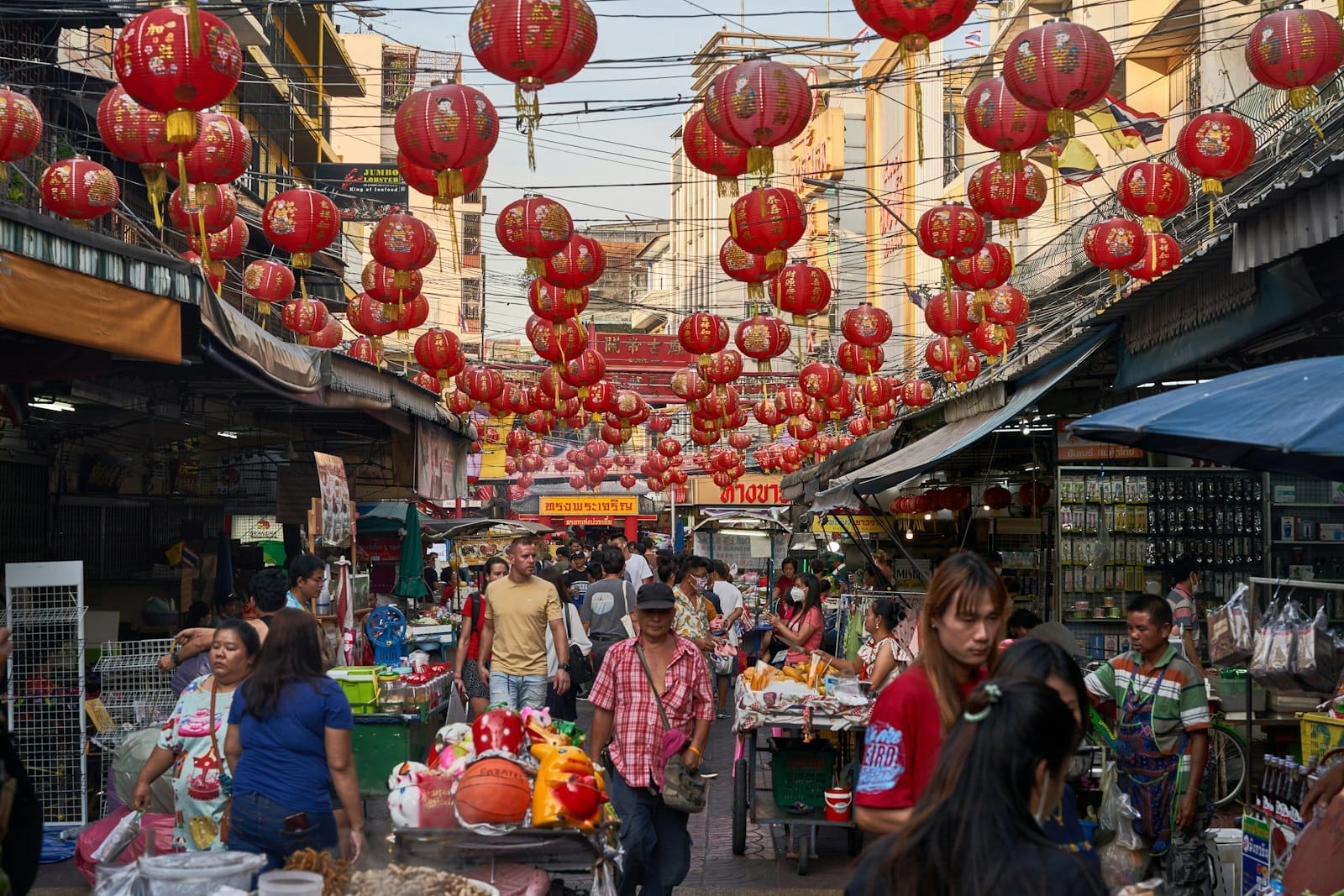
Five days allows you to move beyond the District 1 circuit and into neighborhoods that most short-stay visitors miss entirely. Cholon, the city's historic Chinese commercial district, is the most rewarding addition. The pagoda density here is extraordinary: the Thien Hau Pagoda and Phuoc An Hoi Quan Pagoda are particularly impressive, and the surrounding market streets around Binh Tay Market feel completely different from District 1 — denser, less English-friendly, and genuinely local.
Day 4 works well for a Mekong Delta day trip. Tours typically leave early (6-7am) and return by late afternoon. My Tho and Ben Tre are the most common destinations on a one-day circuit: expect boat rides through narrow canals, coconut candy workshops, and fruit orchards. It's a well-worn tourist track, but the physical landscape — flat, green, river-threaded — is genuinely unlike anything in the city and worth the time if you have it.
Save the fifth day for whatever the first four didn't cover — whether that's the Museum of Fine Arts, a longer wander along the Saigon River waterfront, or an afternoon in District 3 for cafe-hopping and the city's quieter residential streets. Evenings on Day 4 or 5 are the right time to explore the Ho Chi Minh City nightlife properly — rooftop bars above District 1 or the full-throttle atmosphere of Bui Vien.
- Day 4 Cholon morning: Thien Hau Pagoda, Binh Tay Market, street lunch. Afternoon: rest or Museum of Fine Arts.
- Day 5 Mekong Delta day trip (full day, depart 6-7am) OR self-guided District 3 afternoon + nightlife evening.
Practical Tips: Timing, Weather, and What People Get Wrong
Ho Chi Minh City has a tropical monsoon climate. The dry season runs roughly December to April, with December to February being the most comfortable for extended outdoor walking. The rainy season (May to November) brings heavy afternoon downpours, typically 1-2 hours long, that clear quickly. These are manageable with a light rain jacket but can disrupt open-air market visits or Cu Chi tunnel tours if you're unlucky with timing. Avoid scheduling outdoor half-day trips for late afternoon during rainy season.
The War Remnants Museum and Reunification Palace are both best experienced in the morning before tour buses arrive, typically between 7:30am and 10am. Ben Thanh Market is genuinely worth visiting early (7-8am) for the food section; by 10am the souvenir-to-food ratio has inverted entirely and pricing has risen for tourists. The pagodas in Cholon are most atmospheric on weekends when they're actively used for worship.
✨ Pro tip
The Reunification Palace is more interesting than most travelers expect, but only if you take the audio guide or join a guided tour. The building's history — bombed in 1962, rebuilt in its current modernist form, and frozen in time since 1975 — is genuinely layered, and the basement war rooms are the highlight. Without context, visitors often walk through quickly and miss the point entirely.
- Book Cu Chi Tunnels tours 24-48 hours in advance during peak season (December to February) — group tours fill fast.
- Carry cash in VND for street food and markets. ATMs are widely available in District 1 but less reliable in outer districts.
- Dress modestly for pagoda visits: shoulders and knees covered. Keep a light scarf or sarong in your bag.
- For a 2-day visit, skip the Mekong Delta entirely — you won't do it justice and it crowds out better District 1 experiences.
- Landmark 81 (currently Vietnam's tallest building) has an observation deck that rivals Bitexco for views — worth considering if Bitexco is crowded.
Where to Stay and How to Structure Your Base
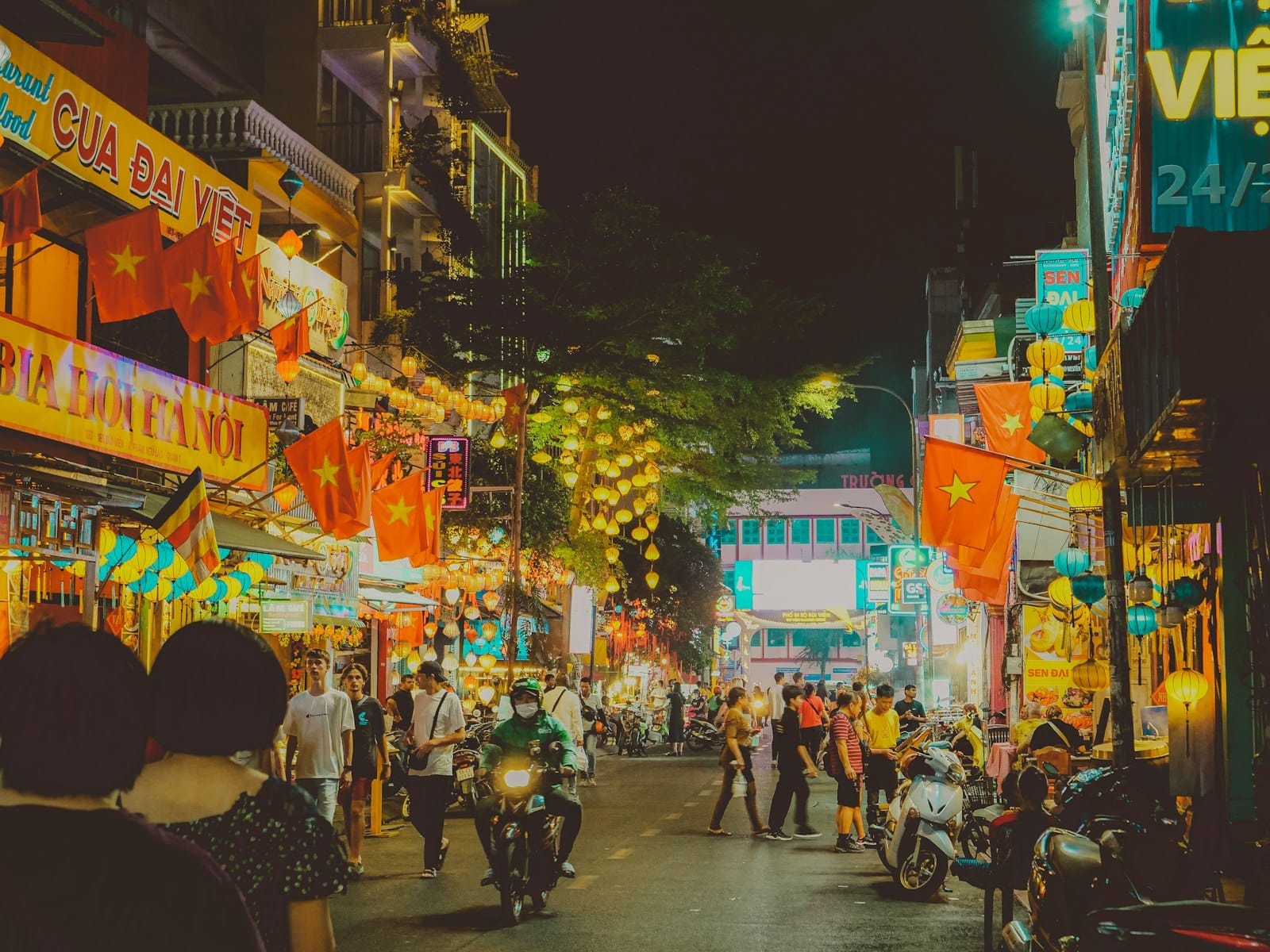
For any itinerary length, staying in District 1 is the most efficient choice — it puts you within walking distance of the majority of Day 1 and Day 2 attractions and within easy Grab distance of everything else. The full accommodation breakdown for Ho Chi Minh City covers the specific streets and price bands in detail, but the practical summary is: Dong Khoi and Nguyen Hue areas are the most central; Pham Ngu Lao is cheaper and noisier; District 3 is quieter and better for stays of 4 days or more.
If you're planning day trips from Ho Chi Minh City as part of a 5-day stay, don't choose accommodation based on proximity to the bus terminal or tour pickup points — operators collect from hotels across District 1 and District 3 regardless. Prioritize location relative to evening activities instead, since you'll return tired from day trips and won't want to cross the city after dark.
FAQ
How many days do you need in Ho Chi Minh City?
Two days covers the essential District 1 landmarks (War Remnants Museum, Reunification Palace, Ben Thanh Market, colonial quarter). Three days adds the Cu Chi Tunnels comfortably. Five days allows for Cholon, a Mekong Delta day trip, and proper time in the food and nightlife scenes. If you have only one day, focus entirely on the war history corridor in District 1.
Is it better to do Cu Chi Tunnels as a half-day or full-day tour?
Full-day is better if you want to avoid feeling rushed. The drive is 1.5 hours each way, which eats into a half-day tour significantly. Half-day tours work if you leave early (7am departure) and accept that you'll see one tunnel section rather than two. Avoid afternoon departures — the midday heat underground is uncomfortable and traffic on the return is worse.
What is the best area to stay in Ho Chi Minh City?
District 1 is the most practical base for any visit of 5 days or fewer. It keeps walk times to major attractions short and Grab fares to outer districts low. Within District 1, the Dong Khoi and Nguyen Hue corridor offers the best balance of location, dining options, and access to the riverfront. Pham Ngu Lao (backpacker district) is cheaper but noisier, particularly on weekends.
Should I visit the Mekong Delta on a 2 or 3-day trip?
No. A Mekong Delta day trip takes a full day and leaves you with only one or two days for the city itself, which isn't enough time for District 1's key sites. Save the Mekong for a 4 or 5-day itinerary, or as a dedicated trip if you're spending significant time in southern Vietnam.
What's the best time of year to visit Ho Chi Minh City?
December through February is widely considered the best window: dry, slightly cooler temperatures, and lower humidity. March and April are still dry but get hot. May through November is the rainy season, with afternoon downpours that are manageable but can disrupt plans. Peak tourist season coincides with the dry season, so expect higher accommodation prices and more crowded landmarks from December to February.
Tickets & tours
Live prices and dates from our booking partner. If you book, we may earn a commission at no extra cost to you.
Planning a trip? Discover personalized activities with the Nomado app.