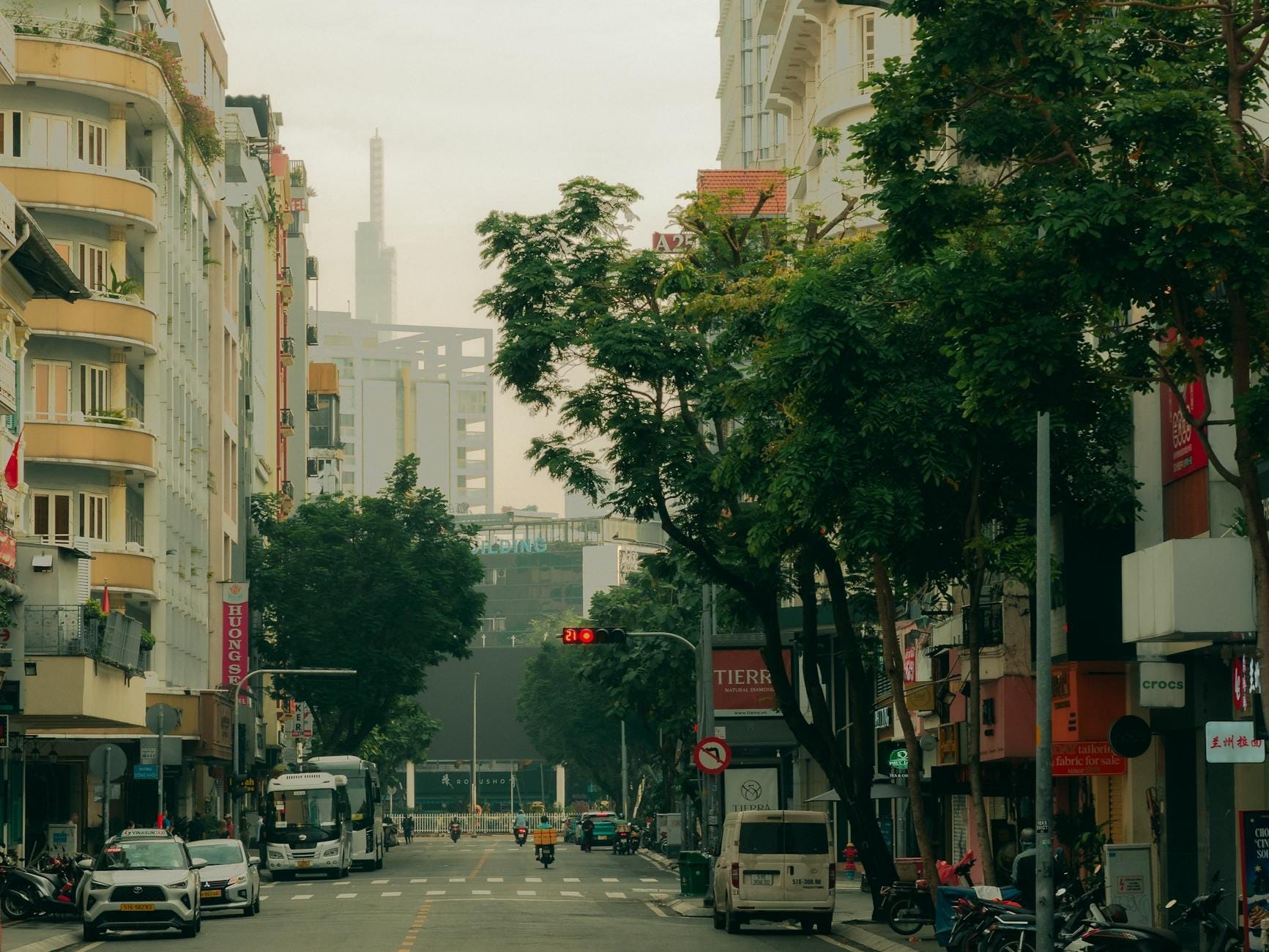
District 3 sits immediately west of District 1's commercial core, offering a slower, more residential version of central Saigon. Its tree-lined streets, French colonial architecture, and mix of pagodas, local eateries, and independent cafés make it one of the most rewarding areas in Ho Chi Minh City to simply walk and observe daily life.
District 3 is where Saigon exhales. Just one street removed from the city's busiest commercial corridors, this compact inner-city district trades tourist crowds for French colonial villas, incense-scented pagodas, and the kind of street-level café culture that locals have claimed for decades.
Orientation: Where District 3 Fits in Ho Chi Minh City
District 3 covers just 4.92 square kilometers of central Ho Chi Minh City, making it one of the smallest but most densely layered urban districts in the city. It sits directly west and northwest of District 1, separated by the broad avenues of Hai Bà Trưng and Nguyễn Thị Minh Khai. To the south and southwest, Điện Biên Phủ, Nguyễn Thượng Hiền, and Cách Mạng Tháng 8 streets mark the border with District 10. To the north and northwest, the Nhiêu Lộc – Thị Nghè Channel forms a natural boundary with Phú Nhuận and Tân Bình districts.
The district's position is its greatest practical asset. The center of District 1, including the historic Nguyễn Huệ axis and Ben Thanh Market, sits roughly 2.5 kilometers away, a ten-minute drive or a manageable walk through interconnected streets. Tan Son Nhat International Airport is accessible via Nam Kỳ Khởi Nghĩa Street, one of the district's main north-south arteries, without needing to pass through the congestion of District 1.
For orientation purposes, think of District 3 as an inner ring between the tourist-heavy core to the east and the more working-class residential areas to the west. It functions as a buffer zone in the best sense: still central enough to walk to major attractions, but local enough that the streets feel like they belong to the people who live on them.
Character & Atmosphere: What It Feels Like to Be Here
Mornings in District 3 begin with the sounds of the city reassembling itself. Vendors push carts along the narrower lanes before seven, selling bánh mì and fresh pho from positions they have occupied for years. The smell of charcoal and broth drifts up from sidewalk setups beneath old tamarind and flame trees, whose canopies shade stretches of Võ Thị Sáu and Trần Quốc Thảo streets. The light at this hour filters green through the leaves, casting long shadows across French-era villa facades in fading yellow and cream.
By midday, the district settles into a rhythm that District 1 rarely gets to experience. Office workers eat lunch at plastic tables pushed out onto the pavement. Schoolchildren in white ao dai walk in clusters past old gates. The pagodas, never entirely quiet, draw a steady stream of worshippers who arrive unhurried and stay as long as they like. There is an administrative seriousness to parts of the district, particularly along Nguyễn Thị Minh Khai, where government buildings and consulates sit behind walls and iron fences.
After dark, District 3 becomes something different again. The café culture that defines the area extends well into the evening. Small bars and independent coffee shops light up in converted ground-floor rooms of old townhouses, some playing Vietnamese indie music at a volume meant for conversation rather than drowning it out. This is not a nightlife district in the way that the Bùi Viện strip is, and that is precisely the point.
ℹ️ Good to know
District 3 is consistently described by long-term Saigon residents as one of the most livable inner-city areas. It has the urban density of the center without the noise levels and tourist infrastructure that define Districts 1 and 4.
What to See & Do
District 3 rewards a different kind of attention than the major landmark districts. Its attractions are mostly architectural, spiritual, or sensory, and they reveal themselves more readily on foot than from the back of a taxi.
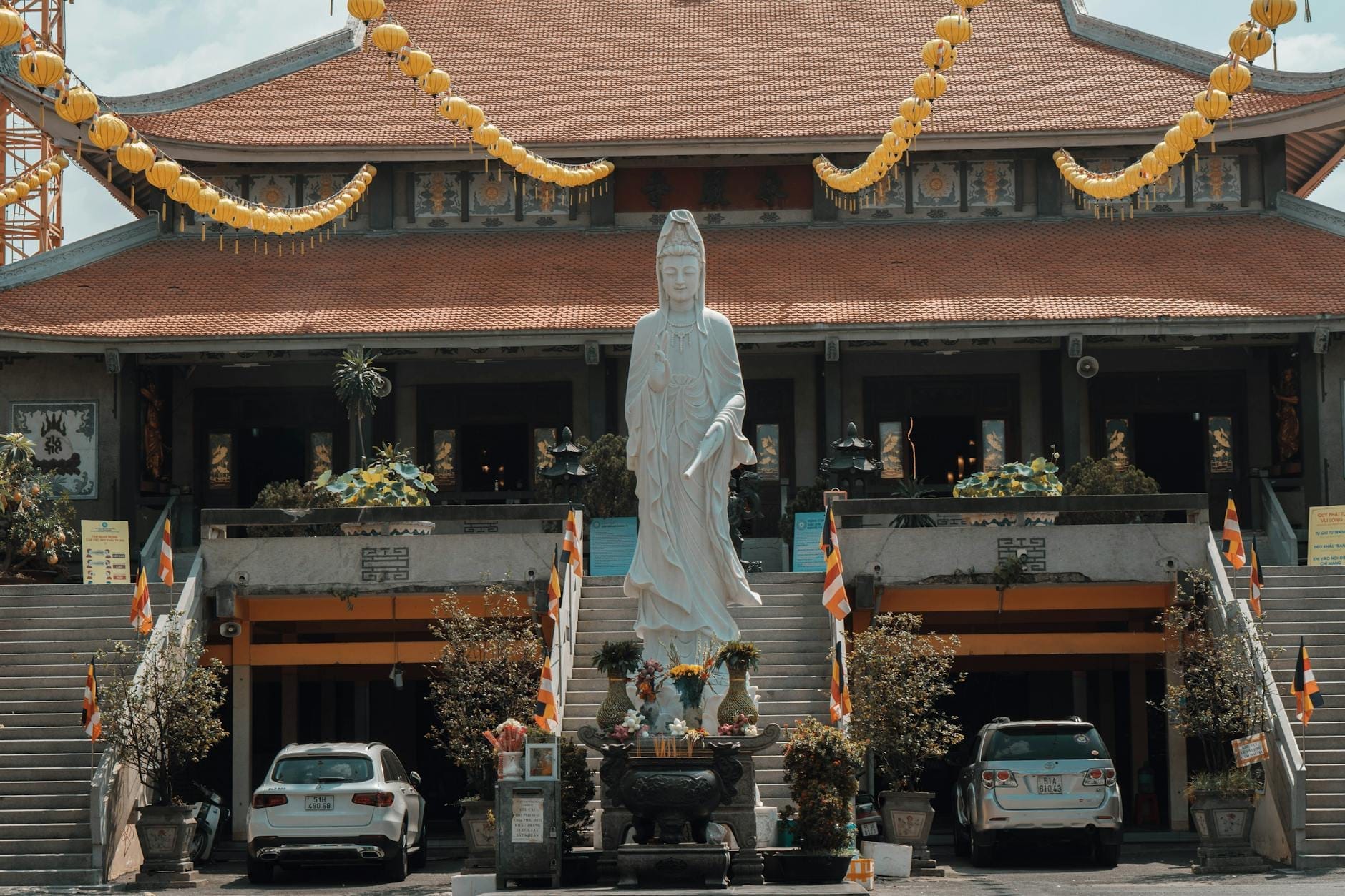
Vĩnh Nghiêm Pagoda, on Nam Kỳ Khởi Nghĩa Street near Công Lý Bridge, is one of the most architecturally significant Buddhist temples in southern Vietnam. Built in the 1960s and influenced by Japanese temple design through a bilateral cultural exchange, it rises seven stories in a form that looks unlike almost any other pagoda in the city. The Vĩnh Nghiêm Pagoda draws both serious worshippers and architecture enthusiasts, and the interior is genuinely calming even on busy afternoons.
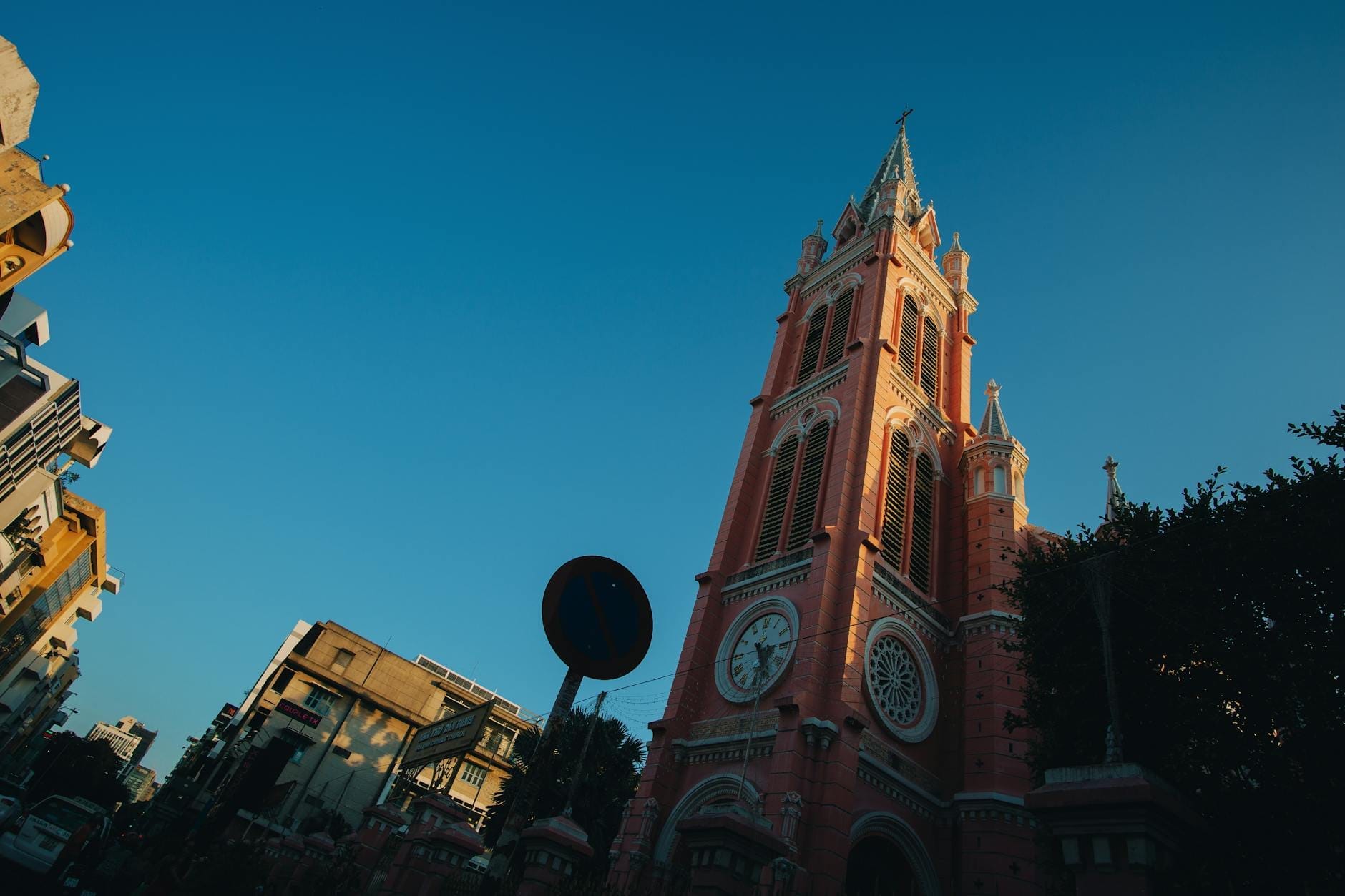
Xá Lợi Pagoda, on Bà Huyện Thanh Quan Street, is the largest pagoda in Ho Chi Minh City and carries significant historical weight as a center of Buddhist resistance during the early 1960s. Tan Dinh Church, on Hai Bà Trưng Street at the district's eastern edge, is one of the most recognizable buildings in the city, its candy-pink Gothic facade photographed constantly by people passing between Districts 1 and 3. The Tan Dinh Church dates to the 1870s and remains an active parish.
The streets themselves are worth exploring systematically. Võ Thị Sáu, Trần Quốc Thảo, and the lanes branching off Nguyễn Thượng Hiền contain stretches of French colonial residential architecture that have survived relatively intact: shuttered villas with tiled roofs and high-walled gardens, interrupted occasionally by newer apartment towers but never entirely displaced. Walking east along Nguyễn Thị Minh Khai toward the District 1 boundary gives a clear picture of how abruptly the scale and energy of the city can change across a single intersection.
Vĩnh Nghiêm Pagoda: seven-story Japanese-influenced Buddhist temple on Nam Kỳ Khởi Nghĩa Street
Xá Lợi Pagoda: one of the largest pagodas in HCMC, with notable history from the 1960s
Tan Dinh Church: distinctive pink Gothic church at the District 1 border on Hai Bà Trưng
French colonial villa streets: best preserved along Võ Thị Sáu and Trần Quốc Thảo
Nhiêu Lộc – Thị Nghè Canal path: walkable promenade along the northern boundary
💡 Local tip
The Nhiêu Lộc – Thị Nghè Canal, which runs along the northern edge of the district, has been cleaned up significantly and now has a walking and cycling path along its banks. Early mornings here are genuinely pleasant, with locals exercising and fishing, and the canal itself reflecting the low-rise buildings on the opposite shore.
Eating & Drinking
District 3 has one of the strongest local food scenes of any central Saigon neighborhood, and it operates largely below the tourist radar. This is not the street food theater of Ben Thanh Market or the backpacker-facing menus of Phạm Ngũ Lão. For a broader map of where to eat across the city, the Ho Chi Minh City dining guide provides useful city-wide context, but District 3 deserves its own exploration.
The lanes around Võ Thị Sáu and the alleys feeding off Cách Mạng Tháng 8 concentrate some of the best casual eating in the inner city. Bún bò Huế, the spicier central Vietnamese beef noodle soup, is a District 3 staple served from small family operations that open only until mid-morning. Bánh cuốn, steamed rice rolls filled with pork and wood ear mushrooms, appears at sidewalk spots where the same hands have been rolling the same batter for decades. Prices at these setups are consistently lower than anything in District 1, often by a significant margin.
The café culture here is equally serious. District 3 has long been associated with the kind of slow, deliberate Vietnamese coffee experience that involves a drip filter, a small glass of ice, and no particular urgency to leave. Dozens of independent cafés occupy old shophouses and villa ground floors, many with interior courtyards or rooftop terraces. Some have been running in the same location for thirty years; others represent a newer generation of design-conscious owners who have renovated spaces carefully rather than replacing them.
For those who want to understand the full scope of Saigon street food before diving in, the Ho Chi Minh City street food guide covers the dishes and neighborhoods worth prioritizing across the city.
Bún bò Huế: spicy central Vietnamese beef noodle soup, best found at early-morning sidewalk spots
Bánh cuốn: steamed rice rolls served fresh, typically with crispy pork skin and dipping sauce
Cơm tấm: broken rice with grilled pork, a Saigon staple available at multiple spots on major streets
Vietnamese iced coffee: drip-filter cà phê sữa đá, widely available at independent cafés throughout the district
Chè: sweet dessert soups and drinks sold from small carts, especially active in the late afternoon
Getting There & Around
District 3 does not have its own Metro Line 1 station, though the Bến Thành terminus is within walking distance of the district's eastern edge. Metro Line No. 2 between Bến Thành and Tham Lương is planned and will eventually improve direct rail access. For current transit options across the city, the getting around Ho Chi Minh City guide covers the most practical approaches.
The most practical ways to reach District 3 from District 1 are on foot, by ride-hailing app (Grab and Be are both widely used), or by xe ôm (motorbike taxi). Walking from the Ben Thanh Market area along Nguyễn Thị Minh Khai or Hai Bà Trưng takes roughly fifteen to twenty minutes depending on your starting point and the pedestrian crossing situation, which requires patience. The walk itself is instructive: you pass through a visible transition from commercial to residential, from tourist-facing to locally oriented.
City buses run along several of the district's main arteries, including Nguyễn Thị Minh Khai and Cách Mạng Tháng 8, but the routes and schedules require some research in advance and are more useful for moving between outer areas than for first-time navigation within the district. For getting around within District 3 itself, the compact scale means that walking between most points of interest takes under twenty minutes.
💡 Local tip
Grab (the dominant ride-hailing app in Vietnam) is the easiest way to move between District 3 and District 1 during peak hours. Fares for a car are typically 40,000 to 70,000 VND for the short distance, and a Grab Bike is even cheaper if you are comfortable with motorbike travel.
Where to Stay
District 3 is an underused base for travelers who want central access without paying District 1 hotel rates or tolerating District 1 noise levels. The Ho Chi Minh City accommodation guide covers the full range of neighborhoods, but District 3 deserves specific mention for mid-range and long-stay visitors.
Accommodation options in District 3 skew toward mid-range boutique hotels, serviced apartments, and guesthouses occupying converted townhouses. The streets around Võ Thị Sáu and the calmer lanes off Nguyễn Đình Chiểu tend to offer the best balance of quiet and access. Properties here typically cost less than comparable rooms in District 1 while remaining within walking distance of the major sights on the District 1 side.
The district suits independent travelers who prioritize authenticity over convenience, business visitors who prefer a calmer base with easy airport access via Nam Kỳ Khởi Nghĩa, and anyone planning a longer stay who wants to experience how middle-class Saigonese actually live. It is not the right choice for travelers who want to walk out the door and be immediately surrounded by rooftop bars and English-language menus.
⚠️ What to skip
District 3 has limited international-grade hotel infrastructure compared to Districts 1 and 4. If you need concierge services, on-site pools, or large hotel amenities, you will find fewer options here. The tradeoff is a significantly calmer and more affordable environment.
Honest Assessment: Who District 3 Is For
District 3 sits in an interesting position for visitors. It lacks the concentration of major attractions that makes District 1 the obvious starting point for a first-time Saigon itinerary, and it does not have the raw street energy and budget infrastructure of Phạm Ngũ Lão. What it offers instead is something harder to quantify: a sense of how the city actually functions at street level, away from the staging.
First-time visitors on short trips are better served staying in District 1 and spending a morning or afternoon walking through District 3. Return visitors and longer-stay travelers will likely find District 3 more satisfying as a base than anywhere else in the inner city. The colonial architecture survives here in a way it has not in more commercially pressured areas. The pagodas draw genuine congregants rather than primarily tourists. The cafés have regulars.
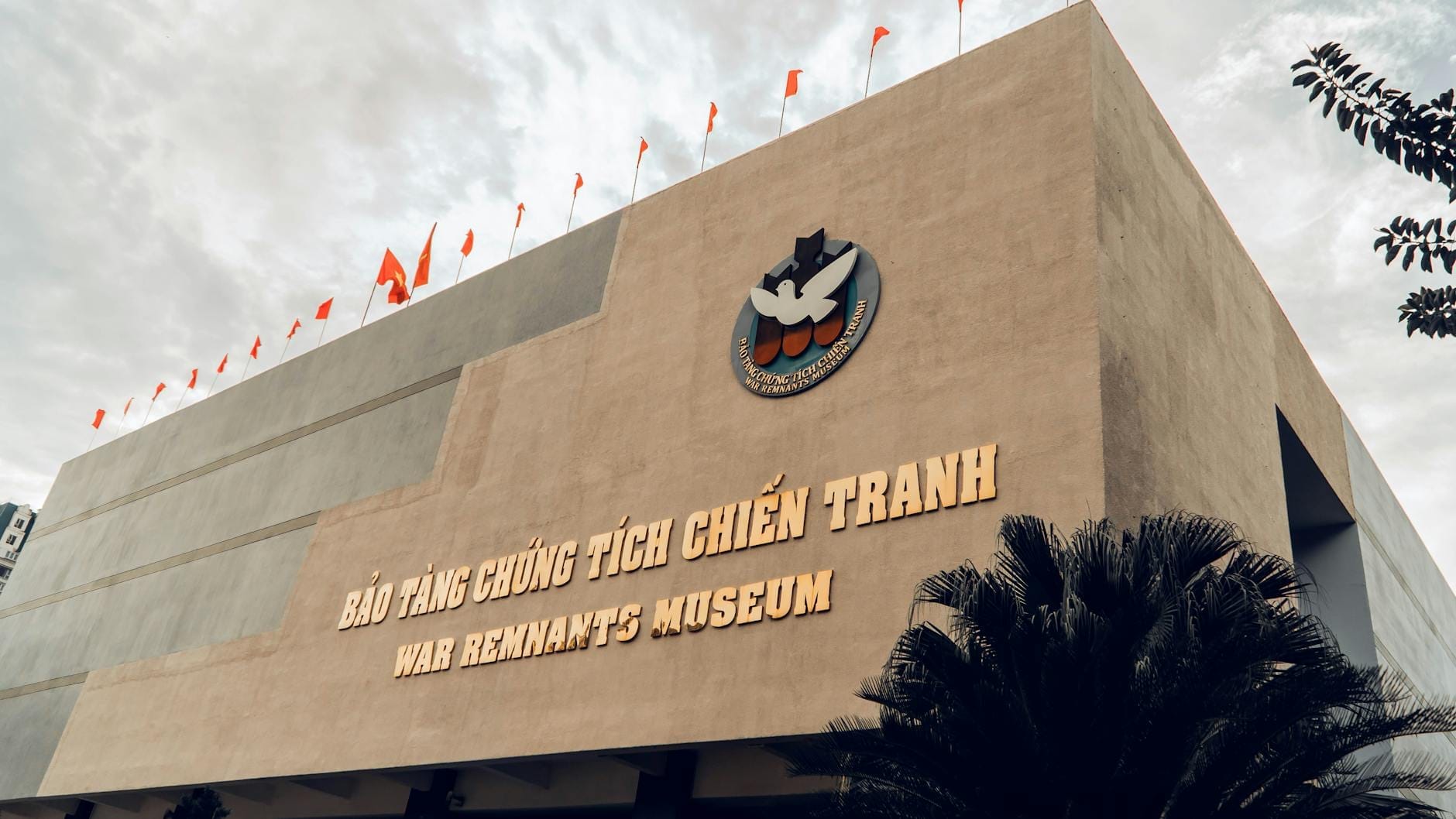
If your itinerary includes the Reunification Palace or the War Remnants Museum, both of which sit on the District 3 and District 1 boundary, using District 3 as your base makes practical sense. You can walk to those sites and then continue into District 1's central precinct without retracing your steps.
TL;DR
District 3 is a compact, walkable inner-city neighborhood best known for French colonial architecture, pagodas, and a strong local café and street food culture.
It borders District 1 directly and is within walking distance of major Saigon landmarks including sites on the District 1 side of the boundary.
Best suited to return visitors, longer-stay travelers, and anyone who wants a quieter, more residential base without sacrificing central access.
No metro station inside the district, but Bến Thành station (Line 1) is walkable from the eastern side, and ride-hailing apps make District 1 and the airport easily reachable in under fifteen minutes.
Skip it as a base if you are on a short trip primarily focused on nightlife and major tourist landmarks; visit it on foot as a half-day complement to a District 1 itinerary.
Ho Chi Minh City's tropical climate divides sharply into a dry season and a wet season, and timing your visit makes a bigger difference than most travelers expect. This guide breaks down every month, from ideal dry-season windows to the pros of traveling in the rain.
Ho Chi Minh City rewards deep exploration, but some of the most memorable experiences in southern Vietnam sit just beyond the city limits. These are the best day trips from Ho Chi Minh City, from underground war history to slow-boat river journeys.
Ho Chi Minh City's transport network is more layered than most visitors expect. From the newly opened Metro Line 1 to app-based motorbike taxis that slice through gridlock, this guide breaks down every practical way to get around Saigon, with honest assessments of what actually works.
Whether you have a long weekend or nearly a week, this guide breaks down exactly how to spend 2, 3, or 5 days in Ho Chi Minh City. From the war history of District 1 to the Chinese temples of Cholon and the tunnel networks of Cu Chi, every day is mapped out with honest advice on timing, crowds, and what's genuinely worth your time.
From cheap beers on Bùi Viện to cocktails 40 floors above the Saigon River, Ho Chi Minh City's nightlife runs seven days a week and rarely stops before 3 AM. This guide breaks down every scene by neighborhood, budget, and vibe so you spend less time deciding and more time out.
From crispy bánh xèo in District 4 to late-night snails on Nguyễn Thượng Hiền Street, Ho Chi Minh City's street food scene is one of the most diverse and affordable in Southeast Asia. This guide breaks down the essential dishes, the best neighborhoods to find them, honest pricing, and the traps worth avoiding.
Ho Chi Minh City, still widely called Saigon, packs more experiences per square kilometer than almost any city in Southeast Asia. This guide covers the top attractions, day trips, nightlife, food, and practical planning tips so you can spend less time deciding and more time exploring.
Ho Chi Minh City's food scene runs from sidewalk plastic stools to contemporary kitchens earning Michelin recognition. This guide cuts through the noise with specific restaurants, real prices in Vietnamese Dong, neighborhood breakdowns, and honest assessments of what's worth your time.
Choosing where to stay in Ho Chi Minh City (Saigon) shapes your entire trip. This guide breaks down the best neighborhoods by travel style and budget, with honest assessments of what each area delivers — and what it doesn't.