Getting Around Ho Chi Minh City: Every Transport Option Explained
Ho Chi Minh City's transport network is more layered than most visitors expect. From the newly opened Metro Line 1 to app-based motorbike taxis that slice through gridlock, this guide breaks down every practical way to get around Saigon, with honest assessments of what actually works.
Tickets & tours
Live prices and dates from our booking partner. If you book, we may earn a commission at no extra cost to you.
TL;DR
- Metro Line 1 (Ben Thanh to Suoi Tien) opened December 2024: 19.7 km, 14 stations, fares 15,000–30,000 VND. Great for the northeast corridor, useless for the airport.
- Grab and Be are the default for short hops and traffic-beating motorbike rides — far more reliable than flagging down an unmarked xe om. See what else is worth doing via our Ho Chi Minh City activity guide.
- Stick to Mai Linh (green) or Vinasun (white/blue) metered taxis. Non-metered cabs near tourist areas are a well-known scam.
- Public buses cover 150+ routes and cost as little as 6,000 VND, but the BusMap app is non-negotiable for navigation.
- During the rainy season (May to November), traffic congestion gets significantly worse — factor that into your timing.
Understanding the City's Layout Before You Travel
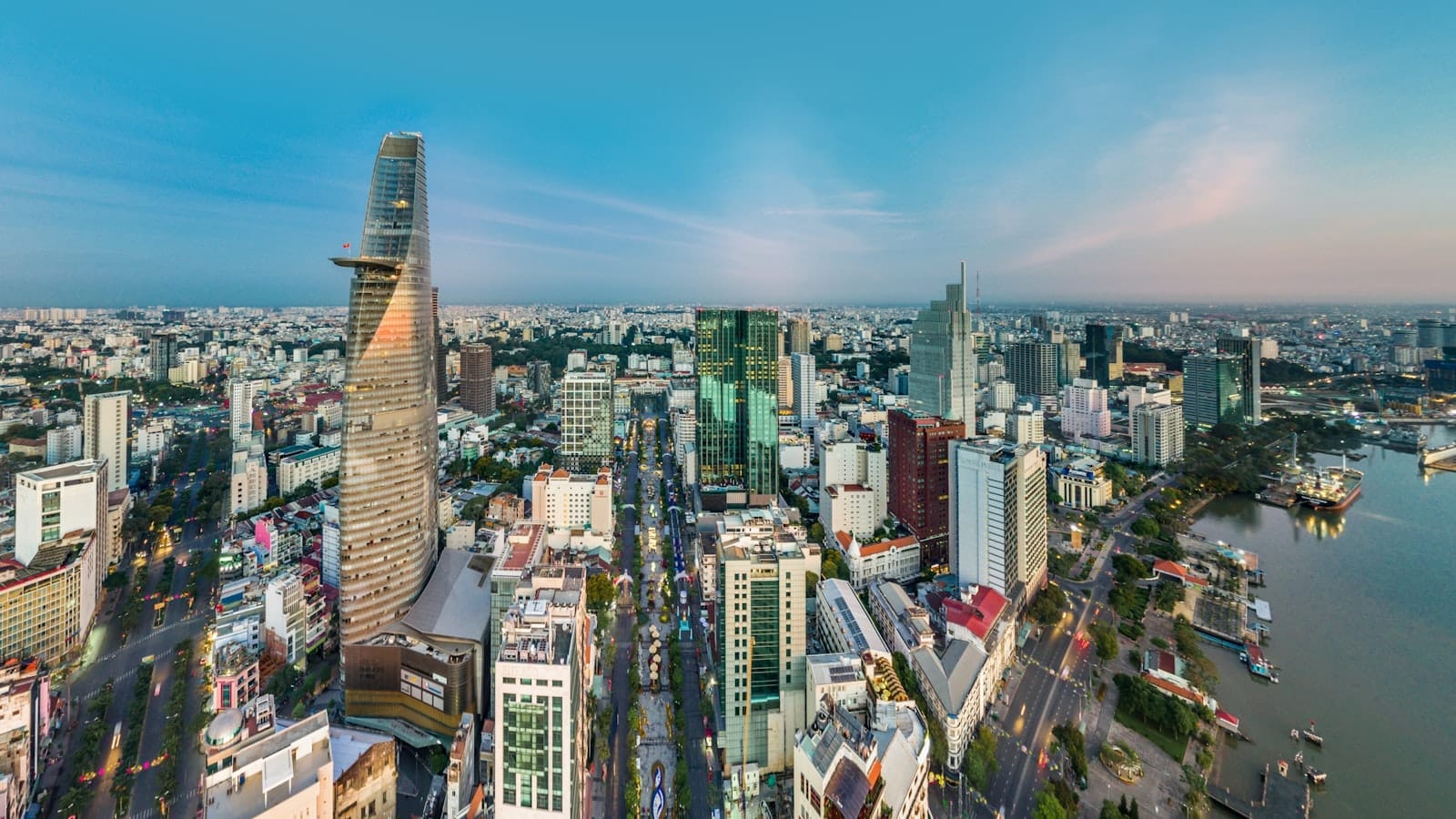
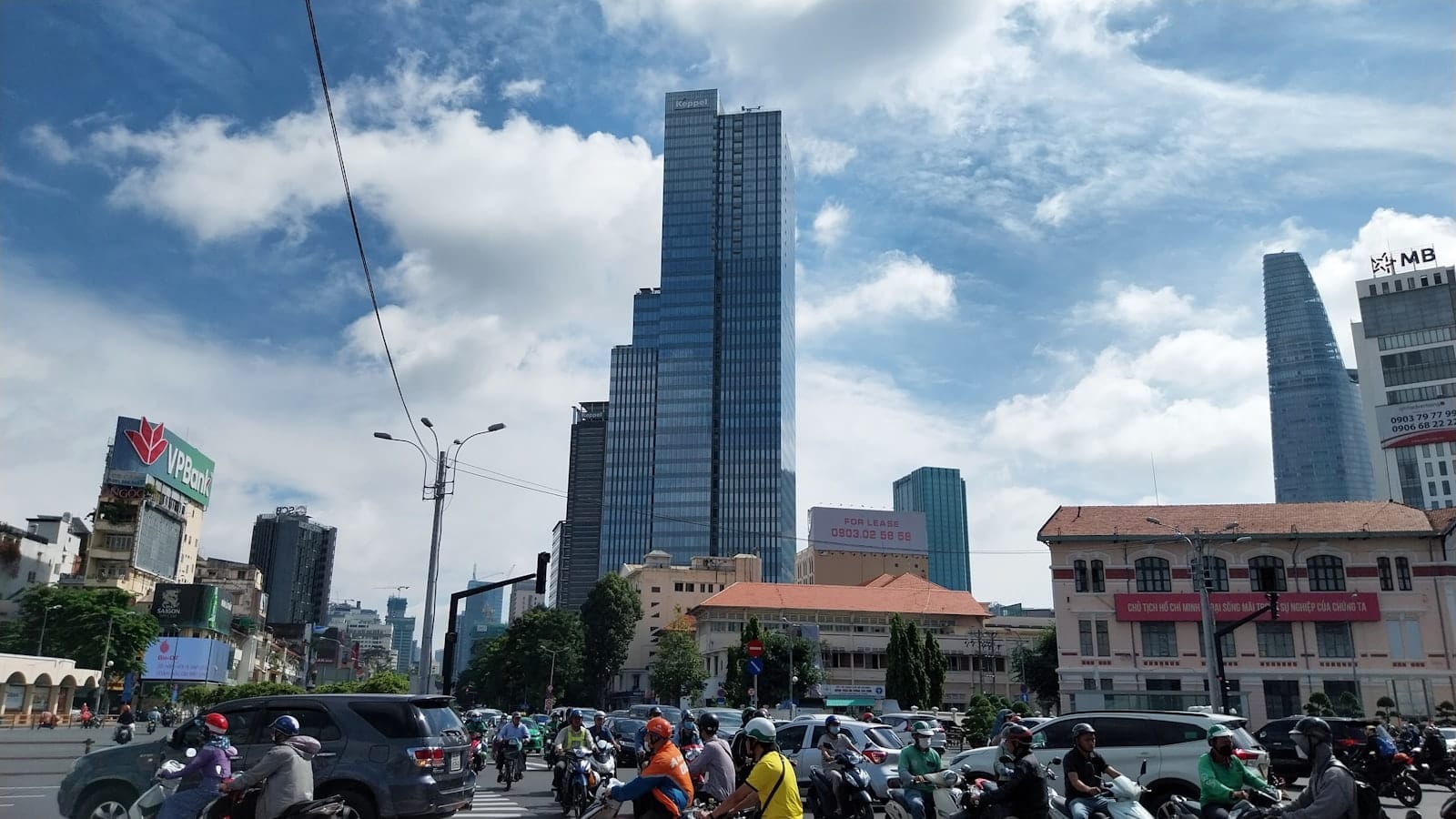
Ho Chi Minh City (officially Thành phố Hồ Chí Minh, still widely called Saigon) is a low-lying metropolis of nearly 10 million residents within the city proper, sitting along the Saigon River, roughly 80 km from the South China Sea. For transport planning purposes, most visitors will focus on the historic core around District 1, the backpacker strip in Phạm Ngũ Lão, and the Chinese commercial quarter of Cholon.
The city was not built for easy pedestrian navigation. Streets in the center shift names frequently, intersections can be confusing, and the combination of motorbike density and narrow lanes means that how you travel matters as much as where you are going. Getting around Ho Chi Minh City requires choosing the right tool for each type of journey — there is no single solution that works in all situations.
Metro Line 1: The New Option That Changes Some — Not All — Journeys
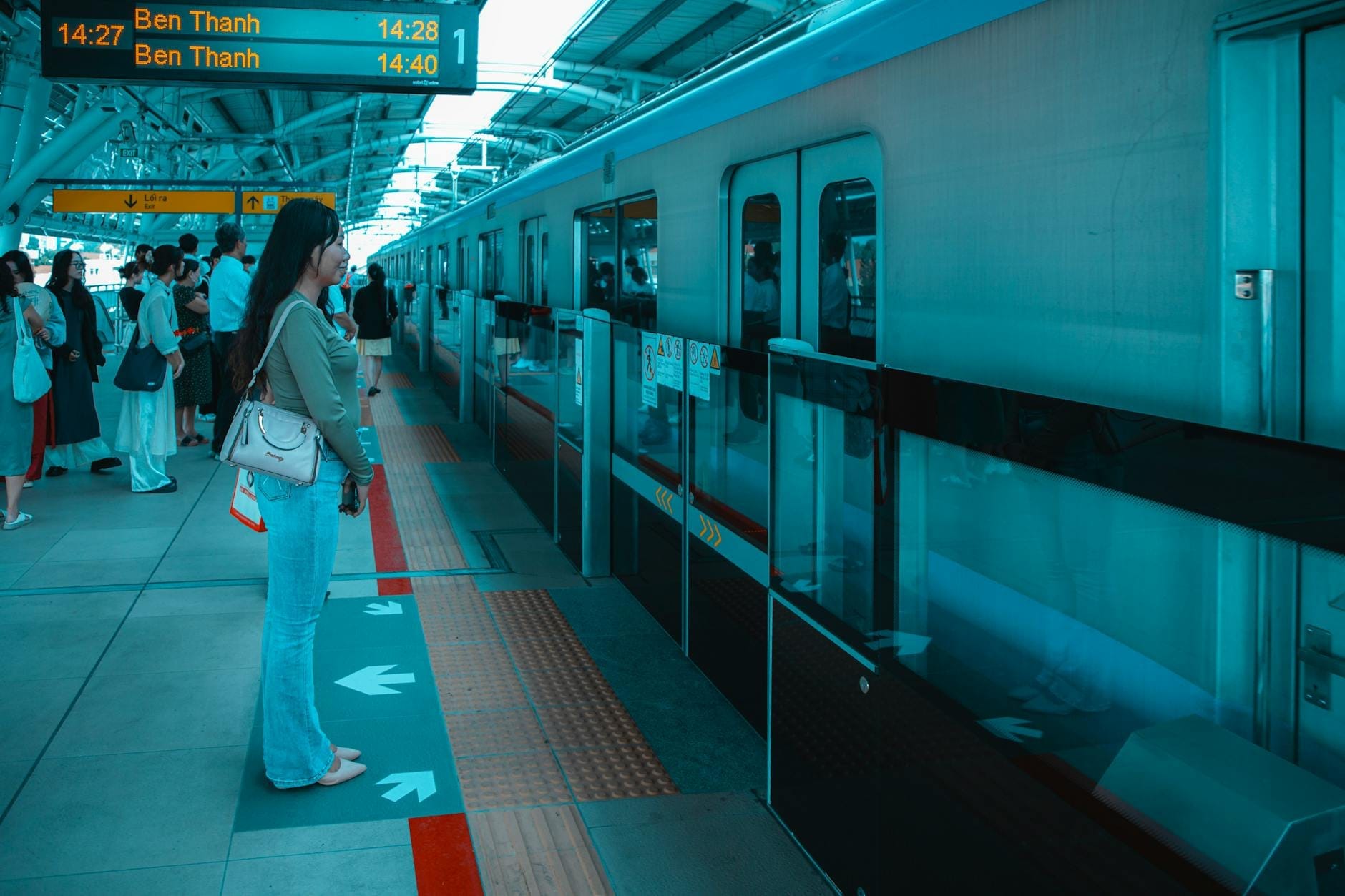
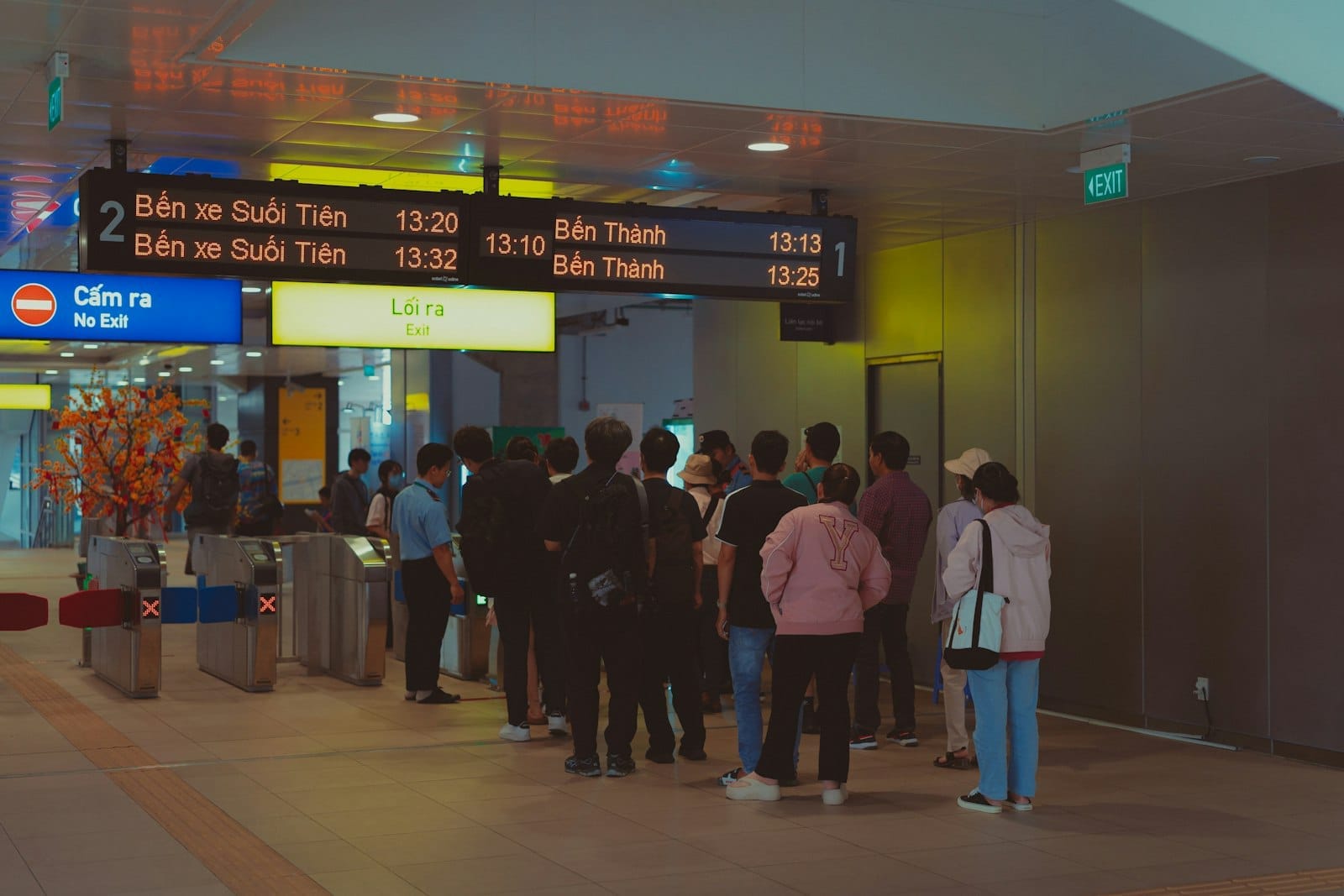
Metro Line 1 (Ben Thanh to Suoi Tien) opened on December 22, 2024, making it one of Southeast Asia's newest urban rail systems. The line runs 19.7 km with 14 stations: 3 underground in the city center and 11 elevated as the line heads northeast toward Thu Duc City. End-to-end takes about 32 minutes. Fares are distance-based, ranging from 15,000 to 30,000 VND — making it the cheapest and most predictable journey in the city.
Key stops for tourists include Bến Thành (next to Bến Thành Market), Opera House station (near the Saigon Opera House and Nguyen Hue), Ba Son (Saigon River waterfront), Thao Dien (near popular expat district), and Suoi Tien at the far northeastern end. For visitors staying in District 1 and planning to explore Thu Duc or Thao Dien, the metro is the clear choice.
⚠️ What to skip
Metro Line 1 does NOT connect to Tan Son Nhut International Airport (SGN). The airport sits northwest of the city center — the metro runs northeast. For airport transfers, use buses #152 or #49, metered taxis, or a pre-booked Grab. Anyone who tells you otherwise near the arrivals hall is likely trying to sell you an overpriced ride.
Metro Line 2 (Ben Thanh to Tham Luong) entered the early construction stages in early 2026, which will eventually expand the network westward. For now, the metro is a single-corridor tool — genuinely useful for specific journeys, not a city-wide solution.
Ride-Hailing and Taxis: The Daily Workhorses
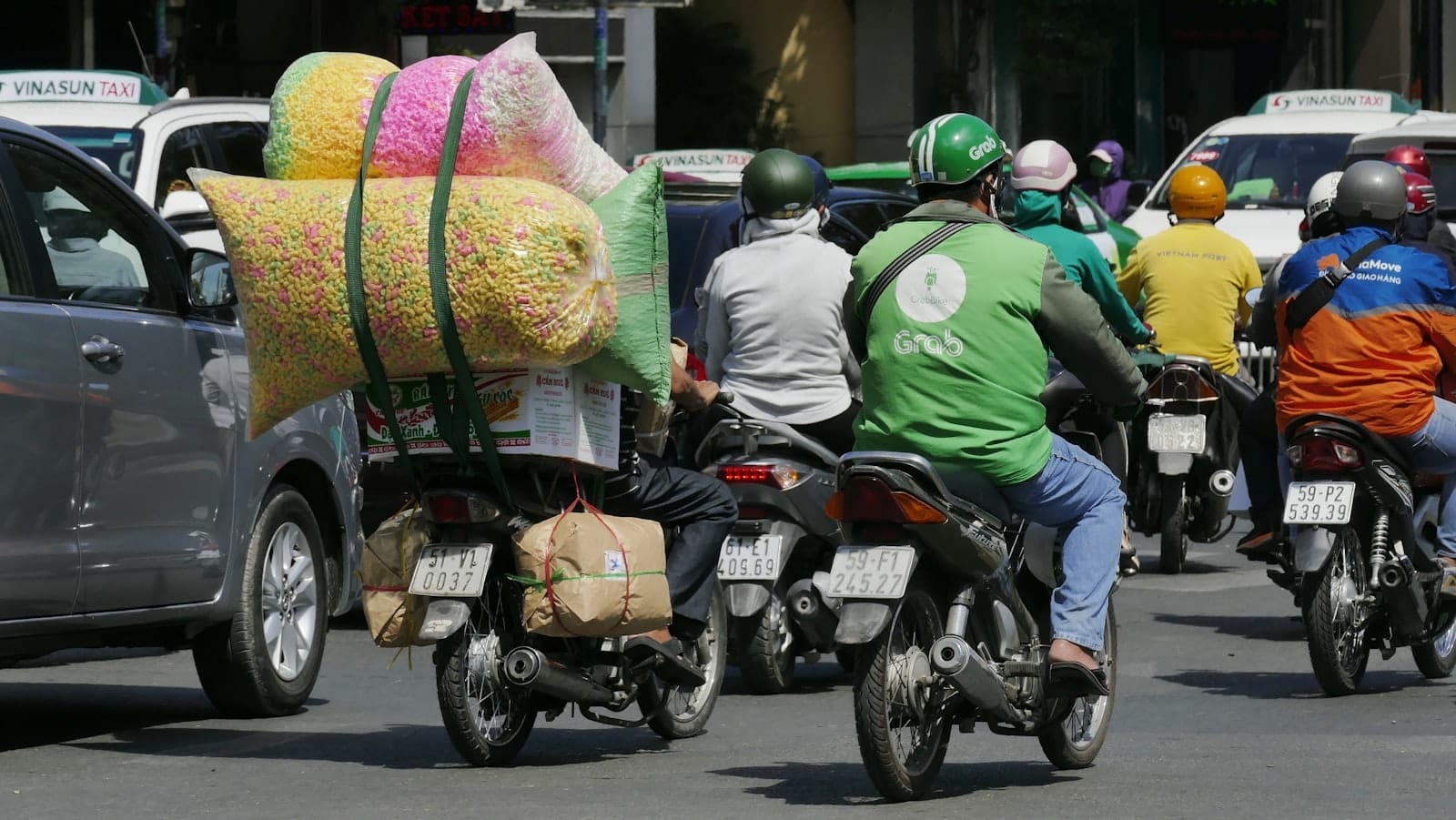
For the vast majority of trips in Ho Chi Minh City, Grab or Be will be your best option. Both apps work on the same principle: you see the price before you commit, the driver's details are logged, and payment can be cashless. Grab Car is convenient for longer distances or when you have luggage; Grab Bike (motorbike taxi) is faster in congested periods and costs a fraction of the car fare. Be offers similar services and is worth having as a backup when Grab surges.
✨ Pro tip
When using Grab Bike, note the driver's helmet color on the app and look for the green Grab jacket. Ask the driver to confirm your name before getting on. In high-traffic areas like Ben Thanh or Pham Ngu Lao, dozens of drivers cluster in one spot, and it is easy to get into the wrong vehicle.
If you prefer a metered taxi, use only Mai Linh (green cabs) or Vinasun (white with red and green stripes). Both companies use calibrated meters and have a reputation for honest fares. The base fare is approximately 10,000 to 15,000 VND, with per-kilometer rates that keep most District 1 trips well under 100,000 VND. Avoid unlicensed taxis parked outside tourist attractions or hotels — they typically quote flat rates that are 3 to 5 times higher than metered fares.
Public Buses: Cheap, Comprehensive, Slow
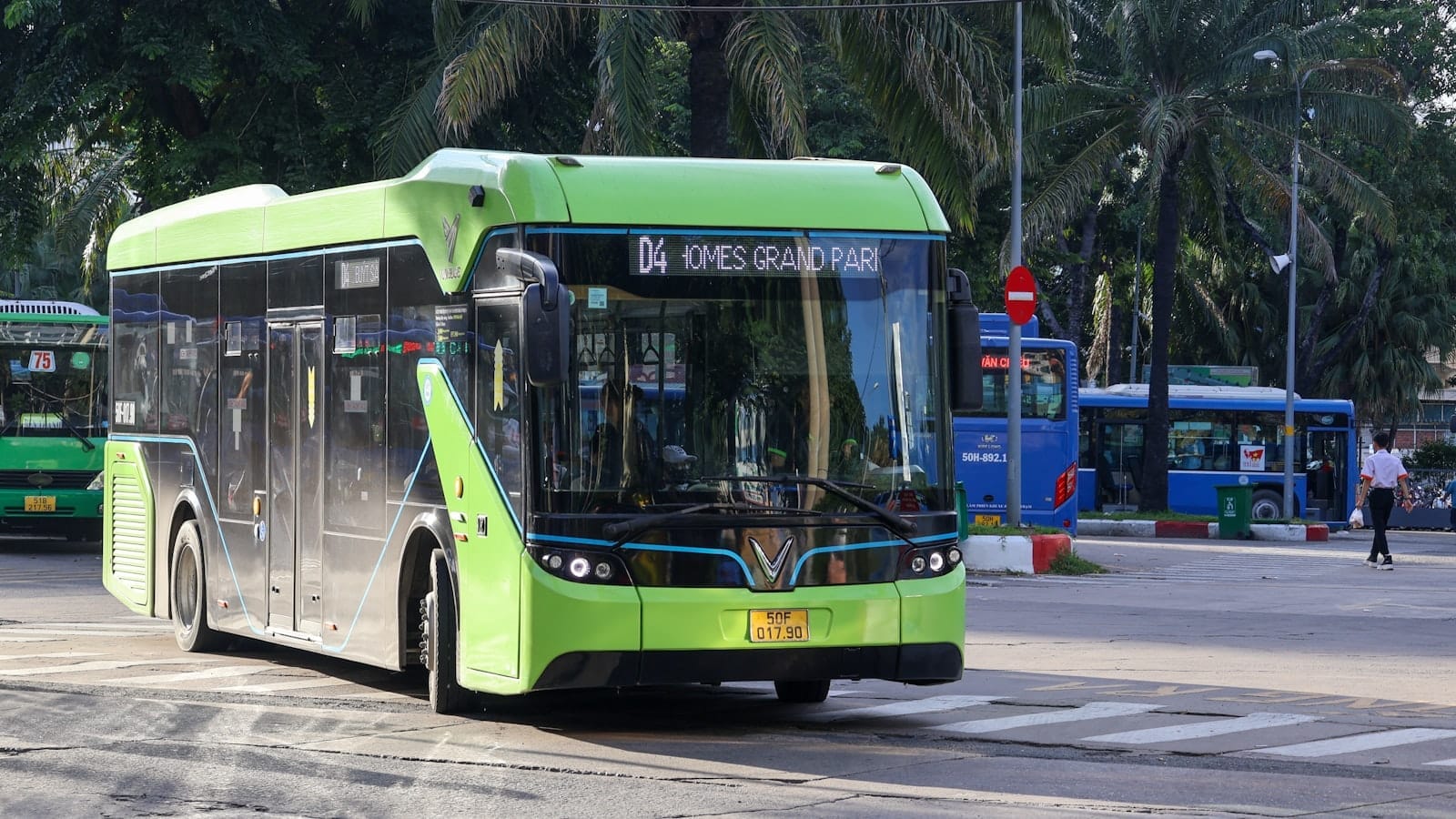
Ho Chi Minh City's public bus network spans more than 150 routes with fares ranging from 6,000 to 40,000 VND per journey. For travelers on a strict budget or those who want to move through the city the way residents do, buses are worth understanding. The catch is that without the BusMap app (available on iOS and Android), navigating the system is genuinely difficult. The app shows real-time routes, stops, and schedules in English.
- Route #152 Connects Tan Son Nhut Airport to Ben Thanh Market via District 1. Fare around 5,000–6,000 VND. Runs frequently during daylight hours. The cheapest airport option by a significant margin.
- Route #49 Alternative airport route to Ben Thanh. Slightly different path through the city, useful if Route 152 is full.
- Route #1 Ben Thanh Market to Cholon (Binh Tay Market area). Useful for exploring the Chinese quarter without a taxi.
- Route #109 City center to Pham Ngu Lao area. Fare around 20,000 VND. Operates 5:30am to 1:30am, every 20 minutes approximately.
The honest assessment of Ho Chi Minh City buses: they are cheap and they cover the city, but journey times are unpredictable. During peak hours (7–9am, 4:30–7pm) and during afternoon rainstorms in the wet season, buses can sit in traffic for long stretches. If your time is limited or you are heading to a timed attraction or tour, factor in significant buffer time or choose a faster option.
💡 Local tip
The BusMap app is free and works offline once routes are downloaded. Set it up before you arrive in the city. It also shows where the nearest stop is relative to your GPS location, which is the single most useful feature for first-time users.
Motorbike Rentals, Cycling, and Walking
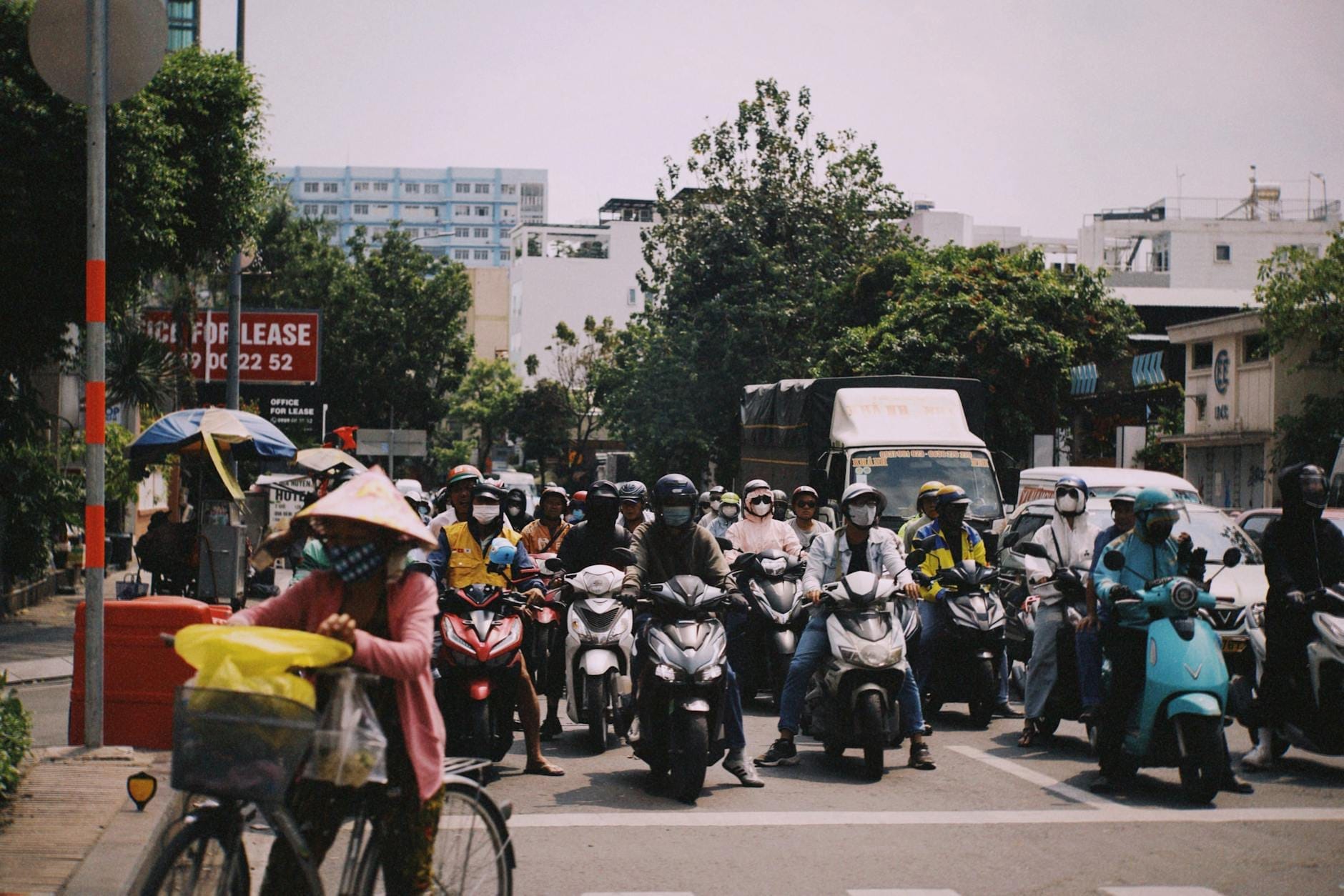
Renting a motorbike is popular among long-stay travelers and offers genuine freedom to explore neighborhoods at your own pace. That said, it is not recommended for visitors without prior experience riding in Asian cities. Ho Chi Minh City traffic follows its own logic: motorbikes flow around obstacles rather than stopping, intersections are negotiated on momentum and eye contact, and sudden lane changes are normal. Accidents involving inexperienced foreign riders are common.
Bicycle rentals are available in District 1 and near Phạm Ngũ Lão and are best suited to early-morning rides (before 7am) when traffic is light, or for exploring quieter areas away from the main arteries. Walking is practical within small zones — Nguyễn Huệ Walking Street and the area around the Notre-Dame Cathedral and Central Post Office are compact enough to cover on foot — but the city is too large and too hot for walking to be a primary transport mode.
Getting from the Airport and Reaching Outlying Areas
Tan Son Nhut International Airport (IATA: SGN) sits about 8 km northwest of the District 1 center. The fastest options from arrivals are Grab (book inside the terminal before exiting to avoid the taxi queue) or a Mai Linh/Vinasun metered cab. Typical metered fare to District 1 is around 150,000 to 200,000 VND depending on traffic. Bus Route #152 costs a fraction of that and terminates at Ben Thanh Market, but takes considerably longer during congested hours.
For day trips to outlying areas, transport needs shift. The Cu Chi Tunnels are around 70 km northwest — most visitors join an organized tour rather than attempting public buses, which require a transfer and around two hours each way. Trips into the Mekong Delta follow the same logic: a booked day tour handles all the logistics. For how to plan these excursions, the day trips from Ho Chi Minh City guide covers the main options in detail.
The Saigon Waterbus has operated along the city's river and canal network for around a decade and connects the riverside in District 1 with areas in Binh Thanh and Thu Duc. It is a genuine commuter service, not a tourist ferry, and it is one of the more atmospheric ways to move between those specific points. Fares are minimal. The schedule is limited compared to road transport, so check timings in advance.
Seasonal Conditions and When Traffic Gets Genuinely Bad
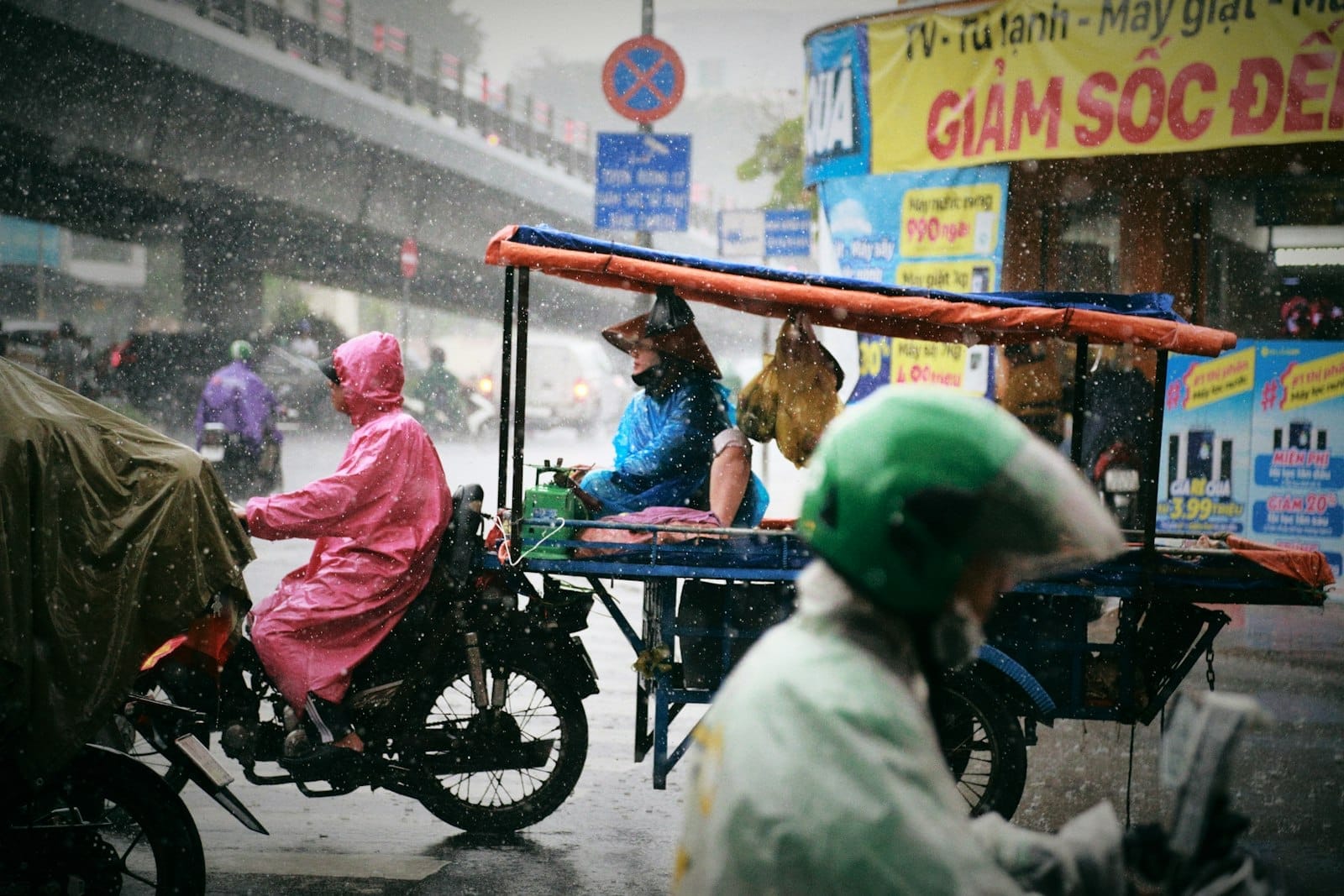
Ho Chi Minh City has a tropical monsoon climate with a dry season (roughly December to April) and a wet season (May to November). During the wet season, afternoon downpours are almost daily and often intense. When heavy rain hits, surface flooding on lower streets is common, and motorbike traffic ground to a near-halt while cars inch through water. If you are moving around the city between 2pm and 6pm from May onward, build in extra time or take shelter and wait it out.
Peak traffic hours follow standard commuter patterns: 7am to 9am and 5pm to 7pm are consistently congested, particularly on routes into and out of District 1. The metro becomes its most valuable on rainy afternoons and during these peak periods. For broader timing advice across your trip, see the best time to visit Ho Chi Minh City guide.
- Download Grab and Be before you land. Setting up payment in Vietnam is slower than doing it from home.
- Download BusMap and cache your route area while on Wi-Fi.
- Carry small VND notes (5,000 to 20,000 denominations) for bus fares — drivers may not always have change for large bills.
- Screenshot your hotel address in Vietnamese. Many drivers read English poorly but can follow Vietnamese text navigation.
- On the metro, validate your ticket at the gate barriers. Plain cards and QR tickets both work; do not lose your ticket mid-journey as you need it to exit.
- At night in entertainment areas like Bui Vien, surge pricing on Grab can spike significantly. Walk a block or two before booking to get a lower pickup price.
FAQ
Is there a metro in Ho Chi Minh City?
Yes. Metro Line 1 (Ben Thanh to Suoi Tien) opened on December 22, 2024. It runs 19.7 km with 14 stations along the northeast corridor connecting District 1 to Thu Duc City. Fares are 15,000 to 30,000 VND. Metro Line 2 entered early construction stages in 2026 and will extend the network westward toward Tham Luong.
Does the metro go to Tan Son Nhut Airport?
No. Metro Line 1 runs northeast from the city center and does not serve the airport. For airport transfers, use bus routes #152 or #49 (cheapest option, terminates at Ben Thanh), a Grab booked through the app (fastest for convenience), or a metered taxi from Mai Linh or Vinasun.
Is Grab safe and reliable in Ho Chi Minh City?
Grab is widely considered the safest and most transparent way to hire a ride in the city. The fare is confirmed before you book, the driver's details are logged in the app, and the route is tracked. It works for both cars and motorbike taxis. Be is a solid alternative. Both are far preferable to unmarked street taxis or unlicensed xe om.
How do I get from Ho Chi Minh City center to the Cu Chi Tunnels?
The Cu Chi Tunnels are around 70 km northwest of District 1. By public bus, take Bus 13 from 23/9 Park to Cu Chi Bus Station, then transfer to Bus 79 to the tunnels area — the full trip takes about 2 to 2.5 hours each way. Most visitors book a half-day or full-day organized tour instead, which includes transport, an English-speaking guide, and entrance fees in one price. By taxi or Grab, the drive takes roughly 90 minutes.
What is the cheapest way to get around Ho Chi Minh City?
Public buses are the cheapest option at 6,000 to 40,000 VND per trip, with the metro close behind at 15,000 to 30,000 VND. Grab Bike is affordable for short distances and faster than either option in traffic. For airport arrivals, bus route #152 to Ben Thanh costs around 5,000 to 6,000 VND, making it by far the lowest-cost transfer from Tan Son Nhut.
Tickets & tours
Live prices and dates from our booking partner. If you book, we may earn a commission at no extra cost to you.
Planning a trip? Discover personalized activities with the Nomado app.