Things to Do in Ho Chi Minh City: The Complete Expert Guide
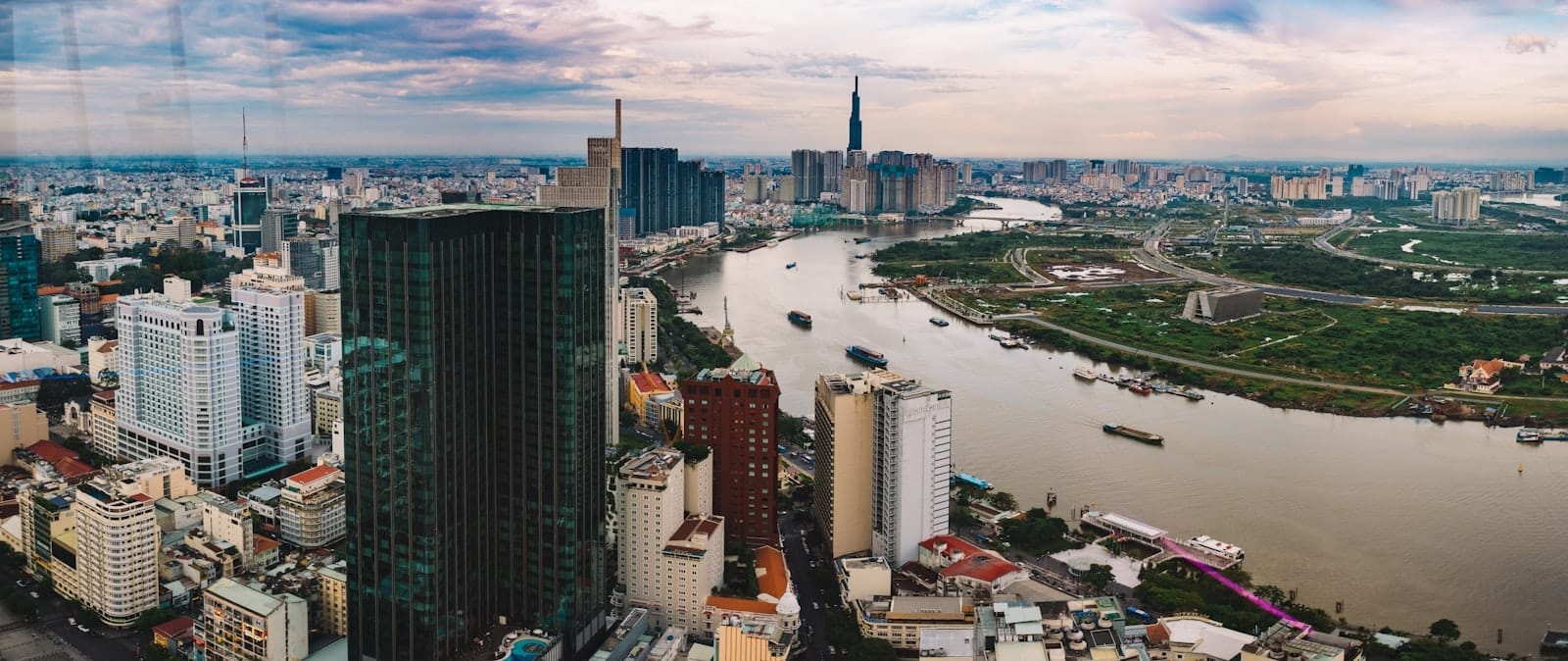
Ho Chi Minh City, still widely called Saigon, packs more experiences per square kilometer than almost any city in Southeast Asia. This guide covers the top attractions, day trips, nightlife, food, and practical planning tips so you can spend less time deciding and more time exploring.
Tickets & tours
Live prices and dates from our booking partner. If you book, we may earn a commission at no extra cost to you.
TL;DR
- The historic core sits in District 1 — walk between the War Remnants Museum, Reunification Palace, and Notre Dame Cathedral in half a day.
- The Cu Chi Tunnels are 1-2 hours from the city centre — book a guided tour to get the most out of the site.
- Dry season (December to April) is best for outdoor activities; the city is perfectly workable in the wet season with flexible timing.
- Street food is the real draw — pair it with a proper plan using our Ho Chi Minh City street food guide.
- Bui Vien Walking Street is the backpacker nightlife zone — loud, cheap, and not for everyone. Skip it if that's not your scene.
The Historic Core: District 1 Landmarks
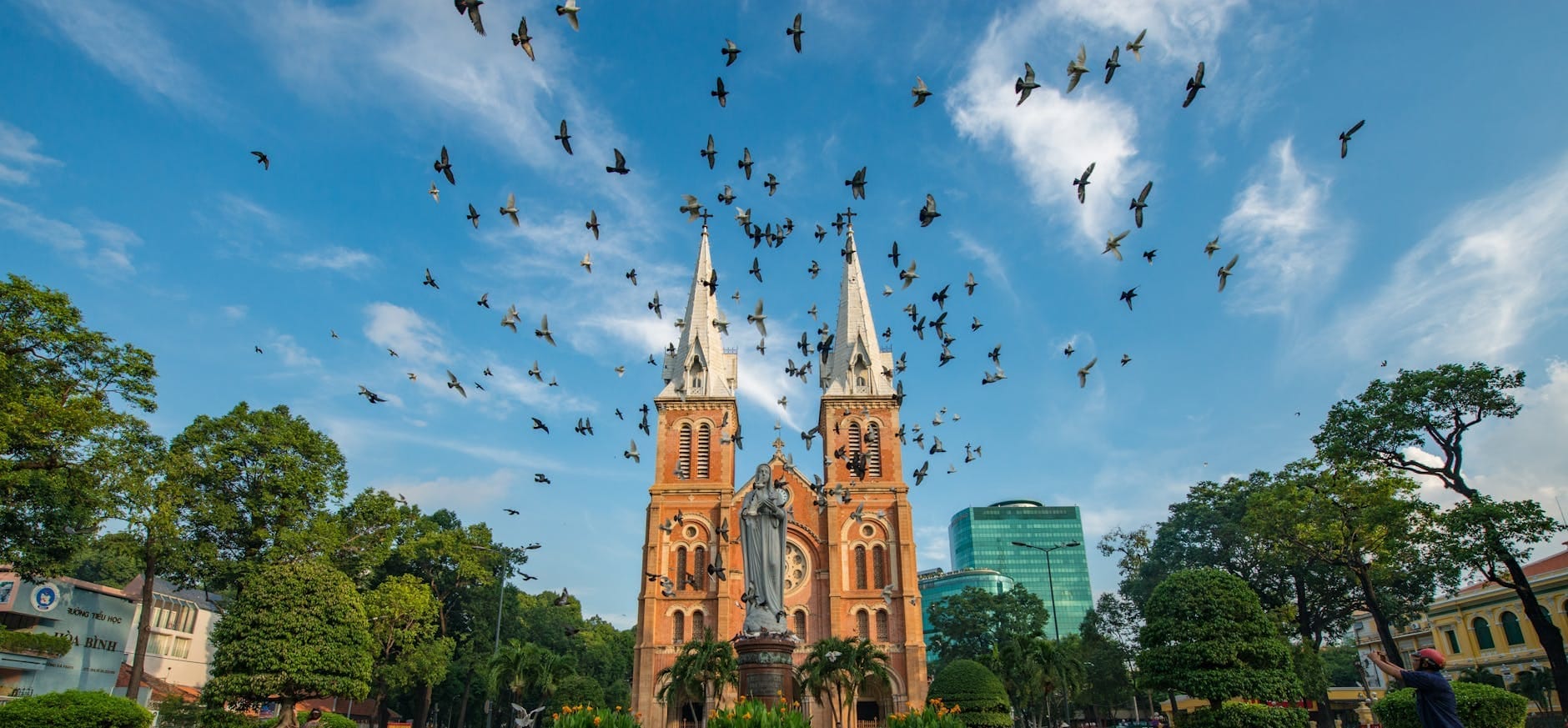
The densest concentration of historical sites in Ho Chi Minh City sits within walking distance of each other in District 1. Give yourself a full morning to do this properly, starting early before the heat peaks around midday.
The War Remnants Museum is the single most visited attraction in the city, and it earns that status. The photography collection is genuinely affecting, and the context provided is more balanced than its former name (the 'Museum of American War Crimes') suggested. Allow at least 90 minutes. Admission is 40,000 VND (roughly $1.60 USD). Arrive before 9am to beat school groups.
The Reunification Palace — known during the Vietnam War era as Independence Palace — is one of those rare places where architecture, history, and atmosphere combine into something genuinely memorable. The 1960s modernist interiors are virtually unchanged. The rooftop helipad and underground war room are highlights most visitors underestimate. Budget 1-1.5 hours and hire the audio guide.
Within a five-minute walk of each other on Công xã Paris square, you'll find the Notre Dame Cathedral and the Saigon Central Post Office. The cathedral is free to enter, but interior access is limited during its ongoing renovation — for most visitors, the exterior is the photo opportunity. The post office interior, with its vaulted iron-and-glass roof designed by Gustave Eiffel's firm, is where you'll want to linger.
💡 Local tip
On weekends, Nguyen Hue Walking Street closes to traffic and becomes a public gathering space with food stalls, street performers, and families out for the evening. It runs from City Hall down to the Saigon River waterfront — a good way to see local life without any entrance fee.
Top Experiences You Should Actually Book in Advance
The Cu Chi Tunnels are located in Cu Chi District, roughly 50-70 km northwest of the city centre depending on which entrance you choose (Ben Dinh or Ben Duoc). Getting there independently is possible but time-consuming. A guided half-day tour from the city costs around $20-35 USD per person including transport, making it the practical choice for most visitors. Full-day options that combine the tunnels with a Mekong Delta detour exist but tend to feel rushed.
⚠️ What to skip
The Cu Chi Tunnels shooting range is a popular add-on, but the extra cost (typically $1-2 USD per bullet) adds up quickly and the noise level is jarring. Skip it unless it's something you specifically want. The tunnels themselves are the real experience.
- Cu Chi Tunnels Tour Half-day guided tours from ~$20-35 USD including transport. Book via GetYourGuide or Klook. Ben Dinh entrance is smaller and usually less crowded than Ben Duoc.
- Mekong Delta Day Trip Full-day tour from the city, typically $30-55 USD. The delta is genuinely different terrain from the city — floating markets, sampan boats, and rice paddies. Worth doing if you only have one day outside HCMC.
- Saigon by Night Food Tour Walking or motorbike tours of street food stalls run 2-3 hours, usually $25-45 USD. Quality varies significantly by operator — check recent reviews.
- A O Show at Saigon Opera House Contemporary circus performance blending bamboo acrobatics with Vietnamese village themes. Tickets from around $30-60 USD. Runs most evenings; book ahead during peak season (Nov-Feb).
- Golden Dragon Water Puppet Theatre Traditional water puppetry with live musicians. Genuinely impressive craft. Shows run about 45 minutes, multiple times daily. One of the better family-friendly evening options in the city.
Markets, Shopping, and Cholon
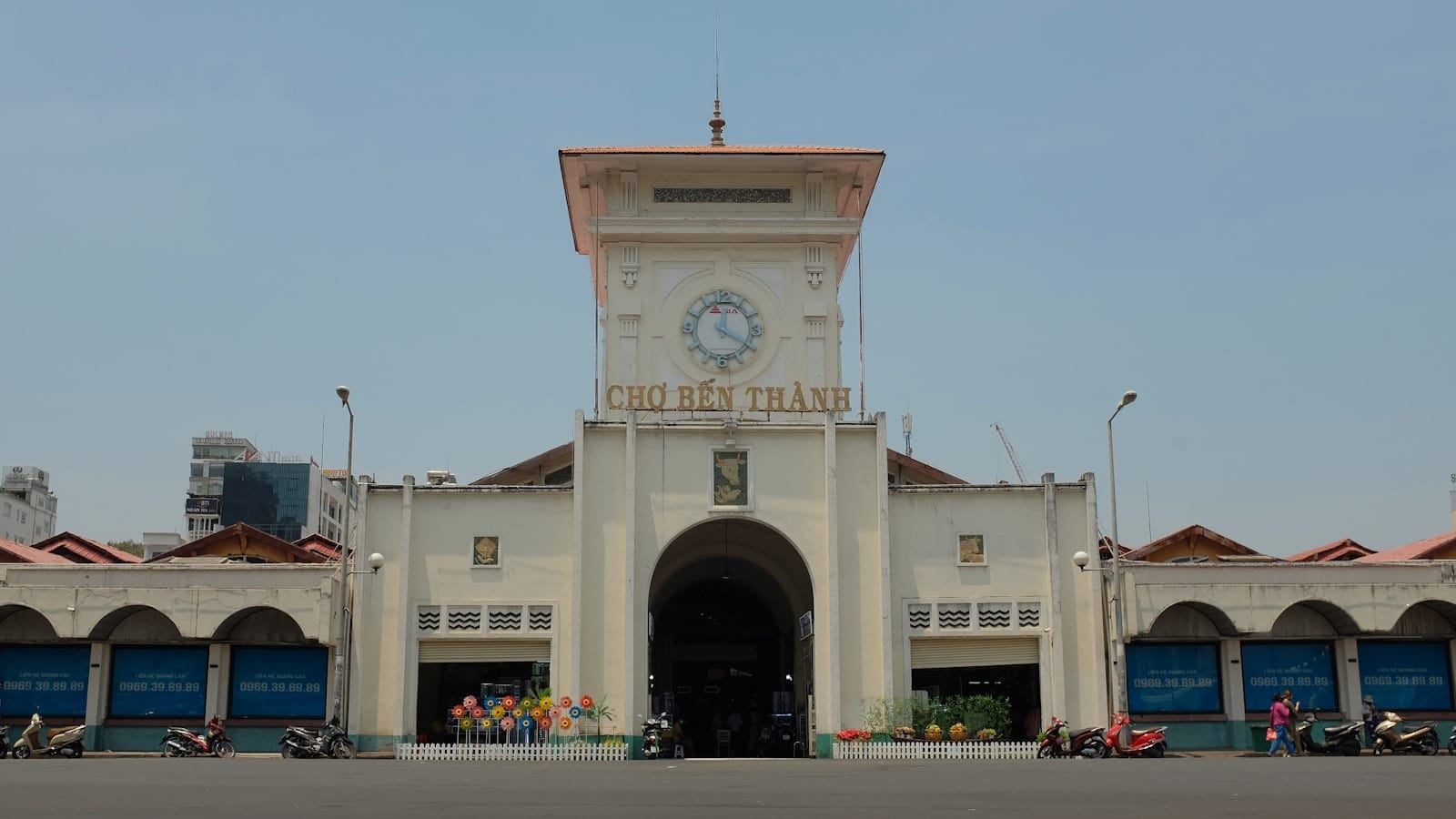
Ben Thanh Market is the most famous market in the city and also the one most likely to disappoint independent travelers who expect wholesale prices. Stall holders are experienced negotiators and the tourist premium is real. It's worth a walk-through for the atmosphere and to pick up souvenirs, but don't expect to find bargains on anything you can buy at a convenience store.
For a more authentic market experience, head to Cholon, the historically Chinese district immediately west of the main city. Binh Tay Market here is a wholesale trading hub that operates largely for local buyers — it's noisier, less tourist-friendly, and far more interesting. While you're in Cholon, visit the Thien Hau Pagoda and the Phuoc An Hoi Quan Pagoda — both active places of worship with striking incense-coil ceilings.
✨ Pro tip
Dong Khoi Street in District 1 is the city's upscale retail corridor — good for Vietnamese lacquerware, silk, and design goods at fixed prices. It runs from the Saigon Opera House down to the riverfront and makes for a pleasant afternoon walk between air-conditioned stops.
Viewpoints, Green Space, and Slowing Down
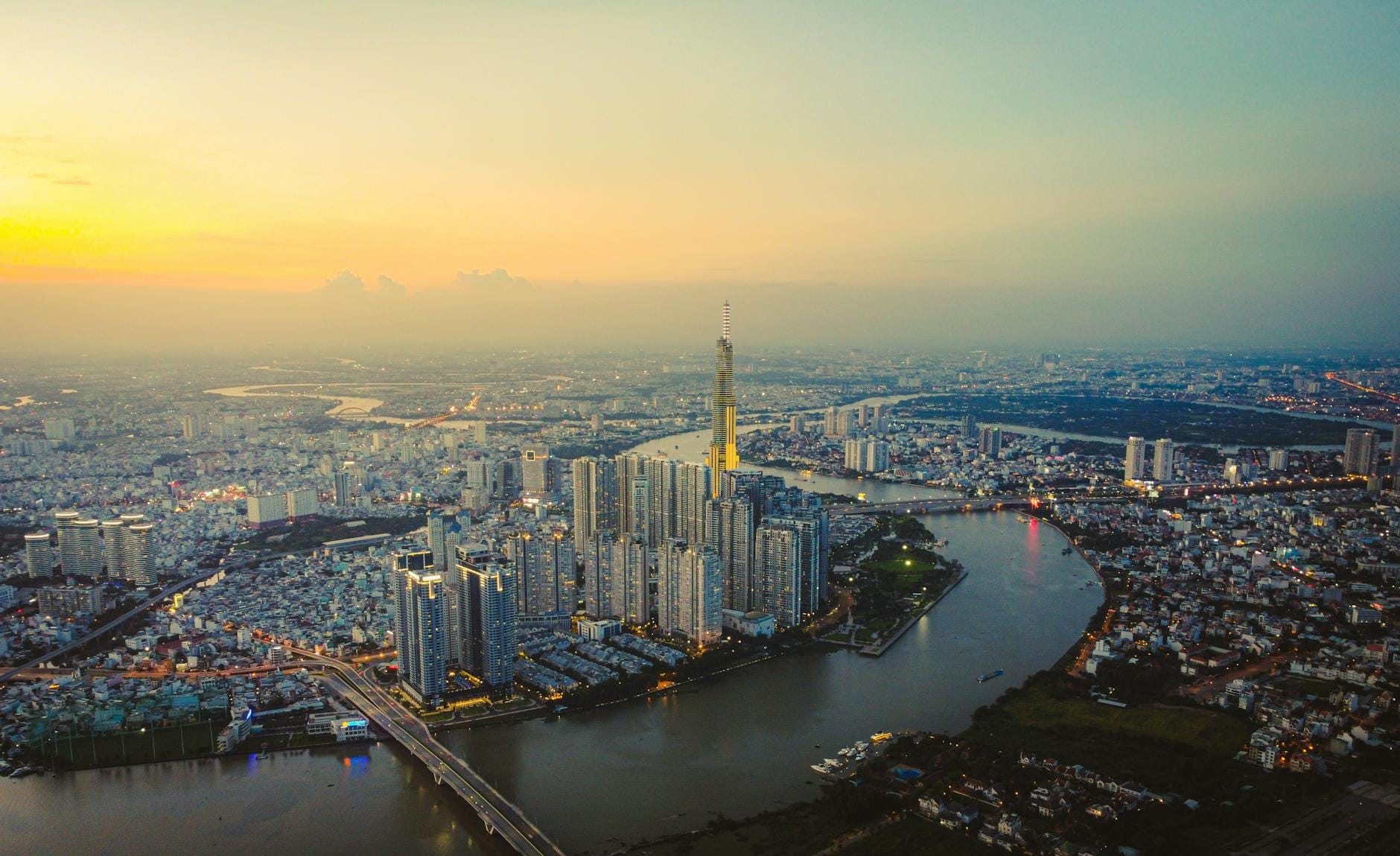
For skyline views, the Landmark 81 observation deck is the highest point in Vietnam and Southeast Asia's tallest building. The views are exceptional on clear days. The Bitexco Financial Tower Skydeck offers a different angle at a lower altitude — better for photographing Landmark 81 itself and the river bend.
The city has fewer green spaces than you might expect for a city of nearly 10 million, but Saigon Zoo and Botanical Garden in District 1 is a genuine respite. The gardens date to 1865, making them one of the oldest zoological gardens in Asia. Go for the trees and the colonial-era fountain paths rather than the zoo facilities, which are dated.
The Jade Emperor Pagoda in District 3 is the best single temple in the city, and that's not a close call. Built by the Cantonese community in 1909, it's an active Taoist shrine packed with intricate woodcarving, incense smoke, and turtles (considered sacred) in the courtyard pond. Free to enter; modest dress required.
Nightlife, Food Streets, and After-Dark Options
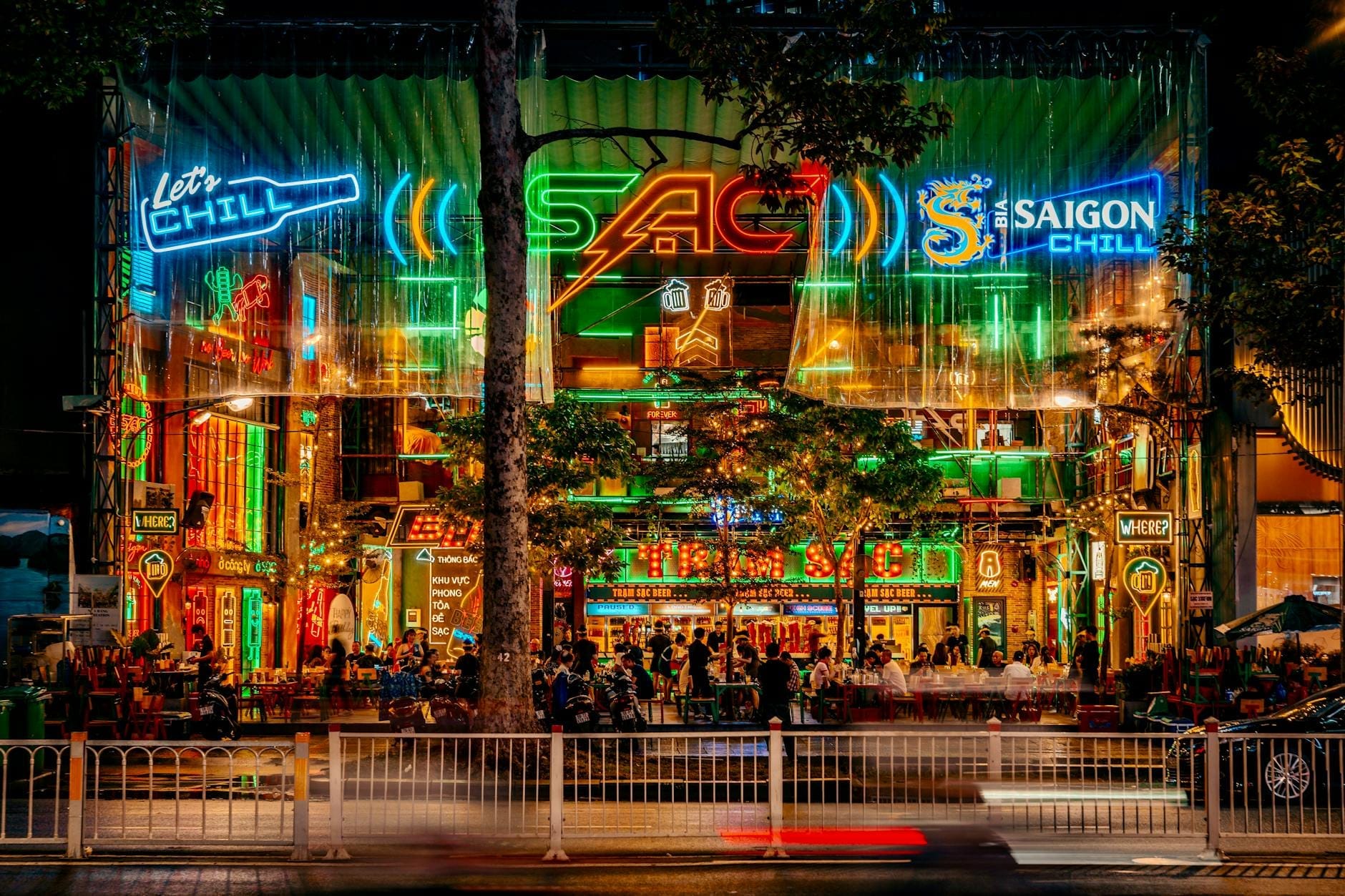
Bui Vien Walking Street in the Pham Ngu Lao backpacker district is pedestrianized nightly and fills with bars blasting music, cheap beer (around 20,000-30,000 VND per can), and street food. It's exactly what it looks like. If you want a concentrated, affordable night out with an international crowd, it delivers. If you're looking for something more local or relaxed, it's not the right street.
For a broader picture of the city's nightlife scene, including rooftop bars, live music venues, and jazz clubs that locals actually use, the Ho Chi Minh City nightlife guide breaks it down by neighborhood and budget.
- Street food runs until late — pho and banh mi stalls often operate from 6pm to 2am in District 1 and around Ben Thanh.
- Rooftop bar happy hours (typically 5pm-8pm) offer the best value for cocktails in the city centre. Prices double after 9pm at most venues.
- Grab and Be (ride-hailing apps) operate throughout the night and are the safest, most transparent way to get home after dark.
- Night markets in Nguyen Hue and around Ben Thanh run Thursday to Sunday and are generally safe for solo travelers.
Practical Planning: Seasons, Getting Around, and Day Trips
The city has a tropical monsoon climate with a clear dry season from December to April and a wet season from May to November. The dry season is more comfortable for sightseeing on foot, but the wet season does not shut the city down. Afternoon rain showers typically last 1-2 hours and are followed by cooler temperatures. River cruises and covered market visits work well during wet season. For detailed seasonal breakdown, see the best time to visit Ho Chi Minh City.
Getting around the city without a car means choosing between ride-hailing apps (Grab is the dominant platform, with Be as a local alternative), motorbike taxis, metered taxis, and buses. Metro Line 1 opened in 2024, connecting Ben Thanh in District 1 to Suoi Tien in the northeast — useful for a handful of routes. Metro Line 2 remains in the planning stages. For full transport options, the getting around Ho Chi Minh City guide covers costs, routes, and practical tips.
The two most popular day trips from the city are Cu Chi Tunnels to the northwest and the Mekong Delta to the south. Both are manageable independently but significantly more efficient on organized tours. The day trips from Ho Chi Minh City guide covers both in detail, including transport options and what to realistically expect from each.
ℹ️ Good to know
Tet (Lunar New Year, falling in January or February depending on the year) transforms the city. The Nguyen Hue Flower Festival fills the walking street with elaborate floral sculptures, and Tao Dan Park hosts cultural performances. Many local restaurants close for 3-7 days, so stock up on supplies or stick to hotel dining if you're visiting during Tet week.
FAQ
How many days do you need in Ho Chi Minh City?
Three to four days covers the main historical sites, a market visit, evening food and nightlife, and one day trip (Cu Chi Tunnels or Mekong Delta). Two days is enough for a focused highlights run. If you want to explore Cholon, multiple museums, and take both major day trips, allow five to six days.
Is Ho Chi Minh City safe for tourists?
Generally yes, with standard urban precautions. Petty theft, particularly bag snatching from moving motorbikes, is the most reported issue for tourists. Keep bags on the inside of the sidewalk (away from the road), avoid displaying expensive electronics, and use Grab or Be for transport rather than unmarked taxis at night. The city is well-policed in tourist areas.
What is the difference between Ho Chi Minh City and Saigon?
They refer to the same place. The city was officially renamed Ho Chi Minh City after reunification in 1975, but 'Saigon' remains widely used in everyday speech, by locals and in tourism. The district 1 core is sometimes specifically called Saigon. Both names appear on maps, menus, and signage throughout the city.
What currency is used in Ho Chi Minh City and should I carry cash?
The Vietnamese Dong (VND) is the currency. Cash is essential for street food, markets, small restaurants, and transport. ATMs are widely available in District 1. Large hotels, modern restaurants, and shopping malls accept cards, but the transaction surcharge (typically 2-3%) often makes cash preferable. Exchange rates at airport kiosks are significantly worse than at city-centre exchange counters or ATMs.
What should I avoid in Ho Chi Minh City?
Avoid unmarked taxis from the airport (use Grab or the official taxi rank). Skip Ben Thanh Market for any serious shopping — prices are inflated significantly for tourists. Bui Vien Walking Street is fine for one night but not representative of the city's actual nightlife. Tour operators at guesthouses sometimes oversell rushed combo tours that cover multiple sites poorly — research operators independently before booking.
Tickets & tours
Live prices and dates from our booking partner. If you book, we may earn a commission at no extra cost to you.
Planning a trip? Discover personalized activities with the Nomado app.