Best Time to Visit Ho Chi Minh City: Month-by-Month Guide
Ho Chi Minh City's tropical climate divides sharply into a dry season and a wet season, and timing your visit makes a bigger difference than most travelers expect. This guide breaks down every month, from ideal dry-season windows to the pros of traveling in the rain.
Tickets & tours
Live prices and dates from our booking partner. If you book, we may earn a commission at no extra cost to you.
TL;DR
- The dry season runs December through April, with January and February offering the most comfortable conditions: around 27°C, minimal rain, and low humidity.
- Peak season (December to February) means higher hotel prices and larger crowds, especially around Vietnamese Tet (Lunar New Year, late January or February).
- March and April are a solid shoulder-season window: still dry, fewer tourists than January, though temperatures push toward 35°C by April. Good for exploring Reunification Palace and outdoor sights before the heat peaks.
- May through November is the rainy season. July averages around 300mm of rainfall. Budget travelers tolerate it for the lower prices and emptier streets.
- No matter when you visit, plan a logical route to minimize time in traffic. See our guide to getting around Ho Chi Minh City for practical transport tips.
Understanding Ho Chi Minh City's Climate
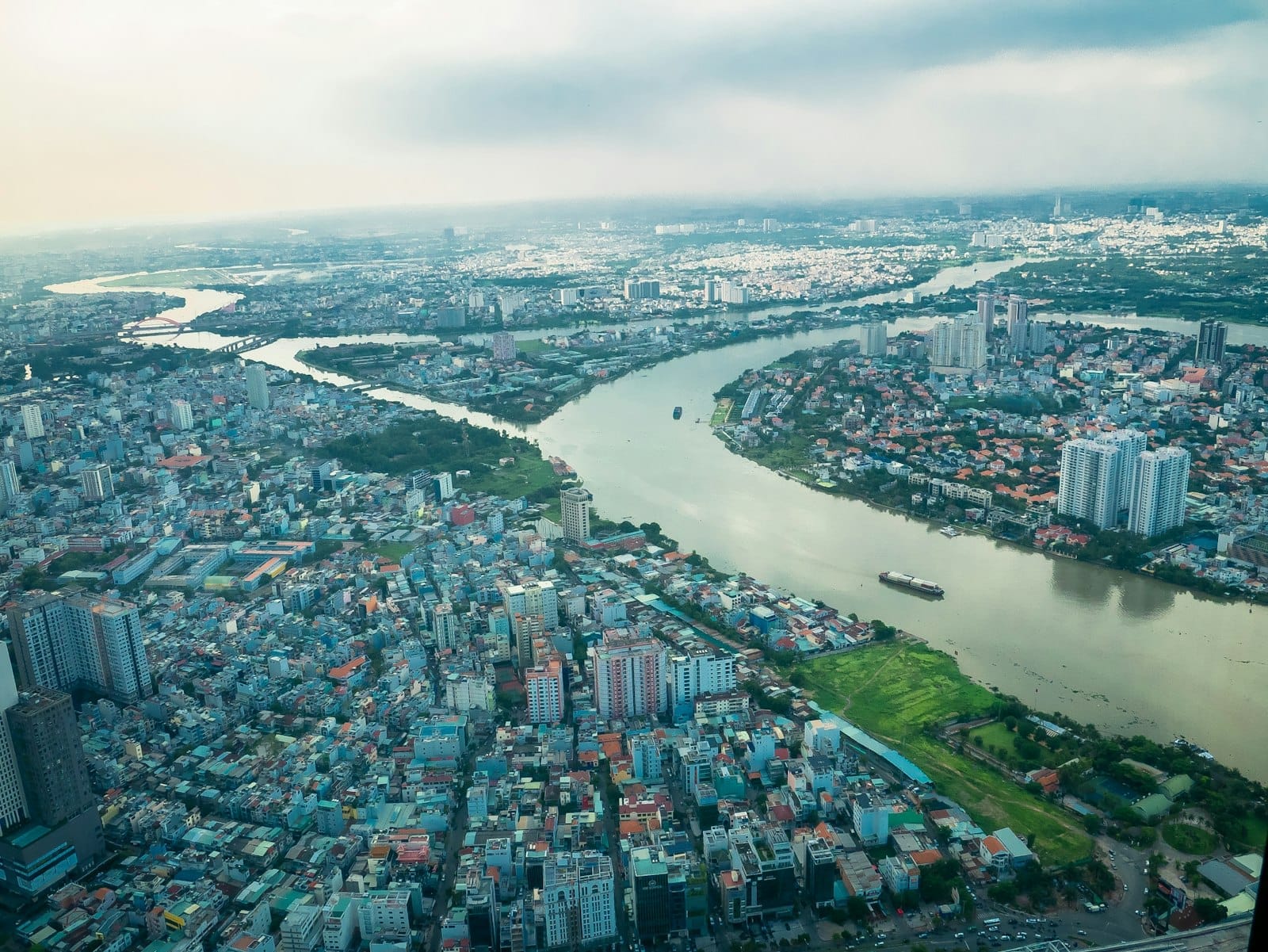
Ho Chi Minh City (Thành phố Hồ Chí Minh), still widely called Saigon, sits at low elevation along the Saigon River, roughly 80 km from the South China Sea. Its tropical monsoon climate means temperatures stay consistently warm all year, ranging from average highs of about 29°C in the coolest months to 35°C at the hottest point in April. What changes dramatically is the humidity and rainfall. Forget looking for a cold season or even a mild one. The real variable is how wet and muggy it gets.
The year splits into two clear phases: a dry season (roughly December through April) and a wet season (May through November). The distinction is not subtle. In February, Ho Chi Minh City receives around 5mm of rainfall for the entire month. In July, that figure reaches around 300mm. For visitors planning outdoor sightseeing, market visits, or day trips, this gap matters enormously.
ℹ️ Good to know
Ho Chi Minh City is in the Indochina Time zone (ICT, UTC+7). There is no daylight saving time adjustment. Year-round, the sun rises around 5:30–6:00 AM and sets around 6:00 PM, giving you long morning windows for sightseeing before midday heat.
Peak Season: December to February
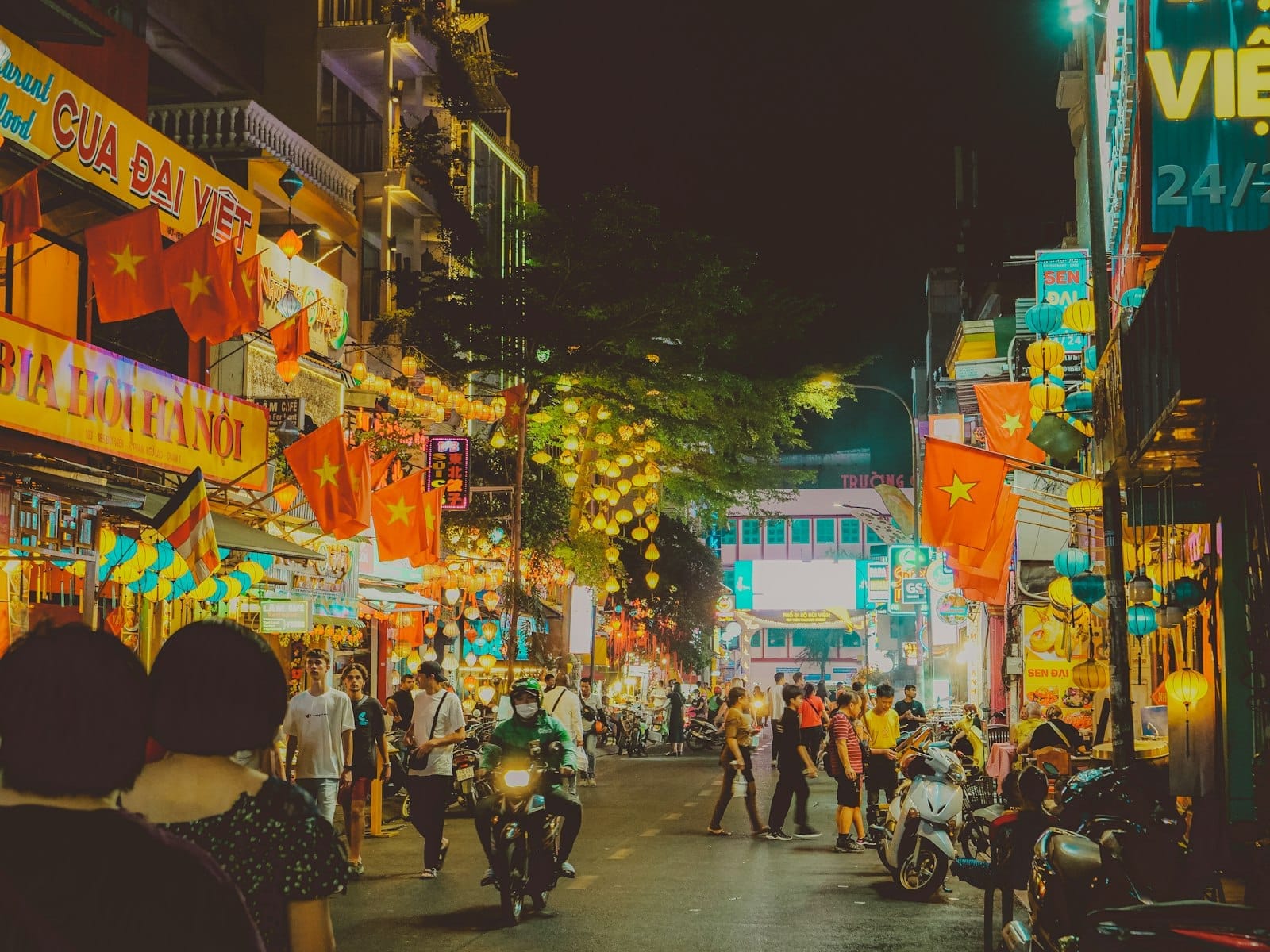
This is the sweet spot, and most travelers who do their research end up here. Temperatures hover around 27°C, humidity is at its annual low, and rainfall is negligible. January and February are the standout months: you can walk the streets for hours without the kind of oppressive heat that slows you down in April, and afternoon showers are rare enough that you can plan your day without a backup plan.
The tradeoff is crowds and cost. December coincides with Christmas and year-end holidays. January and February overlap with Vietnamese Tet (Tết Nguyên Đán), the Lunar New Year, typically falling in late January or early February. Tet is the most significant cultural event in Vietnam. Streets around Nguyễn Huệ Walking Street fill with flower markets and decorations in the week before, and the city genuinely transforms. However: expect many local restaurants, shops, and attractions to close for several days around the actual holiday. If you arrive expecting full access to the city, you may be disappointed.
⚠️ What to skip
Traveling during Tet? Book accommodation 2-3 months in advance. Hotel prices in District 1 can double or more during the Tet holiday window. Also note that Tan Son Nhut International Airport (SGN) becomes one of the busiest in Southeast Asia during this period, with domestic travel surging as Vietnamese return to their home provinces.
- December Excellent weather, festive atmosphere, moderate crowds early in the month that build toward Christmas. Good hotel availability at fair rates in early December.
- January Often the most comfortable weather of the year. Tet preparations create a lively atmosphere but also drive up prices and reduce availability at popular restaurants.
- February Lowest rainfall of any month (around 5mm). Tet itself usually falls here, meaning the city swings between festival energy and temporary closure of many businesses.
Shoulder Season: March and April
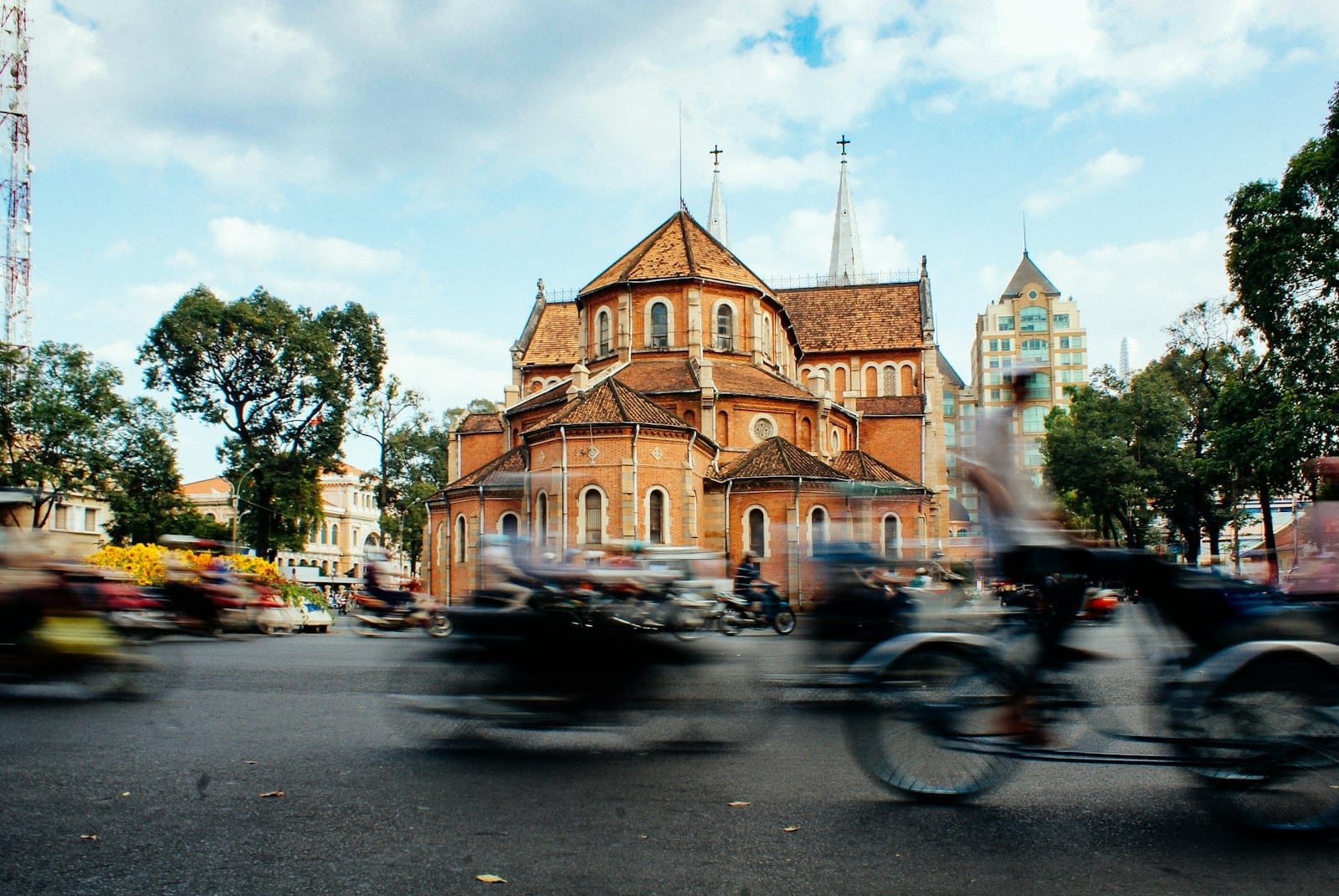
March is arguably the most underrated month to visit. The dry season is still firmly in place, Tet crowds have cleared, and temperatures are comfortable, if slightly warmer than February. Hotels drop back to normal rates, and popular attractions are accessible without the holiday-season scramble. If your schedule is flexible and you are not chasing the Tet experience, early March offers nearly identical weather to January with significantly less competition for rooms.
April shifts things noticeably. Temperatures push toward 35°C, and outdoor sightseeing becomes genuinely tiring between about 11 AM and 3 PM. That said, April offers two public holidays worth planning around: Reunification Day on April 30 and International Workers' Day on May 1. These dates bring street celebrations and parades, particularly in District 1. The cultural significance of April 30 is substantial in Ho Chi Minh City, and the atmosphere around landmarks like the People's Committee Building is worth experiencing if you can handle the heat.
✨ Pro tip
In April, structure your day early: start sightseeing by 7:30–8:00 AM, retreat indoors (museums, cafés, air-conditioned shopping centers) from noon to 3 PM, then head out again in the late afternoon. The War Remnants Museum, the HCMC Museum of History, and the Fine Arts Museum are ideal midday stops.
Wet Season: May Through November
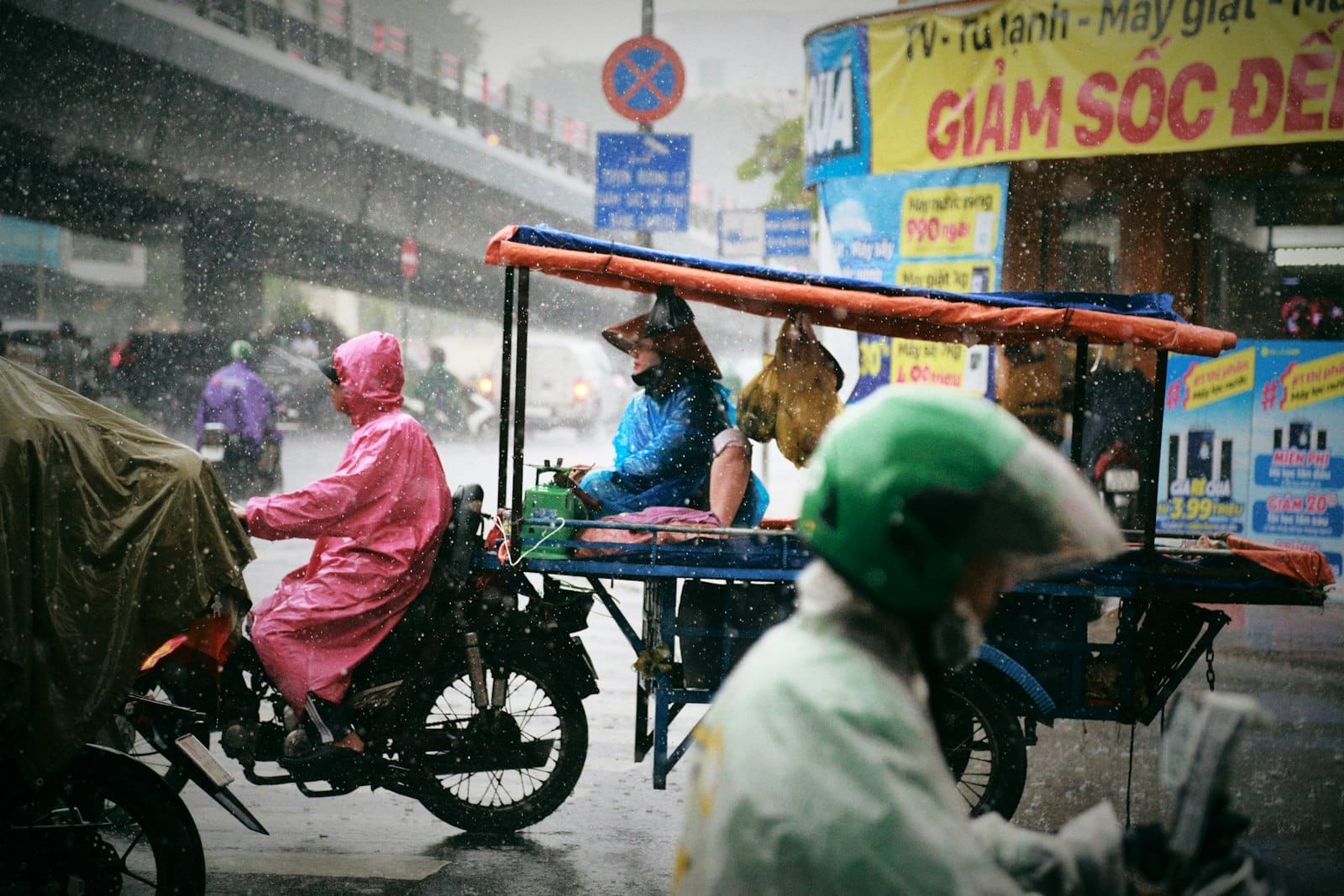
The rainy season is not the deal-breaker some travel sites make it out to be, but it does require realistic expectations. Rain typically arrives in intense afternoon bursts lasting 30–90 minutes, rather than all-day drizzle. Mornings are usually clear, which means a well-planned itinerary can still accomplish a lot. The problem is September, which combines peak humidity with the most persistent rainfall of the year. By that point, waterlogged streets in low-lying areas of the city are common, and the heat feels oppressive rather than merely warm.
June, July, and August see the heaviest monsoon conditions. July's average rainfall of around 300mm, combined with only about six hours of daily sunshine, makes extended outdoor exploration uncomfortable. This is not the month to plan a full day at Bến Thành Market followed by a walking tour of the French Quarter. It is, however, a reasonable time to use the city as a base for indoor-focused activities or to pair with a day trip, since the Cu Chi Tunnels and Mekong Delta tours operate year-round regardless of season.
October and November begin the transition back to drier conditions. Rainfall starts to taper in November, and by late November, weather is approaching shoulder-season quality. If your budget is tight and your schedule is flexible, arriving in mid-to-late November can give you good weather at off-season prices, a combination that is hard to beat.
- Pros of wet season travel: Lower hotel rates across all categories, fewer tourists at major attractions, easier restaurant reservations, and a more local atmosphere in neighborhoods like Pham Ngu Lao and Cholon.
- Cons: Afternoon flooding is possible in low-lying streets, outdoor activities like river cruises may be disrupted, and sightseeing windows are shorter due to rain and reduced sunshine hours.
- Best strategy: Book a hotel in a slightly elevated part of District 1 or District 3 to avoid street flooding, and build flexibility into your daily itinerary.
Special Events and Festivals Worth Timing Your Trip Around
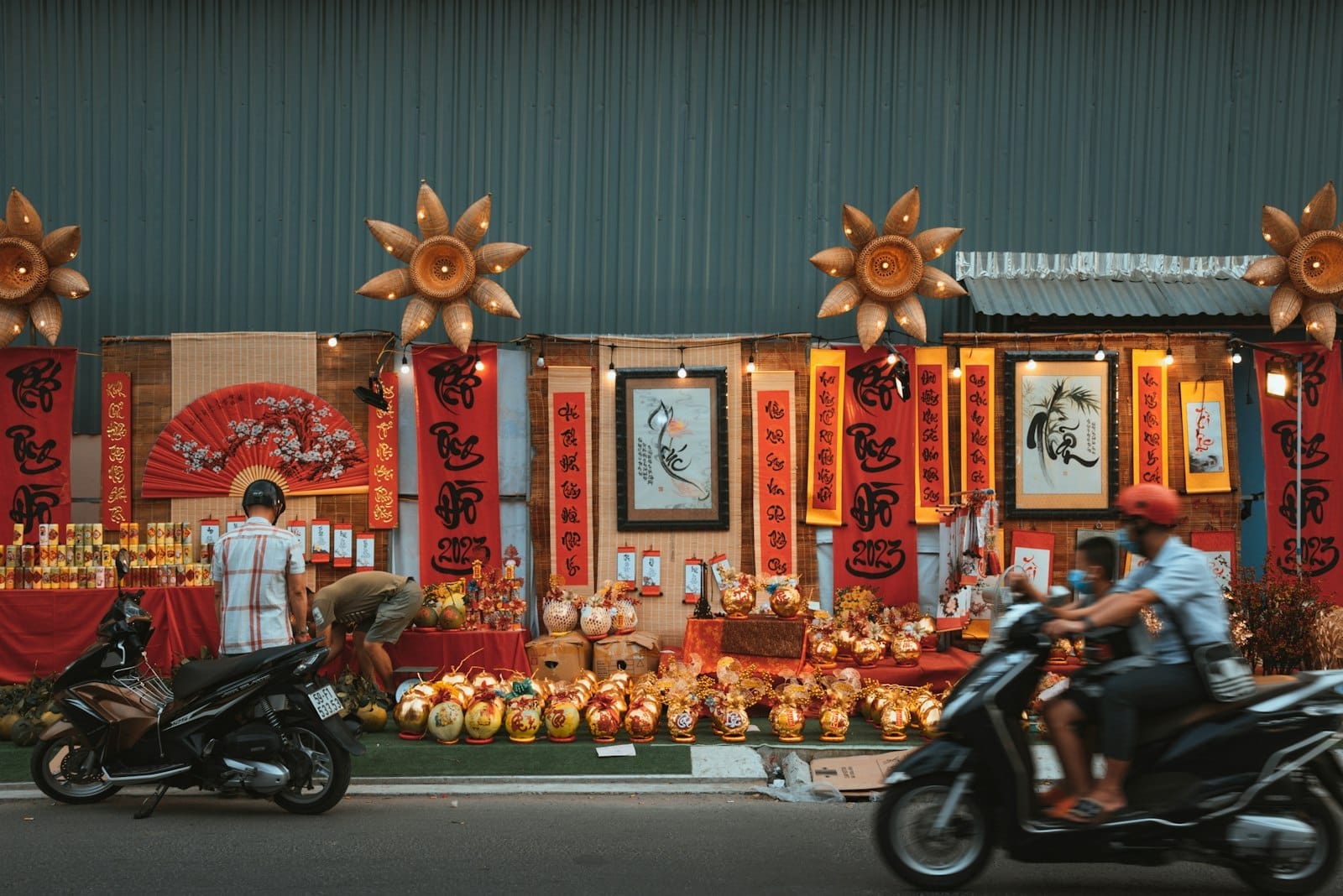
Beyond weather, the city's cultural calendar is worth factoring into your timing. Tet is the obvious headline, but Jade Emperor Pagoda draws large local crowds for the Jade Emperor Festival (Tết Ngọc Hoàng) and other Buddhist observances throughout the year. The pagoda is worth visiting on a weekday morning during any season, but religious festivals add a layer of atmosphere that is genuinely special.
The Saigon International Marathon typically takes place in late January, drawing thousands of participants and affecting road access in central districts. The Cholon area, accessible from Cholon, celebrates Chinese New Year with particular intensity given its large ethnic Chinese community, making it an interesting alternative to the more tourist-heavy celebrations in District 1. For food-focused travelers, market activity peaks around Tet, with flower markets and specialty food stalls appearing city-wide.
Practical Planning: What Each Season Means for Your Budget and Itinerary
Accommodation costs in Ho Chi Minh City track closely with tourist demand. During peak season (December through February), expect to pay a premium of 30–60% above off-season rates for the same hotel. This is especially true for mid-range properties in popular areas like District 1 and near the backpacker strip on Bùi Viện Walking Street. Budget guesthouses in Phạm Ngũ Lão can fill weeks in advance during Tet.
For itinerary planning, the dry season allows you to be more spontaneous with day trips from Ho Chi Minh City. The Cu Chi Tunnels, Mekong Delta tours, and river excursions are all more comfortable and logistically smoother in dry conditions. During the wet season, tours still operate but road conditions on the Mekong Delta can be variable, and boat tours on the river may be affected by strong currents and reduced visibility.
💡 Local tip
If you have exactly one week and flexibility on dates, aim for the first two weeks of March. You get dry-season weather, post-Tet prices, accessible attractions, and a city that is back to its normal rhythm after the holiday period. It is consistently the most underrated window in the calendar.
FAQ
What is the best month to visit Ho Chi Minh City?
January and February offer the most comfortable weather, with temperatures around 27°C and minimal rainfall (February receives only about 5mm for the entire month). However, these months coincide with Vietnamese Tet, which drives up hotel prices and temporarily closes many businesses. For a balance of good weather and fewer crowds, early March is often the better practical choice.
Is Ho Chi Minh City worth visiting during the rainy season?
Yes, with adjusted expectations. Rain typically falls in intense afternoon bursts rather than all day, so morning sightseeing is usually unaffected. The wet season (May–November) brings meaningfully lower hotel rates and fewer tourists. September is the most challenging month, with peak humidity and the most persistent rainfall. November is a reasonable entry point as conditions begin improving.
What should I know about visiting during Tet?
Tet (Vietnamese Lunar New Year) is the country's biggest cultural event and falls in late January or early February. The week leading up to it features flower markets, decorations, and a festive atmosphere in central districts. During the holiday itself (typically 3–7 days), many restaurants, shops, and smaller attractions close. Book accommodation months in advance, as prices spike significantly and Tan Son Nhut Airport (SGN) becomes extremely busy with domestic travelers.
How hot does Ho Chi Minh City get?
Temperatures range from average highs of around 29°C in the cooler dry-season months to approximately 35°C in April, the hottest month. The city never gets cold, and nighttime temperatures rarely drop below 22–24°C even in the coolest months. Humidity compounds the heat feeling in the wet season, making April through September feel significantly hotter than the thermometer suggests.
Does the rainy season affect day trips from Ho Chi Minh City?
Tours to the Cu Chi Tunnels and Mekong Delta operate year-round, but the experience varies. During heavy rain months (June–September), Mekong Delta road conditions can be muddy, river currents stronger, and visibility lower. Day trips are generally more comfortable and logistically smoother between December and April. If you plan to visit during the wet season, book with a reputable operator who will adjust itineraries based on conditions.
Tickets & tours
Live prices and dates from our booking partner. If you book, we may earn a commission at no extra cost to you.
Planning a trip? Discover personalized activities with the Nomado app.