Where to Eat in Ho Chi Minh City: The Complete 2026 Dining Guide
Ho Chi Minh City's food scene runs from sidewalk plastic stools to contemporary kitchens earning Michelin recognition. This guide cuts through the noise with specific restaurants, real prices in Vietnamese Dong, neighborhood breakdowns, and honest assessments of what's worth your time.
Tickets & tours
Live prices and dates from our booking partner. If you book, we may earn a commission at no extra cost to you.
TL;DR
- Street food remains excellent and cheap, but HCMC's restaurant scene now includes 73 Michelin-listed venues spanning pho shops to modern Vietnamese fusion.
- The best pho in the city comes from Phở Hương Bình (Michelin Bib Gourmand), open daily 6:30am–9pm at 148 Võ Thị Sáu in District 3.
- Fine dining has moved beyond French colonial throwbacks — contemporary spots like NÚC Kitchen and Bar and ORYZ Saigon now define the city's upscale tier.
- For the full street food experience, the street food guide covers banh mi, bun bo Hue, and com tam in depth.
- Reserve fine-dining restaurants in advance through their official websites or Facebook pages — walk-ins are rarely accommodated on weekends.
Understanding the Dining Landscape
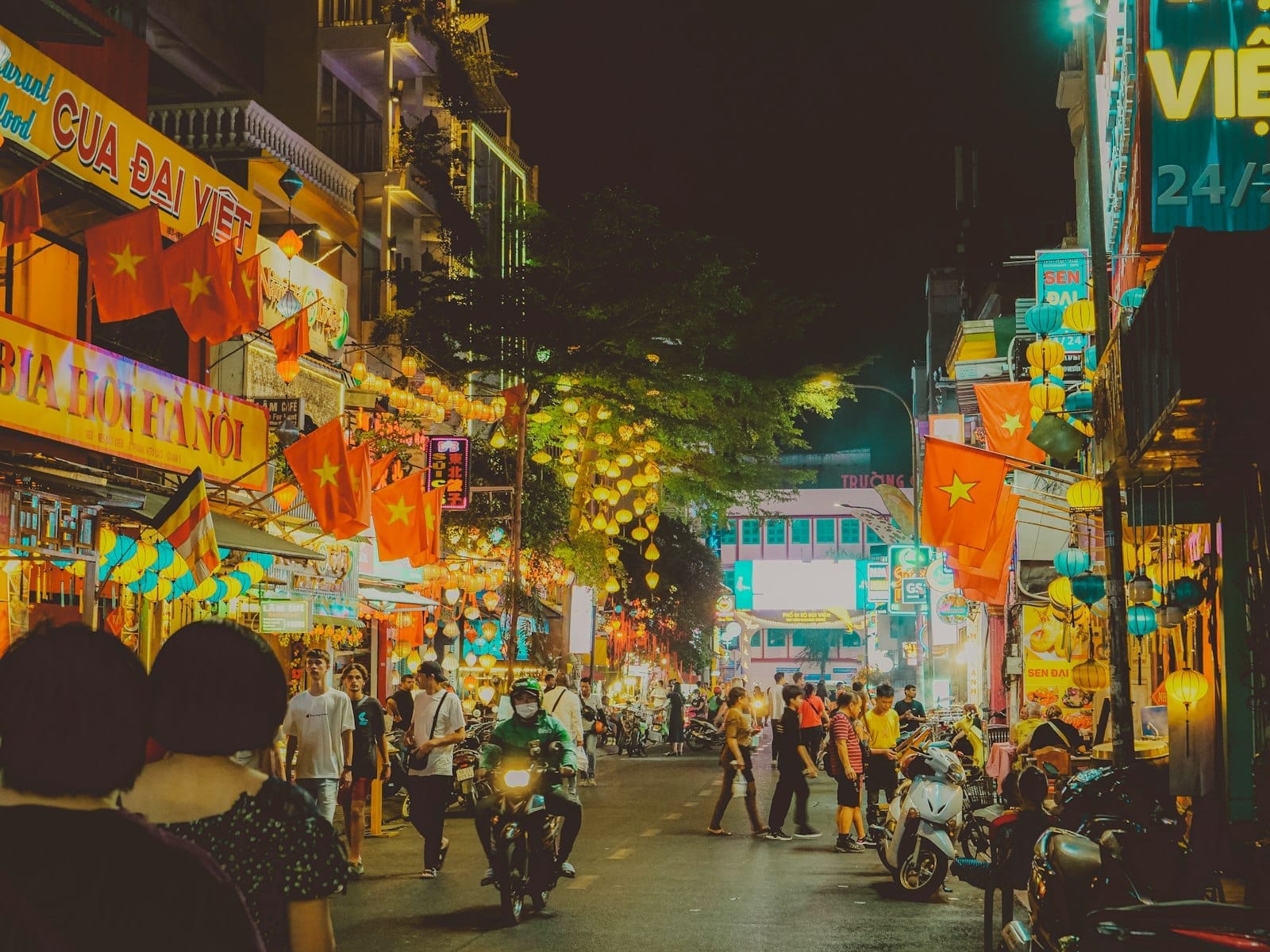
Ho Chi Minh City (still called Saigon by most locals and on many restaurant signage) is home to around 9.8 million residents, and its food scene reflects that scale. You are not choosing between a few good options — you are navigating thousands. The useful mental model is three tiers: street-level vendors and market stalls (under 80,000 VND per person), mid-range local restaurants and casual modern spots (100,000–400,000 VND), and contemporary fine dining or fusion restaurants (500,000–1,500,000 VND and above).
The Michelin Guide first covered Ho Chi Minh City in 2023, and as of 2026 it lists 73 venues. This includes Bib Gourmand picks (good food at moderate prices) like Phở Hương Bình, alongside starred restaurants and the growing cohort of contemporary Vietnamese kitchens that blend local ingredients with French, Japanese, and broader Southeast Asian technique. The city has not abandoned its street food identity, but the assumption that HCMC dining tops out at a bowl of noodles is outdated.
ℹ️ Good to know
Prices in this guide are in Vietnamese Dong (VND). Rough conversions: 25,000 VND ≈ $1 USD at current rates. Always verify exchange rates before travel.
Street Food and Market Eating: Where to Start
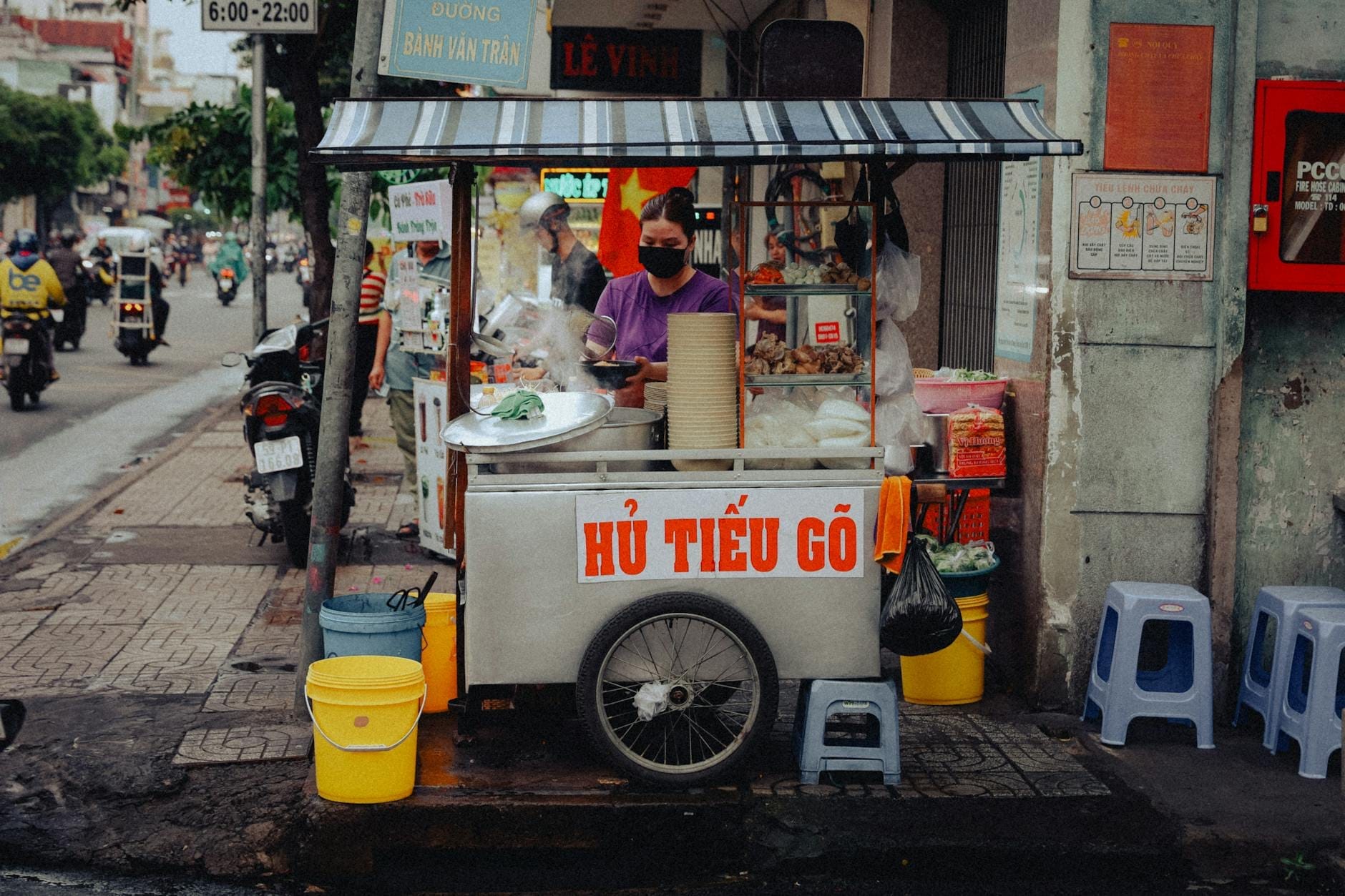
Street food in HCMC is not a tourist performance — it is how a significant portion of the city eats every day. The best entry points are the morning market stalls around Bến Thành Market in District 1, though the market itself skews overpriced for tourists. The streets immediately surrounding it, particularly Lê Thị Hồng Gấm and Thủ Khoa Huân, have better value banh mi and com tam (broken rice) stalls aimed at workers, not visitors.
For a deeper dive into the street food scene — including specific stalls for bánh mì, bún bò Huế, and cháo — the Ho Chi Minh City street food guide goes block by block. What matters here: eat where you see locals eating, go before 9am for the best pho and noodle soups, and never judge a place by its decor.
- Bến Thành Market surroundings Best for quick banh mi and com tam under 50,000 VND. Avoid eating inside the market itself where prices are inflated.
- Binh Tay Market area (Cholon) The Chinese-Vietnamese commercial district has some of the city's best dim sum-style snacks and hu tieu noodle soups.
- Pham Ngu Lao Ward The backpacker district has acceptable street food but charges tourist premiums. Walk one block off the main strip for local pricing.
- Morning markets, District 3 Less covered by guides but consistently good for breakfast pho and banh cuon (steamed rice rolls) at genuine local prices.
⚠️ What to skip
Bui Vien Walking Street is convenient but represents some of the worst-value food in the city. Restaurants targeting the nightlife crowd charge two to three times local rates for mediocre versions of Vietnamese classics. Eat before you go.
The Best Pho in Ho Chi Minh City
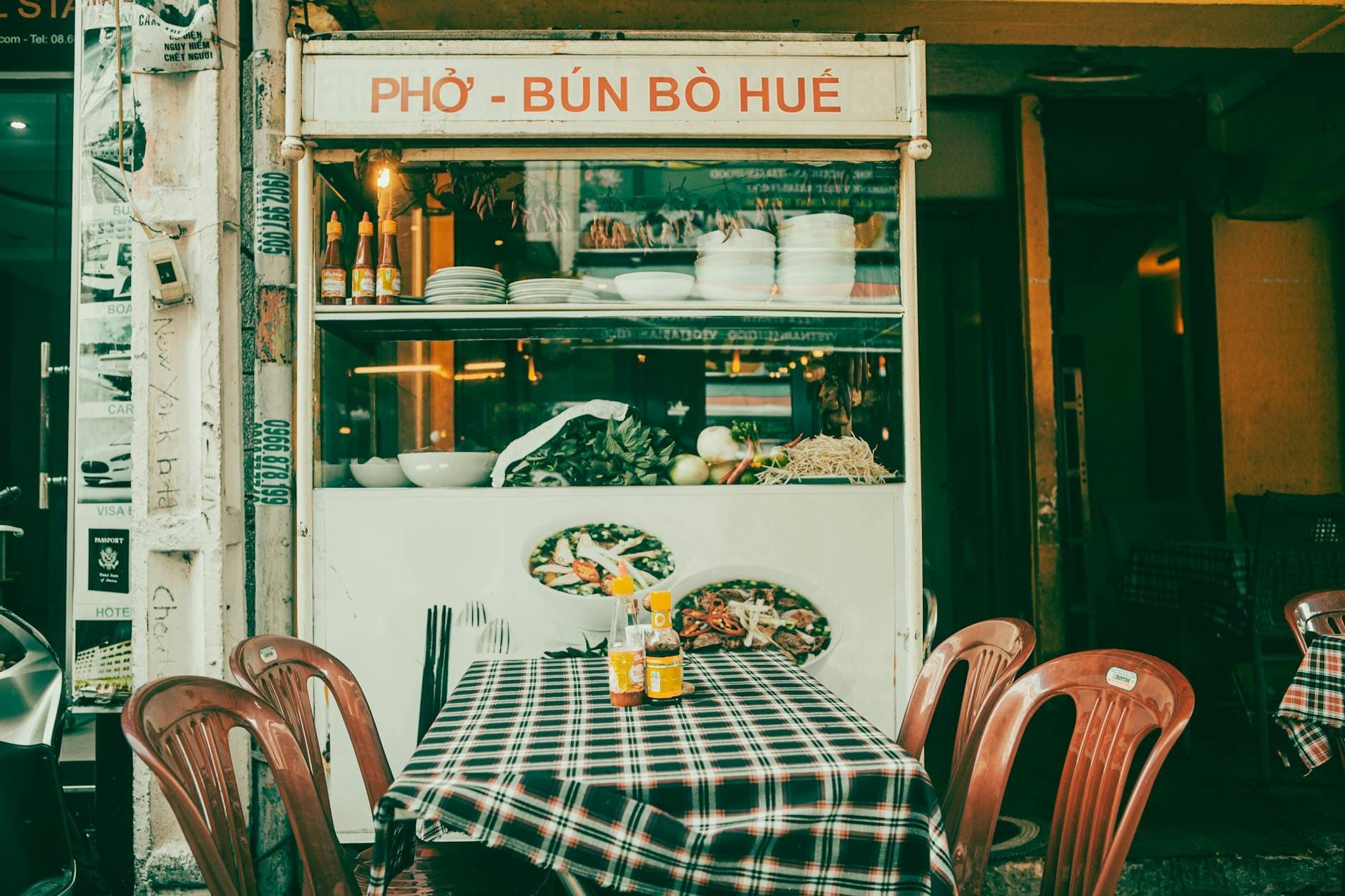
Pho is a northern Vietnamese dish that HCMC has made its own, with a sweeter, more herb-forward broth and more generous accompaniment trays. The gap between a good bowl and a tourist-grade bowl is enormous, and the single most credible recommendation for 2026 is Phở Hương Bình.
Phở Hương Bình at 148 Võ Thị Sáu, District 3, holds a Michelin Bib Gourmand award and operates daily from 6:30am to 9pm. It serves both bò (beef) and gà (chicken) pho. The broth is clean and deep, the noodles are fresh, and the price points stay genuinely reasonable for the quality delivered. This is not a tourist destination — it fills with office workers and local families, which is the most reliable signal of a kitchen doing things correctly.
✨ Pro tip
Arrive at Phở Hương Bình before 8am or after 2pm to avoid the lunch rush. The kitchen sometimes runs out of beef options by midday on weekdays.
Contemporary Vietnamese and Fine Dining
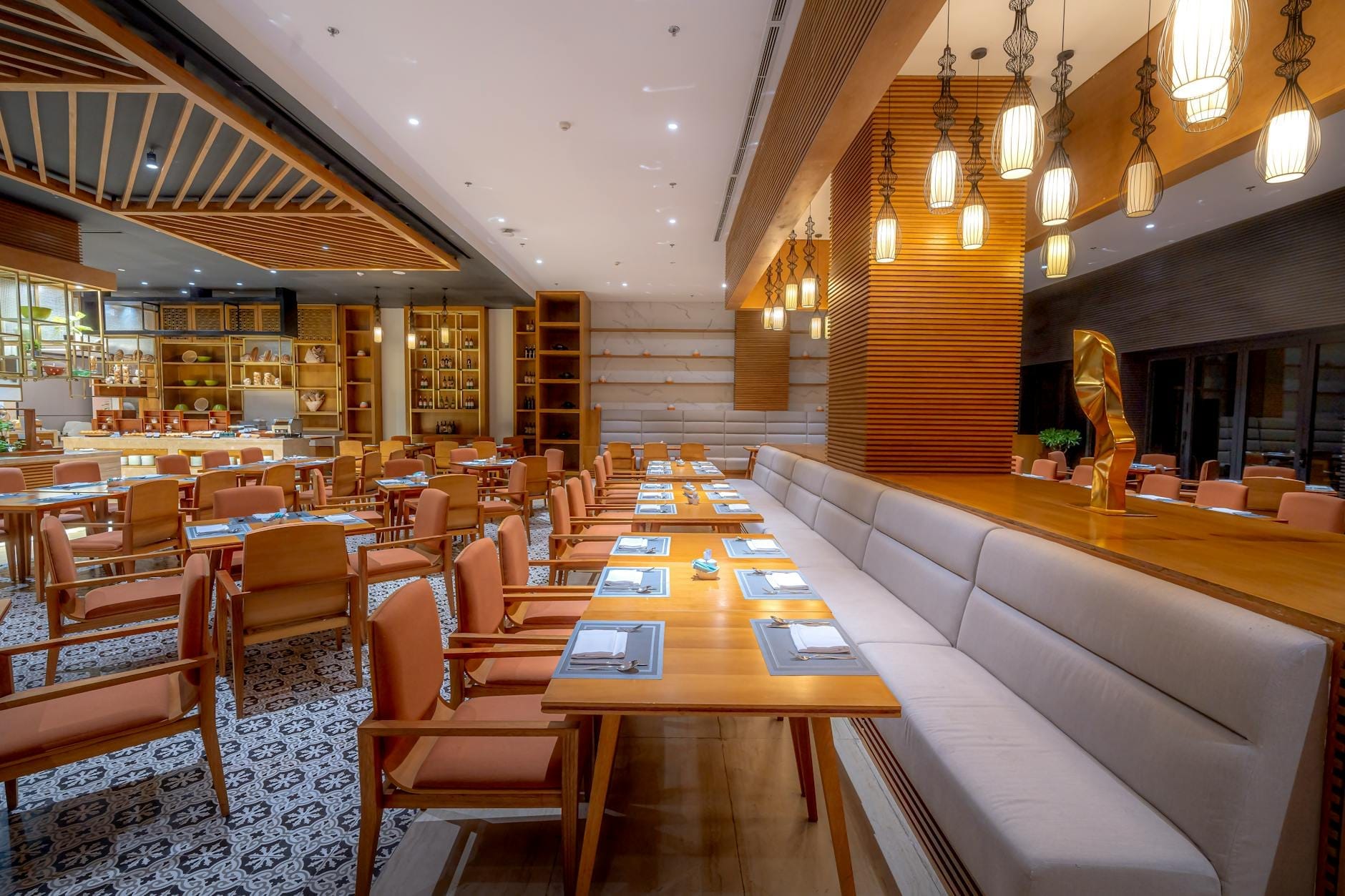
The city's contemporary restaurant scene is now sophisticated enough to reward dedicated evenings of eating. The kitchens worth knowing about are not trying to impress foreign visitors with spectacle — they are building original cooking identities using Vietnamese ingredients and technique as the foundation.
- NÚC Kitchen and Bar European-Vietnamese fusion with a seasonal, ingredient-led menu. Price range: 60,000–1,450,000 VND. Reservations required. This is the benchmark for contemporary HCMC dining in 2026.
- ORYZ Saigon Modern Vietnamese cooking built around local producers. Focused, shorter menu that changes with availability. Mid-to-high price range.
- Ômm Mixology Not a full restaurant, but the modern Vietnamese cocktail-and-small-plates format (80,000–280,000 VND) is worth knowing. The food pairs well with the drinks program.
- Hum Garden Michelin-listed vegetarian restaurant in a garden setting. One of the few high-end options that works just as well for non-meat eaters.
- Mặn Mòi and Lửa Both Michelin-listed, both representing the broader movement toward refined Vietnamese cooking that does not compromise on flavour intensity.
Booking protocol matters at this tier. NÚC, ORYZ, and most Michelin-listed spots require reservations, typically made through their official websites or Facebook pages. Walk-ins work on weekday lunches but are risky for dinner, especially Thursday through Saturday. Show up without a reservation on a weekend night and you will be turned away at most of these addresses.
Eating by Neighborhood: Where You Stay Shapes What You Eat
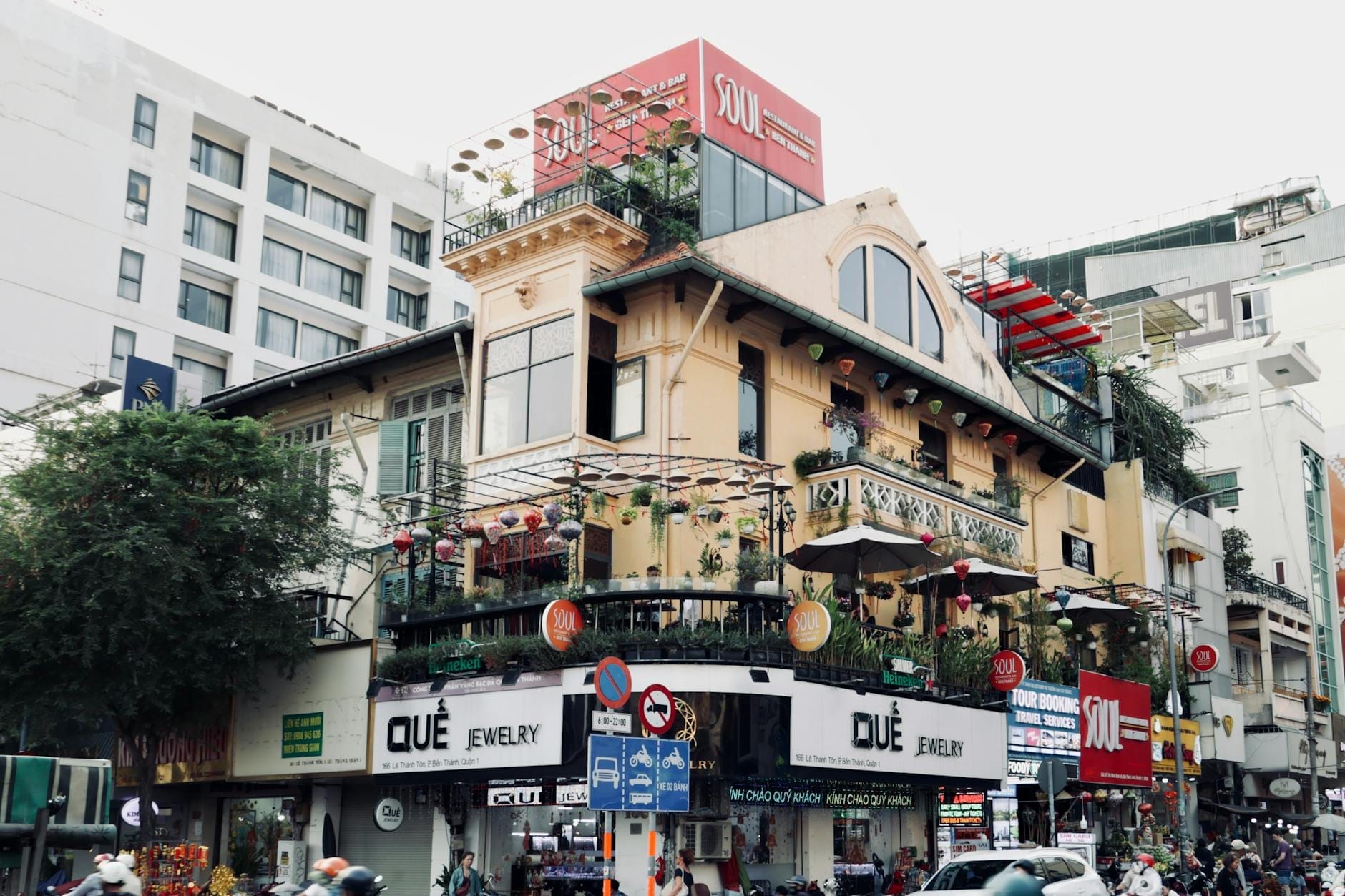
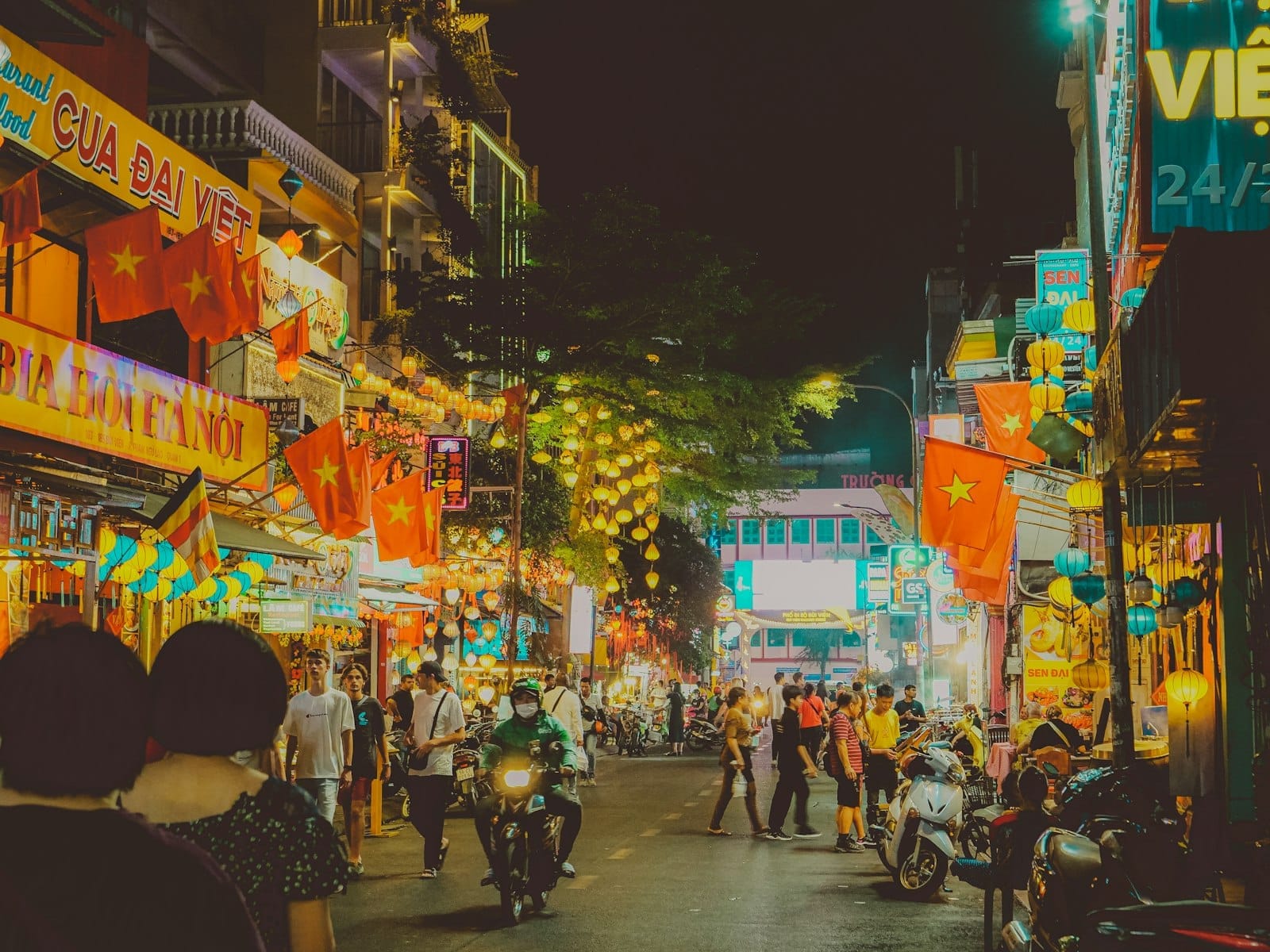
Your accommodation location in HCMC determines your default eating radius. District 1 is the most convenient base — the highest concentration of restaurants at every price tier, plus easy access to the historic streets around Dong Khoi Street where upscale dining options cluster. It is also, predictably, the area with the most tourist-inflated pricing.
District 3 is the quieter, more local alternative with a strong cafe culture, excellent mid-range Vietnamese restaurants, and the Phở Hương Bình already mentioned. Cholon, the Chinese district to the west, deserves a dedicated meal or two — the Chinese-Vietnamese food traditions here (congee, roast meats, dim sum-adjacent snacks) are distinct from the rest of the city and undervisited by most travelers.
Pham Ngu Lao caters heavily to budget travelers and backpackers. The food is fine and cheap, but it represents a compromised version of Vietnamese cuisine calibrated for foreign tastes. If budget is your primary constraint, eat there — but make deliberate trips to other neighborhoods for at least some meals. The difference in quality and authenticity is significant.
Practical Eating Tips: Avoiding Mistakes
A few realities that guidebooks tend to gloss over: menus in District 1 tourist restaurants often list prices 40–80% higher than equivalent food one neighborhood over. The physical distance is minimal — a 10-minute Grab ride to District 3 or a 15-minute ride to Cholon will consistently produce better food at lower prices.
Seasonal factors do affect the dining experience, particularly for riverside restaurants. HCMC has a tropical monsoon climate, and the rainy season runs roughly May through November. Venues with outdoor seating along the Saigon River can be uncomfortable or partially closed during heavy afternoon downpours. Fine-dining spots like AKUNA, which emphasizes its riverside atmosphere, may offer a diminished experience during peak wet season. Book indoor tables for the May–November period or accept that evening dining may shift indoors mid-meal.
- Lunch runs roughly 11:30am–1:30pm and is the main meal for working Vietnamese. Restaurants are at their freshest and busiest. This is the best time to eat at local pho shops and rice restaurants.
- Payment: most street food and market stalls are cash-only. Fine dining spots accept cards, but carry VND for everything else.
- Asking for recommendations from hotel staff in tourist areas will often result in suggestions from restaurants that pay commission. Better sources: local food bloggers, the NÚC Saigon website, and Michelin Guide listings.
- Delivery apps (ShopeeFood, GrabFood) are widely used by locals. If you want to taste a specific restaurant without committing to the full dining experience, ordering delivery to your hotel is a legitimate option.
- Tipping is not customary at street food stalls. At mid-range and fine-dining restaurants, rounding up or leaving 5–10% is appreciated but not expected.
💡 Local tip
The Michelin Guide HCMC listing is free to browse online and is the single most useful filter for quality assurance across all price tiers. Bib Gourmand picks in particular identify high-quality, affordable restaurants that are not on most tourist itineraries.
FAQ
What is the best area to eat in Ho Chi Minh City?
District 1 has the most options in one place and suits first-time visitors. For better value and more authentic food, District 3 and Cholon consistently outperform the tourist centre. District 3 is particularly strong for pho, Vietnamese cafe culture, and mid-range restaurants.
How much does food cost in Ho Chi Minh City?
Street food and local pho shops run 30,000–80,000 VND per person (roughly $1.20–$3.20 USD). Mid-range restaurants cost 100,000–400,000 VND. Contemporary fine dining starts around 500,000 VND and can reach 1,500,000 VND or more per person at places like NÚC Kitchen and Bar.
Does Ho Chi Minh City have Michelin-starred restaurants?
Yes. The Michelin Guide lists 73 Ho Chi Minh City venues as of 2026, including both starred restaurants and Bib Gourmand picks. Notable Bib Gourmand entries include Phở Hương Bình in District 3. Michelin-listed fine dining includes Mặn Mòi, Hum Garden, and Lửa.
Do I need to make reservations at restaurants in Ho Chi Minh City?
For street food and local pho shops, no. For mid-range modern Vietnamese restaurants, reservations are recommended for weekend dinners. For fine dining spots like NÚC Kitchen and Bar or ORYZ Saigon, reservations are effectively required and should be made through the restaurant's official website or Facebook page.
Is vegetarian food available in Ho Chi Minh City?
Yes, more so than in many Southeast Asian cities. Vietnamese Buddhist traditions support a strong vegetarian food culture. Chay (vegetarian) restaurants are common throughout the city. At the fine dining level, Hum Garden (Michelin-listed) is the standout option. Street-level chay stalls are particularly concentrated around pagodas and Buddhist temples.
Tickets & tours
Live prices and dates from our booking partner. If you book, we may earn a commission at no extra cost to you.
Planning a trip? Discover personalized activities with the Nomado app.