Zurich Hidden Gems: 18 Off the Beaten Path Experiences
Zurich rewards the curious traveler who looks beyond the obvious. From a Dada birthplace bar to a Le Corbusier pavilion in a lakeside park, these are the experiences that show a different side of Switzerland's largest city.
Tickets & tours
Live prices and dates from our booking partner. If you book, we may earn a commission at no extra cost to you.
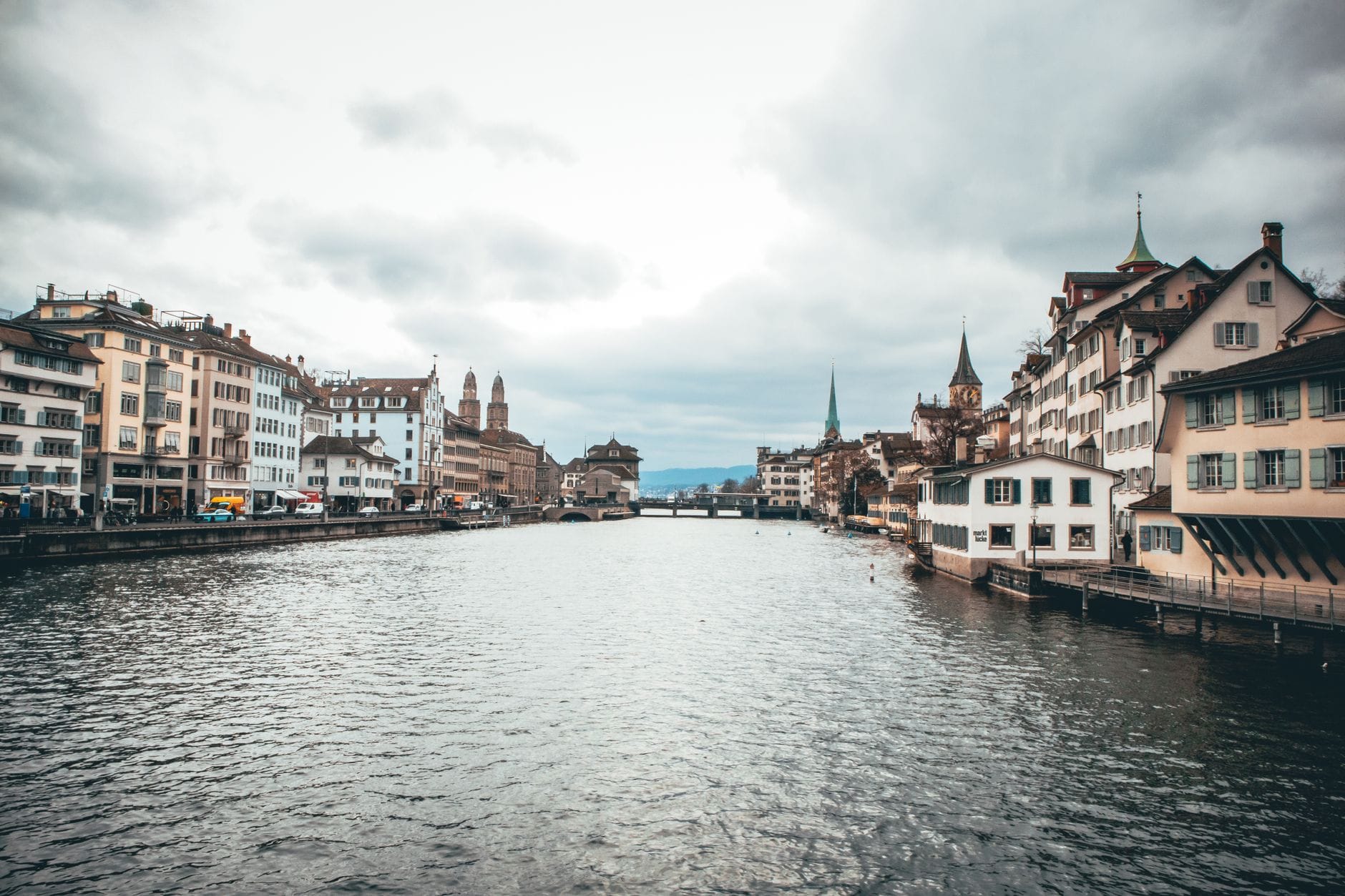
Zurich's most famous sights are worth seeing, but the city has a parallel layer of experiences that most visitors miss entirely. The medieval lanes of Altstadt hide free viewpoints and avant-garde history, while Zurich West has transformed industrial bones into some of the most interesting cultural spaces in the country. Whether you have one day or five, this guide cuts through the obvious and points you toward the Zurich that locals actually love.
✨ Pro tip
Several of these experiences are completely free: Lindenhof, the Botanical Garden, the Polyterrasse at ETH, and the lakeside promenades all cost nothing. Combine them for a full day out without spending a franc on entry fees.
Secret Viewpoints & Quiet Hilltops

Zurich sits in a natural bowl between forested hills and a lake, which means panoramic views are everywhere if you know where to look. The well-known spots draw crowds, but these alternatives offer equally impressive sightlines with far fewer people. For a full breakdown of the city's best vantage points, see our best views in Zurich guide.
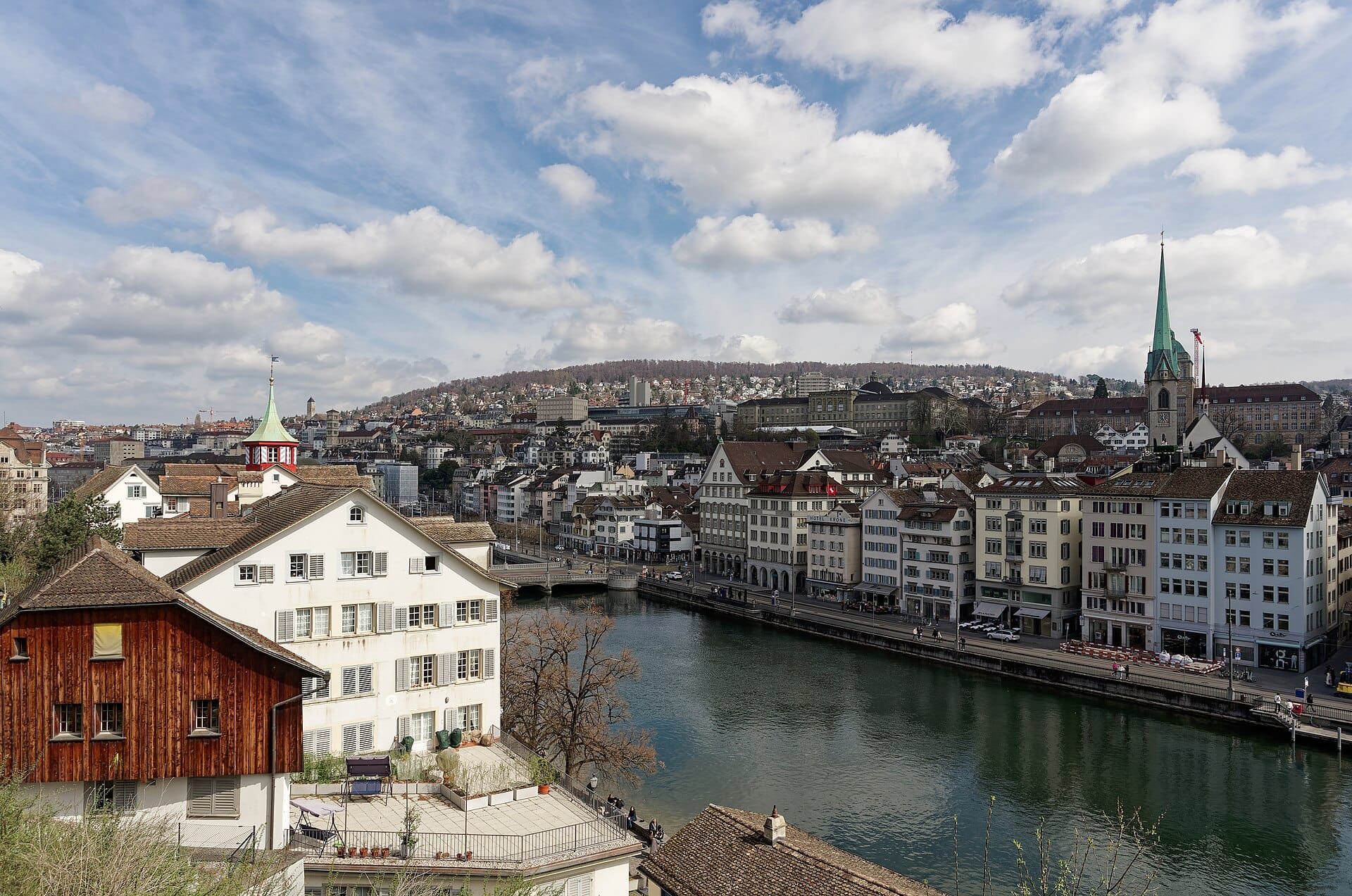
1. Climb the Lindenhof for a Free Old Town Panorama
This small hilltop park in the Altstadt sits above the Roman fort that once guarded the Rhine crossing. The view over the Limmat and Grossmünster towers is spectacular, admission is free, and on warm evenings locals play chess here on oversized boards.
Explore1. Climb the Lindenhof for a Free Old Town Panorama
This small hilltop park in the Altstadt sits above the Roman fort that once guarded the Rhine crossing. The view over the Limmat and Grossmünster towers is spectacular, admission is free, and on warm evenings locals play chess here on oversized boards.
Explore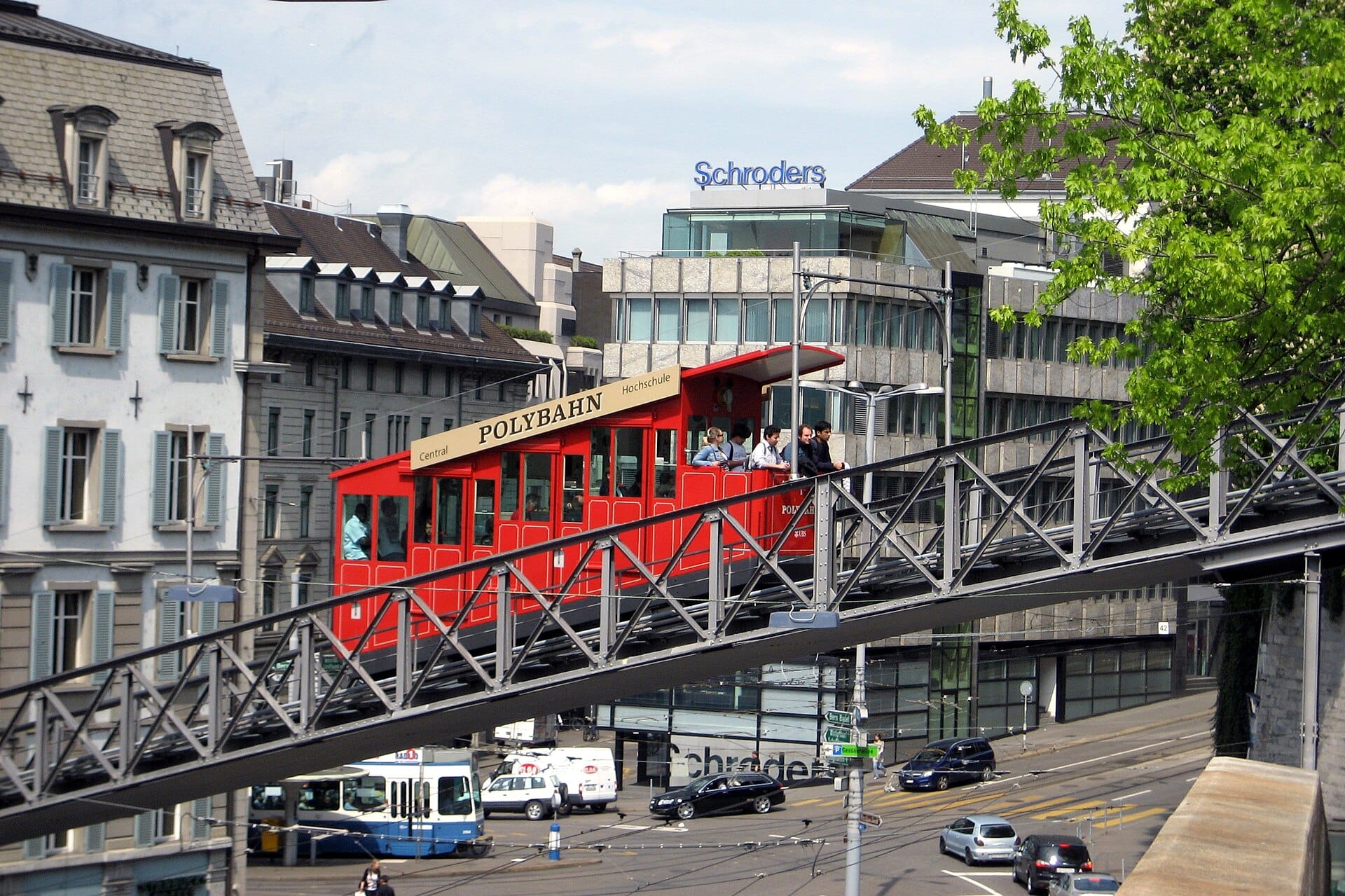
2. Ride the Polybahn Funicular to the ETH Terrace
This cable-hauled funicular from Central square to ETH Zurich has run since 1889 and is covered by a standard zone 110 transit ticket. The Polyterrasse at the top is a freely accessible campus terrace with one of the most underrated panoramas in the city.
Explore2. Ride the Polybahn Funicular to the ETH Terrace
This cable-hauled funicular from Central square to ETH Zurich has run since 1889 and is covered by a standard zone 110 transit ticket. The Polyterrasse at the top is a freely accessible campus terrace with one of the most underrated panoramas in the city.
Explore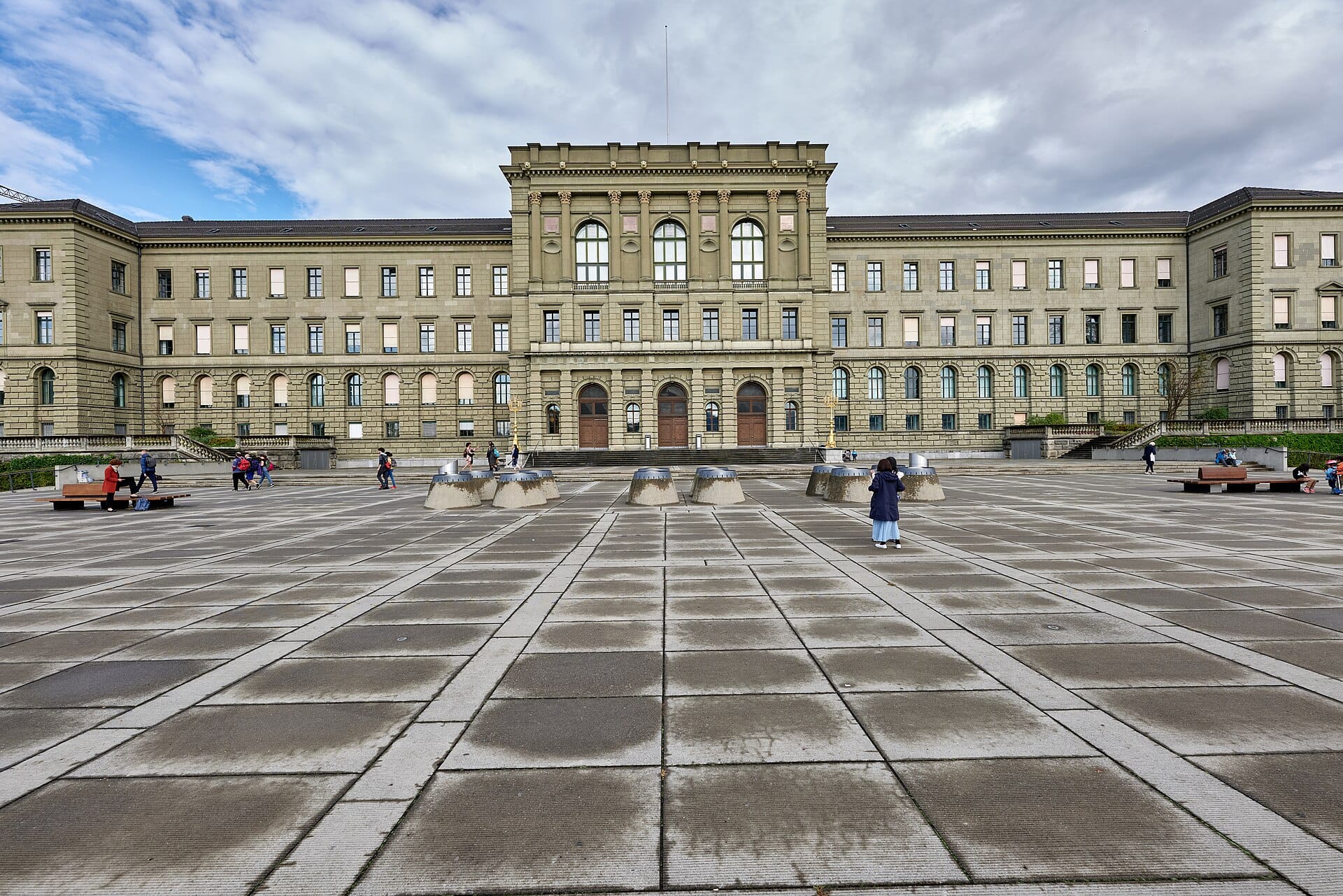
3. Explore the ETH Zurich Campus and Its Rooftop Dome
Gottfried Semper's 1864 building is a masterpiece of academic architecture. Walk through the public halls, look up at the dome, and step onto the terrace for views that stretch across the old town rooftops to the Alps on clear days. Entry is free.
Explore3. Explore the ETH Zurich Campus and Its Rooftop Dome
Gottfried Semper's 1864 building is a masterpiece of academic architecture. Walk through the public halls, look up at the dome, and step onto the terrace for views that stretch across the old town rooftops to the Alps on clear days. Entry is free.
Explore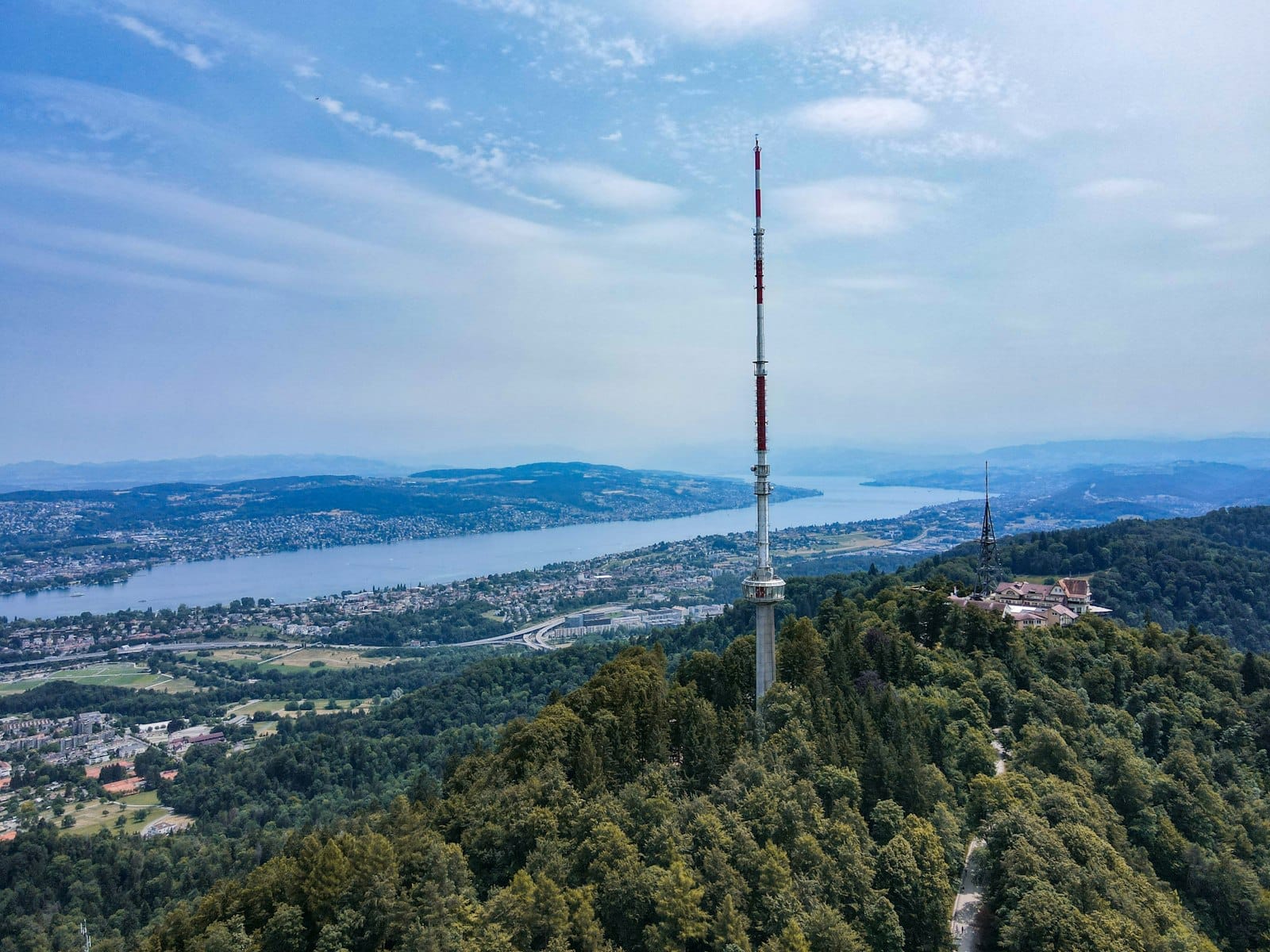
4. Hike Uetliberg for a 360-Degree Alpine Panorama
At 871 m, Uetliberg is Zurich's own mountain, reachable in 20 minutes by S-Bahn. The steel observation tower adds height above the treeline. Come on a clear winter morning after snowfall for an extraordinary view of Lake Zurich, the city, and the full Alpine chain.
Explore4. Hike Uetliberg for a 360-Degree Alpine Panorama
At 871 m, Uetliberg is Zurich's own mountain, reachable in 20 minutes by S-Bahn. The steel observation tower adds height above the treeline. Come on a clear winter morning after snowfall for an extraordinary view of Lake Zurich, the city, and the full Alpine chain.
ExploreArt, Architecture & Avant-Garde Culture
Zurich punches well above its weight in art and design history. The city that invented Dada also shaped 20th-century graphic design, modernist architecture, and one of the great stained-glass traditions in Europe. The best museums in Zurich guide covers the major institutions in detail, but the gems below are the ones that reward the traveler willing to go slightly further.
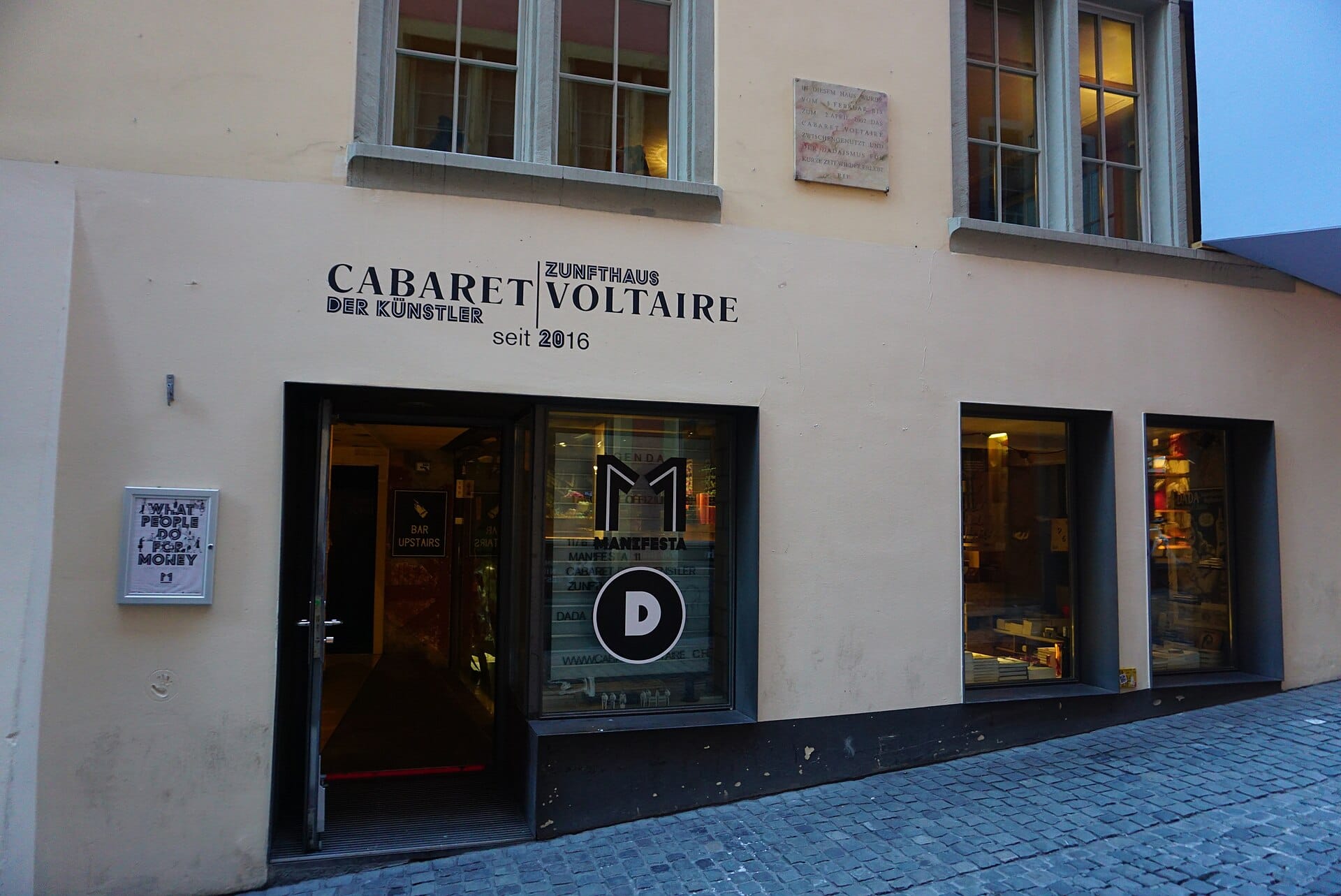
5. Visit the Birthplace of Dada at Cabaret Voltaire
In 1916, in a small Niederdorf bar, Hugo Ball and friends launched Dada and changed modern art forever. Today the space functions as a bar and cultural center. Order a drink at the counter where it all started and check the events board for performances.
Explore5. Visit the Birthplace of Dada at Cabaret Voltaire
In 1916, in a small Niederdorf bar, Hugo Ball and friends launched Dada and changed modern art forever. Today the space functions as a bar and cultural center. Order a drink at the counter where it all started and check the events board for performances.
Explore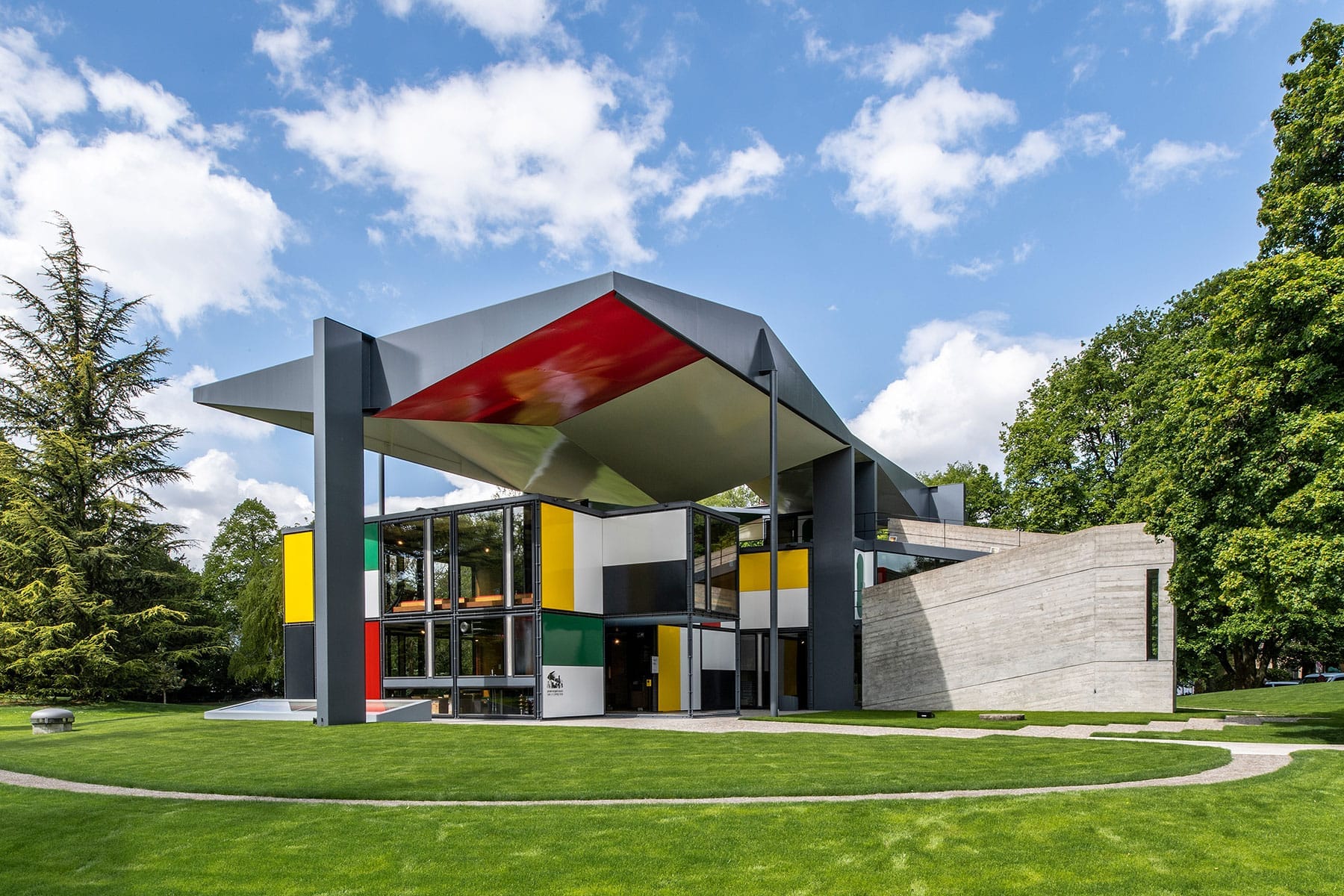
6. Find Le Corbusier's Last Building in Zürichhorn Park
Inaugurated in 1967, two years after Le Corbusier's death, this steel-and-glass pavilion was the last building he ever designed — and the only major work of his mature career realised in Switzerland. Set inside a calm lakeside park, it houses his paintings, tapestries, and sculptures. Most visitors to Zurich never find it. Architecture pilgrims absolutely should.
Explore6. Find Le Corbusier's Last Building in Zürichhorn Park
Inaugurated in 1967, two years after Le Corbusier's death, this steel-and-glass pavilion was the last building he ever designed — and the only major work of his mature career realised in Switzerland. Set inside a calm lakeside park, it houses his paintings, tapestries, and sculptures. Most visitors to Zurich never find it. Architecture pilgrims absolutely should.
Explore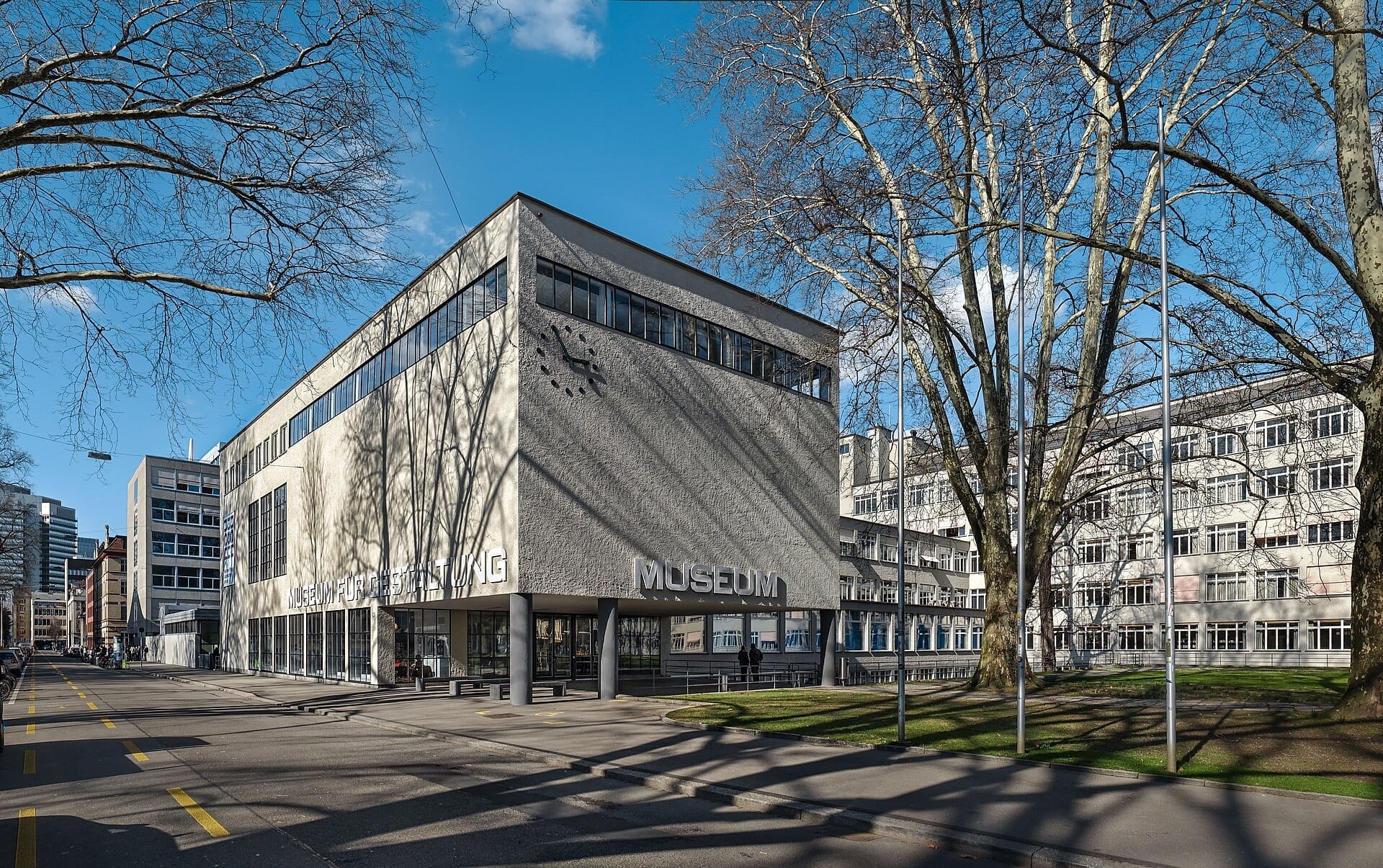
7. Discover Swiss Design History at the Museum für Gestaltung
Switzerland's leading design museum holds 150 years of graphic design, typography, and applied arts. Its archive of Swiss poster design is extraordinary. The museum sits in Zurich West and is far less crowded than the big-name art museums across town.
Explore7. Discover Swiss Design History at the Museum für Gestaltung
Switzerland's leading design museum holds 150 years of graphic design, typography, and applied arts. Its archive of Swiss poster design is extraordinary. The museum sits in Zurich West and is far less crowded than the big-name art museums across town.
Explore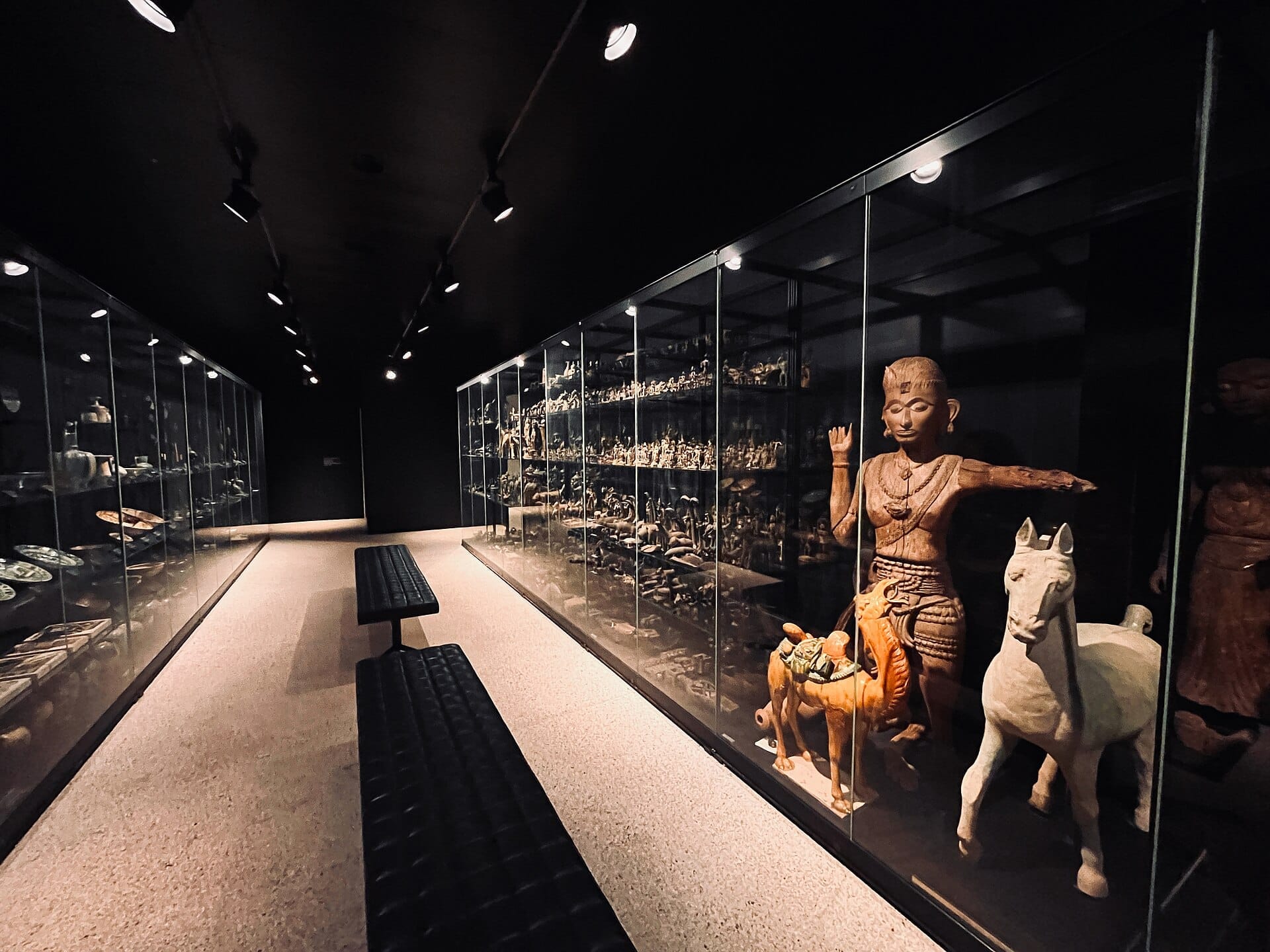
8. Explore Non-European Art in a Rieterpark Villa
Set in a 19th-century parkland villa, Museum Rietberg holds exceptional collections of Asian, African, and pre-Columbian art. The underground Emerald extension disappears into the park. It's one of Zurich's finest museums and consistently less visited than Kunsthaus.
Explore8. Explore Non-European Art in a Rieterpark Villa
Set in a 19th-century parkland villa, Museum Rietberg holds exceptional collections of Asian, African, and pre-Columbian art. The underground Emerald extension disappears into the park. It's one of Zurich's finest museums and consistently less visited than Kunsthaus.
Explore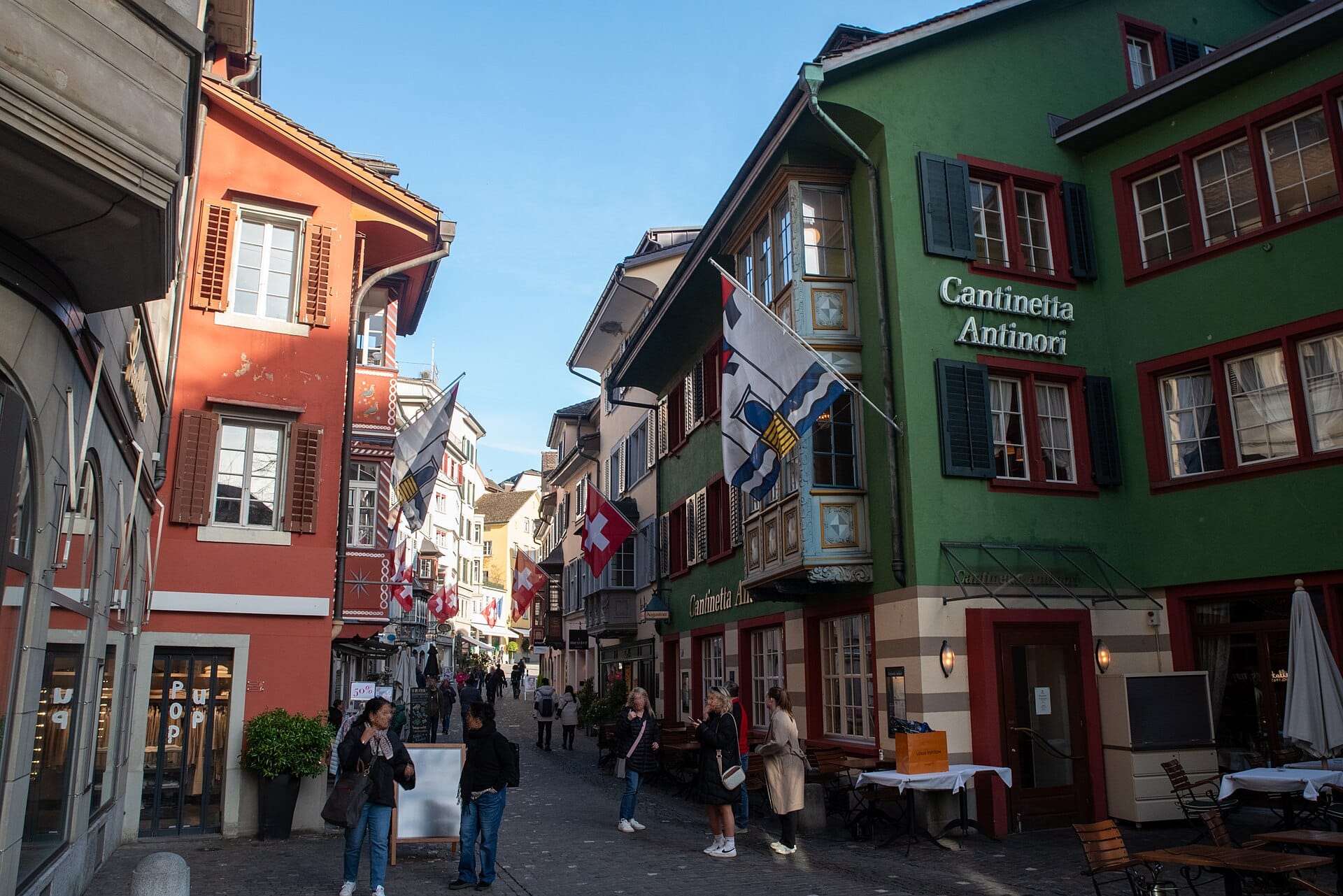
9. Photograph the Oriel Windows on Augustinergasse
This short medieval lane off Bahnhofstrasse is one of Zurich's most photogenic streets, lined with colorful projecting bay windows (Erker) on centuries-old facades. It's easy to miss if you don't know it's there, and takes less than ten minutes to walk through.
Explore9. Photograph the Oriel Windows on Augustinergasse
This short medieval lane off Bahnhofstrasse is one of Zurich's most photogenic streets, lined with colorful projecting bay windows (Erker) on centuries-old facades. It's easy to miss if you don't know it's there, and takes less than ten minutes to walk through.
Explore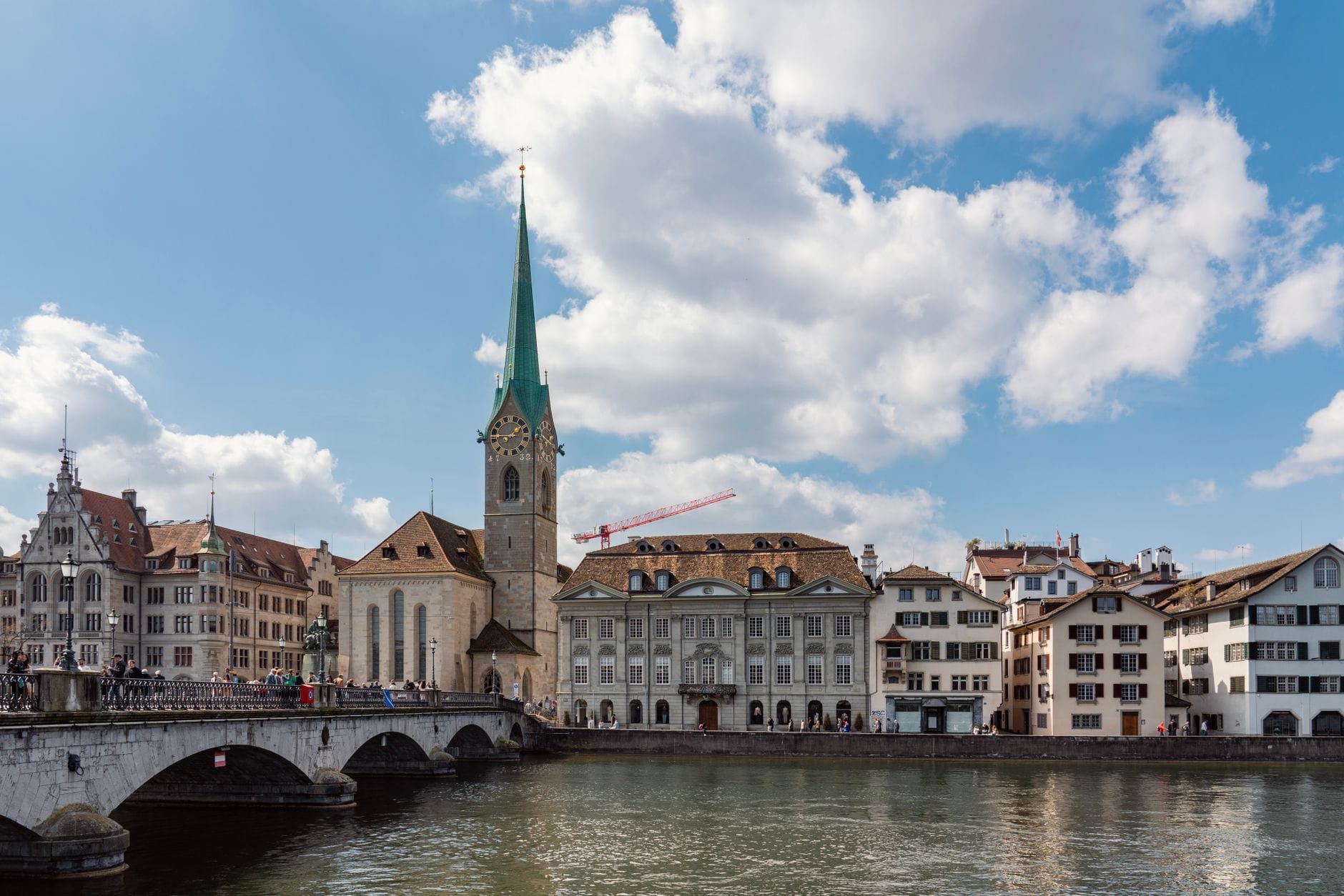
10. See Chagall's Five Stained-Glass Windows at Fraumünster
Marc Chagall completed these five nave windows in 1970 and they remain among the greatest examples of 20th-century religious art in Europe. The blue light they cast across the interior on a bright morning is completely unlike anything else in the city.
Explore10. See Chagall's Five Stained-Glass Windows at Fraumünster
Marc Chagall completed these five nave windows in 1970 and they remain among the greatest examples of 20th-century religious art in Europe. The blue light they cast across the interior on a bright morning is completely unlike anything else in the city.
ExploreLocal Neighborhoods & Urban Reinvention
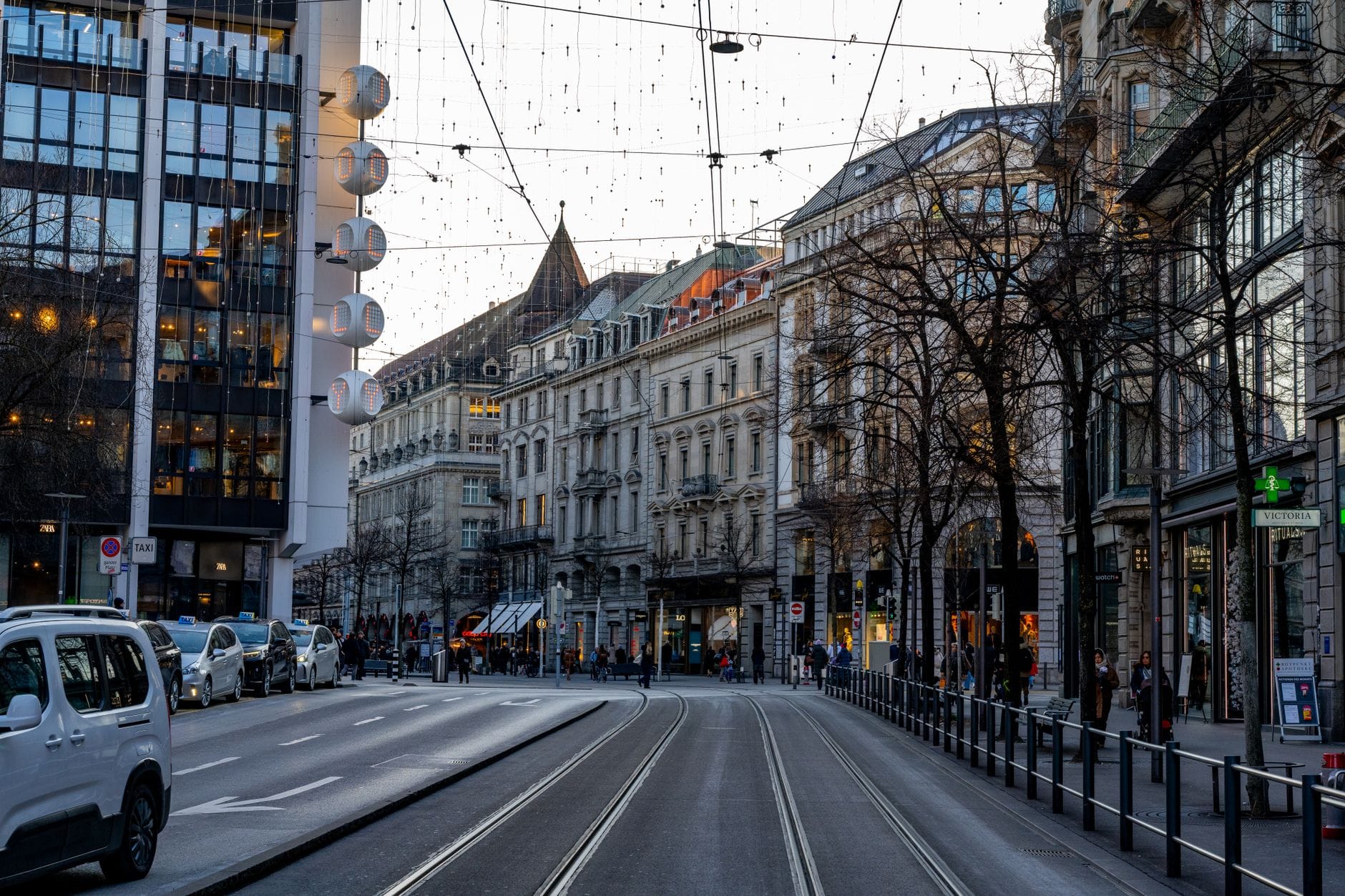
The most interesting parts of Zurich are often the ones that aren't in the main guidebooks. Zurich WestZurich West in particular has transformed from a post-industrial no-man's-land into one of the most creative neighborhoods in Switzerland, and it's still evolving.
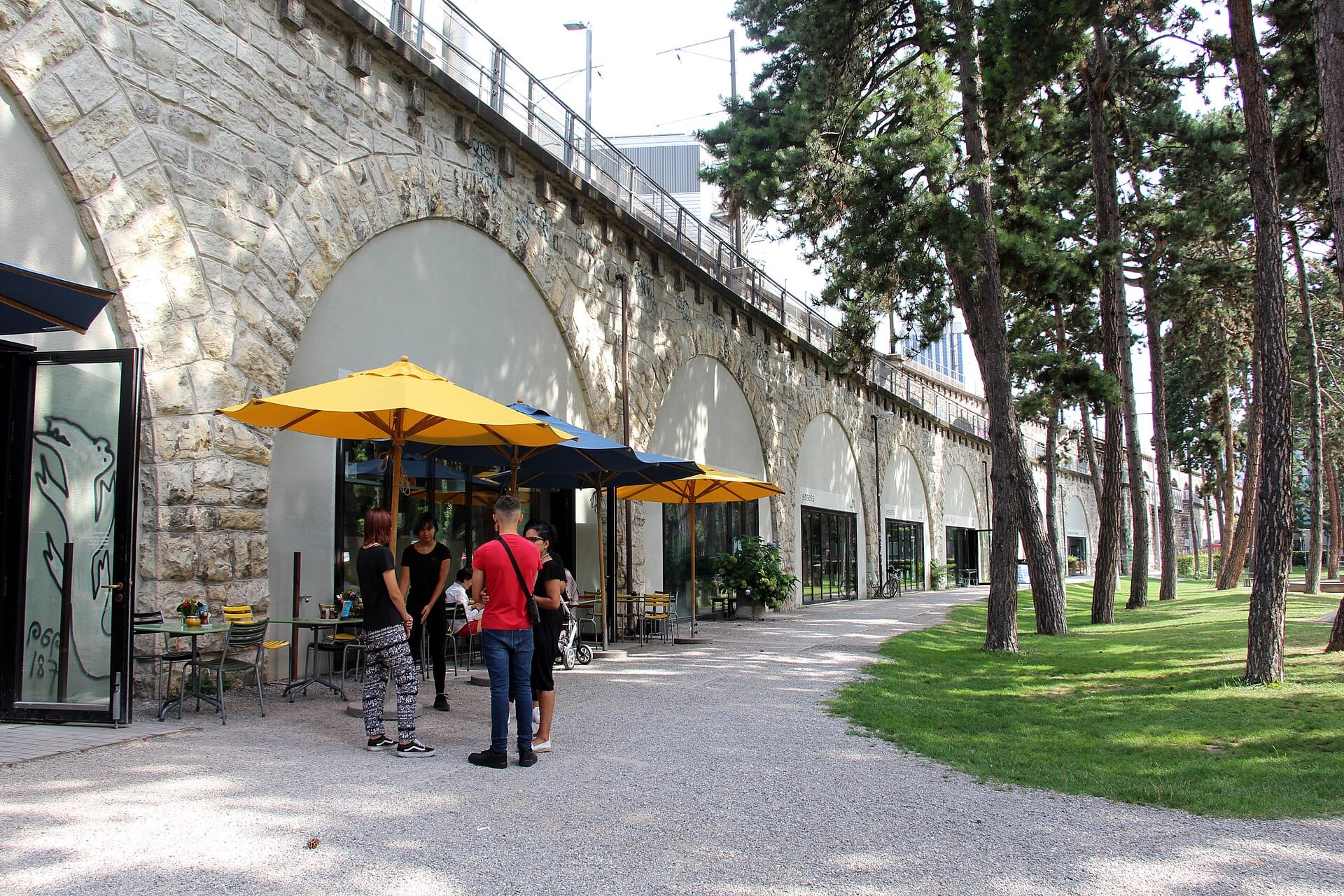
11. Wander the Converted Railway Arches at Im Viadukt
A 19th-century railway viaduct in Zurich West now shelters artisan workshops, a covered food market, design boutiques, and some of the city's best casual restaurants. The transformation is one of the most successful urban renewal projects in Switzerland.
Explore11. Wander the Converted Railway Arches at Im Viadukt
A 19th-century railway viaduct in Zurich West now shelters artisan workshops, a covered food market, design boutiques, and some of the city's best casual restaurants. The transformation is one of the most successful urban renewal projects in Switzerland.
Explore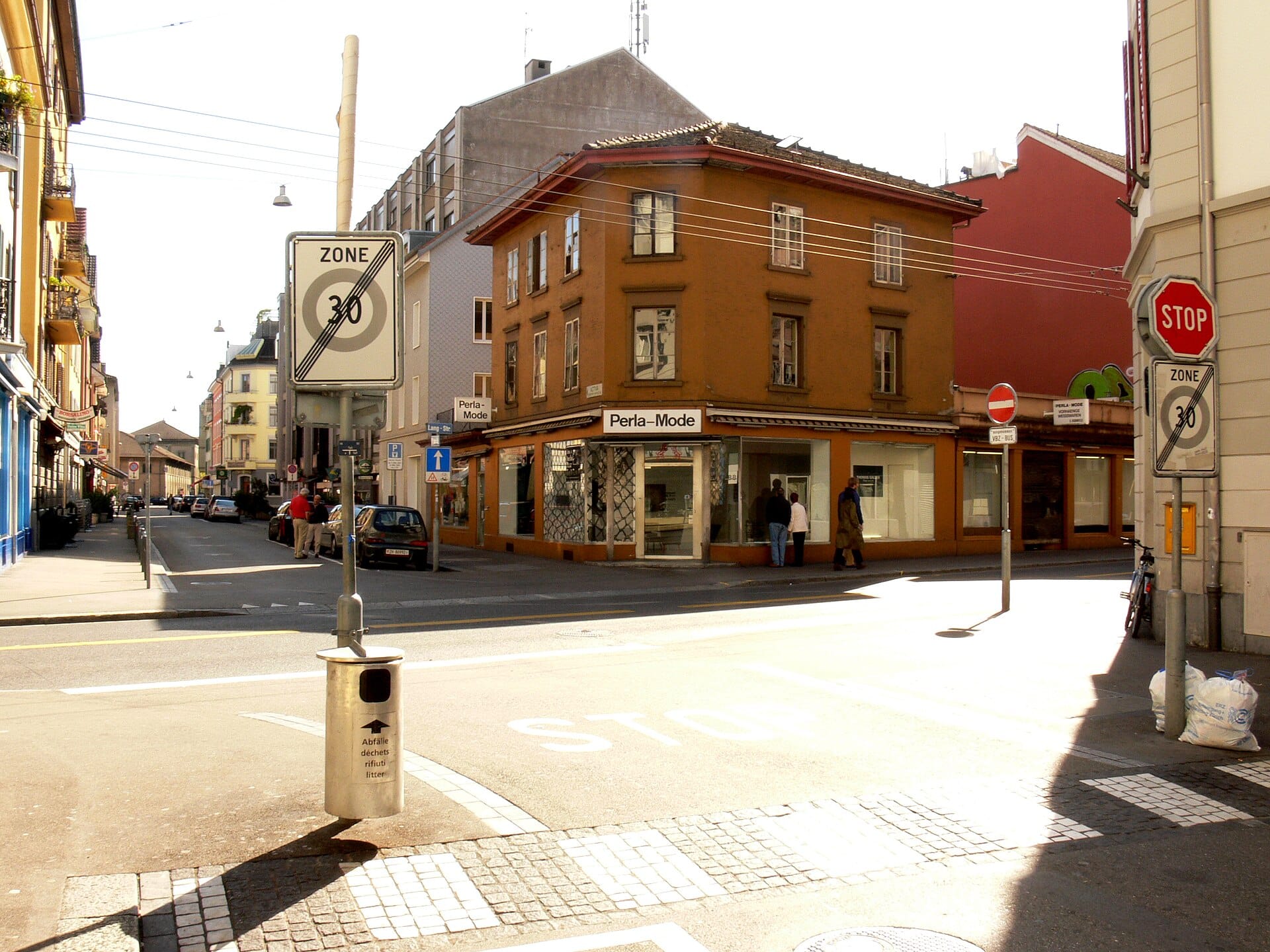
12. Walk Langstrasse for Zurich's Most Authentic Street Life
Langstrasse cuts through Kreis 4 and 5 with multicultural restaurants, independent bars, vintage shops, and a raw energy you won't find near Bahnhofstrasse. Daytime is great for food; evenings reveal why this is Zurich's most genuinely local street.
Explore12. Walk Langstrasse for Zurich's Most Authentic Street Life
Langstrasse cuts through Kreis 4 and 5 with multicultural restaurants, independent bars, vintage shops, and a raw energy you won't find near Bahnhofstrasse. Daytime is great for food; evenings reveal why this is Zurich's most genuinely local street.
Explore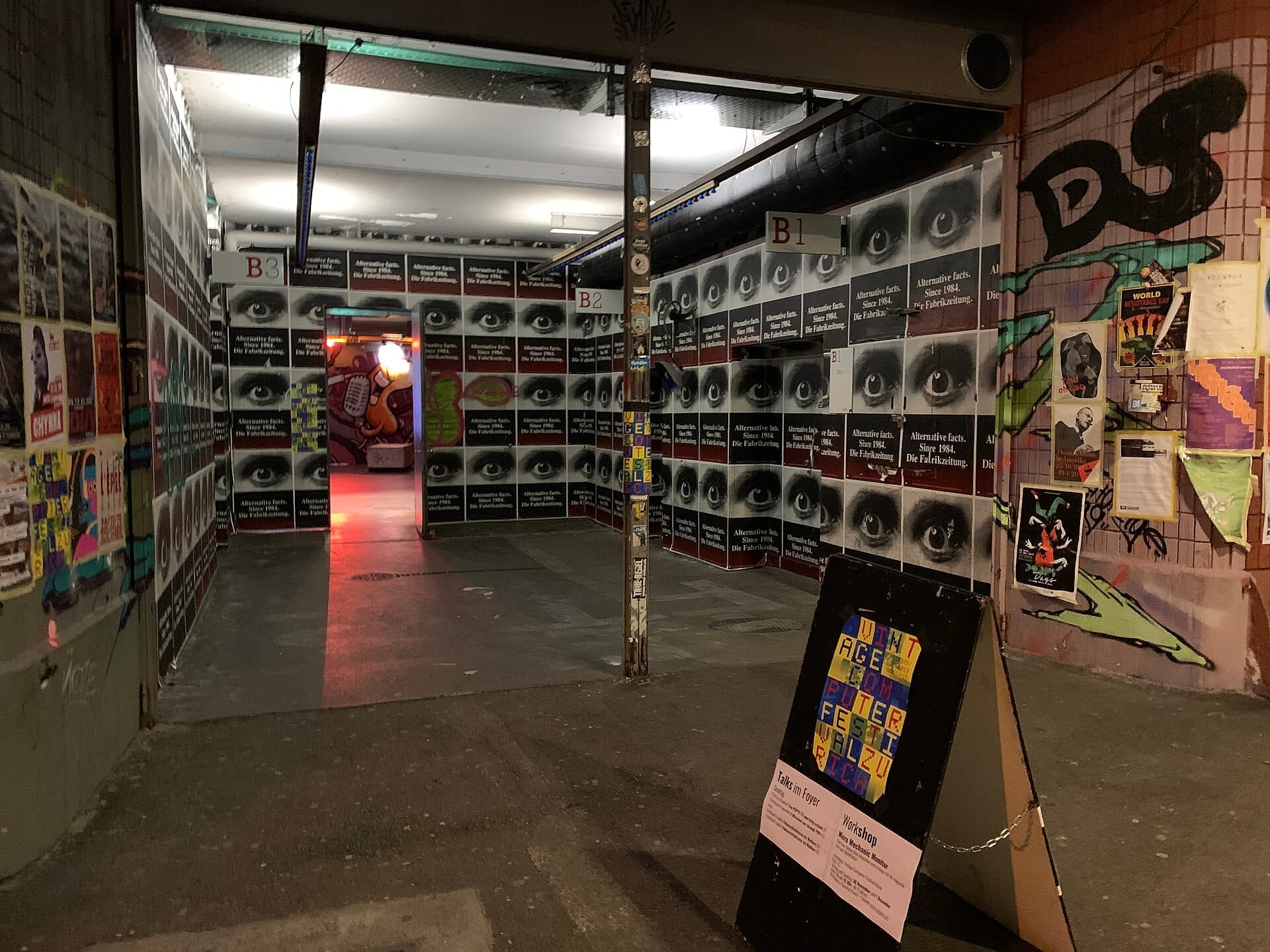
13. Catch a Live Set at Rote Fabrik on the Lake Shore
This red-brick factory on the lake hosts live music, theater, film nights, and art shows. It's a cornerstone of Zurich's independent cultural scene, and its lakeside terrace is one of the best spots in the city for a drink at sunset. Check the program in advance.
Explore13. Catch a Live Set at Rote Fabrik on the Lake Shore
This red-brick factory on the lake hosts live music, theater, film nights, and art shows. It's a cornerstone of Zurich's independent cultural scene, and its lakeside terrace is one of the best spots in the city for a drink at sunset. Check the program in advance.
ExploreNature Escapes Inside the City
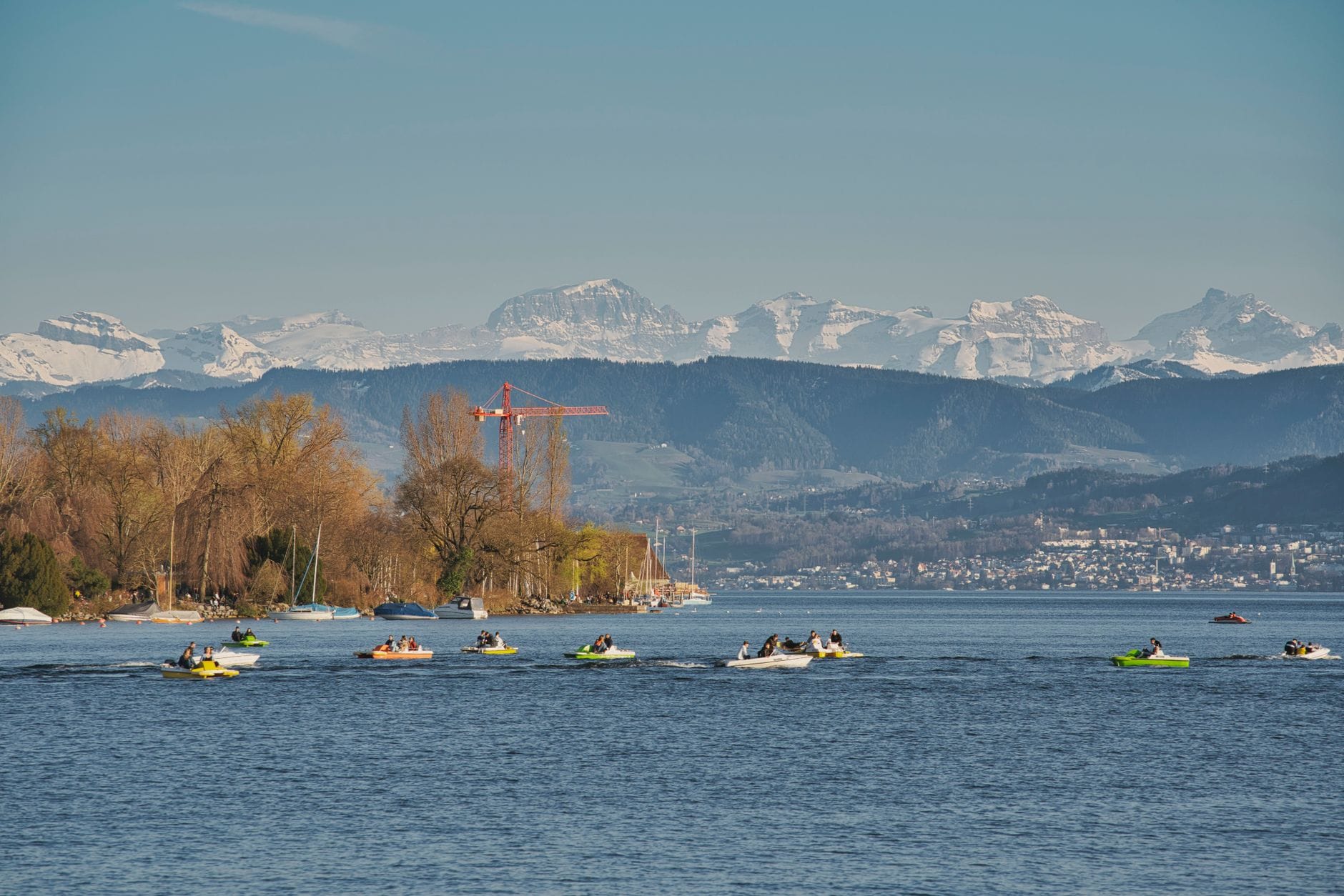
Zurich's green infrastructure is exceptional, and several of its best natural spaces are free, central, and regularly overlooked by visitors focused on museums and Old Town architecture. For swimming specifically, our lake swimming guide covers the Badis in detail.
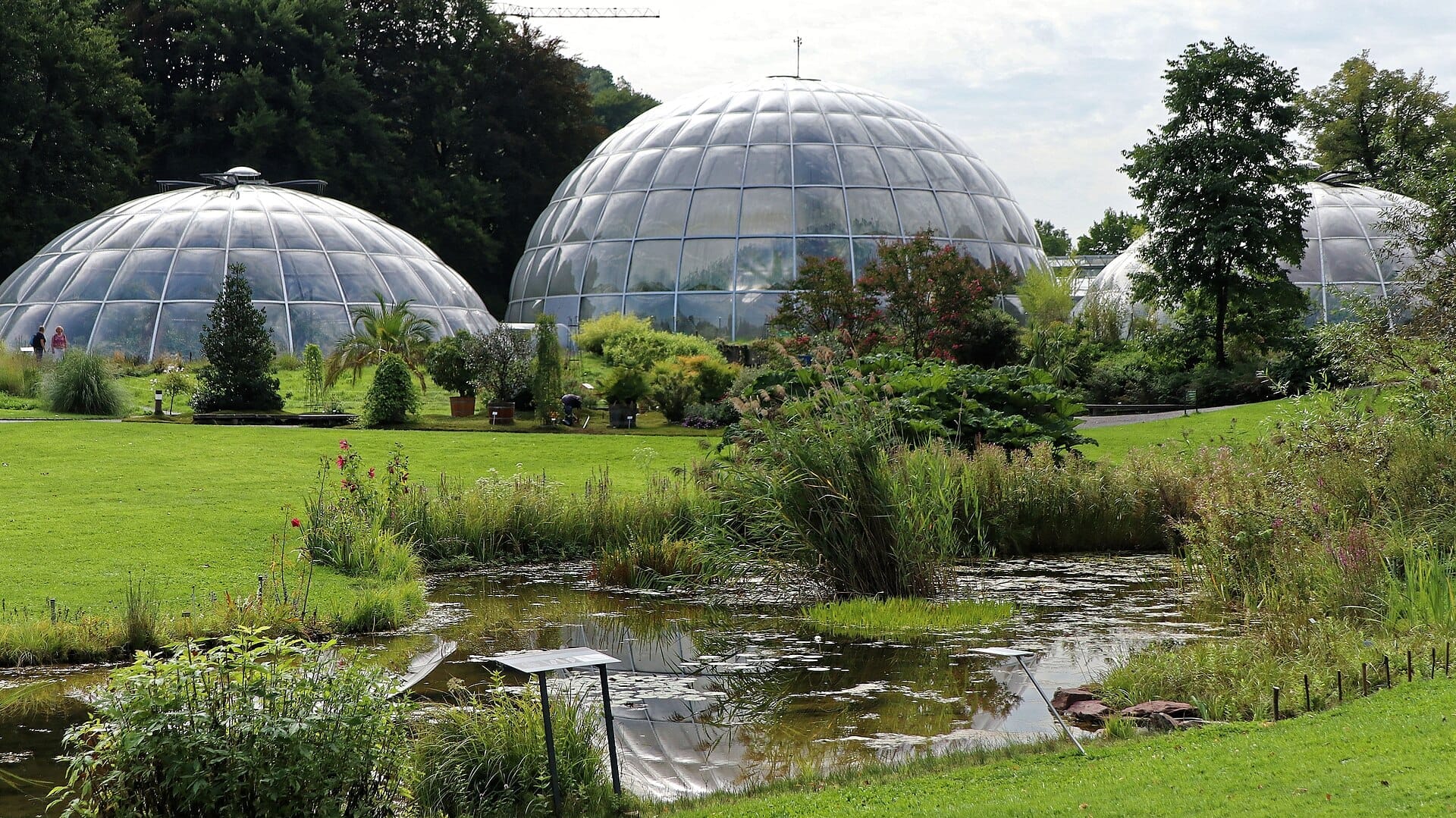
14. Wander 9,000 Plant Species at the Free Botanical Garden
The University of Zurich's botanical garden in Seefeld is free to enter year-round. Three large greenhouses include a tropical dome. It's a peaceful place to spend an hour away from tourist crowds, especially on a weekday morning in spring or early summer.
Explore14. Wander 9,000 Plant Species at the Free Botanical Garden
The University of Zurich's botanical garden in Seefeld is free to enter year-round. Three large greenhouses include a tropical dome. It's a peaceful place to spend an hour away from tourist crowds, especially on a weekday morning in spring or early summer.
Explore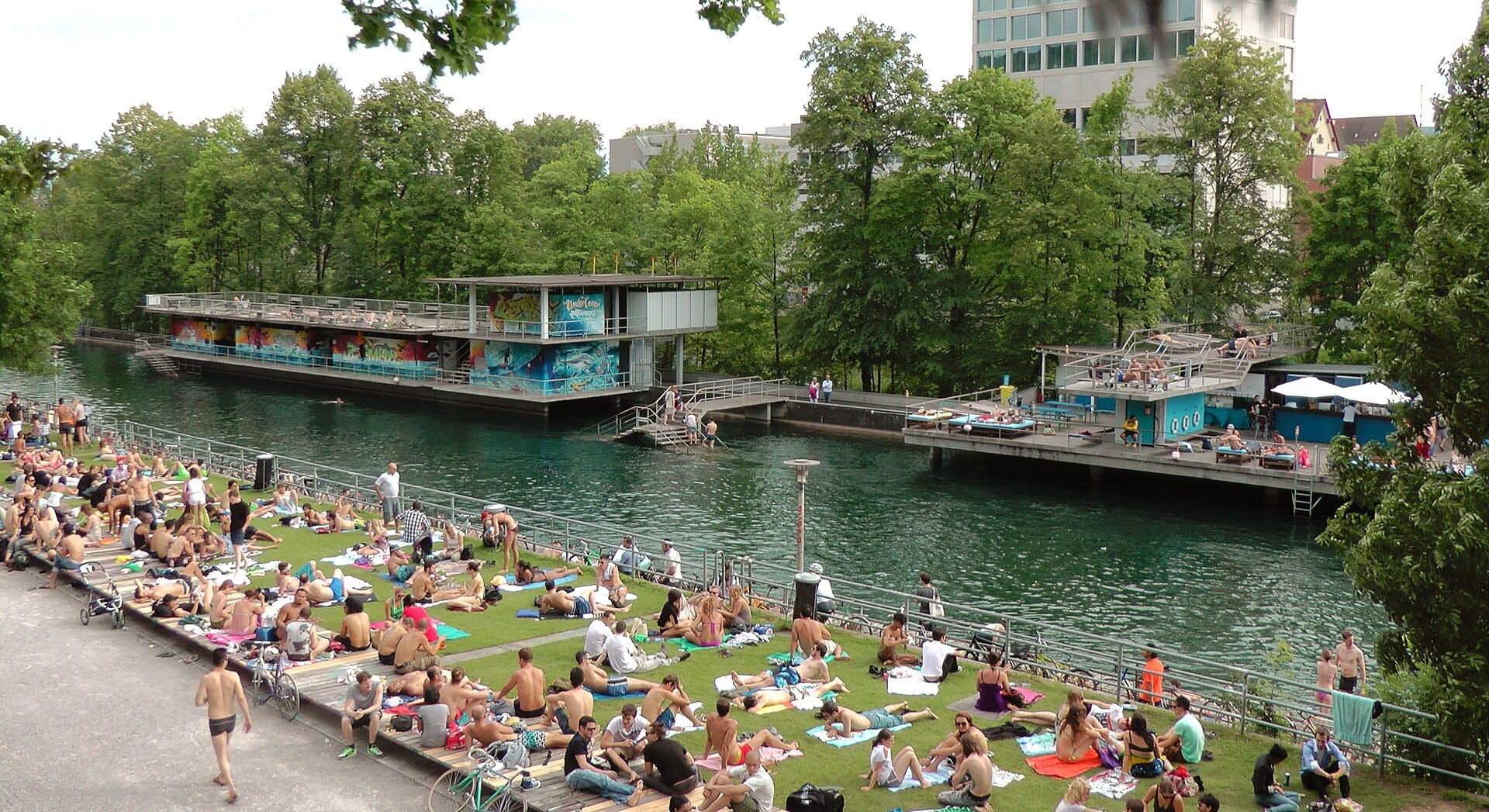
15. Swim with Locals at Flussbad Oberer Letten
Zurich's best-loved urban river bath sits in a former industrial canal where the Limmat runs fast and cold. Locals float downstream, sunbathe on concrete platforms, and grab a beer at the on-site bar. This is one of the most genuinely local experiences in the city.
Explore15. Swim with Locals at Flussbad Oberer Letten
Zurich's best-loved urban river bath sits in a former industrial canal where the Limmat runs fast and cold. Locals float downstream, sunbathe on concrete platforms, and grab a beer at the on-site bar. This is one of the most genuinely local experiences in the city.
Explore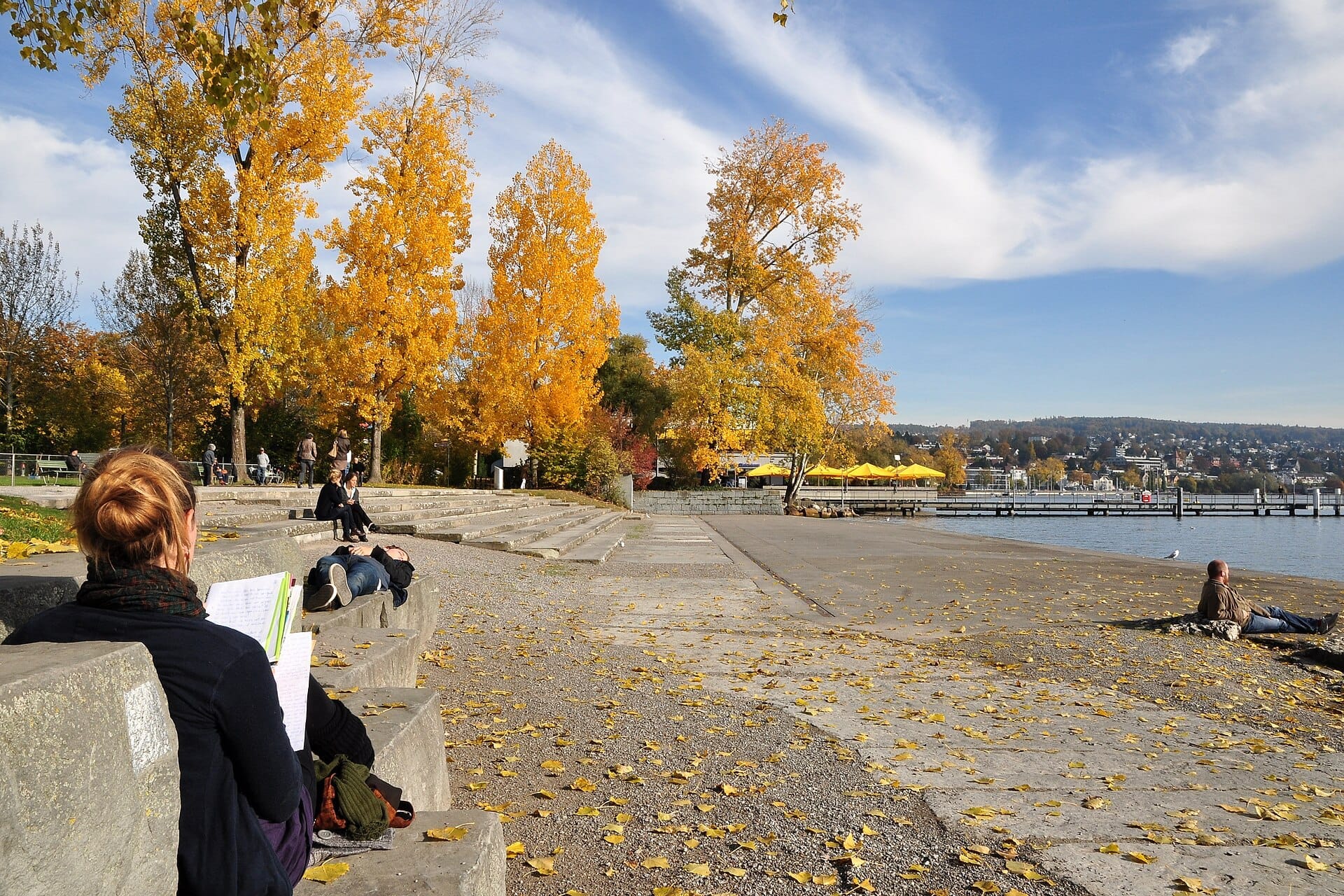
16. Picnic and Swim in Zürichhorn Park's Lakeside Gardens
This calm lakeside park in Riesbach holds the Le Corbusier Pavilion, a Japanese tea house, and direct lake access for swimming. On summer afternoons it fills with local families and sunbathers. It's far less crowded than the central lake promenade.
Explore16. Picnic and Swim in Zürichhorn Park's Lakeside Gardens
This calm lakeside park in Riesbach holds the Le Corbusier Pavilion, a Japanese tea house, and direct lake access for swimming. On summer afternoons it fills with local families and sunbathers. It's far less crowded than the central lake promenade.
ExploreOverlooked Classics Worth Revisiting
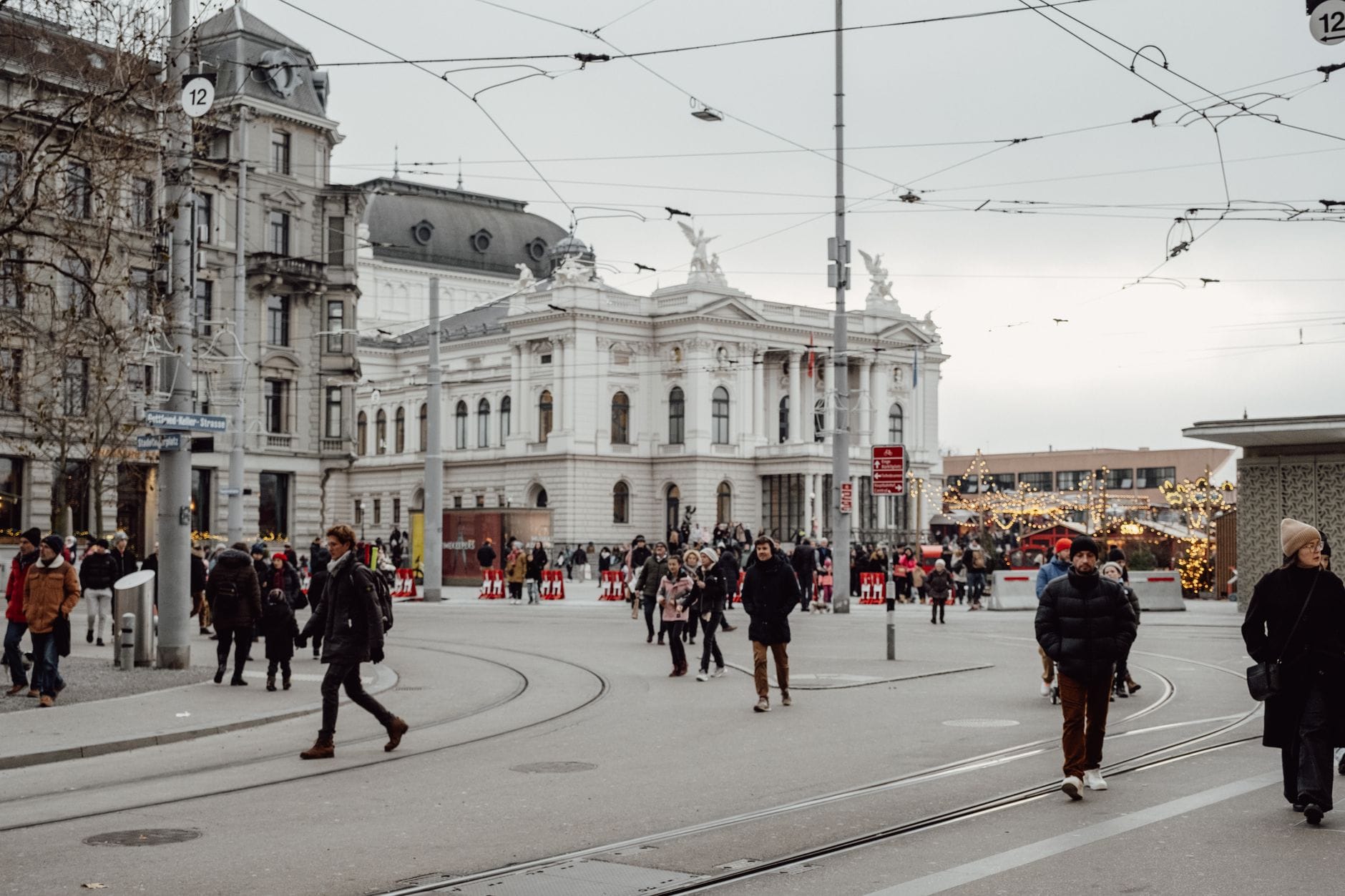
Some of Zurich's most rewarding experiences aren't obscure, they're just consistently underrated or visited for the wrong reasons. These are places that deserve more attention than they typically get, particularly for travelers following the standard tourist circuit. If you're planning your time carefully, the Zurich walking tour guide ties several of these together into a single efficient route.
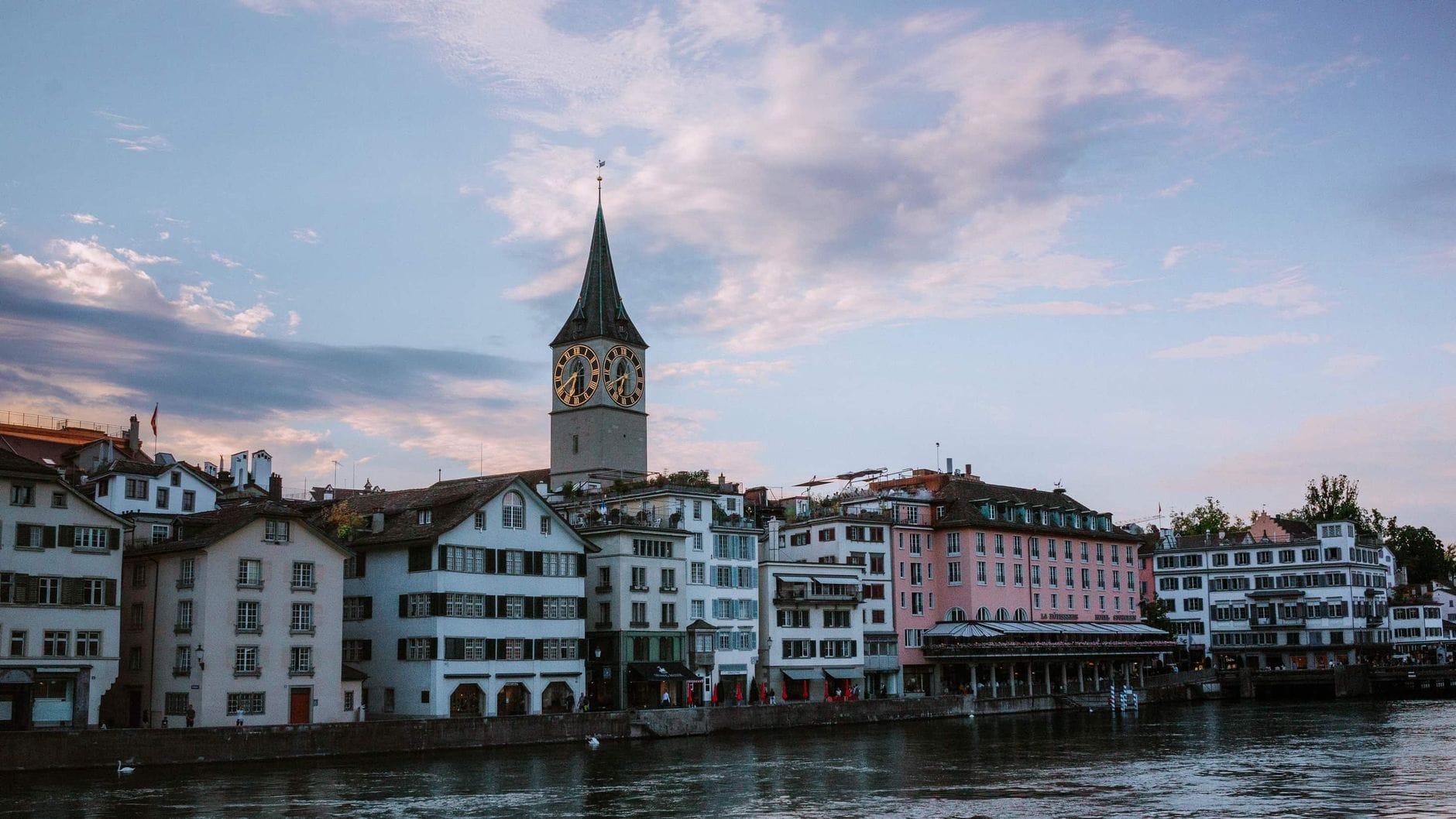
17. Find Europe's Largest Church Clock Face on St. Peter's Tower
Most visitors photograph the Grossmünster and miss St. Peter entirely, despite its 8.7-meter clock face being one of the largest in Europe. The church is Zurich's oldest parish, sits in the heart of the Old Town, and is usually quiet and free to enter.
Explore17. Find Europe's Largest Church Clock Face on St. Peter's Tower
Most visitors photograph the Grossmünster and miss St. Peter entirely, despite its 8.7-meter clock face being one of the largest in Europe. The church is Zurich's oldest parish, sits in the heart of the Old Town, and is usually quiet and free to enter.
Explore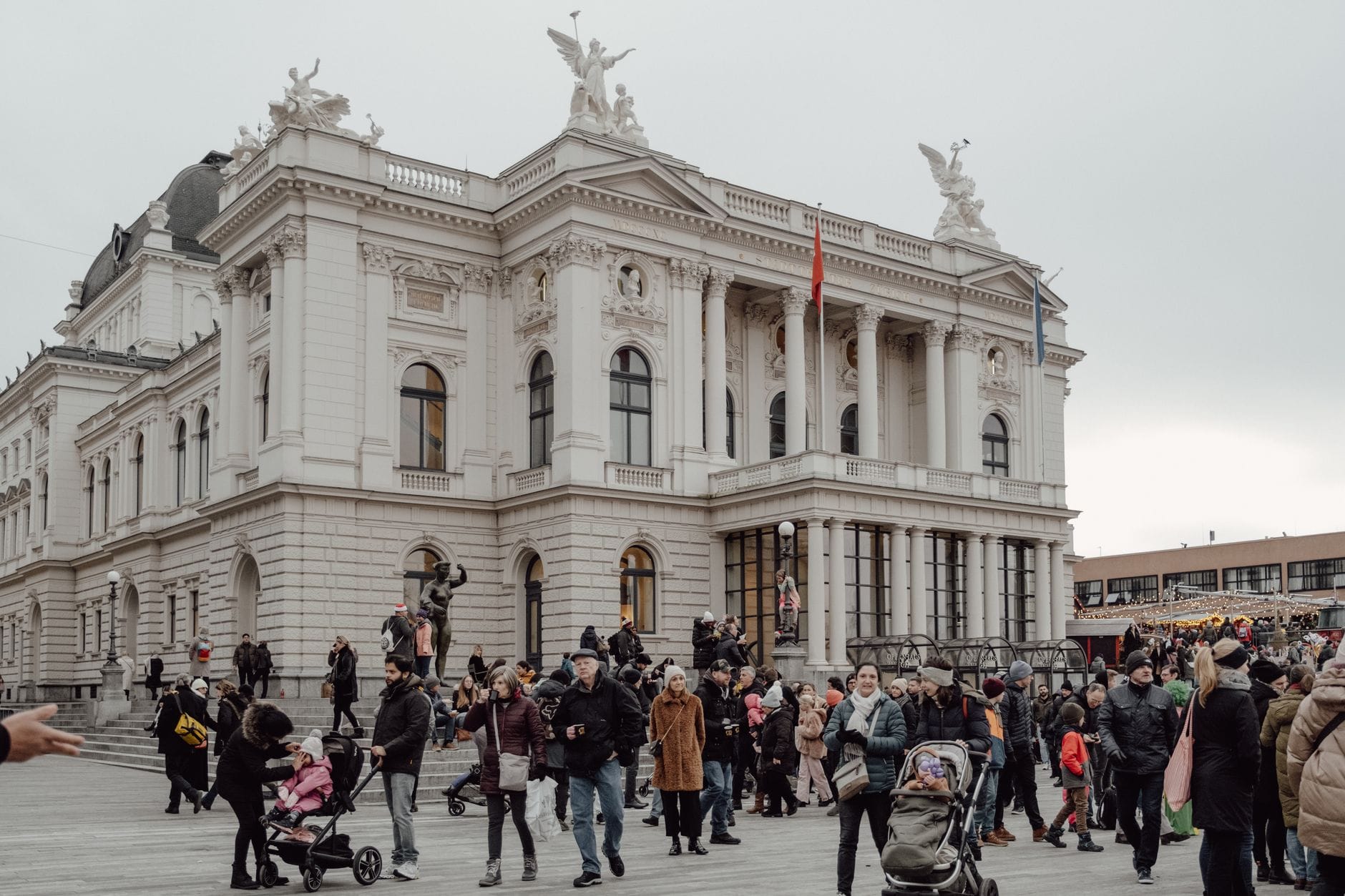
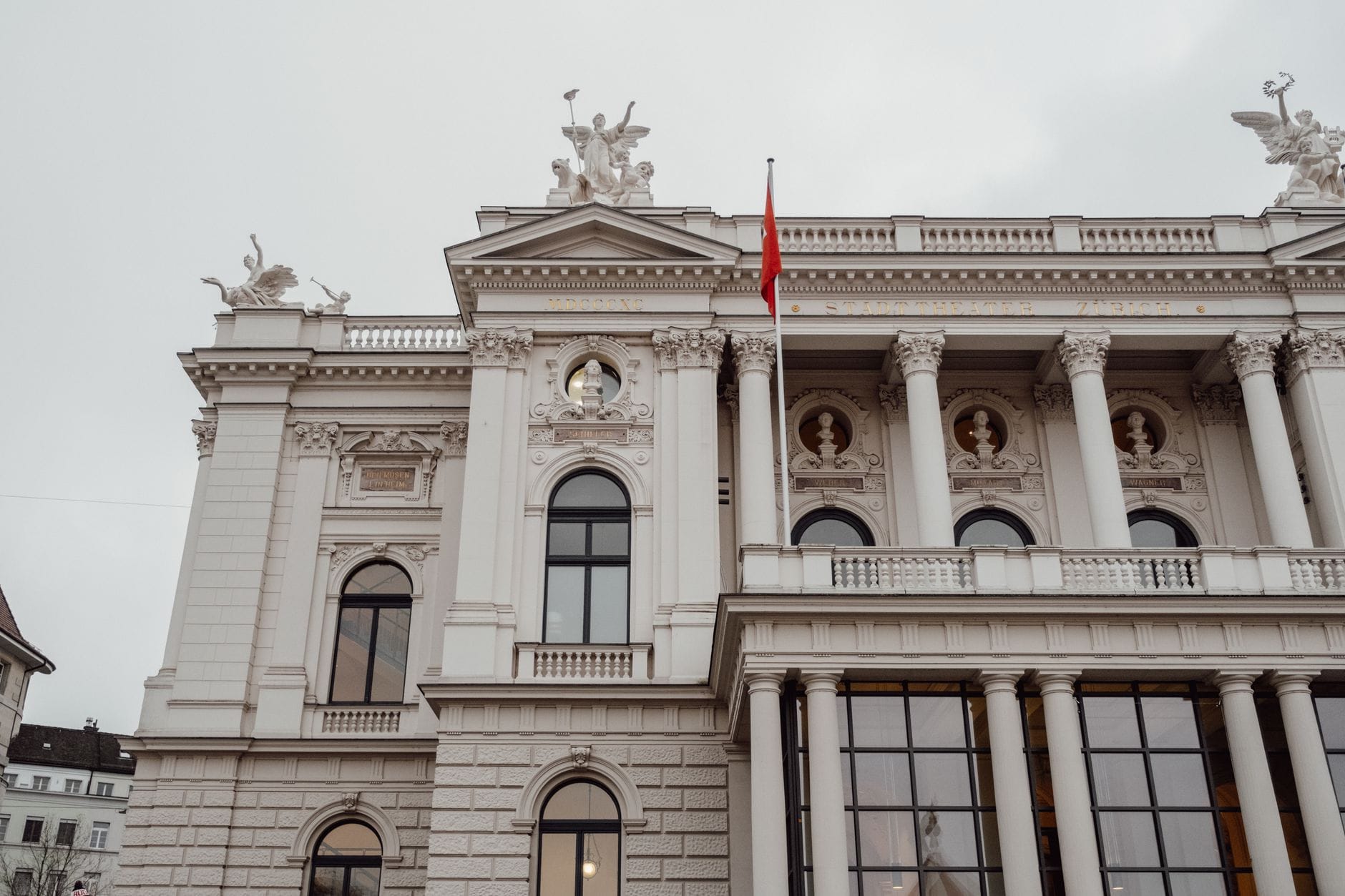
18. Take a Backstage Tour of the Opernhaus Zürich
The neo-Baroque opera house on Sechseläutenplatz is stunning from outside, but the real discovery is the backstage tour through costume ateliers and workshops, offered for around CHF 15. Book through the official Opernhaus website; tours run on selected dates.
Explore18. Take a Backstage Tour of the Opernhaus Zürich
The neo-Baroque opera house on Sechseläutenplatz is stunning from outside, but the real discovery is the backstage tour through costume ateliers and workshops, offered for around CHF 15. Book through the official Opernhaus website; tours run on selected dates.
Explore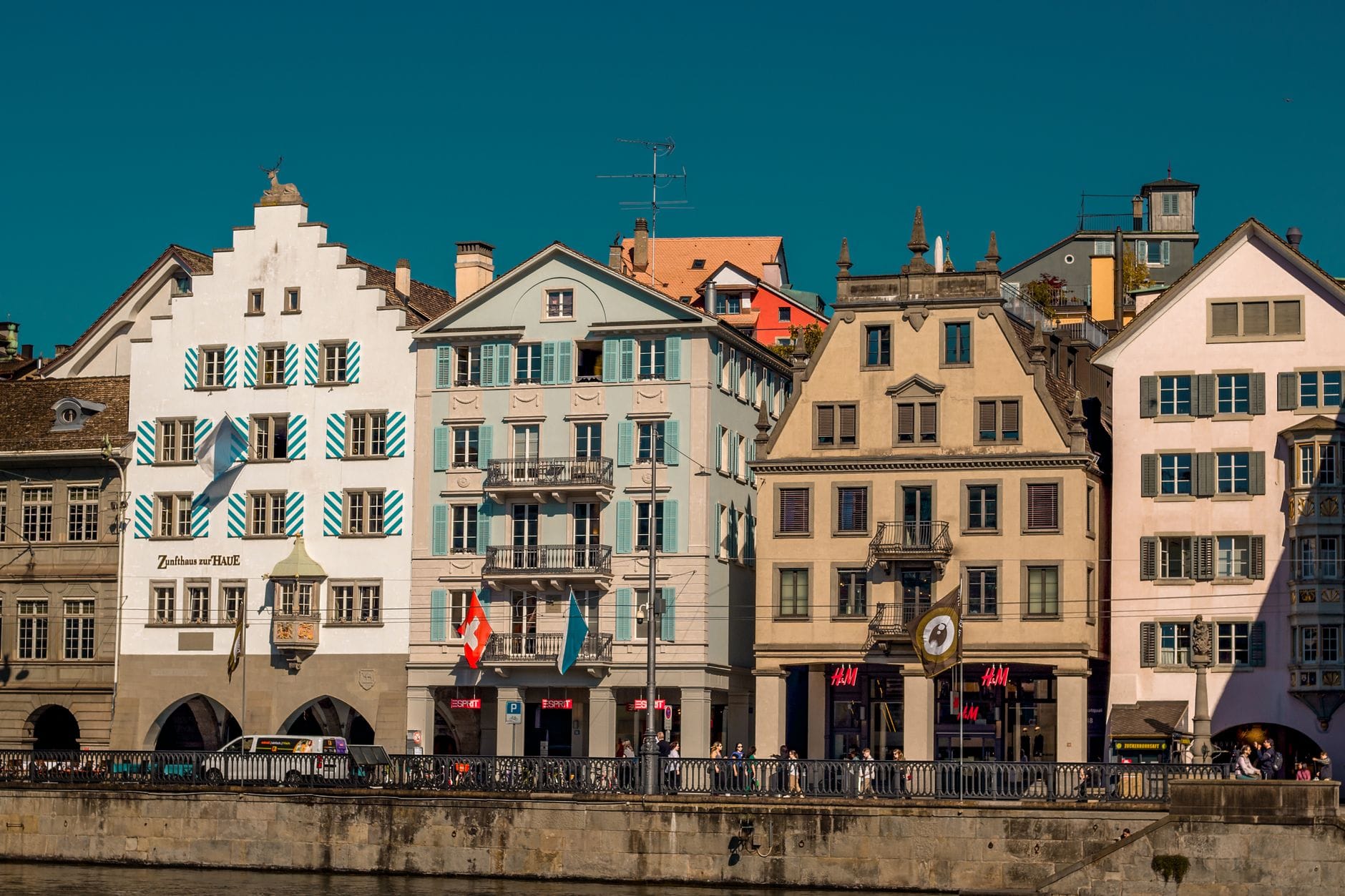
19. Study the Baroque Guild Houses Along the Limmatquai
The ornate 17th and 18th-century guild houses lining the Limmatquai embankment are among the finest Baroque civic buildings in Switzerland. Many travelers walk past without looking up. The elaborately decorated facades reward a slow, deliberate Old Town walk.
Explore19. Study the Baroque Guild Houses Along the Limmatquai
The ornate 17th and 18th-century guild houses lining the Limmatquai embankment are among the finest Baroque civic buildings in Switzerland. Many travelers walk past without looking up. The elaborately decorated facades reward a slow, deliberate Old Town walk.
ExploreFAQ
What are the best free hidden gems in Zurich?
Lindenhof hill, the ETH Polyterrasse, the Botanical Garden, and the lakeside promenades are all free. Cabaret Voltaire and several church interiors are inexpensive but not always free.
Is Zurich worth visiting beyond the main tourist sights?
Yes. Zurich West's converted industrial spaces, the river baths, the Rietberg Museum, and Zürichhorn Park offer experiences well beyond the standard Old Town circuit. The city rewards travelers who explore its neighborhoods.
Are Zurich's hidden gems suitable for a day trip from Basel or Lucerne?
Most of the spots in this guide are centrally located or reachable by city tram and S-Bahn. A focused day trip can cover Zurich West, the Old Town, and a lakeside park without feeling rushed.
When is the best time to visit Zurich's lesser-known spots?
Weekday mornings are best for quieter experiences at places like the Botanical Garden, Lindenhof, and smaller museums. Summer is ideal for river baths and Zürichhorn Park; winter offers clear Alpine views from Uetliberg after snowfall.
How do I get around Zurich to visit off the beaten path spots?
Zurich's tram and bus network in ZVV Zone 110 covers most of these spots. A day pass is the most practical option. The Polybahn funicular is also included in standard city tickets.
Tickets & tours
Live prices and dates from our booking partner. If you book, we may earn a commission at no extra cost to you.
Planning a trip? Discover personalized activities with the Nomado app.