Rote Fabrik: Zurich's Lakeside Cultural Factory Worth the Trip South
Built as a mechanical silk-weaving mill in 1892, Rote Fabrik has spent decades as one of Zurich's most authentic alternative cultural centers. Set directly on the western shore of Lake Zurich, it hosts concerts, theater, cinema, and art exhibitions in spaces that still carry the weight of their industrial past.
Quick Facts
- Location
- Seestrasse 395, 8038 Zürich (Wollishofen district, shore of Lake Zurich)
- Getting There
- Bus 161/165 to Rote Fabrik stop; Tram 7 to Post Wollishofen; S-Bahn to Bahnhof Wollishofen
- Time Needed
- 1–2 hours for a daytime visit; up to a full evening for concerts or theater
- Cost
- Varies by event (CHF); some outdoor areas are free to explore. Check rotefabrik.ch for current prices.
- Best for
- Live music fans, independent cinema lovers, architecture and history enthusiasts, evening culture seekers
- Official website
- www.rotefabrik.ch
What Rote Fabrik Actually Is
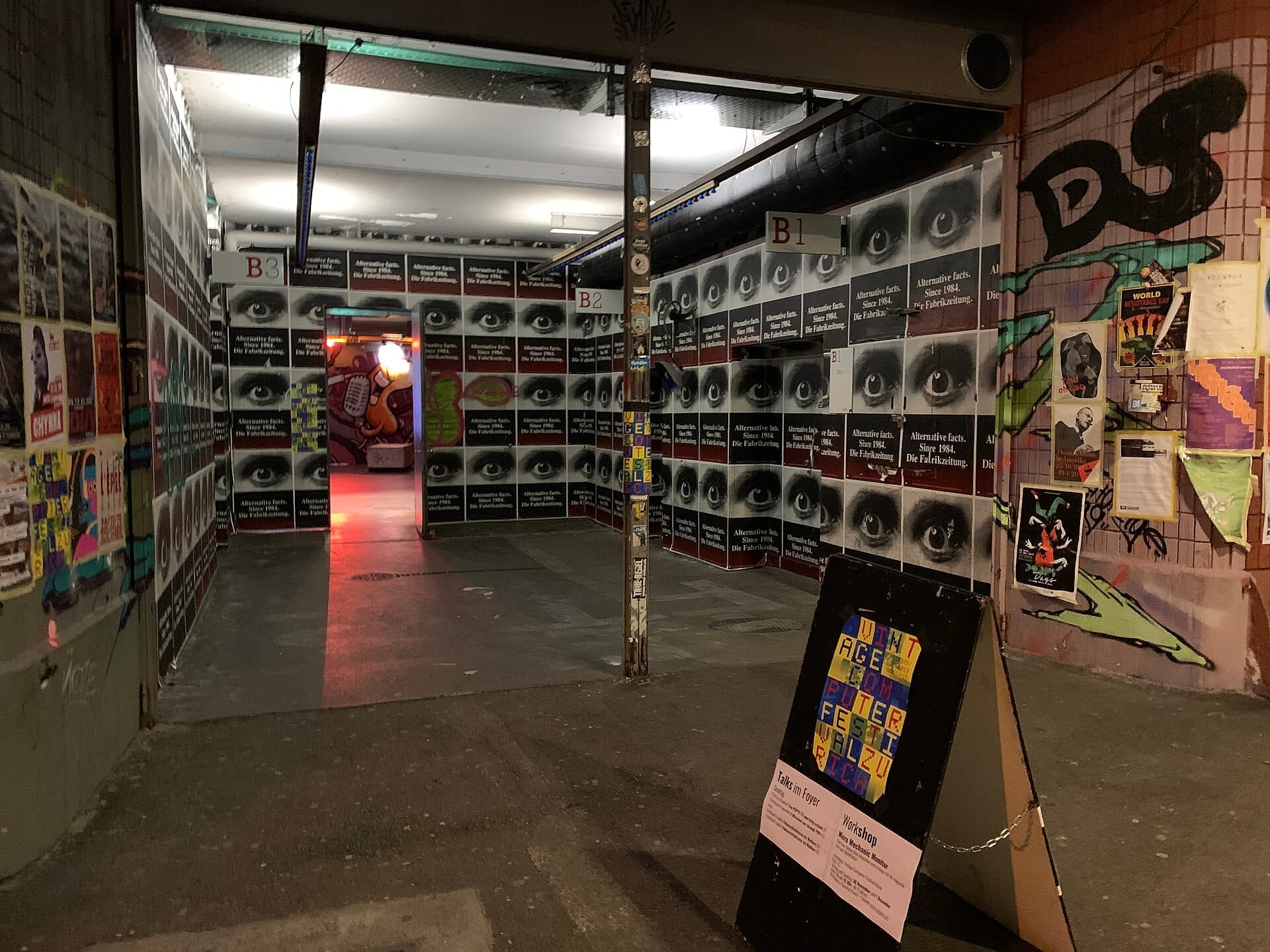
Rote Fabrik (Red Factory) is a multi-venue cultural complex on the shore of Lake Zurich, operating out of a red-brick industrial building that dates to 1892. It is not a single concert hall or gallery. It is a collection of spaces under one institutional roof: the Fabriktheater, the Clubraum, the Shedhalle exhibition space, a cinema, a restaurant, a youth workshop, and outdoor areas that front directly onto the lake.
The programming is deliberately broad and deliberately independent. On any given week, you might find a Swiss jazz quartet, an experimental theater piece, a film from a director you have never heard of, or a visual art installation that takes over the Shedhalle. There is no single genre or demographic that defines it. That breadth is the point.
💡 Local tip
Before visiting, check rotefabrik.ch for the current program. Opening hours vary by event and venue, and some spaces only open on performance nights. A daytime walk around the lakeside grounds is always possible, but the interior venues are not continuously accessible.
The Building: A Silk Mill Turned Cultural Institution
The complex was designed by architect Carl Arnold Séquin-Basler and opened in 1892 as a mechanical silk-weaving mill. For nearly fifty years it ran as an industrial facility, one of several that lined the lake's southern shoreline when Wollishofen was more factory than residential neighborhood. The silk operation closed in 1940, and the buildings sat largely unused for decades after that, accumulating stored goods but little purpose.
The transformation came from below. During the youth movements and urban protests of the 1970s and early 1980s, Zurich's younger generation pushed hard for autonomous cultural spaces, challenging the city's conservative cultural establishment. Rote Fabrik became one of several sites claimed for alternative programming during this period. What started as an occupation-era experiment became permanent: the site was reaffirmed as a cultural enterprise in a 1987 referendum and has operated continuously since.
From the outside, the building is striking in a way that many converted industrial sites are not. The red brick sits low against the waterline, with the lake directly behind it on clear days. The industrial scale of the original mill is still legible in the proportions of the Shedhalle in particular, a long, shed-roofed exhibition hall that has barely been softened by its cultural repurposing. That rawness is not an oversight; it is the aesthetic.
Tickets & tours
Live prices and dates from our booking partner. If you book, we may earn a commission at no extra cost to you.
Mount Titlis snow fun for first-time skiers from Zurich
From 212 €Instant confirmationFree cancellationSwiss ski experience from Zurich
From 321 €Instant confirmationFree cancellationBest intro tour of Zurich with a local
From 116 €Instant confirmationFree cancellationZurich Old Town guided walking tour
From 27 €Instant confirmationFree cancellation
What to Expect: Spaces and Programming
The Fabriktheater is the main performance space, used for theater, dance, and larger music events. Acoustically and visually, it retains the feel of a repurposed factory interior rather than a purpose-built concert hall. The Clubraum handles club nights and smaller concerts with a more compressed energy. The Shedhalle is the primary exhibition venue, regularly hosting visual artists, installations, and interdisciplinary projects that would not fit into a conventional white-cube gallery format.
The cinema screen runs independent and arthouse programming rather than mainstream releases. The restaurant opens to the public and faces the lake, making it a legitimate destination even on nights when you are not attending a specific event. For anyone building a wider picture of Zurich's cultural scene, Rote Fabrik sits in distinct contrast to institutions like the Kunsthaus Zurich or the Museum für Gestaltung: those are institutions with endowments and permanent collections; Rote Fabrik is driven by programming decisions made close to the ground.
The Setting: Lake Zurich in Your Peripheral Vision
The location along the western shore of Lake Zurich is not incidental. On warm evenings before a show, people sit on the waterfront terraces, often with a drink from the bar. The lake reflects city lights in both directions. On summer afternoons, the grounds between the building and the water have a relaxed, unprogrammed quality where visitors simply sit or walk without needing a ticket.
The Wollishofen shoreline is quieter and less curated than the central lakeside promenade near Bürkliplatz. There are no souvenir stands, no large tour groups. The Lake Zurich promenade in the city center has its own appeal, but if you want the lake without the performance of tourism, the stretch near Rote Fabrik delivers it.
In summer particularly, the light at this end of the lake in the late afternoon has a quality that rewards a slow approach. If you are combining a visit with the broader lakeside area, arriving by the 161 or 165 bus and walking the final few minutes along the shore makes more sense than arriving directly by transit. The walk orients you to the setting before you step inside.
ℹ️ Good to know
Rote Fabrik is one of the venues used during the Zurich Theater Spektakel, the annual international performing arts festival typically held in August. If you are visiting during that period, program density and crowd sizes increase significantly. The festival brings international companies alongside Swiss work and is worth planning around.
Getting There and Getting Around
Rote Fabrik sits at Seestrasse 395 in the Wollishofen district, roughly 4 kilometers south of Zurich city center. Bus lines 161 and 165 stop at the Rote Fabrik stop directly outside the complex. Tram 7 serves Post Wollishofen, a short walk away, and the S-Bahn stops at Bahnhof Wollishofen, from which the site is reachable on foot in about ten to fifteen minutes along the lakeside.
If you are building a wider itinerary around the lake area, combine Rote Fabrik with a walk through the Lake Zurich area or explore the Zurichhorn Park on the eastern shore for contrast. The two ends of the lake have very different characters.
Cycling to Rote Fabrik is a realistic option in good weather. The lakeside cycling path from the city center runs along the western shore and passes close to the site. Parking exists nearby for those arriving by car, but using public transport on evening event nights avoids the hassle of returning late.
Practical Notes: Accessibility, Timing, and Photography
The main festival venues at Rote Fabrik, including the Fabriktheater, Clubraum, Backstein, and Shedhalle, are described as accessible for people with restricted mobility and equipped with wheelchair spaces. If you require a wheelchair space for a festival or performance event, the venue asks for advance reservation. For non-festival programming, it is worth confirming accessibility directly with the venue before your visit, as conditions can vary by event configuration.
Photography outdoors is generally unproblematic. Inside performances and exhibitions, follow standard venue etiquette: no flash, and check whether individual exhibitions permit photography. The building's exterior, particularly the red brick facade against the lake, photographs best in the late afternoon when the sun comes from the west and hits the brickwork at an angle. Overcast days flatten it; clear evenings before a show, when people gather outside near the water, give you the human context that makes the setting make sense.
⚠️ What to skip
If you are traveling specifically for an event, always verify dates and ticket availability at rotefabrik.ch in advance. The program changes frequently, some events sell out, and some spaces are only open on specific nights. Arriving without checking first risks a closed door.
Who This Is Not For
Rote Fabrik does not suit every kind of visitor. If you are looking for a polished, predictable night out with a mainstream setlist and comfortable seating, the programming here will likely feel unfamiliar or inaccessible. The aesthetic is intentionally rough-edged, and the events calendar requires effort to navigate. Visitors expecting something resembling a conventional arts center may find the experience underwhelming if they arrive without a specific event in mind.
Equally, if your time in Zurich is limited to one or two days focused on the historic center, Rote Fabrik is far enough from the Old Town that the journey may not justify the detour unless you have a specific show to attend. In that case, you might focus instead on the Swiss National Museum or spend an afternoon in the Altstadt where the density of things to see is higher.
Insider Tips
- The restaurant terrace at Rote Fabrik opens to non-event visitors and has direct lake views. It is worth visiting for dinner on its own, particularly in summer, even if you are not attending a performance.
- The August Theater Spektakel uses Rote Fabrik as one of its anchor venues. Programming during the festival period is significantly more international and dense than the regular season. Check festival dates before booking your Zurich trip if this interests you.
- Arriving by bus 161 or 165 to the Rote Fabrik stop is the most direct option from the city center, but the S-Bahn to Wollishofen and then walking along the waterfront adds about ten minutes and gives you a proper sense of the shoreline before you arrive.
- Weekday afternoon visits for exhibitions in the Shedhalle tend to be quiet. If you want the space mostly to yourself for a contemporary art show, Tuesday or Wednesday afternoon is typically your best chance.
- The area around Rote Fabrik is residential and calm by Zurich standards. After an evening event, the walk along the lake toward the S-Bahn at Wollishofen takes roughly fifteen minutes and is safe and well-lit on clear nights.
Who Is Rote Fabrik For?
- Independent music and live performance fans looking beyond commercial venues
- Architecture enthusiasts interested in adaptive reuse of industrial buildings
- Travelers combining a Lake Zurich afternoon with an evening cultural event
- Art followers seeking experimental or interdisciplinary exhibitions outside mainstream institutions
- Visitors attending the Zurich Theater Spektakel in August
Nearby Attractions
Other things to see while in Lake Zurich Area:
- Bürkliplatz & Boat Pier
Bürkliplatz sits where Bahnhofstrasse meets Lake Zurich, a broad public square framed by water, mountains, and daily city life. Free to visit at any hour, it serves as a promenade, a cruise departure point, and a quiet front-row seat to the lake.
- Lake Zurich Promenade
The Lake Zurich Promenade, locally known as the Seepromenade, is a 3.2 km paved lakeside walkway connecting Bürkliplatz to Zurichhorn Park. Free, open year-round, and a genuine centerpiece of daily Zurich life, it rewards visitors who take time to explore its full length rather than just the popular central stretch.
- Lindt Home of Chocolate
The Lindt Home of Chocolate in Kilchberg is a major Swiss chocolate museum, built beside the brand's original 1899 factory on the shores of Lake Zurich. Expect a 9-metre chocolate fountain, a deep dive into Swiss confectionery history, and more free samples than you bargained for.
- FIFA World Football Museum
Opened in 2016 on the southwestern shore of Lake Zurich, the FIFA Museum traces the global story of football across three floors and 3,000 square metres of exhibitions. From World Cup trophies to interactive installations, it rewards genuine football fans while offering enough visual spectacle to hold the attention of curious non-fans.
Planning a trip? Discover personalized activities with the Nomado app.