Lindt Home of Chocolate: Zurich's Sweetest Day Trip
The Lindt Home of Chocolate in Kilchberg is a major Swiss chocolate museum, built beside the brand's original 1899 factory on the shores of Lake Zurich. Expect a 9-metre chocolate fountain, a deep dive into Swiss confectionery history, and more free samples than you bargained for.
Quick Facts
- Location
- Schokoladenplatz 1, 8802 Kilchberg (a suburb just south of Zurich city centre)
- Getting There
- S8/S24 train from Zurich HB to Kilchberg (10–12 min), then 10‑min walk. Bus 165 from Bürkliplatz stops directly at the factory.
- Time Needed
- 1.5 to 2.5 hours for the full Chocolate Tour; budget extra time for the shop
- Cost
- Adults CHF 17 / Children 8–15 CHF 10 / Under‑8s free. Zürich Card holders get 20% off.
- Best for
- Families, chocolate lovers, rainy-day visits, and anyone pairing a city break with a lakeside excursion
- Official website
- www.lindt-home-of-chocolate.com
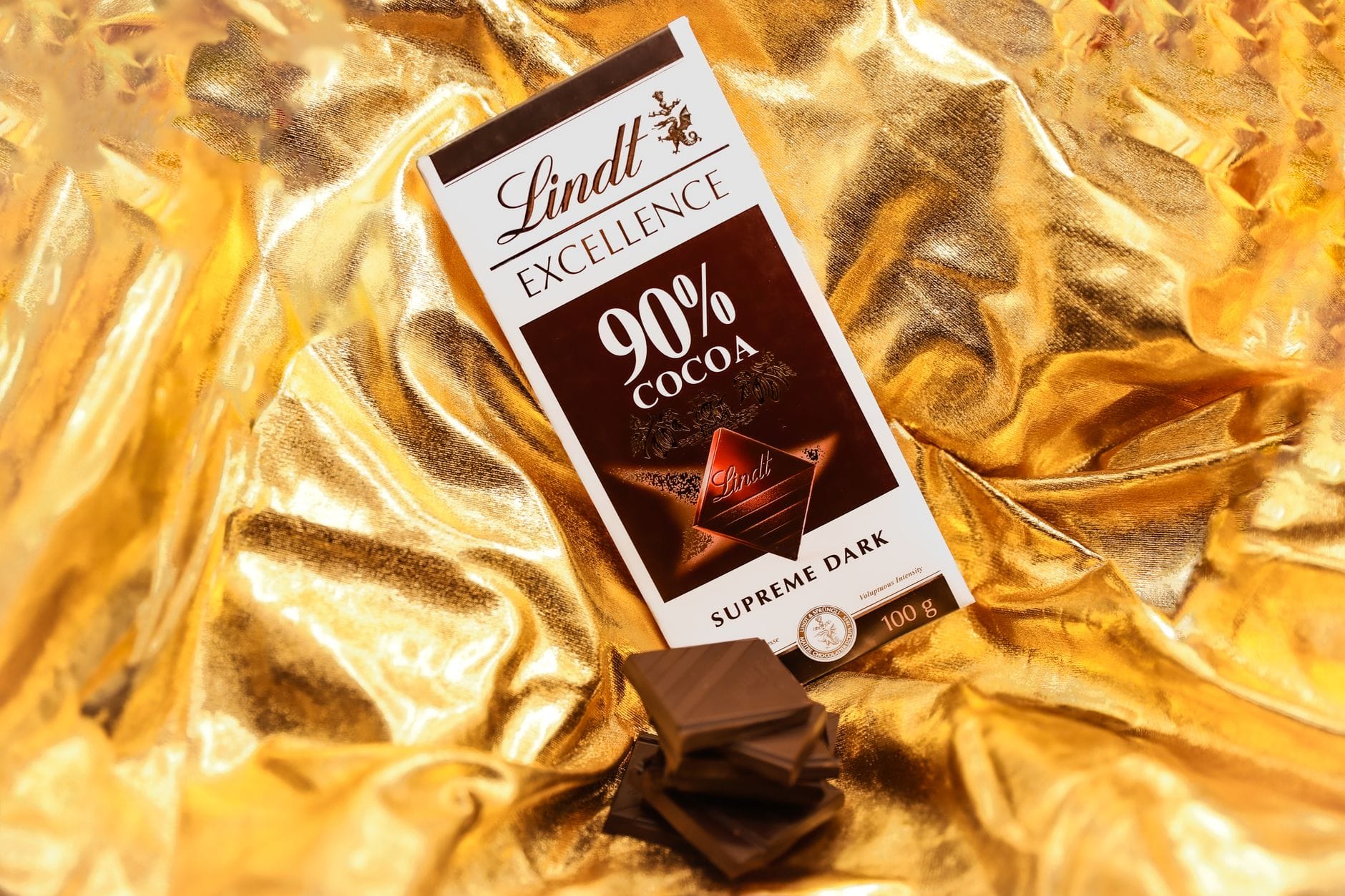
What Is the Lindt Home of Chocolate?
The Lindt Home of Chocolate opened in 2020 on the grounds of Lindt's historic Kilchberg factory, where Swiss chocolate has been produced since 1899. It is not a factory tour in the traditional sense. It is a purpose-built museum, research centre, and visitor experience designed by acclaimed Swiss architecture firm Christ & Gantenbein, and developed by the Lindt Chocolate Competence Foundation. The result is a polished, well-funded attraction that manages to be genuinely educational without feeling like a corporate advertisement.
The building itself is worth noting before you even step inside. Christ & Gantenbein gave the structure clean, contemporary lines that complement rather than compete with the factory behind it. Floor-to-ceiling glazing at key points frames views toward Lake Zurich, reminding you that this is a lakeside community, not just a chocolate town.
💡 Local tip
The Zürich Card covers a 20% discount on admission. If you plan to use public transport during your stay, the card often pays for itself on a single day of sightseeing. Confirm current card benefits at the official Zürich Tourism site before your visit.
The Chocolate Fountain: The Moment Everyone Photographs
The centrepiece of the Lindt Home of Chocolate is a nine‑metre‑tall flowing chocolate fountain. It sits in the atrium and is the first major thing you see after passing through the entrance. The effect is theatrical: warm liquid chocolate cascades continuously down a sculpted column, and the room carries a faint, warm cocoa scent that intensifies as you approach. It is the kind of installation that makes adults reach for their phones as quickly as children do.
Practically speaking, the fountain is a centrepiece rather than an interactive tasting point. The sampling happens elsewhere in the exhibition, and there is no shortage of it. Guides hand out chocolate throughout the tour, and the types correspond to what is being explained at each station. You leave having tasted considerably more than you expected.
Tickets & tours
Live prices and dates from our booking partner. If you book, we may earn a commission at no extra cost to you.
The Exhibition: More Depth Than You Might Expect
The Chocolate Tour moves visitors through the full arc of chocolate history, beginning with cacao cultivation in West Africa and Central America, then tracing the crop's journey to Europe and eventually to Switzerland. The panels and multimedia displays cover the botany of the Theobroma cacao tree, the fermentation and roasting processes, and the invention of the conching machine by Rodolphe Lindt in 1879, which produced the smooth, melt-in-the-mouth texture that defines modern milk chocolate.
This is where the museum earns its credibility. The conching revolution is not merely mentioned; the exhibition explains the chemistry, the change it produced in chocolate texture, and why it gave Swiss chocolate makers a competitive edge that lasted decades. For visitors with even a passing curiosity about food science, these sections are absorbing.
The exhibition also addresses the global supply chain honestly, including the importance of sustainable cacao sourcing. Kilchberg is about ten kilometres from the centre of Zurich, and the journey itself is pleasant: the S-Bahn skirts the western edge of Lake Zurich, and on a clear day the water and surrounding hills make for a decent introduction to the broader Lake Zurich area before you arrive.
ℹ️ Good to know
The Chocolate Tour is included in your admission ticket. Guided group tours are available with advance booking. Individual visitors follow a self-guided route through the exhibition, with multilingual information panels throughout.
Getting There: Train Beats Car
The easiest approach from central Zurich is the S8 or S24 from Zurich Hauptbahnhof to Kilchberg, running roughly every fifteen minutes. The journey takes around ten to twelve minutes, and from Kilchberg station you can walk to the museum in about ten minutes. Alternatively, Bus 165 from Bürkliplatz runs directly to the Lindt & Sprüngli stop at the factory, which is useful if you are combining the trip with time along the lake promenade.
By car, follow the Thalwil-Rüschlikon motorway exit and the brown Lindt directional signs to Schokoladenplatz 1. Parking is available in an underground car park, entered from Seestrasse 204. That said, the train is more straightforward and removes the stress of finding parking, particularly on weekends. For broader guidance on moving around the city, the getting around Zurich guide covers ZVV fare zones, day passes, and the Zürich Card in detail.
When to Visit and What to Expect by Time of Day
The Lindt Home of Chocolate is open daily from 10:00 to 19:00, with exceptions around Christmas and New Year. It closes on 25 and 26 December and 1 January, with reduced hours on 24 and 31 December. Check the official website for any additional closure dates before planning your trip, as occasional technical revision days do occur.
Midweek mornings are noticeably quieter than weekend afternoons. Arrive at or just after opening time and you will move through the exhibition at your own pace, with space to read panels without other visitors crowding around the displays. By early afternoon on Saturdays, particularly during Swiss school holidays, the atrium becomes considerably busier and the chocolate fountain area can feel congested for photography.
Rainy days draw higher visitor numbers than sunny ones, since many families treat it as an indoor alternative when outdoor plans fall through. If you are flexible, a weekday visit in the shoulder seasons of March to May or September to October gives the best combination of manageable crowds and pleasant train or lakeside travel conditions.
⚠️ What to skip
The museum closes on 25–26 December and 1 January, and runs reduced hours on 24 and 31 December. Always verify current opening hours on the official website before travelling, as one-off closure dates for technical revisions are announced separately.
The Shop: Budget Accordingly
The Lindt shop attached to the museum is genuinely extensive, stocking a wider range of products than most airport or city centre Lindt stores. Prices for individual bars and boxes are in line with Swiss retail, but the range of limited editions, museum exclusives, and bulk options makes it tempting to spend significantly more than planned. This is not a criticism, simply a practical note: decide before entering the shop whether you are buying gifts, personal stock, or nothing at all, because the displays are designed to blur that decision.
If Swiss chocolate more broadly is on your agenda, the Zurich Swiss chocolate guide covers other chocolatiers and confectionery shops worth visiting in the city itself, many of which are smaller and more artisanal than the Lindt flagship experience.
Accessibility and Family Practicalities
The building is modern and purpose-built, which means step-free access throughout the public areas. Both the S-Bahn at Kilchberg and Bus 165 from Bürkliplatz generally run with step-free vehicles. For wheelchair access specifics or details on facilities for visitors with particular requirements, it is worth contacting the museum directly before your visit, as this level of detail is not fully documented in publicly available sources.
Children under eight enter free, and the combination of interactive displays, free samples, and the fountain spectacle makes this one of the more reliable family options within day-trip range of the city. For a broader overview of family-friendly attractions in and around Zurich, the Zurich with kids guide has a range of options at different price points and distances from the centre.
Is It Worth the Trip from Zurich?
For travellers with even a moderate interest in food history or manufacturing, yes. The Lindt Home of Chocolate is better than it needs to be: the production values are high, the historical content is substantive, and the building is genuinely handsome. At CHF 17 for adults, the admission is reasonable by Swiss standards, particularly given the included tasting element.
That said, visitors primarily focused on Swiss culture, history, or art are better served by spending that time in the city centre. The Swiss National Museum at Zurich HB covers Swiss history with considerably more geographic and cultural breadth. The Lindt museum is an excellent complement to a Zurich visit, not necessarily a substitute for anything the city centre offers.
Those who actively dislike crowds, have no interest in chocolate, or are travelling on a tight schedule and weighing it against the Old Town or the lake itself may find the twenty-minute round trip by train a poor trade. But for families, chocolate enthusiasts, or anyone looking for a structured afternoon outing with a guaranteed payoff, it delivers.
Insider Tips
- Bus 165 from Bürkliplatz is the most direct public transport option and stops right in front of the factory at Lindt & Sprüngli. It also passes along the lake road, which is a pleasant approach in good weather.
- The free samples during the exhibition are more generous than you might expect. You do not need to buy anything in the shop to leave feeling satisfied, but few people manage to resist entirely.
- If you are visiting with children, the fountain area gets crowded fast on weekend afternoons. Get there within the first thirty minutes of opening for clear sightlines and better photographs.
- Combine the trip with a walk along the lake in Kilchberg or a short onward journey to Rüschlikon before returning to Zurich. The lakeside path between stops is well maintained and signposted.
- Zürich Card holders receive 20% off admission. If you are in Zurich for two or more days and plan to use public transport regularly, calculate whether the card saves money overall before buying admission at the door or online.
Who Is Lindt Home of Chocolate For?
- Families with children aged 5 and up looking for a structured, weatherproof half-day activity
- Food and culinary history enthusiasts interested in Swiss chocolate's industrial origins
- Travellers on a two-day Zurich itinerary who want a short, easy day trip beyond the city centre
- Groups looking for a shared experience with clear start and end points and a built-in shop for souvenirs
- Visitors combining a lakeside walk with an indoor cultural stop
Nearby Attractions
Other things to see while in Lake Zurich Area:
- Bürkliplatz & Boat Pier
Bürkliplatz sits where Bahnhofstrasse meets Lake Zurich, a broad public square framed by water, mountains, and daily city life. Free to visit at any hour, it serves as a promenade, a cruise departure point, and a quiet front-row seat to the lake.
- Lake Zurich Promenade
The Lake Zurich Promenade, locally known as the Seepromenade, is a 3.2 km paved lakeside walkway connecting Bürkliplatz to Zurichhorn Park. Free, open year-round, and a genuine centerpiece of daily Zurich life, it rewards visitors who take time to explore its full length rather than just the popular central stretch.
- Rote Fabrik
Built as a mechanical silk-weaving mill in 1892, Rote Fabrik has spent decades as one of Zurich's most authentic alternative cultural centers. Set directly on the western shore of Lake Zurich, it hosts concerts, theater, cinema, and art exhibitions in spaces that still carry the weight of their industrial past.
- FIFA World Football Museum
Opened in 2016 on the southwestern shore of Lake Zurich, the FIFA Museum traces the global story of football across three floors and 3,000 square metres of exhibitions. From World Cup trophies to interactive installations, it rewards genuine football fans while offering enough visual spectacle to hold the attention of curious non-fans.
Planning a trip? Discover personalized activities with the Nomado app.