Getting Around Zurich: Transport, Airport & the Zurich Card Explained
Zurich's public transport network is one of the most efficient in Europe, but the ticketing zones and the Zurich Card can trip up first-time visitors. This guide covers everything: getting from Zurich Airport (ZRH) to the city center, how the ZVV zone system works, when the Zurich Card is worth buying, and what to know about trams, night buses, and taxis.
Tickets & tours
Live prices and dates from our booking partner. If you book, we may earn a commission at no extra cost to you.
TL;DR
- Zurich Airport (IATA: ZRH) is about 10 km north of the city; a direct S-Bahn train reaches Zurich HB in roughly 10-13 minutes.
- The city's public transport runs on the ZVV zone system. The city center is Zone 110; a one-hour single ticket costs around CHF 4.70, but airport trips require a three-zone ticket (around CHF 7–7.20).
- The Zurich Card (24h or 72h) covers unlimited ZVV transport including the airport zone, plus free or discounted entry to many attractions. See our Zurich Airport guide for full arrival logistics.
- Trams are the backbone of city transport, running every 7-10 minutes from around 05:30 until just after midnight. Night services are limited to Friday, Saturday, and pre-holiday nights.
- A Zone 110 day pass alone does not cover the airport at the correct fare stage. This is the most common ticketing mistake visitors make.
Zurich Airport: Arriving and Getting Into the City
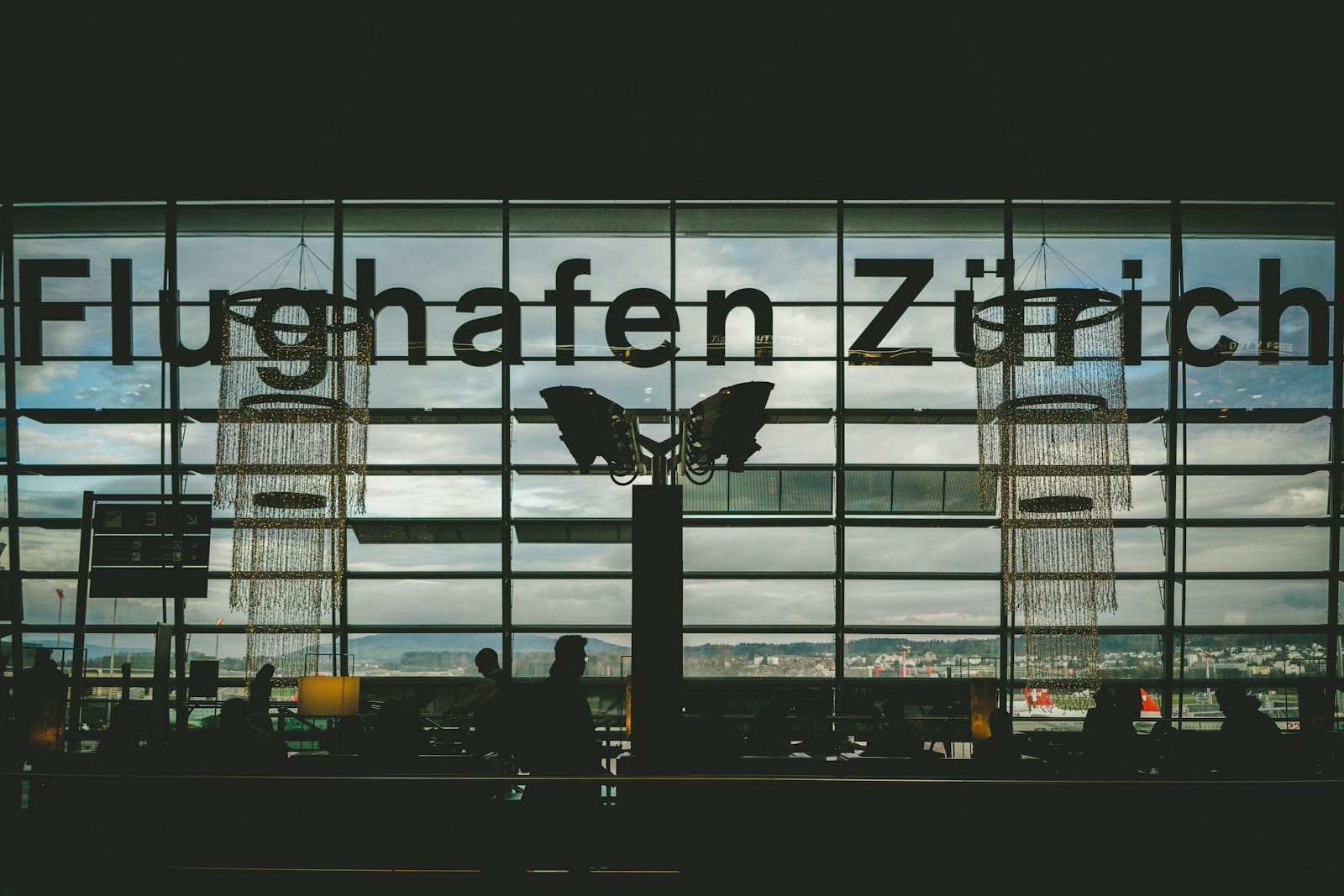
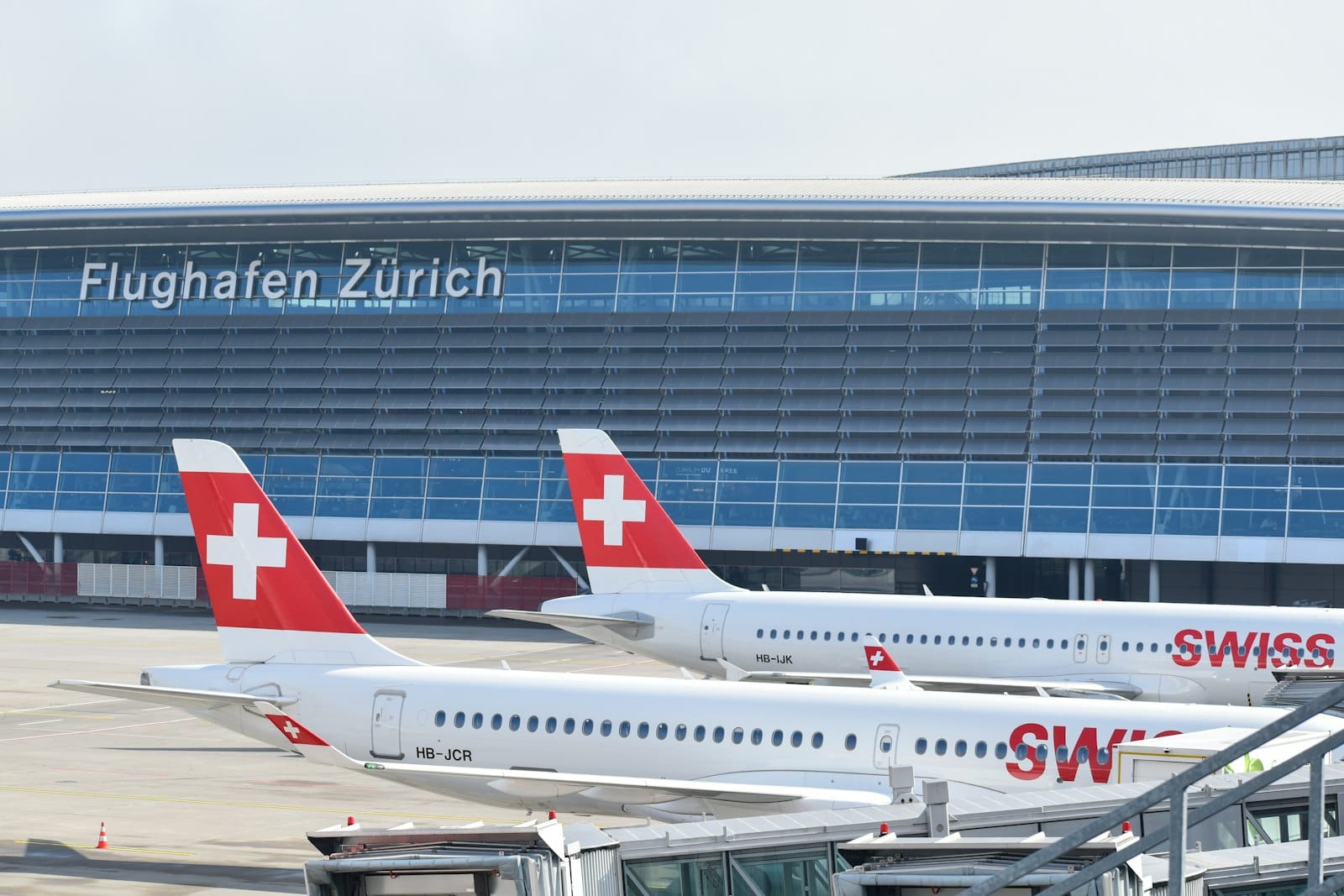
Zurich Airport (Flughafen Zürich, IATA code ZRH) sits in Kloten, about 13 km north of Zurich Hauptbahnhof (HB). It is Switzerland's largest international airport and one of the best-connected hubs in Central Europe. For most visitors arriving by air, the airport-to-city transfer is seamless, provided you buy the right ticket.
The fastest and most reliable option is the train. The airport has its own underground rail station directly beneath the terminal complex, with S-Bahn suburban services and InterCity trains departing to Zurich HB every few minutes during peak hours. Journey time is roughly 10-13 minutes. S-Bahn lines S2, S16, and several regional and intercity services all stop here. You do not need to transfer or navigate buses: the station is a short walk from arrivals via a signposted underground passage.
⚠️ What to skip
A standard Zone 110 ticket (valid for the city center) does not cover the airport at the correct fare stage. Airport station falls in Zone 121, and because Zone 110 counts as two zones you need a three-zone ticket covering 110+121. As of recent pricing, this costs around CHF 7–7.20 for a single journey or a corresponding three-zone 24-hour pass. Always check current fares on the ZVV website or SBB app before travel, as prices are updated periodically.
Taxis are available at designated ranks outside arrivals. Travel time to the city center is typically 15-30 minutes depending on traffic, but fares are considerably higher than the train. Unless you have heavy luggage, mobility constraints, or are traveling late on a weeknight when train frequency drops, the train is the objectively better choice for most travelers. App-based ride services also operate in Zurich, though availability and pickup rules at the airport are subject to Swiss regulations and change periodically.
💡 Local tip
If you arrive late on a weeknight (after midnight), check the ZVV night transport schedule before assuming a tram or train will be running. Night services in Zurich operate primarily on Friday, Saturday, and nights before public holidays. On other weeknights, you may need a taxi or pre-booked transfer.
How the ZVV Zone System Works
All public transport in greater Zurich operates under the ZVV (Zürcher Verkehrsverbund) network, a unified fare system covering trams, buses, S-Bahn trains, and some lake boats. Tickets are purchased based on zones, not on individual lines or distances. The city center of Zurich sits in Zone 110. A one-hour single ticket in Zone 110 costs around CHF 4.70, and a 24-hour day pass for Zone 110 runs around CHF 9.40.
- Zone 110 single (1 hour) Around CHF 4.70. Valid for trams, buses, and S-Bahn within the city center zone.
- Zone 110 day pass (24 hours) Around CHF 9.40. Best value for a full day of city-center sightseeing.
- Two-zone ticket (110+121, airport) Around CHF 7 for a single journey. Required for any trip to or from Zurich Airport.
- Two-zone day pass (110+121) Around CHF 18. Worth it if you arrive and then go out again the same day.
- Zurich Card (72 hours) Around CHF 56. Covers all ZVV zones including the airport, plus museum entry and discounts.
Tickets can be bought from machines at every tram stop and station, via the ZVV app, or through the SBB Mobile app. Both apps accept international credit and debit cards. Machines also take cash. You do not need to validate a separate ticket when boarding in Zurich as long as your ticket is active, but inspectors do check regularly and fines for traveling without a valid ticket are steep by any international standard.
✨ Pro tip
If you plan to use public transport more than twice a day and visit even one or two paid attractions, run the numbers on the Zurich Card before buying individual tickets. For a 2-3 day visit, it frequently pays for itself within the first day, especially if your hotel is not centrally located and you need airport-zone coverage.
The Zurich Card: Is It Worth Buying?
The Zurich Card is the city's official visitor pass, sold in 24-hour and 72-hour versions. It covers unlimited travel across the entire ZVV network, including the airport zone, which alone saves around CHF 14 if you arrive and depart by train. On top of transport, it provides free entry to over 40 museums (including the Kunsthaus Zürich and the Swiss National Museum), plus discounts at selected restaurants and attractions.
The 72-hour card costs around CHF 56 per adult. For comparison, a single Kunsthaus entry costs around CHF 24, and a two-zone airport day pass costs around CHF 18. If you visit two or three museums and use the airport train twice, the card has already paid off. It is less compelling if you are staying in a central hotel, skipping major museums, and only moving around on foot. The card is available from Zurich Airport, Zurich HB tourist information, and many hotels.
- Buy the Zurich Card at the airport on arrival to immediately cover your train into the city.
- The card activates the moment you validate it, not when you purchase it. Hold off on validating until you're ready to start your first journey.
- Free museum entry is real, not a discount. This includes some of Zurich's most expensive attractions.
- The card also covers some lake boat services operated under the ZVV umbrella within its valid zones, including selected ferries on Lake Zurich.
Trams, Buses, and S-Bahn: The Daily Reality
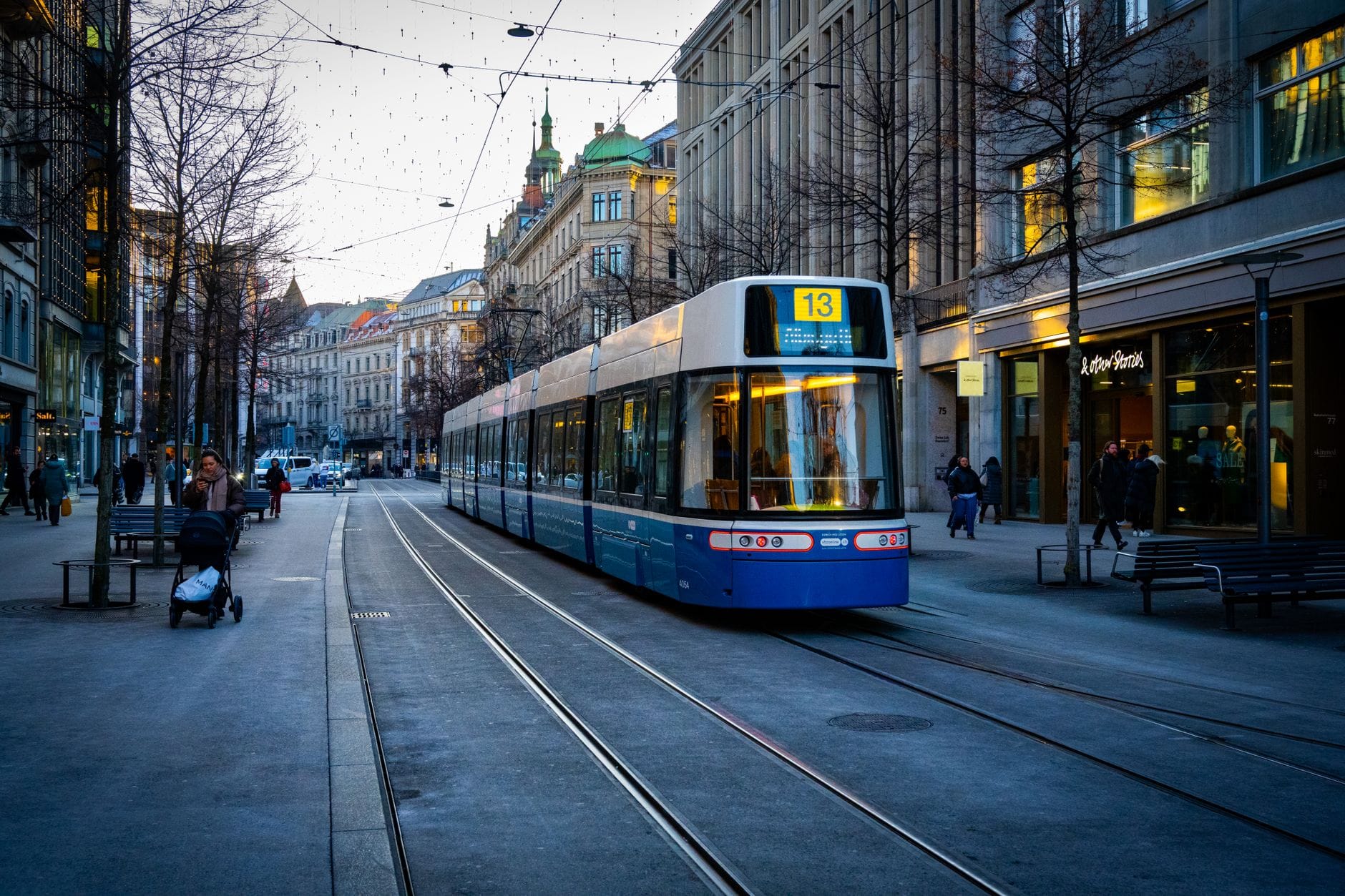
Trams are the most visible and frequent form of transport within Zurich. Routes 2, 3, 4, 6, 7, 8, 9, 10, 11, 13, 14, and 15 cover the core areas most visitors care about, from the Old Town to Bahnhofstrasse and the lake. Central tram lines run every 7-10 minutes during the day. Services start at around 05:30 and run until just after midnight.
Buses fill in where trams don't reach, particularly in hillside neighborhoods and quieter residential zones. The S-Bahn suburban rail connects Zurich HB to surrounding towns and lake communities, including Rapperswil, Winterthur, and the departure point for several good day trips. Night transport operates on a reduced schedule: on Friday and Saturday nights, and on nights before public holidays, Züri Nacht night buses run on key routes. On regular weeknights, the last trams depart before 01:00, after which you need a taxi or a pre-arranged ride.
Zurich is a compact city and much of the center is walkable, especially around Niederdorf and the Lake Zurich promenade. However, if you're staying in Zurich West or heading up to Uetliberg, public transport saves considerable time and effort.
Taxis, Bikes, and Getting Around Without a Transit Pass
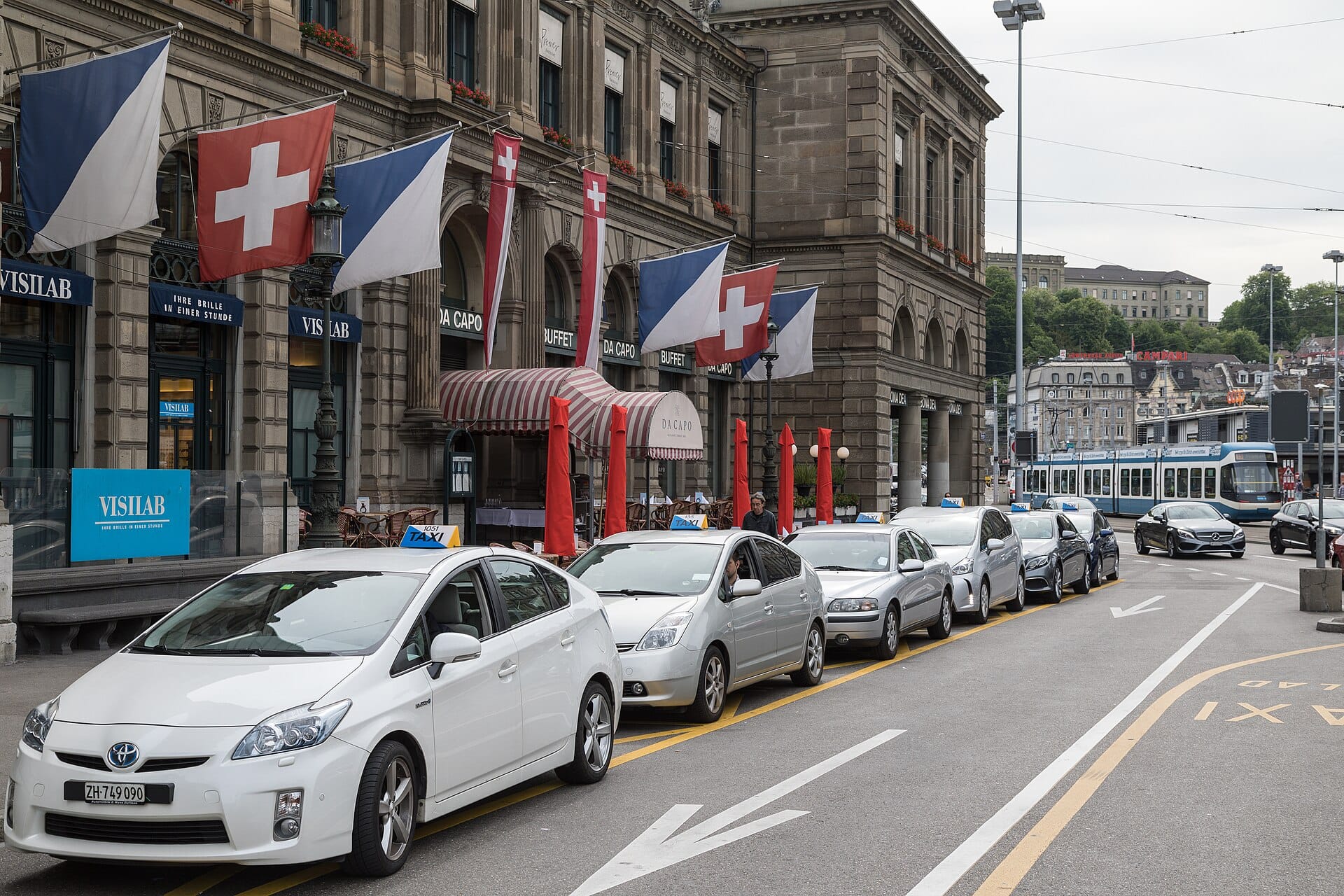
Taxis in Zurich are regulated and reliable, but expensive by most international comparisons. There are official taxi ranks at Zurich Airport, Zurich HB, and major squares around the city. Fares are metered. For a short airport-to-center trip at normal traffic hours, expect to pay significantly more than the CHF 7 train ticket. Taxis make most sense for late-night arrivals on weekdays, large groups with luggage, or locations not easily served by trams.
Cycling is a practical option in summer. The city has a well-maintained cycling network, and short-term bike rentals are available through various services, including some free options at certain stations. The Botanical Garden to Seefeld lakeside stretch is one of the better cycling routes. In winter, cycling is less appealing given the cold and occasional ice, though locals continue year-round.
Car rental is available at the airport and in the city, but driving in central Zurich is not recommended for visitors. Parking is expensive, several central streets are pedestrian-only or tram-only, and the public transport network genuinely outperforms a car for most visitor itineraries. A car becomes useful only for day trips into the countryside or mountain regions not well-served by rail.
Practical Tips Before You Go
Download the SBB Mobile or ZVV app before you land. Both let you buy tickets digitally, show real-time departures, and plan connections. This avoids queuing at machines and works on the airport train immediately. For a full picture of what to do once you're moving around the city, the things to do in Zurich guide covers the key attractions across every district.
- Buy the airport-zone ticket before you board the airport train. Inspectors check regularly and buy-on-board is not an option on most ZVV services.
- Hotel guests in Zurich sometimes receive a free ZVV transport card for the duration of their stay. Ask your hotel at check-in before purchasing a Zurich Card.
- Weekend and holiday schedules differ from weekday timetables. Always check departure times if you're catching an early morning tram to the airport.
- Children under 6 travel free on ZVV. Children aged 6-15 with a Junior Travelcard (available from SBB) also travel free when accompanied by a parent. Verify current eligibility with SBB before relying on this.
- Switzerland uses Type J plugs at 230V/50Hz. Bring an adapter if your devices use Type A, B, or G plugs.
- Emergency numbers: 112 (European general emergency), 117 (police), 118 (fire), 144 (ambulance).
If you're planning a wider Swiss trip beyond Zurich, note that the SBB Swiss Travel Pass covers national rail, most regional trains, and some lake boats. It does not replace the Zurich Card for city-specific museum entry, but it does cover the airport train and city transport in Zurich during its validity period. For those planning day trips from Zurich to Lucerne, Interlaken, or elsewhere, the Swiss Travel Pass often represents better value than point-to-point tickets.
ℹ️ Good to know
Zurich operates on Swiss francs (CHF), not euros. While some tourist-facing businesses accept euros, the exchange rate offered is unfavorable. Use CHF for transport tickets, café purchases, and anything where the displayed price is in CHF. ATMs are widely available throughout the city and at the airport.
FAQ
What is the IATA code for Zurich Airport?
Zurich Airport's IATA code is ZRH. The airport's official name in German is Flughafen Zürich. It is located in Kloten, about 13 km north of Zurich city center.
How do I get from Zurich Airport to the city center?
The fastest option is the S-Bahn train from the airport's underground station directly to Zurich Hauptbahnhof (HB), taking around 10-13 minutes. You need a three-zone ticket covering Zone 110 and Zone 121, which costs around CHF 7–7.20. Taxis are available but considerably more expensive. If you have a Zurich Card, it covers the airport zone and you can use it immediately on arrival.
Is a Zone 110 day pass enough to get to the airport?
No. Zurich Airport is in Zone 121, which is outside Zone 110 (the city center zone), and because Zone 110 counts as two zones you need a ticket at the 3‑zone fare stage covering both zones. A single trip costs around CHF 7–7.20 and a corresponding three-zone 24-hour pass is available. This is one of the most common mistakes visitors make. The Zurich Card covers all the relevant zones including the airport and is often the more cost-effective option for a multi-day visit.
Is the Zurich Card worth buying?
For most visitors staying 2-3 days who plan to visit at least two major museums and use the airport train, yes. The 72-hour card costs around CHF 56 and includes unlimited ZVV transport in zones 110, 111, 121, 140, 150, 154 and 155 (including the airport zone), free entry to over 40 museums, and various discounts. If you're staying in a central hotel, doing mostly outdoor activities, and skipping museums, it is harder to justify. Run the numbers based on your specific itinerary.
Do Zurich trams run at night?
Regular tram services run from around 05:30 until just after midnight. Night bus services (Züri Nacht) operate on Friday and Saturday nights, and on nights before public holidays. On regular weeknights, there is no comprehensive night network, so late arrivals or post-midnight travelers need a taxi or pre-booked transfer. Check the ZVV website for current night timetables.
Tickets & tours
Live prices and dates from our booking partner. If you book, we may earn a commission at no extra cost to you.
Planning a trip? Discover personalized activities with the Nomado app.