Best Things to Do in Zurich: The Definitive Guide
Zurich packs medieval churches, world-class museums, Alpine viewpoints, and lake swimming into one compact, walkable city. This guide covers the best things to do in Zurich across every budget and season, with real prices, transport details, and the honest advice most guides skip.
Tickets & tours
Live prices and dates from our booking partner. If you book, we may earn a commission at no extra cost to you.
TL;DR
- The best things to do in Zurich span three main zones: the Old Town (Altstadt), the Lake Zurich waterfront, and Zurich West, all reachable by public transport.
- Free and low-cost activities, including Old Town walks, lakefront promenades, and viewpoints, make Zurich far more accessible than its reputation suggests. See our Zurich on a budget guide for a full breakdown.
- Advance booking is essential for the Lindt Home of Chocolate and Kunsthaus Zürich special exhibitions; walk-ins work fine for most other sights.
- Outdoor activities, lake cruises, and rooftop markets peak from May to September. Winter shifts the focus to museums, fondue restaurants, and the renowned Christmas market at Zurich HB.
- Uetliberg and the Lindt Home of Chocolate make easy half-day add-ons that many visitors underestimate.
Old Town (Altstadt): Where to Start and What to Skip
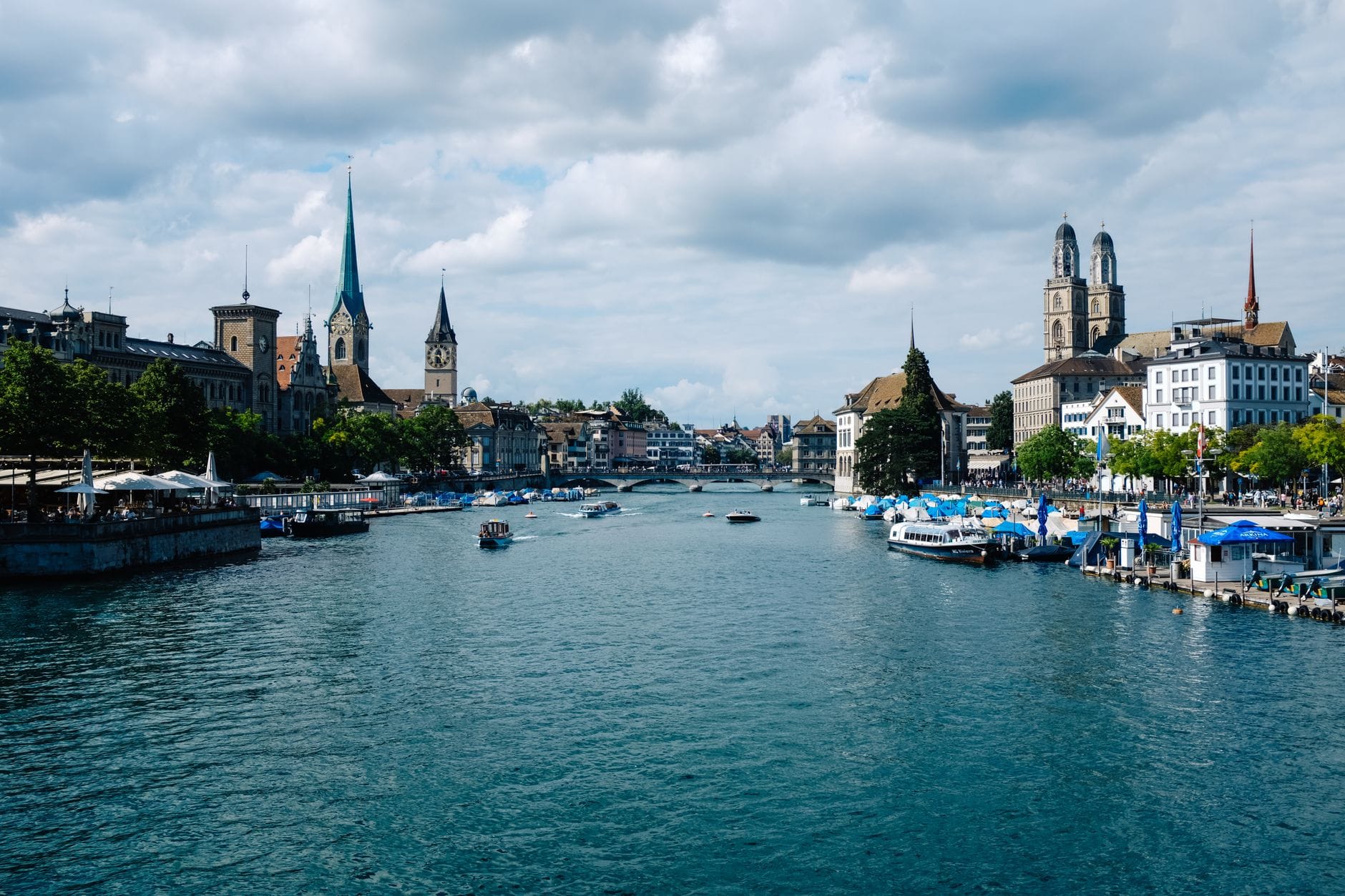
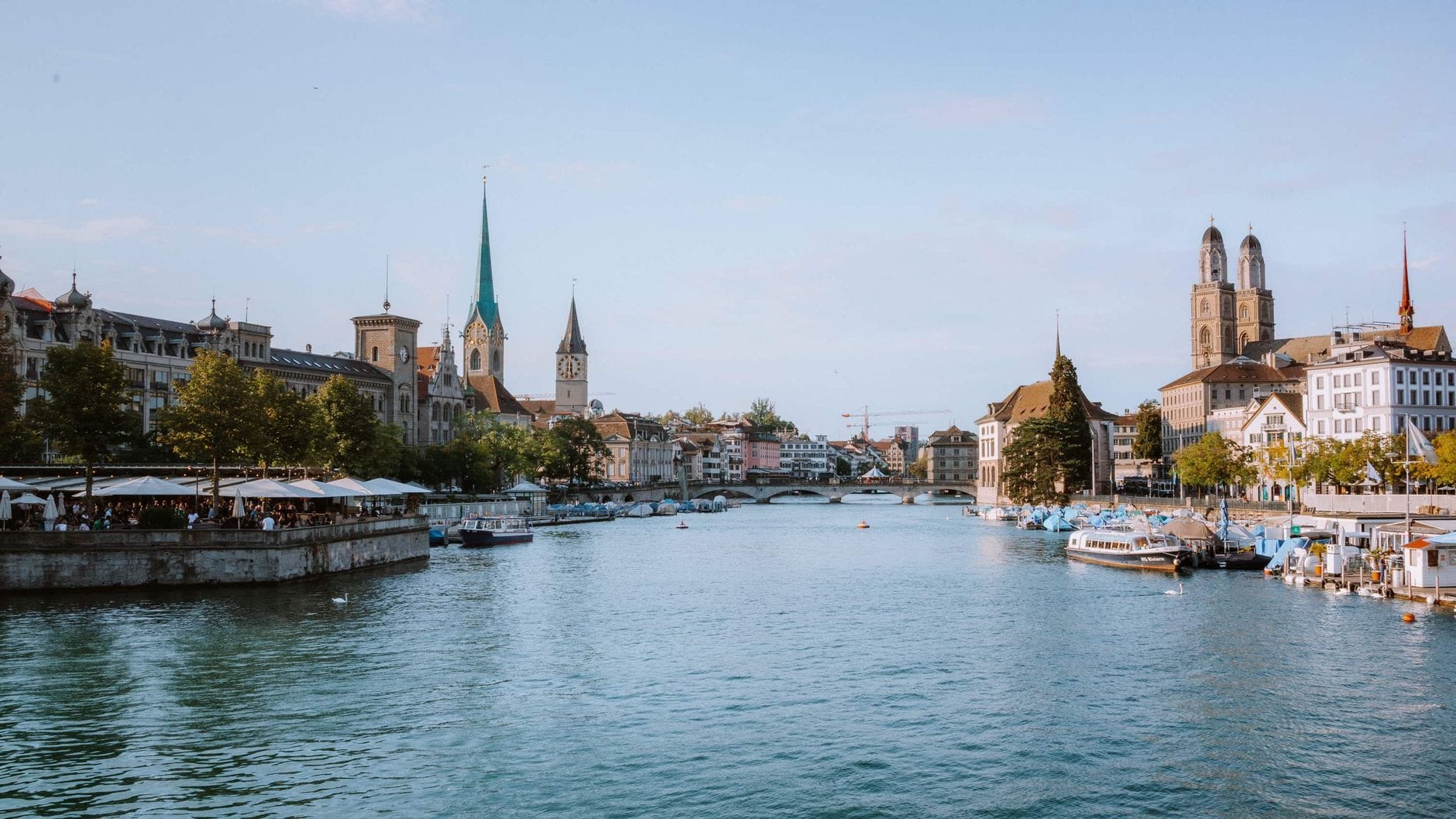
Zurich's Altstadt is the natural starting point for any visit. The historic core sits on both banks of the Limmat river, and the main landmarks cluster tightly enough that you can cover the essentials in a half-day on foot. The Grossmünster, the twin-towered Romanesque church that looms over the east bank, and the Fraumünster, famous for its Marc Chagall stained-glass windows on the west bank, are the two genuine highlights. Admission to the Fraumünster is around CHF 5, while climbing the Grossmünster tower costs CHF 5 for adults.
Just a short walk from both churches, St. Peter's Church has the largest clock face in Europe, a detail most visitors walk past without noticing. The Lindenhügel (Lindenhof), a small elevated square above the west bank, gives you one of the better free views over the rooftops and the Limmat. It takes about 10 minutes to walk up from Bahnhofstrasse and rewards the effort, especially in clear weather.
The Swiss National Museum sits directly next to Zurich HB and is the best single institution for understanding Swiss history from the medieval period to the modern era. Admission is CHF 13 for adults (permanent collection); it is closed on Mondays. If you're pressed for time and have to choose between the National Museum and the Kunsthaus, choose based on interest: history versus fine art.
💡 Local tip
The Niederdorf quarter on the east bank of the Limmat is the Old Town's most atmospheric street for cafes and small restaurants. It gets crowded on Friday and Saturday evenings, but weekday mornings are genuinely quiet. Skip the obvious tourist-trap fondue restaurants on the main drag and look for spots on the side streets.
Lake Zurich and the Waterfront: More Than a Pretty Walk
Lake Zurich (Zürichsee) anchors the city's southern edge, and the waterfront is one of the most practical places to spend time regardless of season. Bürkliplatz is the hub: the Tuesday and Friday morning farmer's market (6:00 to 11:00, free to browse) is worth the early start for fresh produce, local cheeses, and flowers. It's also the main departure point for lake cruises, which run from April through October. A standard round-trip cruise takes around 1.5 to 2.5 hours depending on the route.
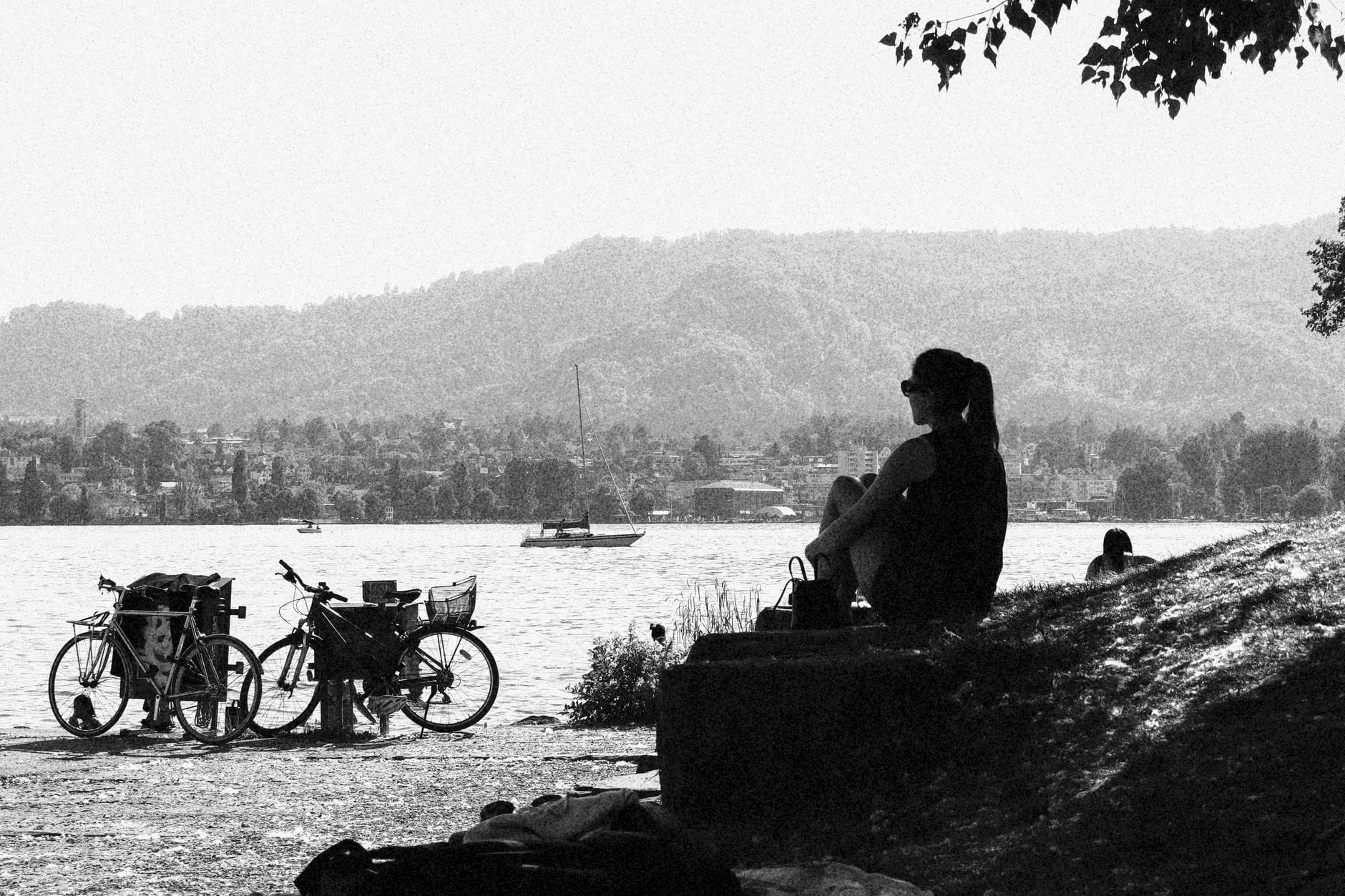
In summer, lake swimming is one of the definitive Zurich experiences. The city operates a network of public bathing areas called Badis, and Badi Letten on the Limmat river is the most popular and the most social. Entry fees are low (typically under CHF 8), and the culture around these spots is genuinely local rather than tourist-facing. For a deeper dive on options, the Zurich lake swimming guide covers timings, locations, and what to expect.
The lake promenade stretching south from Bürkliplatz toward Zürichhorn is flat, walkable, and free. Zürichhorn Park at the far end contains the Le Corbusier Pavilion, a small but architecturally significant building often overlooked by visitors focused on the main Old Town sights.
⚠️ What to skip
Lake cruises are scenic but overpriced relative to the experience if you only have one day. The standard 1.5-hour cruise covers pleasant scenery but doesn't add much context beyond what you get from the promenade walk. If time is short, skip the cruise and spend that time at Uetliberg instead.
Museums and Culture: The Ones Worth Your Time
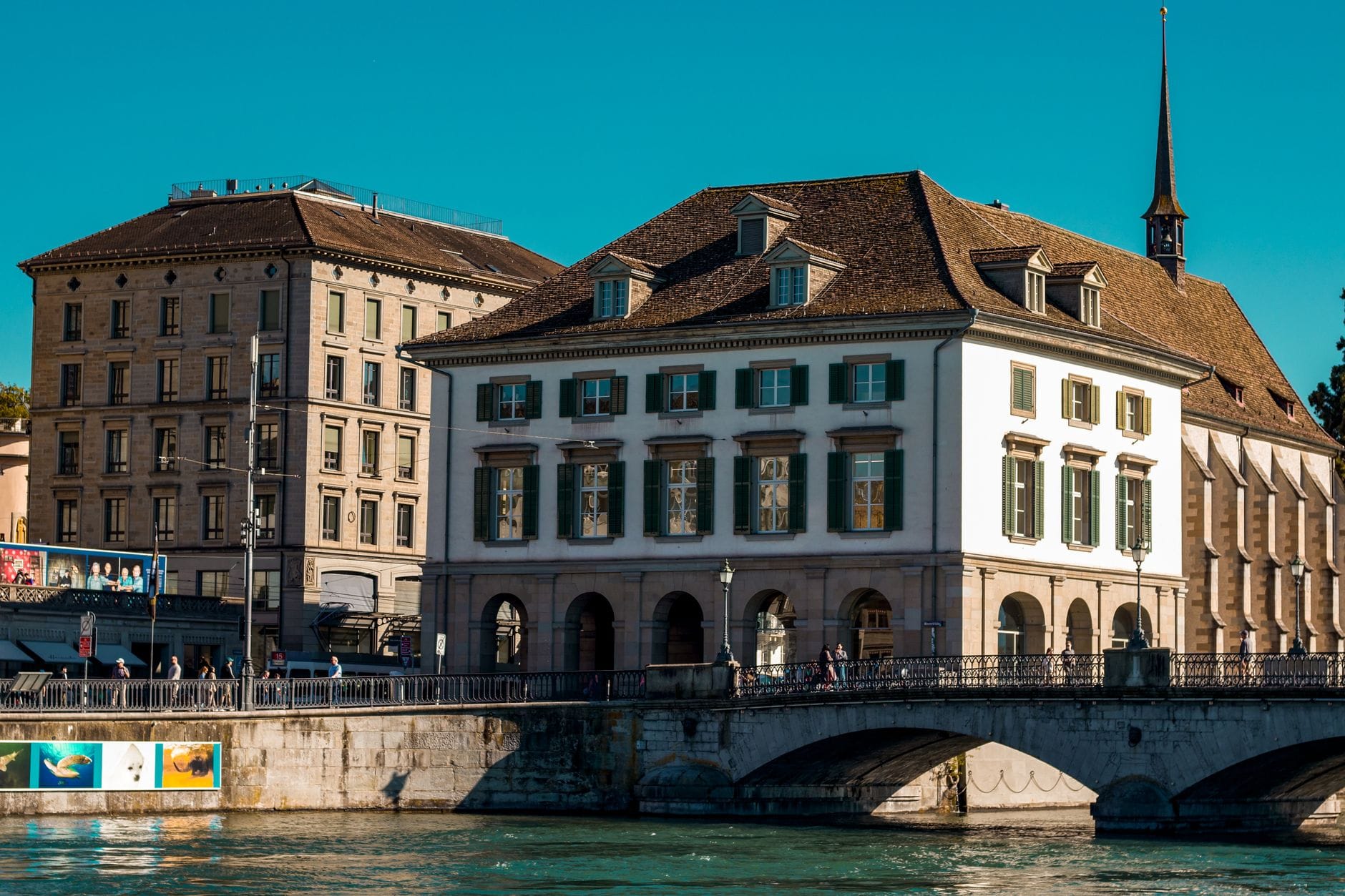
Zurich has a surprisingly deep museum scene for a city its size. The Kunsthaus Zürich is the flagship art museum and one of the largest in Switzerland, with strong holdings in Swiss and European art from the Middle Ages to the contemporary period. General admission runs around CHF 24 for adults; the permanent collection is free for everyone on Wednesdays, which makes it the obvious day to visit if your schedule allows. Opening hours are Tuesday to Sunday, 10:00 to 18:00, with Thursday evening hours until 20:00. The museum is closed on Mondays.
- Kunsthaus Zürich The top fine art museum in the city. Permanent collection free on Wednesdays; ~CHF 24 other days. Strong on Swiss Symbolism, German Expressionism, and a recently expanded contemporary wing.
- Swiss National Museum Best for historical context on Switzerland. Located next to Zurich HB. Good permanent collection for ~CHF 13; closed Mondays.
- Museum für Gestaltung Design and visual communication museum near Zurich West. Underrated by general tourists but excellent for design and typography enthusiasts.
- Rietberg Museum Non-European art collection in a lakeside villa setting. Genuinely world-class holdings in South Asian, African, and East Asian art. Quiet on weekday mornings.
- Lindt Home of Chocolate Located in Kilchberg, about 20 minutes from the city center by bus 165 or boat. Advance booking strongly recommended. Entry includes a chocolate tasting and access to a large chocolate fountain. More interesting than it sounds.
The Cabaret Voltaire in Niederdorf deserves a mention for cultural history: it's the birthplace of the Dada movement, founded in 1916. The space now operates as a cultural center and small museum. It won't take more than 45 minutes, but it rewards visitors with an interest in early 20th-century art and European intellectual history. For a full overview of Zurich's museum landscape, the best museums in Zurich guide covers admission, hours, and which ones are worth the entry fee.
Uetliberg and Getting Above the City
Uetliberg is Zurich's local mountain, sitting at 871 meters above sea level. Trains on the Uetliberg line (line S10) depart from Zurich HB roughly every 30 minutes and reach the summit station in about 20 minutes. The train ticket is covered by a standard ZVV day pass, which means if you're already using public transport, the trip costs nothing extra. From the station, it's a short walk to the summit observation tower, where the fee is around CHF 2. On clear days you can see the Alps to the south and the full spread of Lake Zurich below.
Uetliberg is most rewarding in spring and autumn when the air is clear and the crowds are lighter than in peak summer. Avoid it on foggy days in November and December when you'll see nothing from the top. The ridge trail connecting Uetliberg to Albis is a popular half-day hike for those who want to extend the trip beyond the viewpoint. The Zurich hiking guide covers this trail and other routes in more detail.
✨ Pro tip
The Zurich Polybahn is a short funicular connecting Central square to the ETH Zurich terrace, a 2-minute ride that costs around CHF 2.70 with a standard short-trip ticket and gives you a quick elevated view over the Old Town rooftops. It's one of the most overlooked quick experiences in the city center.
Zurich West and the New City: Beyond the Postcard
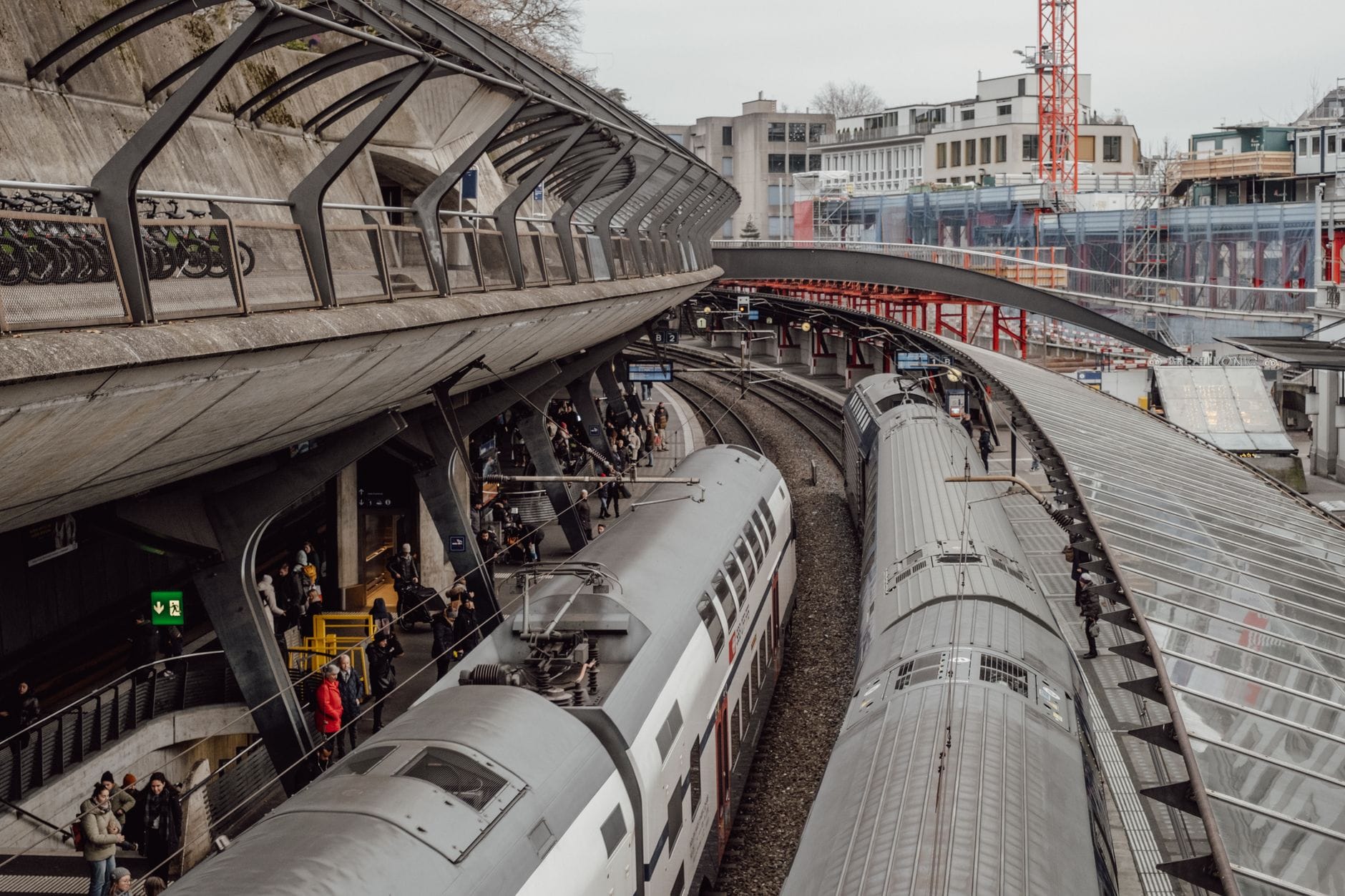
Zurich's former industrial quarter, known as Zurich West, offers a different read on the city. The Im Viadukt market hall, built into the arches of a 19th-century railway viaduct, houses independent food stalls, craft shops, and a weekend market. It's a better representation of how Zurich residents actually shop and eat than anything on Bahnhofstrasse.
Langstrasse, running through the adjacent Kreis 4 district, is the city's most mixed and least filtered neighborhood. It has a reputation that puts some visitors off, but during the day it's simply a dense urban street with immigrant-run restaurants, independent bars, and a grittier texture than the polished lakefront. The Langstrasse area is worth an evening if you want to eat well without paying Old Town prices. For nightlife specifically, the Zurich nightlife guide covers the club scene in Zurich West and beyond.
Practical Logistics: Getting Around and Timing Your Visit
Zurich's public transport network, operated by ZVV and VBZ, is frequent, reliable, and covers the entire city. Trams are the fastest way to move between neighborhoods; the main lines connect the main station to the lake, Zurich West, and the eastern districts without transfers. A ZVV day pass covering zones 110 (the city) is the most efficient option for visitors. From Zurich Airport (ZRH), the S-Bahn reaches Zurich HB in around 10 to 12 minutes; trains run approximately every 10 minutes during the day. For full transport options from the airport, the Zurich airport guide covers fares, schedules, and alternatives.
- Late spring and summer (May to September): best for lake swimming, outdoor markets, Badi culture, and Uetliberg hikes. Tourist numbers are highest; book accommodation early.
- Autumn (October to November): smaller crowds, good museum weather, and the start of the fondue season. Fog rolls into the city from mid-October but Uetliberg often sits above the cloud line.
- December: the Christmas market at Zurich HB and Niederdorf are genuinely worth visiting; see the dedicated guide to things to do in Zurich in December.
- Winter (January to February): the quietest period. Lower hotel prices, excellent museum access without crowds, and easy day-trip access to ski regions via direct train connections.
If you're planning a full itinerary, the 2 days in Zurich itinerary gives a structured sequence for covering the main sights without backtracking. For those combining Zurich with other Swiss cities, Lucerne is 45 minutes by direct train and makes the most logical day trip from the city.
ℹ️ Good to know
Tap water in Zurich is safe to drink and of high quality. There's no need to buy bottled water. Public drinking fountains are common throughout the Old Town and along the lake promenade. This is a meaningful cost saving over several days.
- Bahnhofstrasse is worth one walk for the window displays and architecture, but it's primarily a luxury retail strip. Don't spend half a day here unless shopping is your priority.
- The Zurich Zoo is well-run and genuinely good, but it's a half-day commitment and more rewarding with children. Adults visiting solo can skip it without missing something essential.
- The FIFA World Football Museum has strong production values but appeals mainly to football fans; it's not a general-interest attraction.
- Street Parade, held every August, transforms the lake district and draws over a million visitors. It's a significant experience, but plan accommodation months ahead if visiting during that weekend.
FAQ
What are the best free things to do in Zurich?
Several of Zurich's best experiences cost nothing. Walking the Old Town, visiting Lindenhof for the rooftop view, browsing the Tuesday and Friday Bürkliplatz market, and walking the lake promenade to Zürichhorn Park are all free. The Kunsthaus Zürich offers free permanent collection admission for everyone on Wednesdays. The Uetliberg trip is included if your ZVV day pass covers the necessary zones for the Uetliberg line.
How many days do you need in Zurich?
Two full days covers the main sights comfortably: one day for the Old Town, museums, and lake waterfront; one day for Uetliberg, Zurich West, and a market. Three days allows you to add a day trip to Lucerne or the Lindt Home of Chocolate without rushing the city itself.
What is Zurich like in December?
December is one of the best months to visit Zurich for atmosphere. The Christmas market at Zurich HB is one of the largest in Switzerland, and the Niederdorf quarter runs a parallel market along the medieval streets. Museums are uncrowded, and the city is compact enough that cold weather is not a major obstacle. Fondue and raclette restaurants come into their own in winter.
Is Zurich worth visiting for just one day?
Yes, but you need to be selective. One day is enough for the Old Town core (Grossmünster, Fraumünster, Lindenhof), a walk along the lake to Bürkliplatz, and either the Swiss National Museum or Kunsthaus Zürich. Skip Uetliberg and the Lindt Home of Chocolate on a single-day visit; both require half a day each and reduce time in the city center.
What is the best area to stay in Zurich for sightseeing?
The area around Zurich HB (the main station) gives the best access to public transport and puts you within walking distance of the Old Town and lake. The Niederdorf and Seefeld districts are quieter alternatives closer to the eastern waterfront. Avoid staying in Oerlikon if your main interest is sightseeing; it requires an extra tram or train ride for every attraction.
Tickets & tours
Live prices and dates from our booking partner. If you book, we may earn a commission at no extra cost to you.
Planning a trip? Discover personalized activities with the Nomado app.