Zurich on a Budget: How to Visit Without Breaking the Bank
Zurich has a reputation for being one of Europe's priciest cities, and that reputation is not entirely undeserved. But with the right approach to accommodation, food, transport, and timing, a daily budget of CHF 110–145 per person is genuinely achievable. This guide breaks down exactly where to save and where it's worth spending a little more.
Tickets & tours
Live prices and dates from our booking partner. If you book, we may earn a commission at no extra cost to you.
TL;DR
- A realistic low-end daily budget is CHF 110–145 per person, covering a hostel dorm, supermarket meals, public transport, and free attractions.
- The Zürich Card gives unlimited tram, bus, train, and boat travel plus museum discounts — worth it if you plan to visit 2+ museums. See getting around Zurich for full transport details.
- Avoid Zurich in early August (Street Parade) and over Christmas — accommodation prices spike sharply. February to April and November offer the best value.
- Zurich's public fountains provide free, safe drinking water throughout the city — skip bottled water entirely.
- Dozens of free things to do in Zurich exist, from lakeside walks to world-class viewpoints — you don't need to spend much to see the city properly.
What Does Zurich Actually Cost? A Realistic Budget Breakdown
Zurich consistently ranks among the most expensive cities in Europe, and the sticker shock is real if you walk into a restaurant and order without thinking. A sit-down dinner with a glass of wine can easily run CHF 50–70 per person. But that number tells only part of the story. Budget travelers who eat from supermarkets, stay in hostel dorms, and lean on the city's extensive free offerings routinely get through a day for CHF 110–145 all-in.
- Accommodation Hostel dorm beds typically run CHF 50–100 per night. Private hostel rooms sit closer to CHF 100–120. Budget hotels outside the city center start around CHF 120–150 for a double.
- Food A Migros or Coop supermarket lunch (sandwich, drink, fruit) costs CHF 8–12. A restaurant lunch special (Tagesmenü) is CHF 18–25. Dinner in a mid-range restaurant is CHF 35–55 per person without drinks.
- Transport A single tram or bus ticket within the city zone costs around CHF 2.70 (short trip) to CHF 4.40 (standard zone). A 24-hour pass for the city is around CHF 8.80. The Zürich Card covers more and includes museum access.
- Activities Many of Zurich's best experiences are free: the lakefront, the Lindenhügel viewpoint, free museum days, public swimming spots. Paid museum entry typically runs CHF 10–20.
ℹ️ Good to know
Prices across transport, museums, and accommodation change regularly. Always verify current rates with official sources: ZVV (zvv.ch) for transport, Zürich Tourism (zuerich.com) for the Zürich Card, and individual museum websites for entry fees before you book.
When to Visit for the Best Prices
Timing your visit is arguably the single biggest budget lever. Zurich has two pronounced price spikes: the summer high season (June through August) and the Christmas and New Year period. During these windows, hostel dorms that cost CHF 55 in April can jump to CHF 90 or more, and flights from most European cities follow the same pattern.
The Street Parade in early August is a particular trap for budget travelers. It is one of Europe's largest techno festivals, drawing over a million visitors into a city of 436,000 residents. Accommodation within reasonable distance sells out months in advance, and the prices that remain are punishing. If electronic music and massive crowds appeal to you, the Zurich Street Parade guide has full details. If not, that weekend is simply one to avoid.
The best-value windows are February through April and the month of November. Winter brings genuinely cold weather (temperatures hovering near freezing, occasional snow) but also noticeably lower room rates, thinner crowds at major attractions, and the kind of atmospheric fog that settles over the lake and makes the city feel like a different place. Spring is arguably the sweet spot: prices haven't risen yet, the weather is turning mild, and the city is at its least crowded.
⚠️ What to skip
Avoid Zurich during the Street Parade (early August) unless you've booked accommodation 3–4 months out. Prices during this period bear no resemblance to normal market rates, and nearby towns like Winterthur fill up quickly too.
Budget Accommodation: Where to Stay Without Overspending
Zurich's hostel scene is decent but not enormous. Dorm beds in central hostels run CHF 50–100 depending on season and room size, which is expensive by European standards but reasonable given the city's overall cost level. Private hostel rooms (CHF 100–120) represent reasonable value if you're traveling as a couple and want privacy without paying hotel prices.
The smarter play for budget travelers is to look beyond the city center. Towns like Winterthur (20 minutes by train) and Rapperswil (40 minutes) often offer accommodation at 30–40% less than equivalent options in central Zurich. Zurich's S-Bahn network is efficient enough that commuting in for the day is genuinely painless. This approach suits travelers who are exploring the wider region anyway, since you're already positioned outside the city.
✨ Pro tip
If you're arriving from another city by overnight FlixBus or a late train, you effectively save one night's accommodation. The savings on even a single hostel night (CHF 55–80) can meaningfully shift your daily average.
Eating Well Without Paying Restaurant Prices
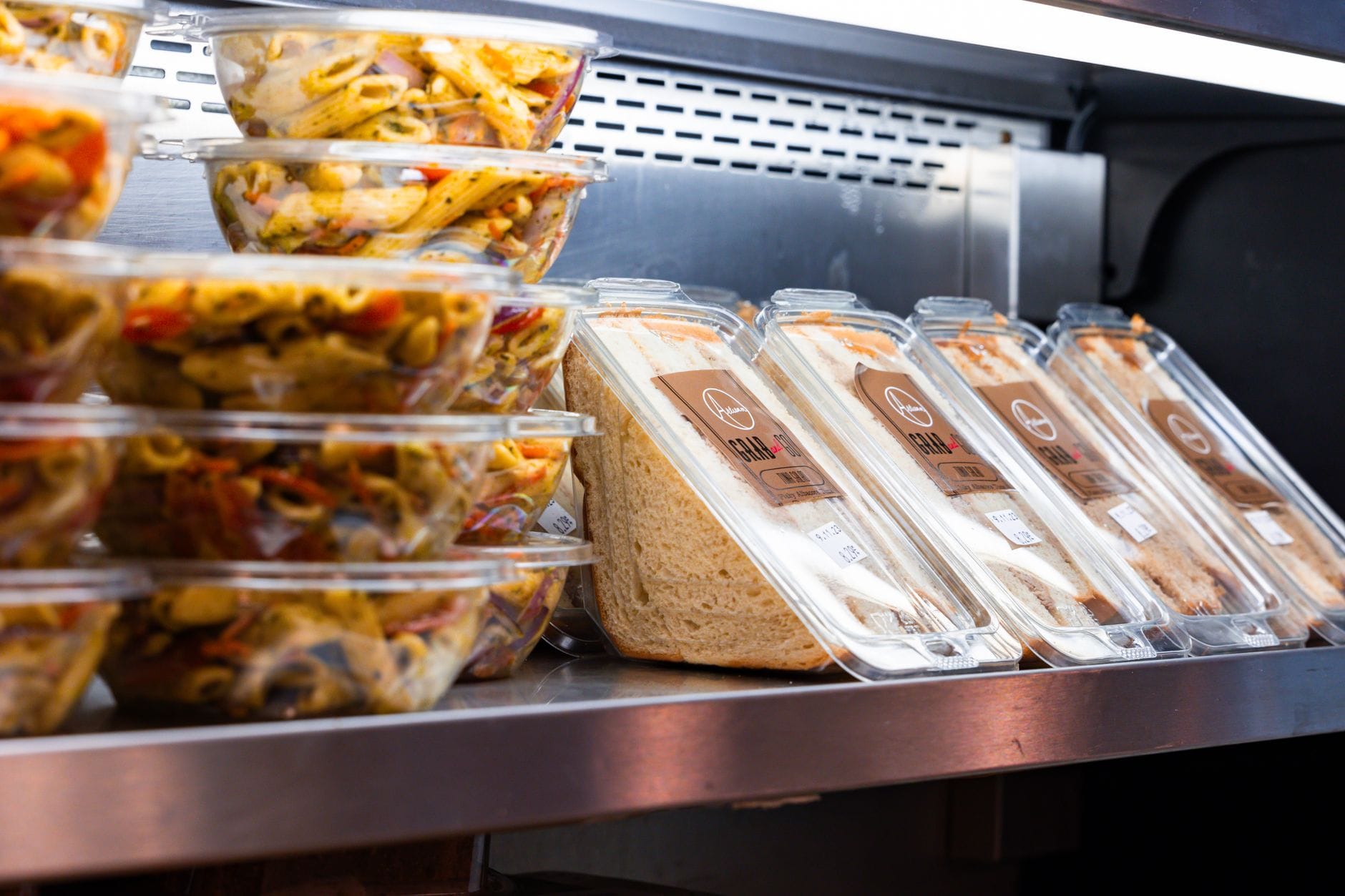
Food is where Zurich's costs bite hardest if you're not paying attention. Swiss restaurants are not cheap, and the expectation in many establishments is that you'll order a full meal plus drinks. The saving grace is that Switzerland's supermarket chains, Migros and Coop, are genuinely good. Both stock fresh sandwiches, sushi, salads, hot deli items, and decent coffee at prices that, while not budget by European standards, are reasonable for Switzerland.
- Migros and Coop have branches throughout the city center, including near the main station and in Niederdorf. A filling lunch costs CHF 8–12.
- Many restaurants offer a Tagesmenü (daily lunch menu): a two-course set meal for CHF 18–25, often including a drink. This is typically the most affordable way to eat at a proper restaurant.
- Kebab shops and Asian restaurants in Langstrasse and the surrounding area offer the cheapest hot meals in the city — expect CHF 12–16 for a filling plate.
- Markets like the Saturday market at Bürkliplatz sell seasonal produce cheaply and are worth visiting even if you're not self-catering.
- Coffee from a café runs CHF 4–6. Getting it from a Migros or Coop in-store café (around CHF 2–3) is a legitimate shortcut that locals use.
If you want a proper sit-down dinner without breaking your budget, explore Zurich West and Niederdorf. Both neighborhoods have a wider range of price points than the lakefront tourist corridor, and the food quality is often better for the money.
Getting Around: Transport Passes and Free Options
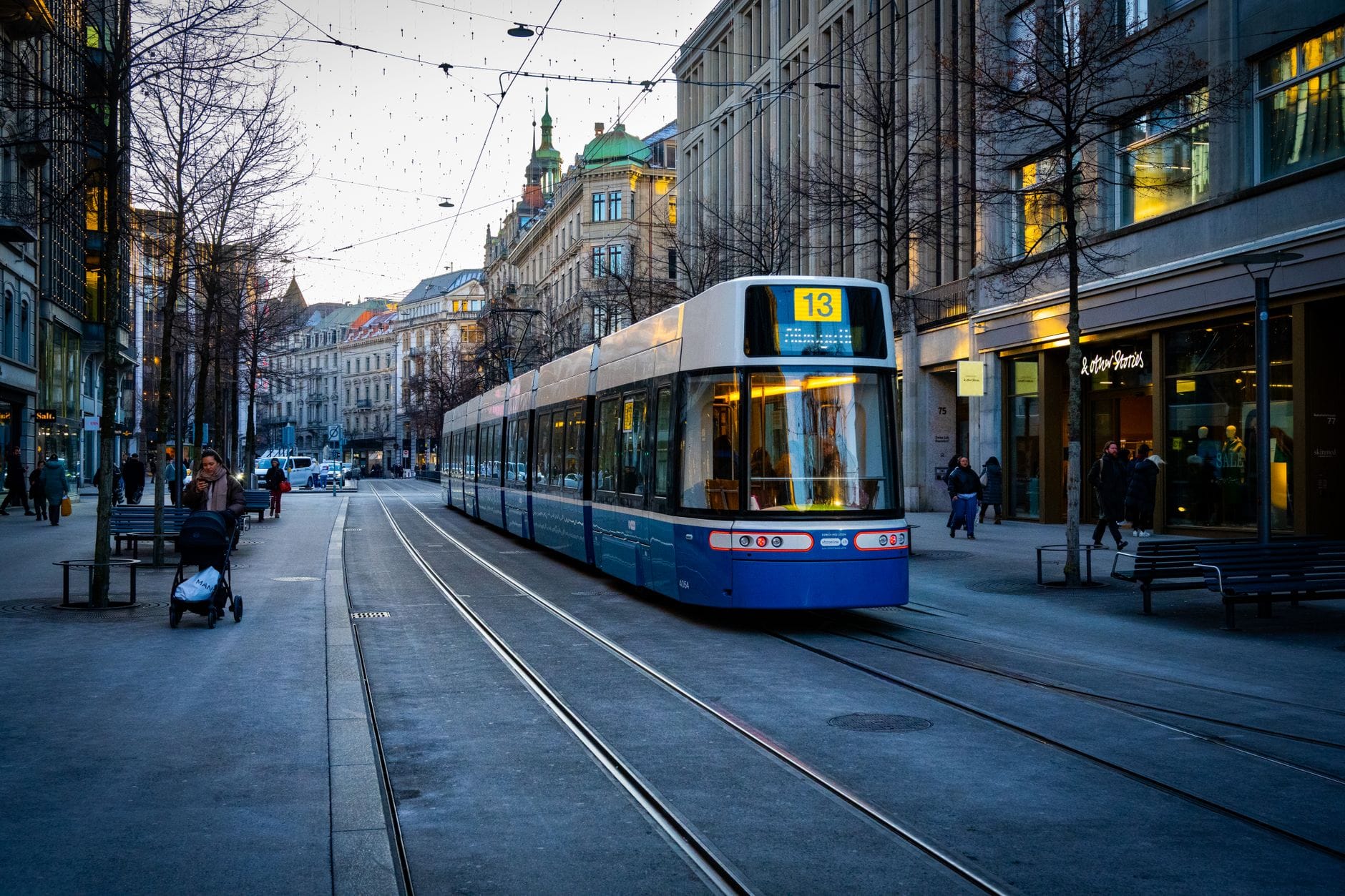
Zurich's public transport network, operated by ZVV (Zürcher Verkehrsverbund), is excellent in the literal sense: punctual, comprehensive, and covering the entire urban area with trams, buses, S-Bahn suburban trains, and lake boats. The trade-off is that it costs more than most European city networks.
For stays of two days or more, the Zürich Card deserves serious consideration. It provides unlimited travel on all ZVV services within the city zone (2nd class), free or discounted entry to over 40 museums, and various other reductions. The 24-hour and 72-hour versions are available; current pricing is listed on the official Zürich Tourism website and should be verified before purchase since rates are updated periodically.
Getting from the airport to the city center is one area where it pays to be deliberate. The S-Bahn train from Zurich Airport (ZRH) to Zurich Hauptbahnhof (HB) takes roughly 10–15 minutes and runs frequently throughout the day. It is significantly cheaper than a taxi (which can run CHF 50–70+ depending on traffic and time of day). The Zurich Airport guide covers all connection options in detail.
For central Zurich itself, walking is often the fastest and cheapest option. The Altstadt, Niederdorf, the lakefront, and Bahnhofstrasse are all within comfortable walking distance of each other. The Polybahn funicular, which connects Central square to the ETH university area, is a short, inexpensive ride and one of the city's quiet pleasures.
- City bikes and e-bikes are available from bike-sharing schemes at locations including near the main station; you pay usage fees rather than a simple refundable deposit.
- The lake promenade from Bürkliplatz south along both shores is entirely free and provides some of Zurich's best views without spending anything.
- Night transport in Zurich runs on weekends — check ZVV timetables for current Nachtbus and Nachttram schedules to avoid expensive late-night taxis.
Free and Low-Cost Things to Do
The honest answer to 'what can I do in Zurich for free?' is: quite a lot. The city's greatest assets, Lake Zurich, the medieval Altstadt streets, the hilltop views, and the public swimming spots, cost nothing to enjoy. A full breakdown is in the free things to do in Zurich guide, but the highlights worth knowing for budget planning are listed below.
- Lindenhügel (Lindenhof) A raised terrace in the Altstadt offering views over the Limmat river and the old town's roofline. Free, always open, and rarely crowded in the early morning.
- Lake Zurich promenade Walking the lakefront from Bürkliplatz south through Zurichhorn Park and beyond is one of the best ways to spend a half-day in the city. No entry fee, no crowds outside summer weekends.
- Grossmünster and Fraumünster Zurich's two landmark churches are largely free, though the Fraumünster charges CHF 5 admission for tourist visits to see the Chagall windows (free only for prayer or reflection). Tower access at Grossmünster has a separate small fee. The Fraumünster's Chagall windows are among the most striking pieces of 20th-century stained glass in Europe.
- Free museum days Several of Zurich's museums offer free admission on specific days or evenings. The Kunsthaus, Switzerland's largest art museum, has designated free periods. Check individual museum websites for current schedules.
- Tip-based walking tours Free (tip-based) walking tours run daily from central meeting points and are consistently one of the best introductions to the city for first-time visitors. Pay what you think it was worth at the end.
- Uetliberg hike Zurich's local mountain is reachable by S-Bahn on a standard city ticket. The summit at 870m offers panoramic views of the city, lake, and Alps on clear days. The hike itself is free once you're up there.
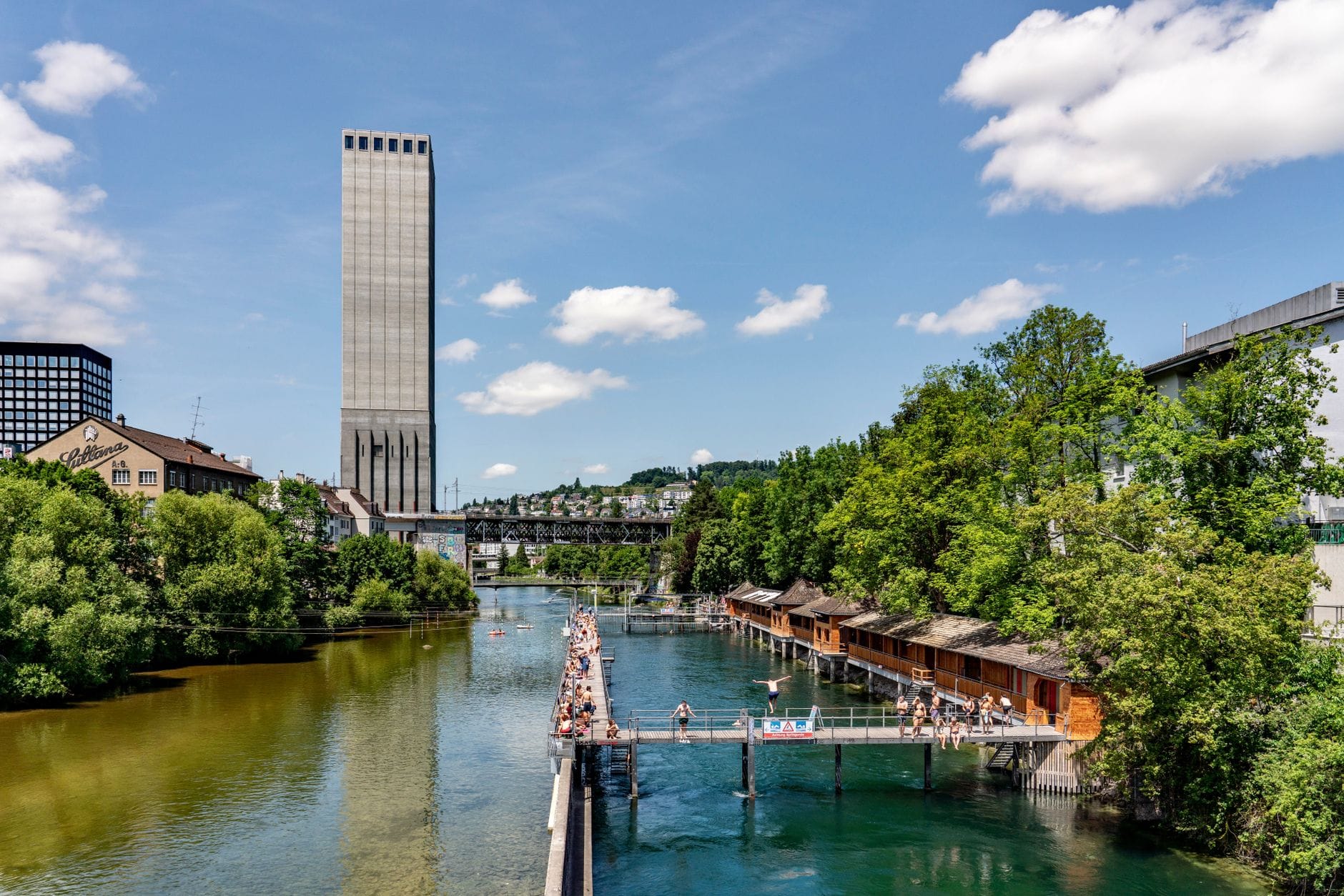
In summer, the public Badis (open-air swimming facilities along the lake and river) charge a small entry fee, typically CHF 6–8, making them among the best-value leisure options in the city. The Zurich lake swimming guide covers the best spots and what to expect. Letten, on the river Limmat, is free to access and particularly popular.
💡 Local tip
Zurich's public drinking fountains — there are hundreds of them throughout the city, many centuries old — provide safe, high-quality tap water for free. Fill a reusable bottle at your hostel or at any street fountain and skip bottled water entirely. It's one of the easiest daily savings in the city.
FAQ
Is Zurich really too expensive for budget travelers?
Not if you plan properly. A daily budget of CHF 110–145 is achievable with hostel accommodation (CHF 50–80 for a dorm), supermarket meals (CHF 15–25 for the day), public transport (a day pass or Zürich Card), and free or low-cost activities. It's more expensive than most European cities, but it's not impossible to manage on a genuine budget.
What is the Zürich Card and is it worth buying?
The Zürich Card gives unlimited 2nd-class travel on trams, buses, trains, boats, and the cable car within the city zone, plus free or discounted entry to over 40 museums and various other reductions. It comes in 24-hour and 72-hour versions. Whether it's worth buying depends on how many museums you plan to visit — if you'd otherwise pay for 2 or more museum entries plus transport separately, it usually saves money. Verify current pricing at zuerich.com before purchasing.
What are the cheapest months to visit Zurich?
February through April and November generally offer the lowest accommodation prices and smallest crowds. Avoid June through August (especially early August during the Street Parade) and the Christmas/New Year period, when prices spike significantly.
Is it worth staying outside Zurich to save money?
Yes, for many travelers. Towns like Winterthur (20 minutes by train) and Rapperswil (40 minutes) have noticeably cheaper accommodation than central Zurich, and Zurich's S-Bahn network makes commuting easy. If you're also interested in exploring the region, this approach lets you combine budget accommodation with broader sightseeing.
Are there really free things to do in Zurich, or is everything expensive?
There are genuinely free options that represent some of the city's best experiences: the lakefront promenade, the Altstadt streets, the Lindenhof viewpoint, Grossmünster (main nave entry free; tower has a small fee), tip-based walking tours, free museum days at several institutions, and the Uetliberg hike (just pay the S-Bahn fare). Note that the Fraumünster charges CHF 5 for tourist visits (Chagall windows). The city's public fountains provide free drinking water throughout. You can spend a full, rewarding day in Zurich without paying for most attractions.
Tickets & tours
Live prices and dates from our booking partner. If you book, we may earn a commission at no extra cost to you.
Planning a trip? Discover personalized activities with the Nomado app.