Best Day Trips from Zurich: Lucerne, Rhine Falls, the Alps and Beyond
Zurich sits at one of the best-connected points in Europe for short excursions. Within two hours by train, you can reach medieval lakeside towns, one of Europe's most powerful waterfalls, and alpine peaks above 3,000 metres. This guide breaks down the best day trips from Zurich by travel time, effort, and what kind of traveller each suits.
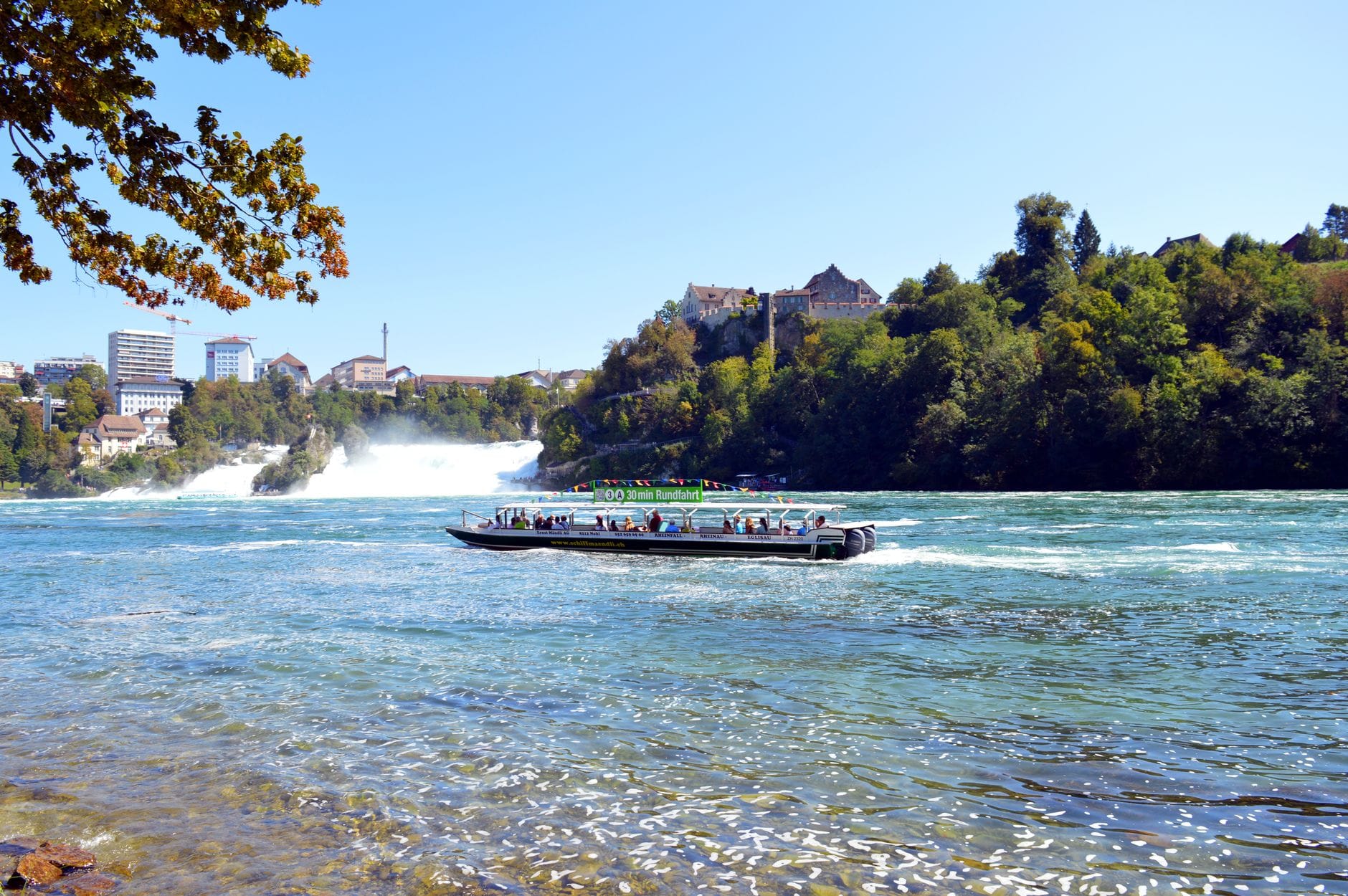
Tickets & tours
Live prices and dates from our booking partner. If you book, we may earn a commission at no extra cost to you.
TL;DR
- Lucerne is the easiest day trip: roughly 50 minutes by direct train from Zurich HB, with mountains, a lake, and a medieval old town all in one place.
- Rhine Falls is free to view from the north bank and takes about 45–55 minutes by regional train to Neuhausen am Rheinfall. Genuinely one of the best value excursions in Switzerland.
- Alpine day trips to Jungfraujoch, Mount Pilatus, or Mount Rigi are feasible in a day but require early starts and full days. Budget 8-10 hours minimum.
- A Swiss Travel Pass covers most trains and some cable cars, which significantly changes the cost equation for multi-stop or alpine trips. Check current pass coverage on sbb.ch before buying.
- Not every destination needs a guided tour. Lucerne, Rhine Falls, and Interlaken are straightforward independently. See the getting around Zurich guide for ZVV and SBB basics.
Why Zurich Is One of Europe's Best Bases for Day Trips
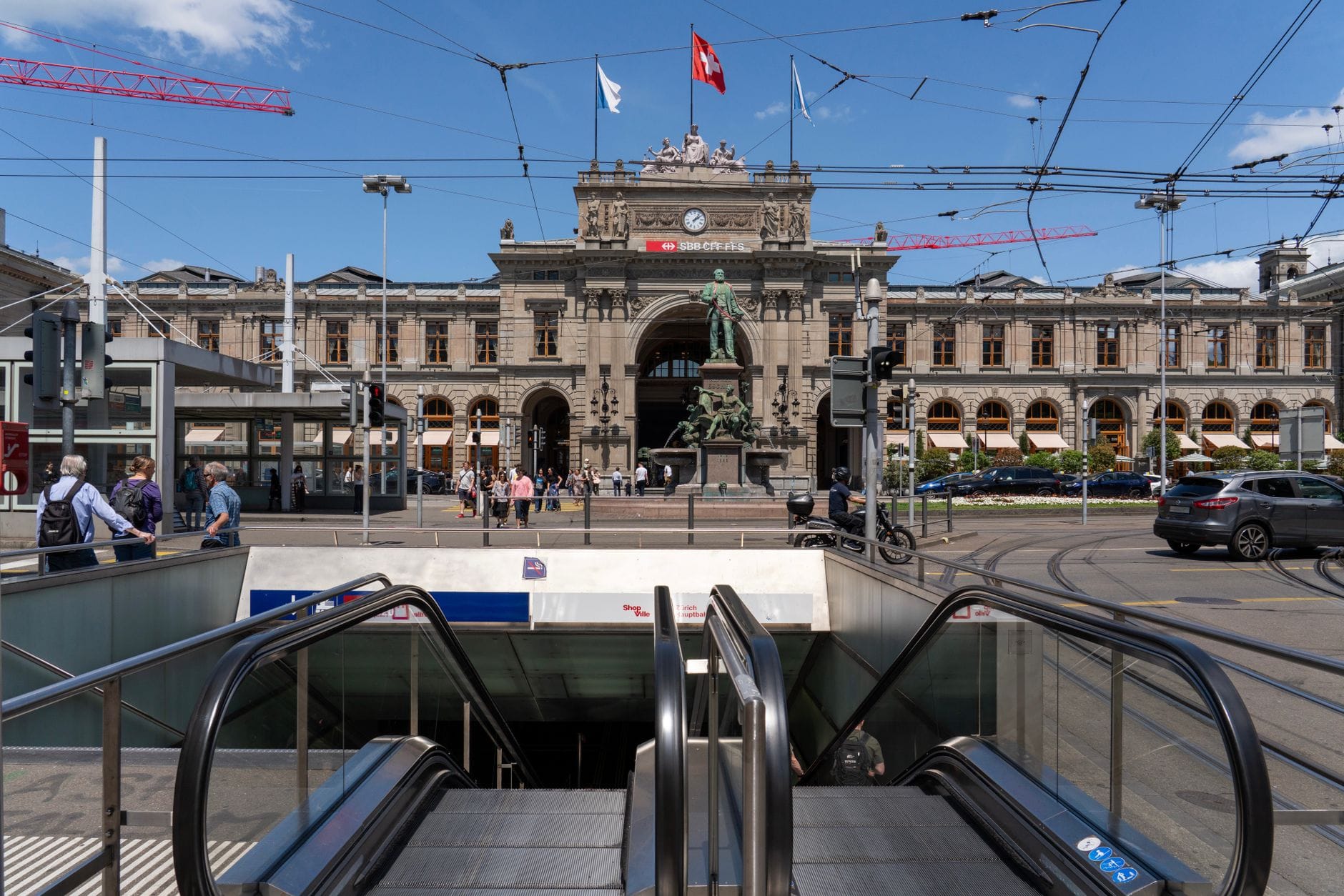
Zurich Main Station (Zürich Hauptbahnhof, or Zurich HB) is one of the busiest rail hubs in Europe, and that infrastructure is your biggest asset when planning a trip to Switzerland. Direct trains leave frequently for Lucerne, Bern, Basel, and Interlaken. InterCity and InterRegio services connect to regional lines that serve smaller towns and mountain bases. The Swiss Federal Railways (SBB) network is famously punctual, and most long-distance trains run at regular intervals throughout the day, meaning you rarely need to plan around a single departure. If you're spending two days in Zurich and want to add a day trip, even one full day out of the city is enough to see Lucerne or Rhine Falls comfortably.
One practical note: Switzerland is expensive, and day trips can add up quickly once you factor in trains, cable cars, entry fees, and lunch. A Swiss Travel Pass can offset a lot of that cost, but only if you're making multiple journeys. For a single trip to Lucerne or Rhine Falls, buying individual tickets is usually more sensible. For alpine destinations like Jungfraujoch or Pilatus, check which segments a pass covers before assuming it handles everything.
💡 Local tip
Book SBB train tickets in advance through the official SBB app or sbb.ch. Saver fares (Supersaver tickets) are available on many intercity routes and can reduce costs significantly, but they sell out. For alpine excursions, check weather forecasts on MeteoSwiss the day before, not the morning of. Alpine conditions change fast.
Lucerne: The Classic Day Trip (and the Right One to Do First)
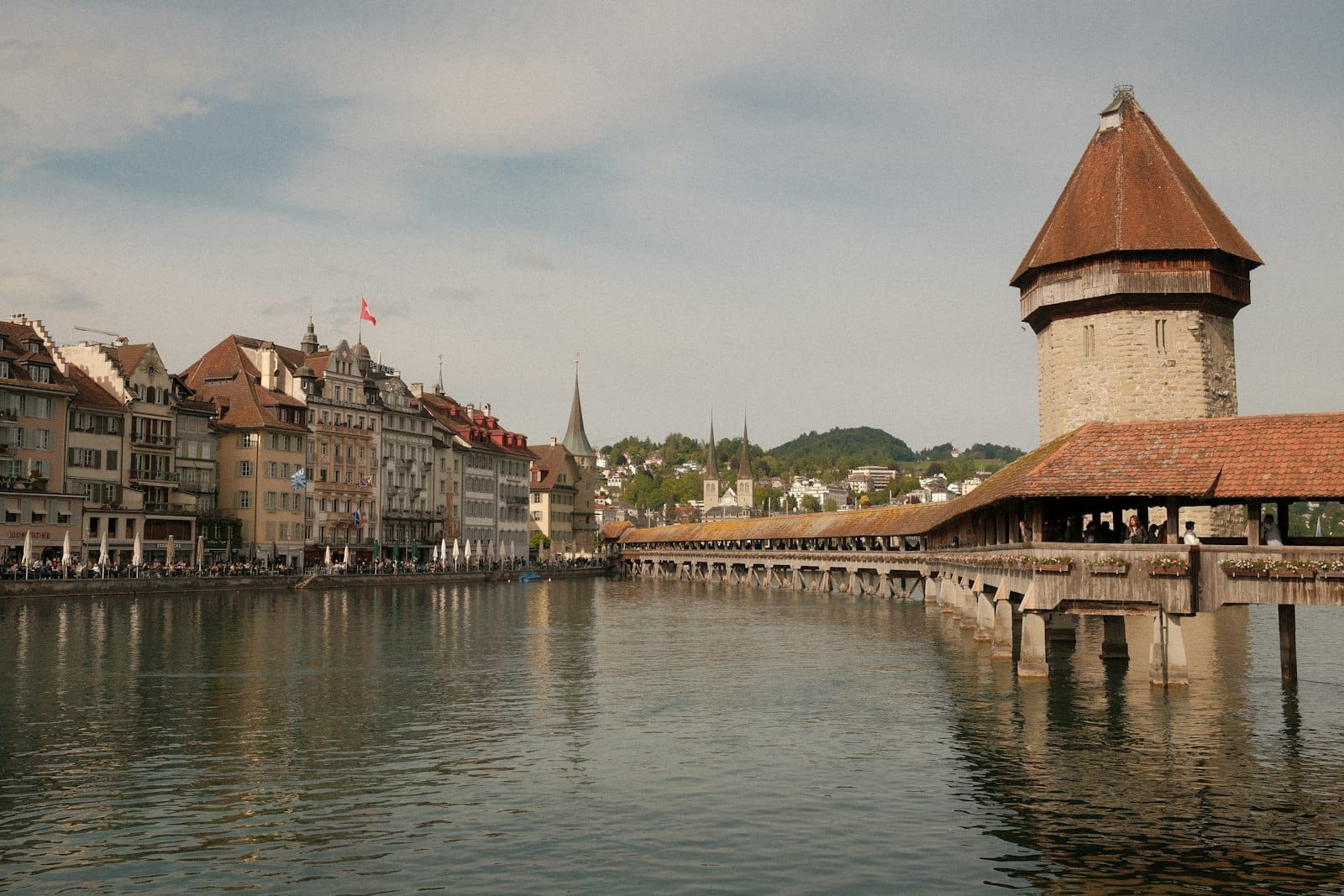
Lucerne is consistently the most popular day trip from Zurich, and the reputation is deserved. The train ride takes around 50 minutes on direct InterCity services from Zurich HB, and the town itself packs a lot in: the Chapel Bridge (Kapellbrücke), the medieval Old Town, a waterfront promenade on Lake Lucerne, and the Lion Monument. None of those require paid entry. You could do Lucerne in four hours and feel satisfied, or spend a full day and add a mountain excursion.
The main mountain options paired with Lucerne are Mount Pilatus and Mount Rigi, both accessible from the lake town. Mount Pilatus involves a gondola and the world's steepest cogwheel railway (depending on the season and direction you choose). Mount Rigi, nicknamed the 'Queen of the Mountains', is gentler and more walkable at the top. Neither is cheap, but both justify a full day. If you're combining Lucerne city with one of these mountains, leave Zurich no later than 8am. For a deeper look at what alpine hikes are feasible from the city, the Zurich hiking guide covers routes of varying difficulty.
⚠️ What to skip
Lucerne is extremely crowded in summer, particularly between 10am and 3pm when cruise groups and day-trippers concentrate around the Chapel Bridge. Take an early train (departing Zurich before 8:30am) to get an hour or two before the crowds arrive. This makes a genuine difference to the experience.
Rhine Falls: Europe's Largest Waterfall, Often Underestimated
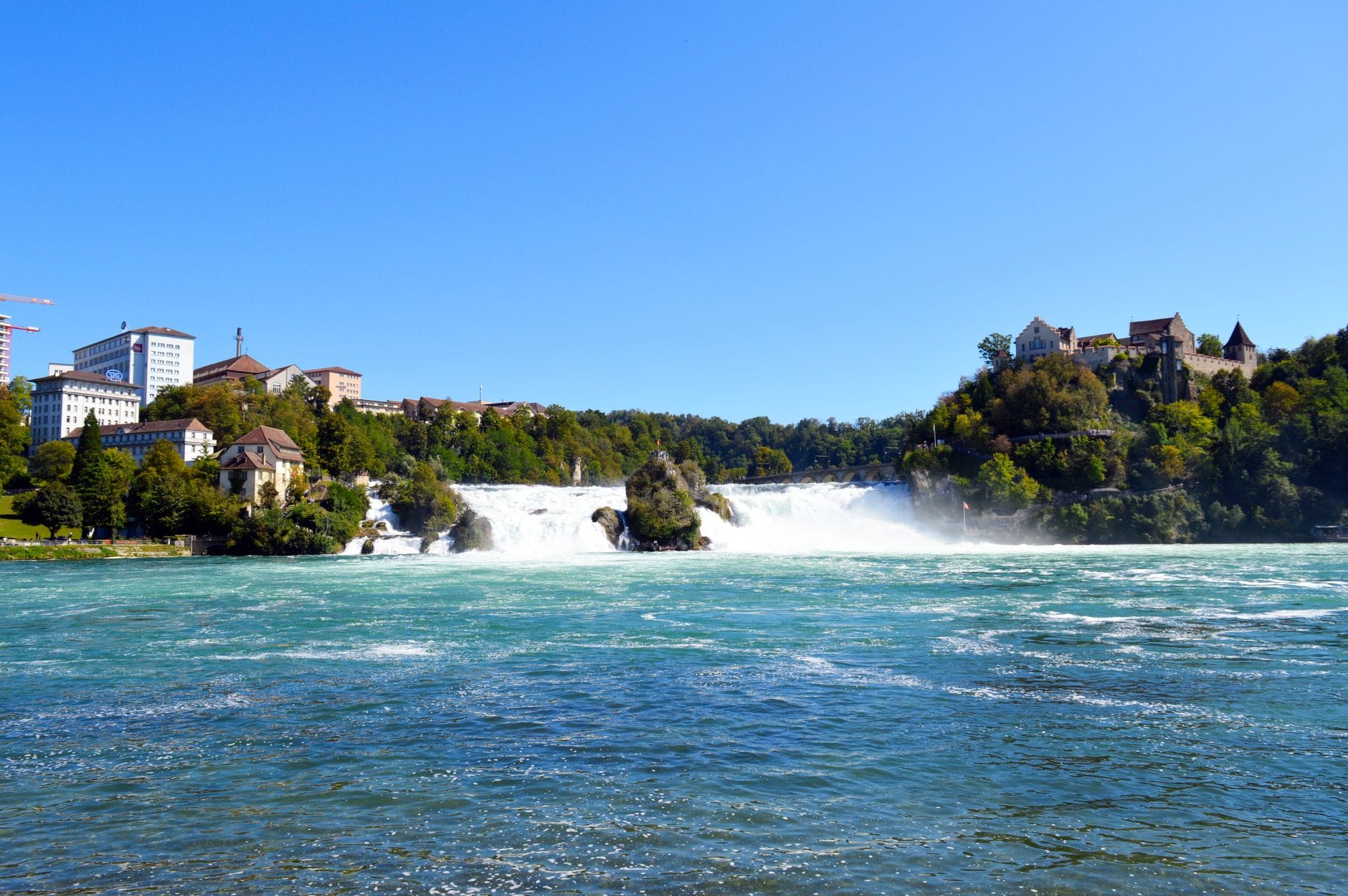
Rhine Falls (Rheinfall), near Schaffhausen, is one of the most impressive natural sights in Switzerland and takes less than an hour from Zurich by regional train. The falls are about 150 metres wide and drop around 23 metres, which doesn't sound dramatic until you're standing beside them. The volume of water, particularly in late spring and early summer when snowmelt is at its peak, is extraordinary. This is not a gentle cascade.
The north bank viewpoint, accessible from Neuhausen am Rheinfall station, is free year-round and offers solid views. Paid viewpoints on the south bank, plus boat rides that take you out to the central rock, cost extra but are worth it for the experience. Budget a half-day for Rhine Falls alone, or combine it with the medieval old town of Schaffhausen, about 4 kilometres away. The town has a well-preserved historic centre and the Munot fortress, both free to visit. This combination makes for a comfortable, low-cost full day out.
✨ Pro tip
Visit Rhine Falls in May or June when water levels are highest from alpine snowmelt. August is the peak tourist season and gets very crowded, especially on weekends. Weekday visits in shoulder season (April, September, early October) are significantly quieter.
The Alps: Jungfraujoch, Interlaken, and the Bernese Oberland
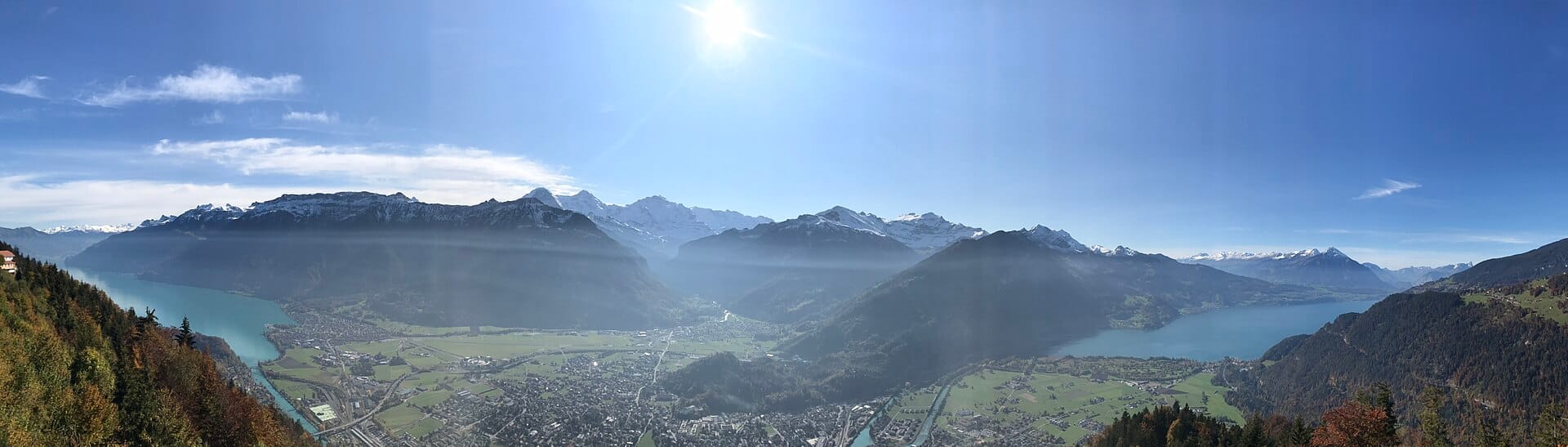
The Bernese Oberland is where most visitors think of when they imagine a Swiss alpine day trip. Interlaken is the gateway town, sitting between two lakes with direct views of the Eiger, Mönch, and Jungfrau. From Zurich, the train to Interlaken Ost takes around two hours. Direct InterCity services run on some schedules, and most other services involve one change at Bern — check current timetables on sbb.ch before travelling. Either way, that is a four-hour round trip on trains before accounting for anything else.
Jungfraujoch, marketed as the 'Top of Europe', sits at 3,454 metres and is reached by a series of cogwheel trains from Interlaken via Grindelwald or Lauterbrunnen. The views on a clear day are genuinely extraordinary, but the full journey from Zurich takes most of a day: two hours down, ninety minutes up the mountain, time at the top, and the return. The ticket to Jungfraujoch is one of the most expensive single-attraction tickets in Switzerland, so check current pricing on jungfrau.ch before planning around it. Morning departures from Zurich (before 7:30am) are essential. Cloud cover above 3,000 metres is common in the afternoon.
If Jungfraujoch feels like too much for a single day, Lauterbrunnen valley is a strong alternative. The village sits at the base of a sheer cliff with 72 waterfalls, including the famous Staubbach Falls. It's accessible in under 2.5 hours from Zurich and can be combined with Grindelwald for a more varied alpine day. The Zurich to Interlaken guide covers the logistics of this route in detail, including which trains to take and how to combine valley stops.
- Jungfraujoch (Top of Europe) 3,454m altitude. Full-day commitment from Zurich. Best on clear days. One of the priciest excursions in Switzerland. Not recommended in poor visibility — you'll see nothing and pay full price.
- Grindelwald Classic alpine village under the Eiger's north face. More relaxed than Jungfraujoch, with gondola options for partial ascents. Good for walkers. About 2.5 hours from Zurich HB.
- Lauterbrunnen Valley The valley that supposedly inspired Tolkien's Rivendell. Waterfalls, cliff faces, and the Staubbach Falls visible from the village. Comfortable half-day if paired with Grindelwald or Interlaken.
- Interlaken The base town, not a destination itself. Use it as a logistics hub rather than spending time sightseeing here. Better to arrive and head directly up the valley or to a mountain.
Other Strong Options: Basel, Bern, and Lake Zurich Towns
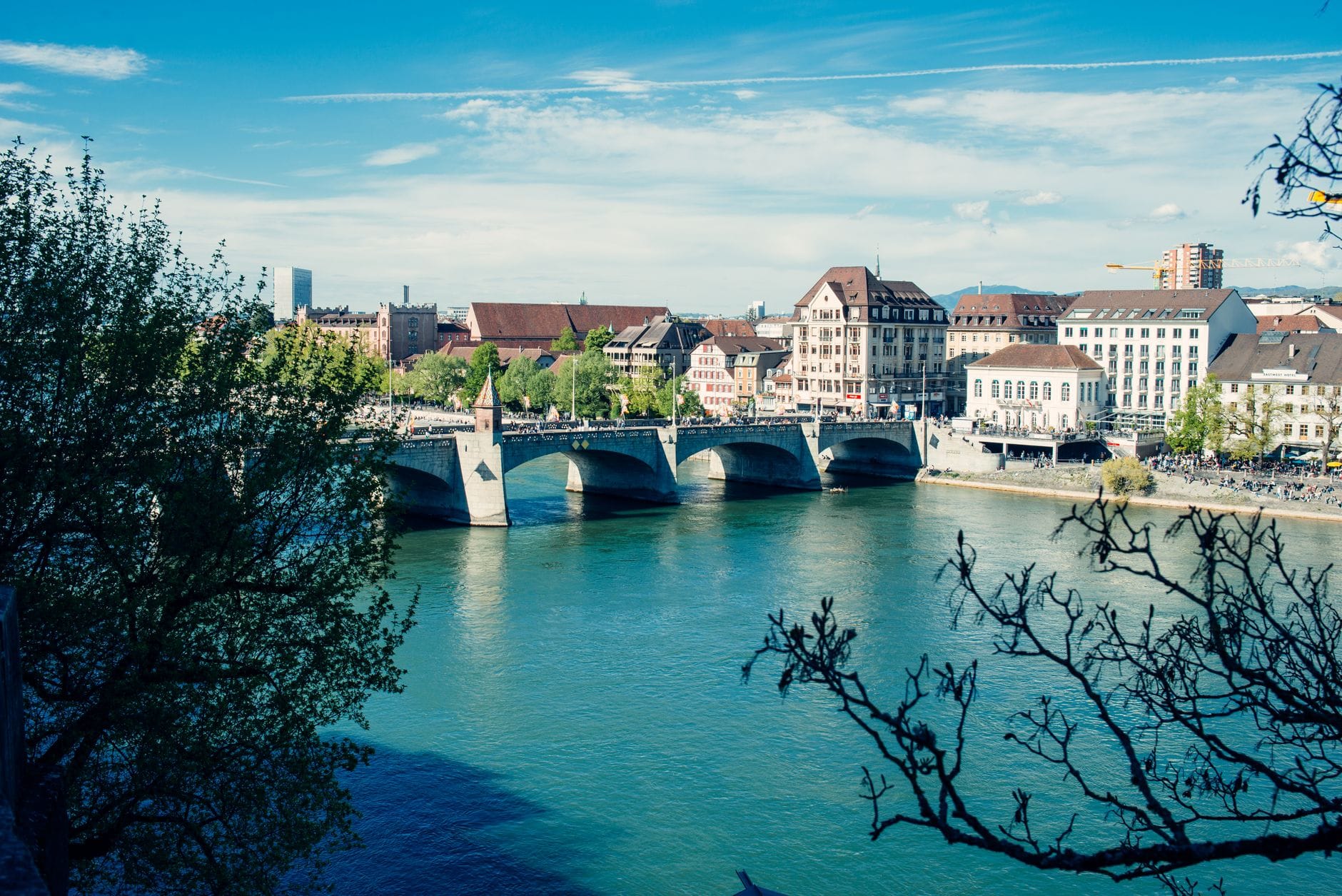
Day trips don't have to mean mountains. Basel is 55 minutes from Zurich by InterCity train and offers some of the best contemporary art museums in Europe, including the Kunstmuseum Basel. It's a genuinely underrated city break within Switzerland, and the old town along the Rhine is worth an afternoon. For a full comparison of the route and what to do there, see the Zurich to Basel travel guide.
Bern, the federal capital, is about an hour by train. The medieval arcaded streets (Lauben) are UNESCO-listed, the Bear Park is free, and the city has a very different feel from Zurich: slower, more political, more obviously Swiss-German. It's worth noting that Bern is also a convenient interchange point for trains to Interlaken, so you can technically stop in Bern briefly before continuing to the Bernese Oberland, though the timing gets tight. Closer to home, the towns along the eastern shore of Lake Zurich, including Rapperswil with its medieval castle and rose gardens, are reachable in around 40 minutes by S-Bahn. For a lower-effort, lower-cost day out, the Lake Zurich swimming guide covers the best bathing spots accessible by public transport if you simply want to escape the city without a complicated itinerary.
- Rapperswil 40 minutes by S-Bahn. Medieval castle, Rose Garden, lakeside promenade. Low effort, low cost, very pleasant on a clear day. Ideal if you want a relaxing half-day without logistics.
- Basel 55 minutes by IC train. Strong art museums, a compact old town, the Rhine promenade. Works well as a full-day cultural trip. Less alpine, more urban.
- Bern 60 minutes by IC train. UNESCO old town, Bear Park, Federal Palace. Quieter and less touristy than Lucerne. Good option if you've already done Lucerne.
- Stein am Rhein About 1 hour from Zurich. Small medieval town with remarkably preserved painted facades on the Rathausplatz. Often overlooked but genuinely distinctive. Combine with Rhine Falls for a full day.
Practical Logistics: How to Plan Your Day Trip Without Overpaying
All trains for day trips depart from Zurich HB. The SBB app (available in English) is the most reliable way to check timetables and buy tickets. Saver fares require booking in advance but can reduce intercity prices by 30-50%. For spontaneous travel, standard fares apply and are purchased at the station or on the app. If you're already using the ZVV network within Zurich, note that ZVV tickets do not cover SBB long-distance routes. You'll need a separate ticket for anything beyond the ZVV zones. The Zurich to Lucerne train guide has current ticketing details for the most popular route.
The Swiss Travel Pass covers unlimited travel on SBB trains (including to Lucerne, Basel, Bern, and Interlaken), some lake boats, and museum entry across Switzerland. It partially covers mountain railways and cable cars, typically at a 25-50% discount rather than full inclusion. If you're visiting Switzerland for a week or more and planning multiple day trips, run the numbers: the pass often pays for itself. For a single day trip to Lucerne, individual tickets are cheaper.
Weather is a bigger factor for alpine trips than most visitors expect. A day that looks clear in Zurich can be fully clouded at altitude. MeteoSwiss (meteoswiss.ch) provides altitude-specific forecasts. Check the forecast at the specific summit elevation (e.g. 3,454m for Jungfraujoch) rather than the general regional forecast. Some alpine excursions, like Mount Rigi, are rewarding even in overcast conditions because the experience is as much about the landscape and the cogwheel railway as the panoramic view. Jungfraujoch, with its higher price and full-day commitment, is harder to justify if visibility is uncertain. For more planning context around when to visit, the best time to visit Zurich guide covers seasonal weather patterns in detail.
ℹ️ Good to know
Guided tours to alpine destinations (via GetYourGuide, Viator, or local operators) add convenience but cost more than doing the same route independently. They're worth considering if you want someone else to handle logistics for a complex multi-stop day like Jungfraujoch plus Grindelwald. For straightforward routes like Lucerne or Rhine Falls, independent travel is easy and cheaper.
FAQ
What is the best day trip from Zurich?
Lucerne is the most consistently rewarding day trip for first-time visitors: 50 minutes by direct train, a compact old town, lake views, and optional mountain excursions. Rhine Falls is the best single-attraction day trip for effort-to-payoff ratio, particularly in spring when water levels are highest.
Can you do Jungfraujoch as a day trip from Zurich?
Yes, but it requires a very early departure (before 7:30am from Zurich HB) and accounts for a full 10-hour day. The journey involves multiple trains and a cogwheel railway. Clear weather is essential to justify the cost. Check visibility forecasts at 3,454m on MeteoSwiss before going, and book Jungfrau railway tickets in advance on jungfrau.ch.
How far is Lucerne from Zurich?
Lucerne is about 50-55 minutes from Zurich HB on direct InterCity trains, which run frequently throughout the day. No changes required. The SBB app shows current timetables and ticket prices.
Is a Swiss Travel Pass worth it for day trips from Zurich?
It depends on how many trips you plan. The pass covers SBB trains to Lucerne, Basel, Bern, and Interlaken, plus some boat services and museum entry. Mountain railways are typically 25-50% discounted rather than free. For one or two day trips, individual Saver tickets will usually be cheaper. For three or more trips across different destinations, the pass starts to make financial sense.
What day trips from Zurich can you do without a guided tour?
Most of them. Lucerne, Rhine Falls, Bern, Basel, Rapperswil, Lauterbrunnen, and Grindelwald are all straightforward by SBB train with standard tickets. Guided tours mainly add value for complex routes (like combining Jungfraujoch with valley stops) or for travellers who prefer not to manage logistics. They don't provide access to anything you couldn't reach independently.
Tickets & tours
Live prices and dates from our booking partner. If you book, we may earn a commission at no extra cost to you.
Planning a trip? Discover personalized activities with the Nomado app.