Zurich Botanical Garden: A Free, Quietly Rewarding Detour in Seefeld
The Botanical Garden of the University of Zurich (Botanischer Garten der Universität Zürich) is a freely accessible green space in the Seefeld district, home to tropical greenhouses, medicinal plant collections, and curated outdoor beds. It rewards slow, attentive visitors more than it does those rushing through.
Quick Facts
- Location
- Zollikerstrasse 107, 8008 Zürich (Riesbach/Seefeld district)
- Getting There
- Tram lines toward Seefeld; check ZVV for current stop closest to Zollikerstrasse 107
- Time Needed
- 45 minutes to 2 hours depending on pace and greenhouse visits
- Cost
- Free entry (Eintritt frei)
- Best for
- Families, slow walkers, plant enthusiasts, budget travelers, rainy-day greenhouse visits
- Official website
- www.bg.uzh.ch/en/visit/botanischer-garten.html
What the Botanical Garden Actually Is
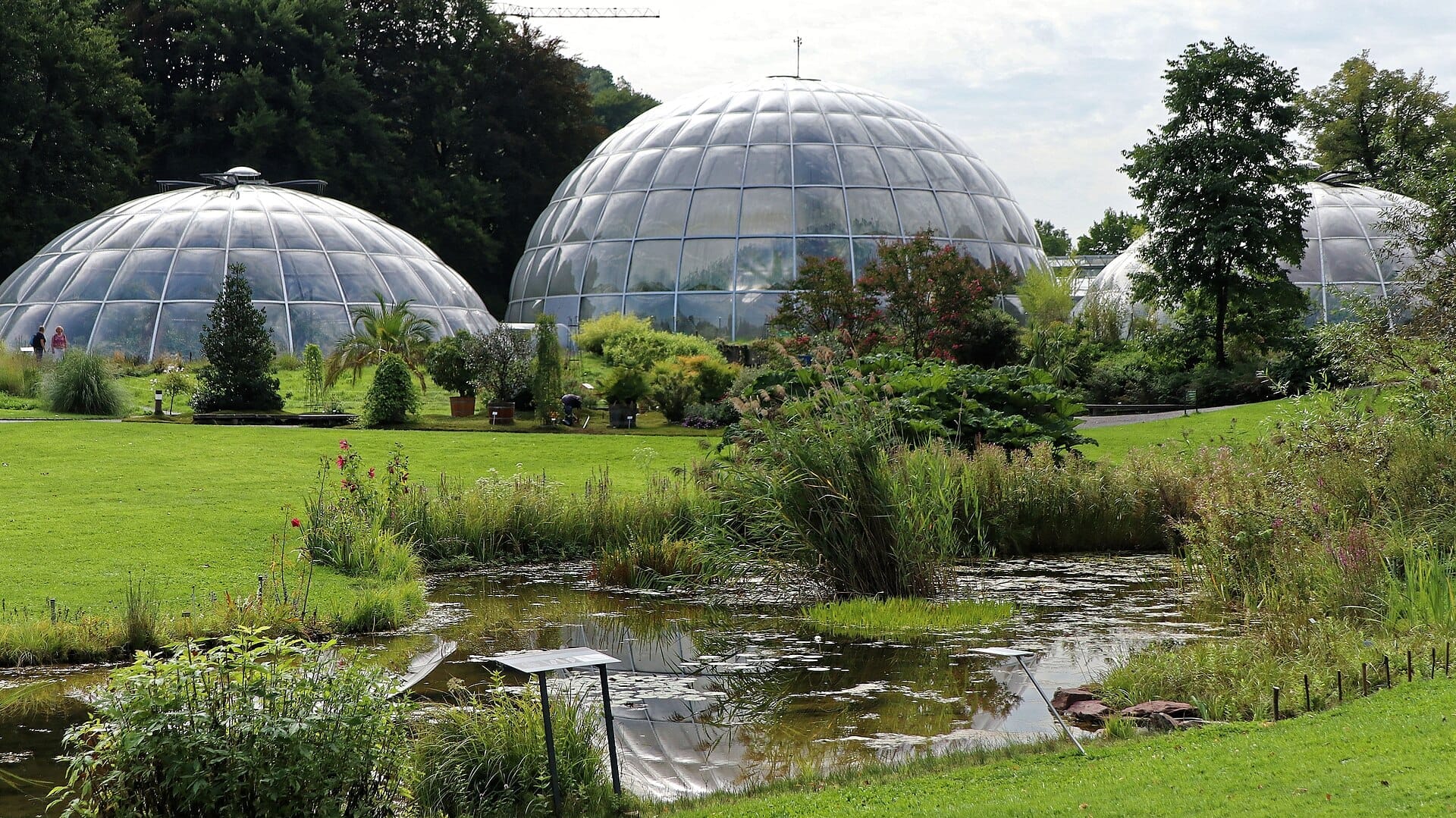
The Botanischer Garten der Universität Zürich sits in the residential Seefeld quarter, about a kilometer east of the Seefeld lakeside area. Opened in its current form in 1976, it functions as a working research garden belonging to the University of Zurich — not a decorative municipal park. That distinction matters. The plant collections are organized with scientific logic: medicinal plants grouped by pharmacological use, alpine species representing Switzerland's high-altitude flora, and systematic beds arranged by botanical family. The result is a garden that rewards visitors who read the labels.
This is not Zurich's showiest attraction, and it does not try to be. There are no fountains, no ticketing queues, no gift shops at the entrance. What you get instead is a well-maintained outdoor space that locals use as a lunchtime shortcut and a genuine research greenhouse complex that happens to be open to the public, free of charge, every day of the week.
💡 Local tip
Admission to both the outdoor garden and the tropical greenhouses is completely free. No registration or booking is required.
The Greenhouses: Where the Garden Earns Its Reputation
The tropical houses are the functional centrepiece of the garden, open daily from 9:30 to 16:45. Step inside and the shift is immediate: warm, humid air, the smell of damp soil and foliage, and the low light filtering through glass panels. The main tropical house holds palms, cycads, and flowering species from equatorial regions. The contrast with a grey Swiss morning outside is striking enough that the greenhouses draw visitors year-round, not just in the summer gardening season.
A smaller succulent and dry-climate section demonstrates how radically plant form adapts to water scarcity — waxy leaves, swollen stems, reduced surface area. These rooms are quieter and often overlooked, worth pausing in if the main tropical house gets crowded on a cold Saturday. Photography works well in the greenhouse interiors: the soft diffused light through the glass panels is flattering, though direct midday sun through the roof can create harsh shadows in parts of the main hall.
ℹ️ Good to know
Greenhouse hours: daily 9:30–16:45. The outdoor garden has seasonal hours — April to October: Mon–Fri 7:00–19:00, Sat–Sun 8:00–18:00; November to March: Mon–Fri 8:00–18:00, Sat–Sun 8:00–17:00. Verify current hours at the official University of Zurich website before visiting.
Tickets & tours
Live prices and dates from our booking partner. If you book, we may earn a commission at no extra cost to you.
Mount Titlis snow fun for first-time skiers from Zurich
From 212 €Instant confirmationFree cancellationSwiss ski experience from Zurich
From 321 €Instant confirmationFree cancellationBest intro tour of Zurich with a local
From 116 €Instant confirmationFree cancellationZurich Old Town guided walking tour
From 27 €Instant confirmationFree cancellation
The Outdoor Garden Through the Seasons
Spring, from March through May, is when the outdoor beds come into their most photogenic state. Bulbs, early perennials, and the alpine collection begin to activate, and the systematic beds show the diversity of flowering patterns across plant families. Weekday mornings during this period are quiet enough that you can hear birds working through the shrubs — a noticeably different experience from the same garden on a warm Sunday afternoon in July, when it fills with families and students.
Summer brings full foliage and the medicinal herb section at peak growth. The garden sits at a low elevation in a sheltered urban block, which means it can feel warm and still on hot July days. Bring water. The tree canopy along the perimeter paths provides shade, and the pace naturally slows in the afternoon heat. Autumn shifts the garden's character again: the systematic beds thin, colour concentrates in certain corners, and the overall atmosphere becomes more austere — still worth visiting, but in a more reflective register.
Winter is when many visitors overlook the garden entirely, which is arguably a mistake. The outdoor sections are stripped back, but the greenhouses become more compelling as the contrast with outside sharpens. If you are planning a broader December visit to Zurich, an hour in the tropical houses on a cold afternoon is genuinely pleasant.
How to Walk Through It Practically
The garden is not large. A direct walk through without stopping takes perhaps fifteen minutes. But that is not the point. The layout guides visitors through thematic sections: systematically arranged beds near the entrance, economic plants (food and fibre crops), then alpine and rock garden areas, with the greenhouse complex accessible from the main path. There are benches distributed throughout, and the paths are paved and level enough to be manageable with a pushchair, though the garden does not specifically advertise wheelchair accessibility specifications.
Early mornings on weekdays, particularly in spring and summer, offer the quietest experience. The garden opens at 7:00 on weekdays during April to October, well before most tourist activity in the city begins. By late morning on weekends, families arrive and the atmosphere becomes more social. Neither version is wrong; they are just different visits.
The Seefeld neighbourhood surrounding the garden is one of Zurich's more residential and relaxed quarters. After the garden, the lake is a short walk west. The Lake Zurich promenade picks up easily from Seefeld, and the area has good cafes if you want to extend the outing.
Honest Assessment: Who This Is For and Who It Is Not
The Zurich Botanical Garden is excellent for visitors who like plants, who need a genuinely free and uncrowded space, or who are travelling with young children and want somewhere open-ended and calm. The combination of outdoor paths and enclosed greenhouses means it works even when the weather is indifferent. University students use it as a study break destination. Parents bring small children for the greenhouse novelty — tropical plants and the warmth inside tend to hold young attention well.
However, visitors expecting a grand horticultural display comparable to major European botanical gardens will find it modest in scale. It does not have rose gardens, formal fountains, or sweeping landscape design. If you have one afternoon in Zurich and are weighing it against the Kunsthaus Zürich or a cruise on the lake, the botanical garden is a lower priority unless you have a specific interest in plants or need a calm, free option. For travellers with two or more days, it fits naturally into a Seefeld morning without competing with anything.
⚠️ What to skip
The garden has limited shelter outside the greenhouses. On heavy rain days, the outdoor sections are largely inaccessible without getting wet. The greenhouse visit remains worthwhile in any weather, but plan accordingly.
Getting There and Combining with Nearby Attractions
The garden is at Zollikerstrasse 107 in the 8008 postal district, within Zurich's Riesbach/Seefeld area. Zurich's tram network covers this part of the city; check the ZVV journey planner for the current most direct route from your starting point, as stops and connections are subject to change. The area is also bikeable from the city centre in under fifteen minutes via the lakeside paths.
A natural combination from this neighbourhood is the Zurichhorn Park, which sits along the lakeshore a short walk south of the garden. The Le Corbusier Pavilion is also located nearby in Zurichhorn and adds an architectural contrast to the botanical visit. Together, these three stops make a coherent half-day in Seefeld that costs nothing beyond transit fare.
If the botanical garden sparks an interest in Zurich's wider green spaces and outdoor options, the free things to do in Zurich guide covers parks, lakeside swimming, and other no-cost options across the city.
Insider Tips
- Weekday mornings between 7:00 and 9:00 in spring are the quietest possible time to visit — the garden is technically open but almost entirely empty. The birdsong in the trees along the perimeter is notably louder than the street noise at this hour.
- The succulent and dry-climate greenhouse rooms are often overlooked because visitors head straight for the main tropical hall. The smaller rooms are cooler, quieter, and worth ten minutes on their own.
- The medicinal plant section has detailed signage in German explaining the pharmacological use of each species. Even without German, the Latin names allow identification — useful if you have any interest in herbal medicine or plant taxonomy.
- The garden is entirely surrounded by residential streets with almost no tourist infrastructure. Bring your own water; there are no kiosks or vending machines inside. Seefeld has several good cafes a few minutes' walk away for after.
- On overcast autumn or winter days, the contrast between the tropical greenhouse interior and the cold grey outside is dramatic enough that the greenhouse genuinely feels like a destination rather than an add-on.
Who Is Zurich Botanical Garden (Botanischer Garten) For?
- Budget travellers who want quality free time in the city without museum fatigue
- Families with young children looking for an open, safe, sensory outdoor space
- Plant enthusiasts or biology students interested in a research-grade collection
- Visitors spending time in Seefeld who want a calm, structured green space nearby
- Cold or rainy-day visitors seeking warm indoor shelter with genuine botanical interest
Nearby Attractions
Other things to see while in Riesbach & Seefeld:
- Le Corbusier Pavilion (Heidi Weber Museum)
The Pavillon Le Corbusier in Zurich's Seefeld district is the last building Le Corbusier designed before his death in 1965 — he never saw it completed. Inaugurated on 15 July 1967, this steel and glass structure of just 315 m² stands on the lakeside as both a museum and an architectural argument. Here is exactly what to expect when you visit.
- Zurich Opera House (Opernhaus Zürich)
The Opernhaus Zürich has anchored the city's cultural life since 1891, combining a striking Neo-Renaissance facade with world-class opera and ballet. Whether you're a first-time operagoer or a seasoned aficionado, here's what a visit really involves.
- Zürichhorn Park
Zürichhorn Park is a free, open-access green space on the eastern shore of Lake Zurich in the Seefeld quarter. With Alpine views, public sculptures, and lake access, it draws everyone from early-morning joggers to afternoon picnickers. No ticket required, no agenda needed.
Planning a trip? Discover personalized activities with the Nomado app.