FIFA Museum Zurich: The Complete Visitor's Guide
Opened in 2016 on the southwestern shore of Lake Zurich, the FIFA Museum traces the global story of football across three floors and 3,000 square metres of exhibitions. From World Cup trophies to interactive installations, it rewards genuine football fans while offering enough visual spectacle to hold the attention of curious non-fans.
Quick Facts
- Location
- Seestrasse 27, 8002 Zürich (Enge district, Tessinerplatz)
- Getting There
- Trams 7 or 8 to Bahnhof Enge; trams 5 or 13 to Bahnhof Enge/Bederstrasse; S-Bahn S2, S8, or S24 to Zürich Enge
- Time Needed
- 2 to 3 hours
- Cost
- CHF 26 adults / CHF 15 children (7–15) / Free under 7 / Free with Zürich Card
- Best for
- Football fans, families with school-age children, rainy-day culture seekers
- Official website
- www.fifamuseum.com/en
What Is the FIFA Museum, and Is It Worth the Ticket Price?
The FIFA Museum, officially branded simply as the FIFA Museum, opened on 28 February 2016 in Zurich's Enge quarter. It occupies the lower floors of the ten-storey Haus zur Enge building on Seestrasse, a short tram ride south of the city centre along the lake. Three floors and roughly 3,000 square metres of exhibition space cover the history, culture, and global reach of association football from its nineteenth-century origins to the present.
The honest answer to whether it's worth CHF 26 depends almost entirely on your relationship with football. For fans, particularly those who grew up watching World Cups, it delivers a level of genuine artefact and archive material that goes well beyond what you'd expect from a sport-themed attraction. For non-fans accompanying a companion, it's engaging enough for an hour or two, but the deeper you go into the curatorial detail, the more the experience is built around prior emotional investment in the game.
💡 Local tip
Zürich Card holders get free admission to the FIFA Museum. If you're visiting multiple museums or using public transport frequently during your stay, the card can cover the entry cost entirely. Check the current Zürich Card benefits before buying your ticket separately.
The Exhibitions: Three Floors of Football History
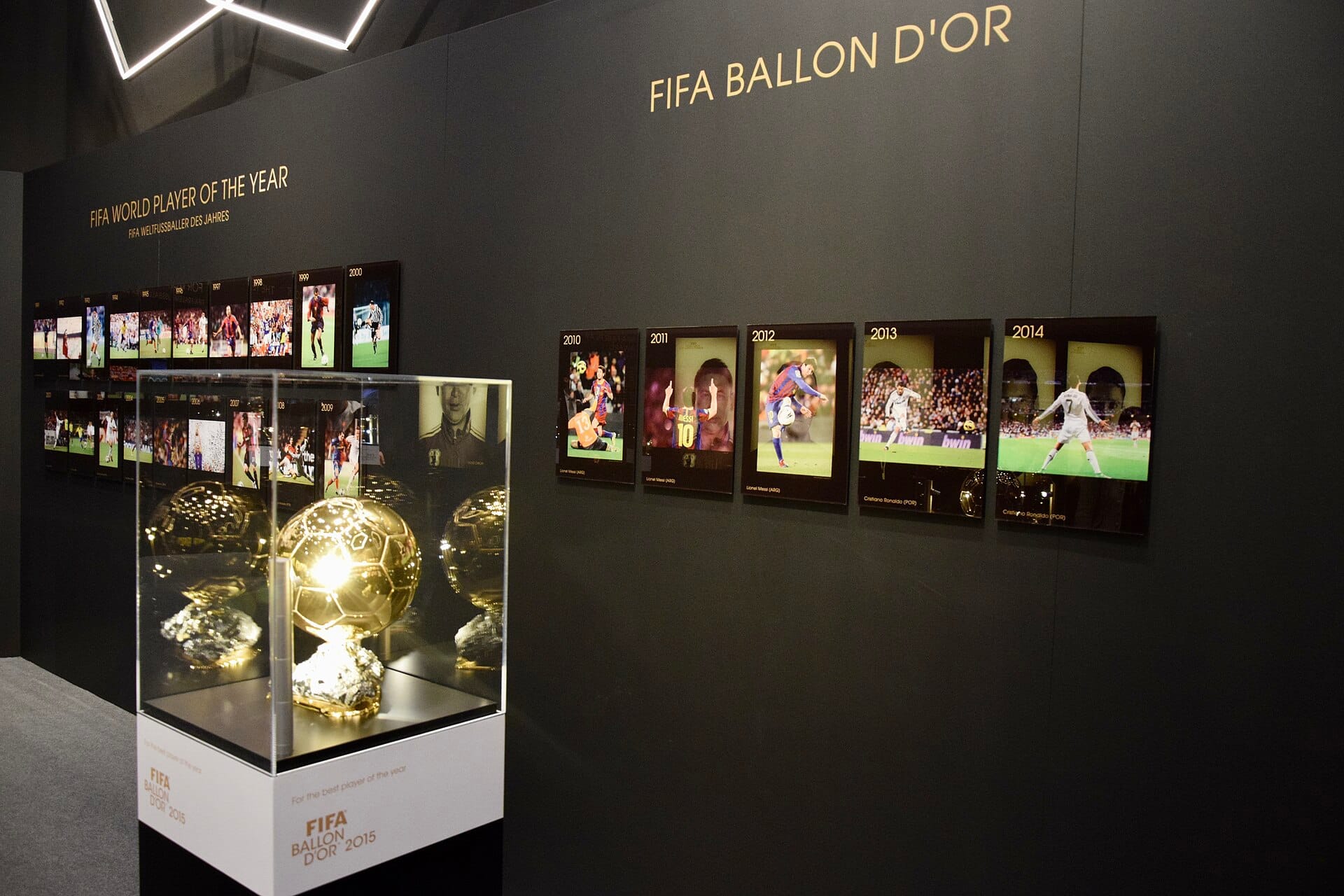
The museum is structured across three floors, each with a distinct curatorial focus. The ground-floor approach sets the tone immediately: a gleaming replica of the FIFA World Cup Trophy sits in a prominent display, and the visual design throughout favours bold graphics, large-format photography, and well-lit display cases. The aesthetic is closer to a high-production sports brand experience than a traditional archive museum, which suits the subject but may feel slightly corporate to visitors expecting denser academic material.
One of the more absorbing sections covers the evolution of football as a genuinely global phenomenon, tracing how the sport spread from England through Europe, South America, Africa, and Asia during the late nineteenth and early twentieth centuries. The historical artefacts here, including original match balls, vintage kits, and early FIFA documentation, provide grounding detail that keeps the storytelling from becoming purely promotional.
Interactive installations are distributed throughout all three floors. Visitors can test their knowledge in trivia zones, try penalty-kick simulators, and explore touchscreen archives of World Cup statistics. Families with children aged roughly eight and up tend to move through these sections with genuine enthusiasm, while adults often split their time between the interactive stations and the display cases containing jerseys, medals, and trophies from specific tournaments.
Tickets & tours
Live prices and dates from our booking partner. If you book, we may earn a commission at no extra cost to you.
Getting There: Transit Is Straightforward
The museum's location at Tessinerplatz in the Enge district places it about 2.5 kilometres south of Zurich's main station. Trams 7 and 8 stop at Bahnhof Enge directly opposite the museum entrance; trams 5 and 13 stop at Bahnhof Enge/Bederstrasse a short walk away. S-Bahn lines S2, S8, and S24 also serve Zürich Enge station. Either way, you'll be at the door in under two minutes from the platform. If you're staying near the lake or in Seefeld, the tram connection is particularly direct.
On foot from the Lake Zurich promenade, the museum is an easy fifteen-minute walk south along the western shoreline. In good weather this is a pleasant approach, with lake views and several bench stops along the way.
ℹ️ Good to know
There is limited street parking in the Enge district, and none dedicated to the museum. Public transport is the practical choice, and the tram connections from central Zurich are frequent and reliable.
Practical Details: Hours, Tickets, and Accessibility
The museum is open Tuesday through Sunday, 10:00 to 18:00, with last admission at 17:30, and closed on Mondays. It is worth checking the official website before visiting on or around Swiss public holidays, as hours may vary without widely publicised notice.
- Adults: CHF 26
- Students and apprentices: CHF 20
- Seniors: CHF 20
- Children aged 7–15: CHF 15
- Children aged 0–6: free
- Disabled visitors: CHF 15
- Zürich Card holders: free
- Groups of 10 or more adults: CHF 24 per person
- Groups of 10 or more children: CHF 13 per person
- Annual season card: CHF 77
The building is modern and step-free access from Zürich Enge station is available, making the museum reachable without navigating stairs at the transit end of the journey. Reduced admission applies for disabled visitors, and some ticket structures list carers as free. Contact the museum directly via the official website to confirm current accessibility arrangements if you have specific requirements.
When to Visit: Crowds and Time of Day
Weekday mornings, particularly Tuesday through Thursday between opening time and noon, are consistently the quietest periods. The interactive stations, which can develop queues during peak hours, are far more accessible during these windows, and the atmosphere in the main exhibition halls has more room to breathe.
Weekends and Swiss public and school holidays attract noticeably higher footfall, especially in the interactive zones. If you're visiting on a Saturday afternoon during a period when Zurich schools are on holiday, expect groups of children at the football simulators for extended periods. This doesn't diminish the experience on the display-case floors, but the interactive sections become crowded.
The museum makes an excellent rainy-day option regardless of season. Zurich's weather is notoriously changeable, especially in autumn and spring, and the Enge location means you can pair a FIFA Museum visit with a walk along the lake if the afternoon clears. For broader context on timing your Zurich visit, this guide to the best time to visit Zurich covers seasonal patterns in detail.
Context: FIFA, Zurich, and Why the Museum Is Here
FIFA, the Fédération Internationale de Football Association, has been headquartered in Zurich since 1932. The organisation's history is inseparable from the city, and the museum's location in Zurich reflects that institutional relationship rather than any particular footballing tradition of the city itself. Switzerland sits somewhat outside the major football-playing nations covered most extensively in the exhibitions, which gives the museum a curatorial neutrality that works in its favour: it doesn't feel like a national football hall of fame but rather an attempt at a genuinely global history of the sport.
The Enge district itself is a quiet, residential part of Zurich on the southwestern shore of the lake, close to Zurichhorn Park and the broader lakeside area. It has none of the tourist infrastructure of the old town but is well connected by tram and S-Bahn, making it easy to fold the museum into a broader day of lakeside exploration.
Photography and What to Bring
Photography is generally permitted in the public exhibition areas. The display cases are lit for viewing rather than photography, and some reflective glass surfaces can be frustrating for smartphone cameras. The World Cup Trophy display on entry is the most photographed spot and is designed with that in mind: good ambient lighting and clear sightlines from multiple angles.
There is a café on site and a museum shop near the exit. Neither is remarkable, but both are functional. If you're planning to eat before or after, the Enge district has a handful of neighbourhood restaurants within a five-minute walk, and the lake promenade area has more options further north.
⚠️ What to skip
Ticket prices, opening hours, and Zürich Card benefits are subject to change. Always verify current details on the official FIFA Museum website at fifamuseum.com before your visit.
Insider Tips
- Book tickets online in advance during school holiday periods. Walk-in availability is generally fine on weekday mornings, but weekend afternoons in summer can see the museum reach capacity earlier than expected.
- The Zürich Card covers free entry and is available from Zurich Airport, Zurich HB, and various hotels. If you plan to use public transport more than twice in a day, the card often pays for itself before you reach the museum.
- Combine the visit with the lake promenade: the walk north from Enge toward Bürkliplatz takes about twenty minutes and passes several waterside parks. It turns a museum visit into a fuller half-day.
- The third floor tends to be the least crowded and contains some of the more detailed historical archival material. Start from the top and work down if you want to see it before fatigue or crowds set in.
- If you're visiting with teenagers who play football, the interactive shooting and skills zones hold attention better than the display-case sections. Budget extra time on these floors rather than the historical galleries.
Who Is FIFA World Football Museum For?
- Football fans who want to see World Cup trophies, original tournament artefacts, and a serious archive of the game's global history
- Families with school-age children who engage well with interactive sport simulations
- Rainy-day visitors looking for a well-designed indoor option with good transit access
- Visitors with a Zürich Card who can enter free and treat it as a no-risk addition to a lake-area afternoon
- Anyone curious about how a genuinely global sport spread across continents, told through objects rather than screens
Nearby Attractions
Other things to see while in Lake Zurich Area:
- Bürkliplatz & Boat Pier
Bürkliplatz sits where Bahnhofstrasse meets Lake Zurich, a broad public square framed by water, mountains, and daily city life. Free to visit at any hour, it serves as a promenade, a cruise departure point, and a quiet front-row seat to the lake.
- Lake Zurich Promenade
The Lake Zurich Promenade, locally known as the Seepromenade, is a 3.2 km paved lakeside walkway connecting Bürkliplatz to Zurichhorn Park. Free, open year-round, and a genuine centerpiece of daily Zurich life, it rewards visitors who take time to explore its full length rather than just the popular central stretch.
- Lindt Home of Chocolate
The Lindt Home of Chocolate in Kilchberg is a major Swiss chocolate museum, built beside the brand's original 1899 factory on the shores of Lake Zurich. Expect a 9-metre chocolate fountain, a deep dive into Swiss confectionery history, and more free samples than you bargained for.
- Rote Fabrik
Built as a mechanical silk-weaving mill in 1892, Rote Fabrik has spent decades as one of Zurich's most authentic alternative cultural centers. Set directly on the western shore of Lake Zurich, it hosts concerts, theater, cinema, and art exhibitions in spaces that still carry the weight of their industrial past.
Planning a trip? Discover personalized activities with the Nomado app.