Things to Do in Kuala Lumpur: The Definitive Guide
Kuala Lumpur packs an extraordinary range of experiences into a single city: world-famous landmarks, serious street food, dense rainforest parks, and some of Southeast Asia's best shopping. This guide breaks it all down by category so you can build a trip that actually fits your pace.
Plan and book this trip
Tools from our partner Travelpayouts help you compare flights and hotels. If you book through them, we may earn a commission at no extra cost to you.
Flights
Hotels map
TL;DR
- The best things to do in Kuala Lumpur span five distinct zones: the KLCC corridor, Bukit Bintang, the historic core around Merdeka Square, the Lake Gardens, and the multicultural inner suburbs.
- Skip the tourist-facing cultural shows and spend that time in Kampung Baru or Chow Kit instead — far more authentic and free.
- KL is a year-round destination, but plan outdoor activities in the morning; afternoon thunderstorms are common from March to October.
- Getting between attractions is easiest by Grab (ride-hailing) or the MRT/LRT network. See the complete guide to getting around Kuala Lumpur before you book anything.
- Budget travellers can fill three days with world-class experiences spending under RM 150/day (around USD 38) on entry fees.
Iconic Landmarks Worth Your Time
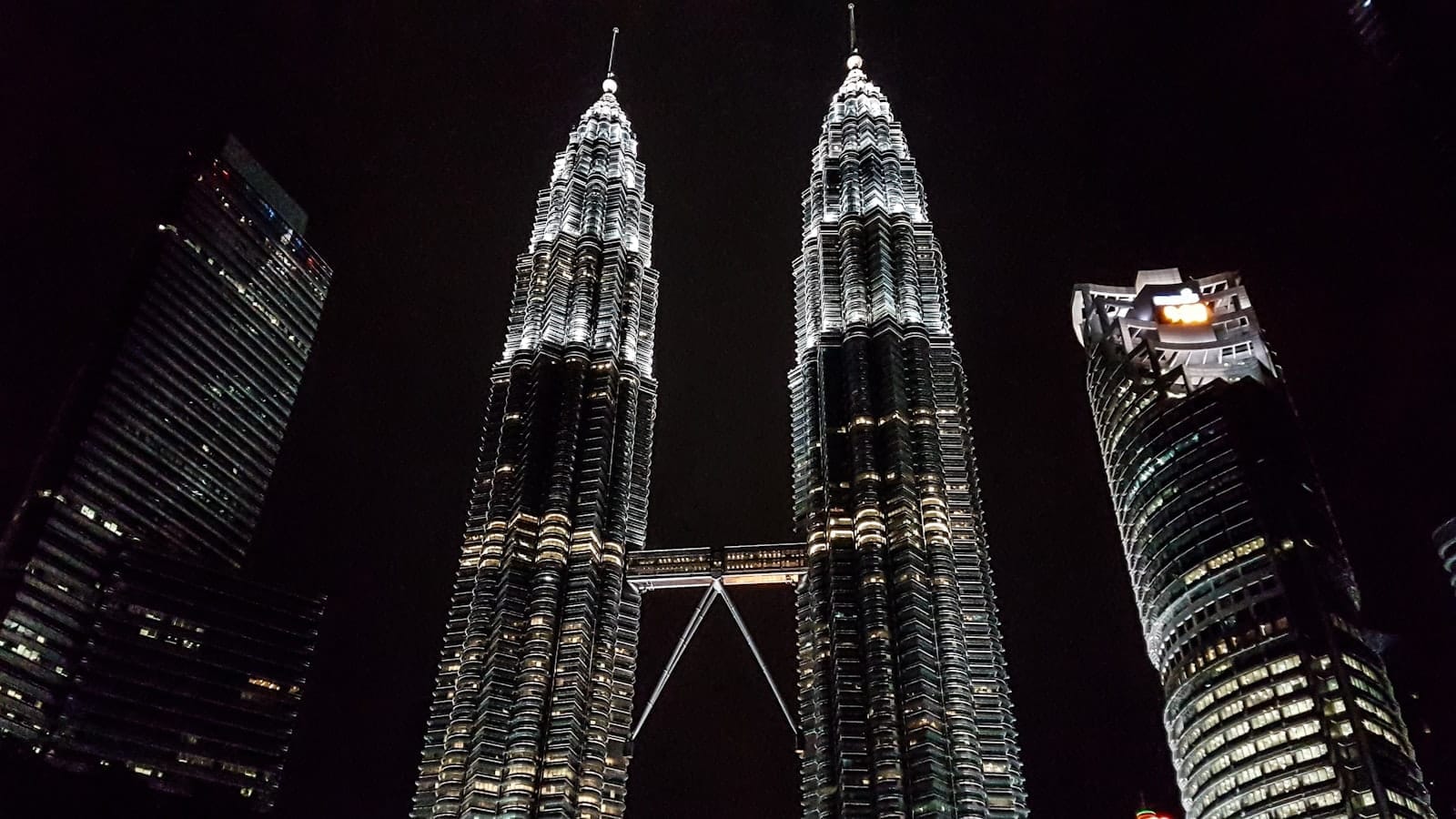
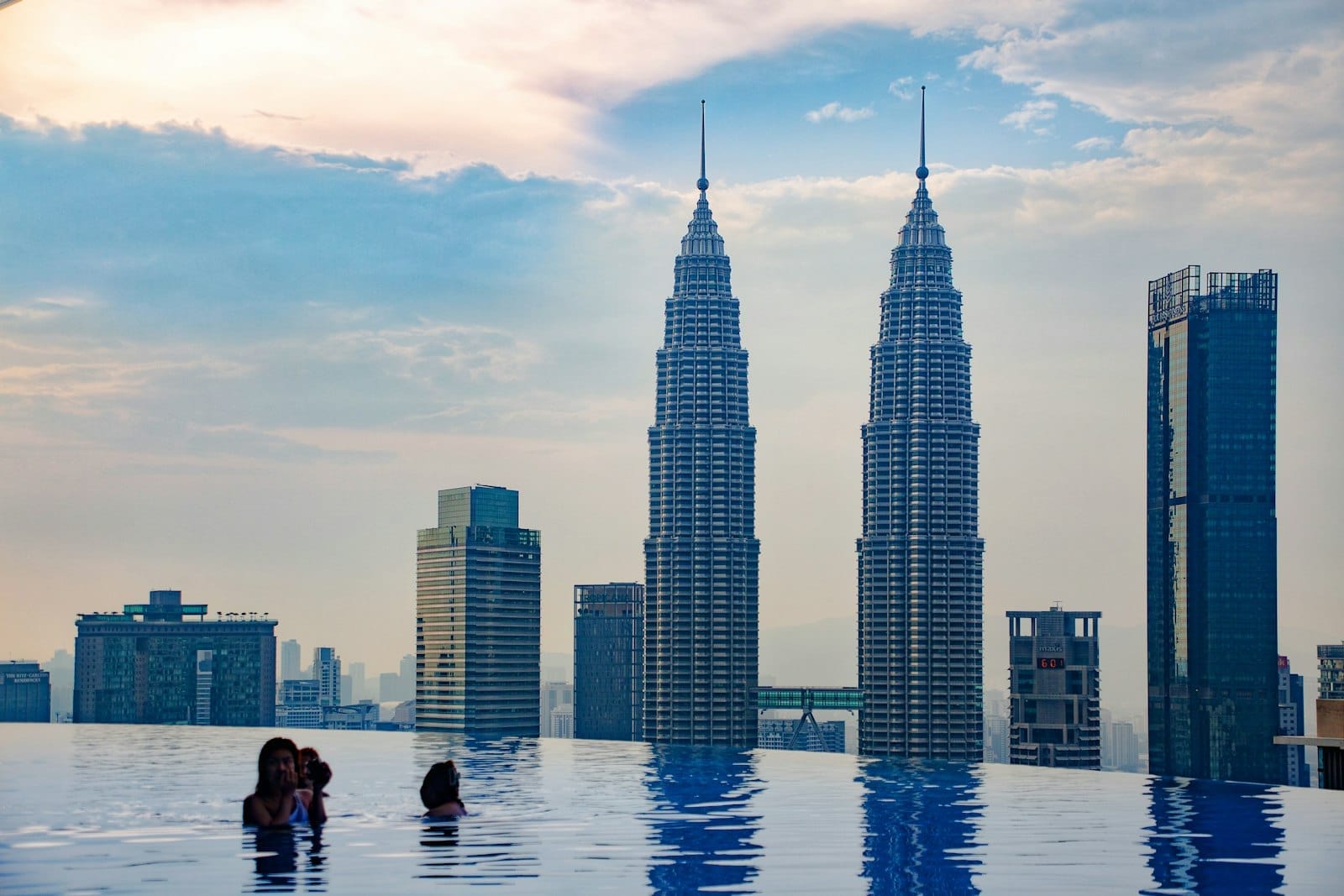
The Petronas Twin Towers are the obvious starting point for any first-time visitor, and for good reason. At 452 metres, they held the title of world's tallest buildings from 1998 to 2004 and still define KL's skyline. The observation deck and sky bridge on floors 41 and 86 are bookable online at around RM 80-100 per adult — walk-up tickets sell out fast on weekends, so reserve at least three days in advance.
For a cheaper aerial view with arguably better panoramas, the Menara Kuala Lumpur (KL Tower) sits on Bukit Nanas at 421 metres and costs around RM 52 for the observation deck. Because it sits on a hill, it actually overlooks the Petronas Towers from a surprising angle. The base of the tower also gives access to a small forest reserve — one of the few patches of original lowland rainforest left inside a major Asian city.
Opened in 2023, Merdeka 118 is now the world's second-tallest building at 678.9 metres. The observation deck on floor 118 (branded 'PNB 118 Viewdeck') offers truly staggering views across the Klang Valley. Tickets run around RM 120-150. It's still relatively uncrowded compared to Petronas — an advantage that probably won't last.
💡 Local tip
Visit the Petronas Towers at dusk rather than day or night. You catch the towers lit against a darkening sky, and the KLCC Park fountains run their light show after 8 PM — completely free from the park lawn.
History and Culture in the Colonial Core
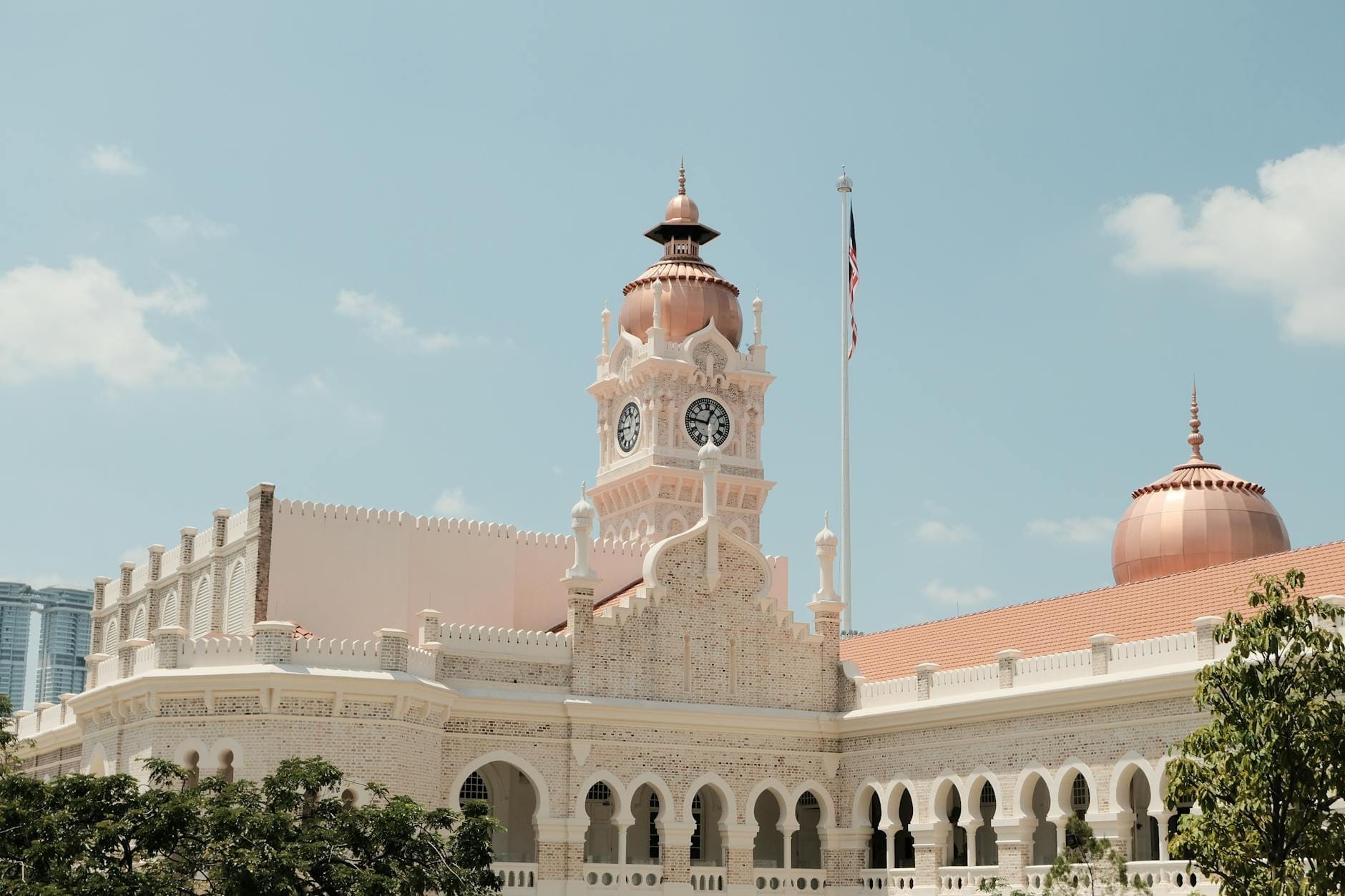
Merdeka Square is where Malaysia declared independence in 1957, and the flagpole here — at 95 metres — is one of the tallest freestanding flagpoles in the world. The square is surrounded by Moorish-Gothic colonial architecture, most notably the Sultan Abdul Samad Building, completed in 1897. Morning visits (before 9 AM) are quietest; tour groups arrive heavily from 10 AM onward.
A 10-minute walk from the square, Masjid Jamek marks the confluence of the Klang and Gombak rivers — the literal birthplace of Kuala Lumpur. Built in 1909 in a Mughal style, it's one of the oldest mosques in the city. Visitors are welcome outside of prayer times; modest clothing (or a provided robe) is required. Nearby, the River of Life promenade follows the riverbank with good sightlines back toward the mosque.
The Islamic Arts Museum Malaysia in the Lake Gardens district is consistently undervisited relative to its quality. The collection spans architecture, textiles, manuscripts, and jewelry from across the Islamic world. Entry is around RM 20 for adults. Plan at least two hours; the architecture of the building itself is worth the trip.
ℹ️ Good to know
The National Museum of Malaysia (Muzium Negara) is free for Malaysian citizens and around RM 5 for foreign visitors — one of the best-value history deep-dives in the city. Allocate 90 minutes minimum.
Neighbourhoods That Reward Slow Exploration
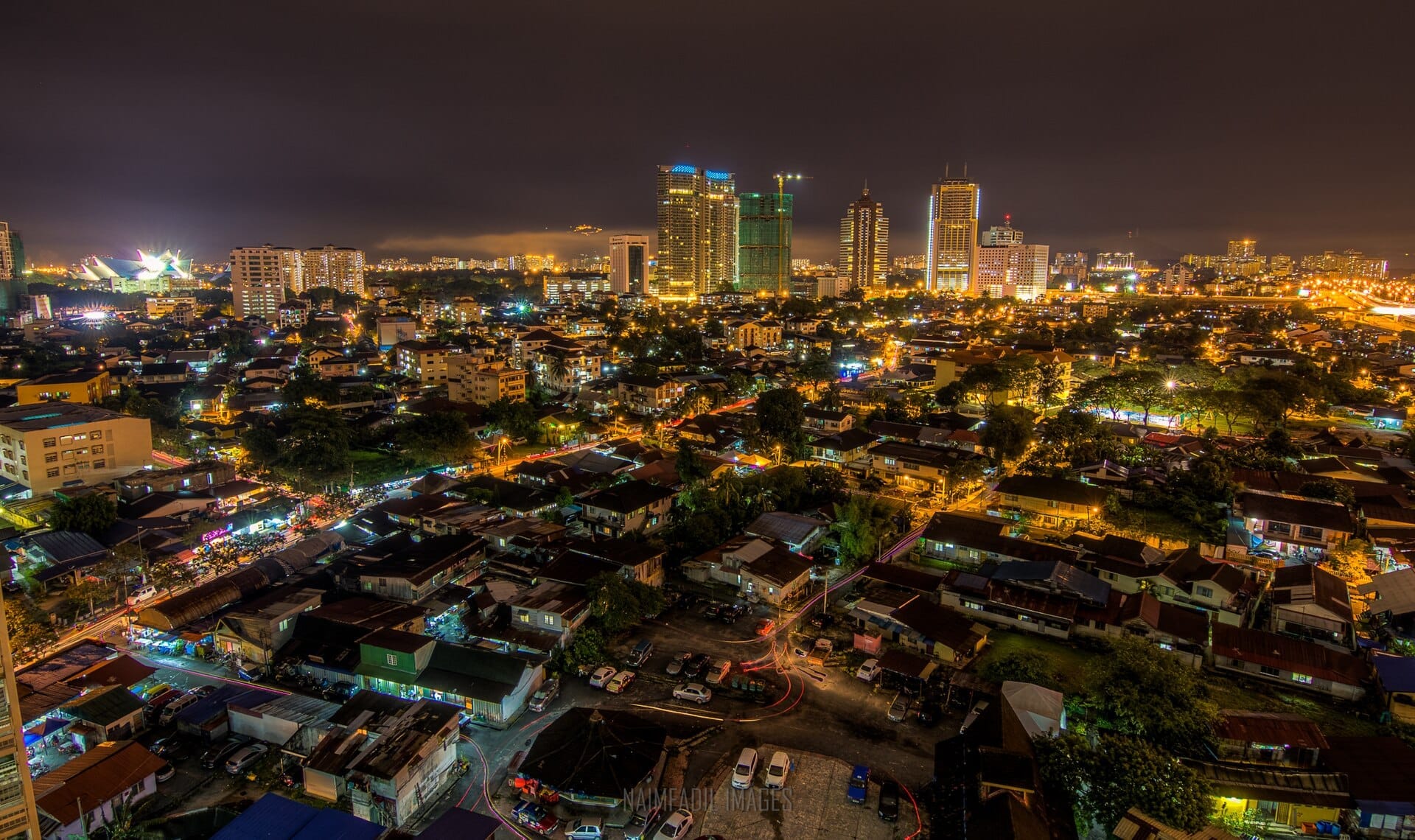
Chinatown centres on Petaling Street, a covered market running roughly 400 metres through the heart of the neighbourhood. The market itself sells the usual mix of branded goods and tourist trinkets — skip most of it. The real draw is the surrounding streets: clan houses, coffee shops serving kopi in the traditional South-East Asian style, and the Sri Mahamariamman Temple, an ornate Hindu temple that somehow sits quietly inside a Chinese neighbourhood, reflecting KL's layered history.
For something further off the tourist circuit, Kampung Baru is a traditional Malay village that has somehow survived inside the city centre, hemmed in by gleaming towers. Weekend mornings here are excellent for breakfast: nasi lemak wrapped in banana leaf from hawker stalls, eaten at plastic tables while the neighbourhood goes about its business. It's less than 2 km from the Petronas Towers but feels like a different city.
Brickfields, south of KL Sentral station, is KL's official Little India — technically named Little India Brickfields. The streets are dense with garland shops, sari stores, Tamil restaurants, and the smell of incense. It's most atmospheric in the early evening, when the temple crowds are active and the food stalls set up. Deepavali (October/November or November) transforms the whole neighbourhood into something extraordinary.
- Chinatown / Petaling Street Best for: morning dim sum, clan temples, the Kwai Chai Hong laneway art murals, and colonial shophouse architecture. Come before 10 AM or after 5 PM.
- Kampung Baru Best for: traditional Malay food, weekend pasar (market), and a genuinely local residential atmosphere. The Kampung Baru MRT station makes it easy to reach.
- Brickfields (Little India) Best for: South Indian vegetarian food, textile shopping, and the Thean Hou Temple complex nearby. Avoid Sunday afternoons when it gets genuinely crowded.
- Chow Kit Best for: the city's best wet market (Chow Kit Market), Malay street food, and a raw urban energy unlike anywhere else in KL.
Outdoor Experiences and Day Trips
The Lake Gardens (formally Taman Tasik Perdana) is a 92-hectare green belt about 3 km from the city centre. Inside it you'll find the KL Bird Park — the world's largest covered bird sanctuary at around 20 acres, housing over 3,000 birds from 200 species. Entry is around RM 67 for adults. Go early: the park opens at 9 AM and birds are most active in the cooler morning hours.
Batu Caves is a 13 km drive or 30-minute commute by KTM Komuter train from KL Sentral (around RM 3.50 each way). The site is a Hindu shrine complex inside a series of limestone caves, accessed via 272 steps painted in rainbow colours. Entry to the main temple cave is free. It's genuinely worth visiting but come before 9 AM — by mid-morning the crowds and heat combine to make the experience significantly less enjoyable. Thaipusam (January/February) draws over a million pilgrims and is spectacular if chaotic.
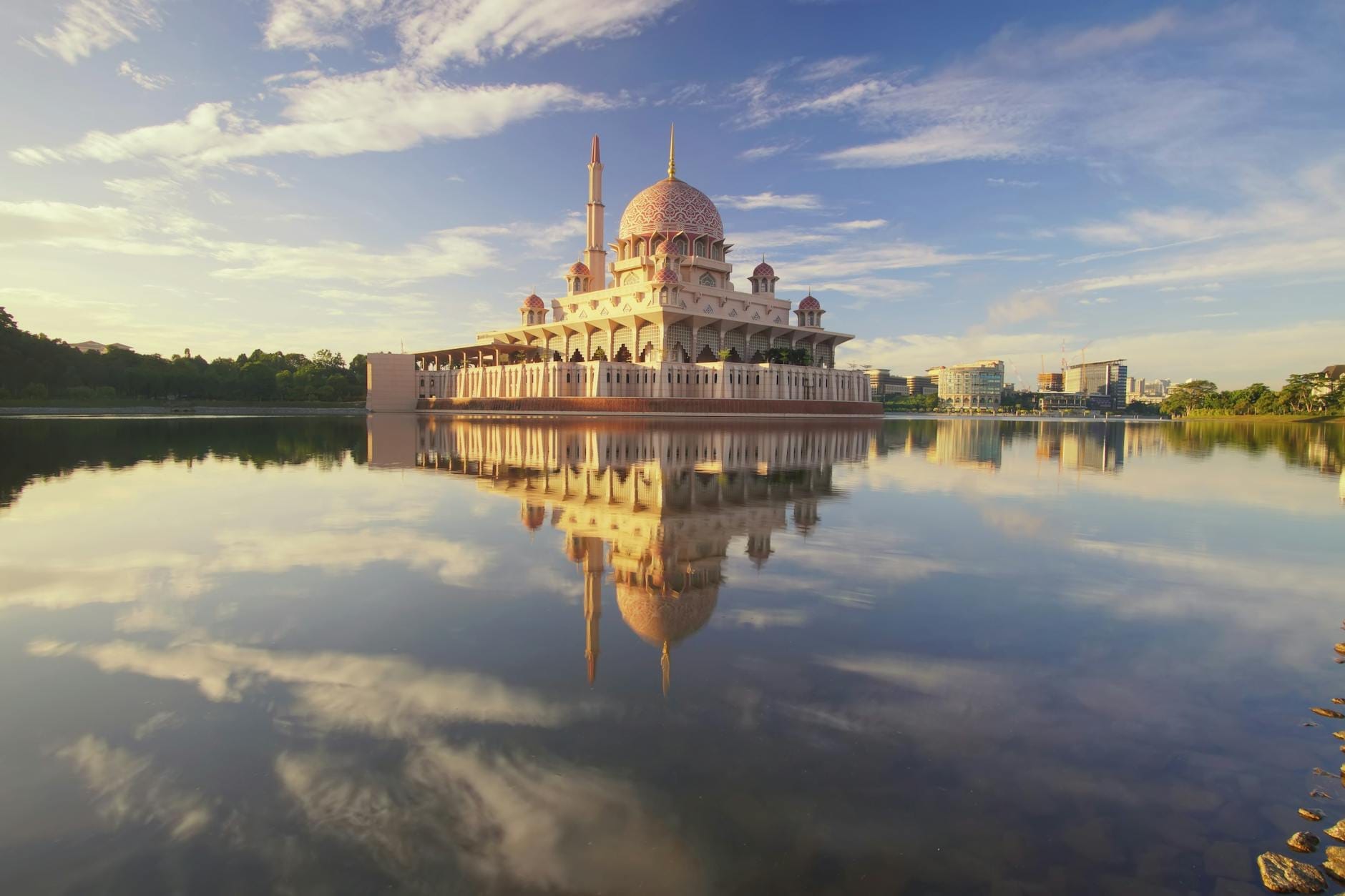
A day trip to Putrajaya is easy and often overlooked. Malaysia's federal administrative capital, built from scratch in the 1990s, sits 25 km south of KL and is reachable by KLIA Transit in about 45-60 minutes (RM 9-14 from KL Sentral). The Putra Mosque is genuinely one of the most photogenic buildings in Southeast Asia — the rose-tinted granite dome and lake setting are better in person than in photos. The Putrajaya Botanical Garden is also worth a loop if the heat cooperates.
⚠️ What to skip
Genting Highlands is heavily marketed to tourists but the experience is dominated by indoor casinos and theme park rides. If highland nature is the goal, consider Fraser's Hill or Cameron Highlands instead. If you're set on Genting, the cable car (Awana Skyway) is the best part of the trip.
Food, Markets, and Street Eating
No guide to things to do in Kuala Lumpur is complete without addressing the food. KL is legitimately one of the great eating cities in Asia, and most of what makes it special costs less than RM 15 per dish. Jalan Alor in Bukit Bintang is the most-visited night food street, and it earns that status: the range of Chinese-Malaysian dishes across 50+ stalls is excellent. Peak time is 7-10 PM. Avoid sitting at stalls where touts aggressively drag you in — the better places don't need to.
Chow Kit Market is where the city's professional cooks buy their produce, and it rewards early risers. The wet market section (ground floor, best before 8 AM) is dense with tropical fruits, live seafood, spices, and cuts of meat you won't find in a supermarket. The surrounding streets have excellent nasi dagang and other Malay breakfast dishes from stalls that wrap up by 10 AM.
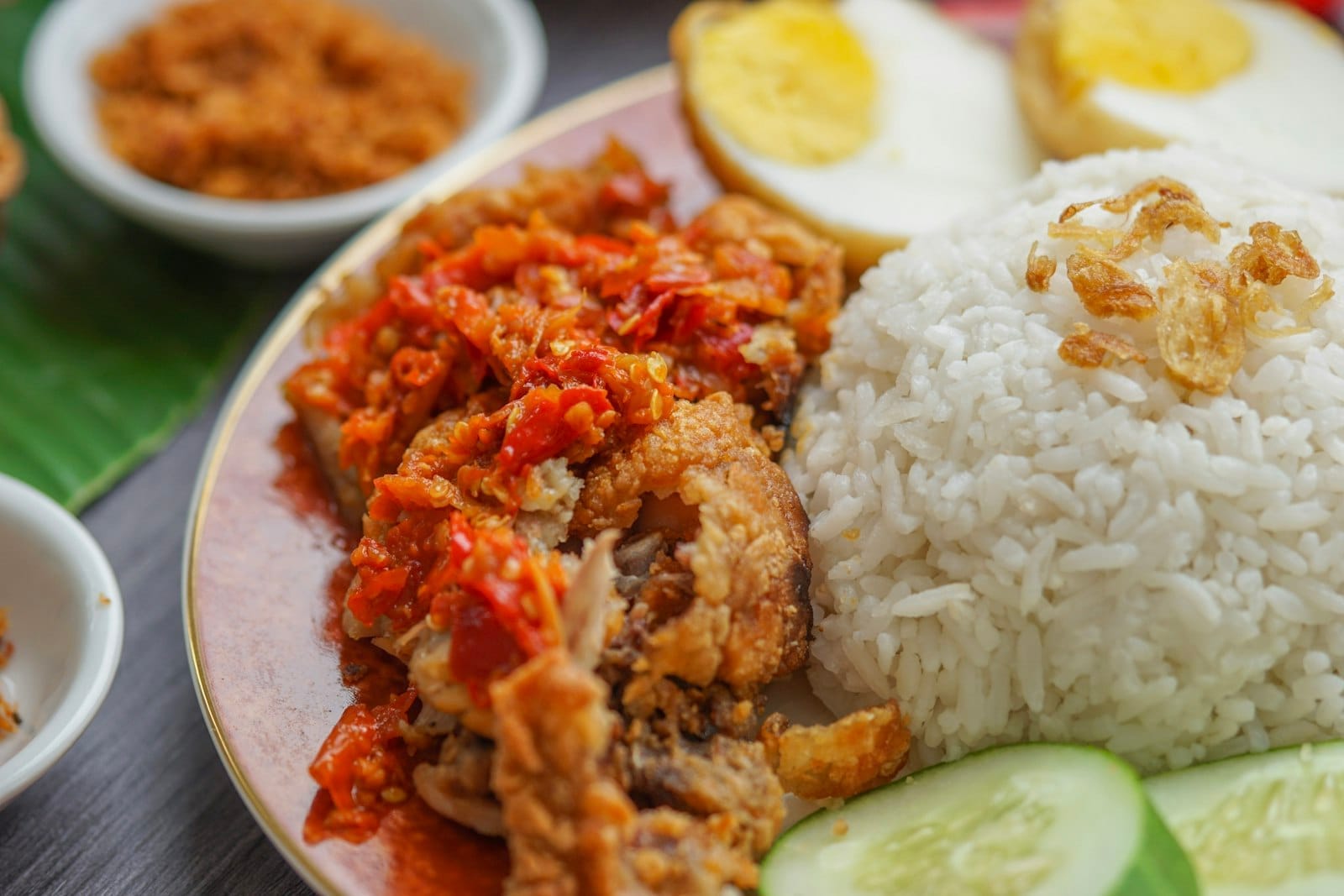
- Nasi lemak: KL's true national dish. Coconut rice with sambal, anchovies, egg, and cucumber. Best eaten for breakfast from a hawker stall, not a restaurant.
- Char kway teow: stir-fried flat rice noodles with Chinese sausage, prawns, egg, and bean sprouts. Order from Chinese-run hawkers specifically.
- Roti canai: flaky flatbread served with dhal and curry. Mamak (Indian-Muslim) restaurants serve this 24 hours a day across the city.
- Bak kut teh: pork rib soup, eaten with rice and fried dough. The Klang version (peppery) is different from the Penang version (herbal) — KL serves both.
- Cendol: shaved ice dessert with palm sugar, coconut milk, and green jelly noodles. Best from dedicated hawker stalls, not tourist restaurants.
Shopping: What's Worth It and What to Skip
KL is genuinely one of Southeast Asia's best shopping cities, anchored by a chain of connected malls along the Bukit Bintang corridor. Pavilion Kuala Lumpur and Suria KLCC handle the luxury and mid-range retail. For a more local feel, Lot 10 hosts the famous Hutong food court in the basement — a curated collection of KL's best hawker stalls, slightly more expensive than street level but air-conditioned and consistent.
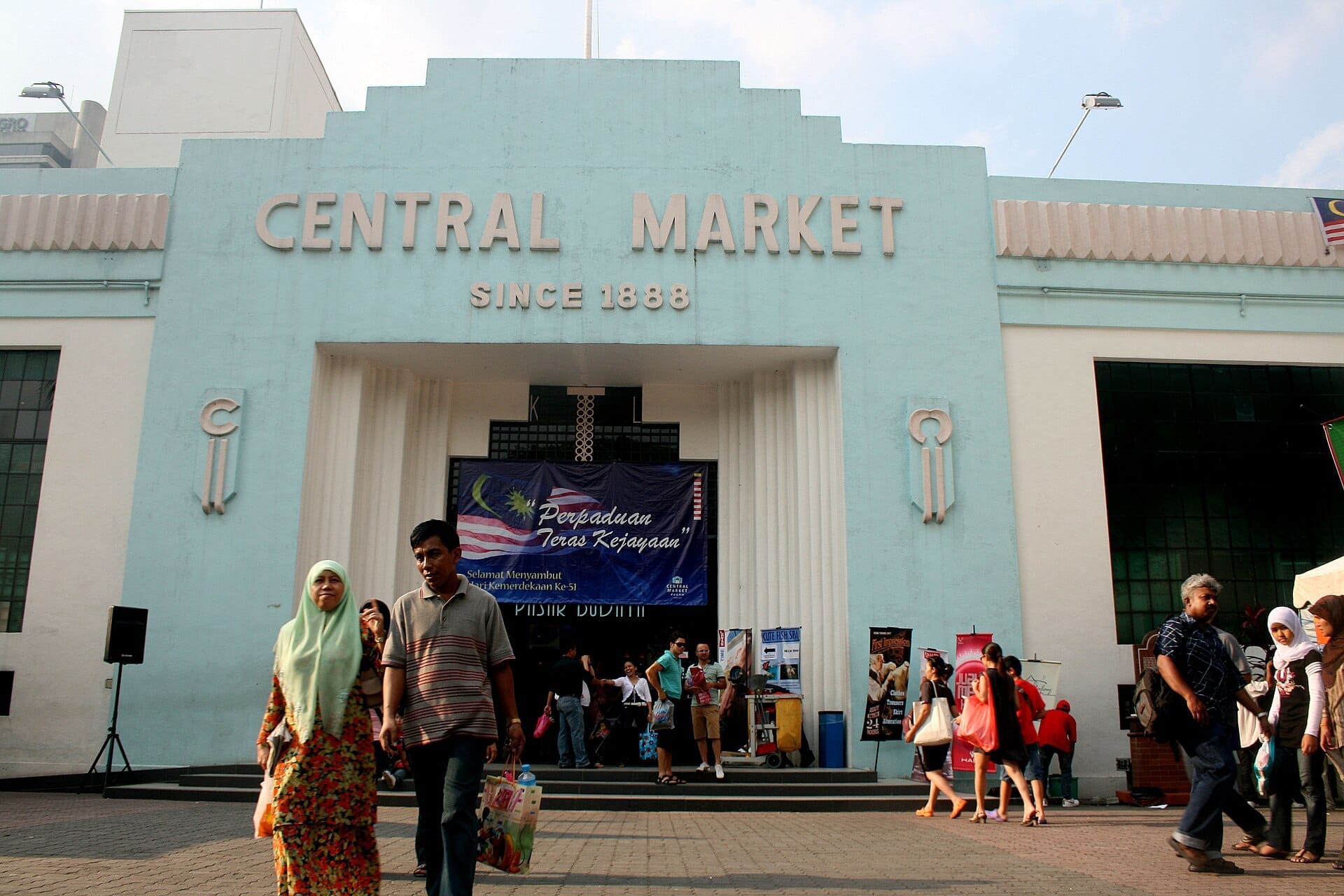
Central Market is positioned as a cultural craft market, and while it's tourist-facing, the fixed-price policy means no haggling stress. It's a decent spot for batik, pewterware, and Malaysian-made gifts. Petaling Street is more entertaining as an experience than as a shopping destination — treat it like street theatre and don't expect to find genuine branded goods.
FAQ
How many days do you need in Kuala Lumpur?
Three full days covers the headline attractions: the Petronas Towers and KLCC area, the historic centre around Merdeka Square, and the Lake Gardens. Add a fourth day for a Batu Caves morning plus neighbourhood exploring in Chinatown or Kampung Baru. Five days allows a day trip to Putrajaya or Genting Highlands without feeling rushed.
What is the best time of year to visit Kuala Lumpur?
KL has no true dry season — it sits close to the equator and gets rain year-round. Generally, May to July and December to February see slightly lower rainfall. The bigger factor is avoiding major public holidays (Chinese New Year, Eid) when domestic travel peaks and prices rise. Thaipusam in January/February at Batu Caves is worth timing around if the crowds don't bother you.
Is Kuala Lumpur safe for tourists?
KL is broadly safe by regional standards. Petty theft (bag snatching, pickpocketing) is the main risk, particularly in crowded markets and on busy streets at night. Keep phones and bags secured in Chinatown and Chow Kit. Violent crime targeting tourists is rare. Traffic is the most consistent physical hazard — pedestrian crossings are frequently ignored by drivers.
What are the most overrated things to do in Kuala Lumpur?
The Aquaria KLCC aquarium charges around RM 60-70 and is small relative to the price — better options exist in Singapore or Bangkok. Many of the 'cultural shows' sold in hotel lobbies are low-quality productions aimed purely at tourists. The Batu Caves observation deck add-on (separate from the main temple) offers little beyond what you see from the steps.
Can you do Kuala Lumpur on a budget?
Yes, comfortably. Entry to Masjid Jamek, Merdeka Square, most parks, and several museums is free or under RM 10. Street food meals run RM 5-12. Grab rides across the city centre rarely exceed RM 10-15. A dorm bed in a decent Chinatown or Bukit Bintang hostel runs RM 35-60 per night. Budget travellers spending RM 100-150 per day (around USD 25-38) live well in KL.