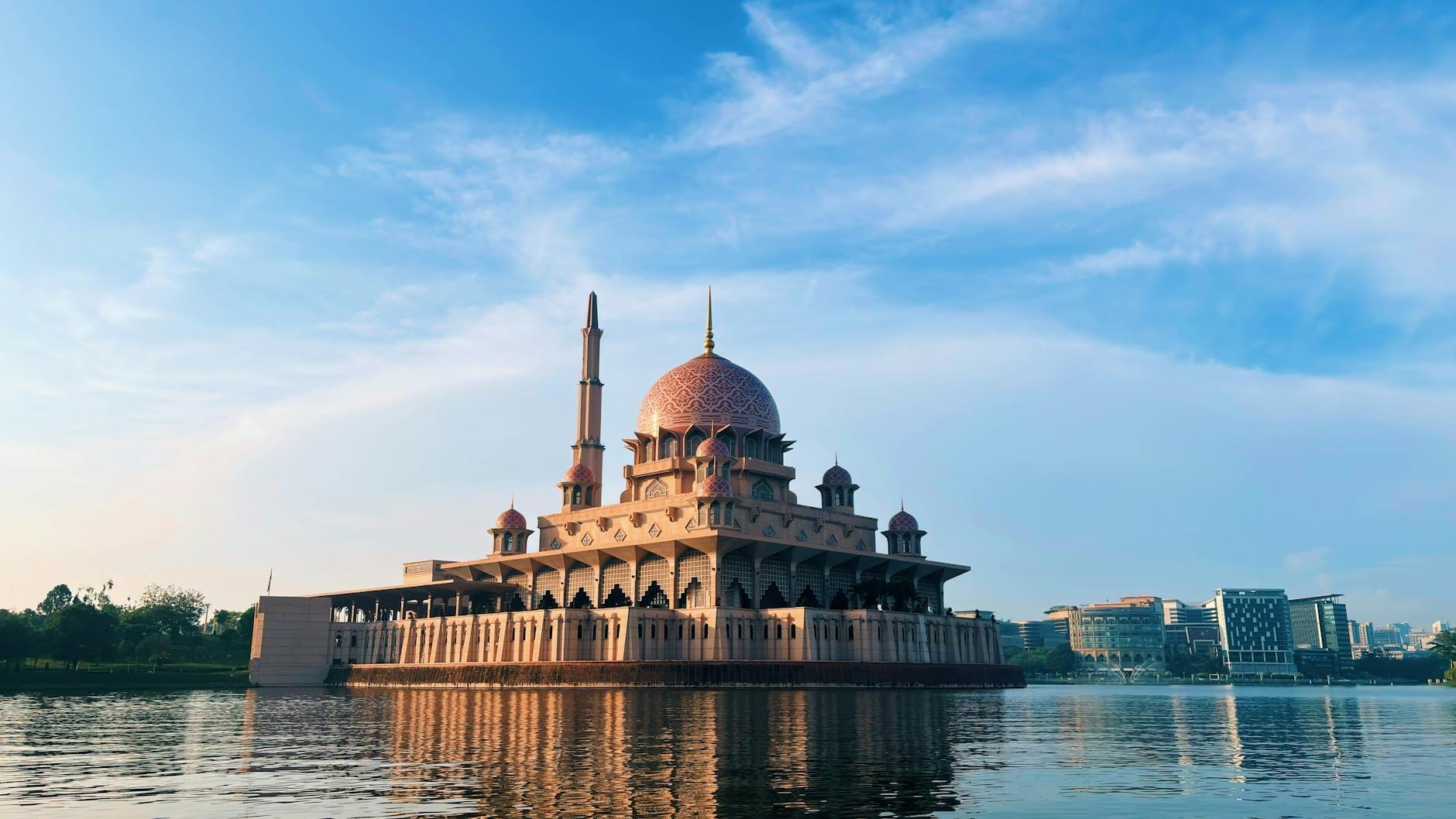
Putrajaya is Malaysia's purpose-built federal administrative capital, located 25 kilometres south of Kuala Lumpur. It trades the city's dense street life for sweeping boulevards, a man-made lake, and some of the country's most ambitious civic architecture. It rewards visitors who appreciate scale and design over nightlife and shopping.
Putrajaya sits roughly 25 kilometres south of central Kuala Lumpur and about 20 kilometres north of Kuala Lumpur International Airport (KLIA). It is technically a Federal Territory, separate from the state of Selangor that surrounds it, and it functions as Malaysia's administrative capital while Kuala Lumpur remains the commercial and cultural heart of the country.
The city is organised around Putrajaya Lake, an artificial reservoir that anchors the entire urban plan. The northern precinct holds most of the government buildings, including Perdana Putra (the Prime Minister's Office) and the iconic Putra Mosque on the lake's edge. The southern precincts are more residential and less visited. For most day-trippers, the action concentrates in a fairly compact arc along the northern and western shores of the lake.
Putrajaya borders Cyberjaya to the west, Malaysia's designated technology corridor. Both towns were developed simultaneously as part of the Multimedia Super Corridor project launched in the mid-1990s. If you are planning a broader trip around the capital region, it helps to read the getting around Kuala Lumpur guide before you go, as the transit options to Putrajaya are different from those serving the city centre.
Character & Atmosphere
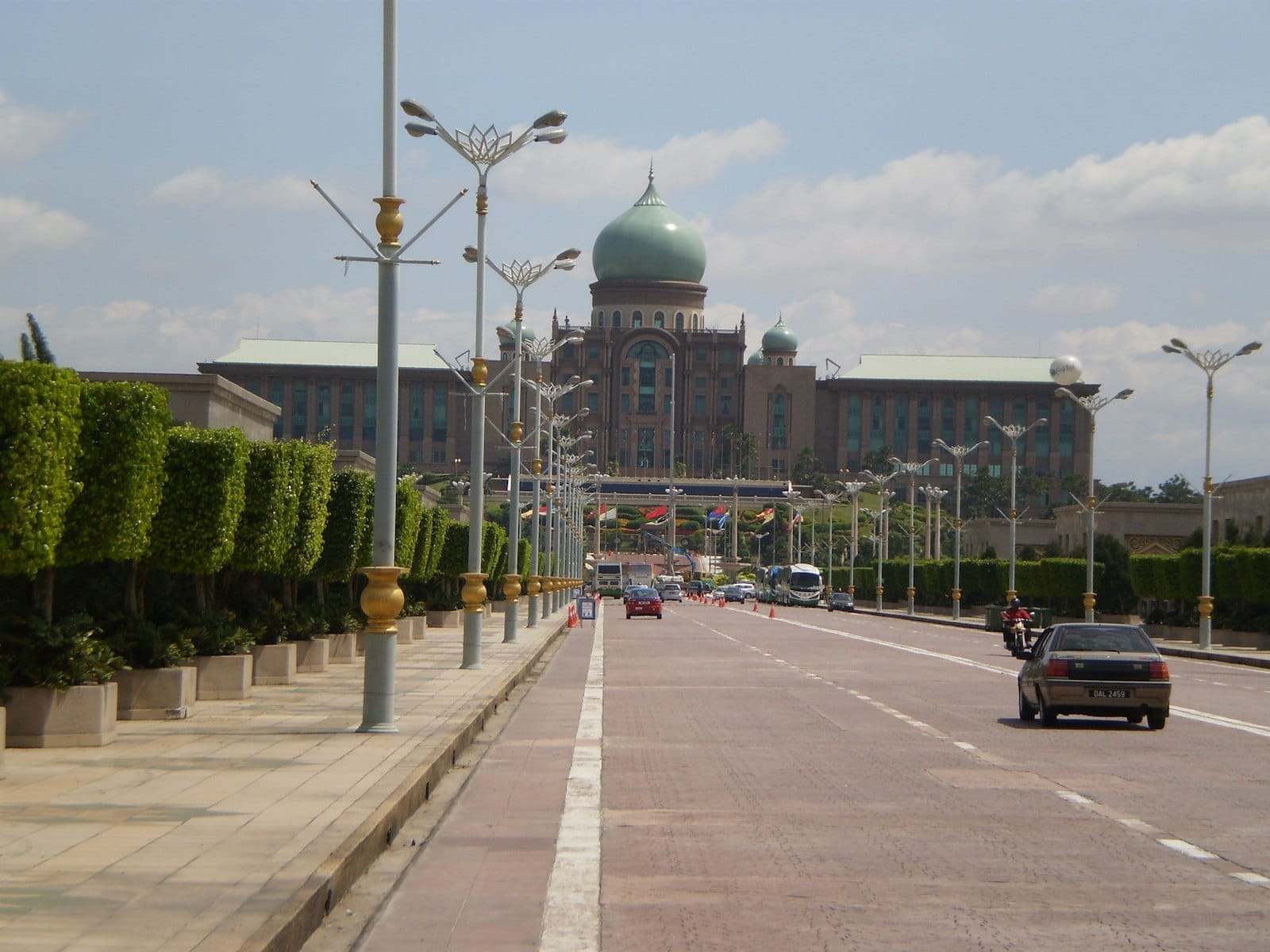
Walking through Putrajaya feels fundamentally different from walking through Kuala Lumpur. The roads are wide enough to feel ceremonial, the buildings are set back from the street on manicured lawns, and there are almost no shopfronts at ground level. This is a city designed for administration and symbolism, not street commerce. That creates an unusual atmosphere: beautiful in a formal way, but quieter than most visitors expect.
Early mornings are the best time to experience the lakeside. The light is soft and low, the water is still, and civil servants arrive for work in a steady, unhurried stream. The Putra Bridge and the promenade around Precinct 1 are almost empty before 8am, which is rare for any attraction of this visual quality. By mid-morning, school groups and tour buses start arriving, particularly on weekends. The area around the Putra Mosque fills with visitors between 9am and midday.
Afternoons in Putrajaya can be genuinely hot and exposed, since the open boulevards offer little shade. Most visitors gravitate toward the Putrajaya Botanical Garden or find relief in the Alamanda mall (the city's main shopping centre) during the worst of the midday heat. By late afternoon the light turns golden across the lake, and the government buildings photograph best in the hour before sunset. After dark, Putrajaya is very quiet: a handful of restaurants around the lake stay open for dinner, but this is not a city with a nightlife culture.
💡 Local tip
Visit on a weekday if you want the promenade and mosque largely to yourself. Weekends bring families and tour groups from across the Klang Valley, and parking becomes difficult near Precinct 1.
What to See & Do
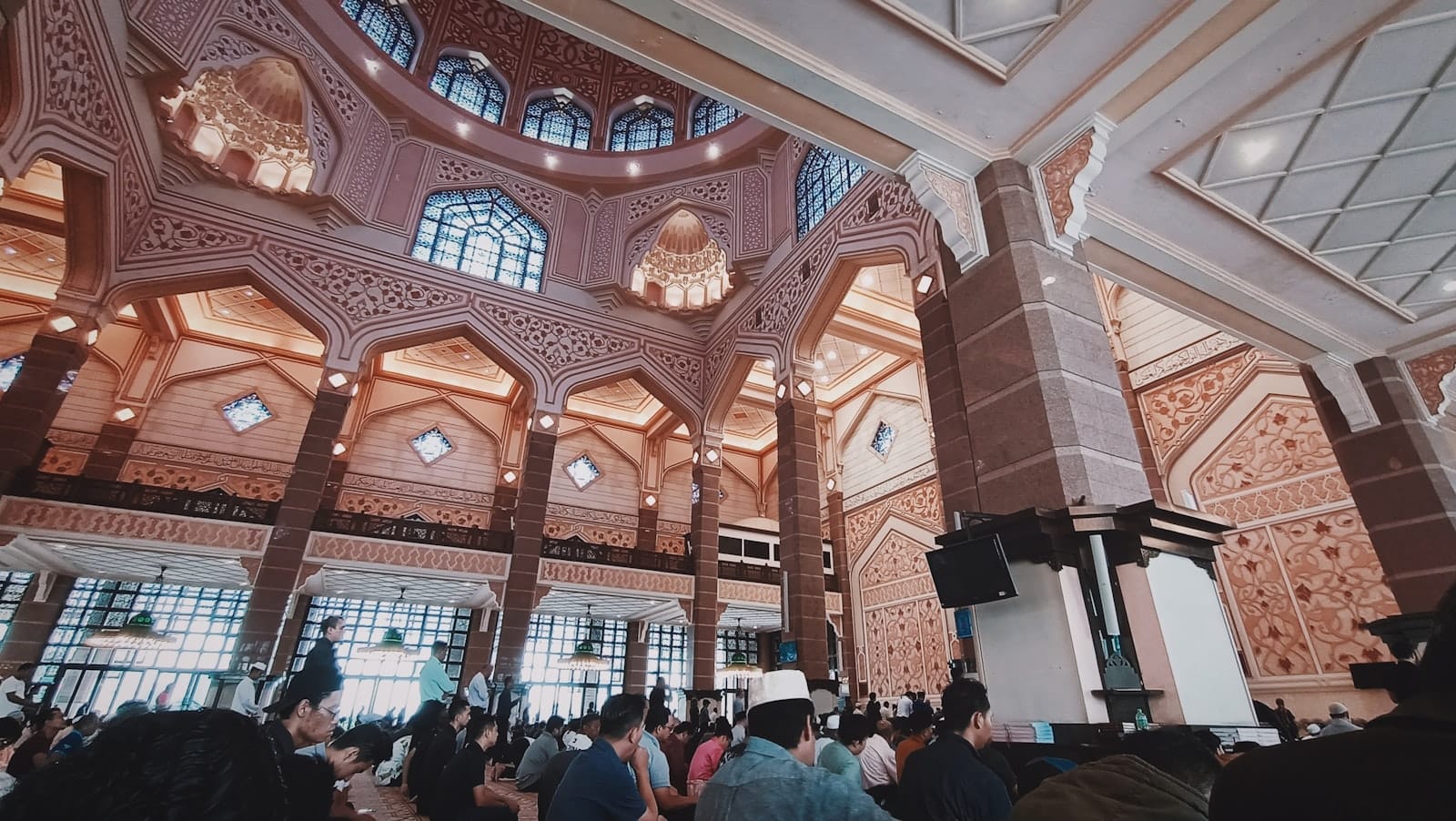
The Putra Mosque is the centrepiece of Putrajaya's skyline and one of the most photographed buildings in Malaysia. Built from rose-tinted granite with a salmon-pink dome, it seats 15,000 worshippers and sits on a raised plinth directly over the lake's edge. Non-Muslim visitors are welcome outside prayer times, and abayas and robes are available for loan at the entrance. The interior is cool and elaborately detailed; the exterior, especially from the adjacent Putra Square, is the stronger visual experience.
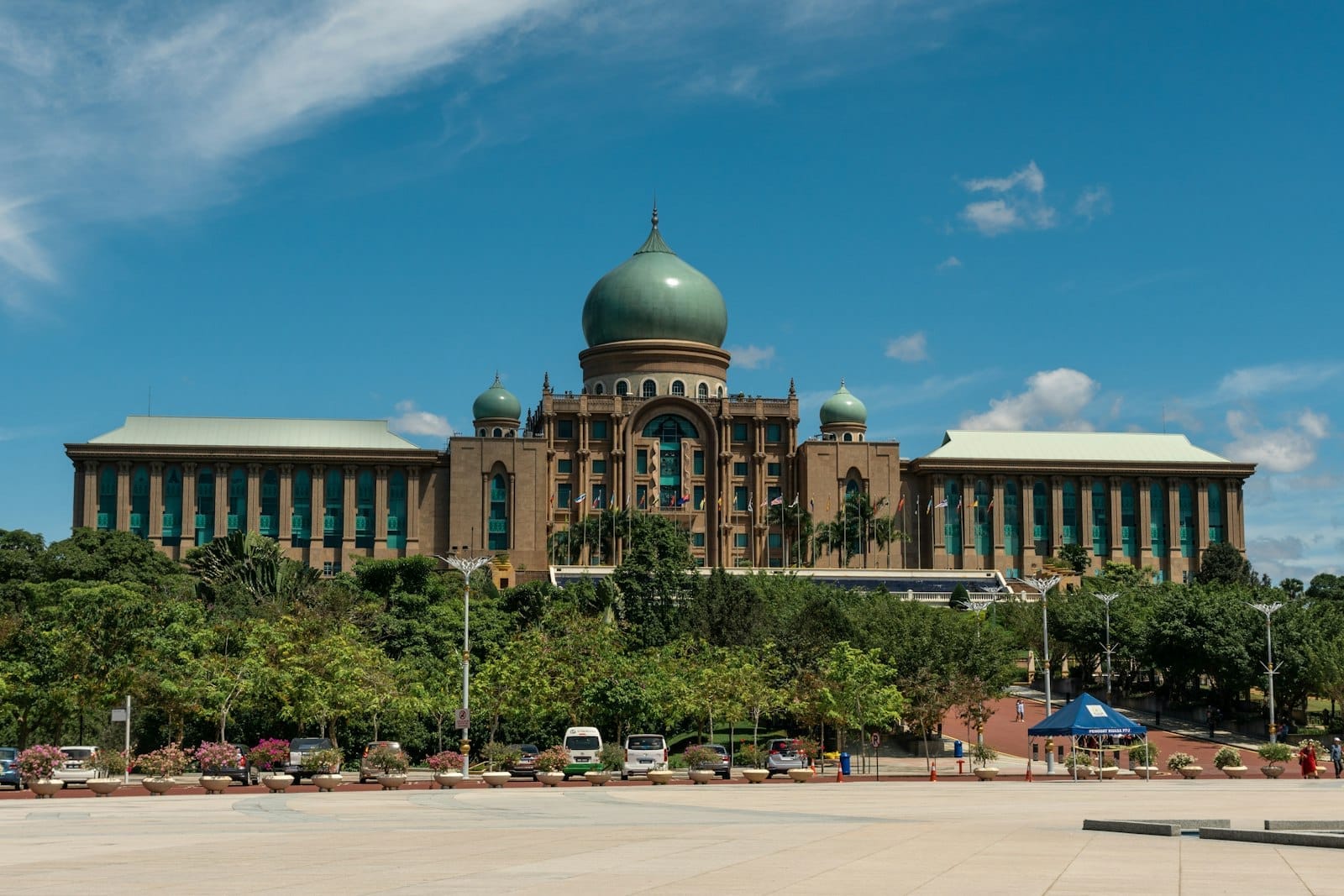
Directly across Putra Square, the Perdana Putra complex houses the Prime Minister's Office. The building blends Mughal, Malay, and Italian Renaissance influences into something genuinely singular. You cannot enter the main complex, but the exterior and the view from the square are impressive, and the landscaped grounds leading down to the lake are accessible and well-maintained.
The Putrajaya Lake itself is central to the city's appeal. Cruise boats operate from the jetty near the Putra Mosque, offering loops around the lake with views of the bridges, the Istana Darul Ehsan (the state palace of Selangor), and the various ministry buildings reflected on the water. The Millennium and Seri Wawasan bridges are particularly photogenic and worth walking across on foot.
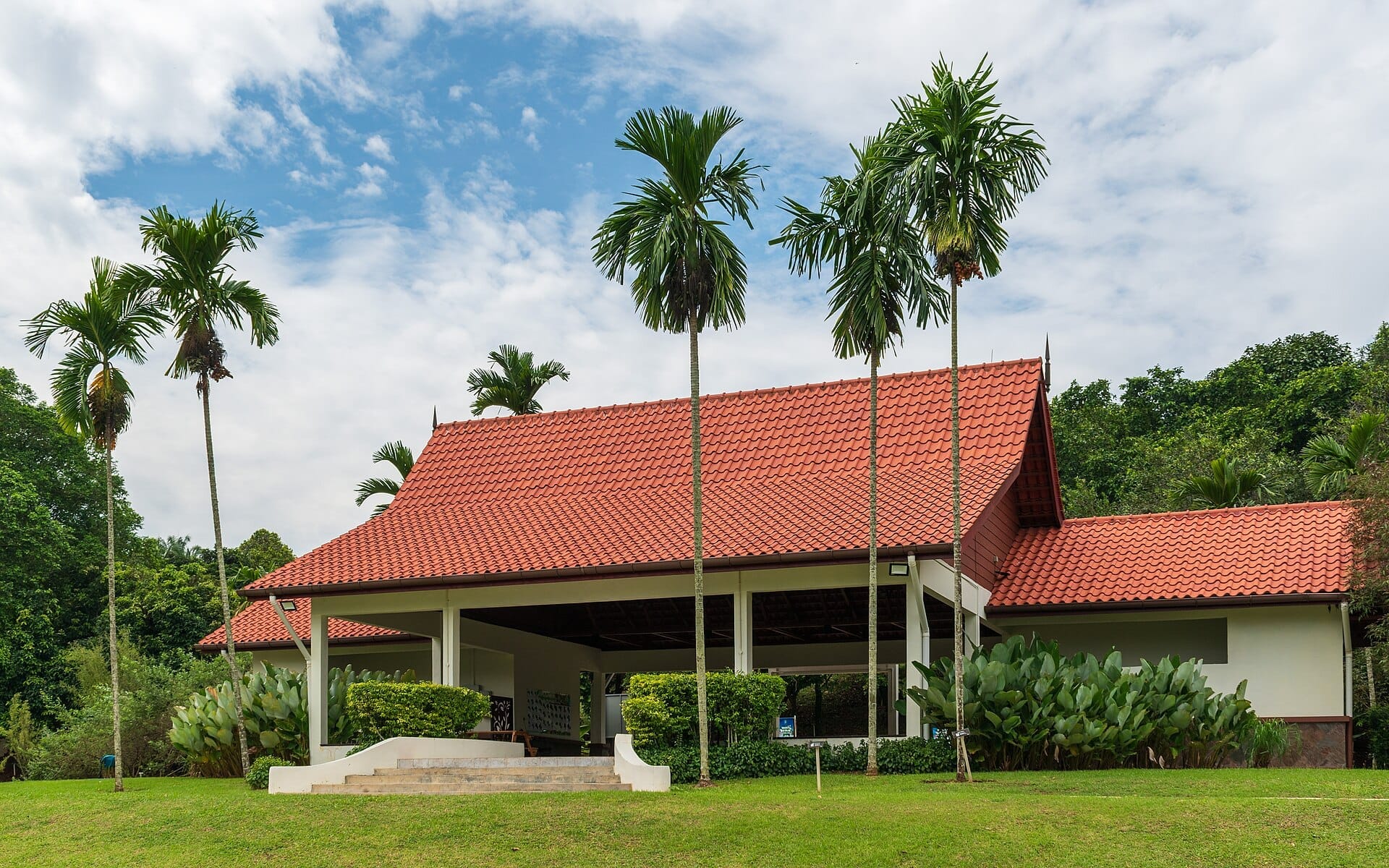
The Putrajaya Botanical Garden covers over 90 hectares in the western part of the city and is one of the most undervisited green spaces in the KL region. It is organised into themed gardens including an Herb Garden, a Fern Garden, and an Orchid Garden. The terrain is hilly with shaded walking paths, which makes it comfortable even in the afternoon. Weekday mornings see mainly joggers and retirees; weekends bring more families.
Putra Mosque: the city's dominant landmark, open to non-Muslim visitors between prayer times
Perdana Putra: the Prime Minister's Office, viewable from Putra Square
Putrajaya Lake cruise: 45-minute boat loop with views of all major landmarks
Putrajaya Botanical Garden: 90 hectares of themed gardens, good for walking or cycling
Millennium Bridge and Seri Wawasan Bridge: two of nine bridges across the lake, both walkable
Alamanda Putrajaya: the city's main mall, useful for food, air conditioning, and basics
ℹ️ Good to know
Putrajaya hosts the Floria flower festival, typically held in June, transforming the botanical garden with large-scale floral installations and night events. It draws large crowds but is one of the more distinctive events on Malaysia's calendar.
Eating & Drinking
Food options in Putrajaya are concentrated in a few specific locations. The area around the lake near Precinct 1 has a cluster of mid-range restaurants catering to civil servants and weekend visitors, serving Malay rice dishes, grilled fish, and laksa. Prices are reasonable by KL standards and the settings along the waterfront are pleasant.
Alamanda Putrajaya mall is the most reliable fallback for variety. It has a proper food court on the lower floor serving everything from nasi lemak and char kway teow to fast food chains. Most stalls are open from around 10am to 10pm. The mall also has several sit-down restaurants if you want air conditioning and a menu.
There is no equivalent of Kuala Lumpur's street food culture here. You will not find a night market sprawling across a pavement or a kopitiam tucked into a shophouse row. The city was not built with that kind of organic commercial life in mind. If serious eating is part of your plan, it is worth noting that the train connections to KL make it easy to come here for the architecture and return to the city for dinner.
⚠️ What to skip
Most restaurants in Putrajaya close early on weeknights. If you plan to stay past 8pm, check opening hours in advance or eat at the mall, which stays open until 10pm.
Getting There & Around
The KLIA Transit line connects Putrajaya and Cyberjaya station to KL Sentral in approximately 20–25 minutes. Trains run frequently and the fare is under RM15. The station is technically called Putrajaya and Cyberjaya, and it sits in the southern part of Putrajaya, not near the main sights. From the station, you need either a taxi, a ride-hailing app (Grab is reliable here), or one of the city's internal bus routes to reach Precinct 1 and the lake area.
The internal Nadi Putra bus network connects the station to most precincts, but frequencies are limited and routes are not always intuitive for visitors. Grab rides from the station to the mosque or botanical garden are inexpensive (typically RM6-10) and much faster than working out the bus schedule. Driving or taking an express bus from KL is also an option; the highway journey takes 25-30 minutes outside of rush hour.
Within the main sightseeing area around the lake, the distances between attractions are deceptively large. Putra Square to the Botanical Garden entrance is roughly 4-5 kilometres. Cycling is a practical option: rental bikes are available near the lake area on weekends, and the wide, low-traffic roads make cycling comfortable. On foot, focus on the compact area between the Putra Mosque, Putra Square, and the nearest bridge rather than trying to walk the entire lakefront.
Where to Stay
Most visitors to Putrajaya base themselves in Kuala Lumpur and come here as a day trip. That is the practical choice for the vast majority of travellers, since KL's neighbourhoods like Bukit Bintang and KLCC offer far more evening options and better onward transit. If you are deciding where to base yourself for a wider KL trip, the where to stay in Kuala Lumpur guide breaks down each area clearly.
That said, Putrajaya has a small selection of business and leisure hotels near the lake, mostly 4 and 5-star properties targeting government delegations and conference visitors. The Pullman Putrajaya Lakeside is the best-known option, with direct lake views and a full-service spa. If you are travelling to or from KLIA with an early or late flight, staying in Putrajaya is a genuinely useful option: the KLIA Transit stop is 20 minutes from the airport, and hotel rates are often lower than equivalent properties in central KL.
Budget accommodation is limited. Putrajaya was not designed for backpacker infrastructure, and there are no hostels to speak of. If cost is a priority, base yourself in KL and commute.
Is Putrajaya Worth Your Time?
Putrajaya is not the right choice for everyone. If your priority is food, nightlife, shopping, or street-level urban energy, there is little here to hold you. Neighbourhoods like Chinatown or the area around Jalan Alor offer a fundamentally different kind of city experience and are better choices for first-time visitors with limited time.
But for anyone interested in architecture, urban planning, Islamic design, or simply experiencing a kind of city that exists nowhere else in Southeast Asia, Putrajaya is compelling. The combination of the lake, the government buildings, and the relative quiet makes it one of the more unusual half-days available from KL. It pairs well with a morning visit if you are already heading south toward KLIA, and it is accessible enough that adding it to any KL itinerary of three days or more is straightforward.
For context on timing, the best time to visit Kuala Lumpur guide covers the seasonal patterns that affect outdoor sightseeing across the region, including in Putrajaya where heat and afternoon rain are more of a factor than in air-conditioned city neighbourhoods.
TL;DR
Putrajaya is Malaysia's purpose-built federal capital, 25km south of KL, designed around a 650-hectare lake with grand civic architecture.
Best suited to travellers interested in architecture, Islamic design, landscape planning, or a break from KL's density.
The Putra Mosque, Perdana Putra, and the lake cruise are the core experiences; the Botanical Garden adds a quiet half-day option.
Food and nightlife are limited: most visitors do better to eat in KL and come here specifically for the sights.
Accessible via KLIA Transit from KL Sentral in about 20 minutes; best explored with Grab taxis or a rental bike rather than on foot alone.
Kuala Lumpur sits just 3 degrees north of the equator, which means heat and rain are constants year-round. But timing still matters — for festivals, crowds, hotel prices, and how much you'll be caught in a downpour. This guide breaks down every season honestly so you can plan smarter.
Genting Highlands sits around 1,800 metres above sea level, about 58 km from Kuala Lumpur. This guide covers every transport option, what the resort complex actually offers, how long you need, and the honest trade-offs so you can decide if this trip suits your itinerary.
Kuala Lumpur has one of Southeast Asia's most developed urban transport networks, yet first-time visitors frequently end up confused, overcharged, or stranded. This guide breaks down every practical option for getting around KL, from rail passes to rideshare apps, with honest assessments of what works and what to avoid.
Kuala Lumpur is one of Southeast Asia's great shopping cities, with malls ranging from ultra-luxury flagships to bargain-packed street-level arcades. This guide breaks down the best shopping malls by area, what each does well, and exactly how to make the most of your time and money.
Kuala Lumpur packs an extraordinary range of experiences into a single city: world-famous landmarks, serious street food, dense rainforest parks, and some of Southeast Asia's best shopping. This guide breaks it all down by category so you can build a trip that actually fits your pace.
Choosing where to stay in Kuala Lumpur shapes your entire trip. This guide breaks down the city's key neighbourhoods by location, vibe, price range, and transport links so you can book with confidence.