Bukit Bintang is Kuala Lumpur's commercial and entertainment heartland, where flagship malls, open-air food streets, and late-night bars converge in one dense, walkable stretch. It's the neighborhood that never fully goes quiet, and the one most first-time visitors default to — for good reason.
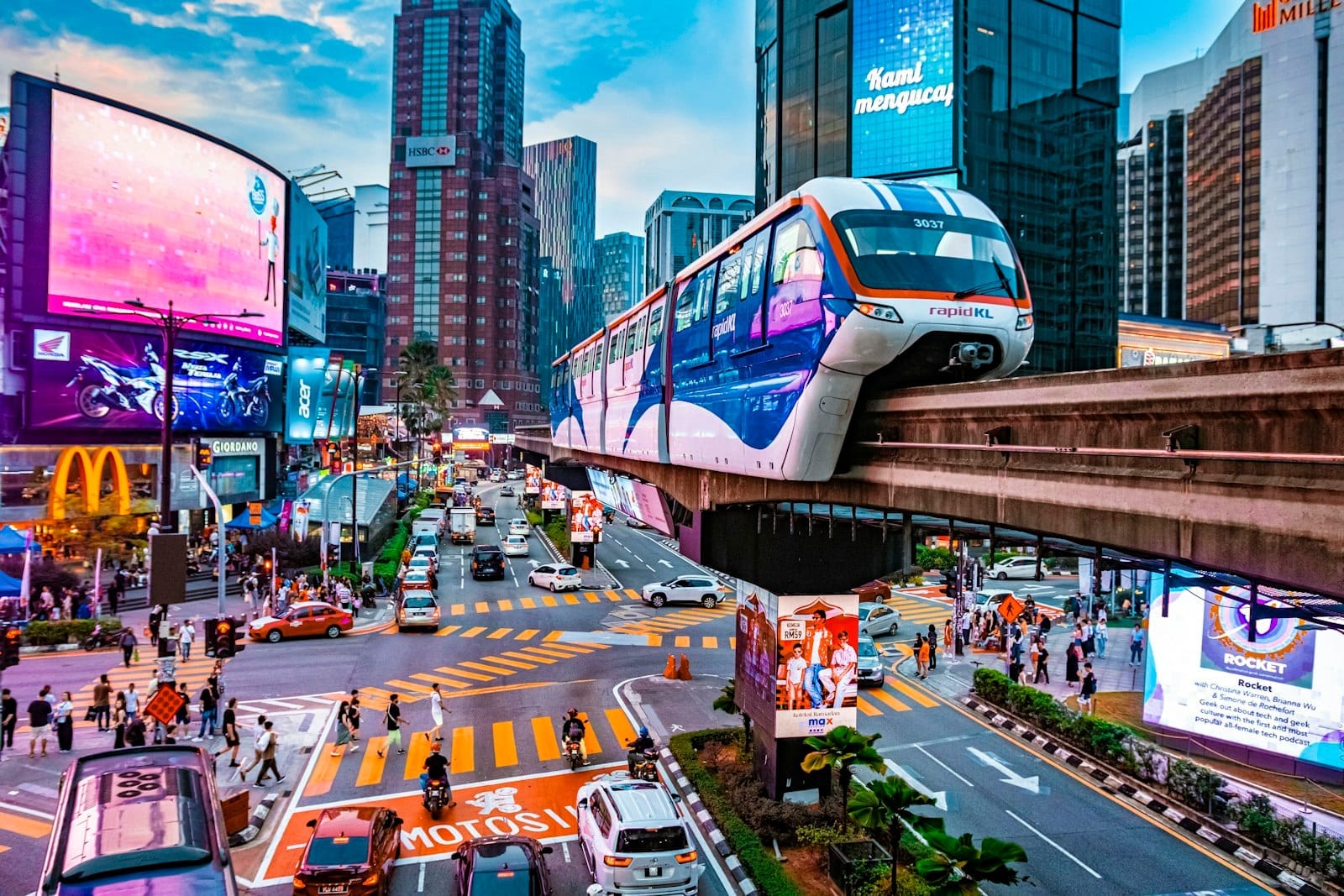
Bukit Bintang is the closest thing Kuala Lumpur has to a city center that never sleeps. Stacked malls, sizzling street food on Jalan Alor, rooftop bars, and a monorail line that stitches it all together make this the neighborhood that defines modern KL for millions of visitors every year.
Orientation
Bukit Bintang sits in Kuala Lumpur’s Golden Triangle, centered on Jalan Bukit Bintang and extending toward nearby streets such as Jalan Imbi and Jalan Pudu. The name translates literally as 'Star Hill', a reference to an old cinema that once stood on the ridge. Today that ridge is lined with some of the densest retail development in Southeast Asia.
The neighborhood sits about two kilometers southwest of the KLCC tower district and connects to it via Jalan Bukit Bintang and the elevated pedestrian bridge crossing Jalan Ampang. To the south, Jalan Pudu separates Bukit Bintang from the older commercial fabric of Pudu. To the west, a short walk or monorail ride brings you into the Brickfields and KL Sentral corridor. Mentally, think of Bukit Bintang as a spine running roughly east to west along Jalan Bukit Bintang, with side streets fanning off in both directions.
Understanding this layout matters because the neighborhood divides into distinct micro-zones: the retail canyon of Jalan Bukit Bintang itself, the food-and-nightlife pocket around Changkat Bukit Bintang uphill to the north, and the street food strip of Jalan Alor running parallel just one block south. Each has its own rhythm and crowd.
Character & Atmosphere
Early mornings in Bukit Bintang belong to hotel guests, delivery workers stacking crates outside restaurant kitchens, and office staff cutting through on their way to the monorail. The air carries the smell of char kway teow being prepped at the kopitiam stalls that survive between the malls. At this hour the scale of the place is actually legible: you can see the architecture, read the signs, and walk without being swept along.
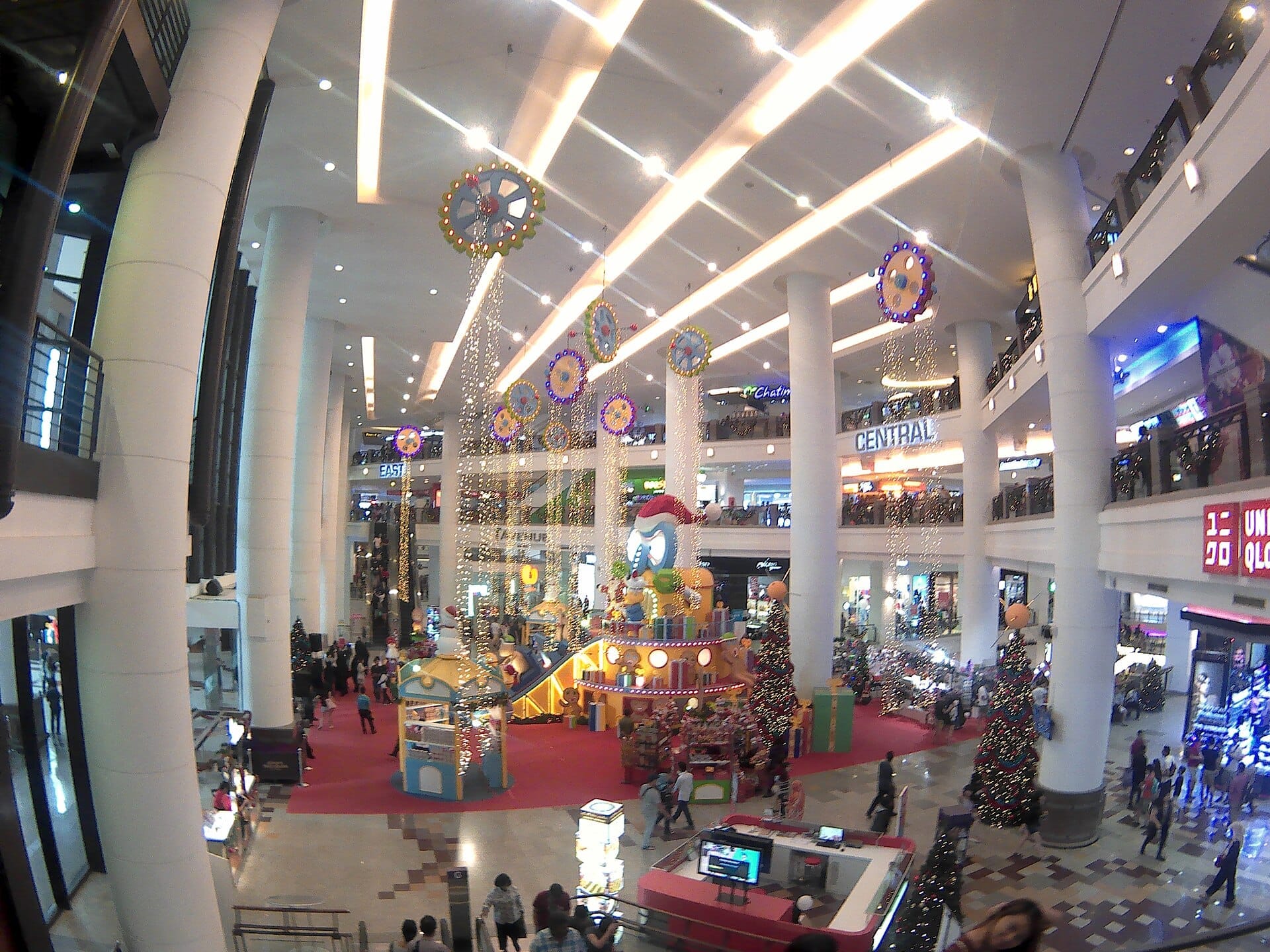
By midday the footpaths are thick with shoppers moving between air-conditioned malls. The sun hits hard off the glass facades and concrete pavement, and the heat tunnels between buildings. This is when the indoor connections between Pavilion, Fahrenheit 88, and Lot 10 make real sense: you can walk for 20 minutes without stepping outside. Street vendors set up along the covered five-foot ways selling phone accessories, sunglasses, and durian from polystyrene boxes.
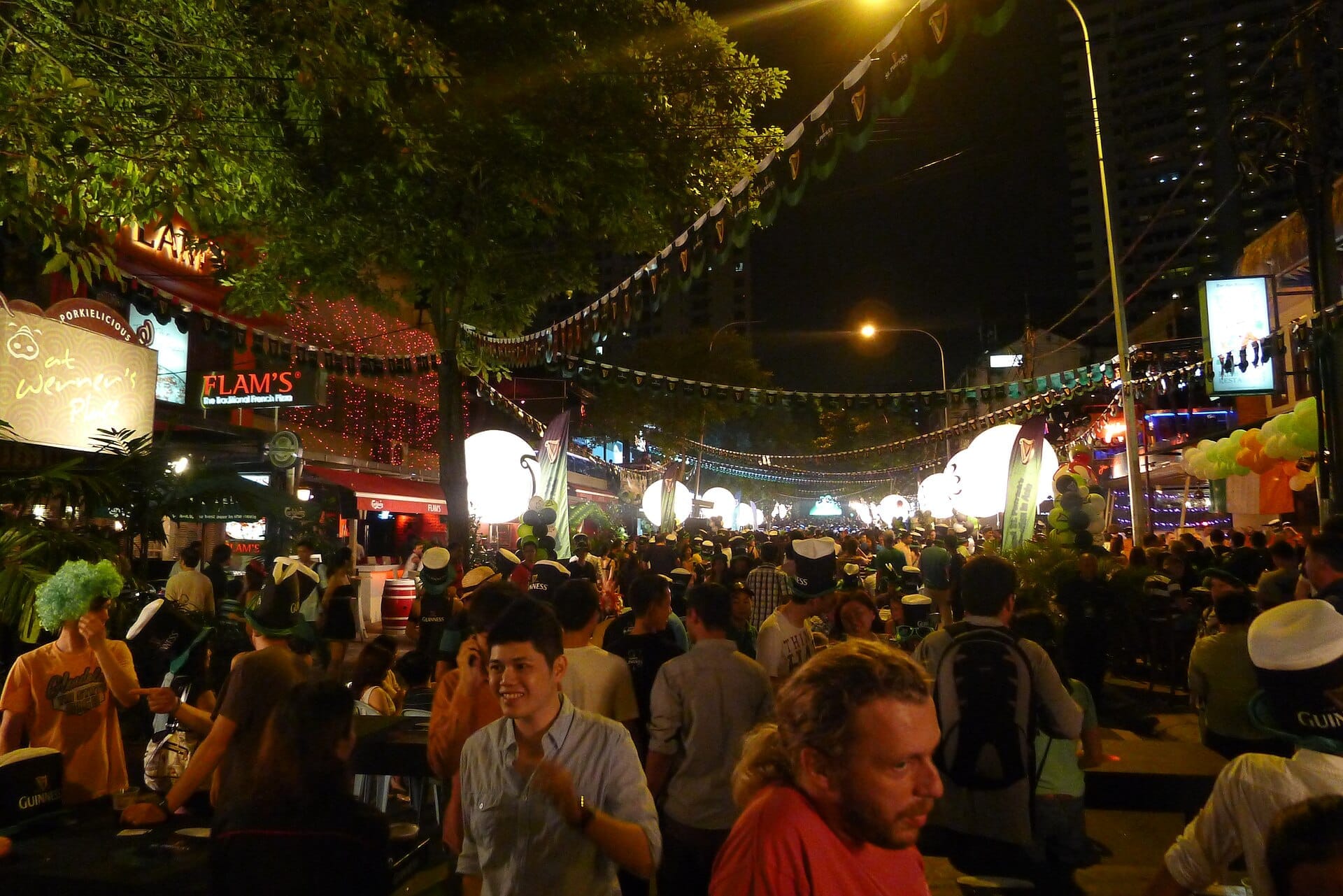
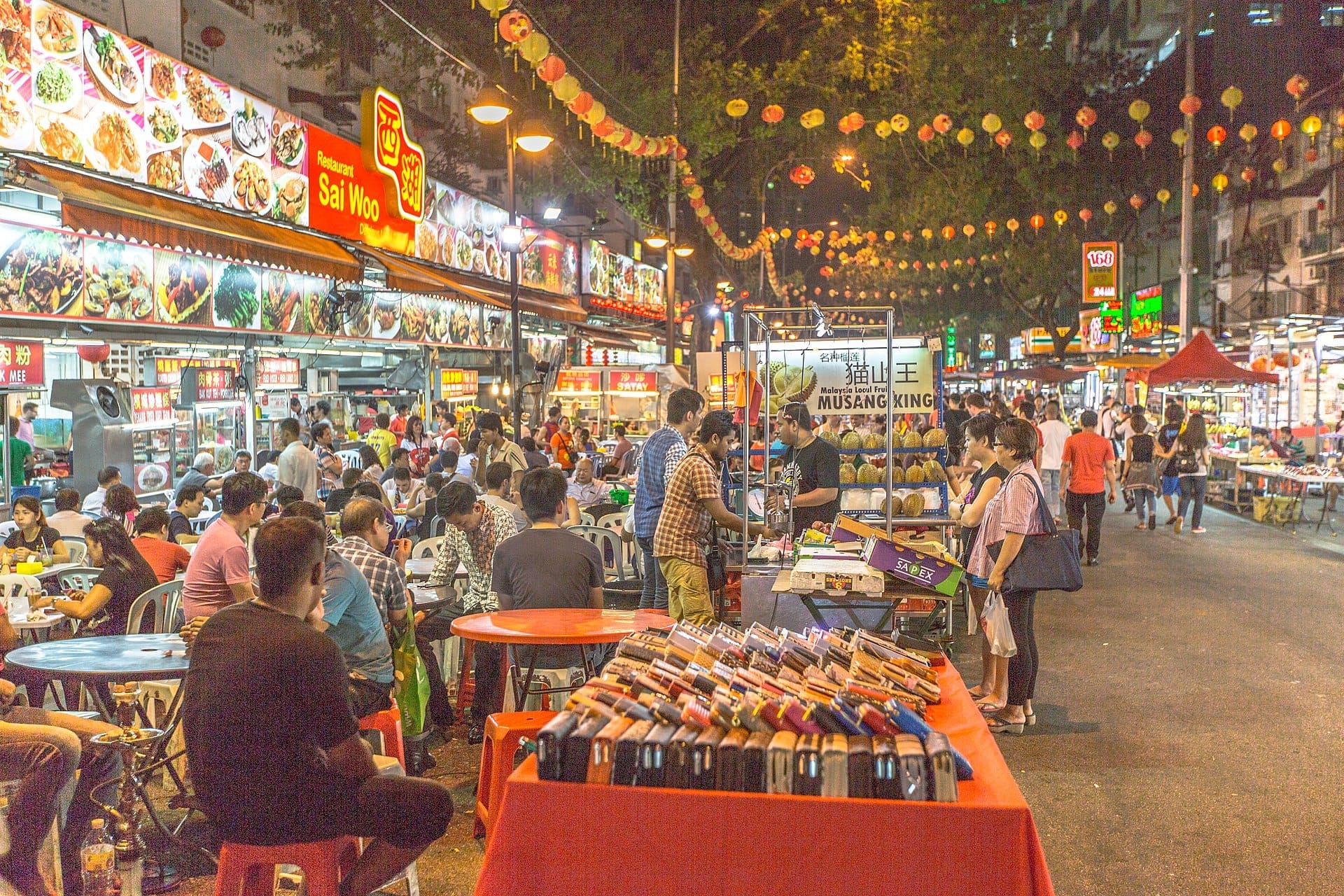
After dark, the character shifts again. Jalan Alor transforms from a quiet daytime back lane into a roaring outdoor dining hall, with plastic chairs spilling onto the road and the smoke from wok burners hanging in the orange streetlight. Changkat Bukit Bintang, a 10-minute walk uphill, moves in the opposite direction: quieter by day, genuinely lively after 9 pm when the bar terraces fill up. The crowd here skews toward expats, tourists, and young professionals, and the street stays active until well past midnight on weekends.
⚠️ What to skip
Jalan Bukit Bintang and the area around Starhill Gallery can feel aggressively touted after dark, with persistent hawkers and occasional unlicensed taxi drivers near the mall entrances. Stay on well-lit main roads, use Grab for rides, and politely decline approaches from strangers offering 'special price' tours or currency exchange.
What to See & Do
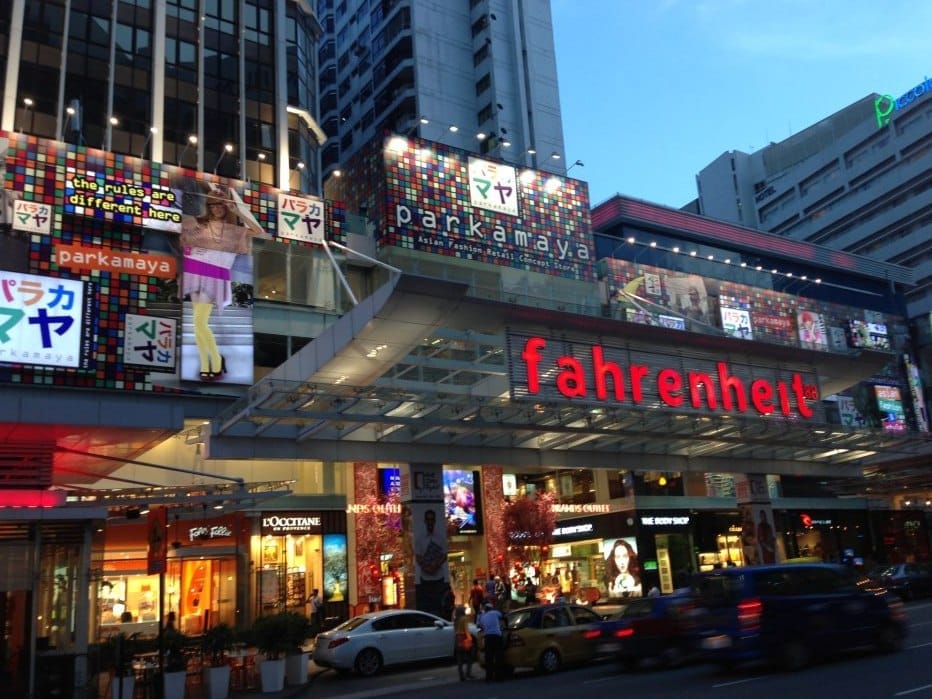
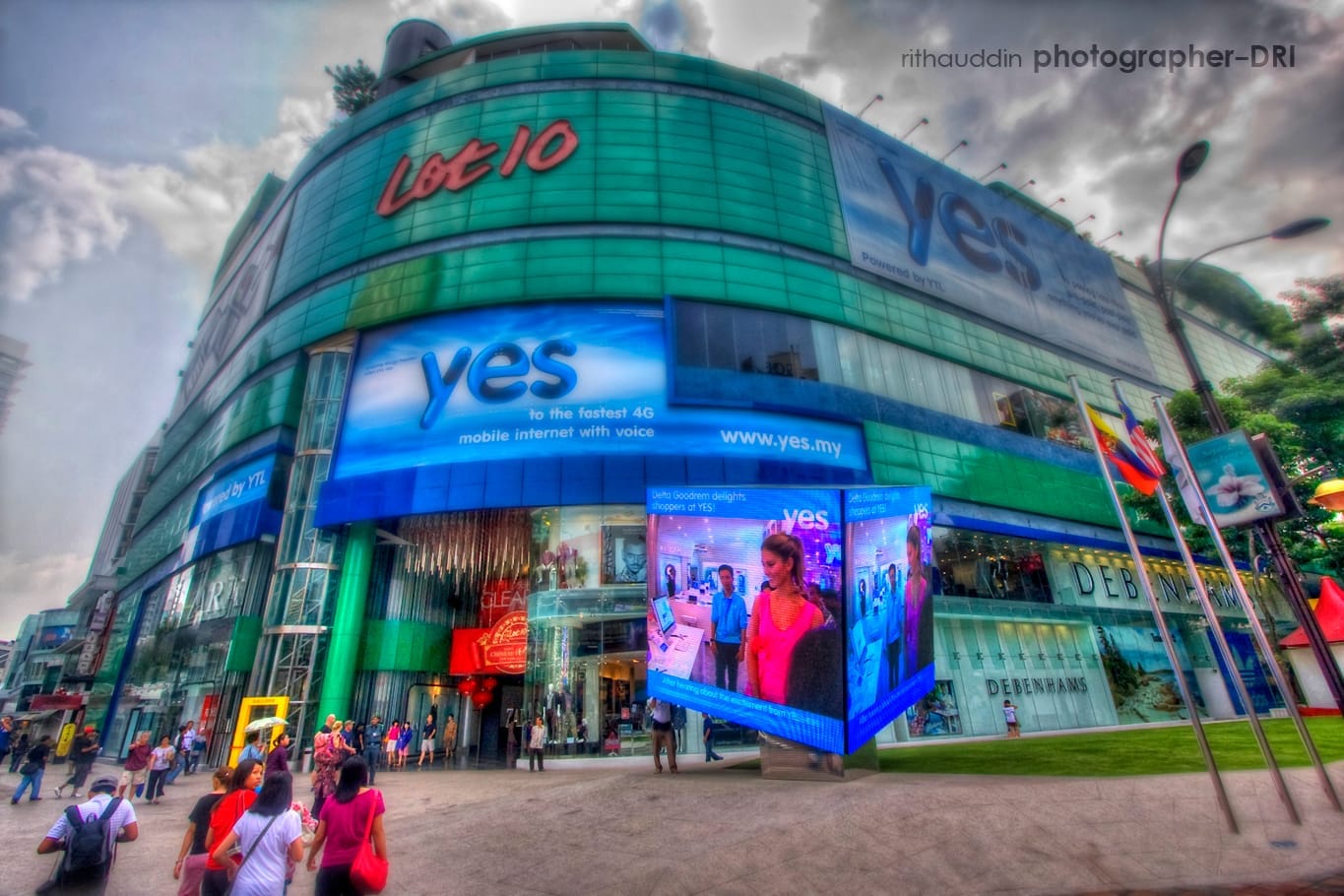
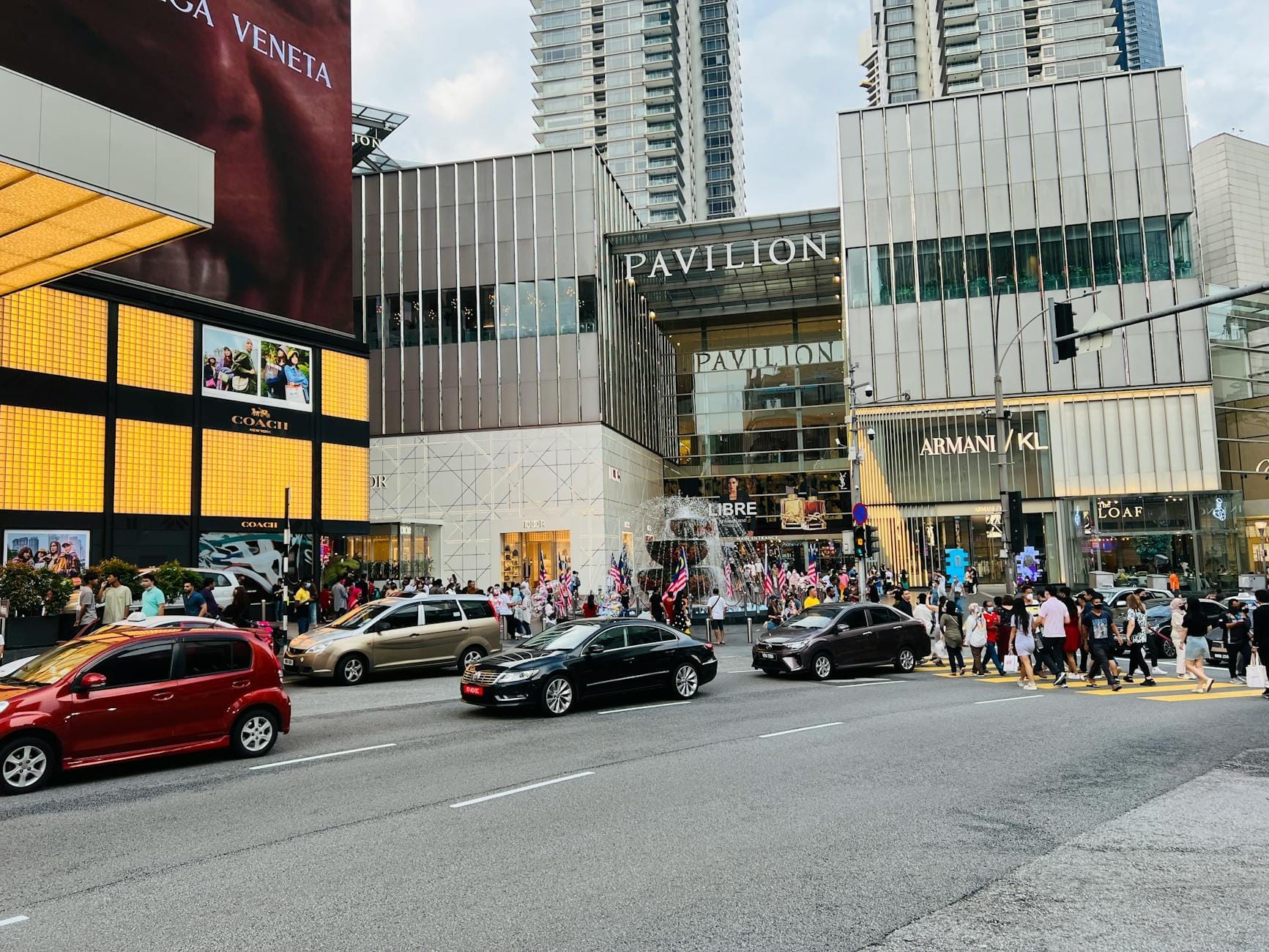
Shopping is the primary draw, and the mall strip along Jalan Bukit Bintang is genuinely impressive in scale and variety. Pavilion Kuala Lumpur anchors the eastern end with its Japanese department store, international luxury brands, and a dedicated local brand floor. Fahrenheit 88 across the road skews younger with streetwear and local designers. Further west, Lot 10 houses a Isetan and a celebrated basement hawker hall. Berjaya Times Square, a few minutes south toward Jalan Imbi, is enormous enough to have an indoor theme park.
Away from the retail core, Changkat Bukit Bintang offers a more textured experience. This short street and its side lanes hold a mix of pre-war shophouses converted into restaurants, bars, and boutique hotels. It's one of the few places in Kuala Lumpur where you can sit outside at street level in the evening without the experience being overwhelmed by traffic noise.
Pavilion Kuala Lumpur: six floors of retail anchored by a Japanese department store, with a street-food-themed basement food court
Fahrenheit 88: indie labels, local designers, and a rooftop bar popular with younger crowds
Lot 10 Shopping Centre: smaller and older, but with one of KL's best basement hawker centers
Berjaya Times Square: colossal mall with an indoor roller coaster, good for families
Changkat Bukit Bintang: colonial-era shophouses turned bars and restaurants, best after 8 pm
Jalan Alor: the main open-air street food corridor, operating dusk to midnight
For visitors interested in something beyond retail, the Menara Kuala Lumpur (KL Tower) is a 20-minute walk north through Bukit Nanas Forest Reserve, and the walk itself is worth doing. The forest corridor cuts unexpectedly through the urban grid and gives you a sense of how dramatically the city was carved from the jungle.
💡 Local tip
The underground walkway connecting Bukit Bintang monorail station to Pavilion is signposted but easy to miss. It keeps you out of the heat and rain for the first leg of any shopping circuit. Follow signs for 'Pavilion Link' inside the station.
Eating & Drinking
The food scene in Bukit Bintang covers more ground than any other neighborhood in KL. At street level, Jalan Alor is the standard reference point: a narrow one-way street lined with open-fronted restaurants and pushcarts serving Cantonese roast meats, seafood claypot, grilled satay, char kway teow, and cold desserts. It's tourist-heavy, but the food is largely consistent and priced reasonably. Arrive before 7 pm to get a table without waiting.
The side streets around Tengkat Tong Shin, running parallel to Jalan Alor, hold older coffee shops and local restaurants that see far fewer foreign visitors. This is where you find the Hainanese chicken rice shops and wonton noodle stalls that have been operating since the 1970s. Prices are noticeably lower and the food reliably good. The tradeoff is minimal English signage and no menu photos.
Up on Changkat Bukit Bintang and its connecting lanes, the food tilts international: Italian, Mediterranean, Japanese, and modern Southeast Asian restaurants fill the old shophouses. Quality varies widely, and this part of the neighborhood skews more toward drinking than eating. Bar terraces, rooftop venues, and cocktail lounges run along the full length of Changkat, with prices roughly double what you'd pay a few streets south. It's a comfortable place to spend an evening, particularly on a clear night when the heat eases after 9 pm.
Inside the malls, the food court options are genuinely good. Lot 10's basement hawker center is widely regarded as one of the best curated hawker experiences in the city, with stalls representing regional specialties from across Malaysia. Pavilion's lower ground floor food hall is larger and more tourist-friendly. Both are fully air-conditioned and open until late.
Getting There & Around
The KL Monorail is the most direct link into Bukit Bintang. The Bukit Bintang station sits on Jalan Bukit Bintang itself, putting you within 200 meters of the main mall strip. One stop north is Raja Chulan, useful for the Changkat area. The monorail connects south to KL Sentral, where you can pick up the KTM Komuter, LRT Kelana Jaya Line, Airport Express (KLIA Ekspres), and intercity rail. For more detail on how to navigate between KL's transit lines, the getting around Kuala Lumpur guide covers connections and ticketing clearly.
From the KLCC area, walking to Bukit Bintang takes 20 to 25 minutes along Jalan Bukit Bintang or through Bukit Nanas. The route passes through a gradient of neighborhoods from luxury tower district to mid-market retail, and is worth doing at least once for orientation. In wet weather or midday heat, a Grab ride takes under 10 minutes and costs around RM8 to RM12.
Within Bukit Bintang itself, the main Jalan Bukit Bintang corridor is entirely walkable, with covered five-foot ways providing shade for most of the stretch. The climb up to Changkat Bukit Bintang from the monorail station takes about 12 minutes on foot via Jalan Sultan Ismail and the lane off Jalan Berangan. It's uphill but not steep. Tuk-tuks and pedicabs operate in the area, mainly targeting tourists near the malls; they are legal but negotiate the price before departing.
ℹ️ Good to know
Bukit Bintang monorail station can get extremely crowded on weekend evenings. If you're heading to or from Changkat, the Raja Chulan station one stop north is a less congested alternative and leaves you closer to the upper end of the street.
Where to Stay
Bukit Bintang is one of KL's two main hotel hubs, the other being the KLCC district. For a breakdown of how they compare and what suits different travel styles, the where to stay in Kuala Lumpur guide is the best starting point. In general, Bukit Bintang makes more sense for visitors who prioritize food, nightlife, and shopping over proximity to the Petronas Towers.
The neighborhood spans a wide price range. The Changkat Bukit Bintang area has the most boutique and heritage hotel options, with a handful of shophouse conversions that offer character unavailable at the big chains. Mid-range international hotels cluster along Jalan Bukit Bintang and the streets just off it, within walking distance of multiple malls. Budget guesthouses and backpacker hostels concentrate toward the Jalan Pudu end, closer to the Pudu transport hub.
The tradeoff with staying in Bukit Bintang is noise. The main Jalan Bukit Bintang corridor handles significant traffic and stays active past midnight on most nights. Rooms facing the street in lower-tier hotels can be genuinely disruptive. Prioritize higher floors or courtyard-facing rooms, and check recent reviews for noise complaints specifically. The quietest pockets are the side streets off Changkat, where traffic thins after midnight.
Honest Assessment
Bukit Bintang is not KL's most culturally layered neighborhood. For that, the historic districts around Merdeka Square and Chinatown are more rewarding. What Bukit Bintang does better than anywhere else in the city is convenience: the transit connections are excellent, the food options are vast, the malls are world-class by any standard, and the nightlife is concentrated and easy to navigate. It's the neighborhood that works for almost every type of traveler, even if it doesn't fully satisfy any single one of them.
First-time visitors to KL often base themselves here and use it as a hub for day trips to the Petronas Twin Towers, Batu Caves, and the Lake Gardens district. That logic holds up. The monorail and Grab network make those connections fast and affordable, and returning to a neighborhood with reliable late-night food options after a long day out has real practical value.
If you want to understand how KL actually works at street level rather than mall level, spend at least one evening walking from Jalan Alor up through Changkat and back down via the older shophouse lanes. That circuit, combined with a morning in Chinatown or at Masjid Jamek, gives you a more complete picture of the city than staying in one zone alone.
TL;DR
Bukit Bintang is KL's main shopping and nightlife district: dense, walkable, and well-connected by the KL Monorail.
Best for travelers who want maximum food and entertainment options within walking distance of their hotel.
Jalan Alor handles street food, Changkat Bukit Bintang handles bars and restaurants, and the mall strip handles retail — all within 15 minutes of each other on foot.
Noise and tourist-tout pressure are real concerns; choose accommodation on quieter side streets if you're a light sleeper.
Not the best base for travelers primarily interested in history or culture, but a practical hub for first-timers covering multiple neighborhoods in a short trip.
Kuala Lumpur sits just 3 degrees north of the equator, which means heat and rain are constants year-round. But timing still matters — for festivals, crowds, hotel prices, and how much you'll be caught in a downpour. This guide breaks down every season honestly so you can plan smarter.
Genting Highlands sits around 1,800 metres above sea level, about 58 km from Kuala Lumpur. This guide covers every transport option, what the resort complex actually offers, how long you need, and the honest trade-offs so you can decide if this trip suits your itinerary.
Kuala Lumpur has one of Southeast Asia's most developed urban transport networks, yet first-time visitors frequently end up confused, overcharged, or stranded. This guide breaks down every practical option for getting around KL, from rail passes to rideshare apps, with honest assessments of what works and what to avoid.
Kuala Lumpur is one of Southeast Asia's great shopping cities, with malls ranging from ultra-luxury flagships to bargain-packed street-level arcades. This guide breaks down the best shopping malls by area, what each does well, and exactly how to make the most of your time and money.
Kuala Lumpur packs an extraordinary range of experiences into a single city: world-famous landmarks, serious street food, dense rainforest parks, and some of Southeast Asia's best shopping. This guide breaks it all down by category so you can build a trip that actually fits your pace.
Choosing where to stay in Kuala Lumpur shapes your entire trip. This guide breaks down the city's key neighbourhoods by location, vibe, price range, and transport links so you can book with confidence.