Best Time to Visit Kuala Lumpur: A Month-by-Month Guide
Kuala Lumpur sits just 3 degrees north of the equator, which means heat and rain are constants year-round. But timing still matters — for festivals, crowds, hotel prices, and how much you'll be caught in a downpour. This guide breaks down every season honestly so you can plan smarter.
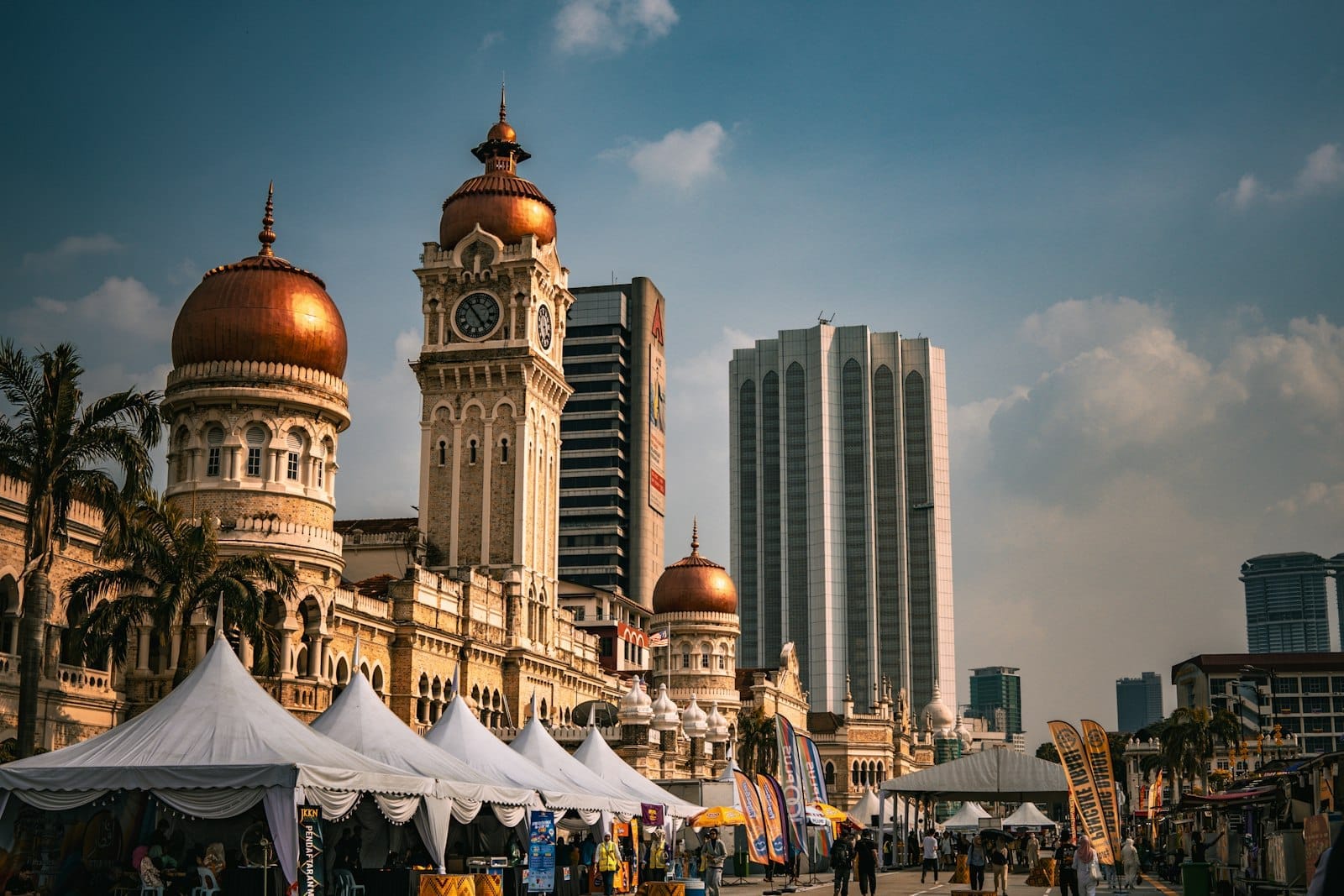
Plan and book this trip
Tools from our partner Travelpayouts help you compare flights and hotels. If you book through them, we may earn a commission at no extra cost to you.
Flights
Hotels map
TL;DR
- Kuala Lumpur has no true 'dry season' — expect rain year-round, but intensity varies significantly by month.
- December to February is peak tourist season: lower humidity, major festivals, and higher hotel rates.
- March to May is the sweet spot for value travelers: fewer crowds, competitive prices, and KL's outdoor attractions like KLCC Park and Lake Gardens are still very enjoyable.
- October and November are the wettest months — travel is perfectly possible but outdoor plans need flexibility.
- Festival timing (Chinese New Year, Deepavali, Hari Raya) dramatically affects the city's energy and your accommodation options — book early if visiting during these periods.
Understanding KL's Climate: What 'Tropical' Actually Means
Kuala Lumpur is a tropical rainforest city, not a Mediterranean or monsoon destination. That distinction matters. Unlike Bangkok or Bali, KL does not have a hard wet season followed by months of guaranteed sunshine. Instead, it receives rain fairly evenly throughout the year, with two wetter periods roughly aligned with the inter-monsoon transitions: around March to April, and again from October to November. Average annual rainfall exceeds 2,400mm, spread across roughly 200 rainy days per year.
Temperatures barely fluctuate. Daytime highs hover between 32°C and 33°C (90°F to 91°F) on average, with potential highs reaching 34°C to 35°C (93°F to 95°F) in warmer months. Nighttime lows drop to around 23°C to 25°C. Humidity typically sits between 70% and 90%, making the heat feel heavier than the numbers suggest. What does change meaningfully is the frequency and intensity of afternoon thunderstorms, the visibility over the city skyline, and occasionally, haze from agricultural burning in neighboring countries.
ℹ️ Good to know
KL's rain pattern is usually predictable: clear mornings, building clouds after noon, heavy downpour between 3pm and 6pm, then clearing. Plan outdoor sightseeing for mornings and use the afternoon rain window for malls, museums, or a long lunch.
December to February: Peak Season and Why It's Worth It
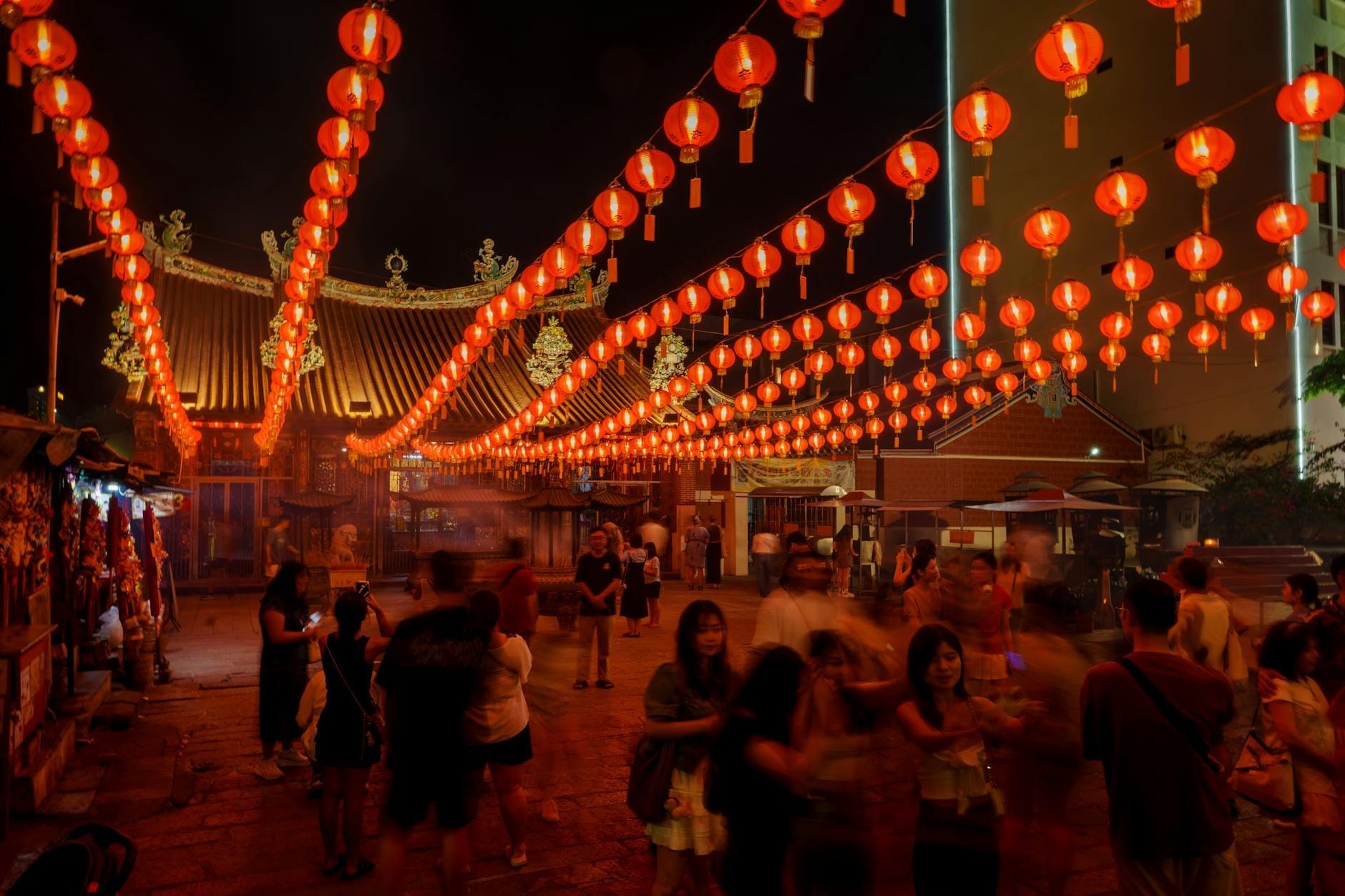
This is when KL is at its most appealing from a weather perspective. The northeast monsoon brings drier conditions to the east and west coasts; KL's drier conditions during December–February are less directly tied to the monsoon effect than to the inter-monsoon transition period. Rainfall is lighter, skies are clearer, and afternoon storms are shorter. It's still hot, but the oppressive humidity eases slightly compared to mid-year. Visibility over the Petronas Twin Towers is at its best, which matters if skyline photography is on your list.
Chinese New Year (falling between late January and mid-February depending on the lunar calendar) transforms Petaling Street and Chinatown into something genuinely spectacular. Lanterns, lion dances, and night markets take over the area for weeks. It is one of the best reasons to time a visit to KL specifically. That said, some businesses close for several days around the actual new year date, so plan meals and shopping accordingly.
The trade-off is price and crowds. Hotels in KLCC and Bukit Bintang see their highest rates from late December through February. Mid-range properties that cost RM250 per night in July can hit RM400 or more during this window. Book accommodation at least six to eight weeks ahead if visiting over Christmas, New Year's Eve, or Chinese New Year.
⚠️ What to skip
KL's New Year's Eve celebrations around KLCC draw enormous crowds. The fireworks are visible but the area becomes gridlocked. If you're not specifically there for the event, either join early or avoid the KLCC zone entirely that night.
March to May: The Underrated Sweet Spot
This is the period most experienced KL travelers recommend, and it consistently gets overlooked in favor of December's dry spell. Temperatures are similar to the rest of the year, but the post-Chinese-New-Year crowd exodus leaves the city noticeably quieter. Hotel rates drop sharply in March and stay reasonable through April. Airline availability improves. Restaurant wait times shorten.
March and April do see some increased rainfall as the first inter-monsoon transition arrives, but it rarely disrupts a well-planned itinerary. Morning excursions to Batu Caves are comfortable and far less crowded than January, when the Thaipusam festival brings hundreds of thousands of pilgrims. The Perdana Botanical Gardens are lush and green after the rains without the mud of the peak wet months.
- March Quiet, good hotel deals, slightly elevated rain risk in the second half of the month. Great for first-time visitors doing the classic KL circuit.
- April Inter-monsoon rains pick up but remain manageable. Excellent value. Local school holidays in mid-April can fill family-oriented attractions briefly.
- May Wesak Day (Buddha's birthday) creates a public holiday with cultural processions. Weather begins to settle into a drier pattern ahead of June.
June to September: The Long Middle Season
June through August sees moderate rainfall; climatestotravel.com identifies June to August as the least rainy time of the year. The southwest monsoon brings dry conditions to the east coast but has limited effect on KL's weather directly. What you get is a fairly stable pattern: hot mornings, moderate afternoon showers, and evenings that are genuinely pleasant for outdoor dining or rooftop bar visits.
The biggest wildcard in this period is haze. Agricultural burning in Sumatra and Kalimantan, peaking between July and September, can push the Air Pollutant Index (API) into unhealthy ranges for days at a time. In bad years, the skyline disappears and outdoor activities become uncomfortable. It's not guaranteed every year, but it's a real risk. If you're particularly sensitive to air quality or planning significant outdoor time at places like KL Bird Park or Sunway Lagoon, check regional haze forecasts before committing to travel in August or September.
Hari Raya Aidilfitri (Eid al-Fitr), which falls in a different Gregorian month each year due to the Islamic calendar, is one of KL's most significant cultural events. When it lands in this window, Kampung Baru and Little India Brickfields host open houses, traditional food stalls, and festive lighting. It is a genuinely authentic cultural experience, but book accommodation well in advance as domestic tourism spikes sharply.
✨ Pro tip
Malaysia Day (September 16) is a national holiday that often creates a long weekend. Domestic travelers flood KL's hotels and theme parks. If you're arriving around that date, book everything at least a month ahead and expect higher prices at major attractions.
October and November: Wettest Months, Still Workable
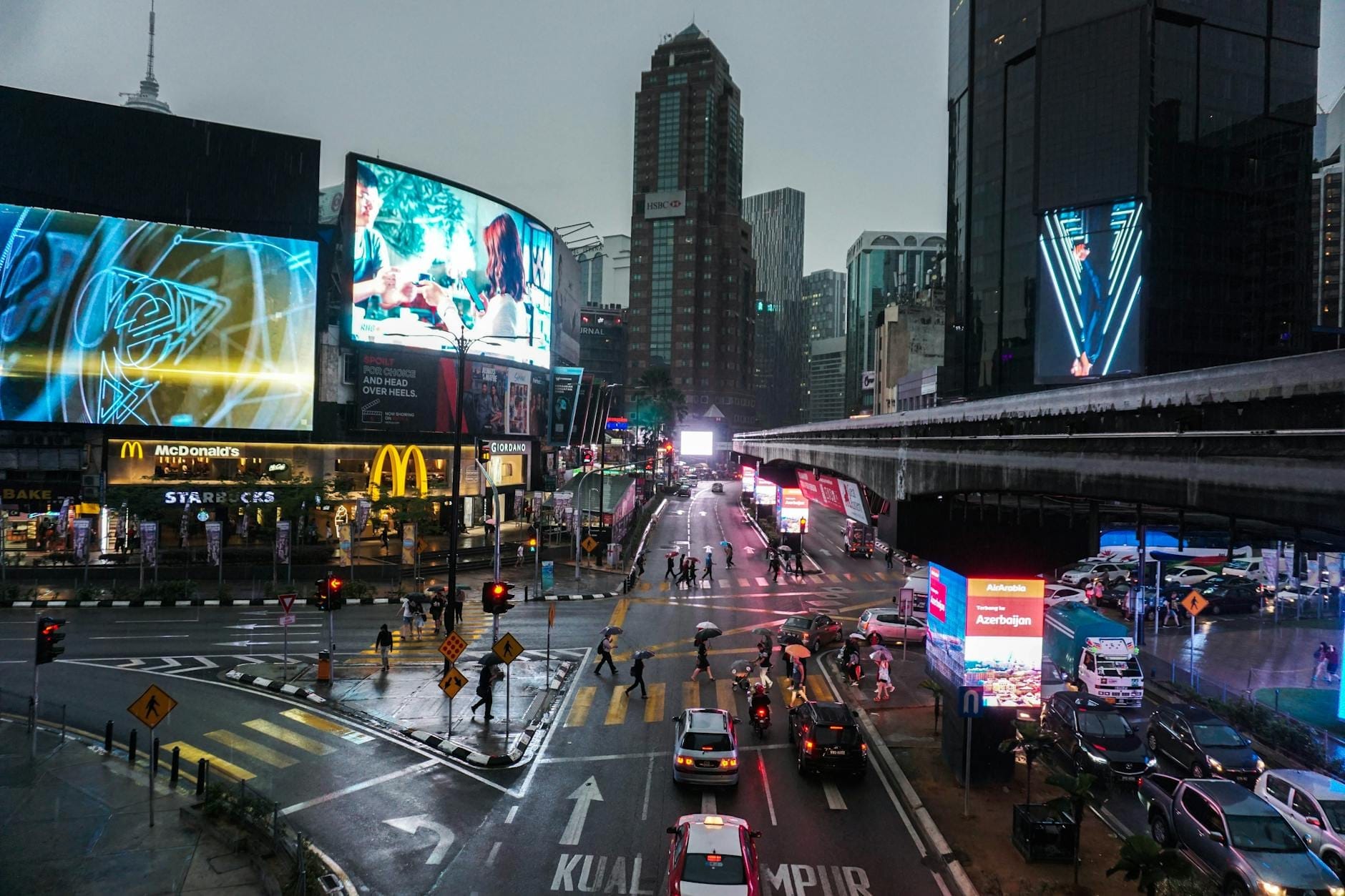
October and November mark the second inter-monsoon transition, and this one hits KL harder than the March-April version. Rainfall is heavier and more prolonged, sometimes continuing through the night rather than clearing by evening. Flash flooding in low-lying areas of the city is a real possibility, particularly around Masjid Jamek and sections of Jalan Tuanku Abdul Halim. It passes quickly, but it can disrupt transport.
Deepavali (Diwali) falls in October or November and is one of the most visually rewarding times to visit Little India in Brickfields and Jalan Masjid India. The entire neighborhood transforms with oil lamps, kolam designs, and elaborate lighting displays. It is significantly more immersive than what you'd experience at a typical tourist attraction. Hotel rates in October are relatively low compared to December, making this a genuinely good time for festival-focused travel if you accept the weather trade-off.
- Bring a compact umbrella or packable rain jacket — not optional in October and November.
- Book ground-floor or mid-rise rooms to avoid elevator delays during power fluctuations from heavy storms.
- Morning sightseeing windows are still reliable — the heaviest rain typically arrives from early afternoon onward.
- The KL Tower observation deck and Petronas Towers Skybridge sometimes close during severe weather — check before traveling across the city for these specifically.
- Indoor options like the Islamic Arts Museum, Aquaria KLCC, and Petrosains remain excellent regardless of weather.
Despite the rain, the city's connectivity makes October-November very manageable. KL has one of Southeast Asia's best urban rail networks, so you can move between the KLCC area and major shopping districts entirely undercover most of the time. The MRT, LRT, and monorail system connects most major attractions, meaning heavy rain rarely means a wasted day.
Festival Calendar: The Reason to Pick Your Dates Carefully
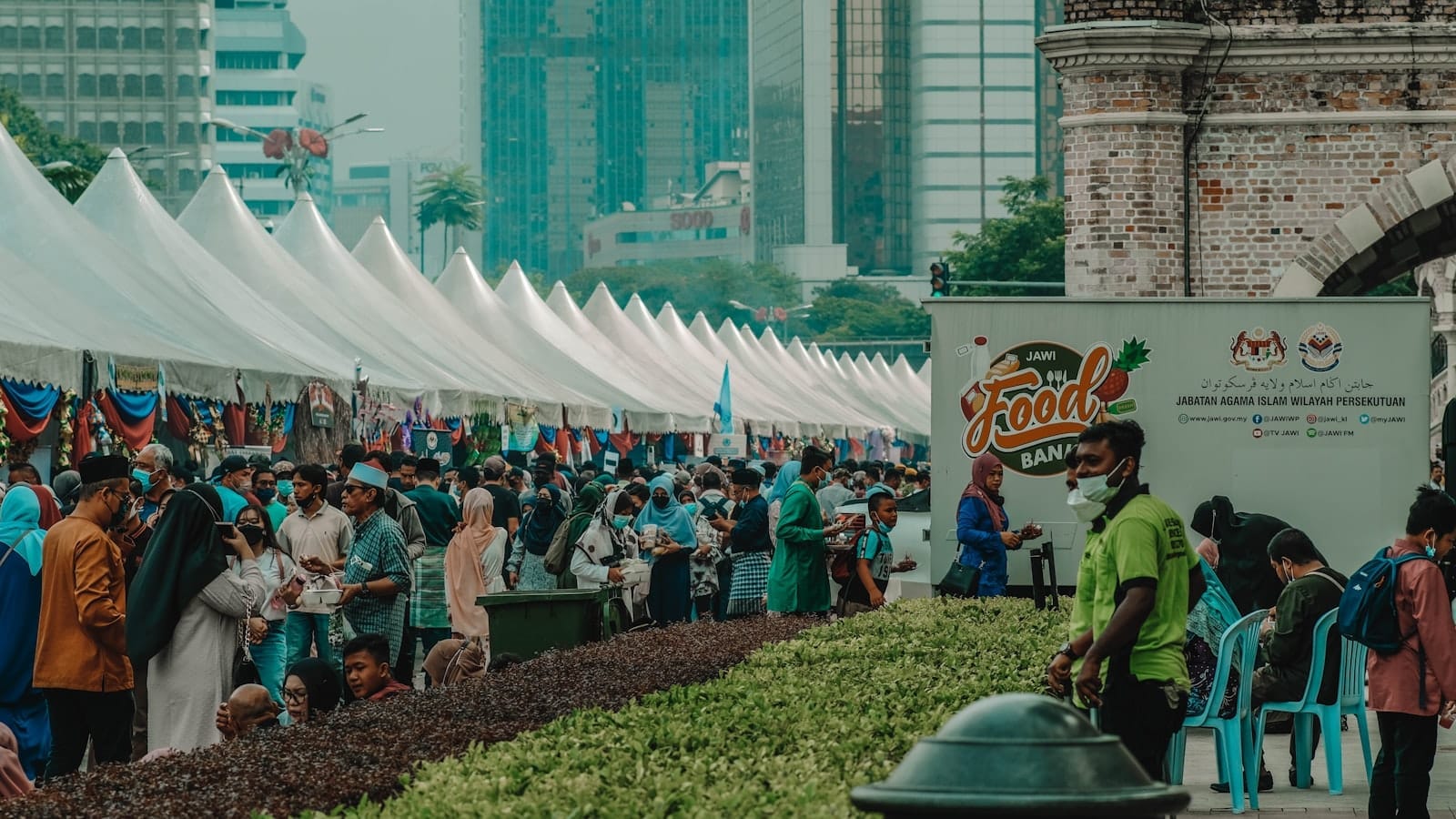
KL's multiethnic population means the city runs on three major festival calendars simultaneously: Chinese, Islamic, and Hindu, alongside national Malaysian holidays. This creates an unusually rich event landscape year-round but also means certain dates carry significant travel implications.
- Thaipusam (January/February) The pilgrimage to Batu Caves draws over a million participants and spectators. Spectacular but chaotic — arrive before dawn or watch from a distance.
- Chinese New Year (January/February) Petaling Street and Chinatown are transformed. Some businesses close for 3-7 days. Book restaurants in advance.
- Wesak Day (May) Buddhist processions through the city center. Peaceful, photogenic, and rarely crowded with foreign tourists.
- Hari Raya Aidilfitri (variable) Date shifts annually. City becomes quieter in some respects as many residents return to their hometowns, but areas like Kampung Baru and Masjid Jamek are particularly worth visiting.
- National Day (August 31) Merdeka Square hosts official parades and ceremonies. Worth seeing if you're in KL — the colonial backdrop of the Sultan Abdul Samad Building makes it cinematic.
- Deepavali (October/November) Little India in Brickfields is the epicenter. Go in the evening for the best lighting displays.
💡 Local tip
Islamic festival dates shift approximately 11 days earlier each Gregorian year. Always verify the current year's dates for Hari Raya, Eid al-Adha, and other Islamic holidays before booking. Local tourism websites update these annually.
FAQ
What is the best month to visit Kuala Lumpur?
December through February offers the most pleasant weather with lower humidity and clearer skies, but hotel prices peak. March and April give you a strong alternative: good conditions, far fewer crowds, and significantly cheaper accommodation. For festival experiences, Chinese New Year (January or February) and Deepavali (October or November) are the standout events.
Does it rain a lot in Kuala Lumpur?
Yes, throughout the year. KL averages around 200 rainy days annually with annual rainfall exceeding 2,400mm. The saving grace is that rain usually follows a predictable afternoon pattern: clear mornings, storms between 3pm and 6pm, then clearing. October and November see the most prolonged and intense rainfall. December to February and June to July are the relatively drier periods.
Is KL affected by haze, and when is it worst?
Haze from agricultural burning in Sumatra and Kalimantan is a genuine issue, typically worst between July and September. Severity varies year to year — some years it barely registers; others push air quality into unhealthy ranges for extended periods. Check the Malaysian Department of Environment's API readings if you're planning travel between July and September.
When should I avoid visiting Kuala Lumpur?
There is no month where KL is truly unvisitable, but October and November bring the heaviest rainfall and are best avoided if outdoor activities are central to your plans. August and September carry haze risk. Major public holidays like Chinese New Year and Hari Raya push hotel rates up significantly — avoid if you're budget-sensitive.
Is KL expensive to visit during peak season?
Compared to Singapore or Bangkok during peak periods, KL remains relatively affordable. However, hotels in KLCC and Bukit Bintang can double in price during Chinese New Year, Christmas week, and Hari Raya. Budget accommodations fill fast. The airport and major transport hubs also experience delays during public holidays due to domestic travel surges.