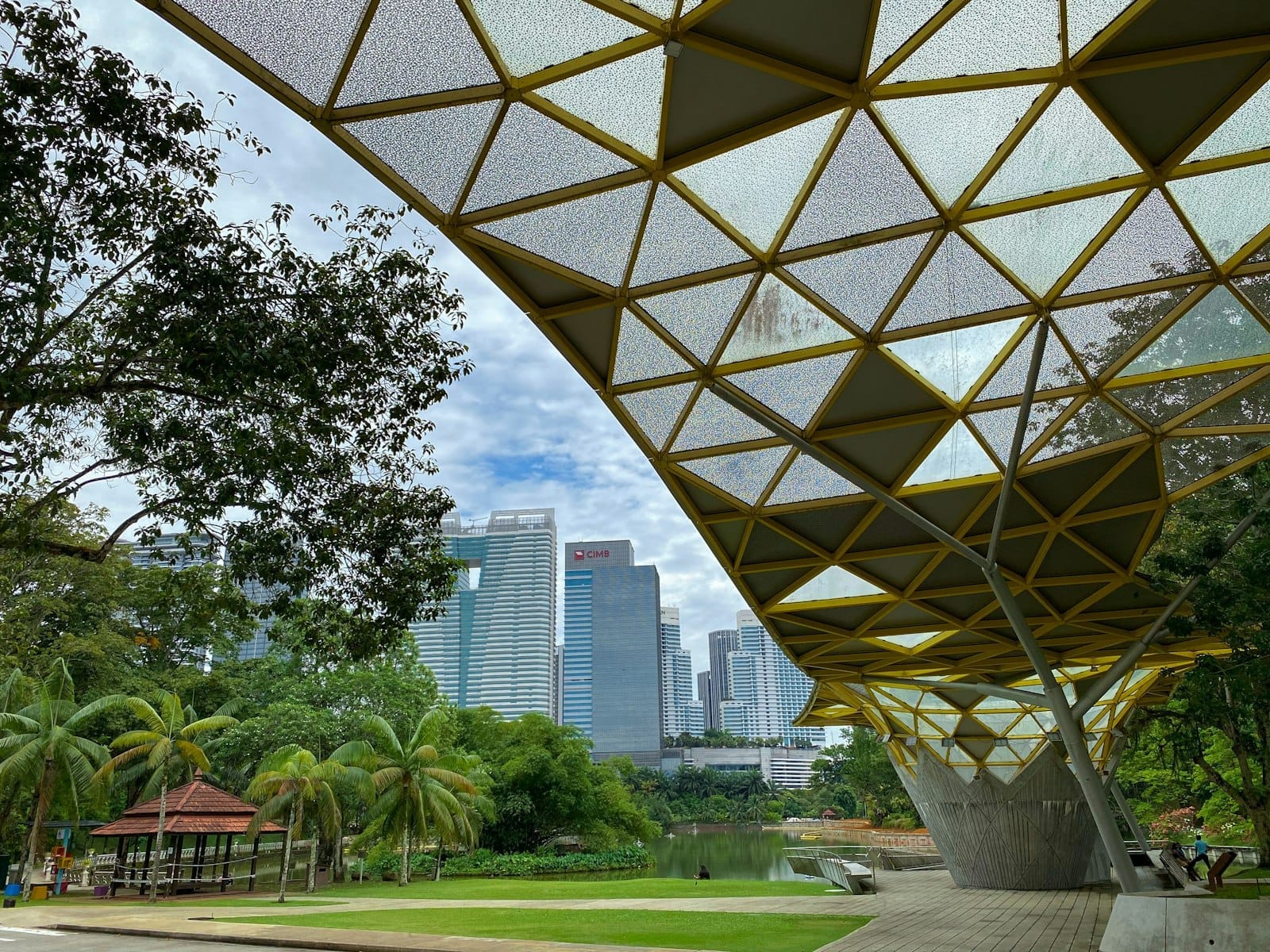
Lake Gardens is Kuala Lumpur's oldest and largest park precinct, a colonial-era landscape of manicured gardens, natural lakes, and heritage institutions spread across the hills west of Merdeka Square. Home to national museums, bird parks, and botanical gardens, it offers a rare pocket of calm in an otherwise fast-moving city.
Lake Gardens, officially known as Taman Tasik Perdana, occupies 91.6 hectares of forested hills on the western edge of KL's historic center. The precinct is bounded to the east by Jalan Parliament and the parliamentary complex, to the north by Masjid Negara and KL Sentral, to the south by the Malaysian Armed Forces Museum, and to the west by the residential slopes of Bukit Nanas and Bukit Petaling. It sits at a slightly elevated position compared to the flat commercial districts nearby, which is why the streets inside curve and climb rather than running in a conventional grid.
The neighborhood's relationship to the rest of KL is defined by adjacency rather than integration. To the east, a ten-minute walk downhill brings you to Merdeka Square and the colonial buildings along Jalan Raja. To the south, KL Sentral transport hub is about 1.5 kilometers away. To the northeast, Chinatown's Petaling Street is walkable in 20 minutes. Lake Gardens itself is not a place people pass through on the way to somewhere else; you come here deliberately, for the parks, the museums, or the quiet.
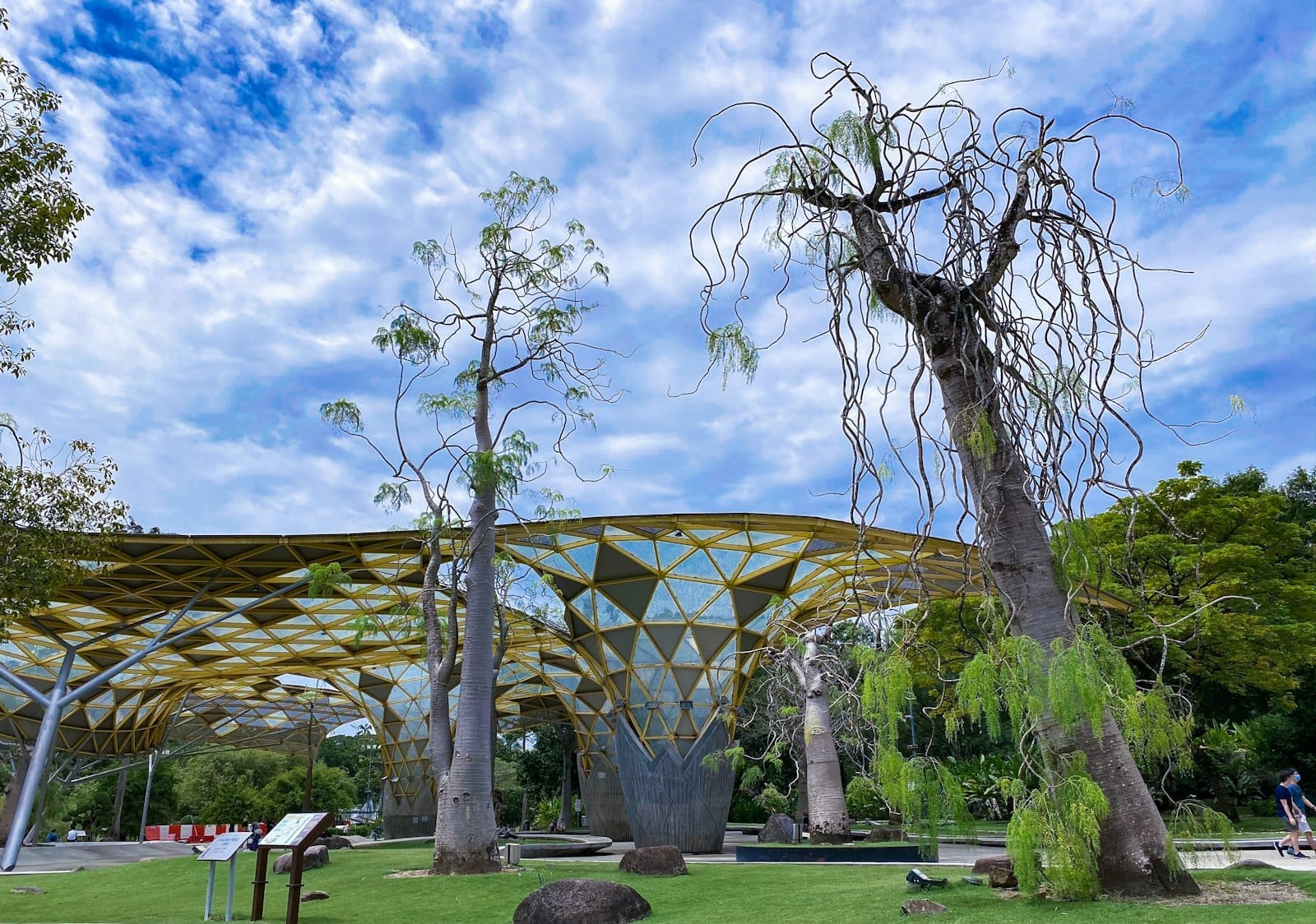
The precinct contains several distinct sub-zones: the central lake and Perdana Botanical Gardens, the bird and butterfly parks clustered on the western ridge, the museum corridor along Jalan Damansara, and the parliamentary grounds at the northern tip. Understanding this layout matters because the distances between attractions are greater than they appear on a map. The Perdana Botanical Gardens form the green spine of the whole area, connecting most of the major sights on foot.
Character & Atmosphere
Early mornings in Lake Gardens belong to the locals. By 6:30am, joggers are already circling the lake path, elderly residents practice tai chi on the grass near the hibiscus garden, and families walk dogs along the shaded interior roads. The air smells of damp earth and cut grass, and the sounds are bird calls, distant traffic, and the occasional cycling bell. There are no food trucks or market stalls at this hour, just the park functioning as a neighborhood resource for the people who live on the surrounding hills.
By mid-morning, the visitor dynamic shifts. School groups arrive at the museums, tourist buses park near the bird park entrance, and the footpaths around the lake start filling with people carrying cameras. The afternoon heat is serious here: the tree canopy provides meaningful shade on the interior trails, but the open lawns and museum approach roads become genuinely uncomfortable between noon and 3pm. This is a good reason to structure a Lake Gardens visit around early morning or late afternoon, when the light is better and the temperature more forgiving.
After dark, the precinct takes on a different character. The parks close at dusk, but Jalan Kebun Bunga and the roads around the parliamentary area remain open and are popular with evening walkers and couples. The area feels safe but quiet, not an after-dark entertainment district in any sense. There are no bars or night markets here. The atmosphere after 7pm is essentially residential: peaceful, a little empty, and completely unlike the noise of Bukit Bintang a couple of kilometers to the east.
💡 Local tip
Visit the bird park and butterfly park early in the day. Animals are more active in the cooler morning hours, and the entrance queues are shorter before 10am.
What to See & Do
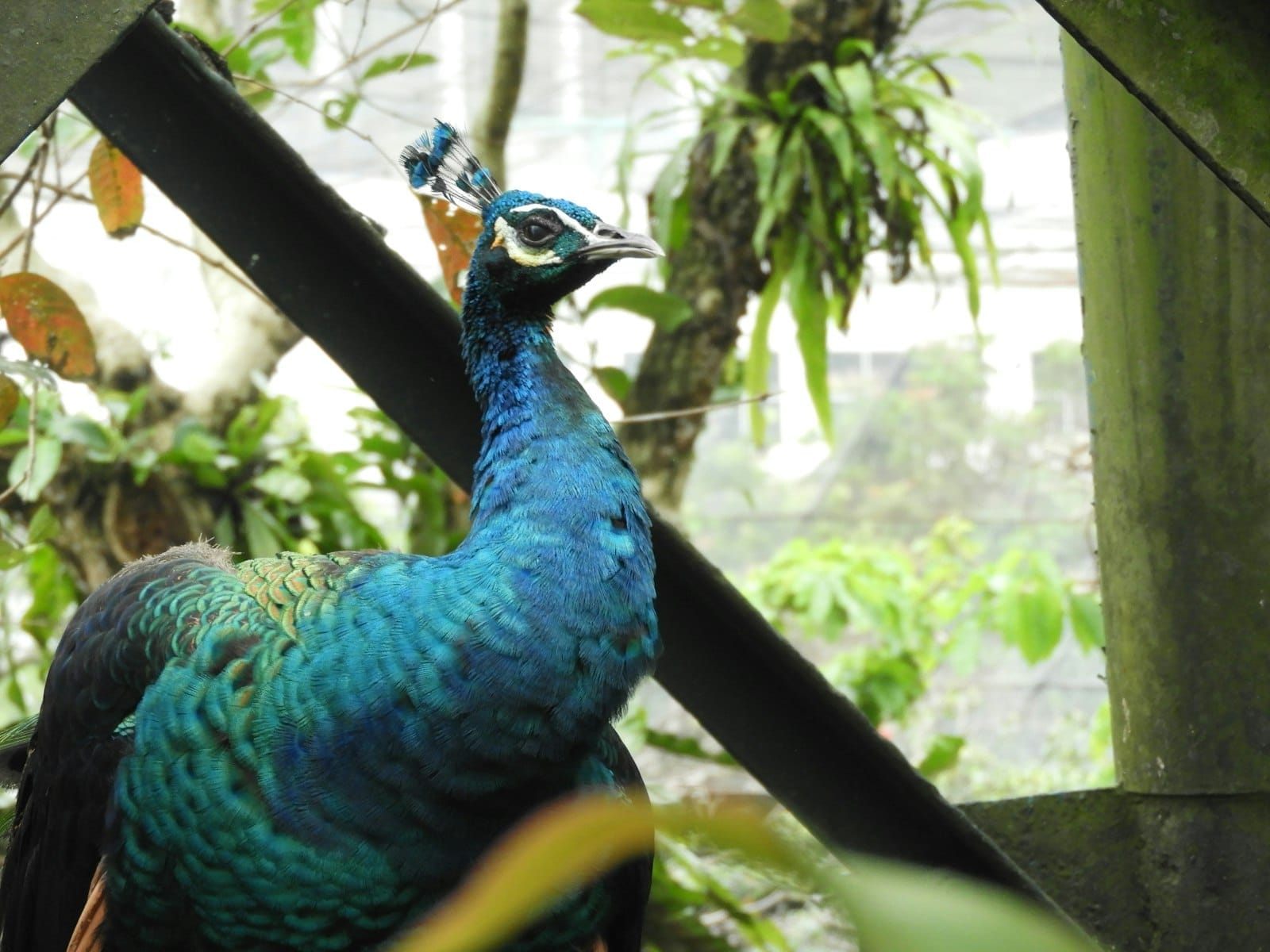
The anchor attraction for most visitors is the KL Bird Park, one of the largest free-flight aviaries in the world. The park covers 8.6 acres (21,000 sqm) and houses over 3,000 birds across 200 species, most of them in open-topped enclosures beneath a tensile roof. The experience is genuinely impressive: hornbills and flamingos at eye level, feeding sessions throughout the day, and dense tropical planting that makes the whole space feel more like a forest walk than a zoo exhibit. Plan at least two hours here.
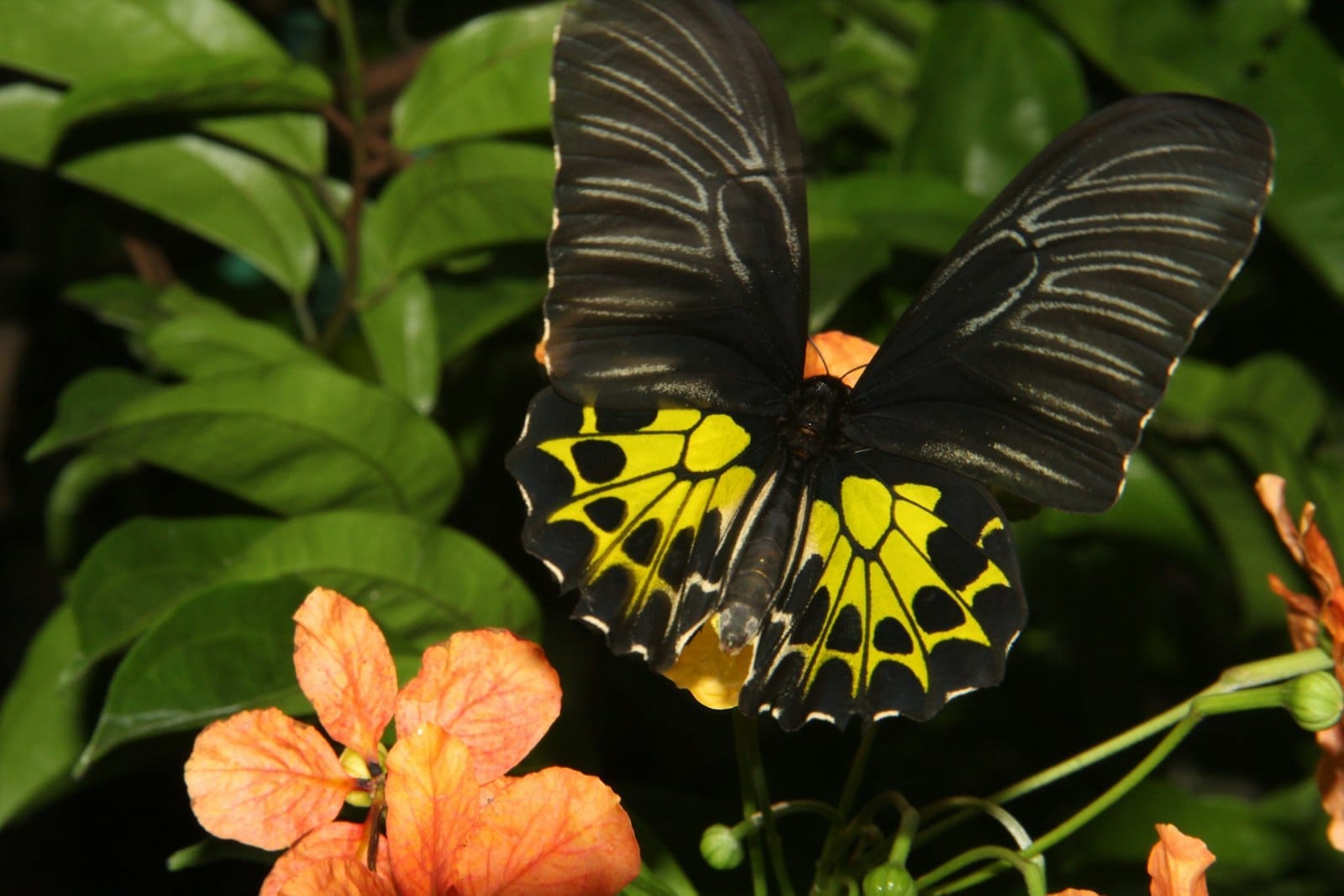
Immediately adjacent is the KL Butterfly Park, a smaller but carefully designed garden enclosure housing over 120 butterfly species. It is notably better than most butterfly parks in the region because the planting is dense enough that the butterflies are actually flying freely rather than resting on concrete. The combination of bird park in the morning and butterfly park before lunch makes for a full and worthwhile half-day itinerary.
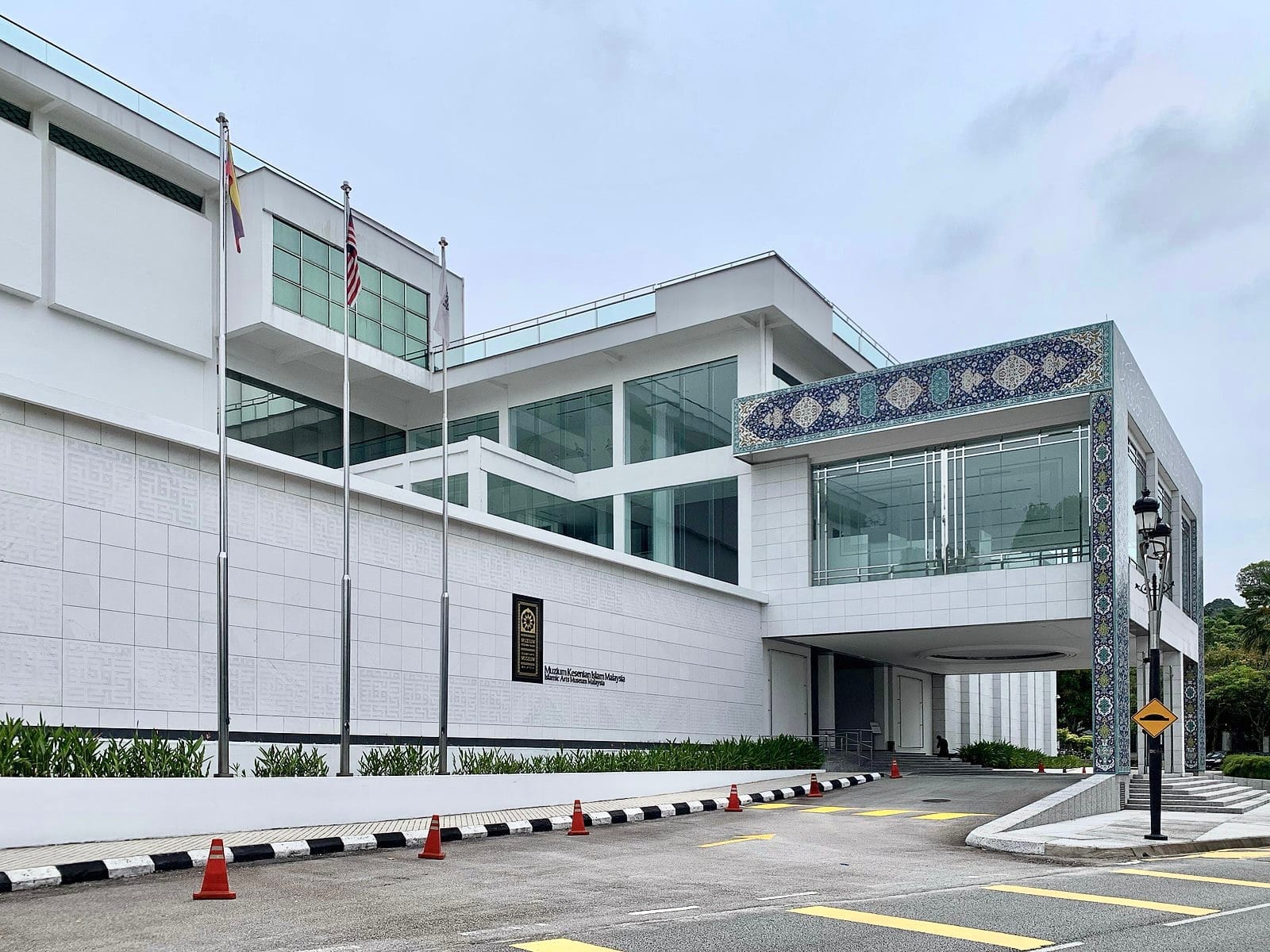
The museum corridor along Jalan Damansara is the other major draw. The Islamic Arts Museum Malaysia is, by most measures, the finest museum of its kind in Southeast Asia. Its collection spans Islamic architecture, Quranic manuscripts, textiles, and decorative arts from across the Muslim world, and the building itself, with its domed central hall and Ottoman-influenced tile work, is worth seeing even if you have limited interest in the subject matter. Admission is modest and the galleries are almost never crowded.
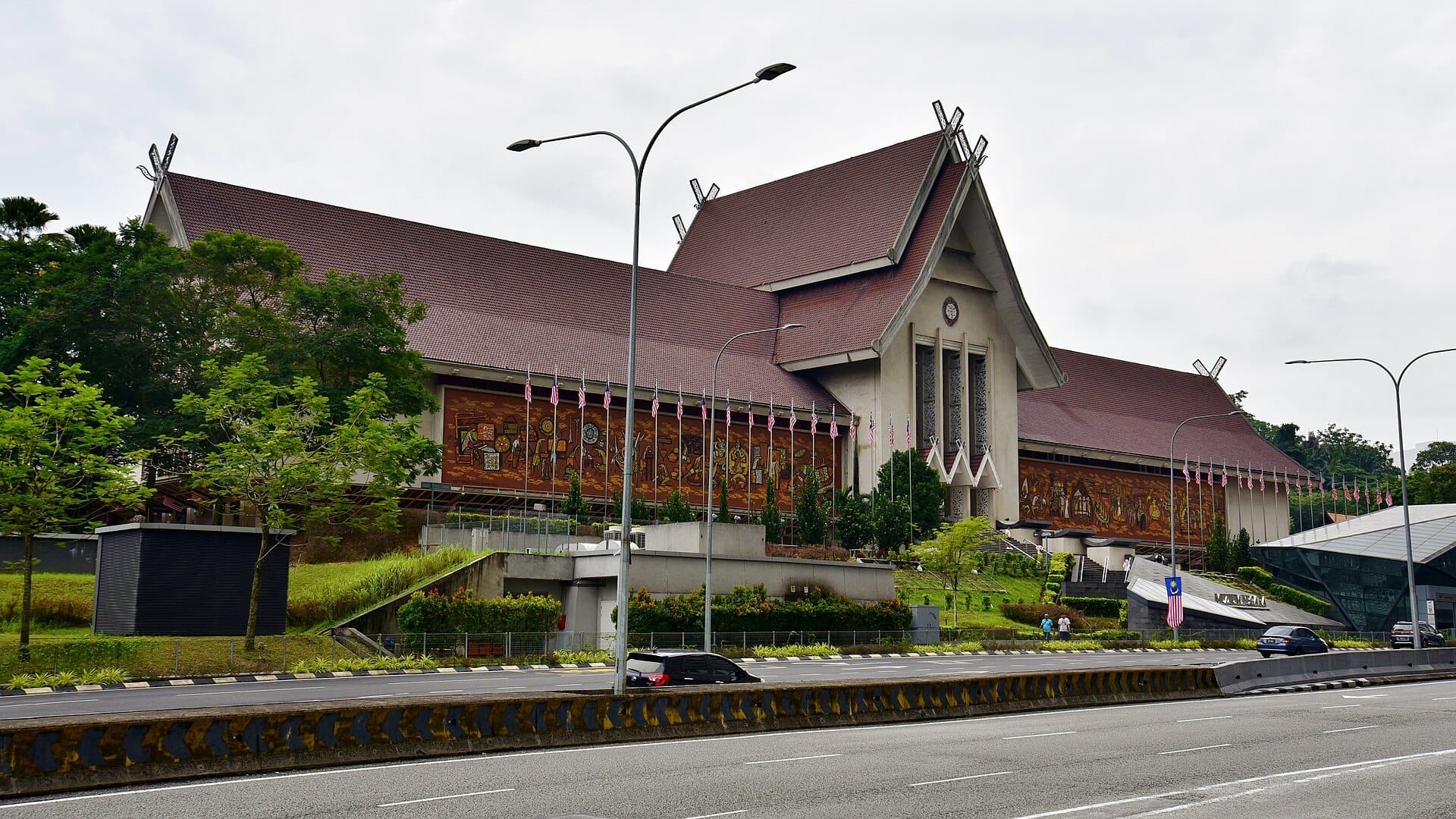
A short walk north along Jalan Damansara brings you to the National Museum of Malaysia, housed in a striking 1963 building that blends modernist design with traditional Minangkabau roof forms. The permanent collection covers Malaysian prehistory, the sultanate era, the colonial period, and independence, giving useful historical context for everything else you'll see in KL. The galleries are a little dated in presentation but solid in content.
KL Butterfly Park: 120+ species in a planted enclosure, 45-60 minutes
Islamic Arts Museum Malaysia: finest Islamic art collection in Southeast Asia
National Museum of Malaysia: comprehensive Malaysian history from prehistory to independence
Perdana Botanical Gardens: lakeside walks, hibiscus garden, deer park
Masjid Negara: Malaysia's national mosque, open to non-Muslim visitors outside prayer times
Kepong Metropolitan Park: larger nature park accessible from the precinct's outer edges
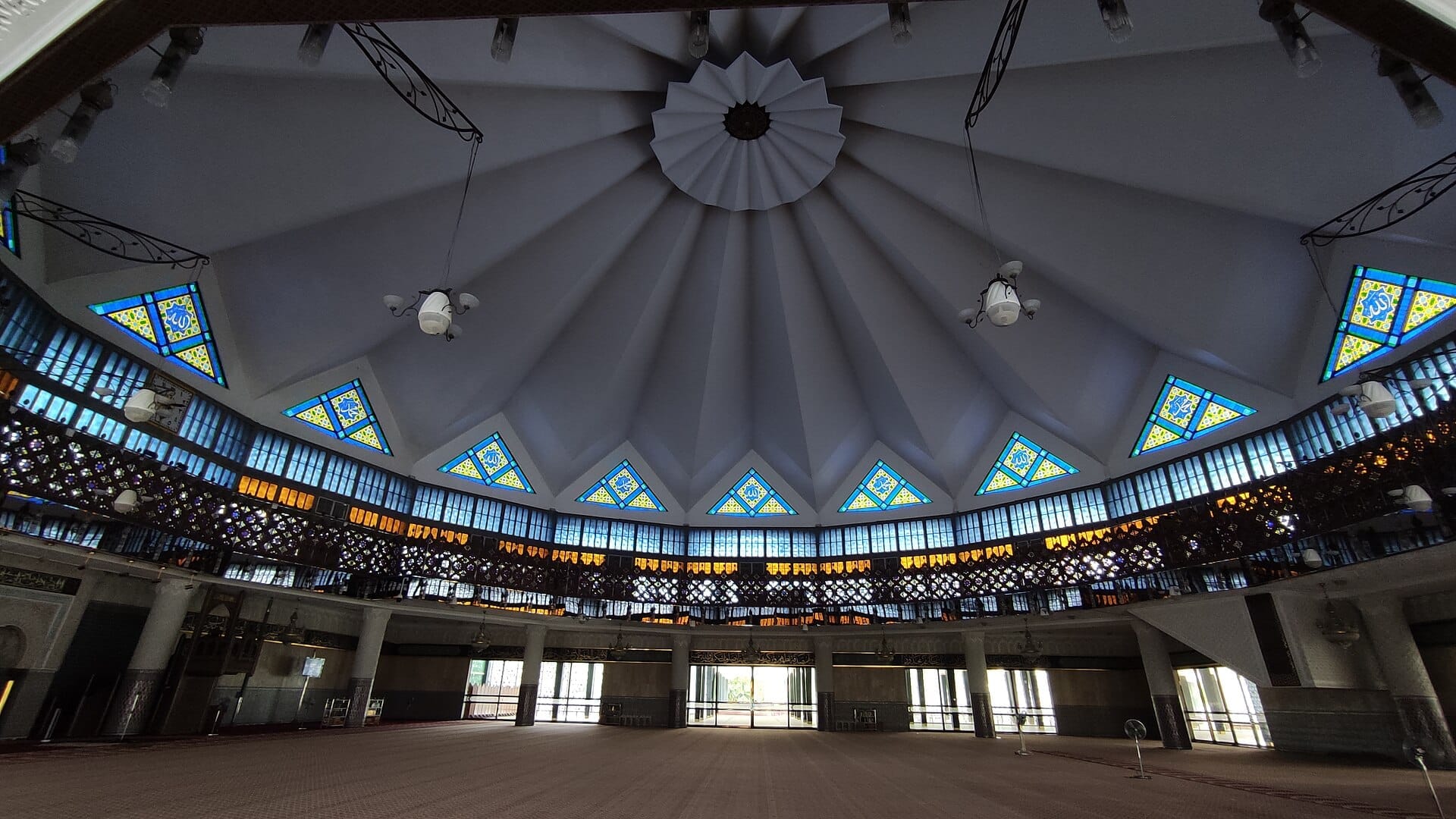
For those interested in religious architecture, Masjid Negara sits at the northeastern edge of the precinct, just off Jalan Perdana. Built in 1965, it remains one of the most architecturally significant mosques in Malaysia, with its distinctive star-shaped roof and 73-meter minaret. Non-Muslim visitors are welcome outside prayer times, and robes are provided at the entrance.
Eating & Drinking
Lake Gardens is not a food neighborhood. The honest assessment is that the eating options within the precinct are limited and mostly aimed at tourists visiting the parks. The bird park has a cafe and a more formal restaurant inside its grounds; both are convenient but priced at a premium. The butterfly park has a small refreshment kiosk. The Islamic Arts Museum has a cafe inside that is actually worth a visit for a mid-morning break: the setting is pleasant, the coffee is decent, and it allows you to spend more time in the building.
For a proper meal, the standard approach is to eat before arriving or head out of the precinct. The closest good street food is along Jalan Maharajalela and around the southern end of Brickfields (Little India), about 1.5 kilometers south toward KL Sentral. That area has Indian and Malay hawker stalls open from early morning through dinner. Alternatively, the restaurants and cafes in and around KL Sentral are a short taxi or Grab ride away and cover every price range.
There are no bars in Lake Gardens, and the precinct shuts down as a food destination well before evening. Visitors looking for evening dining or nightlife will need to head to Bukit Bintang, Chinatown, or the KLCC area. Pack water and snacks if you are spending a full day in the parks, particularly in the warm months between March and October when afternoon heat and humidity are at their peak.
⚠️ What to skip
There are no convenience stores inside the park precinct. Buy water before you enter at any of the 7-Elevens near KL Sentral or the National Mosque entrance. Dehydration is a real risk on a full-day visit during the dry season.
Getting There & Around
Lake Gardens has no dedicated LRT or MRT station directly at its core, which is the single biggest practical inconvenience. The closest transit option is Kuala Lumpur Station (the old colonial railway terminus) on the KTM Komuter line, about a 15-minute walk from the southern entrance near the National Museum. The more practical choice for most visitors is to use KL Sentral and take a Grab or taxi from there; the ride is under 5 minutes and costs around RM8-12. For full guidance on KL's transit network, see the getting around Kuala Lumpur guide.
The free Go KL City Bus formerly served the Lake Gardens area, but its route availability has changed over the years, so verify the current schedule before relying on it. Grab is the most reliable and affordable option for getting into and out of the precinct; pickup and drop-off points work well at the main museum entrances and the bird park gate on Jalan Cenderawasih.
Once inside, movement between attractions requires thought. The bird park, butterfly park, and orchid garden are clustered together on the western side. The museums are on the eastern corridor. The lake and botanical gardens sit in the middle. Walking between the bird park and the Islamic Arts Museum, for example, takes about 20-25 minutes on foot, including the hill. An internal park tram runs between some of the major attractions; it is inexpensive and useful in the afternoon heat.
Cycling is possible in the botanical gardens and around the lake circuit. Bikes can be rented at a small station near the lake. This is a popular option on weekend mornings when the roads inside the precinct have lighter vehicle traffic.
ℹ️ Good to know
The Lake Gardens precinct is on a hill, and some paths between attractions involve significant elevation change. Comfortable walking shoes are genuinely important here, not just a polite suggestion.
Where to Stay
Very few hotels sit directly within or immediately adjacent to Lake Gardens. The neighborhood is primarily residential and institutional, with limited accommodation infrastructure. The closest hotel cluster is around KL Sentral, about 1.5 kilometers to the south, which offers everything from budget guesthouses to business hotels and the mid-range options near Brickfields. For a full breakdown of the best areas to stay in KL and how they compare, the where to stay in Kuala Lumpur guide is the most useful resource.
Staying in Lake Gardens itself makes most sense for travelers who prioritize quiet, green surroundings and are not trying to walk to shopping or nightlife. The tradeoff is reduced walkability to KL's commercial districts. Travelers who want the full urban experience would do better basing themselves in Bukit Bintang or near KLCC and visiting Lake Gardens as a half-day excursion.
Connecting to the Rest of KL
Lake Gardens connects most naturally to the historic district immediately to its east. Walking downhill from the National Museum along Jalan Damansara takes you past the old railway station and into the civic center around Merdeka Square and the Sultan Abdul Samad Building. This east-west axis, from the parks to the colonial core, makes a logical full-day itinerary: parks and museums in the morning, historic center in the afternoon.
To the south, Brickfields and Little India in Brickfields are the closest food and culture destination, easily reached on foot or by Grab. North of Lake Gardens, across the parliamentary district, the old colonial neighborhoods transition toward Chinatown and the River of Life precinct. The geography of KL means that Lake Gardens functions as a central green node, with multiple distinct neighborhoods within a 15-20 minute radius in nearly every direction.
TL;DR
Best for: travelers interested in natural history, museums, and a break from urban density
Key attractions: KL Bird Park, Islamic Arts Museum, National Museum, Perdana Botanical Gardens, Masjid Negara
Honest drawback: limited food options inside the precinct, no direct metro access, significant walking distances between attractions in the heat
Best time to visit: early morning (before 10am) for cooler temperatures, active wildlife, and smaller crowds
How to use it: treat as a half-day or full-day excursion from a base in Bukit Bintang or KL Sentral, not as a neighborhood to stay in
Kuala Lumpur sits just 3 degrees north of the equator, which means heat and rain are constants year-round. But timing still matters — for festivals, crowds, hotel prices, and how much you'll be caught in a downpour. This guide breaks down every season honestly so you can plan smarter.
Genting Highlands sits around 1,800 metres above sea level, about 58 km from Kuala Lumpur. This guide covers every transport option, what the resort complex actually offers, how long you need, and the honest trade-offs so you can decide if this trip suits your itinerary.
Kuala Lumpur has one of Southeast Asia's most developed urban transport networks, yet first-time visitors frequently end up confused, overcharged, or stranded. This guide breaks down every practical option for getting around KL, from rail passes to rideshare apps, with honest assessments of what works and what to avoid.
Kuala Lumpur is one of Southeast Asia's great shopping cities, with malls ranging from ultra-luxury flagships to bargain-packed street-level arcades. This guide breaks down the best shopping malls by area, what each does well, and exactly how to make the most of your time and money.
Kuala Lumpur packs an extraordinary range of experiences into a single city: world-famous landmarks, serious street food, dense rainforest parks, and some of Southeast Asia's best shopping. This guide breaks it all down by category so you can build a trip that actually fits your pace.
Choosing where to stay in Kuala Lumpur shapes your entire trip. This guide breaks down the city's key neighbourhoods by location, vibe, price range, and transport links so you can book with confidence.