Kuala Lumpur Shopping Malls: The Definitive Guide to Retail in KL
Kuala Lumpur is one of Southeast Asia's great shopping cities, with malls ranging from ultra-luxury flagships to bargain-packed street-level arcades. This guide breaks down the best shopping malls by area, what each does well, and exactly how to make the most of your time and money.
Plan and book this trip
Tools from our partner Travelpayouts help you compare flights and hotels. If you book through them, we may earn a commission at no extra cost to you.
Flights
Hotels map
TL;DR
- The main shopping corridors are KLCC and Bukit Bintang, connected by a 10-minute walk or the free GO KL City Bus.
- Pavilion KL and Suria KLCC dominate the luxury and mid-range segments; Berjaya Times Square and Fahrenheit 88 are better for budget shopping.
- Most malls open between 10:00 and 11:00 and close at 22:00; weekends get noticeably crowded from early afternoon.
- For non-mall shopping, Petaling Street Market in Chinatown and Jalan Alor area are worth combining into one afternoon.
- Sales tax refunds (Tourist Refund Scheme) are available at major malls for purchases over RM300 at participating retailers.
Why Kuala Lumpur Is a Serious Shopping Destination
KL's Kuala Lumpur shopping malls guide reputation is well-earned and not just based on scale. The city sits at a sweet spot for retail: it has the infrastructure of a first-world shopping destination (air conditioning, reliable payment terminals, wide international brand selection) at prices significantly lower than Singapore, Hong Kong, or Tokyo. Electronics, fashion, cosmetics, and locally made goods all offer genuine value, particularly when the ringgit is weak against major currencies.
The mall culture here is deeply embedded in daily life, not just a tourist activity. Locals use malls as community spaces: for food courts, cinema dates, gym sessions, and weekend family outings. That means the food options inside are often surprisingly good, service is generally competent, and the experience is calibrated for repeat visitors rather than one-time tourists. Understanding this shapes how you should approach shopping in KL.
ℹ️ Good to know
Most major KL malls participate in the Malaysia Tourist Refund Scheme. To claim GST back on eligible purchases, keep your receipts, request a refund form at participating stores, and present everything at KLIA before departure. The minimum spend threshold is RM300 per receipt at a single retailer.
The KLCC Corridor: Luxury and Mid-Range
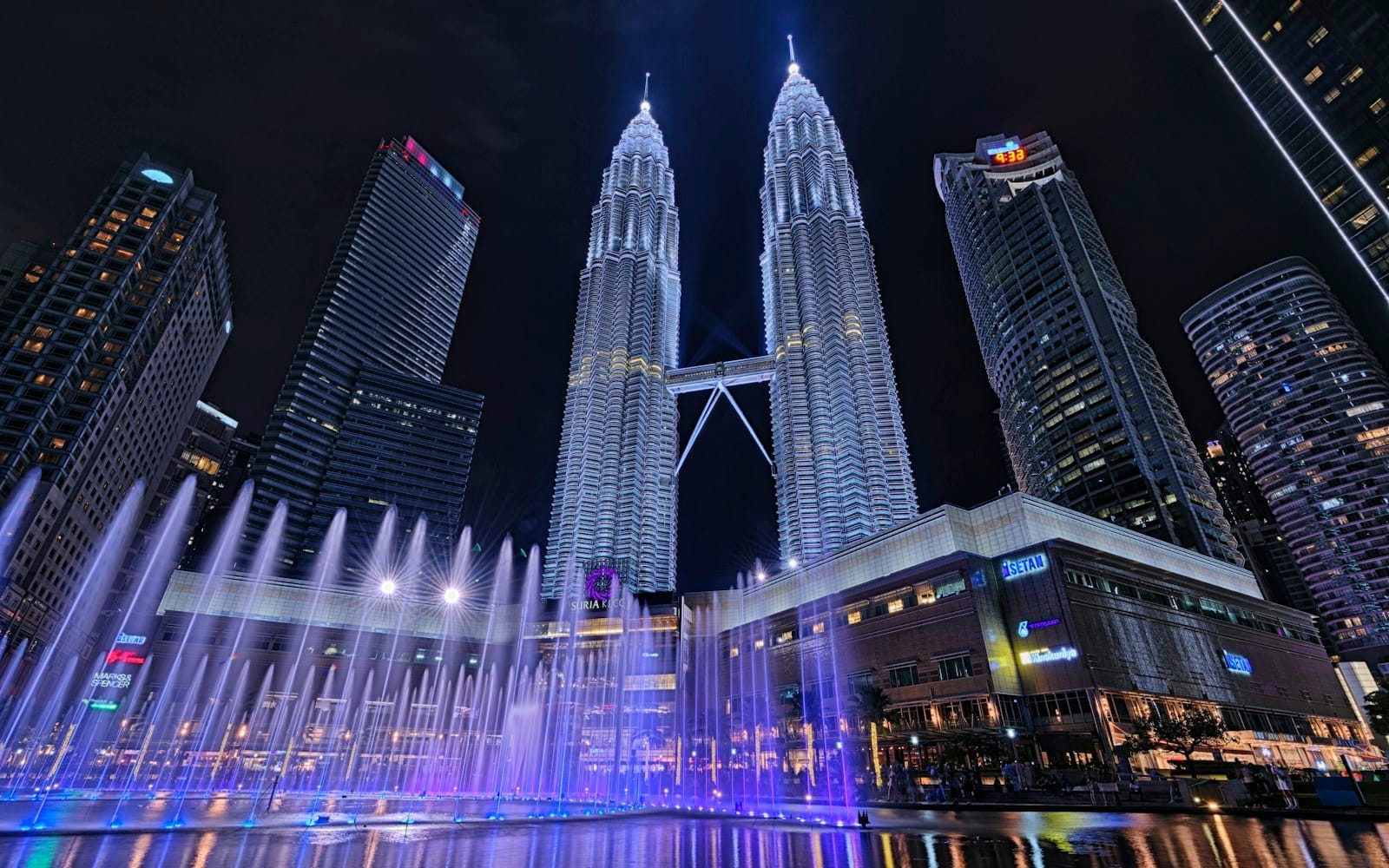
The Suria KLCC mall sits at the base of the Petronas Twin Towers and is the most iconic retail address in the city. It spans six floors with around 300 stores covering everything from Prada and Louis Vuitton at the upper end to Zara, Uniqlo, and local chains in the mid-range. The food court on Level 2 (Signatures Food Court) is well above average for a mall food hall.
Suria KLCC is tourist-heavy, particularly on weekends and public holidays. The Petronas towers draw visitors who then drift into the mall, which means the ground and first floors feel congested from around noon to 8pm. If you're shopping rather than sightseeing, visit on a weekday morning before 12:00. Parking is available but expensive and slow to exit during peak hours; the KLCC LRT station connects directly to the mall's lower level.
Adjacent to Suria, Petrosains Discovery Centre on Level 4 is worth noting if you're traveling with children. The science museum is housed within the mall and covers energy and technology in an interactive format, though it skews towards younger kids. Separately, Aquaria KLCC is in the basement of the KL Convention Centre next door, making the KLCC area a viable half-day stop for families.
Bukit Bintang: KL's Most Concentrated Shopping Strip
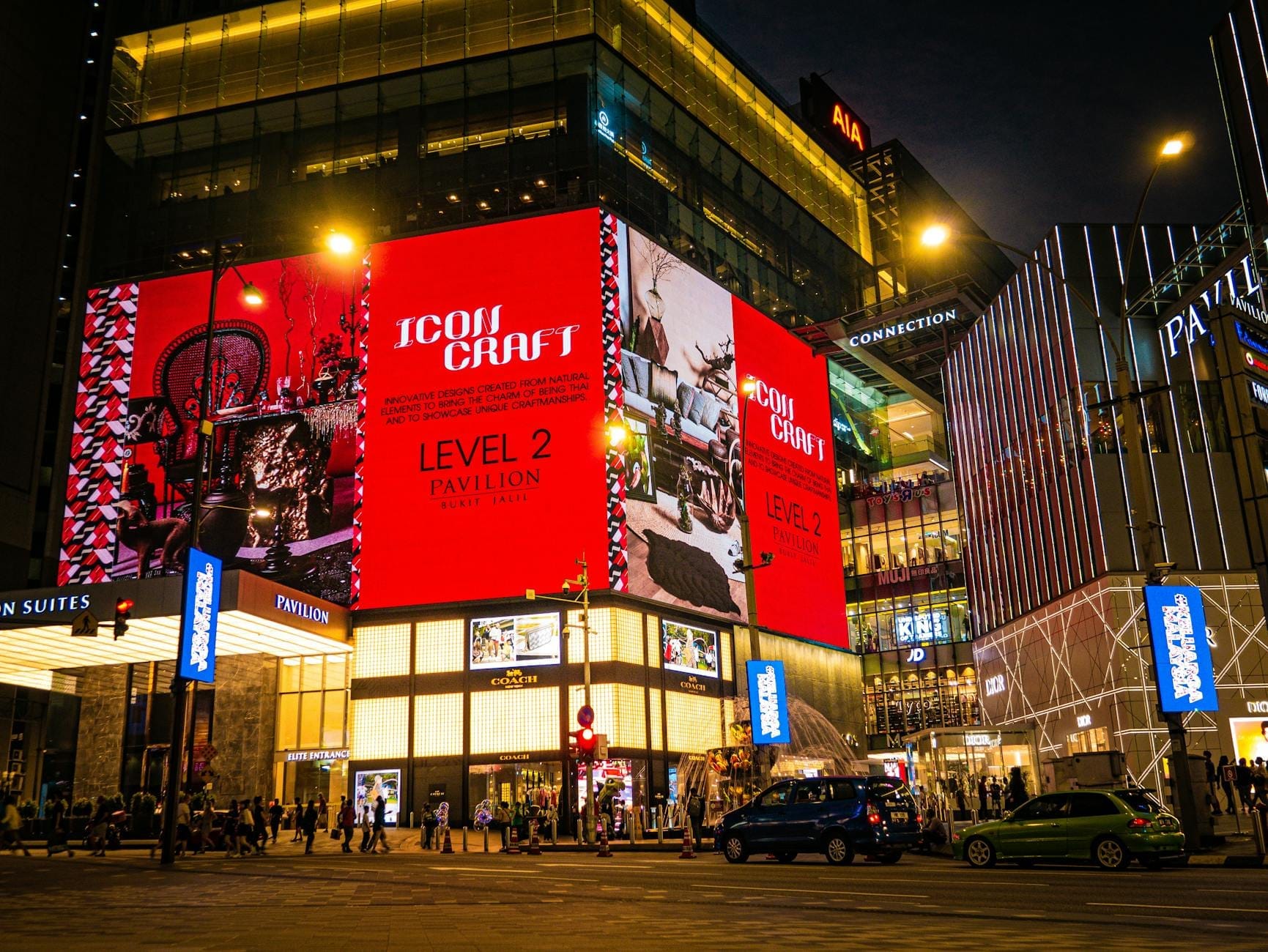
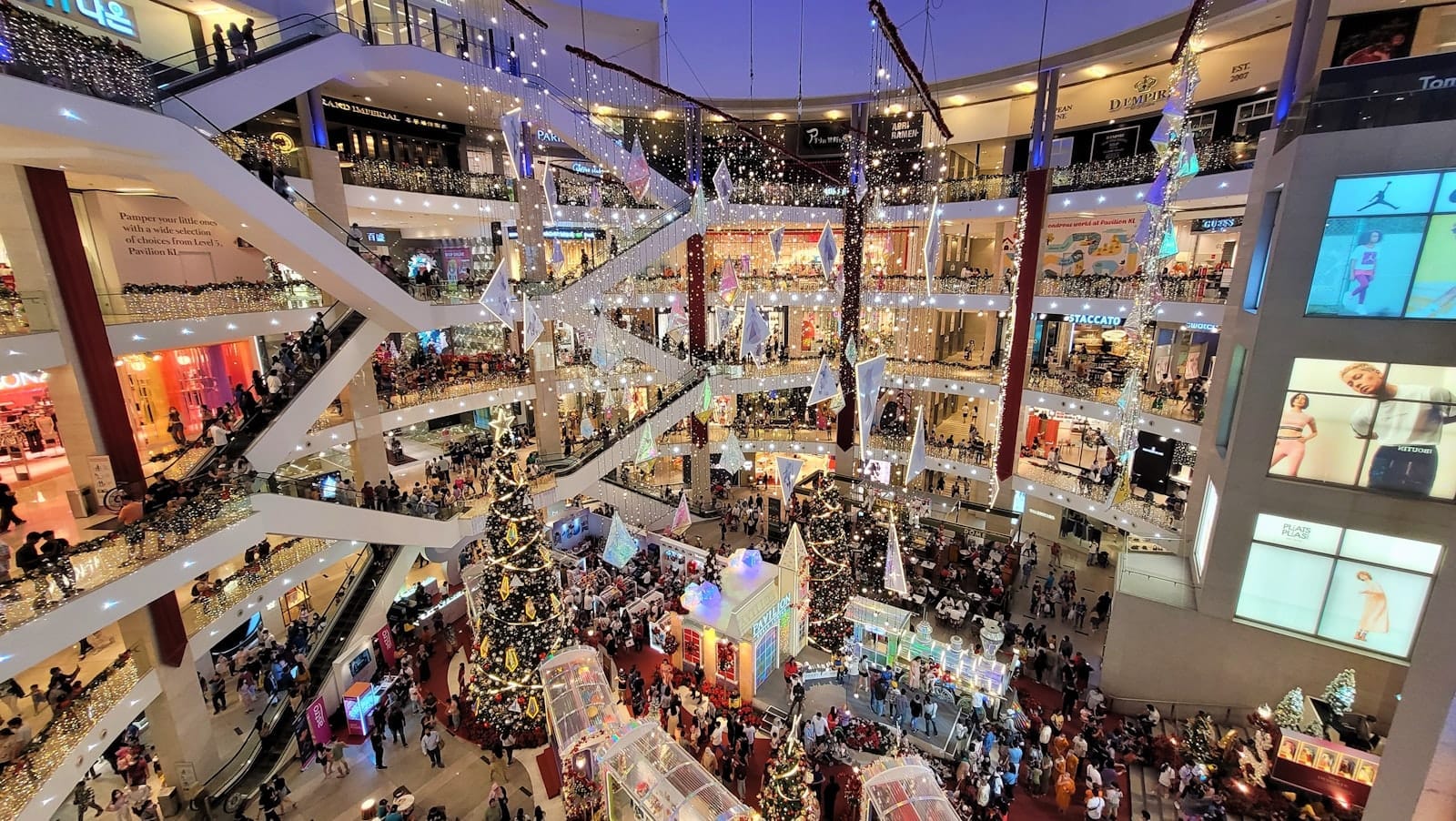
Pavilion Kuala Lumpur is the mall that most accurately reflects how KL residents shop. It covers roughly 1.37 million square feet across nine floors and connects directly to the Bukit Bintang monorail station. The brand mix runs from luxury (Chanel, Dior, Bottega Veneta) through high street (H&M, Mango, Cotton On) to a very strong food and beverage floor. The Dining Hall on the fourth floor is consistently ranked among the better food courts in the city.
A short walk from Pavilion, Fahrenheit 88 targets a younger demographic and offers better value. It houses more independent local brands, vintage stores, and streetwear labels alongside international fast fashion. Prices here are noticeably lower than Pavilion, and the mall feels less polished but more interesting if you're looking for something beyond global brands.
Lot 10 sits directly on Bukit Bintang's main drag and is best known for its basement food hall, Isetan The Japan Store's Lot 10 outpost, and a curated selection of Japanese brands. The basement 'hutong' food court recreates hawker-style stalls and is one of the better spots in the area for a proper Malaysian meal without venturing far. Lot 10 is noticeably less crowded than Pavilion, which makes it more comfortable to browse.
💡 Local tip
The Bukit Bintang malls are all connected via covered walkways or short pedestrian routes. Pavilion, Fahrenheit 88, Lot 10, and Berjaya Times Square can be done in a single loop without significant outdoor time, which matters enormously in KL's heat and afternoon rain. Budget 4-5 hours minimum if you're covering them seriously.
Berjaya Times Square at the southern end of Bukit Bintang is enormous (1.7 million square feet, making it one of the largest malls in the world by floor area) but frankly uneven in quality. The upper floors are patchy, with vacant units and discount-oriented shops. However, the indoor theme park on the fifth and sixth floors is a legitimate draw for families, and the lower floors have solid budget fashion and electronics options. Treat it as a complement to Pavilion rather than a destination in itself.
Budget Shopping and Local Markets
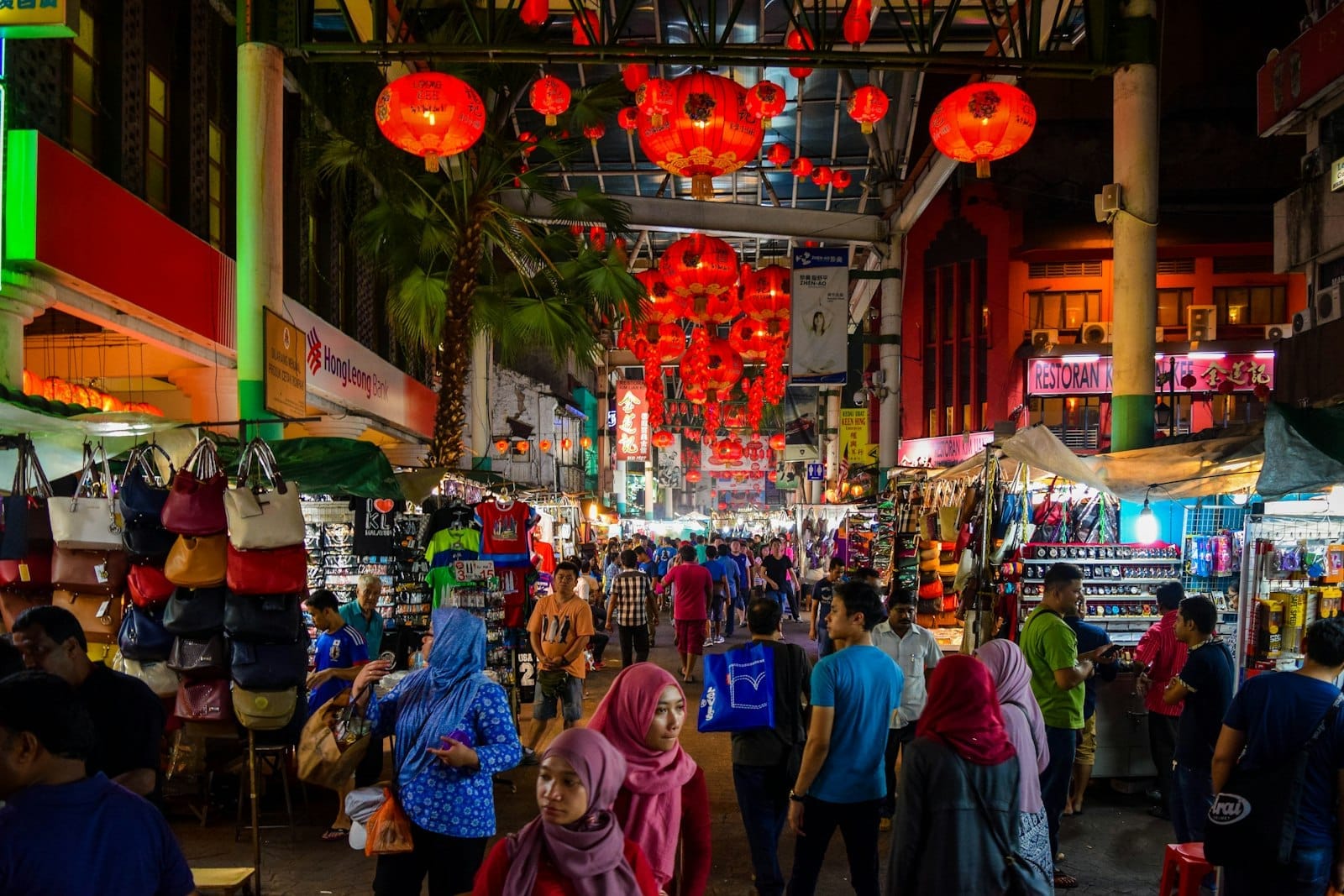
Not all of KL's best shopping happens inside air-conditioned malls. Chinatown's Petaling Street Market is the classic budget alternative: a covered street bazaar selling clothing, bags, watches, and souvenirs at aggressively negotiable prices. Be clear-eyed about what you're buying. Counterfeit goods are openly sold, quality varies enormously, and initial prices are inflated for tourists. The rule is to offer roughly 40-50% of the asking price and walk away if it doesn't drop.
For fabric, traditional textiles, and Indian goods, Jalan Masjid India in the Chow Kit area is a more authentic and undervisited option. The street is lined with shops selling saris, batik cloth, kurtas, and religious items at prices aimed at local shoppers rather than tourists. It connects naturally to a visit to Central Market, which is KL's designated craft and souvenir hub. Central Market is more curated and comfortable than Petaling Street, though prices reflect that.
- Central Market Best for: Malaysian handicrafts, batik fabric, pewter, traditional art. More tourist-oriented but quality-controlled and air-conditioned. Prices are fair without needing aggressive negotiation.
- Petaling Street Market Best for: budget buys, souvenirs, replica goods. Negotiate hard. Avoid buying anything you believe to be authentic luxury goods.
- Jalan Masjid India Best for: textiles, Indian spices, gold jewelry, traditional Muslim fashion. Prices are geared toward locals. Busiest on Sunday mornings when a street bazaar sets up.
- Chow Kit Market Best for: fresh produce, local ingredients, and an unvarnished look at how KL residents actually shop. Not primarily a tourist destination, but fascinating to walk through.
What to Buy (and What to Skip)
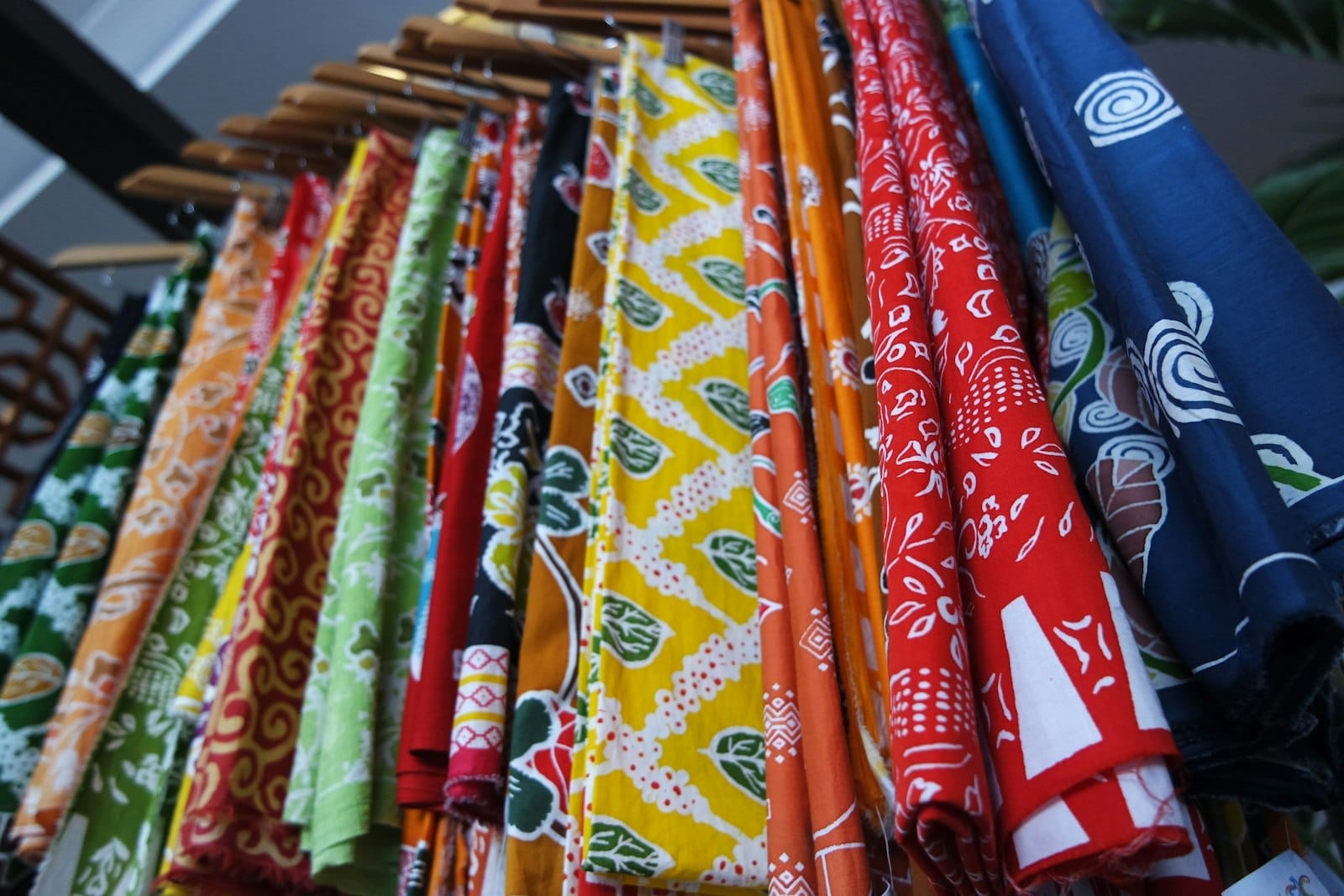
Electronics are not necessarily cheaper in KL than back home for most Western visitors, particularly for Apple products which are priced at a slight premium due to import duties. Where KL does outperform: local and regional brands, cosmetics (especially Korean and Japanese brands available at lower prices than Europe or North America), Petronas petrol station items (genuinely good local snacks), and Malaysian-made products like Royal Selangor pewter, batik clothing, and locally blended teas and coffees.
Fashion bargains exist but require knowing where to look. International fast fashion (H&M, Zara, Uniqlo) is priced similarly to Europe. Local brands like Padini, Voir, and British India offer good quality at 30-50% less than equivalent international labels. Sales in KL malls are frequent and deep, particularly around Hari Raya, Chinese New Year, and year-end. If your visit coincides with a major sale period, budget more time and more luggage space.
- Buy: Royal Selangor pewter (the flagship store is near KLCC), local batik clothing and sarongs, Malaysian coffee blends (Ipoh white coffee, Penang varieties), and Korean/Japanese cosmetics at duty-free prices.
- Buy with caution: Electronics (check prices against home before purchasing), branded goods in markets (authentication is unreliable).
- Skip: Generic souvenir T-shirts with KL or Petronas towers branding sold in tourist areas at inflated prices. The quality is low and identical items appear at every stop.
- Worth seeking out: Peranakan-influenced crafts, artisan batik (distinct from mass-produced prints), and handmade ceramics from independent makers found at pop-up markets.
⚠️ What to skip
Replica luxury goods (fake handbags, watches, sunglasses) are openly sold at Petaling Street and some other markets. Purchasing counterfeit goods is illegal in Malaysia and can result in confiscation at customs upon returning home. Beyond the legal risk, quality is consistently low regardless of what sellers claim.
Practical Tips: Timing, Transport, and Money
Getting between the main shopping areas is straightforward using KL's rail network. The KLCC LRT station connects directly to Suria KLCC. Bukit Bintang has its own monorail station with direct access to Pavilion. The two areas are about 1km apart and connected by a pleasant pedestrian walkway through KLCC Park. For a broader overview of navigating the city, the getting around Kuala Lumpur guide covers transport options in detail.
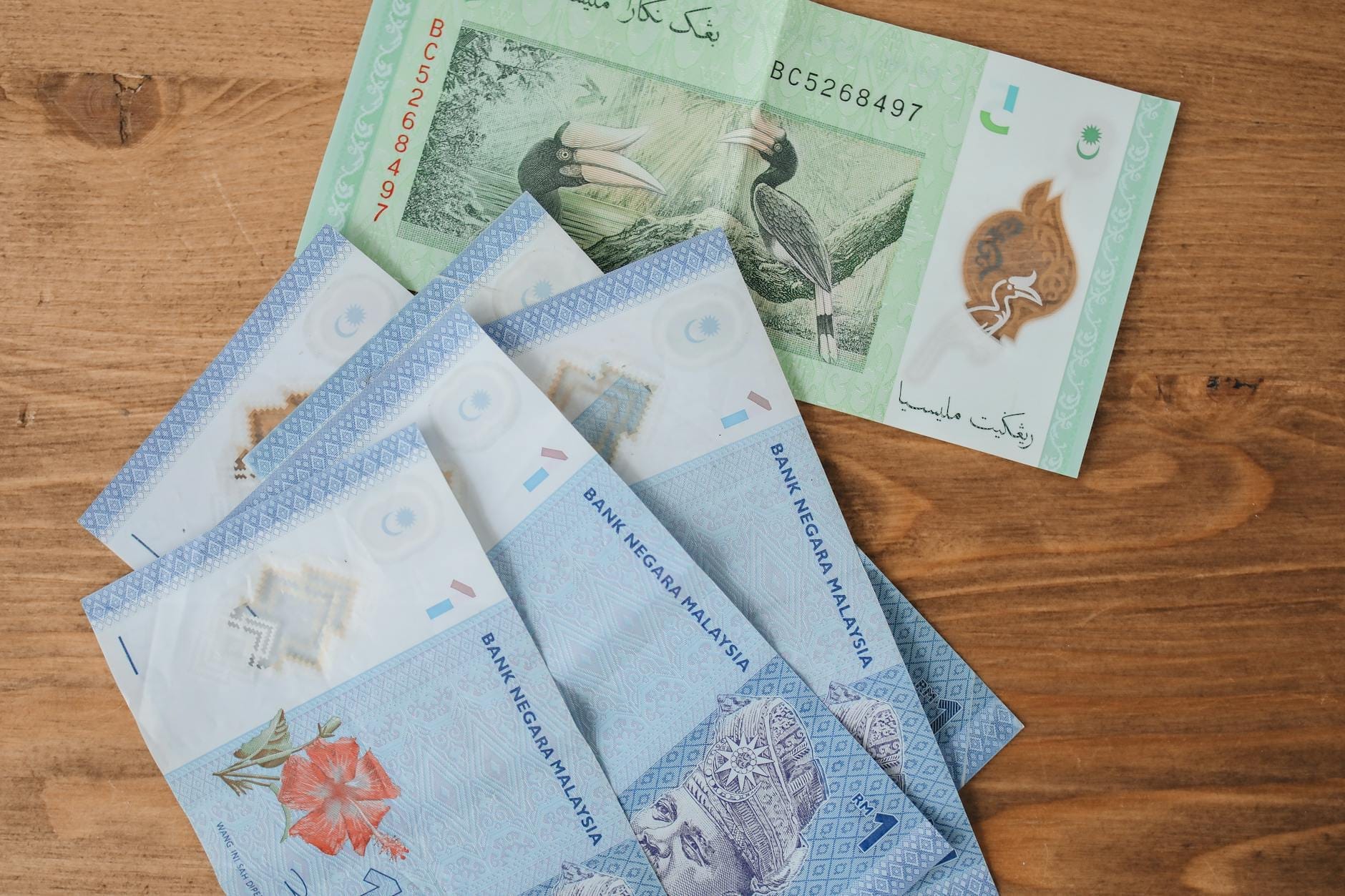
Credit cards are accepted at virtually all mall retailers and most market stalls now have QR payment options. For markets like Petaling Street, bring cash in smaller denominations (RM10 and RM50 notes). ATMs are available inside every major mall. Currency exchange counters inside malls typically offer worse rates than street-level money changers; the best rates are usually found in Chinatown's exchange offices or on Jalan Bukit Bintang.
Timing matters more than most guides acknowledge. Weekends in KL's malls are genuinely crowded from around 1pm onwards. If you're there on a Saturday or Sunday, aim to arrive when the mall opens (10:00-11:00) and have lunch at 11:30 to beat the food court rush. Avoid the week before and during major festivals unless you specifically want the festive atmosphere. For context on the city's seasonal patterns, the best time to visit Kuala Lumpur guide outlines what to expect month by month.
FAQ
Which is the best shopping mall in Kuala Lumpur overall?
For most visitors, Pavilion Kuala Lumpur in Bukit Bintang offers the best all-around experience: strong brand mix from luxury to high street, excellent food options, and easy public transport access. Suria KLCC is a close second, with the added attraction of the Petronas Towers backdrop, but it skews more tourist-heavy.
Are prices cheaper in KL malls than in Europe or Australia?
For international fast fashion brands (Zara, H&M, Uniqlo), prices are broadly similar. Korean and Japanese cosmetics, local Malaysian brands, and traditional crafts are genuinely cheaper. Electronics (especially Apple) are not cheaper and are sometimes more expensive due to import duties. Currency fluctuations significantly affect value, so check the ringgit exchange rate before your trip.
What are the opening hours for major KL shopping malls?
Most major malls open between 10:00 and 11:00 and close at 22:00, seven days a week including public holidays. Some anchor tenants may keep slightly different hours. During major sales events or festivals, some malls extend hours to 23:00 or later.
Is bargaining expected in KL shopping malls?
Not in formal mall retail stores, where prices are fixed. Bargaining is expected and necessary at markets like Petaling Street, Jalan Masjid India, and street bazaars. At Central Market, prices are semi-fixed but gentle negotiation on larger purchases is not uncommon. Offering a respectful counter-price is fine; aggressive haggling is not.
How do I get a tax refund on shopping in Kuala Lumpur?
Malaysia operates a Tourist Refund Scheme for purchases over RM300 at participating retailers. Ask for a Tourist Refund Form (TRF) at the point of purchase. At KLIA, present the goods, receipts, and forms at the Customs inspection counter before check-in, then claim the refund at the refund counter. Not all retailers participate, so look for the 'Tax Free Shopping' logo before purchasing.