Getting Around Kuala Lumpur: The Complete Transport Guide
Kuala Lumpur has one of Southeast Asia's most developed urban transport networks, yet first-time visitors frequently end up confused, overcharged, or stranded. This guide breaks down every practical option for getting around KL, from rail passes to rideshare apps, with honest assessments of what works and what to avoid.
Plan and book this trip
Tools from our partner Travelpayouts help you compare flights and hotels. If you book through them, we may earn a commission at no extra cost to you.
Flights
Hotels map
TL;DR
- Grab (rideshare) is the default for short hops and late nights — set the price before you get in, unlike metered taxis.
- The MRT, LRT, and KTM rail lines connect most major attractions; a KLCC to Batu Caves trip costs under RM10 by train.
- The Touch 'n Go card works across all rail lines, buses, and some parking — buy one at any major station for RM10 deposit.
- Traffic in KL is brutal from 7:30-9:30am and 5:00-8:00pm on weekdays; add 30-60 minutes to any road journey during these windows.
- For day trips outside the city, such as to Genting Highlands, private cars or organized tours are far more practical than public transport.
KL's Rail Network: The Fastest Way Across the City
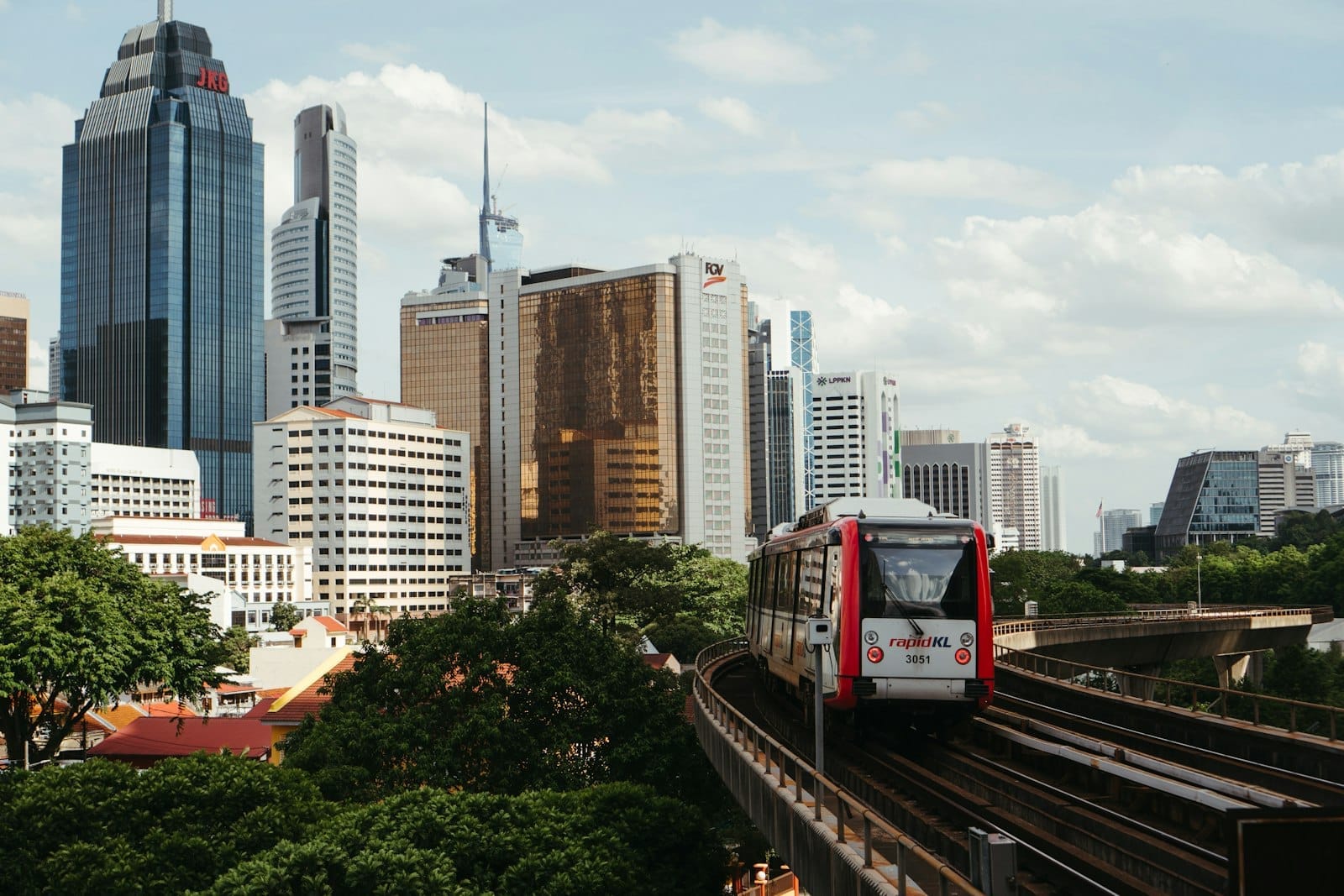
Getting around Kuala Lumpur by rail is the single smartest decision you can make as a visitor. The city operates several overlapping rail systems managed by different operators, which can be confusing at first, but together they cover the areas that matter most. The main lines to know are the MRT Putrajaya Line and Kajang Line, the LRT Kelana Jaya Line and Ampang Line, the KTM Komuter (suburban rail), the Monorail, and the KLIA Ekspres connecting to the airport.
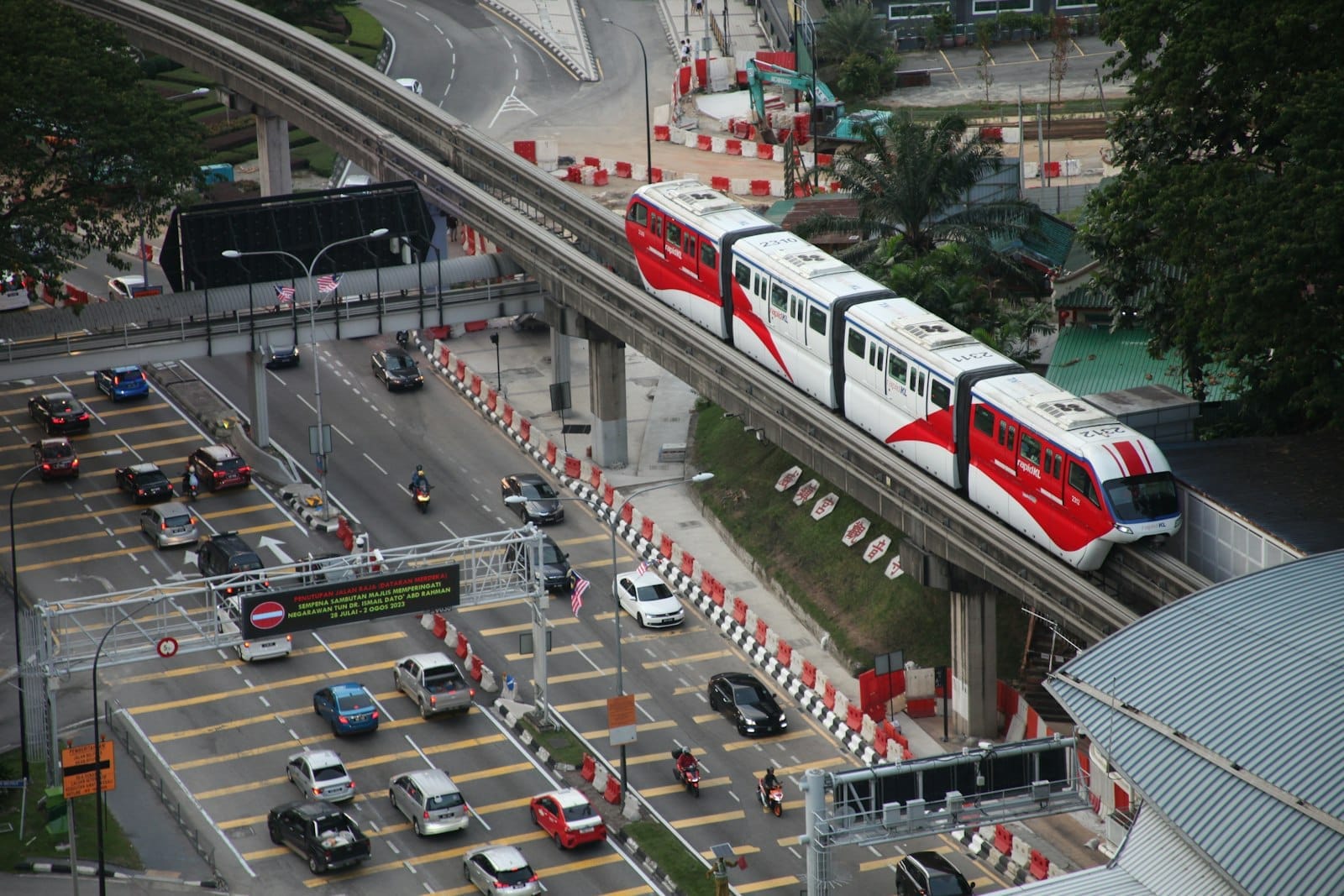
The MRT Putrajaya Line is the newest and most comfortable, running from the north of the city through the city centre and down toward Putrajaya. The Kajang Line is essential for reaching Bukit Bintang station (Cochrane or Muzium Negara interchanges) and connects to the KTM for Batu Caves. The KL Monorail is aging but still the quickest way to hop between Bukit Bintang and KL Sentral.
💡 Local tip
Buy a Touch 'n Go Ewallet-enabled card rather than single-journey tokens. It works across all rail operators, RapidKL buses, and even some highway tolls. Load credit at any station kiosk or 7-Eleven. A RM10 card deposit plus RM10 starting credit is enough for most short stays.
Train frequency is generally good on the MRT and LRT during peak hours, with trains every 3-6 minutes. Off-peak and on weekends, expect 8-15 minute gaps. Stations are air-conditioned, well-signed in English, and generally safe at all hours. The main frustration is that different rail lines don't always interchange seamlessly — you may need to walk 5-10 minutes between adjacent stations at busy interchange points like Masjid Jamek or KL Sentral.
- KLIA Ekspres Airport to KL Sentral in 28 minutes. RM55 one-way for adults. Worth every ringgit — taxis from KLIA take 45-90 minutes depending on traffic and cost RM70-120.
- MRT Putrajaya Line Best for reaching Merdeka 118, Pasar Seni (Central Market), and Putrajaya. New, clean, and reliable.
- LRT Kelana Jaya Line Runs directly beneath KLCC/Petronas Towers. Essential for the city centre corridor.
- KTM Komuter Older, less frequent, but the only rail option for Batu Caves (Batu Caves station). Allow 45 minutes from KL Sentral.
- KL Monorail Covers Bukit Bintang and Chow Kit on a single loop. Useful but often crowded and slower than it looks on paper.
Grab vs. Taxis: The Honest Breakdown
Grab is the dominant rideshare app across Malaysia and the one tool every visitor should download before landing. It operates like Uber: open the app, input your destination, confirm the fare, and a driver comes to you. The key advantage over traditional metered taxis is price transparency — you see exactly what you'll pay before committing. For most city-centre trips under 5km, expect to pay RM8-18 depending on demand and time of day.
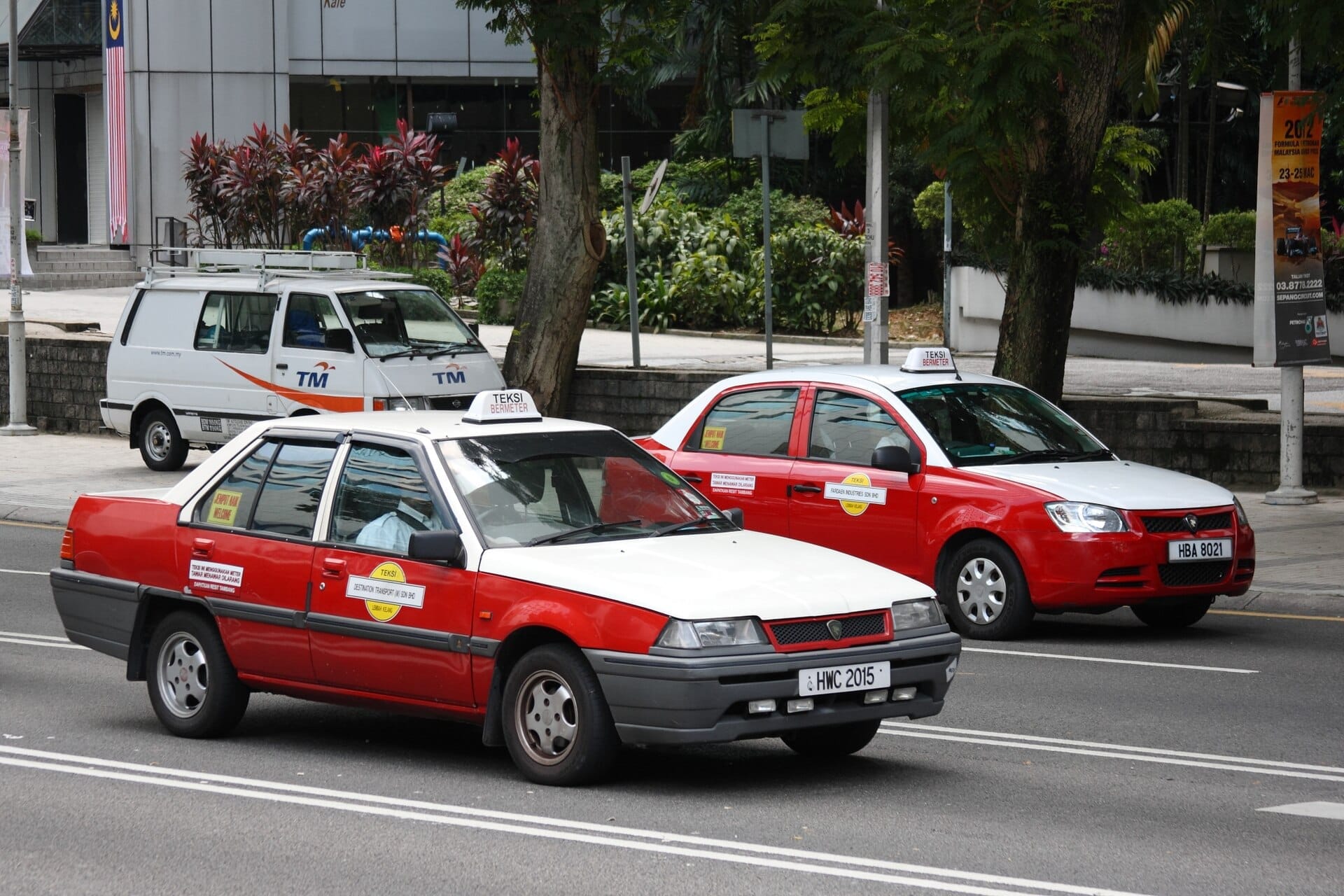
Traditional metered taxis in KL have a mixed reputation. Many drivers quote flat rates rather than using the meter, especially if they identify you as a tourist. These flat rates are almost always 2-4x the metered fare. If you insist on the meter, some drivers will refuse the ride. This isn't universal — there are honest cabbies — but the incentive structure is not in your favour. At night, on rainy days, and near major tourist sites, the problem intensifies. Grab solves this cleanly.
⚠️ What to skip
Avoid touts offering taxi rides outside KLCC, Bukit Bintang, and Central Market. They are not metered and will quote RM50+ for trips that cost RM10-12 by Grab. Always use the app or hail a cab at an official taxi stand and insist on the meter.
Grab does have surge pricing during peak hours and rain. During major rush hours or downpours, fares can spike 1.5-2x. In these situations, the LRT or MRT is almost always faster and cheaper. One more caveat: Grab drivers sometimes have trouble finding pickup points at large malls and towers — always walk to a side road or specify a clear meeting point in the app notes.
Buses: Cheap, Patient-Required
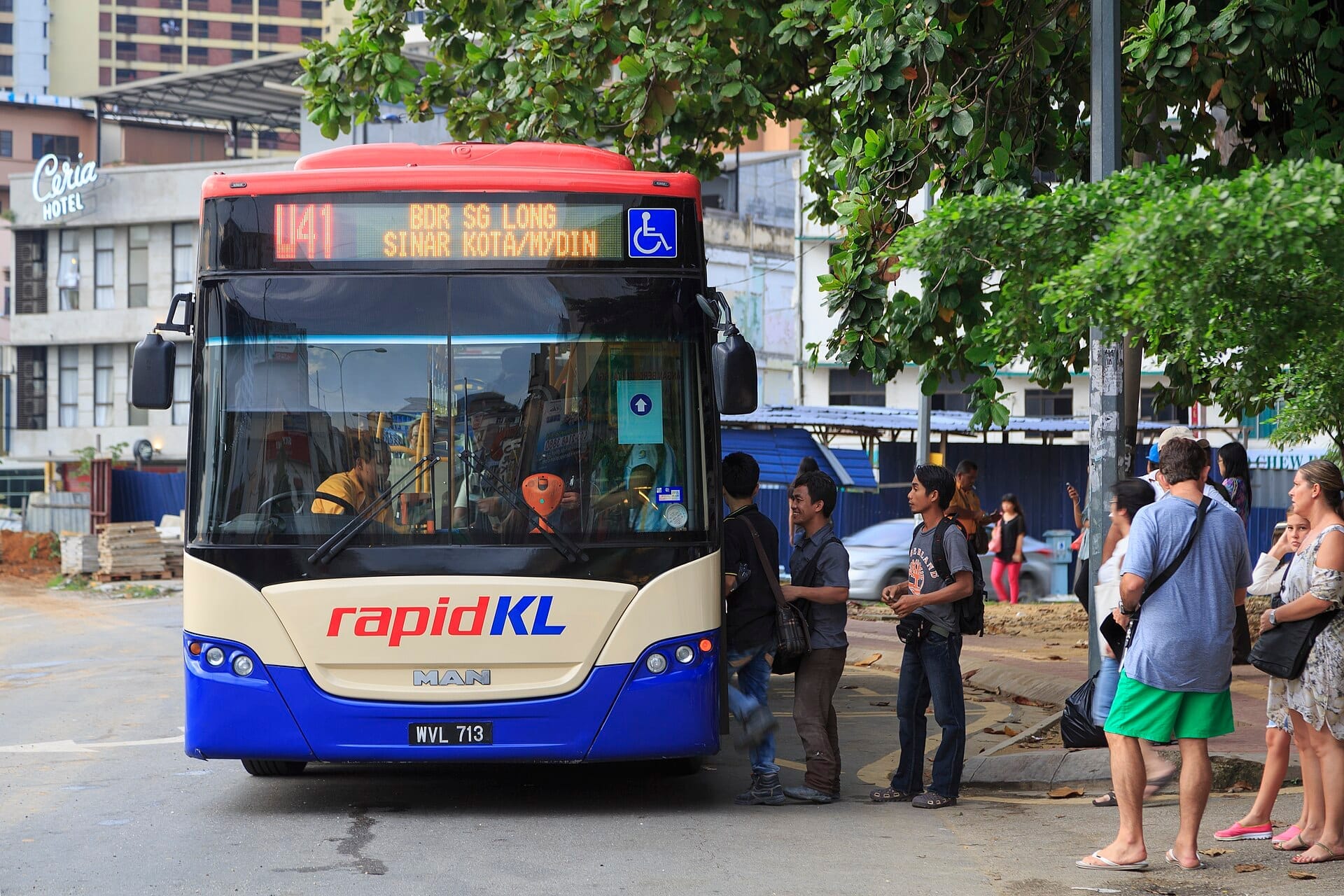
RapidKL buses cover a vast network across Greater KL and are the cheapest way to travel, with most city routes capped at RM1-2 per journey using Touch 'n Go. The free Go KL City Bus service operates four colour-coded routes (Purple, Green, Red, Blue) covering central areas including Bukit Bintang, KLCC, Masjid India, and Chow Kit. These run roughly every 10-20 minutes and are particularly useful for visitors staying in the city centre who want to avoid short taxi rides.
The main drawback with buses is traffic. During peak hours, a bus journey from Chinatown to KLCC that takes 15 minutes by train can stretch to 50 minutes by bus. Buses are better used for off-peak travel, early morning sightseeing, or as a last-mile solution from a train station to a specific destination. The Go KL free buses, in particular, are excellent for covering ground in the Jalan Alor and Golden Triangle area without worrying about parking or surge pricing.
✨ Pro tip
The Go KL Purple Line connects KL Sentral to Bukit Bintang via Jalan Imbi — ideal for evenings heading to Jalan Alor for food. The Green Line runs along Jalan Tuanku Abdul Halim and connects Masjid India to PWTC, useful for exploring Chow Kit and Little India.
Driving and Car Rental in KL
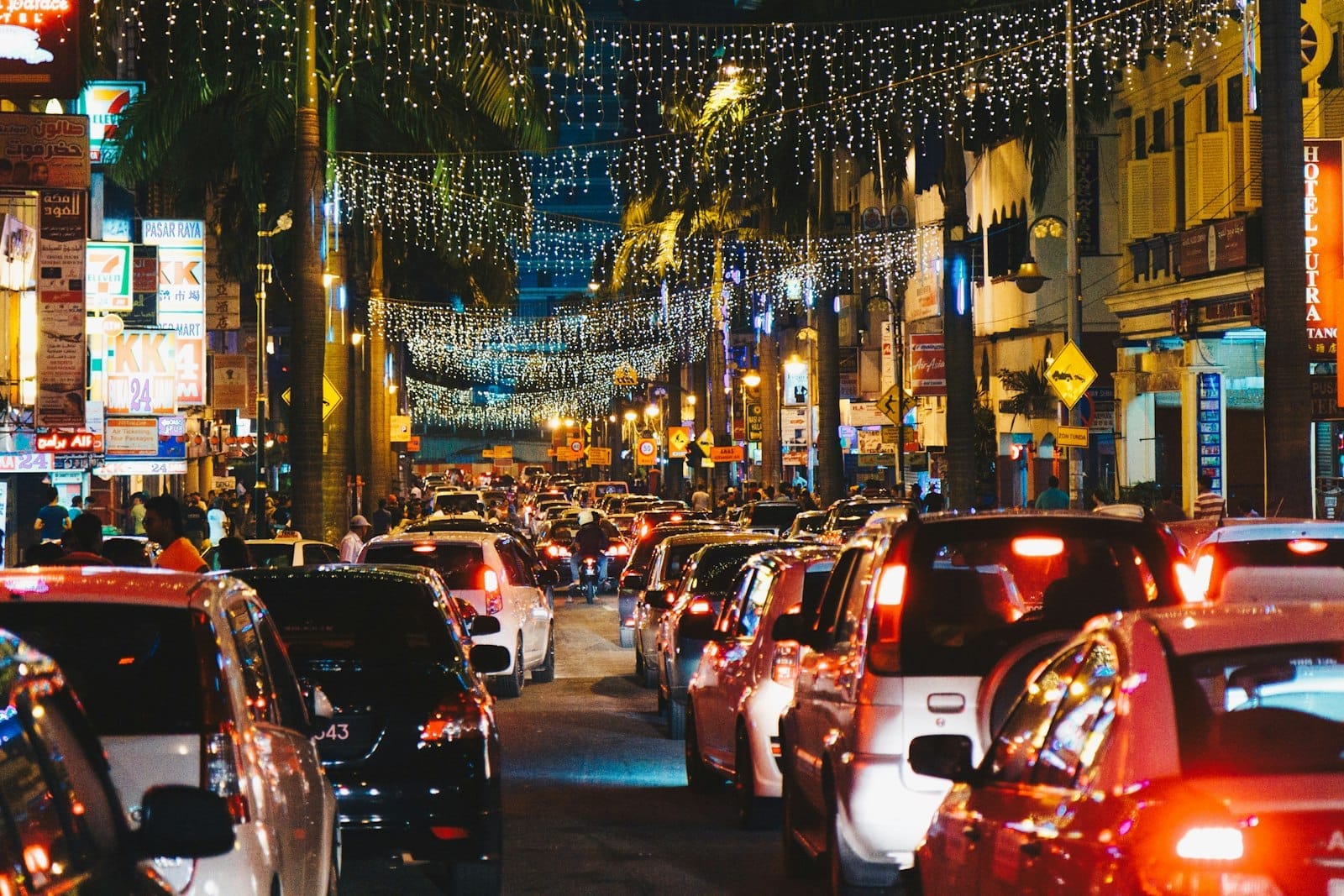
Renting a car in Kuala Lumpur makes almost no sense unless you are planning multi-day trips outside the city. Inside KL, traffic congestion is severe, parking is expensive and hard to find near major attractions, and the road signage — while mostly in English — can be confusing around interchanges and highway exits. Add the fact that Grab and rail cover 90% of tourist needs, and the calculus rarely favours a rental car for city-only stays.
Where a car earns its keep is for day trips: to Batu Caves (though the KTM works fine here), Sunway Lagoon, or destinations further afield like Putrajaya and the Batu Ferringhi coast. If you do rent, book through reputable agencies at KL Sentral or the airport. Daily rates start around RM120-180 for a compact car. Fuel is subsidised in Malaysia so petrol costs are low by international standards, though highway tolls add up quickly.
- Use Waze over Google Maps for real-time Malaysian traffic — it is more widely calibrated for KL's road system.
- Highway toll plazas accept Touch 'n Go cards — the same card used for trains and buses.
- Park at major malls (Suria KLCC, Pavilion, Mid Valley) rather than street parking near attractions.
- Avoid driving through the city centre between 7:30-9:30am and 5:00-8:00pm on weekdays.
- International driving licences are valid in Malaysia for visitors — no additional permit required for short stays.
Getting Between Neighbourhoods: Practical Routes
Kuala Lumpur's major tourist zones are more spread out than they appear on a map. Understanding the logical clusters saves time. The Golden Triangle (KLCC, Bukit Bintang, Pavilion KL, Suria KLCC) is well-connected by LRT and walkable internally if you can handle the heat. Chinatown and Merdeka Square sit further west and are reachable via Pasar Seni LRT station or Masjid Jamek LRT.
The Lake Gardens area, which includes the KL Bird Park, Butterfly Park, Islamic Arts Museum, and National Museum, is poorly served by rail. The closest station is KL Sentral, from which it is a 15-20 minute walk in serious heat, or a short Grab ride (RM5-8). This is one area where a Grab or the Go KL Red Line bus is genuinely the practical choice over walking.
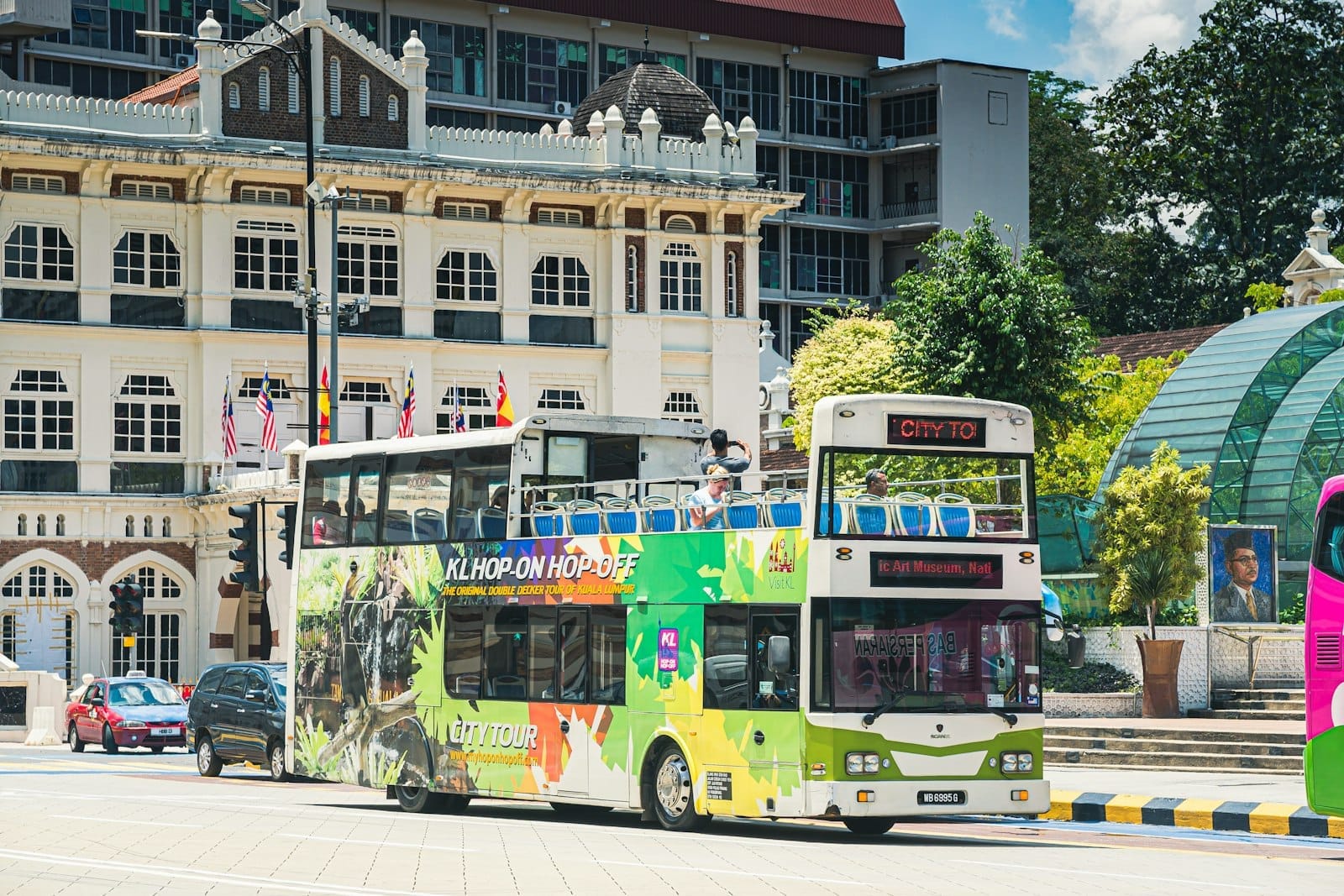
For the Merdeka and heritage district — covering the Sultan Abdul Samad Building, Masjid Jamek, and Merdeka Square — take the LRT to Masjid Jamek station. Everything in this cluster is within a 10-minute walk.
Tips for Navigating KL Efficiently
A few habits separate experienced KL visitors from those who waste half their day in traffic. First: plan your day around the rail lines, not around geography. If your accommodation is near a Monorail or LRT station, use that as your orientation axis and cluster attractions along the same line for each day. Trying to zigzag between distant areas multiple times in a day is where itineraries fall apart.
- Travel before 9am or after 9pm Rail is less crowded, Grab prices are lower, and streets are cooler. KL's hawker stalls and 24-hour mamak restaurants mean there is no reason to be fighting rush hour on foot.
- Use MyRapid app for bus/rail journey planning More accurate for KL than Google Maps for live bus ETAs and interchange routing.
- Stay near an LRT or MRT station Being a 5-minute walk from a train station cuts your Grab spend in half and removes the peak-hour anxiety entirely. Check our guide on where to stay in KL for neighbourhood breakdowns.
- Allow station transfer time Interchanges at KL Sentral, Masjid Jamek, and Chan Sow Lin can take 10-15 minutes to navigate on foot between platforms. Factor this into journey estimates.
- Bring a small umbrella or raincoat Afternoon thunderstorms between April-October surge Grab prices within minutes. Having a compact umbrella lets you walk to a train station without a 30-minute wait for a car.
ℹ️ Good to know
KL's climate means outdoor walks between transport stops are significantly harder than they look on maps. A 700-metre walk in shade at 8am is fine; the same walk at 2pm in 34°C humidity is genuinely unpleasant. Budget extra time if you're walking between attractions midday, and factor in breaks at air-conditioned malls.
If you are visiting sites across the city over several days, consider how your accommodation location affects daily transport costs. Our guide on where to stay in Kuala Lumpur covers the practical transport trade-offs between KLCC, Bukit Bintang, KL Sentral, and Chow Kit in detail. And if you want to maximise your time by understanding which seasons affect crowds on public transport, the best time to visit Kuala Lumpur guide covers that alongside weather and events.
FAQ
Is public transport in Kuala Lumpur safe at night?
Yes. KL's rail stations and trains are well-lit, staffed, and generally safe until the last train (around 11:30pm-12:30am on most lines). Grab is a reliable alternative after hours. The main caution is waiting at isolated bus stops late at night — stick to train stations or book Grab from your venue.
How do I get from KLIA airport to Kuala Lumpur city centre?
The KLIA Ekspres train is the fastest option: 28 minutes to KL Sentral for RM60. The KLIA Transit is slower (makes stops) but cheaper. Budget taxis and Grab from the airport take 45-90 minutes depending on traffic and cost RM80-150. Airport buses are the cheapest option (around RM12-15) but take 1-2 hours. For most travellers, the Ekspres is worth the premium.
Can I use a single card or pass for all KL trains and buses?
The Touch 'n Go card is accepted across all rail lines (MRT, LRT, Monorail, KTM Komuter, KLIA Transit) and RapidKL buses. It does not cover KLIA Ekspres tickets, which are sold separately. The Touch 'n Go eWallet (app-based) also works at many of the same locations. There is no unlimited tourist day pass that covers all operators — single-journey fares with Touch 'n Go are cheap enough that a pass rarely offers savings.
How bad is Kuala Lumpur traffic really?
During peak hours on weekdays, central KL traffic is severe. A 3km Grab journey from Bukit Bintang to Masjid Jamek can take 40 minutes by road at 6pm but 12 minutes by LRT. Outside peak hours, road journeys are far more predictable. Weekend traffic is generally lighter except around major shopping malls on Saturday afternoons.
Do Grab drivers in KL speak English?
Most KL Grab drivers have functional English, enough to confirm pickup and destination. The app handles routing automatically, so conversation is minimal. In rare cases of confusion, showing the destination on your phone screen resolves any language barrier. Taxi drivers outside of hotel queues often have less consistent English.