Where to Stay in Kuala Lumpur: The Complete Neighbourhood Guide
Choosing where to stay in Kuala Lumpur shapes your entire trip. This guide breaks down the city's key neighbourhoods by location, vibe, price range, and transport links so you can book with confidence.
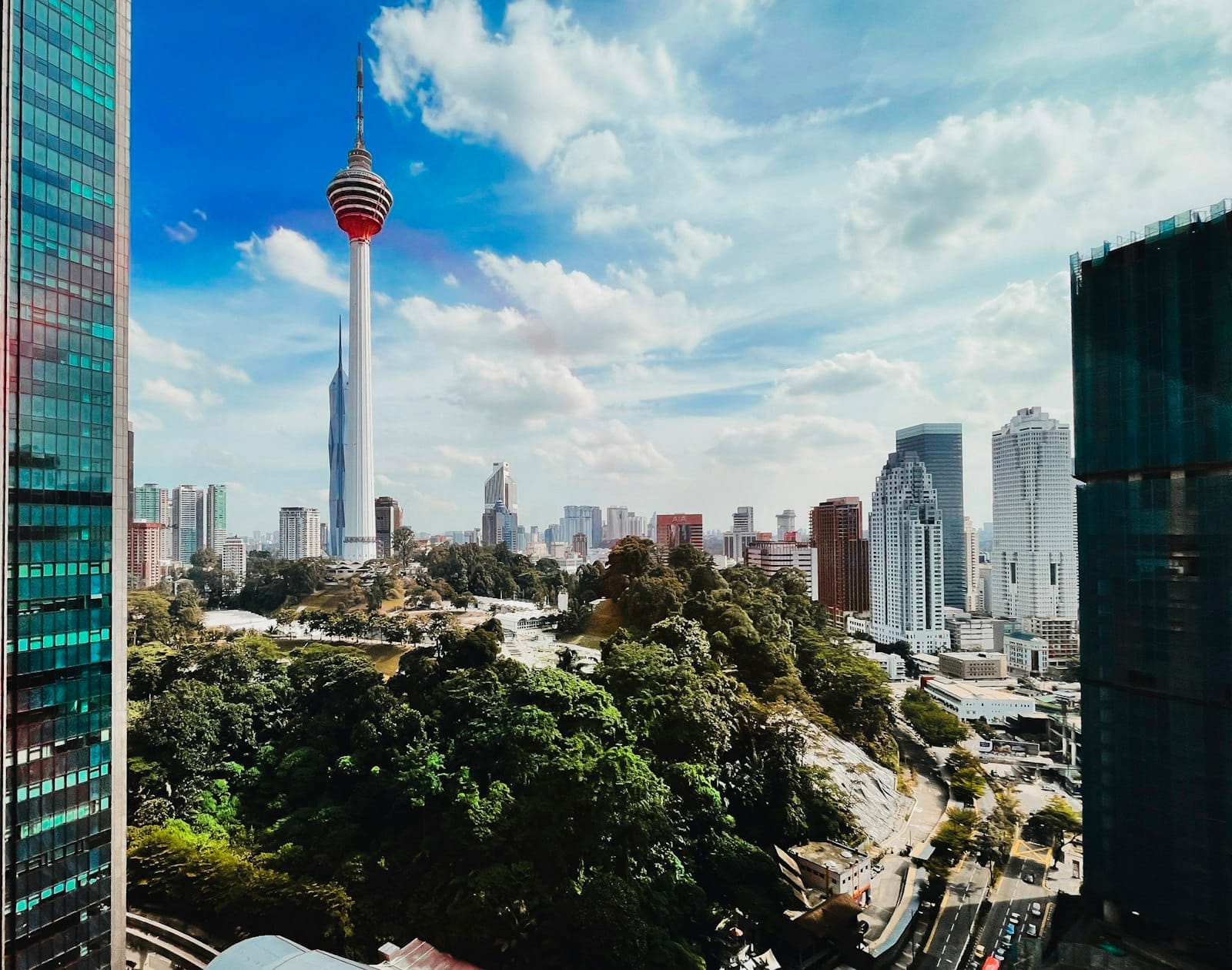
Plan and book this trip
Tools from our partner Travelpayouts help you compare flights and hotels. If you book through them, we may earn a commission at no extra cost to you.
Flights
Hotels map
TL;DR
- KLCC and Bukit Bintang are the best all-round bases, covering most of KL's top attractions and shopping within walking distance or a short MRT/LRT ride.
- Budget travellers get the most value in Chinatown (Petaling Street), where guesthouses start from around RM60 per night.
- Avoid booking in Chow Kit or the outer suburbs unless you have a specific reason: transport links are weaker and the walking experience is limited.
- KL's hotel market is genuinely competitive — five-star properties regularly drop below RM350 per night, especially outside public holidays.
- Check the best time to visit Kuala Lumpur before locking in dates: prices spike sharply during Chinese New Year, Hari Raya, and the school holiday weeks in June and December.
How to Choose the Right Area in Kuala Lumpur
Kuala Lumpur is a large, sprawling city with no single obvious centre. Unlike Bangkok or Singapore, where a clear tourist corridor makes decisions easy, KL spreads its best experiences across several distinct zones. The right neighbourhood depends on what you are here for: skyline views, street food, shopping, culture, nightlife, or day trips. Getting this decision wrong wastes real time in transit.
The city's Rapid KL rail network covers most tourist areas well, but walking between neighbourhoods often means crossing multi-lane highways or navigating poorly maintained footpaths. Proximity to a rail station is not a nice-to-have here — it is close to essential, particularly if you plan to explore beyond your immediate area.
ℹ️ Good to know
KL's rail lines include the LRT (Kelana Jaya and Ampang lines), MRT (Putrajaya and Kajang lines), KTM Komuter, and the monorail. Your hotel's proximity to whichever line connects to your planned destinations matters more than which line it sits on. Check the RAPID KL route map before booking.
KLCC: Central, Polished, and Priced to Match
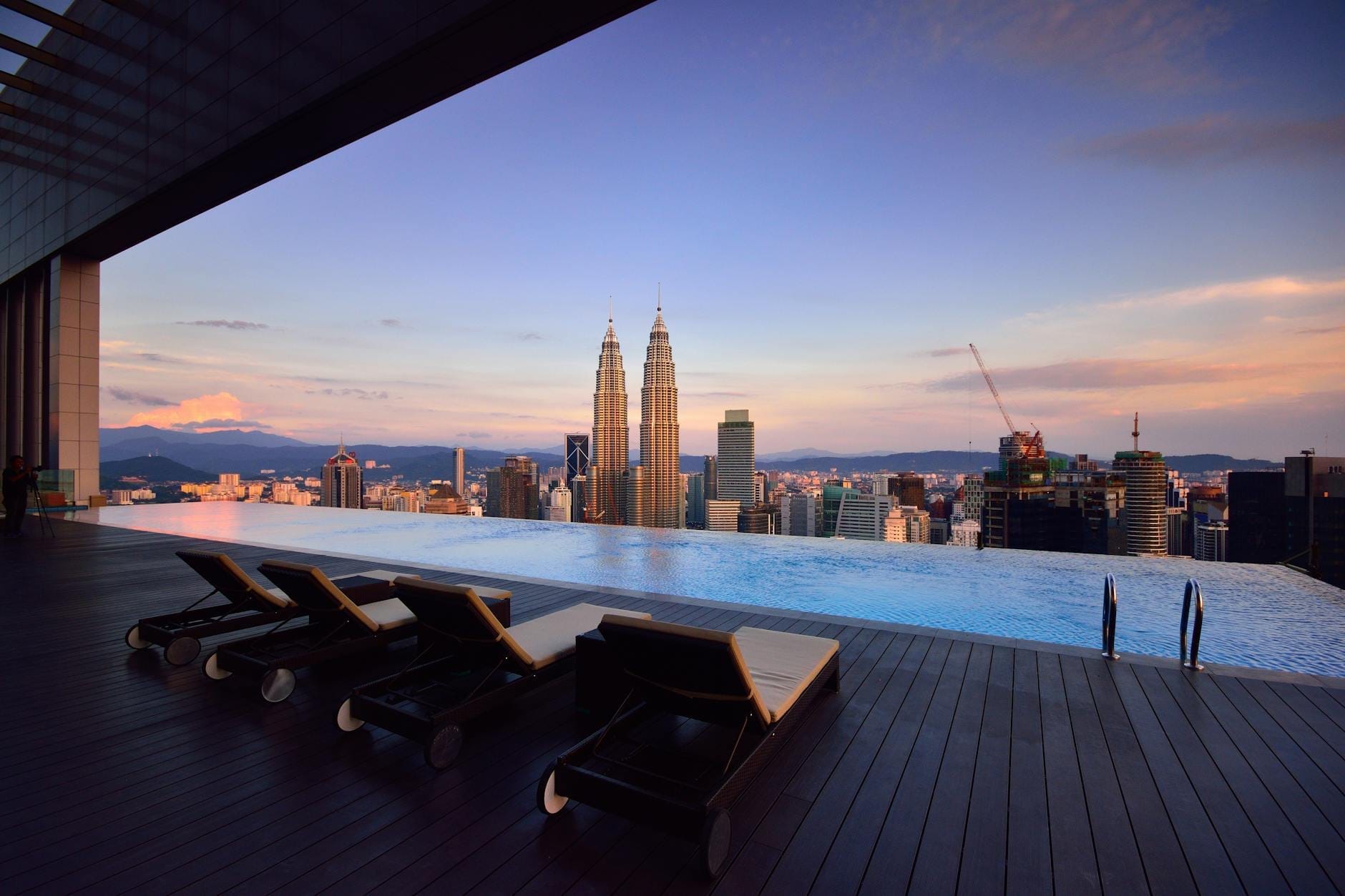
The KLCC district surrounds the Petronas Twin Towers and is KL's most internationally recognisable neighbourhood. Hotels here run from mid-range business hotels to some of the finest properties in Southeast Asia, including the Mandarin Oriental and Traders Hotel (whose Sky Bar has arguably the best Towers view in the city).
KLCC suits first-time visitors who want a central, easy-to-navigate base with good English signage and polished infrastructure. You are walking distance from Suria KLCC, Aquaria, KLCC Park, and the KL Convention Centre. The KLCC LRT station connects you downtown in minutes. The trade-off is price: budget accommodation is essentially non-existent here, and even mid-range hotels sit above RM200 per night most of the time.
- Best for First-timers, business travellers, couples, those prioritising comfort and convenience above budget.
- Price range Mid-range from around RM200-350/night; luxury from RM450 and up.
- Nearest rail KLCC LRT station (Kelana Jaya Line). Walking distance to several hotels.
- Walkability Good within the KLCC corridor, but uneven once you step outside it.
- Watch out for Heavy traffic on Jalan Ampang during morning and evening peaks. Some hotels charge a premium for the Towers view without it being particularly special from the room.
Bukit Bintang: The Best All-Round Base for Most Travellers
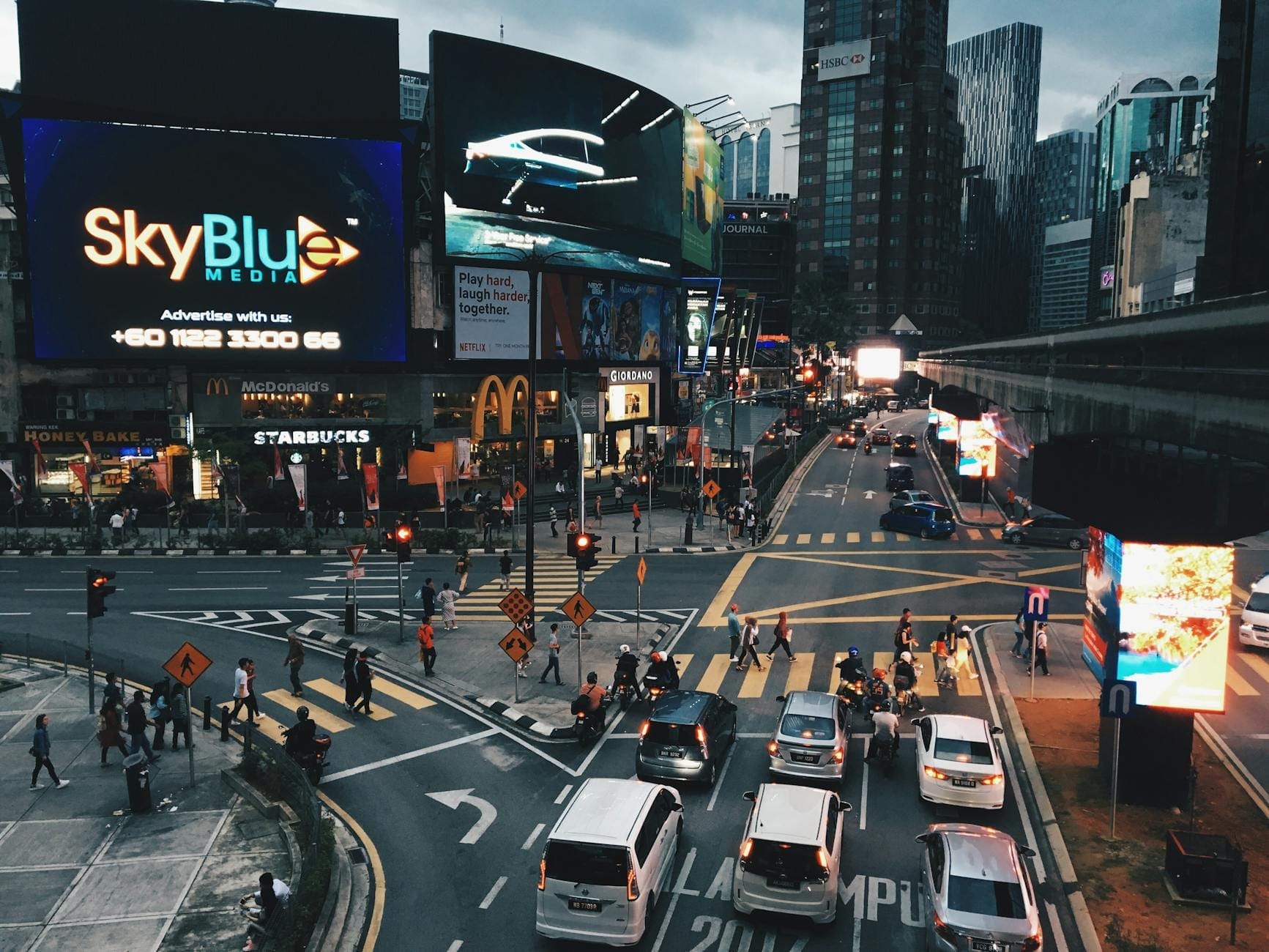
If you can only stay in one area, Bukit Bintang is the most defensible choice for the widest range of travellers. It sits at the intersection of shopping, street food, nightlife, and transport. The Bukit Bintang monorail station and Pavilion mall anchor the area, while Jalan Alor — KL's most famous street food strip — is a 5-minute walk from most hotels.
Hotels in Bukit Bintang span the full price spectrum more than any other neighbourhood. Capsule hostels and budget guesthouses occupy the quieter back streets off Jalan Bukit Bintang, while luxury five-stars like the W Kuala Lumpur and JW Marriott occupy prime positions on the main drag. This range makes it viable whether you are spending RM80 or RM800 per night.
The Changkat Bukit Bintang strip — a compact street of bars and restaurants two minutes from most hotels — is one of KL's better nightlife corridors, without the seedier edge of some other areas. Worth knowing: it gets loud until around 1am on weekends, so book a room several floors up if you are a light sleeper.
💡 Local tip
The covered walkway connecting Bukit Bintang monorail station to KLCC via Pavilion and Starhill Gallery means you can walk to the Towers area in about 20-25 minutes entirely under shelter — a genuine asset during KL's frequent afternoon downpours.
Chinatown and Merdeka Square: KL's Heritage Core
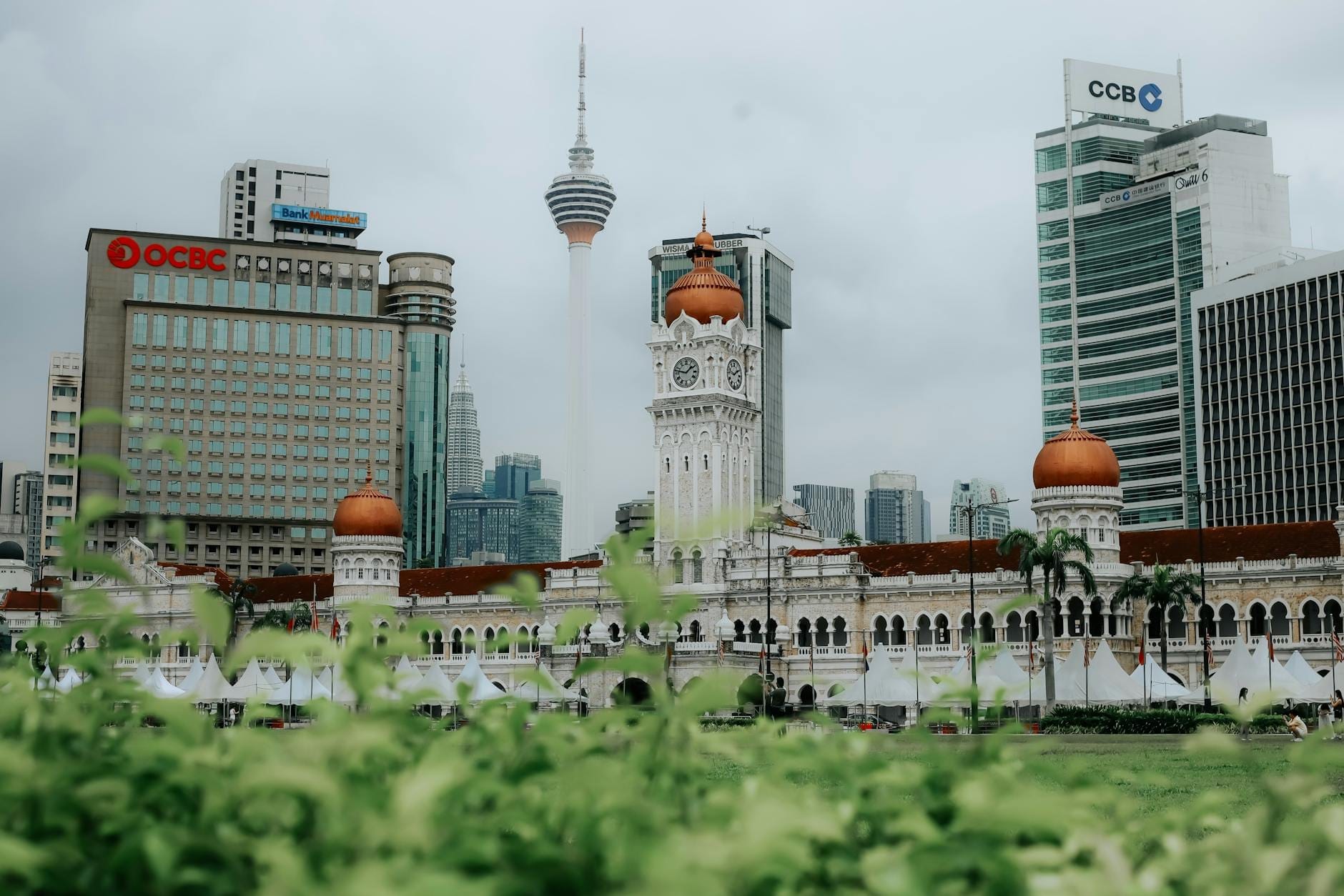
The area around Chinatown and Merdeka Square is the most historically rich neighbourhood in the city and the best value for budget-conscious travellers. Petaling Street cuts through the middle, lined with budget guesthouses, shophouse hostels, and mid-range hotels in converted heritage buildings.
You are walking distance from the Sri Mahamariamman Temple, the River of Life promenade, Masjid Jamek (one of KL's oldest mosques), and the Sultan Abdul Samad Building. The Pasar Seni LRT station sits at the edge of the neighbourhood, giving you fast access to both Bukit Bintang and the KL Sentral transport hub.
The honest caveat: this area is not particularly quiet at night and footpaths can be rough and poorly lit in places. It is also one of the more aggressive spots for counterfeit goods touts. None of this is dangerous, but it adds friction for travellers who prefer a more ordered environment. For backpackers and travellers who want authentic neighbourhood texture over polished comfort, it remains one of KL's most rewarding places to stay.
⚠️ What to skip
Several guesthouses in Chinatown are in very old shophouse buildings with minimal soundproofing and no elevator. Read recent reviews carefully before booking — the gap between a well-run heritage hotel and a low-quality one in this area is significant.
KL Sentral and Brickfields: Practical, Connected, Underrated
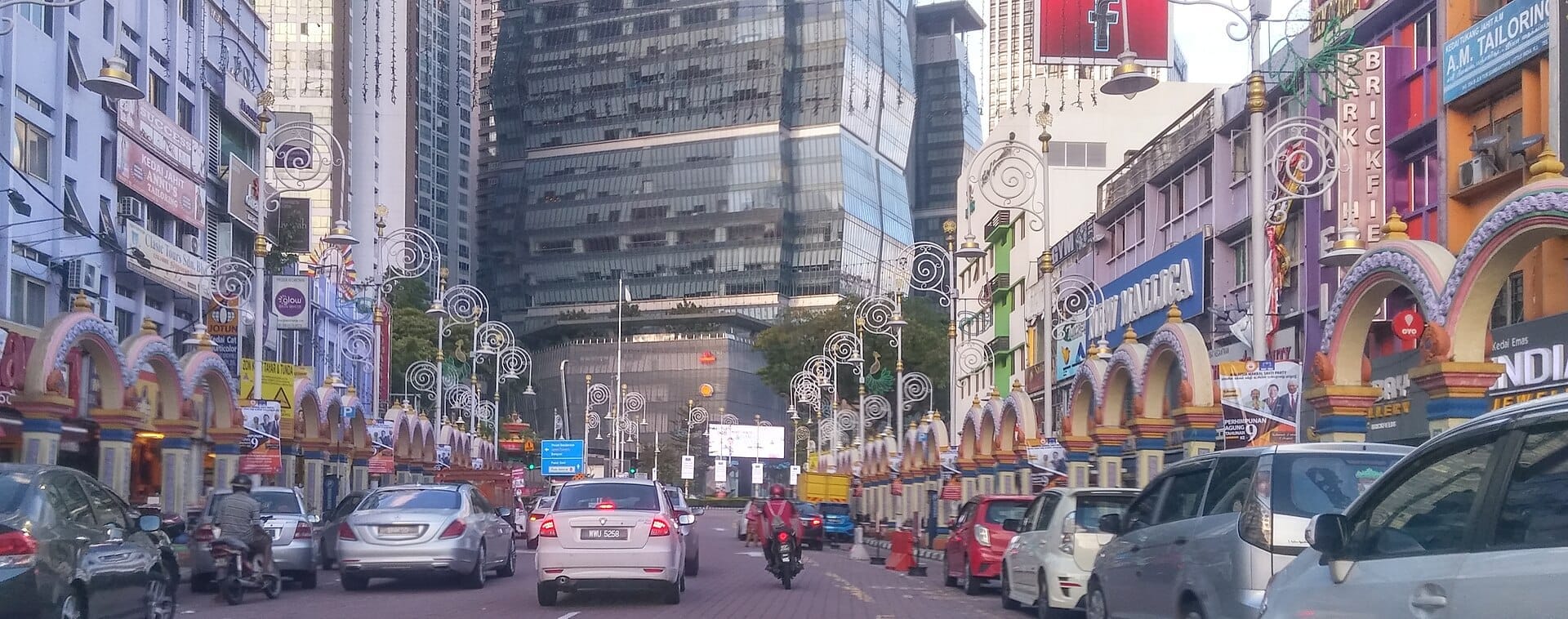
KL Sentral is the city's main transport interchange, connecting the KLIA Ekspres airport train, KTM Komuter, LRT, MRT, and monorail in one location. For travellers arriving by plane or planning day trips to Putrajaya, Batu Caves, or the Genting Highlands, staying near KL Sentral cuts significant time from every journey.
The adjacent neighbourhood of Little India in Brickfields adds cultural texture: this is KL's main Tamil neighbourhood, dense with sari shops, South Indian restaurants, and temples. It is often overlooked by travellers anchored further north, which keeps hotel prices here lower than comparable properties in KLCC or Bukit Bintang.
- KL Sentral area is ideal for early-morning or late-night flights, since the KLIA Ekspres runs from 5am to 1am.
- Business travellers attending events at KLCC or Midvalley Megamall often find KL Sentral more practical than staying at either venue.
- Midrange hotels here (RM150-250/night) often match the quality of RM300+ properties in KLCC, making this one of the better value-for-money calls in the city.
- The area is quiet by KL standards on weekday evenings, which is either a positive or a negative depending on what you are after.
Areas to Approach with Caution or Skip
Chow Kit appears on some budget accommodation lists, and room prices are low. It is also KL's most socially complex neighbourhood, with a concentration of migrant worker hostels and street-level activity that many travellers find uncomfortable. The Chow Kit Market itself is genuinely worth visiting for a morning wet market experience, but staying the night is not advisable unless you have a specific reason.
The outer suburbs (Ampang, Damansara, Subang) have pockets of good hotels aimed at the local business market, but they add 30-60 minutes of transit time to most tourist activities. Unless you are attending a specific event in those areas or visiting on a longer stay with a rental car, the central neighbourhoods are overwhelmingly better choices.
The Lake Gardens area (home to the KL Bird Park and the Islamic Arts Museum Malaysia) has very limited accommodation options and is poorly served by rail. It makes a better day-trip destination than a base.
✨ Pro tip
If you are splitting time between KL and a beach destination (Langkawi, Penang, or the East Coast), book your first or last night near KL Sentral. The KLIA Ekspres saves 30 minutes versus a taxi in normal traffic, and having your hotel a 5-minute walk from the terminus removes a significant source of pre-flight stress.
FAQ
What is the best area to stay in Kuala Lumpur for first-time visitors?
Bukit Bintang is the strongest all-round choice for first-timers. It has the widest hotel price range, good transport connections, walkable street food options, and easy access to both the Petronas Towers and the historic Merdeka Square area. KLCC works equally well if budget is not a concern and you prefer a quieter, more polished environment.
Is Kuala Lumpur safe for tourists staying in the city centre?
Generally yes. The main tourist neighbourhoods (KLCC, Bukit Bintang, Chinatown) are well-policed and see large numbers of international visitors year-round. The most common issues are petty theft and bag snatching in crowded areas, particularly around Petaling Street. Standard precautions — keeping bags close, not displaying expensive items conspicuously — are sufficient for most travellers.
How much does a hotel in Kuala Lumpur cost per night?
KL has one of the most competitive hotel markets in Southeast Asia. Budget guesthouses and hostels start around RM60-100 per night. Solid mid-range hotels (en-suite, air-con, Wi-Fi, often a pool) run RM150-300 per night. Four-star and five-star properties vary from RM300 to over RM1,000 during peak periods, but strong five-star options are frequently available for RM350-500 outside public holidays.
Which KL neighbourhood is closest to the Petronas Twin Towers?
The KLCC district is directly adjacent to the Towers, with several hotels less than 200 metres from the base. Bukit Bintang is roughly 1.5km away and easily reachable on foot via the covered walkway through Pavilion, or by a single-stop monorail ride to KLCC.
Is it worth staying near KL Sentral even if I am not catching the airport train?
Yes, if transport efficiency matters to you. KL Sentral connects to more rail lines than any other station in the city, which makes reaching Batu Caves, Putrajaya, and Midvalley Megamall significantly easier than from KLCC or Bukit Bintang. The Brickfields neighbourhood immediately around it also has better value hotels than the more tourist-facing areas further north.