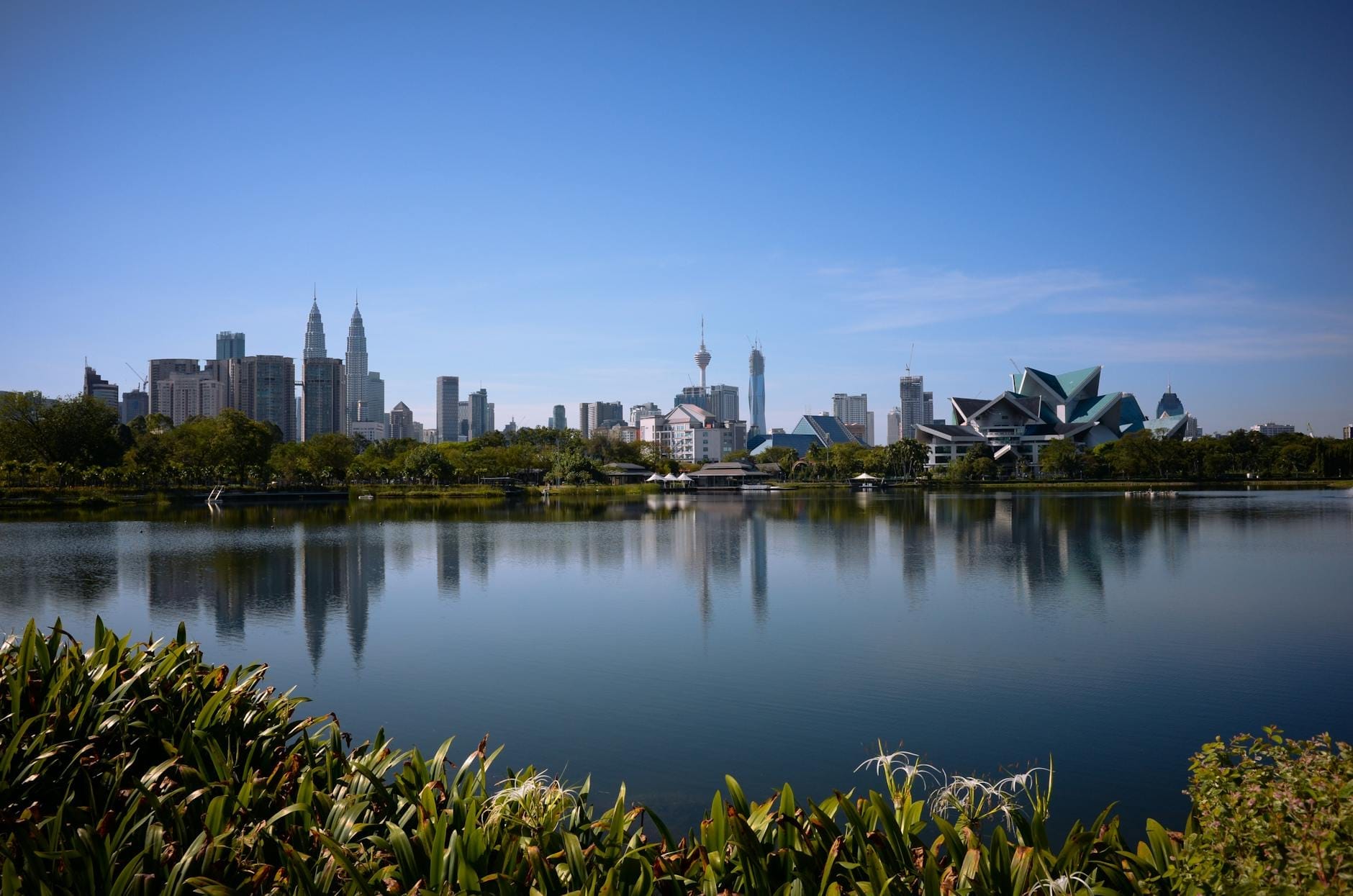
Chow Kit is one of Kuala Lumpur's oldest and most unfiltered neighborhoods, built around a sprawling wet market that has fed the city for generations. It sits north of the city center and offers a ground-level view of KL life that the polished malls and tourist corridors simply cannot replicate.
Chow Kit is where Kuala Lumpur feeds itself. The neighborhood's legendary wet market, crowded shophouses, and mix of Malay, Indonesian, and Bangladeshi communities make it one of the most authentically urban corners of the city, with an energy that peaks at dawn and never fully quiets.
Orientation
Chow Kit occupies a strip of the city roughly two miles north of Kuala Lumpur's colonial core. Its spine is Jalan Tuanku Abdul Rahman, which runs north-south and connects the neighborhood to the city's central arteries. The district sits between Jalan Pahang to the east and the older Malay quarter of Kampung Baru to the southeast, with Titiwangsa further north and the Chow Kit LRT and Monorail station anchoring the southern edge.
The neighborhood's boundaries are loosely defined, but for practical purposes, Chow Kit centers on the market cluster between Jalan Haji Hussein and Jalan Chow Kit, extending west toward Jalan Raja Laut. This is a flat, walkable grid of shophouse blocks, open drains, and narrow laneways that connects without fanfare to the broader Kuala Lumpur street network.
Travelers staying in Bukit Bintang or KLCC can reach Chow Kit in under 15 minutes by rail, making it an easy half-day detour into a part of the city that functions entirely on its own terms.
Character & Atmosphere
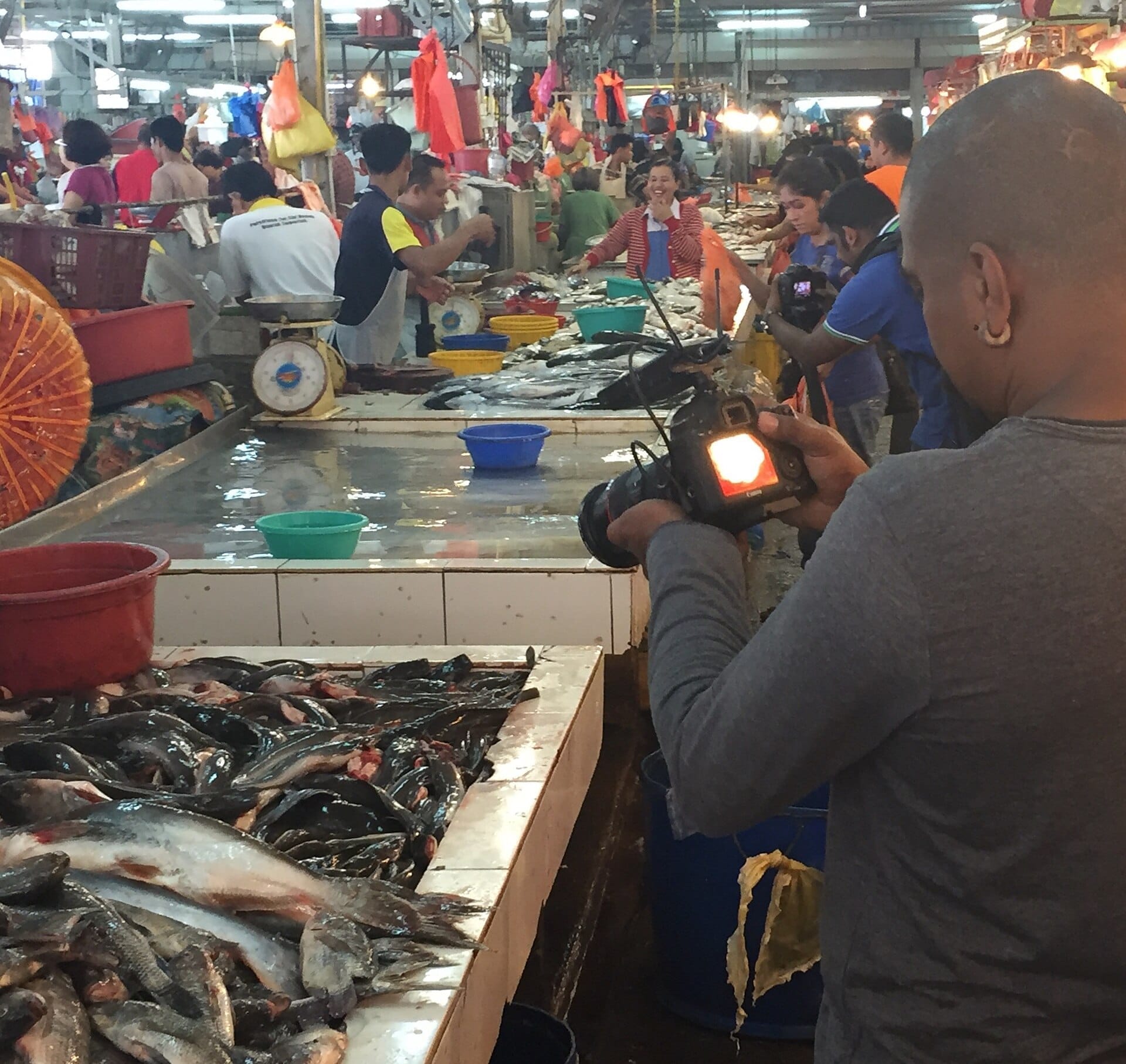
Arrive at the Chow Kit market before 7am and the neighborhood is already fully awake. Vendors are hosing down concrete floors, crates of morning-harvested vegetables are being stacked under fluorescent light, and the smell of raw fish, lemongrass, and frying dough moves through the alleys in layers. This is not a market built for visitors. It is a working supply chain for restaurants, hawker stalls, and home kitchens across the city.
By mid-morning the streets around Jalan Chow Kit fill with a different crowd: workers from the surrounding office blocks, Indonesian and Bangladeshi migrant workers who form a significant part of the local residential community, and the occasional photographer drawn by the texture of the place. The shophouse blocks are a mix of hardware stores, fabric merchants, cheap pharmacies, and mobile phone repair shops. Nothing here is dressed up for outside consumption.
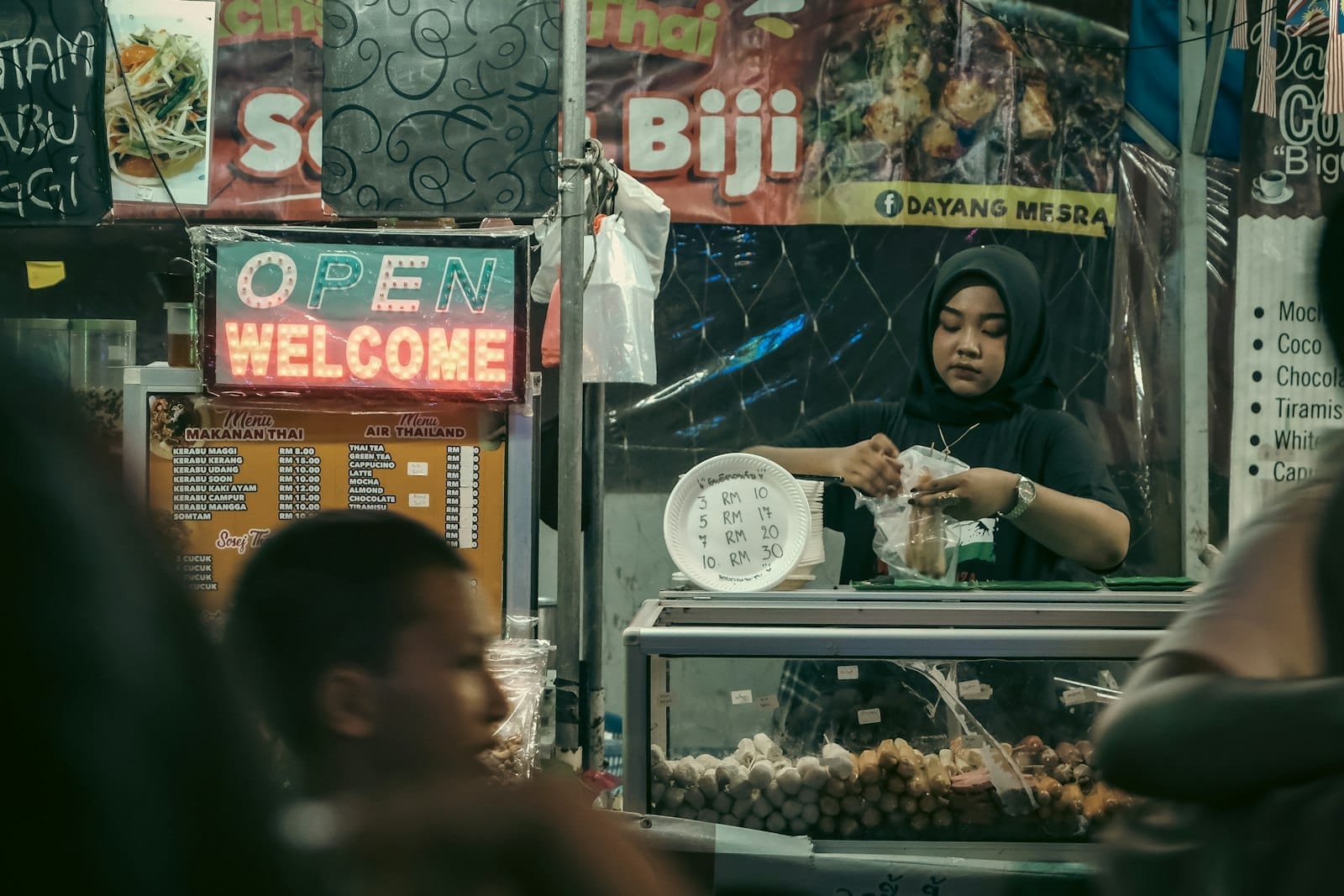
In the afternoon the heat settles hard on the open sections, and activity slows to a more deliberate pace. The market vendors begin breaking down their stalls, and the side streets take on a quieter, slightly drowsy character. After dark, Chow Kit shifts again. The area around Jalan Haji Hussein sees food stalls open well into the night, and certain lanes have a reputation for street-level vice that has been part of the neighborhood's identity for decades. It is not dangerous in any dramatic sense, but it is unpolished and worth understanding before you arrive.
What to See & Do
The Chow Kit Market is the neighborhood's centerpiece and the main reason most visitors make the trip north. It is Malaysia's largest wet market, spread across both a covered indoor hall and a sprawling open-air section that expands onto the surrounding streets on busy mornings. Produce ranges from everyday staples to more unusual tropical items: buah keluak, torch ginger flower, fresh turmeric root, and whole carcasses of poultry and pork hanging from hooks.
Beyond the market, Chow Kit rewards slow, directionless walking. The shophouse architecture along Jalan Tuanku Abdul Rahman and the connecting side streets reflects pre-independence Malayan commercial building, with five-foot ways, louvered shutters, and painted concrete facades that have seen better decades. Many are being quietly renovated; others remain perfectly unchanged.
The neighborhood sits adjacent to Kampung Baru, the traditional Malay village enclave that occupies prime city-center land. Walking southeast from Chow Kit market takes you into a completely different urban texture: wooden kampung houses on elevated plots, fruit trees in small gardens, and a village atmosphere that feels incongruous given its proximity to the Petronas Twin Towers skyline.
Further afield but reachable by a short taxi or rail ride, Titiwangsa Park offers a lake, jogging tracks, and skyline views that provide breathing room after the sensory intensity of the market district.
Chow Kit Market: best explored between 6am and 10am on weekdays
Jalan Haji Hussein: street food stalls active from early morning through late night
Shophouse walk along Jalan Tuanku Abdul Rahman: architecture and local commerce
Kampung Baru border walk: transition from urban market to Malay village streetscape
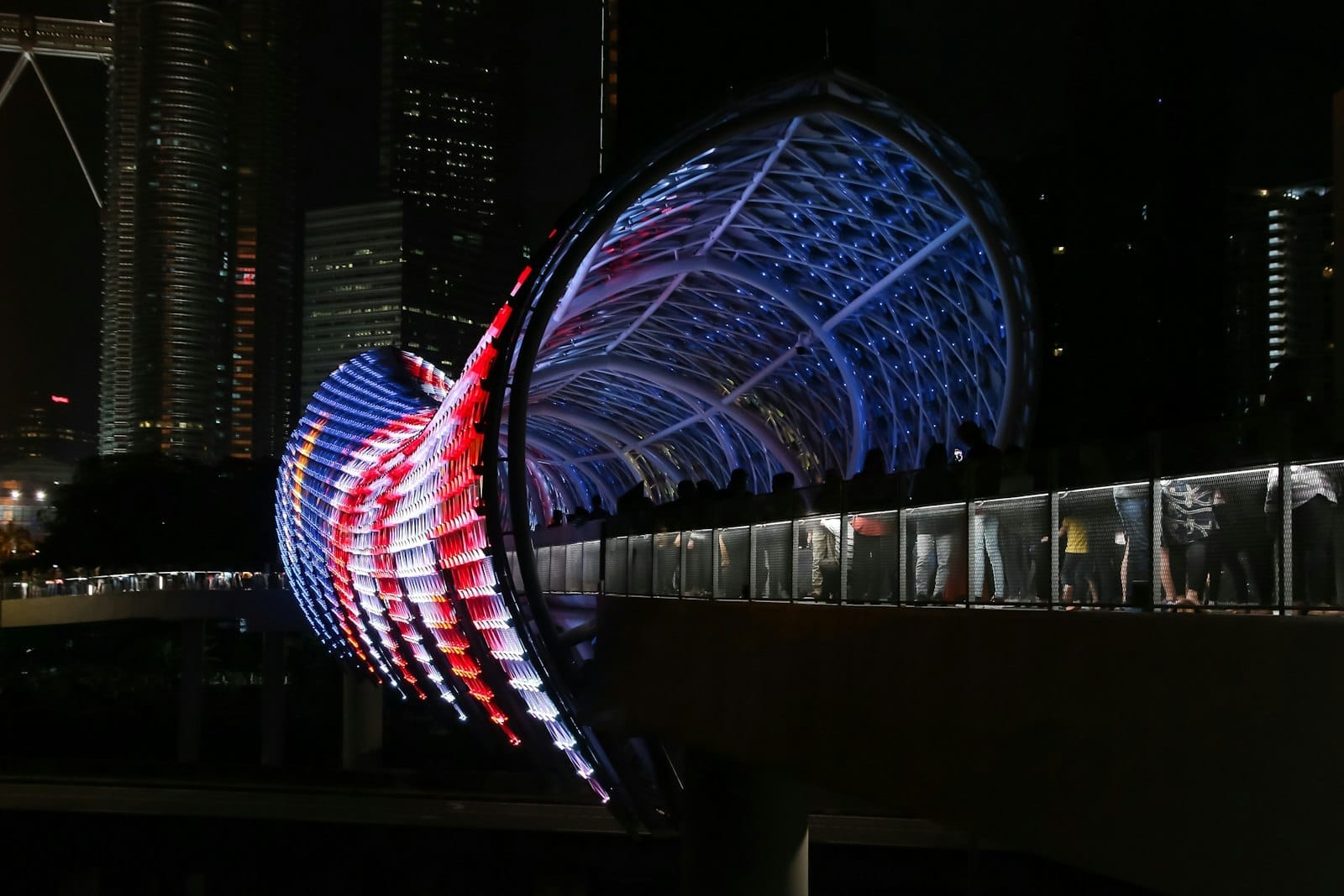
Saloma Link bridge: a short walk south toward Ampang connects visually to the KLCC district
💡 Local tip
The best time to photograph Chow Kit Market is shortly after sunrise on a weekday. By 9am on weekends, foot traffic in the covered hall makes it difficult to move freely. Go early, wear shoes you don't mind getting wet, and bring small bills.
Eating & Drinking
Chow Kit is not a restaurant destination in the conventional sense, but it is one of the better places in Kuala Lumpur to eat cheaply, well, and in the company of people who are not tourists. The food here skews heavily Malay and Indonesian, with a scattering of mamak stalls and a few Chinese-run shops that have been in the same location for generations.
Morning is the most rewarding meal window. Around the market perimeter and along Jalan Haji Hussein, vendors set up early selling nasi lemak wrapped in banana leaf, kuih in small trays, bowls of bubur nasi, and hot black coffee served in glasses. Prices are city-low: breakfast for two rarely exceeds RM10 if you eat as the locals eat, standing at a counter or perched on a plastic stool.
Lunch and dinner bring out the grilled fish and ayam percik stalls, along with the Indonesian warung-style eateries that cater to the large migrant worker community. These are canteen-format spots with steam trays of rendang, sayur lemak, and various sambals. You point, they scoop, and the bill is settled immediately. The food is honest and filling.
There are no cocktail bars or craft coffee shops in the core Chow Kit area. The drinking culture here is tea and coffee at kopitiam counters, or teh tarik pulled at mamak stalls that stay open until the early hours. If you want a cold beer, you will need to walk south toward the city center or head to Bukit Bintang.
Getting There & Around
Chow Kit is served by two rail lines, which makes access easy from most parts of Kuala Lumpur. The Chow Kit LRT station serves the neighborhood along Jalan Raja Laut. The KL Monorail's Chow Kit station on Jalan Tuanku Abdul Rahman is the more central option, placing you directly at the edge of the market district.
From KLCC or Bukit Bintang, the monorail is the most direct connection, taking roughly 10 to 15 minutes. From Merdeka Square and the colonial core, the neighborhood is a 20-minute walk north along Jalan Tuanku Abdul Rahman, passing through the transition from government-district architecture to working-city shophouses.
Grab and ride-hailing apps work reliably here. Within the neighborhood itself, everything of interest is within a 10-minute walk of the monorail station. For broader orientation on moving around Kuala Lumpur by rail and road, see the getting around Kuala Lumpur guide.
ℹ️ Good to know
Street parking exists on peripheral roads but is unreliable during market hours. If you are driving, arrive before 7am or use ride-hailing. The one-way street system around Jalan Chow Kit can be disorienting for first-time drivers.
Where to Stay
Chow Kit has accommodation options, mostly budget hotels and guesthouses that cater to migrant workers and transit travelers. The standard is functional rather than comfortable: you get a clean room, an air conditioner, and proximity to the market. For most visitors, this is not the right base for a Kuala Lumpur trip unless you specifically want immersion in the neighborhood's rhythms.
Travelers who want a central location with more amenity options are better served by staying in Bukit Bintang or near KLCC and making Chow Kit a morning excursion. The rail connection makes this easy and takes no more than 20 minutes door to door. See the full where to stay in Kuala Lumpur guide for a neighborhood-by-neighborhood comparison.
The exception is travelers who are genuinely interested in local urban life, street photography, or extended food exploration. For those visitors, staying in or near Chow Kit gives access to a version of Kuala Lumpur that most tourists pass through on the monorail without ever stepping off.
Is Chow Kit Worth Your Time?
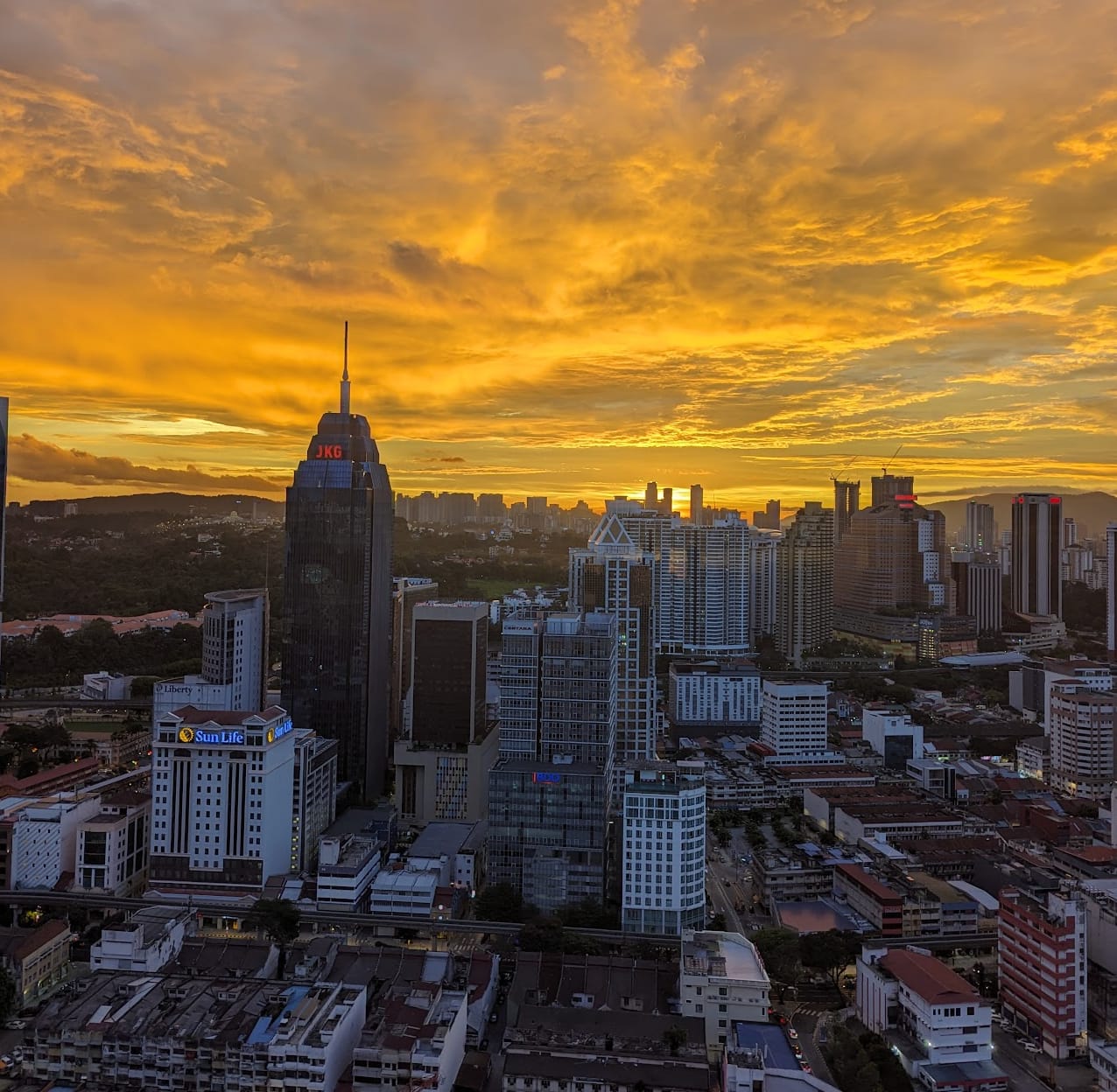
Chow Kit is not for every traveler, and it does not try to be. There are no manicured heritage trails, no air-conditioned museum corridors, and no Instagram-ready concept cafes. What the neighborhood offers is a direct encounter with how a large, complex Asian city actually functions at street level: the supply chains, the community rhythms, the mix of ethnicities and economic realities that make Kuala Lumpur something more than its glossy skyline suggests.
If your Kuala Lumpur itinerary is built around the Petronas Twin Towers and the shopping malls of Bukit Bintang, Chow Kit makes an excellent counterpoint: an early morning visit followed by a rail ride back to the city center for the rest of the day.
TL;DR
Chow Kit centers on one of KL's most active wet markets, best visited before 9am on weekdays for the full experience.
The neighborhood has a raw, working-city character: authentic Malay and Indonesian street food, dense shophouse blocks, and no tourist infrastructure to speak of.
It is well connected by monorail and KTM Komuter, making it an easy half-day excursion from KLCC or Bukit Bintang.
After dark, certain streets become rougher; stick to main roads and lit areas, particularly if traveling alone.
Best suited to food-focused travelers, photographers, and anyone who wants to see Kuala Lumpur beyond its polished central corridors.
Kuala Lumpur sits just 3 degrees north of the equator, which means heat and rain are constants year-round. But timing still matters — for festivals, crowds, hotel prices, and how much you'll be caught in a downpour. This guide breaks down every season honestly so you can plan smarter.
Genting Highlands sits around 1,800 metres above sea level, about 58 km from Kuala Lumpur. This guide covers every transport option, what the resort complex actually offers, how long you need, and the honest trade-offs so you can decide if this trip suits your itinerary.
Kuala Lumpur has one of Southeast Asia's most developed urban transport networks, yet first-time visitors frequently end up confused, overcharged, or stranded. This guide breaks down every practical option for getting around KL, from rail passes to rideshare apps, with honest assessments of what works and what to avoid.
Kuala Lumpur is one of Southeast Asia's great shopping cities, with malls ranging from ultra-luxury flagships to bargain-packed street-level arcades. This guide breaks down the best shopping malls by area, what each does well, and exactly how to make the most of your time and money.
Kuala Lumpur packs an extraordinary range of experiences into a single city: world-famous landmarks, serious street food, dense rainforest parks, and some of Southeast Asia's best shopping. This guide breaks it all down by category so you can build a trip that actually fits your pace.
Choosing where to stay in Kuala Lumpur shapes your entire trip. This guide breaks down the city's key neighbourhoods by location, vibe, price range, and transport links so you can book with confidence.