Titiwangsa Park: Kuala Lumpur's Quiet Urban Escape
Titiwangsa Park is one of Kuala Lumpur's largest and most popular recreational green spaces, anchored by a broad lake and framed by an unlikely view of the city skyline. It draws locals far more than tourists, which is precisely what makes it worth visiting.
Quick Facts
- Location
- Jalan Titiwangsa, Titiwangsa, Kuala Lumpur
- Getting There
- Titiwangsa Station (MRT Putrajaya Line, LRT Kelana Jaya Line, and LRT Sri Petaling Line)
- Time Needed
- 1.5 to 3 hours
- Cost
- Free entry. Boat rental and some activities charge separately.
- Best for
- Morning walks, skyline photography, families, local culture-watching
What Titiwangsa Park Actually Is
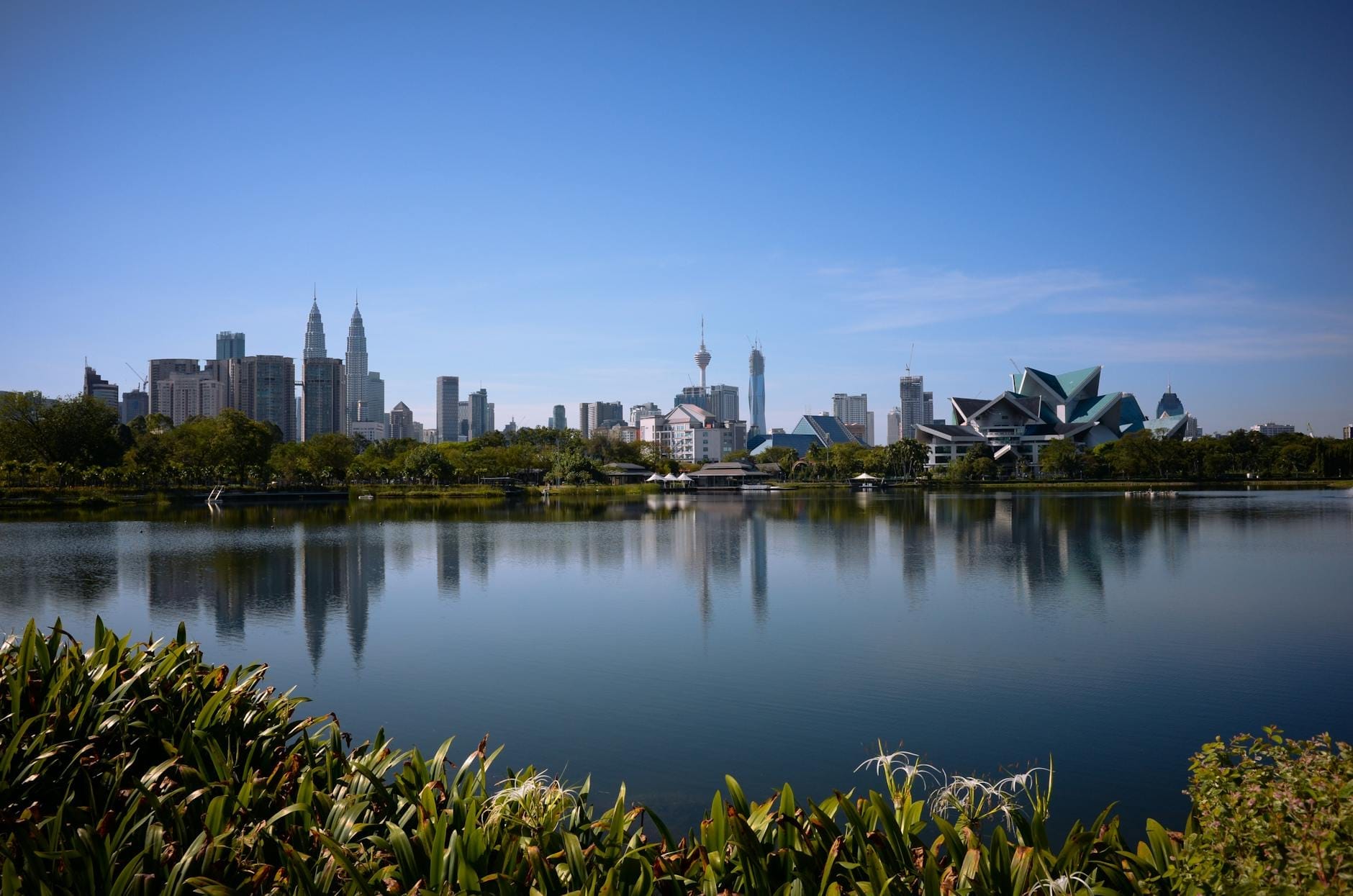
Titiwangsa Park is a large, publicly managed recreational park in the Titiwangsa neighborhood, just north of Kuala Lumpur's city center. At its heart is Titiwangsa Lake, a man-made body of water large enough to offer pedal boats and rowboat rentals, and wide enough that the far shore gives you an unobstructed view of the KL skyline, with the Petronas Twin Towers visible above the treeline on a clear day.
This is not a manicured botanical showpiece like the Perdana Botanical Gardens to the south. Titiwangsa is a working neighborhood park: worn footpaths, open-air exercise stations, a modest children's playground, food and drink stalls near the entrance, and locals going about their routines. Its appeal lies in authenticity, scale, and the quality of light across the lake in the early morning.
💡 Local tip
The best skyline views across the lake are from the northwestern bank, closest to the park's main entrance. Arrive before 8am for soft light and minimal crowds.
The Experience: Morning Versus Evening
Early mornings, from around 6am to 8:30am, are when Titiwangsa is at its most alive in a low-key way. Retirees do tai chi on the grass. Runners in loose cotton shirts complete laps around the lake path. The air carries a faint smell of damp earth and the food stalls along the entrance road are just opening, frying roti and brewing teh tarik. Birdsong is audible. The city noise is surprisingly distant.
By mid-morning the park empties out considerably. Between 10am and 4pm on weekdays, you may find it almost quiet, which can make it a restful midday stop, though the tropical heat makes a long walk uncomfortable without shade. Bring water, wear light clothing, and consider a hat if you plan to walk the full perimeter.
Evenings, particularly from around 5:30pm onward, bring a second wave of visitors: families with young children, teenagers on bicycles, couples walking the lake path. The food stalls come fully alive. If you want atmosphere and human energy rather than solitude, this is the window. At dusk, the skyline silhouettes against an orange sky behind the lake, and the reflection on the water is genuinely striking.
⚠️ What to skip
The park's lake path can be uneven in sections, with cracked pavement and exposed tree roots. Wear closed shoes rather than sandals if you plan to walk the perimeter.
Tickets & tours
Hand-picked options from our booking partner. Prices are indicative; availability and final rates are confirmed when you complete your booking.
Petronas Twin Towers and Kuala Lumpur Tower observation deck tickets
From 34 €Private Taman Negara day trip from Kuala Lumpur with lunch
From 85 €Instant confirmationFree cancellationKuala Lumpur city and Batu Caves tour
From 41 €Instant confirmationFree cancellationKuala Lumpur city exploration private half-day tour
From 42 €Instant confirmationFree cancellation
The Skyline View: What to Expect
Titiwangsa Park offers one of the few ground-level vantage points in Kuala Lumpur where you can see a significant stretch of the city skyline without paying for a tower or rooftop bar. From the far side of the lake, you can identify the KL Tower, Merdeka 118 (now the world's second-tallest building), and the upper floors of the Petronas Twin Towers rising above the surrounding canopy.
This is not a panoramic or elevated view. Buildings are partially obscured by trees, and the perspective shifts considerably depending on where you stand along the bank. What makes it work photographically is the water reflection and the foreground of people and boats, which give the shot scale and context. A 35mm to 85mm equivalent lens captures it best. Shooting from a low angle toward the water at golden hour produces the most compelling images.
For those who want an elevated alternative, Menara KL offers 360-degree views from above the treetops, though at a significant cost compared to this free lakeside vantage point.
Layout and What to Do Inside the Park
The park's layout is organized around the central lake, with a paved path running most of the perimeter. The full loop is roughly 2 to 2.5 kilometers, making it a comfortable 30 to 40 minute walk at a relaxed pace. Outdoor exercise stations with basic fitness equipment are scattered along the path, and several covered gazebo-style shelters offer shade and seating.
Pedal boats and rowboats are available for rental at a small jetty near the park's main facilities area. Rental rates are modest and posted at the booth, though the boats are functional rather than picturesque. There is also a small amphitheater that occasionally hosts public events and cultural performances, primarily during Malaysian public holidays and festivals.
Children's play equipment is present near the southern end of the park, and there is a small amusement-style area with rides for young children on weekends. Food and drink stalls cluster near the main entrance, offering local fare including nasi lemak, fried snacks, and cold drinks at typical hawker prices.
Titiwangsa sits in the broader Chow Kit area of KL, a neighborhood that rewards some street-level exploration. If you have time, the area's markets and local food scene are worth folding into the same visit.
Getting There and Practical Access
The most convenient way to reach Titiwangsa Park is by rail. Titiwangsa Station is served by three lines: the MRT Putrajaya Line, and both the LRT Ampang and Sri Petaling Lines, making it accessible from most parts of central KL without a transfer. The walk from the station to the park entrance takes around 5 to 10 minutes on foot, passing along Jalan Titiwangsa.
If you are arriving by Grab or taxi, the main entrance along Jalan Titiwangsa is the most practical drop-off point. There is parking available for those arriving by car, though the lot fills quickly on weekend mornings. The park is open daily, typically from early morning until late evening, though specific closing hours should be confirmed with current local sources.
For a fuller picture of how to get around KL efficiently, the guide to getting around Kuala Lumpur covers all major transit options including the MRT and LRT networks.
ℹ️ Good to know
Accessibility note: The main lakeside path is paved and largely flat, making it suitable for strollers and wheelchairs along most sections. Some peripheral paths are unpaved and uneven.
How It Compares to KL's Other Green Spaces
Kuala Lumpur has several significant parks, and Titiwangsa occupies a distinct niche among them. The Lake Gardens area in Brickfields contains more formal attractions including the KL Bird Park and the Perdana Botanical Gardens, with higher tourist footfall and dedicated facilities. KLCC Park is more polished and central, but its green space is compact and surrounded by high-rises.
Titiwangsa's advantage is scale and authenticity. It is large enough to feel genuinely immersive, without the curated quality of the Perdana Botanical Gardens or the relentless foot traffic of KLCC Park. The experience here is primarily about being in the city with locals rather than with other visitors.
Who should skip it: visitors with only one or two days in KL and a tight sightseeing schedule may find Titiwangsa difficult to prioritize alongside the city's denser cultural and architectural attractions. It also offers little in terms of shelter from heavy rain, so checking the forecast before a morning visit is sensible. KL's afternoon thunderstorms between March and October can arrive quickly.
Insider Tips
- The best photography spot for the skyline reflection is from the northwestern lakeside path, roughly halfway along the bank closest to the main entrance. A clear morning after overnight rain often produces the sharpest reflections.
- On weekend mornings before 8am, a small informal market of food carts sets up near the main gate offering some of the cheapest cooked breakfast in this part of the city. Nasi lemak portions are generous and fresh.
- The park is popular with migratory bird enthusiasts during the November to March season. Bring binoculars if this interests you — the tree line along the eastern bank draws more bird activity than the open lakeside.
- If you visit on a Malaysian public holiday, especially around Hari Raya or Merdeka Day, the park hosts family events and food bazaars that change the experience entirely from a quiet morning walk.
- Avoid the midday heat between 11am and 4pm, especially from May to August. The park offers limited tree canopy along the main lakeside path, and the open water amplifies rather than reduces the heat.
Who Is Titiwangsa Park For?
- Early risers and joggers who want a local, crowd-free morning routine
- Families with children looking for free outdoor space with lake and play facilities
- Photographers seeking the KL skyline from a reflective, ground-level vantage point
- Travelers who want to spend time in a residential neighborhood away from the tourist circuit
- Visitors combining the park with a broader Chow Kit area exploration
Nearby Attractions
Other things to see while in Chow Kit:
- Chow Kit Market
Chow Kit Market is Kuala Lumpur's largest and most unpolished wet market, where vendors sell everything from exotic tropical fruits and freshly slaughtered meat to dried spices and street snacks. It offers a rare window into how the city actually feeds itself, well away from tourist-polished facades.
- Kampung Baru
Kampung Baru is one of Kuala Lumpur's most unusual urban pockets: a gazetted Malay agricultural reserve from 1900 that has survived almost entirely intact, surrounded by gleaming towers. Wooden kampung houses sit alongside roadside stalls, and the weekend market draws locals from across the city for nasi lemak, grilled fish, and traditional kuih. It rewards unhurried walking and genuine curiosity.
- Saloma Link
Saloma Link is a 69-metre pedestrian bridge connecting the Kampung Baru district to the KLCC area across the Klang River. Designed with sweeping curves and a nightly light show, it is one of Kuala Lumpur's most visually distinctive pieces of urban infrastructure — and one of the few bridges in Southeast Asia built primarily for walkers.