KL Bird Park: Inside One of the World's Largest Walk-In Aviaries
Spread across 20.9 acres in the Lake Gardens, KL Bird Park is home to more than 3,000 birds from over 200 species, most of them flying freely beneath a vast netted canopy. It rewards early visitors with active feeding, close encounters, and relative quiet before midday crowds arrive.
Quick Facts
- Location
- Jalan Cenderawasih, Lake Gardens (Taman Tasik Perdana), Kuala Lumpur
- Getting There
- Nearest train: Kuala Lumpur KTM Komuter station, then a 20-min walk or short taxi/Grab ride; or take Bus 12 from Masjid Jamek
- Time Needed
- 2 to 3 hours for a thorough visit
- Cost
- RM67 for adults, RM50 for children (foreigners); Malaysian citizens pay a reduced rate
- Best for
- Families with children, wildlife photography, nature lovers, morning visits
- Official website
- www.klbirdpark.com
What KL Bird Park Actually Is
KL Bird Park opened in 1991 and has been repeatedly cited as the world's largest free-flight walk-in aviary, a claim it earns honestly. The park covers 20.9 acres within the Lake Gardens, the colonial-era green lung that also contains the Perdana Botanical Gardens and the Butterfly Park. The canopy overhead is so vast that it genuinely feels like open sky until you notice the fine netting stretched between steel pylons at the tree line. Inside, hornbills cross overhead, flamingos stand in shallow pools, and peacocks wander the paved paths without any obvious concern for the humans walking beside them.
The park is divided into four main zones. Zones 1 and 2, covering most of the acreage, are the true free-flight areas where birds move largely at will. Zone 3 contains species kept in enclosed aviaries, mainly those that cannot be safely released into shared space with others. Zone 4 is a landscaped garden section with waterfowl. The layout follows a natural slope, which means there is a gentle but noticeable incline running through much of the park.
💡 Local tip
Arrive as close to the 9:00 AM opening as possible. The birds are most active during morning feeding hours, the temperature is far more manageable, and the paths are quiet enough for unobstructed photography.
The Experience by Time of Day
Mornings here have a specific quality that disappears quickly. The air is thick with humidity and smells faintly of forest mulch and bird feed. Myna birds produce a cacophony of calls that cut through the ambient sounds of the city beyond the perimeter. Hornbills, particularly the Rhinoceros Hornbill, are often seen moving between trees at eye level, and their size and prehistoric appearance consistently stop first-time visitors in their tracks.
By late morning, tour groups begin arriving in numbers. The main feeding stations fill up, the paths through Zones 1 and 2 become noticeably congested, and the midday tropical heat pushes temperatures into the low 30s Celsius beneath the canopy. The park provides shaded rest areas and a restaurant, but the thermal comfort of the visit drops significantly from around 11:00 AM onward.
Late afternoon, from around 3:30 PM, sees a second wind. The sun angle lowers, heat eases slightly, and many of the feeding programs run again before the park closes at 6:00 PM. Photographers often prefer this window for the warmer light and less cluttered backgrounds, though the crowds have not always thinned by then.
Tickets & tours
Hand-picked options from our booking partner. Prices are indicative; availability and final rates are confirmed when you complete your booking.
Private family tour of nature, birds and butterflies in Kuala Lumpur
From 51 €Instant confirmationFree cancellationKL bird park, butterfly park and garden tour
From 59 €Instant confirmationFree cancellationPetronas Twin Towers and Kuala Lumpur Tower observation deck tickets
From 34 €Private Taman Negara day trip from Kuala Lumpur with lunch
From 85 €Instant confirmationFree cancellation
Birds You Will Actually See Up Close
The park's standout residents include several hornbill species, including the Oriental Pied Hornbill and the Wreathed Hornbill. The Rhinoceros Hornbill, Malaysia's national bird, is present in Zone 1 and often visible from the main path. Milky Storks, listed as vulnerable by the IUCN, are among the conservation success stories here: the park has contributed to breeding programs for this species.
The flamingo pool draws most visitors immediately on entry. The birds are habituated to people and stand within a few meters of the viewing area. Parrots and lories congregate at dedicated feeding stations where guests can pay to hold birds on their arms. The pelicans are housed near Zone 3 and fed on a schedule posted at the entrance. The World of Parrots exhibit is a popular highlight for younger visitors.
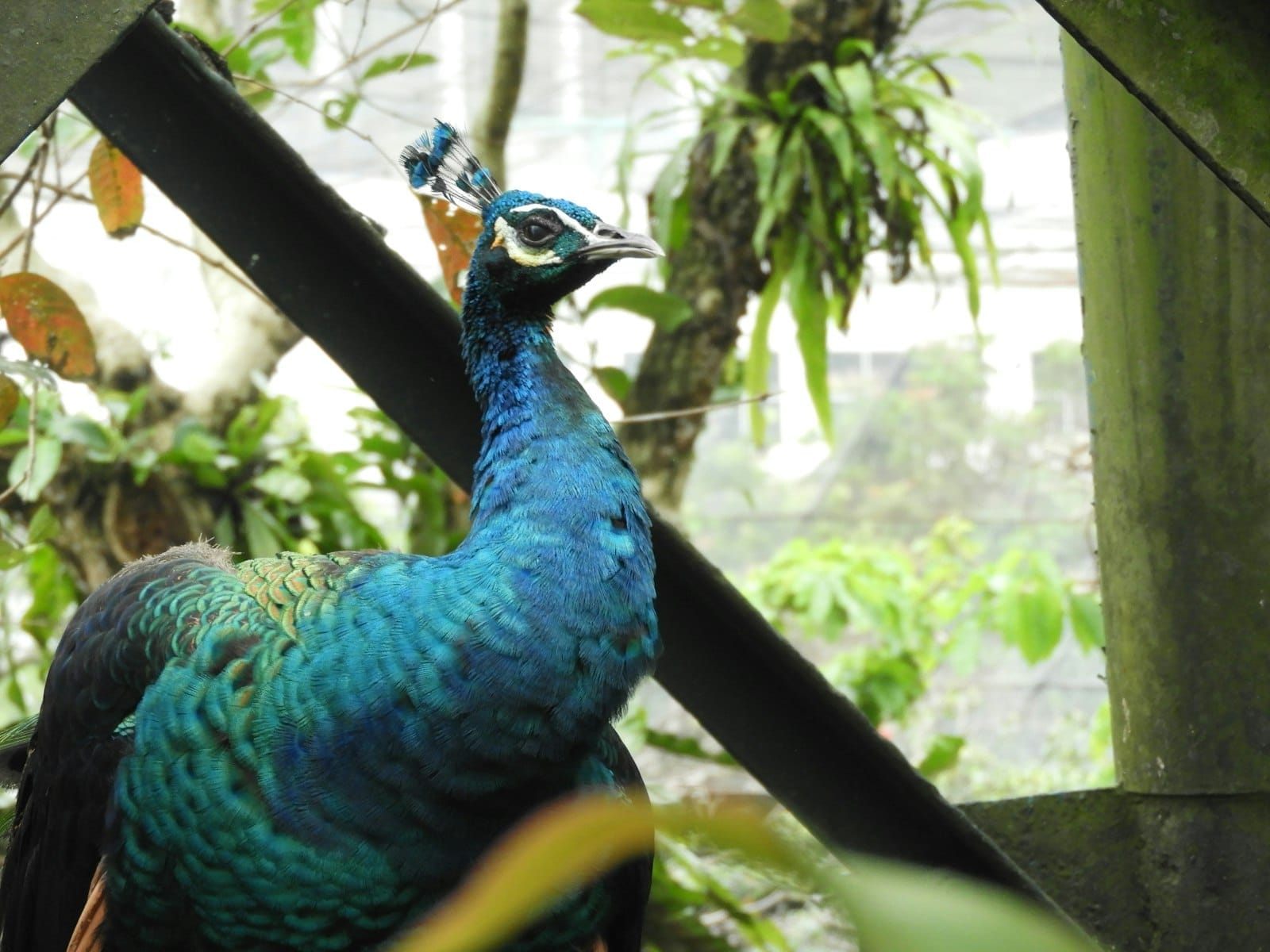
The peacock population is unnervingly large. They roam freely through all zones and, during the right season, males display their full plumage on the open pathways. This is impressive on first encounter and becomes almost routine within the first thirty minutes, which tells you something about the density of the experience.
Photography Conditions and Practical Walkthrough
Zone 1 offers the best photography opportunities in the morning: high canopy, dappled light, and birds at a range of distances. The netting is largely invisible from ground level, which means clean sky backgrounds are possible. A zoom lens in the 70-200mm range handles most situations, though the pelican and flamingo enclosures are close enough for a standard kit lens.
The walking route is mostly paved and manageable with a stroller, though the incline in Zone 1 requires some effort. There are benches throughout. The main restaurant sits mid-park and serves Malaysian standards at prices that are slightly elevated relative to the city, which is typical for an attraction of this kind. Bring water, as the humidity makes even the shaded sections warm.
⚠️ What to skip
Watch your food and any open containers. The free-roaming birds, particularly the mynas and hornbills, are experienced thieves and will investigate unattended snacks without hesitation.
KL Bird Park sits within the broader Lake Gardens precinct, meaning it pairs naturally with a visit to the Perdana Botanical Gardens or the KL Butterfly Park, both of which are within walking distance.
Getting There and Getting Around
The Lake Gardens location makes KL Bird Park slightly less convenient than city-center attractions. There is no dedicated LRT or MRT station immediately outside. The most reliable option is a Grab from the city center, which takes 10 to 20 minutes depending on traffic and costs between RM10 and RM20. Parking is available on-site for those driving, though the access road can back up on weekends.
Bus routes connect the Lake Gardens to Masjid Jamek and parts of the city, but schedules and reliability vary. If you are planning a broader day in the area, the guide to getting around Kuala Lumpur covers your options in more detail.
ℹ️ Good to know
Opening hours are 9:00 AM to 6:00 PM daily, including public holidays. Last entry is at 5:30 PM. Ticket prices are updated periodically, so check the official website before visiting to avoid surprises at the gate.
Honest Assessment: Is It Worth It?
The ticket price, around RM67 for adult foreign visitors as of current listings, is among the higher entry costs for Kuala Lumpur attractions. For families with children, the encounter value is high: kids can interact with birds at close range in a way that a conventional zoo does not provide. For adults visiting without children, the experience depends heavily on an interest in birds and photography. The park is not a zoo with viewing windows. It is closer to a walk through a managed habitat, and that distinction matters.
Visitors expecting a manicured theme park experience may find it rougher around the edges than anticipated. Some enclosures show wear, and the free-flight zones have the slightly controlled wildness of any managed aviary. But the scale is genuinely impressive, and the concentration of bird species in a single walk-through experience has few equivalents in the region.
If your broader itinerary leans toward cultural and historical sites, your time may be better spent at the Islamic Arts Museum Malaysia or the National Museum of Malaysia, both also located near the Lake Gardens. But for a dedicated morning with nature as the focus, KL Bird Park delivers on its core promise.
For a full picture of how to plan your time in Kuala Lumpur, see the overview of things to do in Kuala Lumpur.
Insider Tips
- Book tickets online in advance through the official website to skip the gate queue, which builds quickly after 10:00 AM on weekends and school holidays.
- The dedicated Bird Feeding Show runs at scheduled times during the day. Check the posted schedule at the entrance immediately on arrival and plan your walk around it.
- Wear shoes with grip. Some paths near Zone 2, particularly after rain, become slippery and the slope adds to the difficulty. Open sandals are a poor choice.
- If you want to photograph hornbills without a crowd, walk directly to the far end of Zone 1 before doubling back. Most visitors linger near the entrance and flamingo pool, leaving the interior sections less congested.
- The Hornbill Restaurant mid-park is overpriced for what it offers. Eat before you arrive or bring a sealed snack bag that the birds cannot easily get into.
Who Is KL Bird Park For?
- Families with children aged 4 to 12, for close bird encounters and interactive feeding stations
- Wildlife and nature photographers, particularly those visiting in the morning window
- Bird enthusiasts wanting concentrated access to Southeast Asian species including hornbills and rare migratory birds
- Visitors combining a half-day nature loop through the Lake Gardens precinct
- Travelers on a longer stay in Kuala Lumpur who have already covered the main city-center landmarks
Nearby Attractions
Other things to see while in Lake Gardens:
- Islamic Arts Museum Malaysia
The Islamic Arts Museum Malaysia holds one of the largest collections of Islamic art and artifacts in Southeast Asia, spread across two levels of galleries beneath ornate Ottoman-inspired domes. Located near the Lake Gardens in Kuala Lumpur, it rewards visitors with genuine depth — from intricate Quranic manuscripts to architectural scale models of the world's great mosques.
- KL Butterfly Park
The KL Butterfly Park in Lake Gardens is one of the largest enclosed butterfly parks in the world, housing over 5,000 butterflies from 120-plus species in a lush, landscaped garden. It is a rare urban space where nature takes over completely, and the experience shifts noticeably depending on the time of day you arrive.
- Masjid Negara
Masjid Negara, Malaysia's National Mosque, is one of Southeast Asia's most significant examples of modernist Islamic architecture. Open to non-Muslim visitors outside of prayer times, it offers a rare opportunity to step inside a working place of worship and understand the role of Islam in Malaysian public life.
- National Museum Malaysia
The National Museum Malaysia (Muzium Negara) is the country's foremost public history museum, tracing Malaysia's civilizations, colonial era, and path to independence. Housed in a landmark 1963 building near the Lake Gardens, it offers four permanent galleries that cover everything from early kingdoms to modern nationhood.