Putrajaya Botanical Garden: Malaysia's Living Plant Encyclopedia
Spanning 92 hectares at the heart of Malaysia's planned federal capital, Putrajaya Botanical Garden is the country's most ambitious horticultural project. With dozens of themed plant collections, lakeside walkways, and a climate that keeps things green year-round, it offers a genuinely different perspective on Putrajaya beyond its mosques and government towers.
Quick Facts
- Location
- Precinct 1, Putrajaya, 62000 Malaysia
- Getting There
- Putrajaya/Cyberjaya ERL station, then taxi or Grab to the garden entrance
- Time Needed
- 2 to 4 hours depending on how many themed gardens you explore
- Cost
- Free admission to general grounds; some specialty facilities may charge separately
- Best for
- Nature lovers, families with children, photography, weekend escapes from KL
What Putrajaya Botanical Garden Actually Is
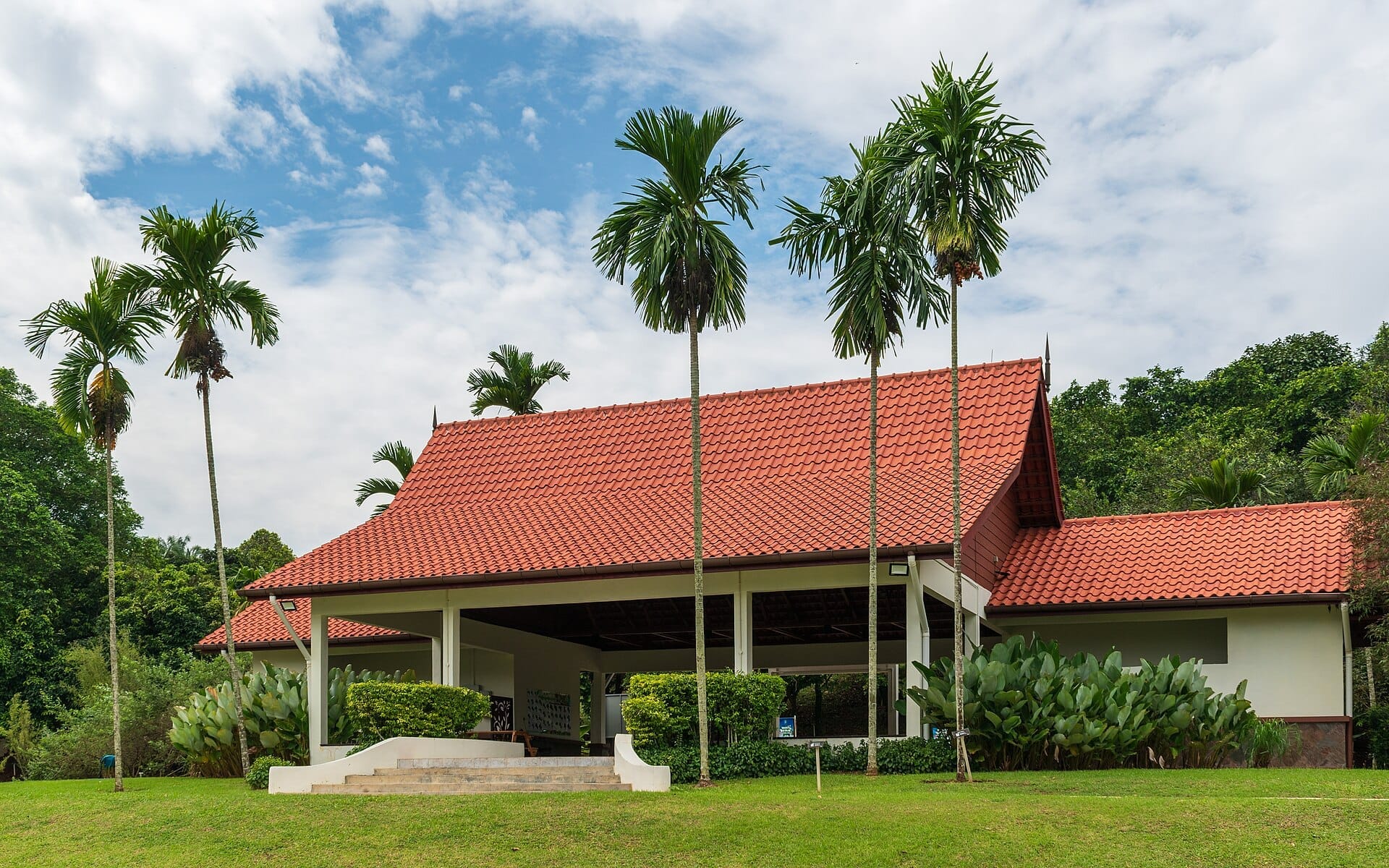
Putrajaya Botanical Garden sits on 92 hectares of landscaped land in Precinct 1, making it one of the largest dedicated botanical gardens in Southeast Asia. Established as part of Putrajaya's master plan in the early 2000s, the garden was conceived not just as a green lung for the new federal capital but as a living reference collection for Malaysia's extraordinary plant biodiversity. The result is something between a public park and a scientific institution: organized enough to be educational, large enough to feel like genuine exploration.
The garden is divided into distinct themed sections including a Herbal Garden, Bamboo Garden, Wetland Garden, and others, among others. Each section has its own character. The Cycad Garden, for instance, features ancient plant lineages that predate flowering plants by millions of years, giving it an almost prehistoric atmosphere. The Wetland Garden, by contrast, draws birds and offers the closest thing to wild Borneo forest that you'll find this close to a capital city.
💡 Local tip
Arrive before 9am on weekdays for the coolest temperatures and the best chance of spotting kingfishers and herons near the wetland sections. By midday, heat on the open pathways can be punishing without shade.
The Experience at Different Times of Day
Early morning is the garden's best hour. The air smells of wet earth and cut grass, the light is soft and low, and the paths are nearly empty. You'll hear frogs finishing their night chorus and birds starting theirs. The rose sections catch dew on petals that will be wilted and overexposed by noon. If you're coming specifically to photograph the garden, 7am to 9am is the window.
By mid-morning, school groups and weekend family outings begin arriving. The paved main paths fill with strollers and guided tours, which changes the mood considerably. This isn't a problem if you know to head toward the more remote themed gardens, where foot traffic stays thin even on busy days. The Bamboo Garden and the outer Cycad sections tend to stay quieter regardless of the time.
Late afternoon brings a second window of pleasant conditions. The light turns golden around 5pm, and the garden takes on a quieter, more contemplative character as day visitors thin out. However, some sections close before the overall garden closes, so check signage at each themed area if you're planning an evening visit.
⚠️ What to skip
The garden's open grounds are largely exposed to direct sun. Bring a hat, sunscreen, and water. Shade is plentiful in the forested wetland sections but sparse in the Rose Garden and main ceremonial pathways.
Tickets & tours
Hand-picked options from our booking partner. Prices are indicative; availability and final rates are confirmed when you complete your booking.
Private day trip to Putrajaya, KL City, Batu Caves and fireflies tour
From 109 €Instant confirmationFree cancellationKL bird park, butterfly park and garden tour
From 59 €Instant confirmationFree cancellationPrivate half-day Putrajaya tour
From 74 €Instant confirmationFree cancellationGrand Kuala Lumpur and Batu Caves with Putrajaya Combo tour
From 73 €Instant confirmationFree cancellation
Historical and Cultural Context
Putrajaya itself was carved out of oil palm plantations and rubber estates starting in 1995, conceived by then-Prime Minister Mahathir Mohamad as a purpose-built administrative capital to relieve congestion in Kuala Lumpur. The botanical garden was part of the original blueprint, reflecting a national ambition to demonstrate that modernity and ecological stewardship could coexist. Malaysia's forestry and agricultural research institutions contributed to the plant collections, which is why the garden carries a legitimacy that purely decorative urban parks lack.
In the broader context of Putrajaya, the botanical garden functions as an anchor for the western side of Putrajaya Lake. To the east, you have the grand ceremonial core with government ministries and the Prime Minister's official residence. The garden provides the counterweight: a deliberate slowdown, a place where the capital's administrative ambitions yield to soil and leaf. This interplay between formal power and cultivated nature gives Putrajaya a coherence that many planned cities lack.
How to Navigate the Garden
The garden's main entrance faces Putrajaya Lake, and from there a central spine pathway branches into the themed sections. The layout is largely intuitive if you pick up a map at the entrance, but the scale surprises most first-time visitors. Walking every section without backtracking requires about 3.5 to 4 hours at a relaxed pace. If your time is limited, prioritize the Wetland Garden for biodiversity, the Herbal Garden for cultural context, and the main lakeside promenade for views.
A tram service operates within the garden and is worth taking at least one-way if you plan to cover the full grounds. The garden also connects visually and emotionally with the broader Putrajaya landscape: on a clear day from the northern edge, you can see the dome of Putra Mosque and the bridge network over Putrajaya Lake. For those wanting to combine the botanical garden with a full Putrajaya itinerary, this is the logical starting point before heading east.
Footwear matters more than most people expect. The wetland boardwalks can be slippery after rain, and the outer paths are unpaved in sections. Closed-toe shoes or light trail footwear are preferable to sandals if you plan to go beyond the central paved areas. The main promenade, however, is smooth and wide enough for wheelchairs and prams.
ℹ️ Good to know
Photography tip: The Cycad Garden offers dramatic compositions with its sculptural, slow-growing plants against a background of sky or water. Shoot from low angles to emphasize the primeval scale of the cycad fronds.
Getting There from Kuala Lumpur
Putrajaya is approximately 25 kilometres south of central Kuala Lumpur and is not served by the city's LRT or MRT networks. The fastest public transit option is the ERL (Express Rail Link) from KL Sentral to Putrajaya & Cyberjaya station, a journey of about 20 minutes. From the station, you'll need a Grab or taxi to reach the garden entrance, which adds another 10 to 15 minutes. For those making a day trip, consult a day trip guide from KL for logistics on combining multiple Putrajaya stops efficiently.
Driving is more flexible and allows you to park near specific garden entrances rather than walking from a single drop-off point. The ELITE Highway connects KL to Putrajaya in about 30 minutes outside peak hours. Parking within and around the garden is available and generally free. On weekends and public holidays, the access roads can back up, so a 9am arrival is safer than 10am.
Who Will Enjoy This and Who Won't
The botanical garden genuinely rewards patient visitors: those who walk slowly, read the plant labels, and don't feel the need to check off landmarks. If you're the kind of traveler who treats every outdoor space as a backdrop for a photo and moves on, the garden may feel repetitive after the first 45 minutes. It is not an attraction built around spectacle. It's built around accumulation: the more you look, the more you notice. Families with young children will find space and shade, though the most interesting plant sections are not inherently child-focused. For those combining it with other things to do in Kuala Lumpur, the garden works best as a morning anchor before moving on to Putrajaya's more photogenic architectural landmarks.
Visitors with mobility limitations will find the main promenade and central garden sections accessible, but the wetland boardwalks and outer paths require steady footing. For a broader nature experience in Kuala Lumpur proper, the Perdana Botanical Gardens in Lake Gardens offer a more compact alternative closer to the city center.
Insider Tips
- The tram that circuits the garden runs on a schedule that isn't always posted at stops. Ask at the main entrance for the current timetable rather than waiting and hoping.
- The Wetland Garden section supports a surprising number of bird species, including kingfishers, purple herons, and various egrets. A pair of compact binoculars transforms this section from a pleasant walk into something genuinely memorable.
- On Malaysian public holidays and school holiday weeks, the garden sees significantly higher crowds, especially from organized school trips. Weekday mornings during term time offer a substantially quieter experience.
- The garden's perimeter road is used by joggers from very early morning and is one of the few flat, car-free running routes in the Putrajaya area. If you're a runner staying in Putrajaya, this is worth knowing.
- Bring cash for any food or drink available at kiosks within the grounds. Card facilities are unreliable, and the nearest convenience stores are outside the garden boundary.
Who Is Putrajaya Botanical Garden For?
- Botanists and plant enthusiasts wanting to see a curated collection of Malaysian native and exotic species
- Families looking for a free, low-pressure outdoor space with room for children to walk and explore
- Photographers seeking early morning light, tropical flora, and reflections on the garden's water features
- Travelers on a Putrajaya day trip who want to balance the city's formal architecture with green space
- Joggers and walkers based in Putrajaya looking for a flat, scenic route away from traffic
Nearby Attractions
Other things to see while in Putrajaya:
- Perdana Putra
Perdana Putra is the official office complex of Malaysia's Prime Minister, rising above Putrajaya Lake in a striking blend of Moorish, Islamic, and Malay architectural styles. While the interior is not open to the general public, the building's exterior and surrounding grounds draw visitors for its architectural drama, lakeside position, and symbolic role at the heart of Malaysia's purpose-built federal capital.
- Putra Mosque
Rising at the edge of Putrajaya Lake, Putra Mosque is Malaysia's most photographed place of worship. Its rose-tinted granite facade, Persian-influenced dome, and vast marble courtyard make it a striking architectural landmark — and an active, working mosque open to respectful visitors.
- Putrajaya Lake
Putrajaya Lake is a 650-hectare man-made reservoir built as the centrepiece of Malaysia's federal administrative capital. Ringed by grand government buildings, mosques, and ornate bridges, it offers boat tours, cycling paths, and some of the most photogenic skylines in the country.