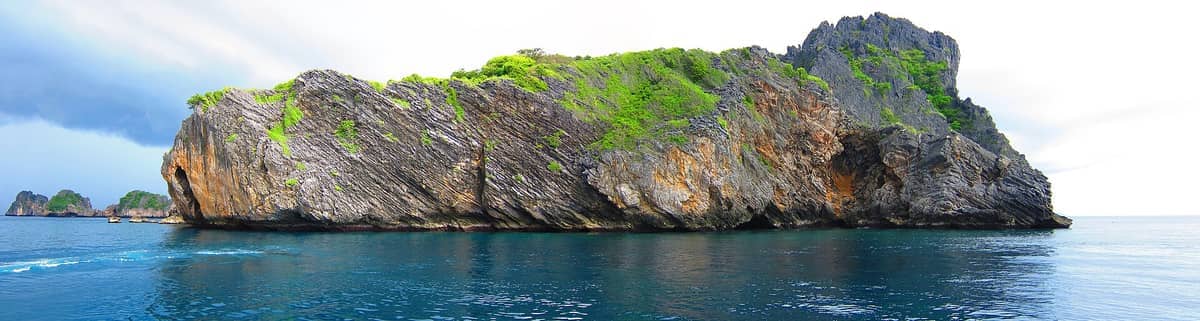
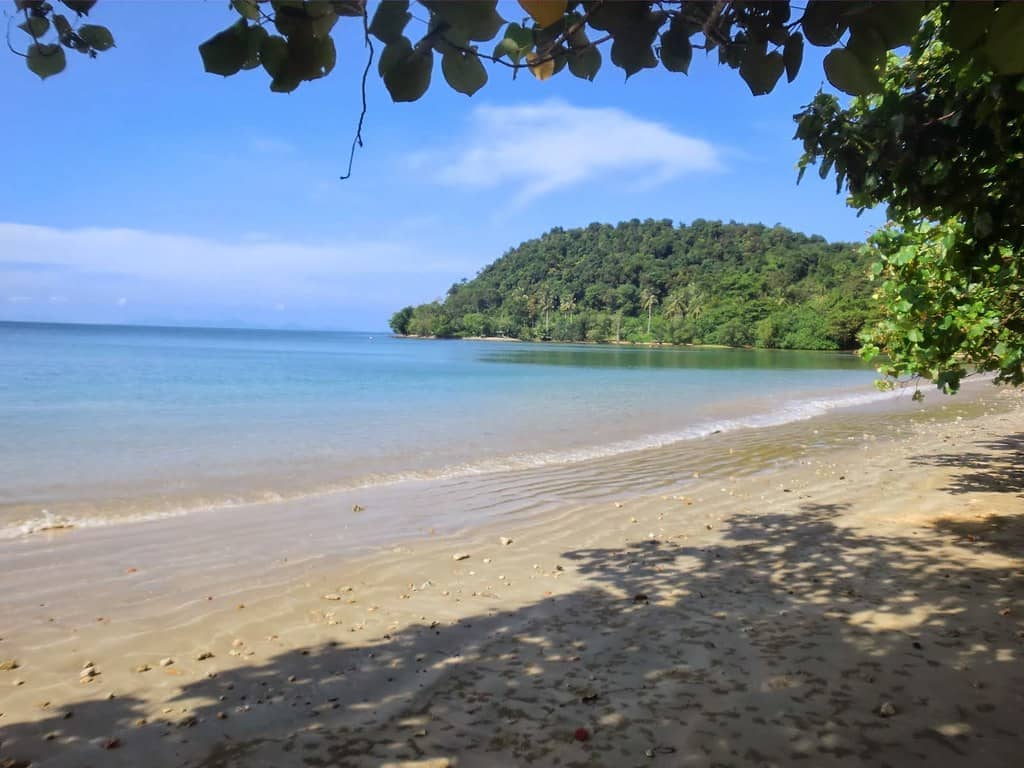
Koh Lanta is a long, forested island in Krabi Province with nine beaches, a historic old town on its east coast, and a national park at its southern tip. It moves at a slower rhythm than Ao Nang or the Phi Phi Islands, drawing travelers who want space and quiet over party crowds. Getting there takes some effort, but the island rewards those who make the crossing.
Koh Lanta Yai is a 30-kilometer island in Krabi Province that manages to feel genuinely unhurried even at the height of high season. Its beaches run the length of the west coast, its forested interior rises steeply from the road, and its east-coast old town preserves a way of life that most of Thailand's island destinations have long since traded away.
Orientation
Koh Lanta is the collective name for an island district in southern Krabi Province, though when travelers say 'Koh Lanta' they almost always mean Koh Lanta Yai, the larger of the two main islands. Koh Lanta Noi sits just north of it, connected by bridge, and together they form a narrow chain that extends roughly north to south into the Andaman Sea.
A single paved road runs the full length of Koh Lanta Yai from Baan Saladan in the north to Mu Ko Lanta National Park and the lighthouse at the southern tip. The west coast, facing open water, is where most of the beaches and resorts sit. The east coast is sheltered, mangrove-fringed, and home to Baan Koh Lanta, known to most visitors as Lanta Old Town. The island is about 70 kilometers by road from Krabi Town, though the journey involves a car-ferry crossing that adds time to the trip.
Baan Saladan, at the northern tip, functions as the island's commercial center. It has the pier where boats arrive from Krabi Town and Ko Phi Phi, plus the concentration of banks, ATMs, dive operators, motorbike rental shops, pharmacies, and convenience stores that you will not easily find elsewhere on the island. If you want to orient yourself quickly after arrival, start here. For a broader sense of how Koh Lanta fits into the region, the Krabi to Koh Lanta travel guide covers the full journey in detail.
Character & Atmosphere
Koh Lanta's rhythm is set by the tides and the light, not by nightlife or a tour-group schedule. Mornings are genuinely quiet. Beachfront guesthouses open their shutters to the sound of fishing boats returning and birds working the mangrove edges. By 8am, the local coffee shops in Saladan are active, motorcycles are threading the main road, and the light that comes off the Andaman at that hour is a particular shade of flat silver that shifts to gold within the hour.
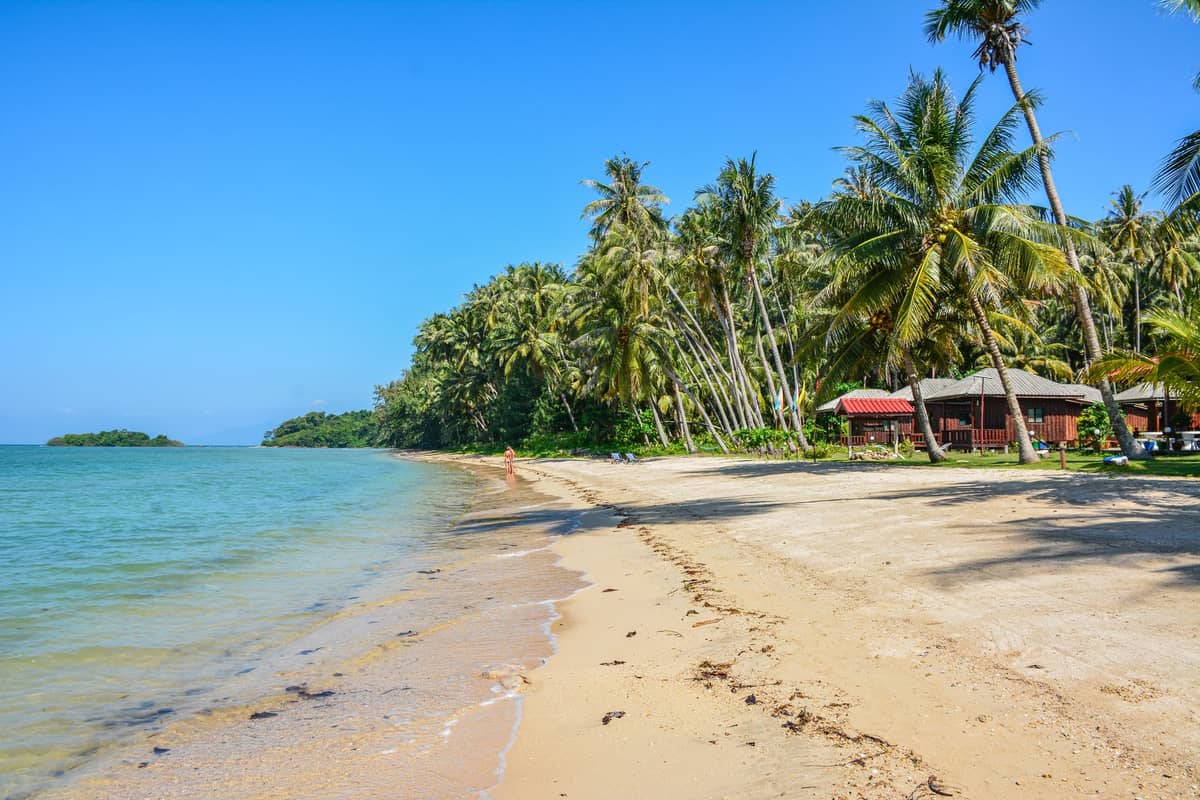
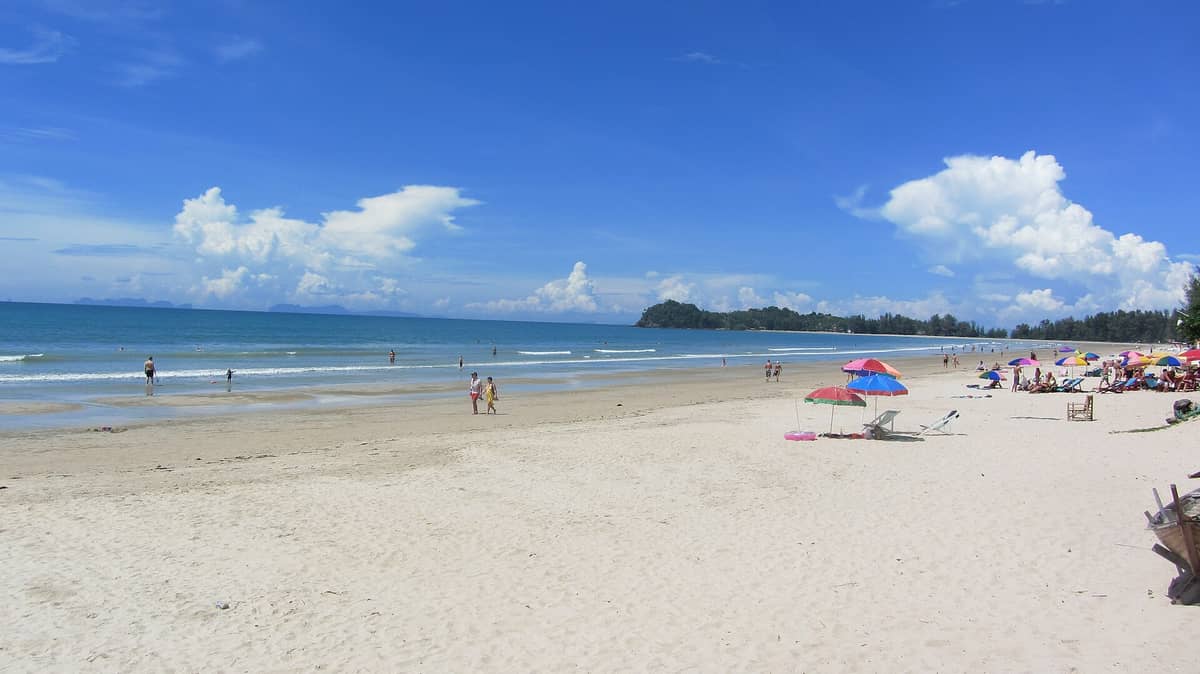
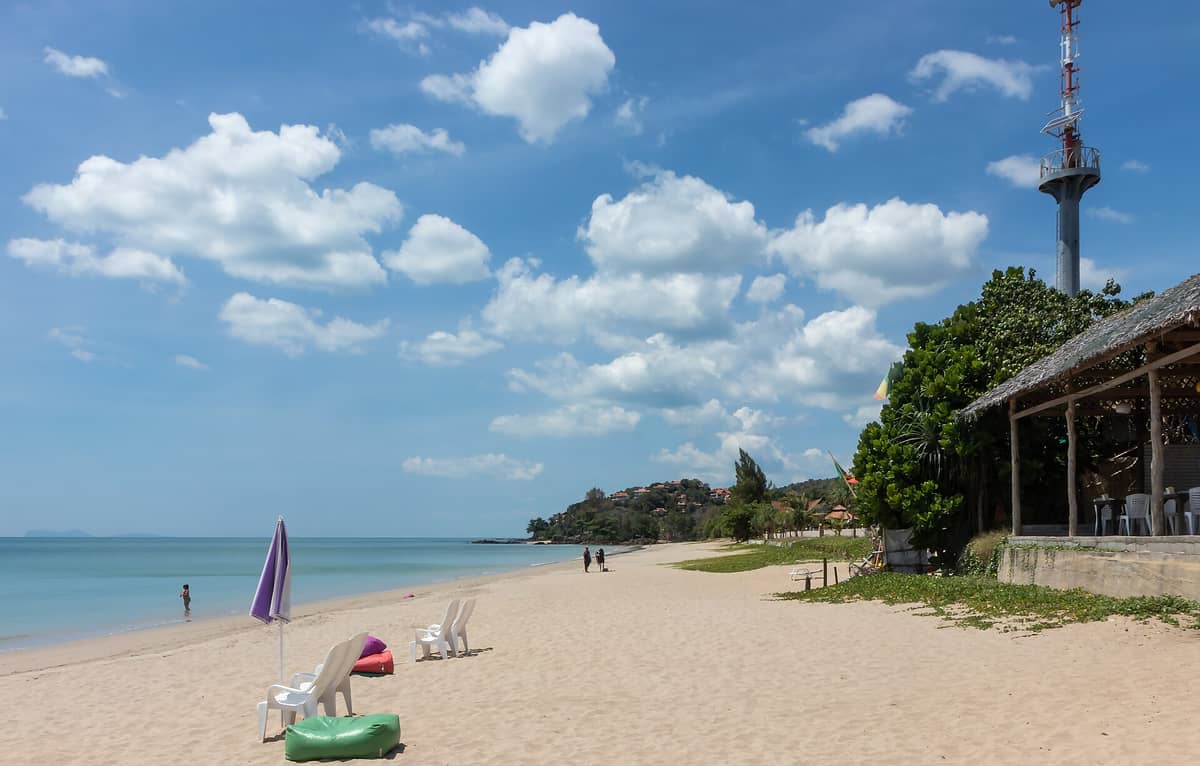
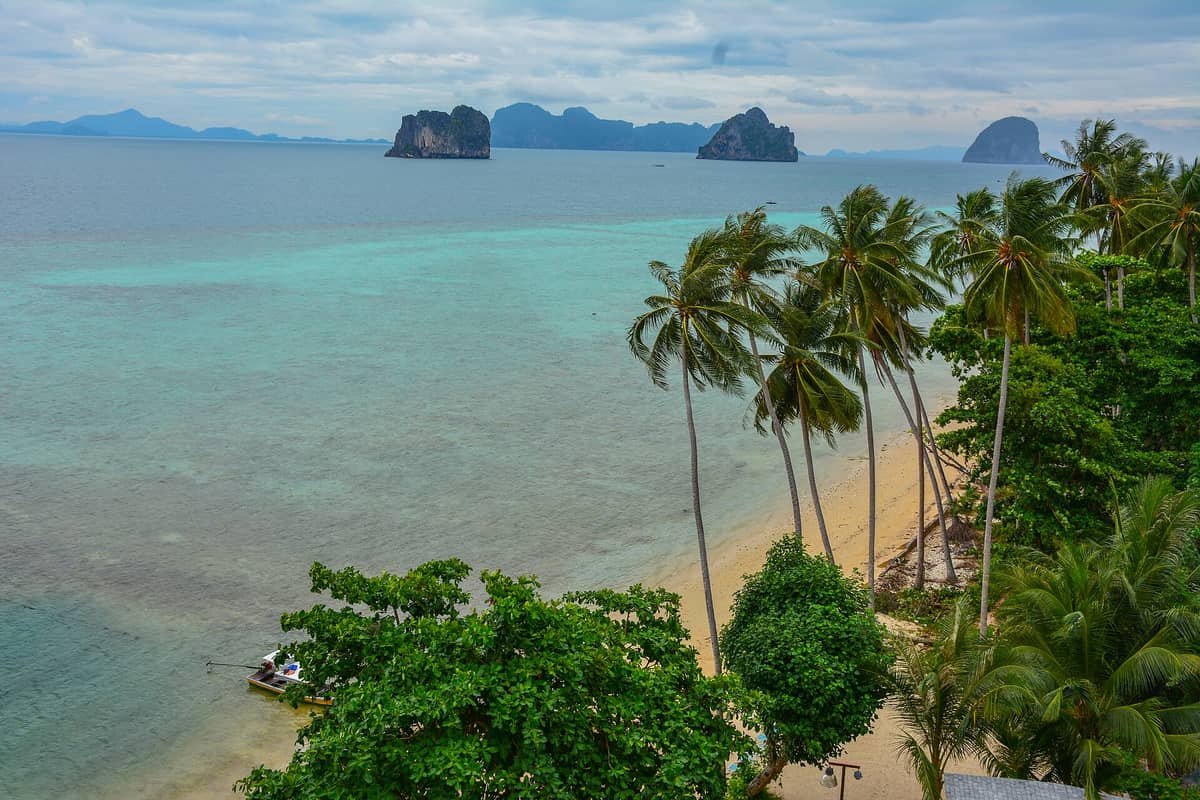
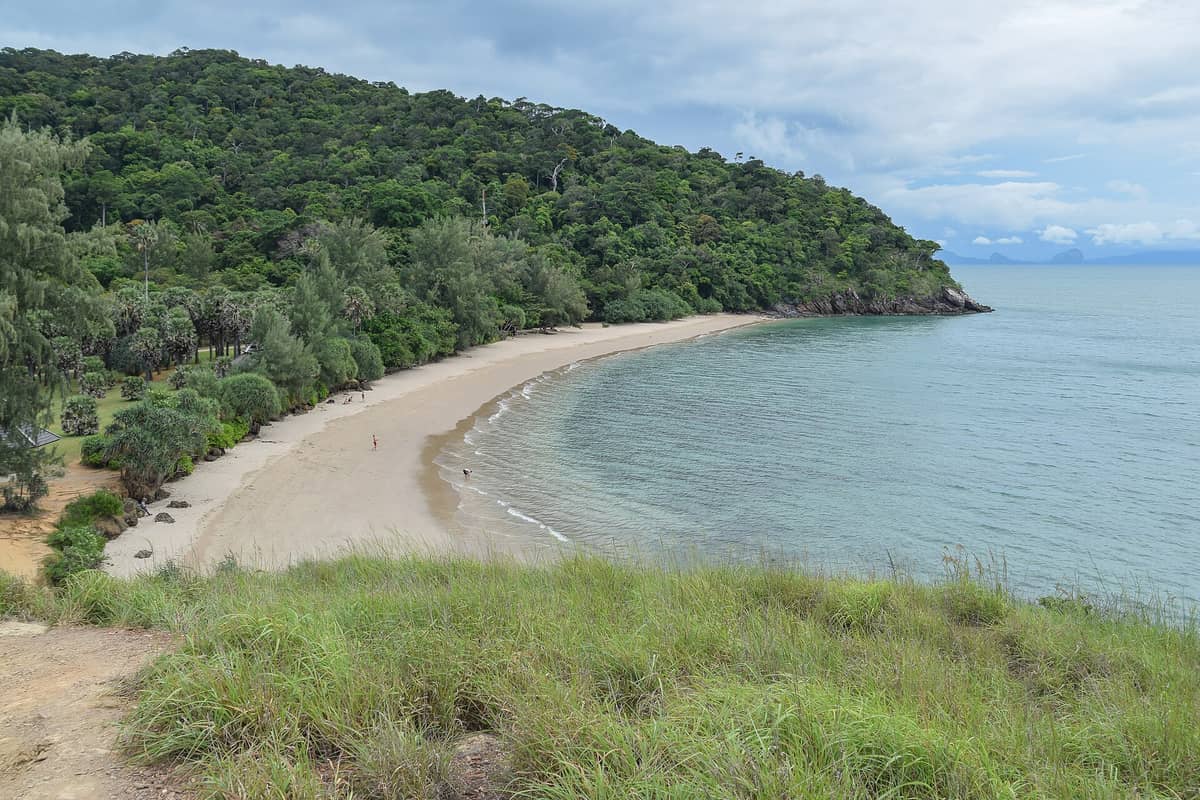
Afternoons on the west-coast beaches are the island's social peak. The sun moves across the water in a long arc before dropping behind the horizon with a directness that draws people to the shoreline every evening. The beaches vary considerably in character. Klong Dao, closest to Saladan in the north, is wide, easy to walk, and suits families. Moving south, Long Beach stretches without any significant development at its southern end. Klong Nin, further south again, has a more local feel, with fewer resorts and several good restaurants right on the sand.
After dark, Koh Lanta is genuinely low-key. A strip of bars around Klong Dao and Long Beach serve cold beer and play music at a volume that does not push into the surrounding trees. This is not the place for clubs or beach parties. If that is what you are looking for, the island is honest about not providing it. What it does offer after sunset is a sky with minimal light pollution and the occasional gathering of fire-show performers outside beachside bars.
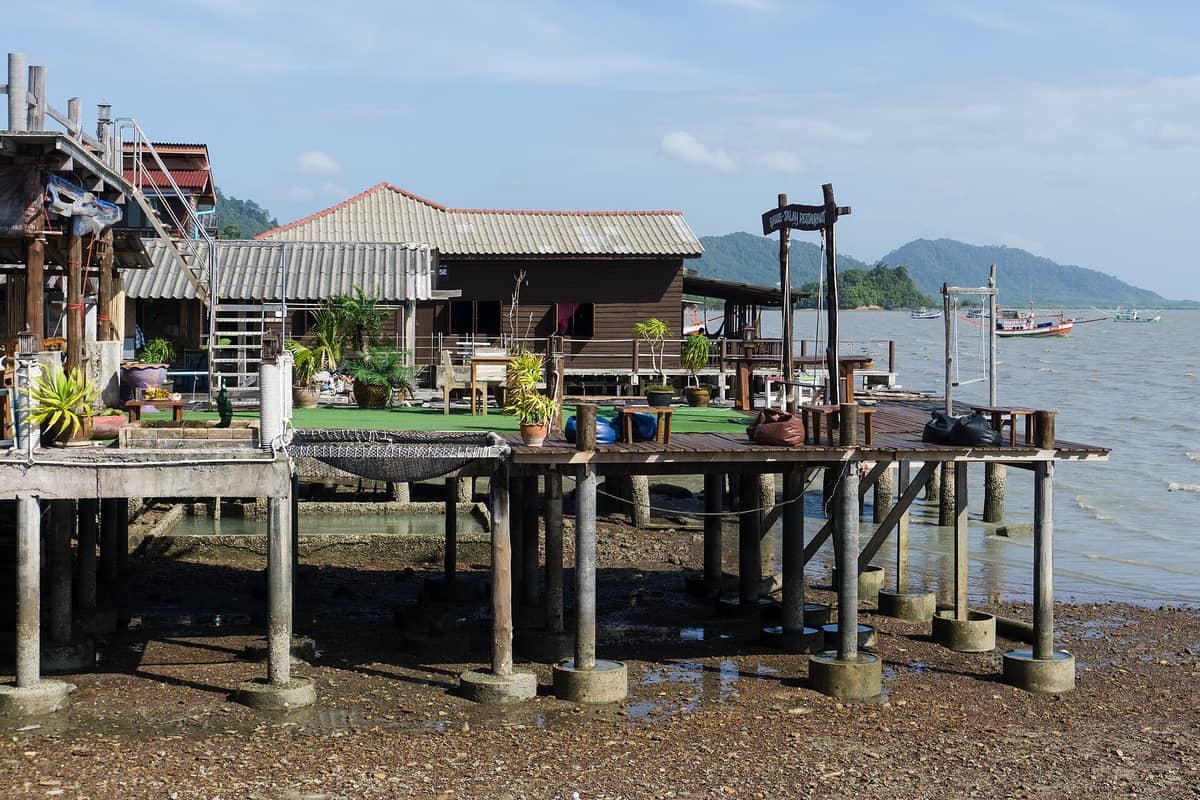
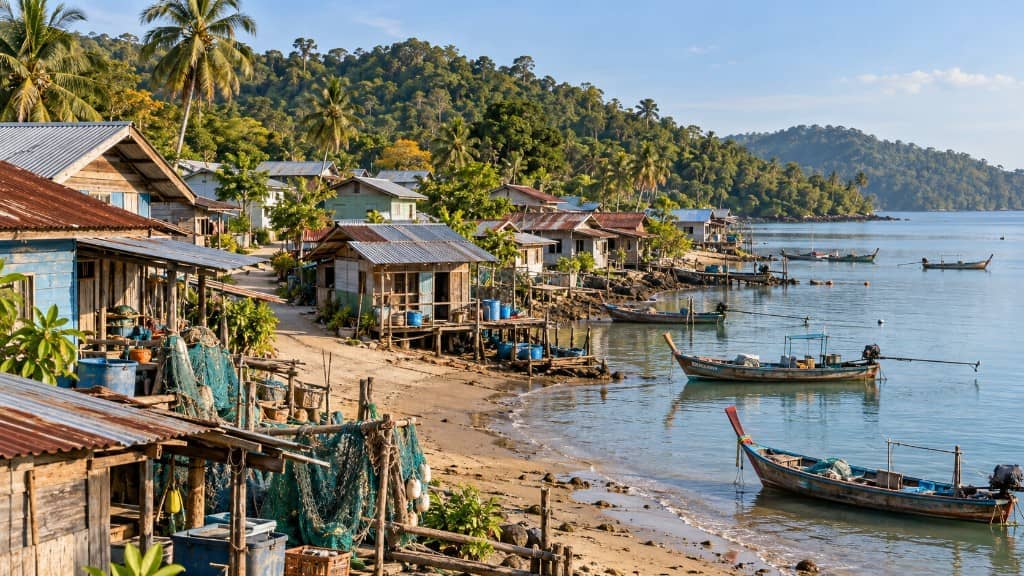
Lanta Old Town, on the east coast, operates on a different register entirely. Its wooden shophouses on stilts over the water date from the late 19th and early 20th centuries, when the town was a trading post connecting the island's fishing communities with mainland merchants. The community here includes descendants of Thai-Muslim, Chinese, and Chao Ley (sea gypsy) families. On weekday mornings it is almost completely quiet, with only a handful of cafes and craft shops open. On weekends, particularly in high season, visitors come specifically to walk the main street and eat at the waterfront restaurants, but even then it does not feel overwhelmed.
ℹ️ Good to know
Koh Lanta has a defined high season (roughly November to April) and a genuine low season when many beach resorts close entirely. If you plan to visit between May and October, check ahead that your accommodation and the restaurants you want are still operating.
What to See & Do
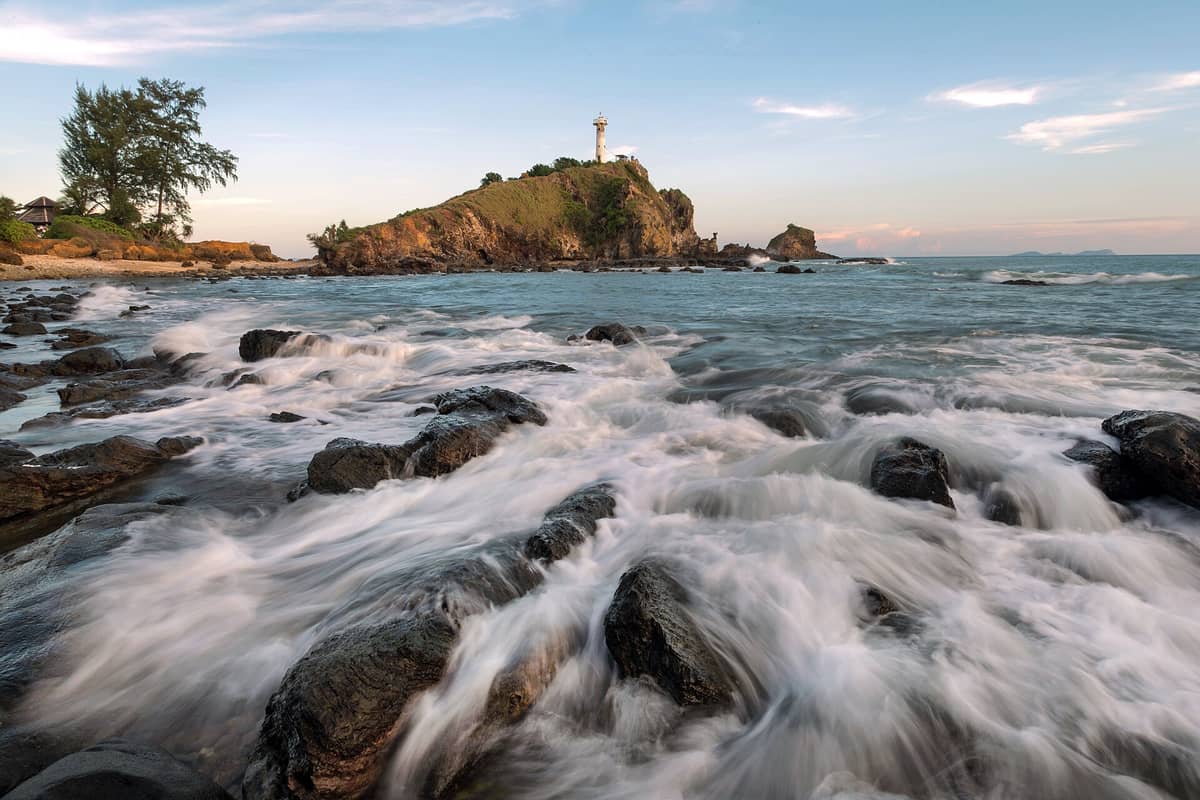
The southern end of the island is protected as Mu Ko Lanta National Park, which covers the southern tip of Koh Lanta Yai and a cluster of smaller islands offshore. The park's terrain shifts from beach to dense forest to rocky cliffs. A trail leads up to the island's lighthouse, which stands on a headland with views south toward Ko Ngai and Ko Rok. The park entrance fee applies to foreign visitors; the road in can be rough.
At the far south, the Koh Lanta Lighthouse is the island's most photographed landmark. Getting there involves the long drive south on the main road, which becomes narrower and more forested as you go. The journey itself is part of the experience, particularly on a rented motorbike. Allow at least half a day for a round trip from Saladan.
Lanta Old Town, formally known as Baan Koh Lanta, is worth more than a quick look. The Koh Lanta Old Town retains its original wooden architecture, with narrow lanes running between shophouses that lean over the water on weathered stilts. Several of the buildings have been converted into galleries, boutique shops, and small restaurants, but the restoration has been restrained enough that the historic character is still readable.
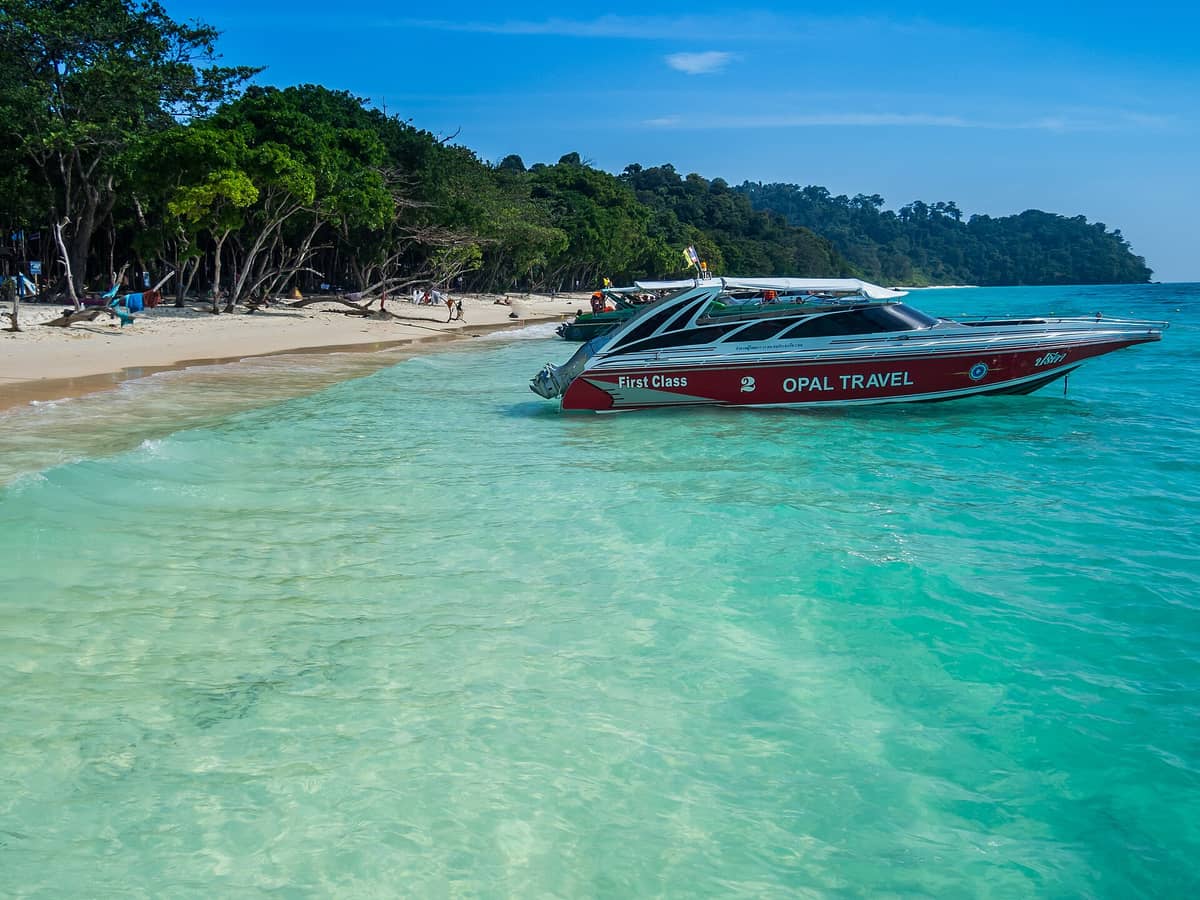
Diving and snorkeling are serious draws. The waters around Koh Lanta give access to some of the best dive sites in southern Thailand, including Ko Haa and Ko Rok. The Ko Haa island group is known for its underwater caves and consistent visibility. Most dive operators on the island offer day trips from Saladan pier, with certifications available through multiple PADI-affiliated shops. The Krabi diving guide gives a full breakdown of the region's dive sites.
The Koh Lanta Sea Gypsy Village on the east coast is a functioning community rather than a tourist attraction, and should be approached with that in mind. Some operators offer respectful cultural visits, but wandering in uninvited is not appropriate.
Rent a motorbike and ride the full length of the island from Saladan to the lighthouse, stopping at beaches along the way
Book a diving or snorkeling day trip from Saladan pier to Ko Haa or Ko Rok
Walk the main street of Lanta Old Town on a quiet weekday morning
Swim at Klong Nin Beach in the afternoon, when the light is best and the crowd is manageable
Visit Mu Ko Lanta National Park at the southern tip for jungle trails and coastal views
Eating & Drinking
Food on Koh Lanta spans a wider range than its quiet reputation might suggest, though it is still modest compared to Krabi Town or Ao Nang. Saladan has the most concentrated selection, including seafood restaurants, Thai noodle shops, bakeries, and coffee spots. A plate of pad see ew or a bowl of khao tom at one of the open-fronted shophouses near the pier costs around 60 to 80 baht. Fresh seafood, sold by weight and grilled to order, is the default splurge and generally good value compared to resort restaurant prices.
Along the west-coast road, beachfront restaurants are built into the sand at the edge of the treeline, with low tables and cushions facing the water. This format suits sunset dining, and most places keep the menu simple: grilled fish, curries, smoothies, and cold beer. Quality is inconsistent, so it is worth asking at your accommodation which places are currently reliable, since openings and closures track the season closely.
Lanta Old Town has a small number of cafes and restaurants with more care put into them than their size suggests. Some occupying the old shophouses serve Thai-Muslim food alongside filter coffee and home-baked goods, a combination that reflects the town's mixed heritage. These spots tend to close early, often by 6pm, so they work best for a late breakfast or lunch.
For travelers keeping costs down, the Krabi street food guide covers the regional staples that appear across the province, many of which you will find at the small stalls in Saladan's morning market.
💡 Local tip
Buy drinking water and snacks at the minimarkets in Saladan before heading south on a day trip. Options get thinner the further south you go, and resort restaurants along the road charge significantly more than town prices.
Getting There & Around
Getting to Koh Lanta takes more planning than reaching Ao Nang or Railay. The standard route from Krabi Town or Krabi Airport involves a minivan transfer that crosses by car ferry from the mainland to Koh Lanta Noi, then continues over the bridge to Koh Lanta Yai, terminating at Saladan. The journey takes approximately two hours from Krabi Town under normal conditions, longer with traffic or ferry waits. Private transfers and shared minivans are both available; book through your accommodation or a reputable agent.
Boats from Krabi Town pier and from Ko Phi Phi arrive at Saladan pier and are a faster option in high season, with journey times from Krabi pier of around two hours by high-speed boat. Boat services are more limited in the rainy season and can be cancelled in poor sea conditions. The getting around Krabi guide covers transport options across the province in more detail.
Once on the island, motorbike rental is the practical default for most travelers. Shops in Saladan rent automatic scooters by the day. The main road is paved the full length of the island, but side roads into the hills and down to smaller beaches can be steep, narrow, and unpaved. Driving at night on rural stretches of the road is genuinely risky; the road is unlit, and animals frequently cross after dark.
⚠️ What to skip
Road conditions on Koh Lanta can be hazardous, especially on steeper inland roads during the rainy season. The Government of Canada travel advisory for Thailand specifically cautions about mountain roads at night. Wear a helmet, go slowly on unfamiliar surfaces, and avoid riding after dark unless you know the route.
Songthaews (shared pickup trucks with bench seating) operate limited routes between Saladan and the beaches. Tuk-tuks are available but price negotiation is required. Taxis are not metered. For longer journeys across the island, confirm a fare before you get in. Grab is not reliably available on the island; do not depend on it.
Where to Stay
Accommodation on Koh Lanta is spread across the island's west coast, with clusters at each major beach. Choosing where to stay is effectively choosing which beach to base yourself on, since the island is long and moving between beaches takes time. The Krabi accommodation guide compares Koh Lanta with other parts of the province for travelers still deciding.
Klong Dao Beach in the north is the most family-oriented zone, with wider sand, calmer water in most conditions, and the easiest access to Saladan's services. Klong Dao Beach has the widest range of accommodation types, from budget bungalows to mid-range resort hotels. It is also the most convenient base if you plan to take day trips by boat from Saladan pier.
Klong Nin Beach, in the island's middle section, appeals to travelers who want something quieter without committing to the long drive south. Klong Nin Beach has fewer resorts, a more local atmosphere, and several good beachfront restaurants. The trade-off is distance from Saladan's amenities.
Luxury and boutique options are distributed along the coast rather than concentrated in one spot. Several high-end resorts occupy cliff-edge or hillside positions in the southern third of the island, offering seclusion at the cost of distance from everything else. Budget travelers will find the most options in and around Saladan and at Klong Dao, where simple fan-room bungalows still exist at reasonable prices in high season.
ℹ️ Good to know
Many resorts on Koh Lanta close between May and October. Before booking, confirm that your chosen property is open for your travel dates, particularly if you are visiting in the shoulder months of April or November.
Safety & Practical Notes
Koh Lanta's west-facing beaches are exposed to the open Andaman Sea. Currents can be strong, particularly from May onward as the monsoon builds, and wave size increases considerably compared to the calm dry-season conditions. Beach warning flags exist at some beaches but are not universally posted. If the water looks rough, do not enter it. Jellyfish, including some species capable of causing serious stings, are present in these waters. Seek medical assistance after any sting rather than attempting self-treatment.
Saladan has the island's most accessible medical facilities, including a clinic. For serious medical emergencies, evacuation to Krabi Town or further is necessary. Thailand's general emergency number is 191 for police, 1669 for ambulance services, and 1155 for the Tourist Police. Carry travel insurance that covers medical evacuation.
Petty theft is uncommon but not unknown. Standard precautions apply: do not leave valuables visible in a parked motorbike's basket or on the beach when you swim. Tap water on the island is not safe to drink; use sealed bottled water. Most accommodation stocks it, and it is inexpensive at Saladan's minimarkets.
Quick Verdict
TL;DR
Koh Lanta suits travelers who want a genuine beach holiday with space, quiet, and easy access to serious diving and snorkeling, without the noise of a party destination.
The island is long, and choosing the right beach to base yourself on matters more than it might seem: Klong Dao for families and convenience, Klong Nin for a quieter mid-island feel, the south for seclusion.
Getting there takes two or more hours from Krabi Town and involves a ferry or boat, which makes it less suited to short trips or travelers with tight itineraries.
High season runs November to April; many resorts and restaurants close between May and October, so verify opening dates before booking.
Lanta Old Town on the east coast is one of the most authentically preserved historic communities in the province and worth a half-day even for travelers not otherwise interested in history.
Bangkok to Krabi is one of Thailand's most-traveled long-distance routes, and there are three main ways to do it: fly, take the overnight bus, or combine a southern-line train with a road transfer. This guide breaks down every option with real costs, journey times, and the real trade-offs so you can pick the right route for your trip.
Krabi Province has more great beaches than most travelers can visit in a single trip, spread across the mainland coast, the Railay Peninsula, Koh Phi Phi, and Koh Lanta. This guide ranks and compares the best, so you can choose the right beach for your style.
Krabi's weather shapes everything from island hopping to hotel rates. This guide breaks down every month of the year so you know exactly when to go, when to save money, and what to realistically expect from Thailand's most dramatic coastline.
Krabi is one of southern Thailand's best bases for day trips, with stunning islands, jungle waterfalls, sacred temples, and sea caves all within reach. This guide covers the top destinations you can explore in a single day, from the legendary Phi Phi Islands to the serene mangroves of Ao Tha Lane.
Krabi Province spans coastline, islands, and inland jungle with no metro or rail network. This guide covers every transport option, from airport minivans and local songthaews to long-tail boats and ferries, so you can move around without overpaying or getting stranded at the wrong pier.
Three days in Krabi, Thailand is enough to hit the highlights without rushing — if you plan smart. This itinerary covers Railay Peninsula, island day trips, Krabi Town's underrated food scene, and the key logistics most guides get wrong.
Krabi International Airport (KBV) is a manageable gateway, but the transfer options are genuinely confusing if you haven't researched them. This guide breaks down every transport option from the airport, with realistic fare ranges, journey times, and tips for avoiding the most common mistakes.
Krabi Province offers some of southern Thailand's most accessible and rewarding dive experiences, from shallow coral gardens off Ao Nang to advanced wreck dives and world-class drift sites. This guide covers the best dive sites, how to choose a course, what operators charge, and a clear take on when diving here is worth it.
Most visitors to Krabi stick to Ao Nang, Railay, and the Phi Phi day trip. But the province holds far more: ancient fishing villages, mineral-fed jungle pools, empty beaches, and islands with no roads. This guide points you to the places worth the extra effort.
Krabi's limestone karst landscape delivers some of Southeast Asia's most dramatic hiking. From the roughly 1,240-step climb to Tiger Cave Temple's panoramic summit to the rope-assisted scramble into Railay Lagoon, these are the best trails, viewpoints, and jungle walks across the province.
Krabi Province offers one of Southeast Asia's most compelling honeymoon settings: limestone karsts rising from turquoise water, car-free beach peninsulas, and islands that feel genuinely remote even in peak season. This guide covers where to stay, what to do, and how to plan a honeymoon in Krabi that goes beyond the standard tourist trail.
December marks the start of Krabi's drier travel season, bringing warm temperatures, calmer seas, and the year's biggest tourist crowds. Here's everything you need to plan your trip, from realistic weather expectations to the best activities and where to stay.
Krabi's rainy season runs from May to October, but it's rarely the washout people fear. This guide covers what the southwest monsoon actually means for your trip: which activities hold up, which boat routes get disrupted, where prices drop, and how to plan around the weather without wasting your time or money.
Krabi Thailand sits at the centre of one of Southeast Asia's great island-hopping regions. This guide breaks down every major route, from the classic Four Islands trip to the quieter Hong Islands circuit, with real pricing, seasonal warnings, and booking tips to help you plan smarter.
Five days is enough time to experience the best of Krabi Thailand without rushing. This itinerary balances iconic beaches, island excursions, jungle trails, and local culture — with practical logistics, realistic cost breakdowns, and advice on what to skip.
Krabi Thailand offers some of Southeast Asia's most dramatic paddling terrain: limestone karsts rising from calm water, mangrove labyrinths, and island lagoons accessible only by kayak. This guide covers the top routes, tour formats, seasonal conditions, and practical advice to help you choose the right experience.
Koh Lanta is one of the most rewarding islands in Krabi Province, and getting there is straightforward once you know which transport option suits your trip. This guide covers minivans, ferries, speedboats, fares, journey times, and the key details that booking platforms often leave out.
Krabi Province offers some of Southeast Asia's most dramatic luxury settings, from cliffside villas at Railay to private pool suites on Koh Lanta. This guide breaks down where to stay, what to do, and how to get the most from a high-end trip to Krabi, Thailand, without falling for overhyped options.
Krabi's after-dark scene spreads across several distinct areas, each with its own vibe, price point, and closing time. This guide covers Ao Nang, Krabi Town, and Railay so you know exactly where to go, what to spend, and what to skip.
Krabi, Thailand can devour a travel budget faster than most visitors expect, or stretch it surprisingly far if you know where the price traps are. This guide covers transport, accommodation, food, beaches, and island trips with realistic cost breakdowns and no fluff.
Planning a Koh Phi Phi day trip from Krabi? This guide covers ferry routes, speedboat tours, Maya Bay access, park fees, seasonal closures, and the practical details that most travel sites gloss over. Know what you're booking before you pay.
Krabi Thailand is one of Southeast Asia's most rewarding destinations, but a handful of well-worn scams and avoidable risks can derail a trip fast. This guide covers the real threats, practical precautions, and emergency contacts you need before you go.
Krabi Province has some of Thailand's finest snorkeling, with clear Andaman water, limestone island scenery, and healthy reefs accessible from multiple departure points. This guide covers the best snorkeling spots by area, what to expect underwater, and how to plan your trips from Ao Nang, Koh Lanta, and beyond.
Krabi Thailand's street food scene runs the full spectrum from southern Thai curries ladled out of giant woks to fresh-caught seafood grilled on the spot. This guide covers the best dishes, the top markets, neighborhood-by-neighborhood options, and practical tips for eating well without getting burned by tourist pricing.
Two of Thailand's most-visited southern destinations, Krabi and Phuket sit on the same Andaman coastline but offer very different experiences. This guide breaks down the key differences across scenery, access, budget, beaches, and travel style so you can decide which one belongs on your itinerary.
Krabi Province has the beaches, islands, and outdoor adventures that make it one of Thailand's best destinations for families. This guide covers the top kid-friendly activities, where to base yourself, how to get around with children, and what to watch out for so your family holiday runs smoothly.
Krabi Province offers one of the most geographically varied destinations in southern Thailand, from mainland karst scenery and inland waterfalls to boat-access beaches and remote islands. But is it right for you? This guide cuts through the hype and gives you a clear-eyed look at what Krabi delivers, what it doesn't, and who should actually go.
Phuket and Krabi are neighboring provinces in southern Thailand, yet getting between them takes more planning than most travelers expect. This guide breaks down every realistic option, from shared minivans to scenic ferries, with candid assessments of cost, comfort, and when each makes sense.
Krabi, Thailand is one of Southeast Asia's top rock climbing destinations, with hundreds of bolted limestone routes at Railay and Tonsai. This guide covers beginner courses, operator prices, the best season to climb, and what nobody tells you before you book.
Krabi Province packs limestone cliffs, emerald lagoons, jungle temples, and some of Thailand's finest beaches into one compact destination. This guide covers the best things to do in Krabi across beaches, islands, inland attractions, and adventure activities, with practical notes on pricing, seasonality, and what tour operators often skip.
Krabi Thailand covers a sprawling province of limestone coast, islands, and inland jungle. Choosing the wrong base can cost you hours of unnecessary travel. This guide breaks down every major area, who each one suits, and what to realistically expect from your accommodation.