Scuba Diving in Krabi: Best Sites, Courses & Operators
Krabi Province offers some of southern Thailand's most accessible and rewarding dive experiences, from shallow coral gardens off Ao Nang to advanced wreck dives and world-class drift sites. This guide covers the best dive sites, how to choose a course, what operators charge, and a clear take on when diving here is worth it.
Tickets & tours
Live prices and dates from our booking partner. If you book, we may earn a commission at no extra cost to you.
TL;DR
- High season for diving is November to April, when seas are calmer and visibility is at its best.
- Most operators depart from Ao Nang, with day trips covering local islands, Phi Phi, and longer-range sites like the King Cruiser wreck.
- A PADI Open Water course runs around ฿14,500 (3 days); a two-tank local dive costs around ฿2,900 to ฿4,000 depending on the site.
- Discover Scuba Diving is a great introduction but does not earn you a certification — you need a full Open Water course for that.
- For the full picture on getting to the region, see the Krabi island hopping guide and the Krabi snorkeling guide if you're not yet certified.
Why Dive in Krabi?
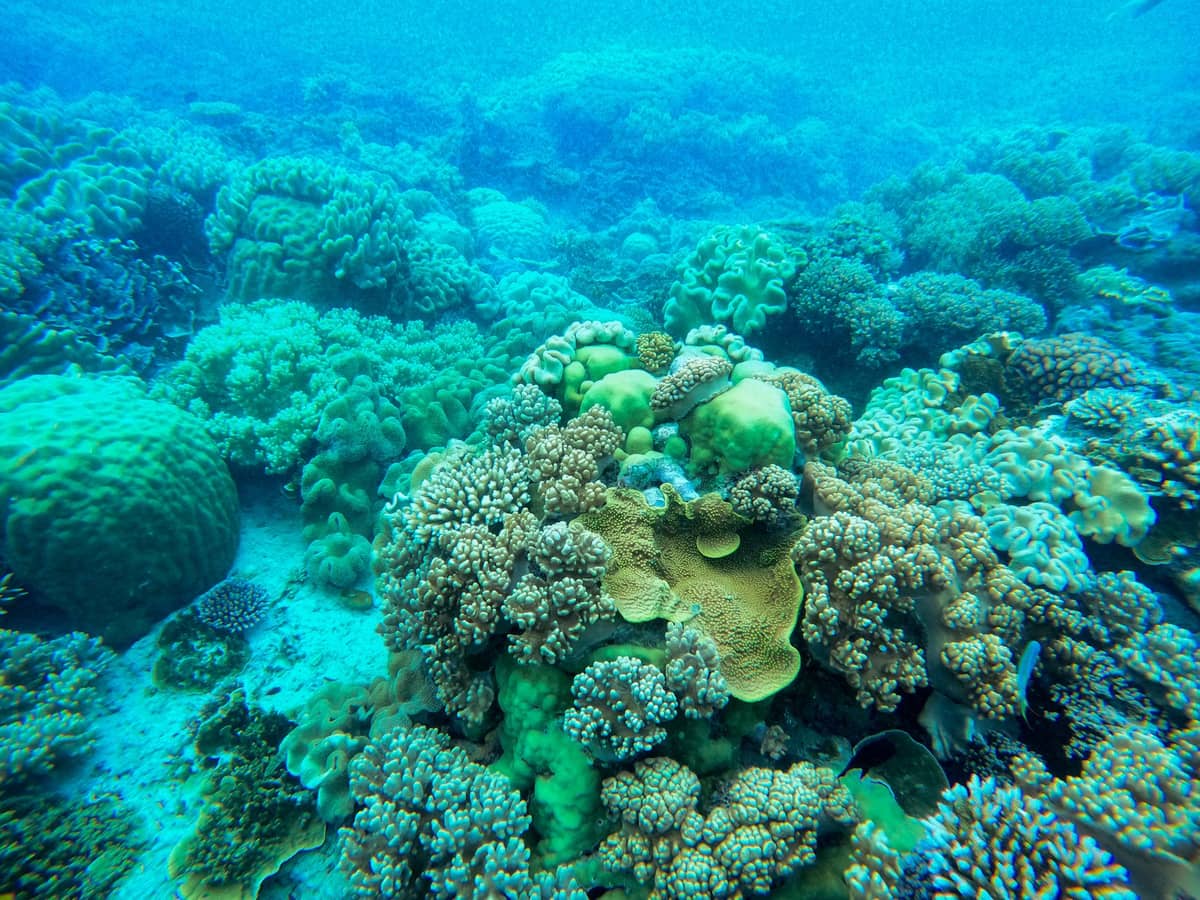
Scuba diving in Krabi, Thailand draws serious divers for reasons that go beyond the scenery above the water. The Andaman Sea here sits on the edge of the Coral Triangle's outer reach, which means coral diversity is genuinely high, and marine life ranges from reef fish and leopard sharks to manta rays on lucky days. Visibility can reach 20 to 30 metres at the better sites during peak season, and water temperatures hover around 28 to 30°C from November through April. That combination makes Krabi an accessible destination for first-timers and experienced divers alike.
Krabi is also logistically convenient. Dive operators are concentrated in Ao Nang and, to a lesser extent, Krabi Town, with most offering morning pickups from your accommodation. You don't need to travel to a remote island to dive here — though the option to do so, via Koh Phi Phi or Koh Lanta, significantly expands your site options.
ℹ️ Good to know
Krabi Province covers 5,323 km² and includes dozens of islands. When operators refer to 'local sites,' they typically mean the Ao Nang archipelago — a cluster of smaller islands within roughly 30 to 60 minutes by speedboat. Phi Phi and the outer Andaman sites require longer journeys and sometimes overnight departures from Koh Lanta.
Best Dive Sites in Krabi
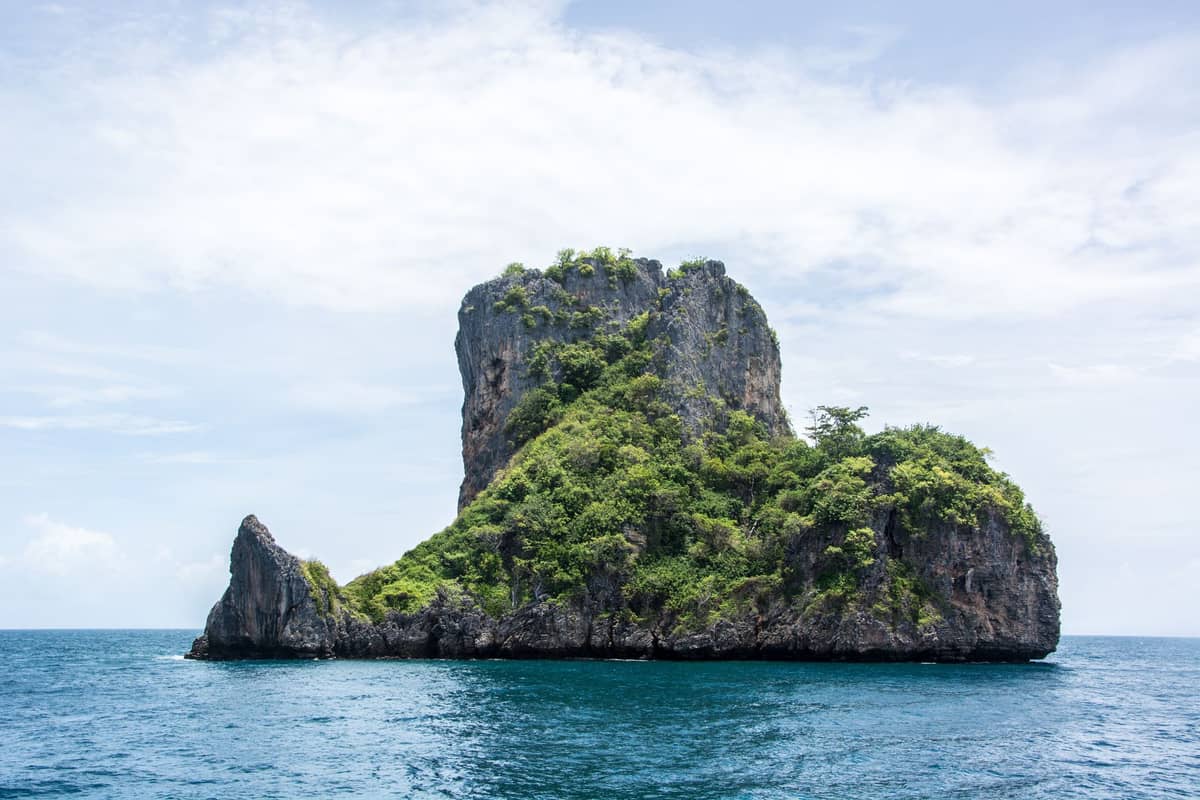
Sites vary significantly in depth, current, and marine life. Here's a breakdown of the main categories, from the most accessible to the most demanding.
- Ao Nang Local Islands (Ko Yawasam, Ko Poda, Ko Hua Khwan) Depths of 5 to 18 metres, gentle currents, and healthy hard coral — ideal for beginners and Discover Scuba sessions. Expect reef fish, small rays, and occasional octopus. These are the sites used for Open Water training dives.
- Koh Phi Phi Sites (Bida Nok, Bida Nai, Hin Bida) Depths to around 25 metres with stronger currents than the local islands. Leopard sharks are frequently seen resting on the sand, and the coral coverage at Bida Nai is among the best in the region. A two-tank day trip from Ao Nang takes 1.5 to 2 hours each way by speedboat.
- King Cruiser Wreck A car ferry that sank in 1997, now sitting at 30 metres. Penetration is possible at several points, and the wreck is encrusted with sea fans, soft corals, and resident fish schools. Requires Open Water certification at minimum; Advanced Open Water is strongly recommended.
- Anemone Reef and Shark Point Often paired on the same trip as the King Cruiser, these two sites sit off the Phi Phi coast. Shark Point is named for the leopard sharks (not the dangerous kind) that rest on the sandy bottom. Anemone Reef is a seamount covered in dense anemone colonies with resident clownfish.
- Koh Haa (Five Islands) Accessed from Koh Lanta rather than Ao Nang. The lagoon and cave systems here are exceptional, with visibility often exceeding 20 metres and a reliable chance of seeing whale sharks from around February to April. Considered one of the Andaman's top dive destinations.
✨ Pro tip
If Koh Haa is on your list, book a liveaboard or base yourself on Koh Lanta during your diving days. Day trips from Ao Nang to Koh Haa exist but involve very long boat rides, leaving little time in the water. The Koh Lanta operators have a significant advantage in access and trip quality for southern Andaman sites.
Dive Courses: What's Available and What It Costs
Krabi's dive operators offer a range of PADI courses, from first-time introductions to advanced certifications. Understanding the difference between these options matters more than most dive shops will tell you upfront.
Discover Scuba Diving (DSD) is the introductory option: a half-day experience with a brief pool or shallow-water skills session, followed by one or two guided dives to a maximum depth of around 12 metres. It is not a certification. You cannot dive independently after completing it, and you cannot use it as credit toward an Open Water course without repeating certain elements. It is listed at around ฿3,500 for a local island dive and ฿5,100 for a Phi Phi session (per Local Diving Krabi's published price list; verify before booking as prices change).
- PADI Scuba Diver A two-day course that earns a partial certification — you can dive to 12 metres with a professional. Good if you have limited time but want something official. Can be upgraded to Open Water later.
- PADI Open Water Diver The full entry-level certification. Three days, covering theory, confined water skills, and four open-water dives. Priced at around ฿14,500 with Local Diving Krabi. This is the globally recognised qualification that lets you dive independently to 18 metres worldwide.
- PADI Advanced Open Water Two days, five adventure dives including a deep dive (to 30 metres) and a navigation dive. Unlocks the King Cruiser wreck and other deeper sites. Usually priced around ฿9,000–฿12,000 depending on the operator and sites included.
⚠️ What to skip
Completing a Discover Scuba Diving experience does not earn you any certification. If you plan to dive anywhere after your Krabi trip, you need a full Open Water course. Some operators are not clear about this distinction when selling DSD experiences, so ask directly before booking.
Operators: What to Look For and Who's Worth Considering
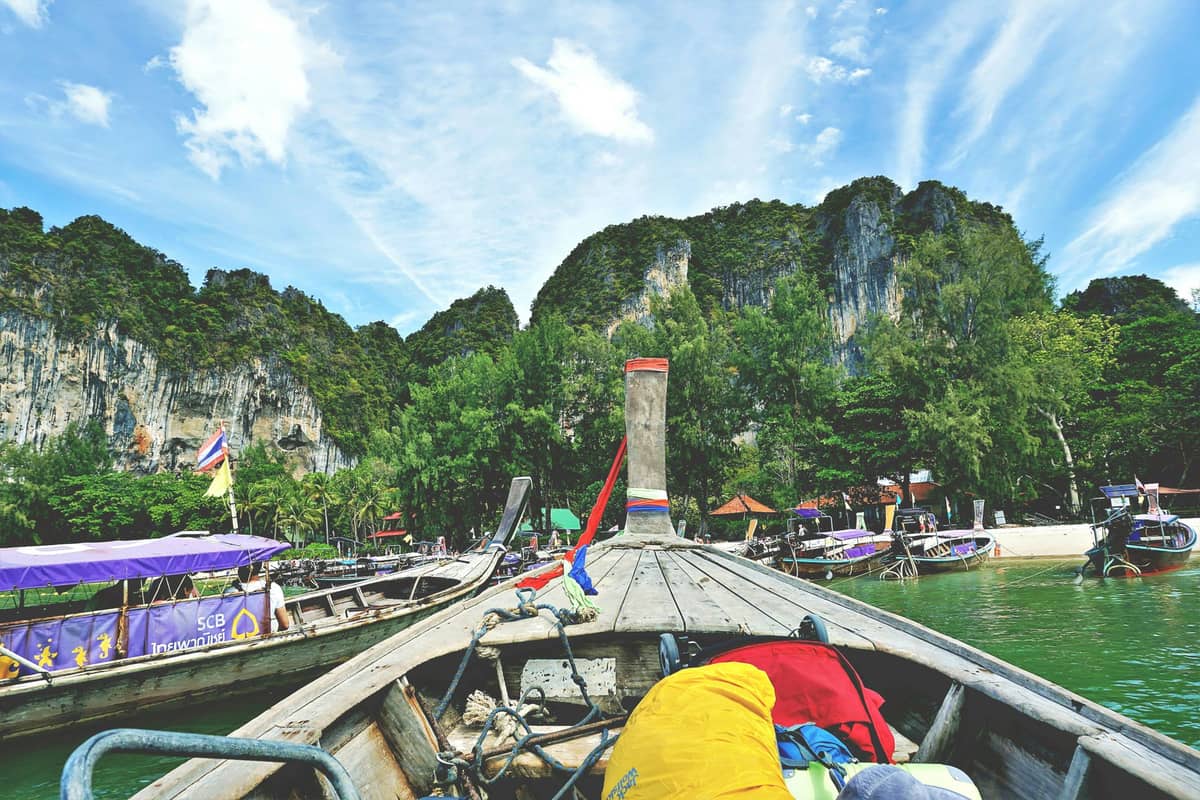
The Ao Nang strip has no shortage of dive shop signage, and not all operators maintain the same standards. A few markers of a reputable shop: they are PADI-affiliated (you can verify instructors at padi.com), their equipment is recent and well-maintained, they cap group sizes for Open Water courses at four students per instructor, and they are transparent about what's included in the listed price.
Two operators with published price lists and clear schedules are Local Diving Krabi and Kon-Tiki Krabi. Local Diving Krabi lists two local-island dives at ฿2,900 and two Phi Phi dives at ฿4,000, with equipment, lunch, and Ao Nang-area transfers included (national park fees may be extra — confirm before booking). Kon-Tiki runs a structured high-season schedule from November through April, with specific weekdays allocated to local islands and other days for King Cruiser, Shark Point, and Anemone Reef trips. Check their live calendar for current availability rather than relying on a fixed schedule.
When comparing operators, ask: what is the exact site on the day I'm booking (not just 'Phi Phi area')? What is the maximum group size? Are park fees included? Is nitrox available? If you're doing a course, ask how many students will share your instructor. Budget operators sometimes run groups of six or more per instructor, which affects both safety and learning quality.
When to Go: Seasons and Visibility
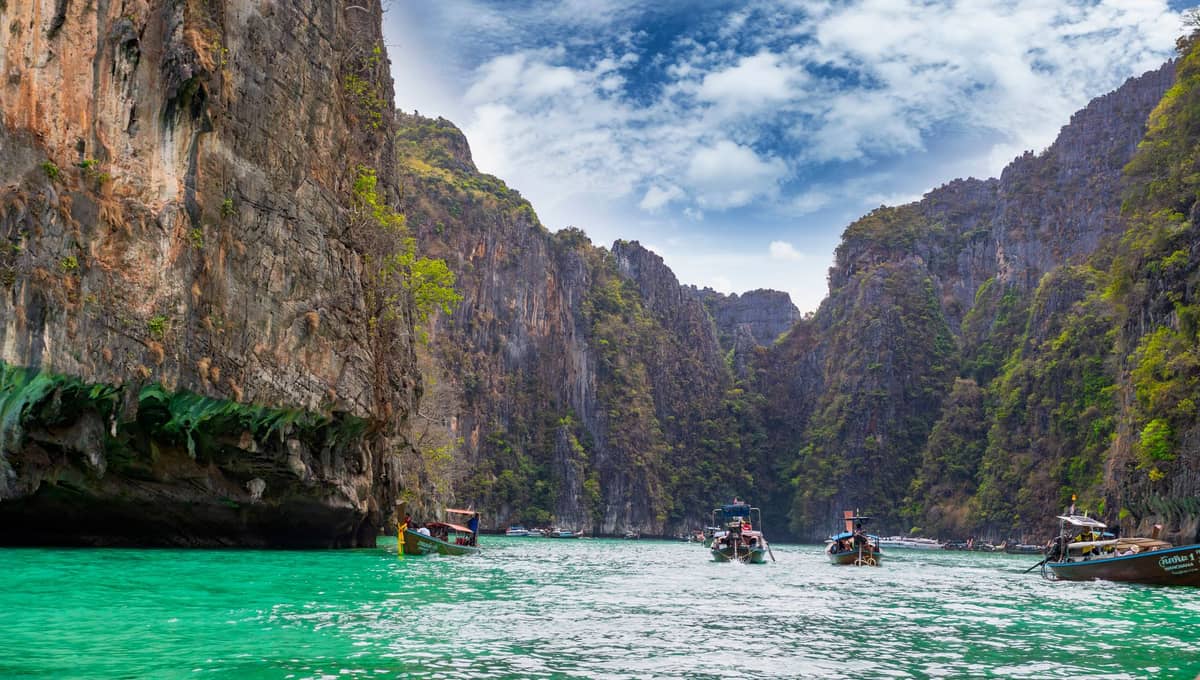
The main diving season runs from November through April, when the southwest monsoon has ended and the Andaman Sea settles. December through February offers the most reliable conditions: calmer seas, better visibility, and more predictable boat schedules. For the broader seasonal picture, including what the rainy season actually looks like for travellers, the best time to visit Krabi guide covers the tradeoffs in detail.
May through October is the southwest monsoon period. Most operators reduce their schedules significantly from June onwards, and some close entirely in August and September. Visibility drops, seas are rougher, and a number of the outer sites become inaccessible for safety reasons. That said, some years see relatively mild conditions even in the shoulder months of May and October, and prices are lower. If you're flexible, arriving in late October or early November can work well — operators are reopening, crowds are thin, and conditions are improving.
December is one of the most popular months for diving and for travel to Krabi generally. If you're planning to dive during that period, the Krabi in December guide has the specifics on what to expect, including how early to book dive courses and liveaboards.
Practical Tips Before You Book
A few things that save headaches and money:
- Book courses at least two to three days in advance during high season (December to February). Instructor slots fill quickly and you can't just walk in and start an Open Water course the same day.
- Bring your certification card if you're already qualified — operators are required to ask for it before letting you dive. A photo on your phone is usually accepted.
- National park fees apply at several sites including Phi Phi and some local islands. These are typically 200–400 THB per person per day and are sometimes not included in the advertised dive price. Always ask.
- If you wear prescription glasses, ask about prescription dive masks — some operators have them. Standard masks won't work over glasses.
- Ear infections are common after multiple diving days in a row. Pack ear-drying drops if you're prone to them, or ask your operator about drying agents.
- Travel insurance that covers diving is essential. Standard policies often exclude it, so check your policy wording and look for one that specifically covers recreational scuba to the depths you'll be diving.
For travellers combining a dive trip with island exploration, the 5-day Krabi itinerary structures dive days alongside beach time and boat trips. And if you're deciding between Krabi and Phuket as your dive base, Krabi vs Phuket breaks down the comparison honestly — Krabi has cleaner access to some of the best Andaman sites, but Phuket has more liveaboard infrastructure.
💡 Local tip
If you're combining diving with snorkeling for a group where some members aren't certified, many operators run trips where divers go down while non-divers snorkel from the boat at the same site. It's worth asking about this option if you're travelling with mixed-certification groups.
FAQ
Do I need to be certified to scuba dive in Krabi?
No — Discover Scuba Diving (DSD) is available for complete beginners and requires no prior certification. However, DSD is a supervised introductory experience, not a qualification. To dive independently anywhere in the world, you need a PADI Open Water certificate (or equivalent), which is a three-day course in Krabi costing around ฿14,500.
What is the best time of year to go scuba diving in Krabi?
November through April is the main diving season, with December to February offering the most consistently calm seas and good visibility (often 15 to 25 metres). May through October is the southwest monsoon; most dive operators reduce or suspend operations from June onwards. October and November shoulder months can work well if you're flexible on exact dates.
How much does scuba diving cost in Krabi?
Based on current operator price lists: a two-tank local island dive costs around ฿2,900; a two-tank Phi Phi dive is around ฿4,000; a Discover Scuba experience runs ฿3,500 (local) to ฿5,100 (Phi Phi); a full PADI Open Water course is around ฿14,500. National park entry fees (฿200 to ฿400 per day) may be extra — confirm with your operator before booking.
Can I dive the King Cruiser wreck from Ao Nang?
Yes, operators run scheduled King Cruiser trips, typically combined with Shark Point and Anemone Reef. Kon-Tiki Krabi, for example, lists these trips on set days during high season (November through April). The wreck sits at 30 metres, so you'll need at minimum an Open Water certification; Advanced Open Water is strongly recommended. Check operator live calendars for current schedule dates.
Is diving in Krabi suitable for beginners?
Yes. The local Ao Nang island sites have gentle currents, shallow depths (5 to 18 metres), and good coral coverage — they're specifically used for Open Water training dives and Discover Scuba experiences. More advanced sites like the King Cruiser or Koh Haa require certification and some dive experience, but Krabi's beginner options are genuinely good, not just watered-down versions of better sites.
Tickets & tours
Live prices and dates from our booking partner. If you book, we may earn a commission at no extra cost to you.
Planning a trip? Discover personalized activities with the Nomado app.